🌿 Practical Plant Care for Healthier, Happier Plants
Healthy plants start with understanding what they actually need. Light, watering, soil, drainage, temperature, humidity, and seasonal changes can all affect how a plant grows.
Patch Plants provides practical, easy-to-follow guidance for caring for plants at home and outdoors. Whether you are learning why leaves are turning yellow, deciding when to water, choosing the right potting mix, or finding a better location for a houseplant, our guides are designed to help you make informed plant care decisions.
Start with our Plant Care Guides & Growing Tips for practical advice on watering, light, soil, pruning, repotting, feeding, and common plant problems.
🌱 Indoor Plant Care & Growing Guides
Indoor plants can transform a room, but successful houseplant care depends on matching each plant to the conditions inside your home. Some plants prefer bright indirect light, while others tolerate lower-light spaces. Watering requirements can also change with the plant, pot, soil, temperature, and season.
Our indoor plant guides cover houseplant care, lighting, watering, humidity, soil, placement, beginner-friendly plants, and solutions to common growing problems.
Explore our Indoor Plant Care & Growing Guides to find advice for choosing and caring for plants throughout your home.
🌳 Outdoor Plant Care & Gardening Advice
Outdoor plants face changing sunlight, rainfall, temperature, wind, soil conditions, and seasonal growth cycles. Choosing plants suited to your climate and growing conditions can make garden care much easier.
Our outdoor growing guides cover container plants, patios, vegetables, garden plants, watering, sunlight, soil, seasonal care, and practical ideas for different outdoor spaces.
Visit our Outdoor Plant Care & Growing Guides for more garden, patio, and container-growing advice.
🪴 Plant Care for Beginners
You do not need to be an expert to grow healthy plants. Start by learning a few basics: understand the plant's light requirements, check the soil before watering, use suitable drainage, and watch how the plant responds over time.
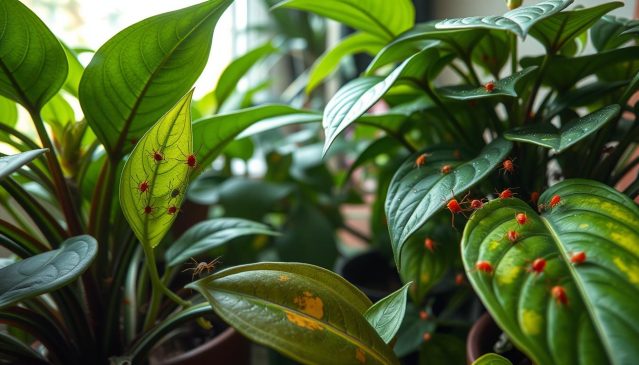
Plants can show similar symptoms for different reasons, so avoid changing everything at once. Yellow leaves, drooping, brown tips, or slow growth may be connected to watering, light, roots, temperature, pests, or natural aging. Check the growing conditions first and use plant-specific guidance before deciding what needs to change.
🍃 Explore Plant Guides by What You Need
Not sure where to begin? Choose the section that best matches what you are growing or the problem you are trying to solve.
🌱 Frequently Asked Questions About Plant Care
How often should I water indoor plants? −
There is no single watering schedule for every indoor plant. Check the potting mix first and water according to the plant's needs. Light, temperature, humidity, pot size, soil, season, and plant type can all affect how quickly the soil dries.
What are some easy indoor plants for beginners? +
Popular beginner-friendly houseplants include pothos, snake plants, ZZ plants, and spider plants. The best choice still depends on the light and growing conditions in your home, so choose a plant that matches the environment you can provide.
Why are my plant leaves turning yellow? +
Yellow leaves can have several causes, including watering problems, poor drainage, unsuitable light, root stress, pests, nutrient issues, or natural leaf aging. Check the soil moisture and recent growing conditions before making major changes to the plant's care.
Which indoor plants can tolerate lower light? +
Snake plants, ZZ plants, pothos, and some other adaptable houseplants can tolerate lower-light conditions better than many sun-loving species. However, low-light tolerant does not mean no light; plants still need enough usable light to support healthy growth.
How do I know when a plant needs repotting? +
A plant may need repotting when roots become crowded, grow extensively through drainage holes, the potting mix has deteriorated, water moves through the pot unusually quickly, or the plant has become difficult to keep properly hydrated. Repotting needs vary by species and growth rate.
What is the best soil for plants? +
There is no single best soil for every plant. Succulents generally need a faster-draining mix, while many tropical plants prefer a mix that retains some moisture while still allowing air around the roots. Choose the growing medium according to the plant's natural moisture and drainage requirements.
What should I check first when a plant looks unhealthy? +
Start with the basics: check soil moisture, light exposure, drainage, temperature, and the leaves and stems for visible pests or damage. Also consider recent changes such as repotting, moving the plant, fertilizing, or a sudden change in weather or indoor conditions.