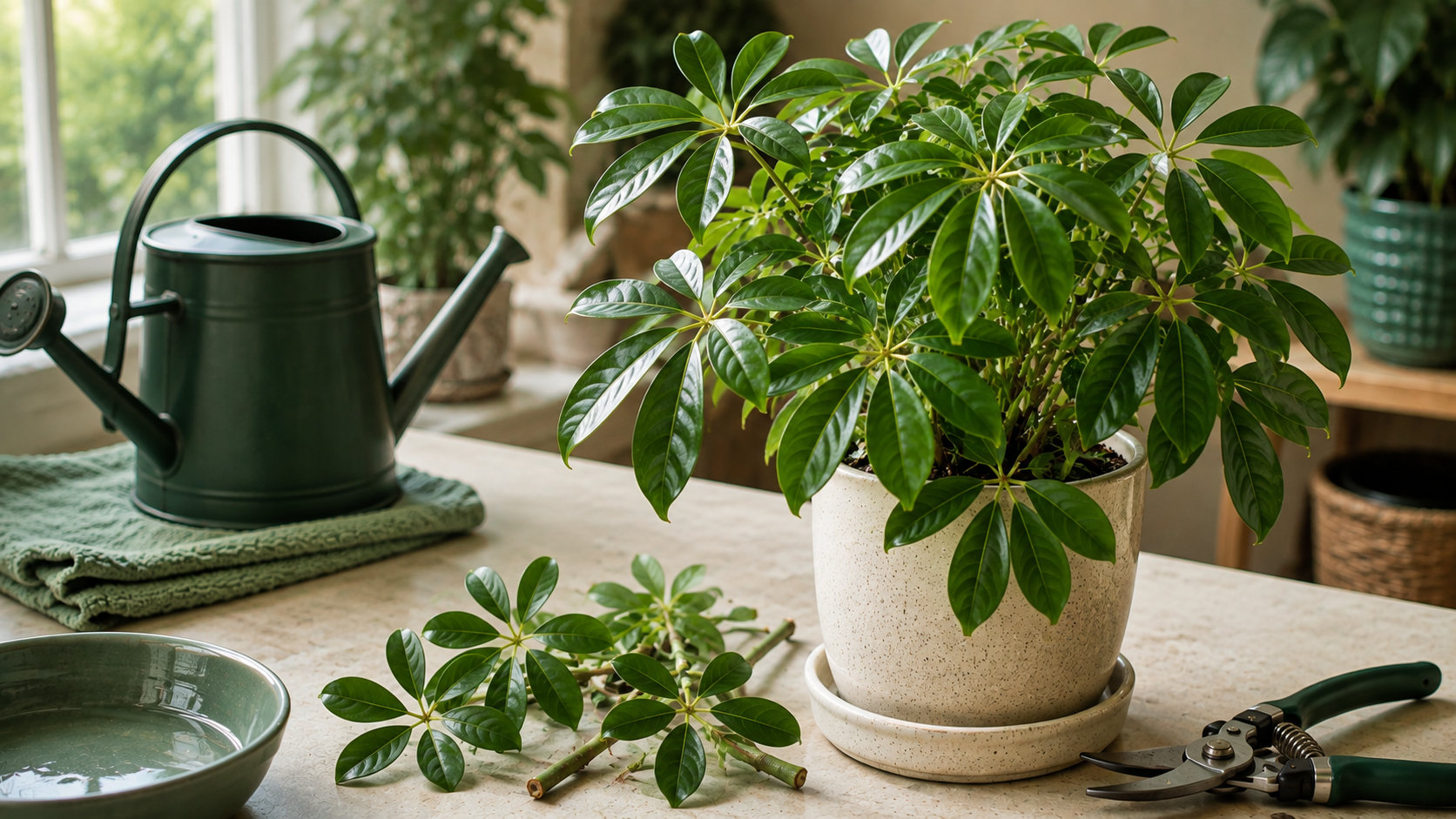
Learn schefflera pruning basics, including when to trim, where to cut, and how to encourage healthy, balanced growth in your indoor plant with confidence.
Schefflera Pruning: How and When to Trim

Good plant care comes down to understanding light, water, soil, temperature, and the individual needs of each plant. Instead of following the same routine for every species, check how your plant responds to its environment and adjust its care as conditions change.
At Patch Plants, we make plant care easier to understand with practical guides for indoor plants, outdoor plants, beginners, and experienced growers. Whether you are dealing with yellow leaves, learning when to water, choosing the right soil, or figuring out how much light a plant needs, this hub helps you find clear answers and useful next steps.
Healthy plants need the right balance rather than constant attention. Overwatering, unsuitable light, poor drainage, and unnecessary fertilizing can cause more problems than simply giving a plant time to adapt.
There is no single watering schedule that works for every plant. Watering frequency depends on the species, pot size, soil, temperature, humidity, season, root system, and amount of available light.
For many potted plants, check the growing medium before adding more water. Some houseplants prefer the upper layer of soil to dry slightly between waterings, while succulents and other drought-tolerant species may need the mix to dry much more thoroughly. Other plants prefer more consistent moisture.
For a deeper explanation, read our complete guide to watering plants.
The right amount of light is one of the most important parts of successful plant care. Light influences photosynthesis, growth rate, leaf development, flowering, and how quickly a plant uses water.
Some plants prefer several hours of direct sunlight, while many popular houseplants perform better in bright, indirect light. Shade-tolerant species may cope with lower-light conditions, although lower light often results in slower growth.
If you are unsure where to place a houseplant, our complete indoor plant lighting guide explains different light conditions in more detail.
Plant health is also influenced by temperature, humidity, airflow, and nutrition. Indoor plants generally benefit from reasonably stable conditions, while outdoor plants must cope with larger seasonal changes.
Avoid placing sensitive houseplants directly beside cold drafts, heating vents, or areas with sudden temperature changes. Tropical plants may appreciate higher humidity, while plants adapted to dry environments generally need less.
Fertilizer can support active growth, but more fertilizer does not automatically mean healthier plants. Use a product appropriate for the plant and follow its directions. Feeding is commonly reduced when growth naturally slows.
The easiest plant to care for is usually one that naturally suits the conditions you can provide. Before choosing a plant, consider available sunlight, temperature, humidity, space, drainage, and how much maintenance you realistically want to provide.
For example, a sun-loving plant may struggle in a dark room no matter how carefully it is watered. Likewise, a moisture-loving tropical plant may require more attention in a hot, dry environment.
If you are building an indoor collection, explore our Indoor Plant Care & Growing Guides. For patios, containers, vegetables, shrubs, and garden plants, visit our Outdoor Plant Care & Growing Guides.
Healthy roots need both moisture and oxygen. The best potting mix depends on what you are growing. Succulents generally prefer a faster-draining medium, while many tropical foliage plants perform better in a mix that retains some moisture without remaining waterlogged.
For container plants, drainage is especially important. Pots with drainage holes allow excess water to escape and make moisture easier to manage. Repotting may be necessary when roots become crowded, the growing medium breaks down, or water no longer moves through the container normally.
Different plant groups need different growing media, so use our guide to the best soil mixes for different plants when choosing or preparing potting soil.
Indoor plant care usually revolves around managing light, watering, drainage, humidity, and temperature. Because houseplants grow in containers and controlled indoor environments, they depend more heavily on you to provide suitable conditions.
Observe each plant rather than treating the entire collection the same way. A succulent on a sunny windowsill and a fern in a humid bathroom, for example, can have very different watering and light requirements.
Browse our Indoor Plants hub for detailed advice on houseplant varieties, lighting, watering, humidity, soil, placement, and common indoor growing problems.
Outdoor plants experience changing temperatures, rainfall, sunlight, wind, pests, and seasonal growing cycles. Successful outdoor care starts with choosing plants suited to your local conditions and placing them where their light and soil requirements can be met.
Container plants often require closer moisture monitoring because pots can dry more quickly than garden beds. Mulching can help reduce moisture loss around established garden plants, while appropriate pruning can improve shape, remove damaged growth, and help maintain healthy structure.
For more seasonal growing advice, container ideas, vegetables, shrubs, and garden plants, explore our Outdoor Plants hub.
Pruning can remove dead or damaged growth, improve plant shape, and help manage healthy development. The correct timing and technique depend on the species, so avoid treating every plant in exactly the same way.
Use clean tools, make deliberate cuts, and avoid removing large amounts of healthy growth without understanding how the particular plant responds to pruning.
If you are new to pruning, start with our plant pruning basics guide.
Yellow leaves, brown tips, drooping stems, slow growth, leaf drop, and unusual spots do not always have one simple cause. Similar symptoms can appear when a plant receives too much or too little water, unsuitable light, temperature stress, poor drainage, pests, or other environmental stress.
When a plant looks unhealthy, check the basics before making several changes at once:
Changing everything at once can make the original problem harder to identify. Start with the most likely cause, make an appropriate adjustment, and continue observing the plant.
Use these practical guides when you need more detailed help with watering, light, soil, or pruning:
Learn schefflera pruning basics, including when to trim, where to cut, and how to encourage healthy, balanced growth in your indoor plant with confidence.
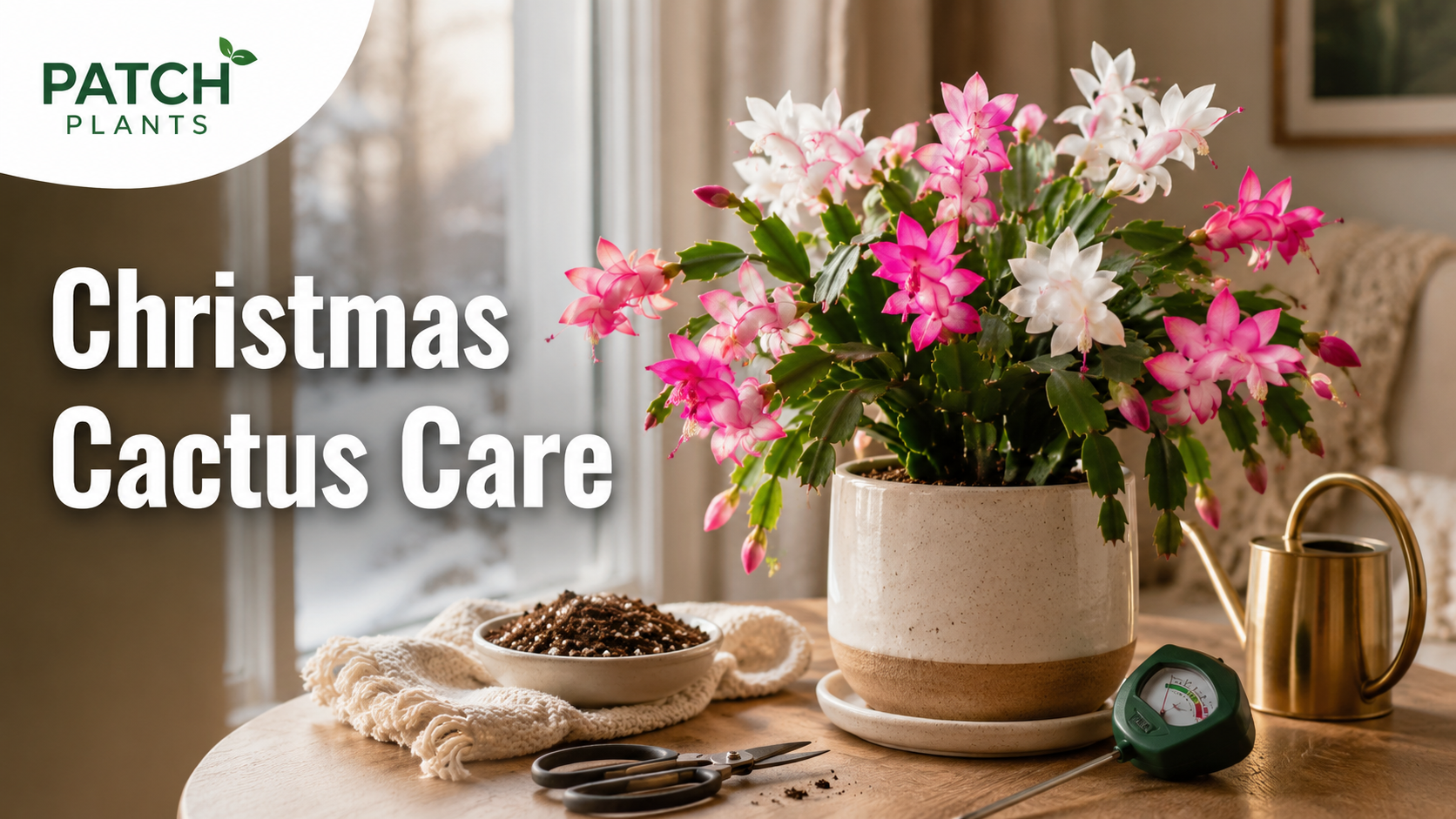
Get simple light and water tips for christmas cactus care indoors, and keep your plant healthy, blooming, and thriving year-round at home with confidence.
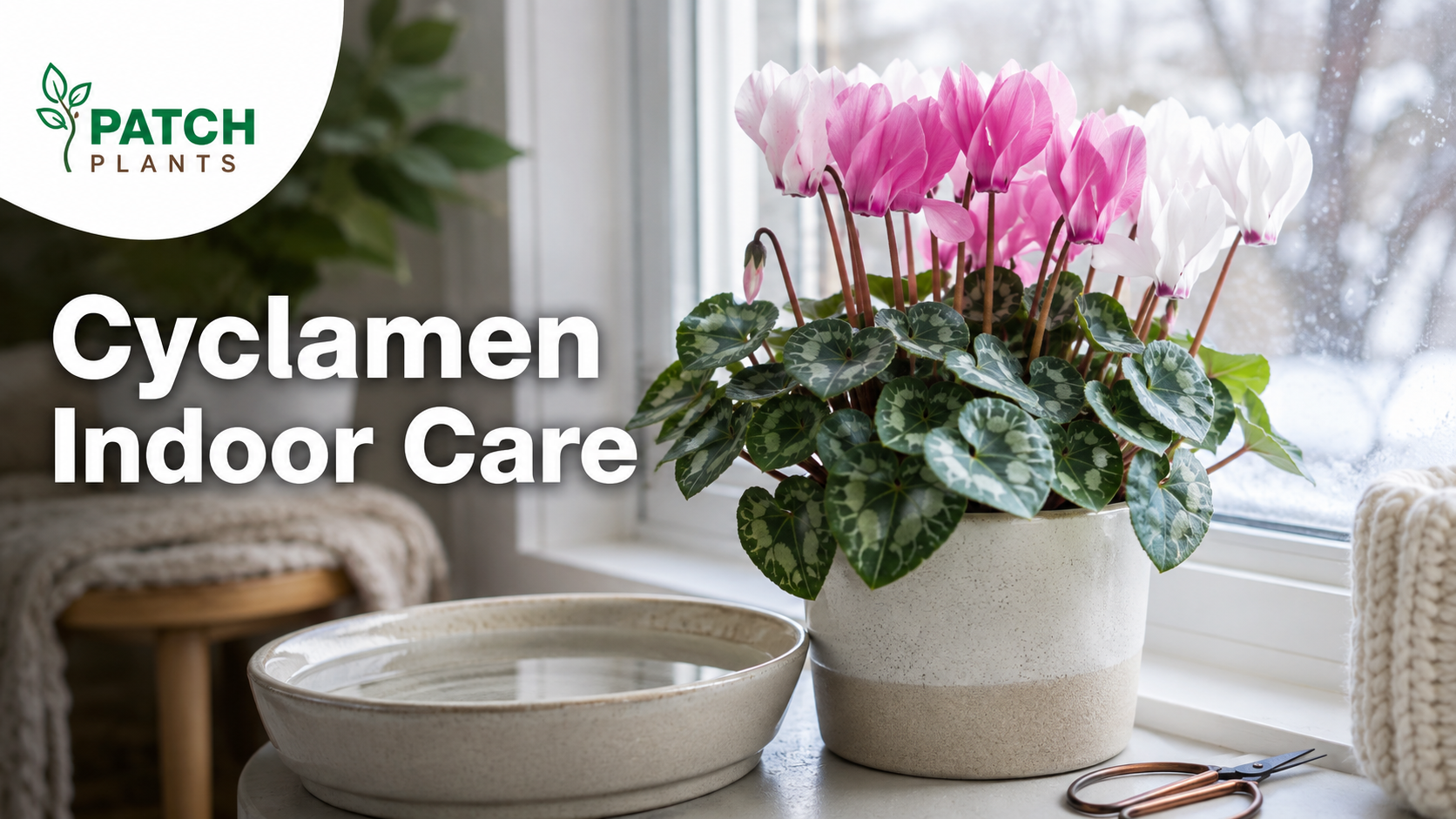
Learn about caring for a cyclamen plant indoors: get simple tips for watering, light, feeding, and keeping its colorful blooms healthy and thriving year-round.
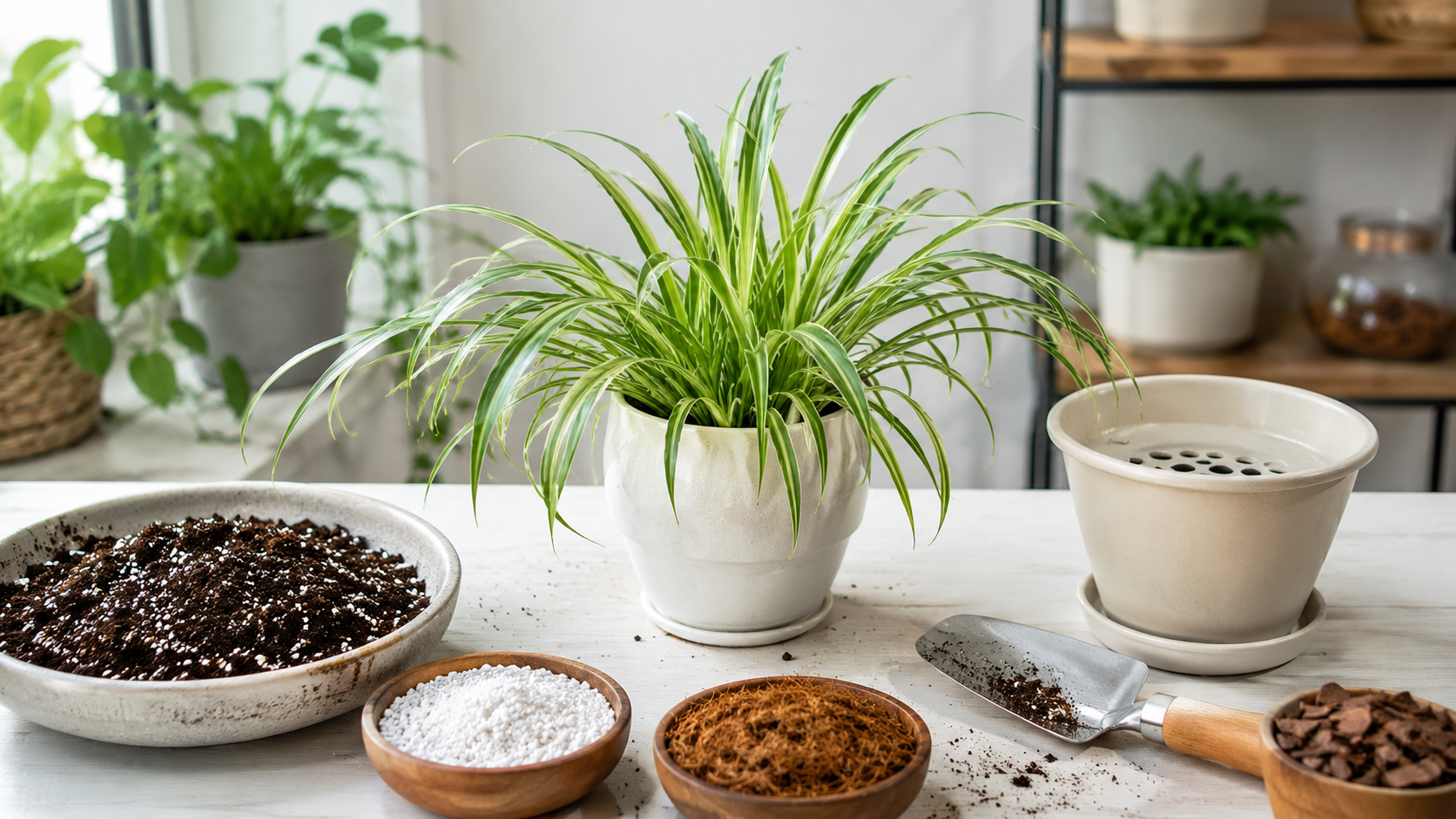
Find the best spider plant soil mix and learn how to repot your plant with simple tips for healthy roots, better drainage, and easy indoor care at home.
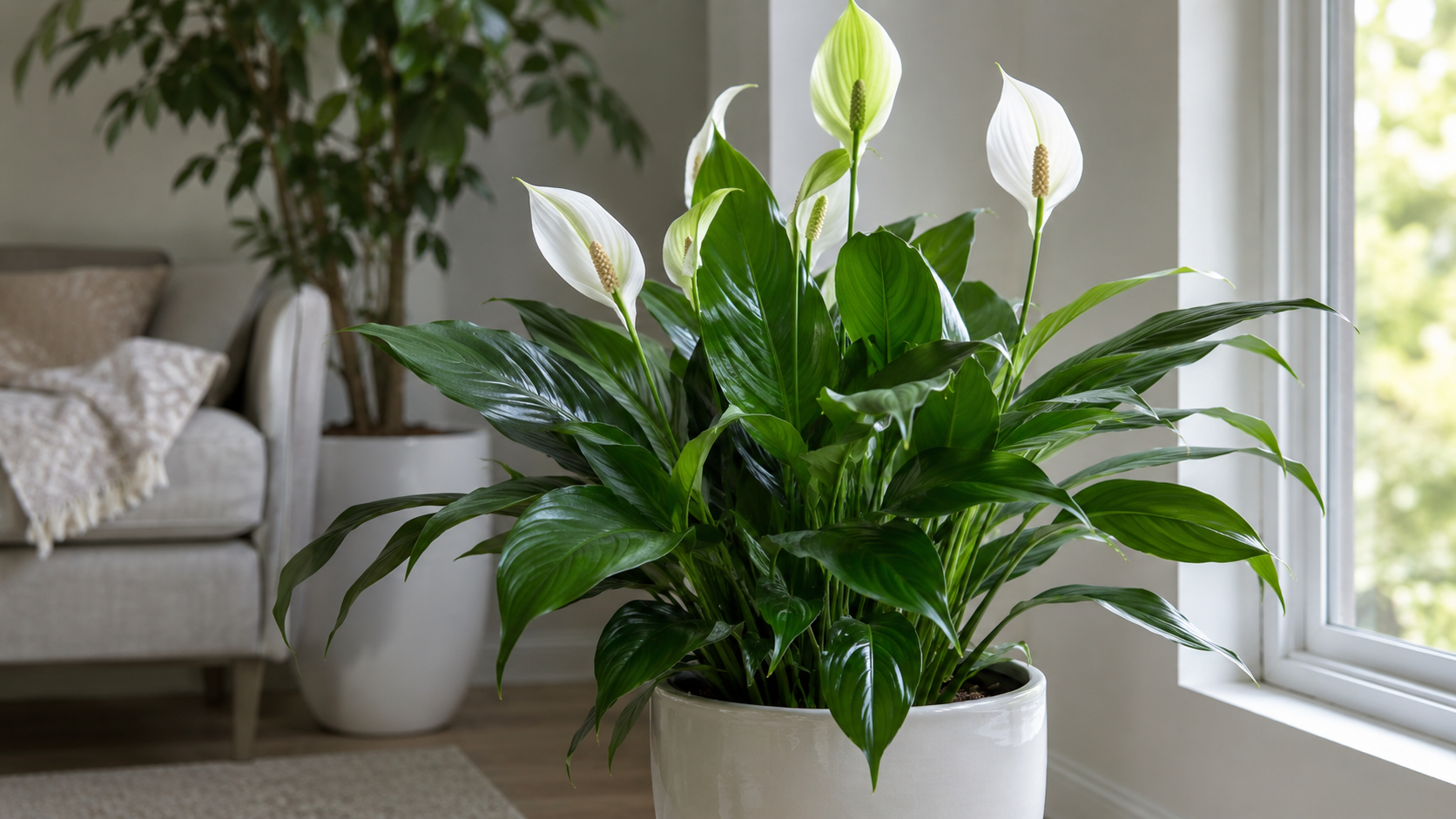
Wondering why your peace lily green flowers appear? Learn what causes them, how to fix the color, and simple care tips for healthier, whiter blooms indoors.
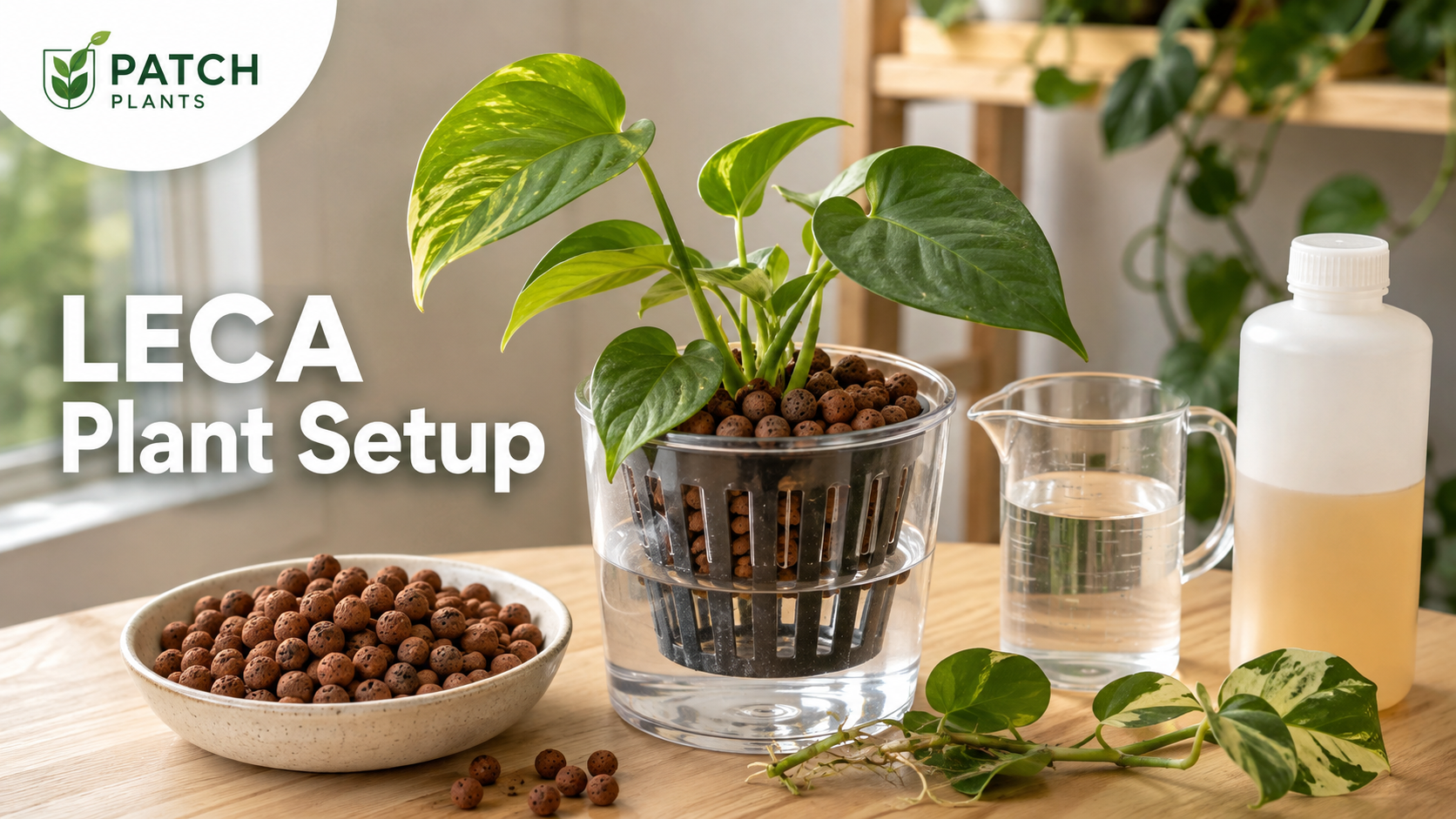
Learn how to use leca for plants with this beginner-friendly setup guide, including supplies, steps, watering tips, and easy care advice for healthy growth.
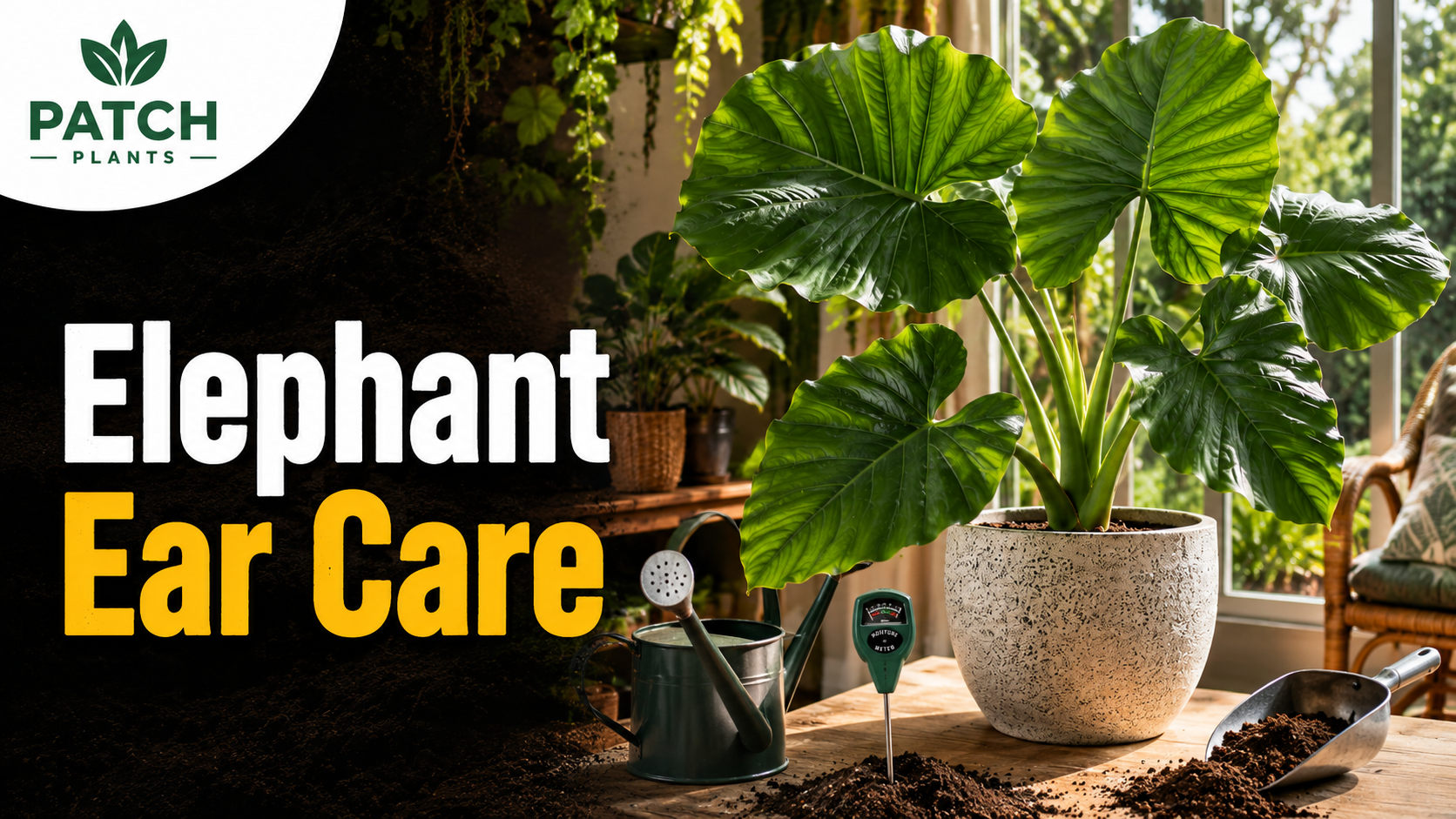
Learn elephant ear care for healthy indoor and outdoor plants. Get simple tips for light, watering, humidity, soil, and winter protection with confidence.
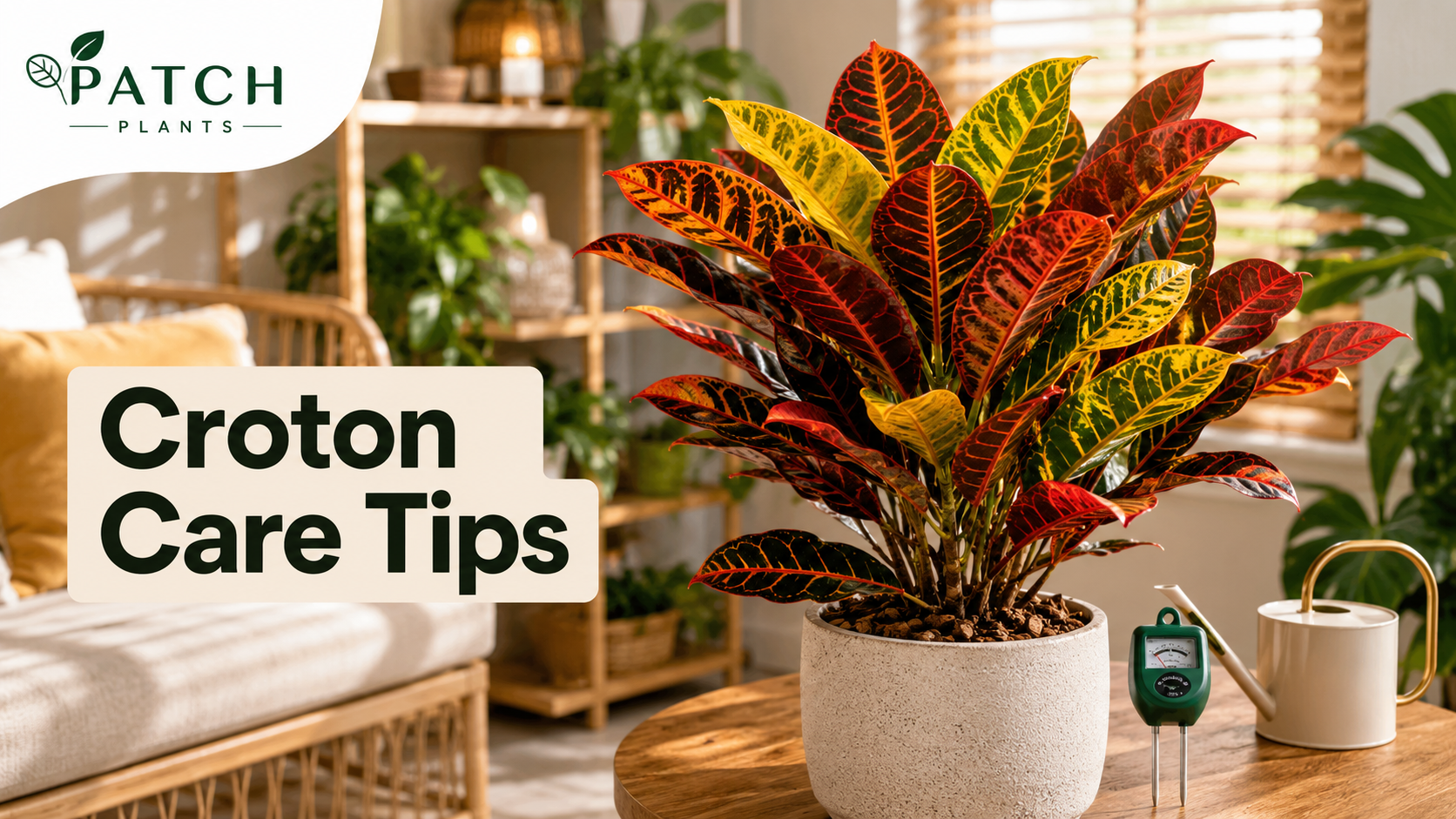
Learn croton tree care with simple tips for light, watering, humidity, and common problems so your indoor plant stays colorful, healthy, and thriving.
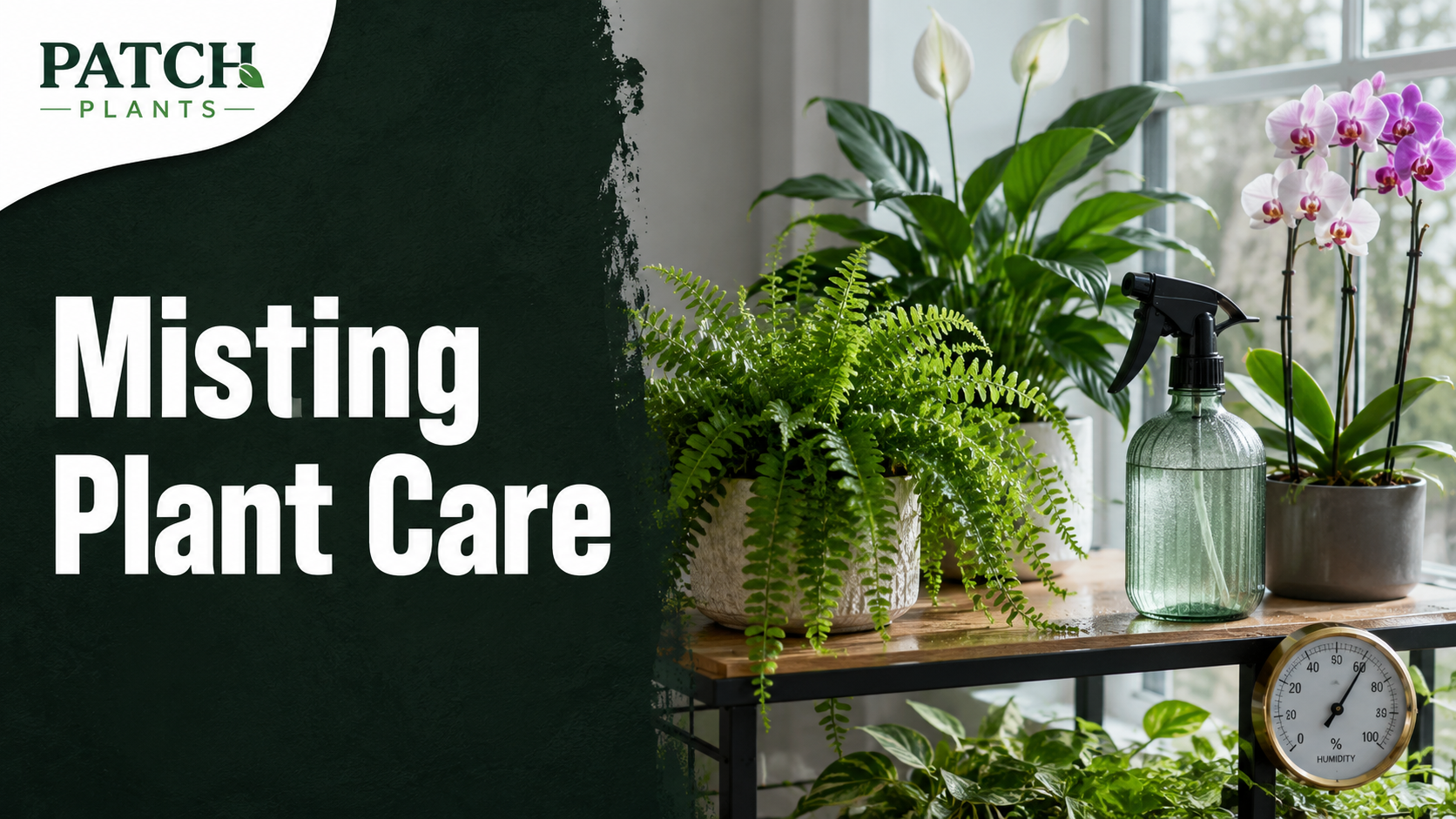
Discover how misting for plants can improve your indoor garden and when it’s best to skip it with simple tips for healthy, happy plants.
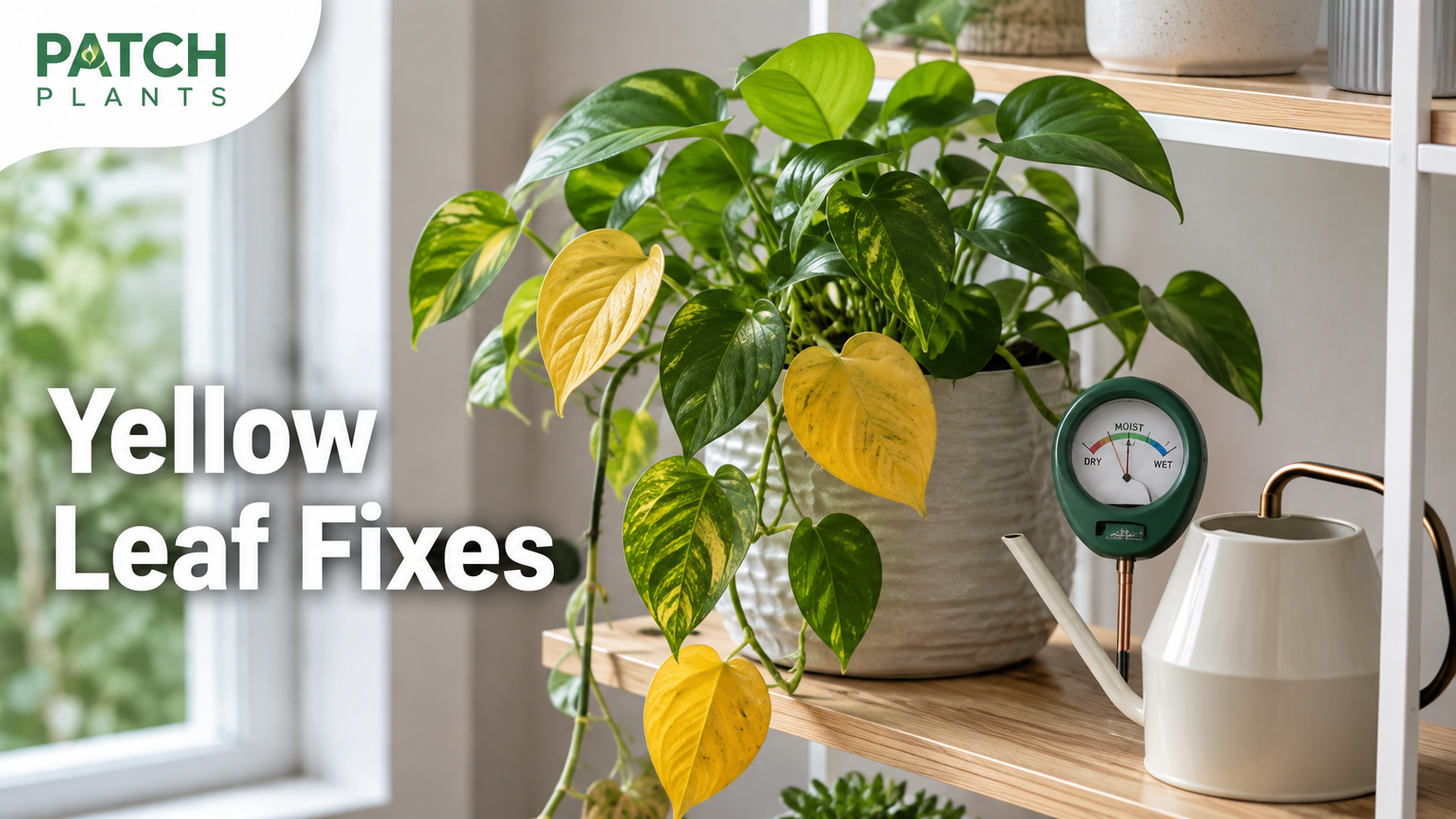
Yellow leaves on plants? Find out what they mean and get clear, friendly tips to fix the problem and keep your plants healthy and happy indoors.