The important part is understanding what lavender actually wants. This is a sun-loving, drought-tolerant plant that performs best when its roots receive excellent drainage. Rich, constantly moist soil may work beautifully for many garden plants, but it can cause serious problems for lavender.
Successful French lavender plant care therefore begins with full sun, fast-draining soil, careful watering, and good airflow. Pruning, feeding, container care, winter protection, and propagation become much easier once those basics are right.
There is also some confusion around the name French lavender. Depending on where you live, the term may be used for different Lavandula species, particularly Lavandula dentata and sometimes Lavandula stoechas. That makes checking the botanical name on your plant label worthwhile.
This Patch Plants guide walks through 11 practical tips for growing healthy French lavender, from choosing the right plant to protecting it through winter.
You can also explore our Outdoor Plant Care & Growing Guides and Plant Care Guides for help with the rest of your garden.
QUICK ANSWER
How Do You Care for French Lavender?
Grow Lavandula French lavender in a warm location receiving at least six hours of direct sunlight each day. Plant it in loose, fast-draining soil and avoid locations where water collects around the roots.
Water deeply when needed, but allow the soil to dry substantially between waterings. Established lavender generally tolerates dry conditions better than constantly wet soil.
Prune green growth after flowering without cutting deeply into bare woody stems. Feed sparingly, maintain good airflow, deadhead spent flowers, and protect less-hardy French lavender from severe frost and prolonged winter wet.
PATCH PLANTS SUMMARY
Key Takeaways
- Give French lavender at least six hours of direct sunlight whenever possible.
- Fast drainage is one of the most important requirements for healthy lavender roots.
- Allow the soil to dry substantially between waterings rather than keeping it constantly moist.
- Avoid burying the crown deeply when planting lavender.
- French lavender generally needs less fertilizer than heavy-feeding garden plants.
- Prune regularly, but avoid severe cuts into old bare wood.
- Deadheading keeps plants tidy and may support additional flowering under favorable conditions.
- Good airflow helps reduce problems associated with damp foliage and humid conditions.
- Container-grown lavender needs excellent drainage and more frequent moisture checks.
- Winter survival depends on the species, cultivar, climate, drainage, and protection from prolonged cold and wet conditions.
- Healthy non-flowering stems can be used to propagate new French lavender plants.
What Is Lavandula French Lavender?
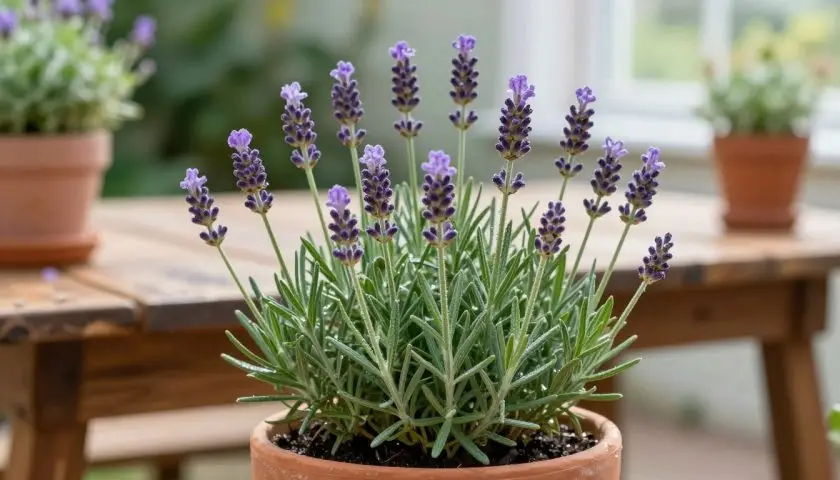
Lavandula is the botanical genus containing the plants commonly known as lavender. French lavender belongs to this genus, although the exact species associated with the common name varies geographically.
Lavandula dentata is widely called French lavender and is recognizable by its toothed or serrated foliage. Lavandula stoechas, famous for the showy bracts above its flower heads, is often called Spanish lavender but may also be sold under the French lavender name.
Other related plants you may encounter include Lavandula pedunculata and hybrids selected for particular climates, flower forms, or growth habits.
That is why botanical names matter. Two plants sold casually as French lavender may differ in cold tolerance, mature size, foliage, and flowering behavior.
| Plant | Common Feature | Garden Interest |
|---|---|---|
| Lavandula dentata | Distinctive toothed foliage | Long ornamental flowering season in suitable climates |
| Lavandula stoechas | Showy bracts above flower heads | Highly decorative Mediterranean-style planting |
| Lavandula pedunculata | Long flower stalks and prominent bracts | Strong ornamental impact |
Tip 1: Choose the Right Lavandula French Lavender
The first step in successful French lavender care happens before planting. Choose a species and cultivar suited to your climate and growing conditions rather than selecting a plant only because its flowers look attractive at the nursery.
Check the Botanical Name
Look for the botanical name printed on the plant label. Knowing whether you are buying Lavandula dentata, Lavandula stoechas, or another lavender makes it easier to understand its eventual size and climate requirements.
Look for Healthy Foliage and Stems
Choose a compact plant with healthy foliage and firm stems. Avoid plants showing extensive yellowing, badly damaged growth, obvious pest activity, or signs that the potting medium has remained waterlogged.
Inspect the Root System When Possible
A healthy root system provides a better start after transplanting. If roots are extremely congested and tightly circling the container, the plant may require extra attention when transplanted.
Choosing healthy specimens is a basic principle that applies across many of our outdoor plant guides.
Tip 2: Give French Lavender Full Sun
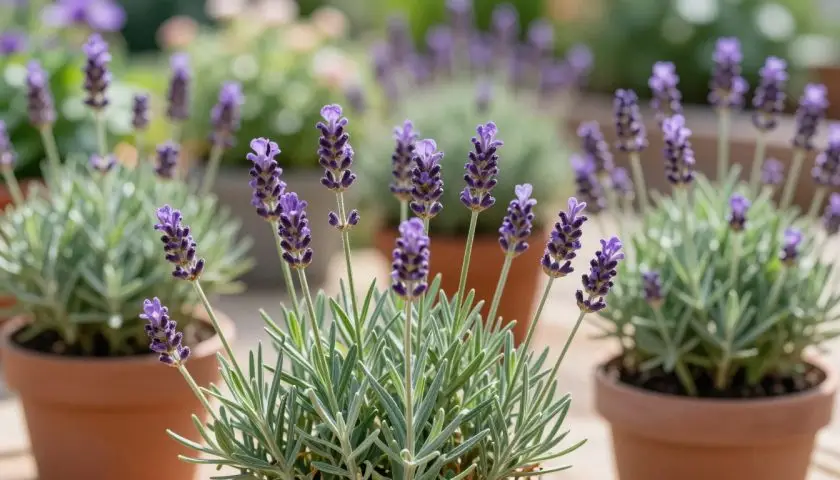
Sunlight has an enormous influence on growing French lavender. These Mediterranean plants perform best in bright, open locations rather than shaded, damp garden corners.
How Much Sun Does French Lavender Need?
Aim for at least six hours of direct sunlight each day. A location receiving longer periods of useful direct sunlight can be even better when the local climate is suitable.
Insufficient light may contribute to weaker, stretched growth and reduced flowering.
Choose a Warm, Open Location
Look for a sunny border, raised bed, slope, patio, courtyard, or container location with good airflow.
Good circulation around the foliage is particularly valuable in humid climates because it helps leaves and stems dry after rain.
Avoid Damp, Heavily Shaded Corners
A combination of shade, poor airflow, and wet soil is particularly unfavorable for lavender. If one part of your garden stays damp for days after rainfall, choose another location.
Tip 3: Plant French Lavender in Fast-Draining Soil
If there is one rule worth remembering about lavender plant care, it is that lavender dislikes sitting in waterlogged soil.
Its Mediterranean background helps explain why. Lavender is naturally suited to relatively dry, freely draining growing conditions.
Check Drainage Before Planting
Observe the proposed planting area after rain. If water remains pooled or the soil stays saturated for long periods, improve the location before planting.
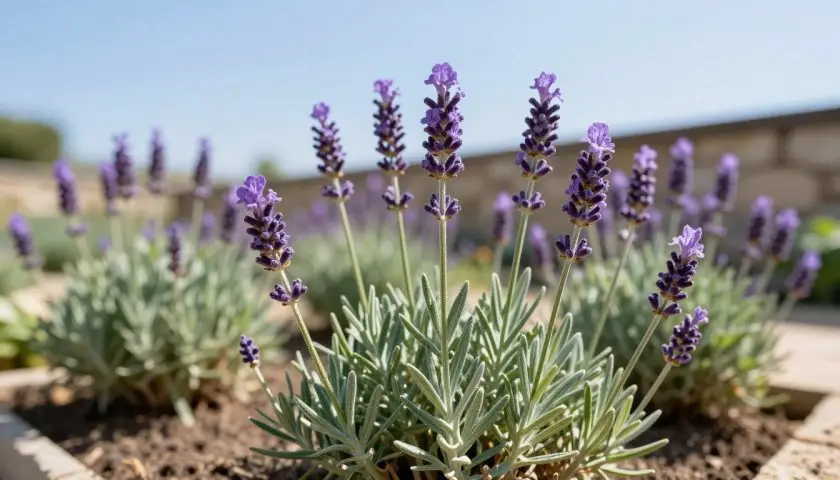
Raised beds or mounded planting areas can sometimes provide a better option where native soil drains poorly.
What Is the Best Soil for French Lavender?
French lavender generally prefers a loose, relatively lean, well-draining soil rather than a rich medium that holds large quantities of water.
Our guide to choosing the best soil mix for plants explains how drainage, aeration, and moisture retention work together.
Do Not Automatically Add Large Amounts of Rich Compost
Compost is useful for many plants, but more organic matter is not automatically better for lavender. In already moisture-retentive soil, excessive amendments that hold water can work against the dry root conditions lavender prefers.
What Soil pH Does French Lavender Prefer?
Lavender generally performs well in neutral to alkaline-leaning soil. Extremely acidic or otherwise unsuitable soil conditions may interfere with healthy growth.
FREE PATCH PLANTS TOOL
Planting French Lavender in a Container?
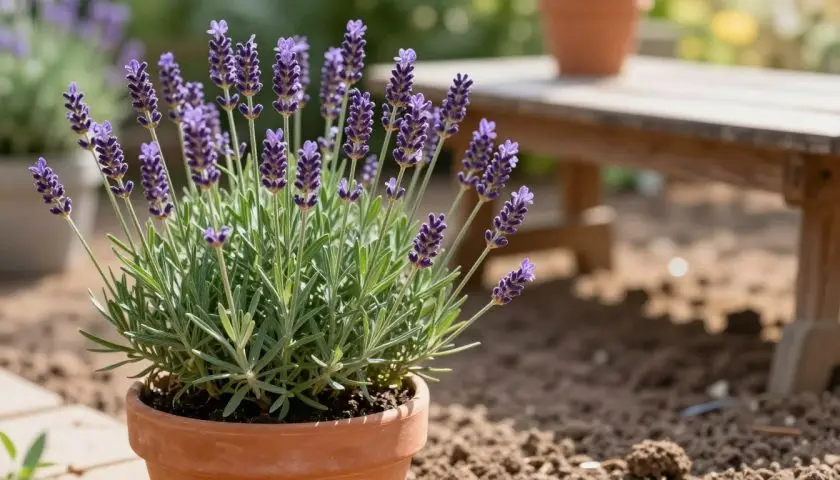
If you are filling a new container or repotting several lavender plants, use the free Patch Plants Soil Calculator to estimate how much growing medium your container requires.
Enter the container dimensions into the potting mix calculator to get a practical estimate of how much soil you need before buying or mixing your potting medium.
Tip 4: Plant French Lavender at the Right Depth and Spacing
Correct planting gives Lavandula French lavender the airflow and drainage it needs from the beginning.
Plant When Conditions Are Suitable
In climates with freezing winters, spring planting after the danger of severe frost has passed gives young plants time to establish before the next cold season.
Local conditions vary, so use your climate and the requirements of your particular lavender species as the final guide.
Keep the Crown From Being Buried Too Deeply
Set the root ball roughly level with the surrounding soil rather than burying the stem base deeply.
Deep planting can trap unnecessary moisture around the crown, which is exactly what you want to avoid with lavender.
Give Plants Room for Airflow
Spacing should reflect the mature width of your particular cultivar. Check the plant label rather than assuming every French lavender will mature at exactly the same size.
| Growing Situation | Main Priority | What to Avoid |
|---|---|---|
| Garden border | Sun and mature spacing | Crowding |
| Raised bed | Excellent drainage | Waterlogged base |
| Container | Drainage holes and root space | Standing water |
| Mass planting | Air circulation | Overly tight spacing |
Tip 5: Water French Lavender Deeply but Infrequently
Correct French lavender watering is more about checking conditions than following a fixed calendar.
A lavender plant growing in a terracotta pot during hot weather may dry considerably faster than an established plant growing in the ground after mild weather.
Water Newly Planted Lavender Carefully
New plants require more attention while their root systems establish. Water the root zone thoroughly when necessary, then allow excess moisture to drain.
Do not interpret establishment watering as a reason to keep the soil constantly wet.
Let Established Lavender Dry Between Waterings
Once established, French lavender is relatively drought tolerant. Allow the soil to dry substantially before watering again.
If you’re unsure whether your watering habits are helping or hurting your plants, read our complete plant watering guide.
Check Below the Surface
The surface can appear dry while deeper soil remains moist. Check below the upper layer before deciding whether the plant needs water.
Watch for Overwatering
Yellowing foliage, decline despite wet soil, soft growth near the base, or root deterioration may indicate excessive moisture or poor drainage.
Watch for Severe Dryness
Extremely dry conditions can also cause stress. Crispy foliage, brittle growth, and persistent wilting combined with very dry soil deserve attention.
| Condition | Possible Signs | First Thing to Check |
|---|---|---|
| Too wet | Yellowing, decline, soft stems | Drainage and soil moisture |
| Too dry | Crispy foliage, brittle growth | Root-zone moisture |
| Balanced | Firm foliage and healthy growth | Continue observing conditions |
Tip 6: Feed French Lavender Sparingly
A common mistake in lavender plant cultivation is assuming that more fertilizer always produces more flowers.
Lavender is adapted to relatively lean conditions and generally does not require the heavy feeding used for many flowering annuals.
Avoid Excessive Nitrogen
Too much nitrogen can encourage soft foliage at the expense of the compact, flowering habit gardeners usually want from lavender.
Evaluate the Plant Before Feeding
Do not automatically diagnose weak growth as a fertilizer problem. Poor drainage, inadequate sunlight, overwatering, cold stress, or root problems can produce similar symptoms.
Container Plants May Need More Attention
Container-grown plants have access to a limited volume of soil, so nutrient management differs somewhat from plants growing in the ground.
When feeding is genuinely needed, follow the fertilizer label carefully rather than increasing concentration in an attempt to speed growth.
Tip 7: Prune French Lavender Without Cutting Into Old Wood
Good French lavender pruning helps maintain a compact, attractive shrub and prevents the plant from becoming excessively woody and open in the center.
Prune After Flowering
After the main flowering period, remove spent flower stems and lightly shape the green growth.
Regular light pruning is generally easier on lavender than allowing a plant to become extremely woody and then attempting drastic rejuvenation.
Always Keep Green Growth
When pruning, avoid cutting deeply into bare, old woody stems that have no visible green growth.
Lavender does not reliably regenerate from severe cuts into old leafless wood.
Use Clean Pruning Tools
Sharp, clean pruning shears produce better cuts and reduce unnecessary stem damage.
For more guidance before trimming your plants, read our Pruning Basics guide.
IMPORTANT PRUNING RULE
Do Not Try to Fix Woody Lavender With One Severe Cut
If an older lavender has become woody and sparse, avoid cutting the entire plant back into bare wood. Gradual shaping while preserving healthy green growth is safer. Very old, severely woody specimens sometimes need replacement rather than drastic pruning.
Tip 8: Deadhead and Harvest French Lavender Flowers
Deadheading is one of the simplest forms of ongoing French lavender care. Once flower heads have faded, removing them keeps the plant tidy and prevents unnecessary energy from going into seed production when seed is not your goal.
Remove Faded Flower Spikes
Cut faded flower stems above healthy green foliage rather than leaving long bare stalks.
Under favorable conditions, some French lavender types can continue flowering or produce another flush after deadheading.
Harvest Flowers for Decorative Uses
Lavender flowers can be cut for dried arrangements, decorative bundles, and sachets.
If you want attractive dried stems, harvest healthy flowers before they become badly faded or weather damaged.
Dry Lavender With Good Airflow
Small bundles can be dried in a cool, dry, well-ventilated location away from excessive moisture.
Be Careful With Culinary and Personal-Care Uses
Do not assume every plant sold as French lavender is appropriate for cooking or homemade skin preparations. Species, cultivar, growing conditions, and intended use matter.
If your goal is culinary lavender, purchase a plant specifically identified and sold for culinary use rather than relying on the common name alone.
Tip 9: Protect French Lavender From Excess Humidity and Rain
Hot weather itself is not necessarily the biggest challenge for growing French lavender. Prolonged moisture around the foliage, crown, and roots can be much more troublesome.
Maintain Good Air Circulation
Space plants so air can move around their foliage. Avoid packing lavender tightly between dense plants that trap humidity.
Water the Soil Rather Than Regularly Wetting the Foliage
Direct water toward the root zone when irrigation is necessary. There is generally little benefit in repeatedly soaking lavender foliage.
Be Careful With Organic Mulch Around the Crown
Thick moisture-retentive mulch piled against lavender stems can keep the crown damp.
If mulch is used elsewhere in the bed, leave appropriate breathing space around the plant’s base.
Respond to the Environment Before Reaching for Treatments
If fungal or moisture-related problems develop, examine drainage, spacing, irrigation, and airflow first. Correcting the conditions that encouraged the problem can be more useful than repeatedly treating symptoms.
Tip 10: Grow French Lavender Successfully in Containers
Growing French lavender in pots is an excellent option for patios, balconies, courtyards, and gardens where native soil drains poorly.
Containers also make it easier to move less-hardy lavender to a protected location when cold weather arrives.
Choose a Pot With Drainage Holes
Drainage holes are essential. Water must be able to leave the root zone freely after irrigation.
Use a Gritty, Free-Draining Potting Medium
A dense, moisture-heavy potting medium is a poor match for lavender. Choose or prepare a mix that provides both drainage and root-zone aeration.
Our soil mix guide can help you understand how common amendments affect drainage and moisture retention.
Place the Container in Full Sun
A beautiful pot cannot compensate for a dark location. Position container-grown lavender where it can receive the direct sunlight it needs.
Monitor Containers More Frequently
Containers can dry faster than garden beds, especially during hot, windy weather. Check moisture rather than assuming a potted plant needs exactly the same watering interval throughout the year.
When Should You Repot French Lavender?
Repot when the root system has genuinely outgrown the container, drainage has deteriorated, or the potting medium has broken down.
Move into a moderately larger container rather than an unnecessarily oversized pot.
Before repotting, use the Patch Plants Soil Calculator to estimate the potting mix volume for your new container.
What Pests Affect French Lavender?
Healthy lavender is generally relatively resilient, but occasional pests can still appear.
Inspect new growth, stems, foliage, and flower heads for aphids, spittlebugs, or other visible pests.
Minor infestations can sometimes be managed physically. For larger problems, identify the pest accurately before choosing an appropriate treatment.
Tip 11: Protect French Lavender in Winter and Propagate New Plants
Winter is where French lavender care becomes especially dependent on location. Different lavender species and cultivars have different levels of cold tolerance.
Know Which Lavender You Are Growing
Check the botanical name and cultivar rather than relying only on the words French lavender. This will help you determine whether your particular plant can remain outdoors through your local winter.
Protect Plants From Winter Wet
Cold combined with saturated soil can be particularly damaging. Make sure rainwater drains away rather than collecting around the crown and roots.
Protect Container Roots
Roots in containers experience temperature fluctuations more directly than roots insulated by garden soil.
Where necessary, move pots to a bright, sheltered location appropriate for the particular lavender variety and local winter conditions.
Reduce Winter Watering
When growth slows and evaporation decreases, the soil remains wet longer. Continue checking moisture and avoid unnecessary watering.
How to Propagate French Lavender From Cuttings
Stem cuttings provide a practical way to propagate healthy French lavender plants.
- Choose a healthy, non-flowering stem.
- Take a clean cutting approximately several inches long.
- Remove foliage from the lower portion.
- Insert the prepared cutting into a loose, well-draining propagation medium.
- Keep it in bright light appropriate for rooting without allowing the medium to remain waterlogged.
- Monitor for new growth and resistance when gently checked, both of which can indicate root development.
Propagation conditions vary, so avoid keeping cuttings excessively wet simply because they have not yet rooted.
French Lavender Care by Season
| Season | Watering | Main Tasks |
|---|---|---|
| Spring | Monitor as active growth increases | Planting, light shaping, container checks |
| Summer | Check more often during heat | Flowering, deadheading, harvesting |
| Fall | Reduce as drying slows | Prepare for cold and improve drainage |
| Winter | Usually substantially reduced | Protect from severe cold and winter wet |
Common French Lavender Problems
When a French lavender plant starts declining, resist the temptation to immediately add fertilizer or water. First look at the entire growing environment.
| Problem | Possible Cause | What to Check |
|---|---|---|
| Few flowers | Insufficient sun, excessive feeding or pruning issues | Sun exposure and care history |
| Yellow foliage | Possible excessive moisture or root stress | Drainage and root-zone moisture |
| Woody, open center | Age or insufficient regular pruning | Green growth and pruning history |
| Black or soft base | Possible rot associated with excess moisture | Crown, roots and soil drainage |
| Leggy growth | Insufficient light or lack of shaping | Sun exposure and pruning |
| Winter dieback | Cold sensitivity, wet soil or exposure | Species, climate and drainage |
French Lavender Growing Guide: Quick Answers
Is French Lavender Easy to Grow?
French lavender can be relatively easy to grow when it receives full sun and excellent drainage. Problems are more likely in shady locations, heavy wet soil, or climates that expose less-hardy varieties to severe winter conditions.
Does French Lavender Come Back Every Year?
French lavender is a perennial shrub, but whether it survives outdoors year after year depends on the exact species or cultivar and your local winter conditions.
How Much Sun Does French Lavender Need?
Aim for at least six hours of direct sunlight per day. Full sun supports stronger growth and flowering.
How Often Should French Lavender Be Watered?
Water according to soil moisture rather than a fixed weekly schedule. Newly planted lavender requires closer monitoring, while established plants generally prefer the soil to dry substantially between waterings.
Can French Lavender Grow in Pots?
Yes. French lavender can grow very well in containers when the pot has drainage holes, the growing medium drains freely, and the plant receives sufficient direct sunlight.
Why Is My French Lavender Dying?
Start by checking drainage and soil moisture. Prolonged wet soil is a major concern. Also inspect sunlight, roots, cold exposure, airflow, pests, and recent pruning before deciding what caused the decline.
Should You Cut Back French Lavender?
Yes, regular light pruning can maintain a compact shape. However, avoid cutting severely into old bare wood because lavender may not reliably regrow from those sections.
EXPLORE PATCH PLANTS
Continue Growing With Patch Plants
Once you understand sunlight, drainage, watering, and pruning, caring for French lavender becomes much more predictable. Continue learning with these resources from Patch Plants:
Final Thoughts on Lavandula French Lavender Care
Growing beautiful Lavandula French lavender becomes much easier once you stop treating it like a moisture-loving garden plant. Its most important requirements are fairly simple: abundant sunlight, excellent drainage, sensible watering, good airflow, and restrained feeding.
Pay particular attention to the soil. A lavender plant can tolerate periods of dryness much better than roots sitting in saturated ground for extended periods. If your garden has heavy soil, a raised bed, mound, or container may provide a more suitable environment.
Pruning also matters. Light, regular shaping helps maintain compact green growth, while severe cutting into old bare wood can leave sections that fail to recover.
And perhaps most importantly, identify the plant you’re actually growing. The common name French lavender can refer to more than one Lavandula species. Knowing the botanical name makes decisions about winter protection, mature size, pruning, and climate suitability much easier.
When you’re ready to plant or repot French lavender, the free Patch Plants Soil Calculator can help estimate how much potting mix you need.
Frequently Asked Questions About French Lavender
What is French lavender?
French lavender is a common name used for certain plants in the Lavandula genus. Lavandula dentata is commonly known as French lavender, while Lavandula stoechas may also be sold under the name in some regions. Checking the botanical label prevents confusion.
How much sunlight does French lavender need?
French lavender generally performs best with at least six hours of direct sunlight each day. Insufficient light can contribute to weak, leggy growth and reduced flowering.
How often should I water French lavender?
Do not water French lavender according to a rigid calendar. Check the soil and allow it to dry substantially between waterings. Newly planted and container-grown lavender usually requires closer monitoring than established plants in the ground.
What is the best soil for French lavender?
French lavender prefers loose, fast-draining soil and generally performs poorly in heavy ground that remains waterlogged. Neutral to alkaline-leaning conditions are commonly suitable for lavender.
Can French lavender grow in containers?
Yes. Containers can work especially well for French lavender when they have adequate drainage holes, a fast-draining growing medium, enough root space, and a location receiving plenty of direct sunlight.
When should I prune French lavender?
Light pruning after the main flowering period can help maintain compact growth. Keep healthy green foliage on the stems and avoid cutting deeply into old bare wood.
Why is my French lavender turning yellow?
Yellow foliage can have several causes, but excessive moisture and poor drainage are important possibilities with lavender. Check root-zone moisture, drainage, sunlight, and root condition before changing the care routine.
Does French lavender survive winter?
It depends on the exact species or cultivar and your climate. Some French lavender types are less cold hardy than commonly grown English lavender. Winter wet can also be damaging, so good drainage remains important during cold weather.
How do I propagate French lavender?
Take a healthy non-flowering stem cutting, remove the lower foliage, and insert the cutting into a loose, well-draining propagation medium. Keep it appropriately moist but not waterlogged while roots develop.
Should I fertilize French lavender?
French lavender generally does not need heavy feeding. Excess fertilizer, particularly nitrogen, can encourage soft foliage instead of the compact flowering growth gardeners usually want.
Why isn’t my French lavender flowering?
Insufficient sunlight is an important possibility. Excessive fertilizer, inappropriate pruning, plant age, climate, and stress can also affect flowering. Start by confirming that the plant receives at least six hours of direct sunlight.
Is French lavender the same as English lavender?
No. English lavender usually refers to Lavandula angustifolia. French lavender commonly refers to Lavandula dentata, although common naming varies by region. They differ in foliage, flowers, fragrance, climate tolerance, and common uses.