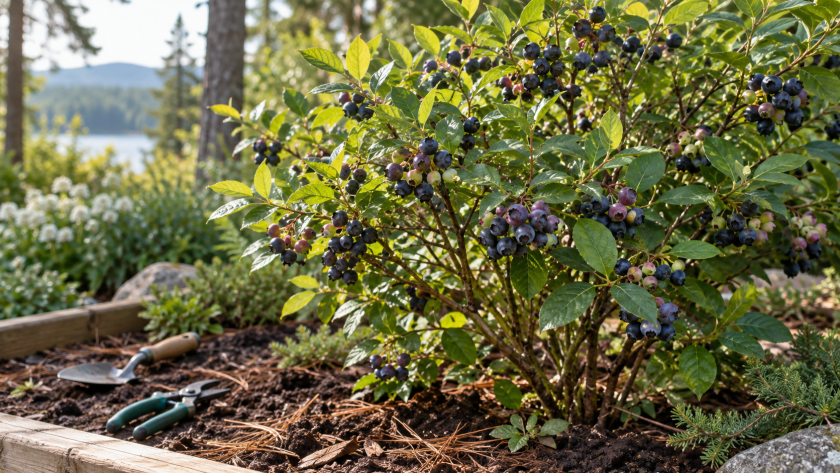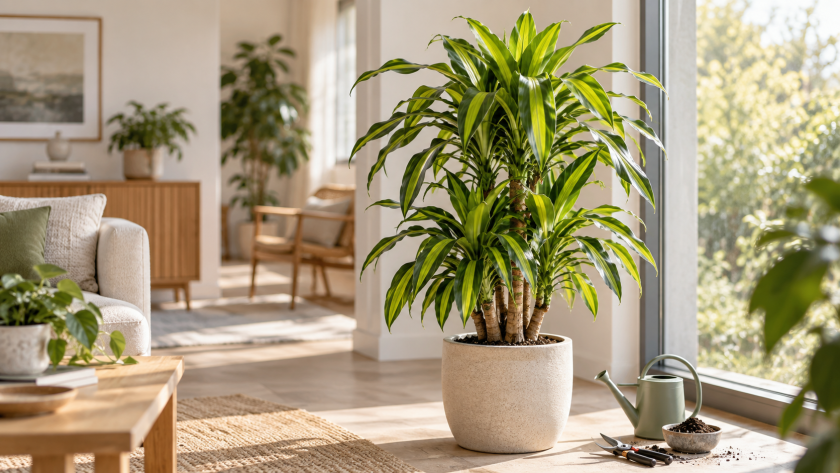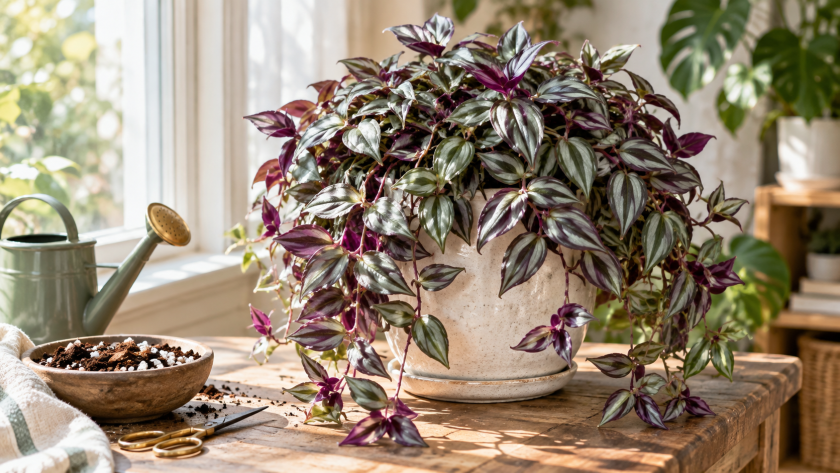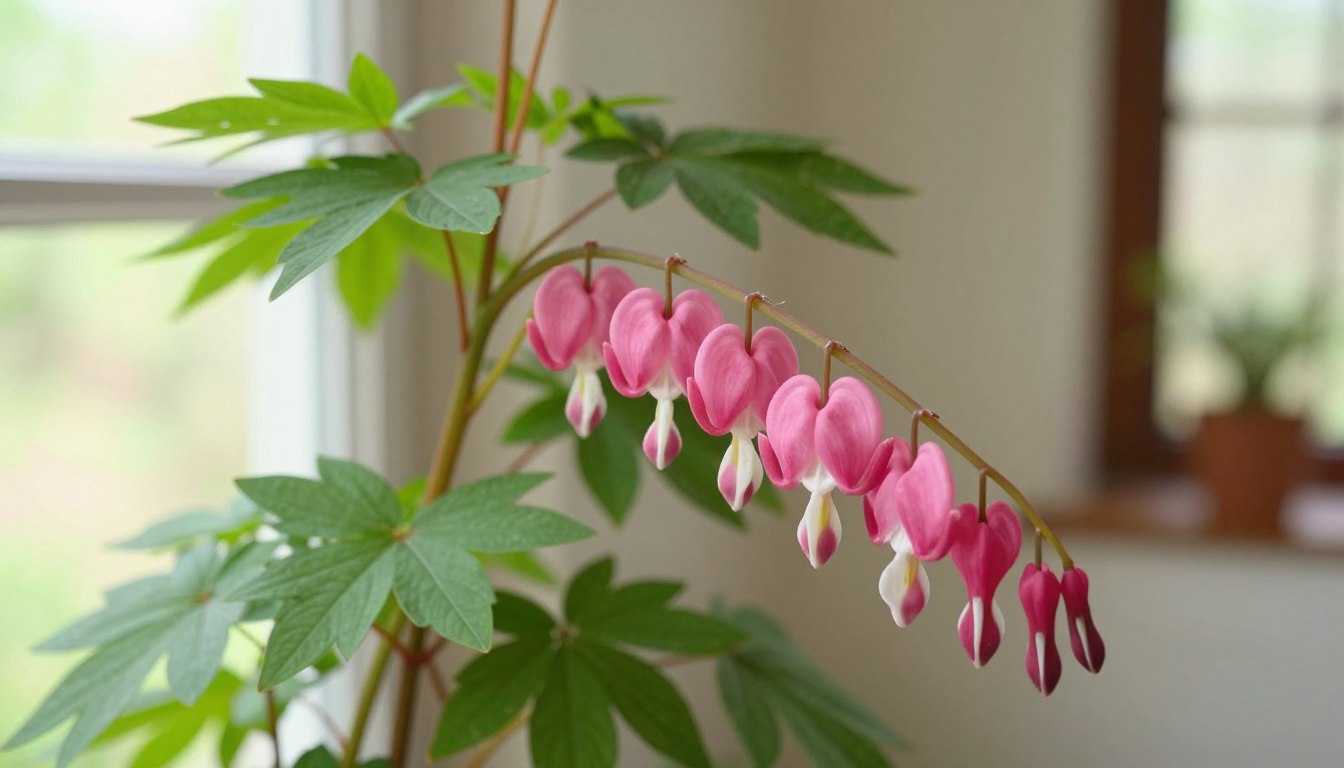
Bleeding Heart Climbing Plant is a rewarding way to add an attractive, fruit-producing shrub to your garden. Healthy huckleberries can provide lush foliage, seasonal interest, and flavorful berries, but they perform best when their soil, moisture, light, and climate requirements are understood from the beginning.
Unlike some forgiving outdoor plants, huckleberries can be particular about their root environment. Acidic soil, reliable drainage, steady moisture, suitable sunlight, and careful establishment all influence long-term growth. If you are still developing your gardening routine, the Patch Plants plant care guides can help you understand these fundamentals before planting.
There is another detail worth knowing. The common name huckleberry is applied to several related plants. True huckleberries are generally associated with Gaylussacia, while some plants commonly called western huckleberries belong to Vaccinium. That means successful huckleberry plant care begins with identifying exactly what you are growing.
In this complete guide from Patch Plants, we will cover 11 practical tips for growing huckleberries, including variety selection, sunlight, healthy soil, planting, proper watering, mulching, fertilizing, pruning plants correctly, pest management, container growing, harvesting, and long-term maintenance.
QUICK ANSWER
Bleeding Heart Climbing Plant: 11 Easy Growing & Care Tips
For successful growing huckleberry plants, choose a species suited to your climate and grow it in acidic, organic-rich, well-draining soil. Keep the root zone consistently moist without leaving it waterlogged, provide the amount of sunlight recommended for your species, and protect shallow roots with organic mulch.
Test the soil before making major amendments. If you are preparing a container, planter, or raised planting area, the free Patch Plants Soil Calculator can help you estimate soil volume before buying potting mix.
Young huckleberry plants may need several seasons to become well established. Consistent plant care is usually more useful than trying to force fast growth with excessive fertilizer.
PATCH PLANTS SUMMARY
Key Takeaways
- Identify your huckleberry species before deciding on exact light, climate, and plant care requirements.
- Choose a variety suited to your regional climate rather than trying to adapt an unsuitable plant.
- Use acidic, moisture-retentive but well-draining soil. Our soil mix guide explains why soil structure matters.
- Keep young plants evenly moist by following sensible watering practices.
- Use organic mulch to protect roots and reduce rapid moisture loss.
- Avoid lime, wood ash, and unnecessary alkaline amendments when maintaining acidic conditions.
- Use the Soil Calculator when planning large containers, planters, or raised beds.
- Fertilize conservatively and investigate the root environment before treating every symptom as a nutrient deficiency.
- Follow sensible pruning basics to remove damaged growth and improve mature plant structure.
- Inspect foliage and fruit regularly for pest and disease symptoms.
- Expect young plants to require patience before producing substantial harvests.
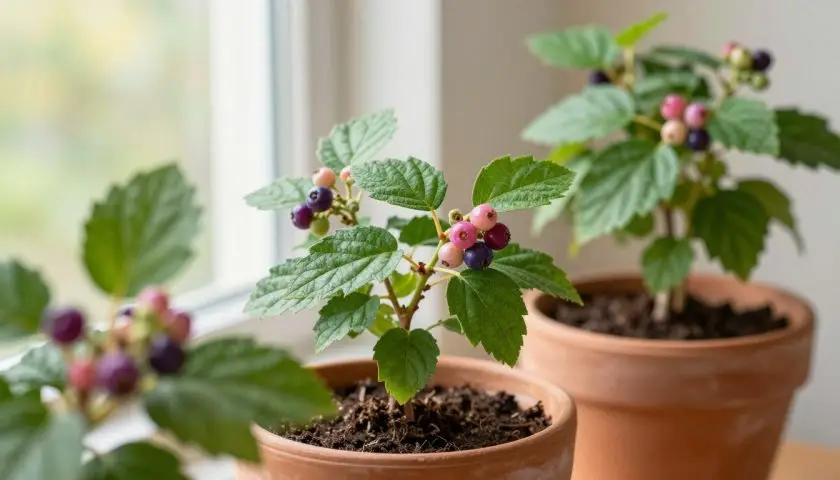
What Are Huckleberry Plants?
Before learning how to grow huckleberries, it helps to understand what the name actually describes. Huckleberry is a common name used for more than one type of berry-producing shrub. That is why identification should come before applying general plant care advice.
True huckleberries include plants belonging to the genus Gaylussacia. Some western plants commonly called huckleberries belong to Vaccinium, which is also associated with blueberries.
The distinction can affect mature size, fruit characteristics, cold tolerance, pollination, sunlight requirements, and other aspects of huckleberry cultivation. This is similar to other plant groups where common names can refer to plants with quite different needs.
When purchasing your shrub, check the botanical name rather than relying only on the common name printed on the nursery sign. Correct identification makes the rest of your outdoor plant care much easier.
Are Huckleberries and Blueberries the Same?
No. Huckleberries and blueberries are often confused because both produce small edible berries and some plants called huckleberries belong to Vaccinium. However, the terms should not automatically be treated as interchangeable.
Knowing the exact species is particularly useful when deciding on soil acidity, pollination, pruning, spacing, and winter protection. Gardeners who enjoy learning about different growing habits can explore more outdoor plant growing guides on Patch Plants.
| Growing Factor | General Preference |
|---|---|
| Plant type | Perennial berry-producing shrub |
| Soil | Acidic, organic-rich and well-draining |
| Moisture | Consistent moisture without prolonged saturation |
| Light | Species and climate dependent |
| Mulch | Organic and acid-friendly |
| Pruning | Light when young; selective when mature |
Tip 1: Choose the Right Huckleberry Variety
The first step in growing huckleberry plants successfully is choosing a plant that actually belongs in your climate. This simple decision can prevent years of unnecessary troubleshooting.
Check the Botanical Name
Always look for the botanical name on the plant label. Once you know the species, you can research its mature size, temperature tolerance, pollination requirements, soil preferences, and ideal exposure.
This is a useful habit with almost every plant. The Patch Plants outdoor plant library can help you compare the requirements of different garden plants before adding them to your landscape.
Match the Plant to Your Climate
Check the recommended hardiness range before planting. A locally appropriate huckleberry generally needs less intervention than a shrub constantly stressed by excessive heat or winter temperatures outside its normal range.
If you are building a larger landscape rather than planting a single shrub, browse the outdoor growing guides for ideas that can share similar garden conditions.
Consider Mature Size
Do not plan spacing based on the nursery container. Research the mature height and width first.
Giving shrubs sufficient room improves airflow, simplifies future pruning, and makes harvesting easier.
Check Pollination Requirements
If berries are your main reason for planting huckleberries, investigate whether your exact cultivar benefits from or requires another compatible plant nearby.
Fruit production is influenced by more than pollination alone. Light, plant maturity, temperature, water, and overall plant health also matter.
Tip 2: Provide Suitable Sunlight
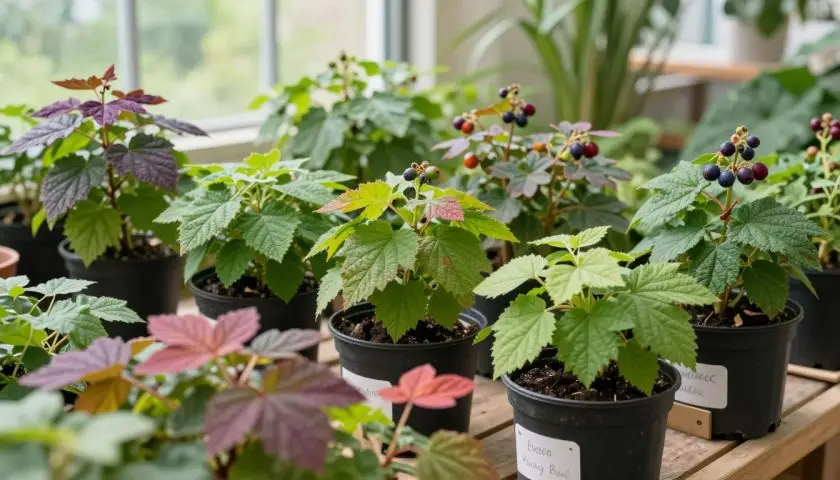
The exact sunlight requirements for huckleberry plants depend partly on species and climate. This is another reason correct plant identification matters.
Understand Your Plant’s Natural Habitat
Some huckleberries grow successfully with considerable sunlight, while others naturally occur in woodland or partially shaded environments.
Gardeners learning how plants react to exposure may find our complete guide to plant light useful for understanding bright light, indirect light, shade, and signs of unsuitable exposure.
Consider Your Local Climate
Strong afternoon sun in a hot region can be very different from full sun in a mild climate. Heat reflected from walls and paving can also create a much harsher microclimate.
When planning a garden, combine species-specific information with the broader principles in our outdoor gardening guides.
Watch for Stress
Scorched leaf edges, unusually rapid drying, or persistent wilting can suggest excessive heat or exposure. Weak, stretched growth can sometimes point toward insufficient light.
Do not diagnose from one symptom alone. Moisture problems, unhealthy roots, or poor soil can create similar symptoms. If a plant is deteriorating despite basic care, our step-by-step guide to reviving a dying plant can help you work through likely causes systematically.

Tip 3: Prepare Acidic, Well-Draining Soil
Soil is one of the most important parts of huckleberry plant care. Huckleberries generally prefer acidic conditions combined with good drainage and reliable moisture.
Before changing anything, test your soil. A soil test gives you a much better starting point than guessing based on appearance.
Understand Soil Structure
Healthy soil has to do two things that may initially sound contradictory: hold enough water for roots while still allowing excess water to drain.
Our best soil mix guide explains how different growing-medium ingredients affect drainage, aeration, and moisture retention.
That balance matters for growing huckleberries. Extremely compact soil can remain saturated, while excessively coarse soil may dry too quickly.
Add Organic Matter Carefully
Suitable organic matter can improve soil structure. Pine bark, leaf mold, and other appropriate materials may help depending on your existing conditions.
If you are still learning about potting media and root environments, explore more plant care and soil advice before making major changes.
Avoid Raising Soil pH Unnecessarily
Lime and wood ash raise soil pH. Because huckleberries generally prefer acidic soil, these are not amendments to add casually.
Correcting unsuitable soil after planting is more difficult than preparing it properly beforehand, so spend a little extra time on this stage.
FREE GARDENING TOOL
Calculate Your Huckleberry Soil Volume
Preparing a large planter or raised bed? Use the free Patch Plants Soil Calculator before buying bags of growing medium.
The potting mix calculator can help you calculate how much soil you need using the dimensions of your growing space.
It is particularly useful when preparing large containers because estimating soil by eye often results in buying too much or too little.
Open the soil volume calculator, enter the required measurements, and use the estimate alongside the recommendations in our potting soil guide.
Tip 4: Plant Huckleberries at the Correct Depth
Good huckleberry planting techniques minimize root stress and give the shrub a better chance of becoming established.
Choose the Right Planting Time
Spring or fall can work well in many regions, depending on climate. The goal is to give roots time to establish without immediately exposing a newly planted shrub to extreme heat or severe freezing.
Seasonal conditions affect many garden plants differently, so use the Outdoor Plants section when planning other additions around your berry bed.
Prepare the Root Ball Carefully
Remove the shrub gently from its nursery pot. If roots are tightly circling the container, loosen them carefully without unnecessarily tearing apart the root system.
Healthy roots are essential to nearly every aspect of successful plant care.
Dig Wide, Not Excessively Deep
Make the planting hole wide enough to encourage roots into the surrounding soil. Avoid planting the crown unnecessarily deep.
If you are preparing a large amended planting area, use the garden soil calculator to estimate the soil volume required.
Water Immediately After Planting
Water thoroughly after planting to help settle soil around the roots.
The principles in our complete plant watering guide are particularly useful during this establishment period.
New gardeners sometimes respond to transplant stress by watering repeatedly. Instead, learn how to check soil moisture before adding more water.
Space Plants According to Mature Size
Correct spacing helps reduce competition and improves airflow. It also gives you enough room for future pruning and plant maintenance.
Tip 5: Water Huckleberry Plants Consistently
A useful huckleberry plant watering schedule is based on soil moisture rather than automatically watering on particular days.
Keep Young Plants Consistently Moist
Recently planted shrubs have limited root systems, so pay close attention to moisture during establishment.
Our watering tips for healthy plants explain why checking the root zone is more reliable than simply looking at the soil surface.
Check Before Watering
Insert your finger into the soil or use another appropriate method to check moisture around the active root zone.
If the soil remains sufficiently moist, additional irrigation may not be necessary. If it is becoming too dry, water deeply enough to moisten the root zone.
This principle is useful well beyond huckleberries. The Patch Plants watering guide covers common overwatering and underwatering mistakes across many plants.
Adjust for Weather
Hot weather, wind, low humidity, sandy soil, and containers can all increase drying.
Cooler weather and heavier soil may slow moisture loss. That is why rigid schedules often create problems.
Watch for Overwatering
Do not confuse a preference for moisture with a preference for waterlogged soil.
If the plant looks weak while its soil remains saturated, investigate drainage and root health. Our dying plant rescue guide explains how to troubleshoot stressed plants before making the situation worse.
| Condition | Moisture Effect | Action |
|---|---|---|
| Hot weather | Faster drying | Check soil more frequently |
| Sandy soil | Fast drainage | Monitor root-zone moisture |
| Heavy soil | Slower drainage | Avoid unnecessary irrigation |
| Containers | Potentially rapid drying | Check frequently |
Tip 6: Mulch Around the Root Zone
Mulching is one of the easiest huckleberry gardening tips to implement. A suitable mulch layer can reduce evaporation, moderate soil temperature, and limit weed competition.
Choose an Appropriate Organic Mulch
Pine bark, pine needles, and other suitable organic materials can work well around acid-loving plants.
As mulch decomposes, it also contributes organic material to the upper soil layer. If you want to understand how organic ingredients affect growing media, revisit our guide to soil mixes.
Do Not Bury the Crown
Keep mulch a short distance away from the stems and crown. Piling wet organic material directly against the plant can create an unhealthy environment around its base.
The same principle appears frequently in good outdoor plant care: protect roots without smothering the crown.
Refresh Mulch When Needed
Do not keep adding new layers without checking the depth of the existing mulch. Organic materials decompose gradually, so inspect the bed and replenish only when necessary.
Tip 7: Fertilize Huckleberries Carefully
Fertilizing huckleberries should support healthy growth, not compensate for poor drainage, unsuitable pH, or incorrect watering.
Test Before Feeding Heavily
If growth is weak, first examine light, soil moisture, drainage, and pH.
Yellow leaves do not automatically mean the plant needs fertilizer. If you are dealing with a generally declining shrub, follow the diagnostic approach in our plant rescue plan.
Choose Fertilizer for Acid-Loving Plants
When fertilizer is required, select a suitable product for acid-loving plants and follow the manufacturer’s directions.
Avoid assuming that doubling the recommended amount will double growth. Excess fertilizer can damage roots and create additional problems.
Feed During Active Growth
If feeding is necessary, active spring growth is generally a more logical time than encouraging tender new growth late in the season.
Healthy growth comes from the combination of good plant maintenance, suitable soil, light, moisture, and nutrition.
Tip 8: Prune Huckleberry Bushes Correctly
Thoughtful huckleberry plant pruning helps established shrubs maintain healthy structure and airflow.
Remove Dead or Damaged Wood
Begin with branches that are clearly dead, broken, or badly damaged.
If you are not confident about where or how to make cuts, read our Pruning Basics guide before starting.
Use Clean Tools
Sharp, clean tools create better cuts and reduce the risk of carrying pathogens between plants.
Cleaning tools is particularly important if you have recently pruned diseased material elsewhere in the garden.
Thin Mature Growth Selectively
Established bushes may benefit from selective removal of older or crowded stems. The goal is not to drastically reduce the shrub every year.
Use the principles in our plant pruning guide to think about damaged, crossing, weak, and overcrowded growth before making cuts.
Do Not Over-Prune Young Plants
Young huckleberries need foliage to establish themselves. During early growth, concentrate on damaged material rather than aggressive shaping.
This conservative approach is useful for many young outdoor plants.
Tip 9: Watch for Huckleberry Pests and Diseases
Regular observation is the foundation of effective huckleberry plant pest control.
Inspect Leaves and Stems
Look at leaf surfaces, undersides, stems, flowers, and fruit. Watch for unusual spots, distorted new growth, sticky residue, insect clusters, webbing, or unexplained dieback.
Many problems become much easier to manage when detected early. Regular inspection is one of the simplest habits recommended throughout our plant care library.
Improve Airflow
Good spacing and sensible pruning reduce dense, stagnant growth.
This does not make plants immune to disease, but better airflow can make the environment less favorable for some problems.
Keep the Bed Clean
Remove rotting fruit and badly infected plant material instead of allowing it to accumulate underneath the shrub.
Diagnose Before Treating
A plant suffering from poor drainage can look surprisingly similar to one experiencing other forms of stress.
Before reaching for a treatment, use our dying plant troubleshooting guide to check roots, moisture, soil, and environmental conditions.
Tip 10: Grow Huckleberries in Containers
Growing huckleberries in containers gives you greater control over soil acidity and drainage. It can be a practical solution when the natural garden soil is unsuitable.
Choose a Large Container
Start with enough space for the shrub’s developing root system. The final container size should reflect the species and expected mature size.
Before filling a large pot, open the Patch Plants Soil Calculator and enter your container measurements.
The tool makes it easy to calculate potting mix volume instead of estimating by eye.
Make Sure the Pot Drains
Drainage holes are essential. A moisture-loving shrub still needs oxygen around its roots.
If you are unsure how drainage and moisture retention work together, our soil mix guide for plants provides a useful foundation.
Use an Acidic Growing Medium
Do not simply fill a large container with compact garden soil. Use an appropriate acidic, well-draining potting medium.
Use the potting mix calculator to determine how much soil your pot needs, then choose ingredients based on drainage and acidity rather than volume alone.
Watch Container Moisture
Container plants can dry faster than in-ground shrubs, especially during warm, windy weather.
Apply the same principles from our plant watering guide, but inspect container moisture more frequently.
Repot When Necessary
If the roots become crowded or the growing medium has degraded, move the shrub into a suitable larger pot.
Before repotting, use the soil calculator for pots to estimate your new soil requirement.
PATCH PLANTS TOOL
Know How Much Soil You Need Before Repotting
Large containers can require more growing medium than expected. Use the free Soil Calculator to work out your approximate requirement before purchasing potting mix.
You can use it as a container soil calculator, potting mix calculator, or to estimate soil for a planter.
Pair the result with our best soil mix guide to choose a growing medium with appropriate drainage and moisture retention.
Tip 11: Harvest Huckleberries and Continue Long-Term Care
After months of caring for huckleberries, harvest is one of the most satisfying parts of growing them.
Wait for Fully Ripe Fruit
Learn the mature berry color of your specific huckleberry. Ripe berries should generally reach their expected mature color and detach without excessive force.
Harvest Gently
Avoid pulling aggressively on branches while picking fruit. Shallow containers can also reduce crushing during larger harvests.
Continue Watering After Harvest
Do not abandon the plant once fruiting finishes. Continue checking moisture according to weather and soil conditions.
Use the watering guide for healthy plants whenever seasonal changes make it difficult to judge irrigation.
Maintain the Plant for Future Seasons
Healthy post-harvest foliage helps the shrub continue its normal seasonal cycle. Maintain mulch, remove weeds, inspect for pests, and follow sensible pruning practices when appropriate.
For more seasonal gardening information, continue through the Patch Plants Outdoor Plants guides.
Huckleberry Plant Maintenance Calendar
| Task | When | Helpful Resource |
|---|---|---|
| Check soil moisture | Throughout active growth | Watering Guide |
| Review soil condition | Before planting and as needed | Soil Mix Guide |
| Calculate soil volume | Before filling planters | Soil Calculator |
| Prune | According to species and growth cycle | Pruning Basics |
| Troubleshoot decline | Whenever symptoms appear | Plant Rescue Guide |
| Explore companion garden ideas | During garden planning | Outdoor Plants |
How to Propagate Huckleberry Plants
Huckleberry plant propagation is possible, although the most suitable technique depends on the species.
Depending on the plant, propagation can involve seed, cuttings, layering, or other species-specific techniques.
Start With Healthy Parent Material
Do not propagate from a plant showing unexplained decline, serious pest pressure, or obvious disease.
If the parent plant looks unhealthy, diagnose it first with the Patch Plants rescue guide.
Use an Appropriate Growing Medium
Propagation media should provide enough moisture while maintaining aeration. The same drainage principles discussed in our soil mix guide remain important here.
Do Not Rush Transplanting
Allow propagated plants to develop sufficient roots before moving them into a permanent growing location.
When the new plant is ready for a larger pot, use the potting soil calculator to determine approximately how much growing medium you need.
Then follow careful watering practices while the young root system establishes.
Common Huckleberry Growing Problems
One of the biggest mistakes in huckleberry bush care is treating a symptom before identifying its cause.
Yellow Huckleberry Leaves
Yellowing can be associated with unsuitable soil pH, nutrient availability, excessive moisture, root stress, or other environmental conditions.
Check moisture first with the principles in the watering guide. Then inspect soil and drainage using the information in our soil guide.
If the cause remains unclear, work through the dying plant recovery steps instead of immediately applying fertilizer.
Huckleberry Plant Wilting
Wilting does not automatically mean the plant is dry. Roots damaged by saturated soil can also struggle to support healthy foliage.
Always check actual soil moisture before watering. The complete watering guide explains this distinction in more detail.
Poor Growth
Slow growth may be normal in a newly established shrub. It can also relate to climate, light, soil pH, moisture, roots, or nutrition.
Compare the plant’s overall environment with our broader plant care resources before changing several variables at once.
Poor Fruit Production
Low yields can result from plant age, unsuitable conditions, pollination issues, weather, or general stress.
A plant that has only recently been established may simply need more time.
| Symptom | Check First | Patch Plants Resource |
|---|---|---|
| Wilting | Soil moisture | Watering Tips |
| Poor drainage | Soil structure | Soil Mix Guide |
| General decline | Roots and environment | Revive a Dying Plant |
| Crowded branches | Plant structure | Pruning Basics |
| Container needs repotting | Pot size and soil volume | Soil Calculator |
Growing Huckleberry Plants: Quick Care Answers
What Is the Best Soil for Huckleberries?
The best soil for huckleberries is generally acidic, organic-rich, moisture-retentive, and well-draining. Read the Patch Plants soil mix guide to understand how soil ingredients influence drainage and moisture.
How Often Should You Water Huckleberries?
Water according to soil moisture rather than a rigid schedule. Newly planted and container-grown shrubs generally require closer monitoring. Our watering guide explains how to check whether a plant actually needs water.
Can Huckleberries Grow in Containers?
Yes. Suitable huckleberries can grow in containers when they receive adequate root space, acidic potting medium, good drainage, consistent moisture, and appropriate seasonal protection. Use the container soil calculator before filling a large planter.
How Much Soil Does a Huckleberry Container Need?
The amount depends on the shape and dimensions of the container. Enter those measurements into the Patch Plants Soil Calculator to calculate your soil requirement.
Should Huckleberry Plants Be Pruned?
Established huckleberry shrubs can benefit from selective pruning of dead, damaged, weak, or crowded growth. Follow our pruning guide for beginners if you are unsure how to approach structural cuts.
Why Is My Huckleberry Plant Dying?
Check moisture, drainage, roots, soil pH, light, temperature, pests, and disease before assuming the plant needs fertilizer. The Patch Plants dying plant rescue plan provides a useful troubleshooting sequence.
KEEP GROWING
Continue Learning With Patch Plants
Once you understand growing huckleberry plants, the same fundamentals can help you care for many other garden species. Explore Patch Plants for practical growing advice.
- Browse our Outdoor Plant Care & Growing Guides for more garden plants.
- Visit the Plant Care Guides & Growing Tips section for general maintenance advice.
- Explore our Indoor Plant Guides if you also grow plants inside your home.
- Learn how to water plants correctly and avoid common moisture mistakes.
- Compare growing media with our best soil mix for every type of plant.
- Learn the fundamentals of healthy plant pruning.
- Use our plant rescue guide when a plant begins declining.
- Use the free Soil Calculator for pots, containers, planters, and raised planting areas.
- Use the potting mix calculator before your next repotting project.
- Visit the outdoor gardening library when planning your next garden addition.
Final Thoughts on Growing Huckleberry Plants
Growing huckleberry plants becomes much easier when you focus on the root environment first. Choose a suitable species, provide acidic and well-draining soil, and keep moisture reasonably consistent while the shrub becomes established.
If soil preparation feels confusing, start with the Patch Plants soil guide. For large beds or containers, use the Soil Calculator to estimate how much soil you need.
Once planted, pay attention to moisture instead of following an inflexible watering calendar. Our complete watering guide is useful whenever weather or container conditions make irrigation difficult to judge.
As plants mature, selective pruning, sensible feeding, mulching, pest inspection, and seasonal maintenance help support long-term health.
If something goes wrong, avoid changing everything at once. Work through the likely causes using our step-by-step plant rescue guide, then make one appropriate correction at a time.
For more help with edible shrubs and other garden plants, explore the Outdoor Plants category, browse the Plant Care section, or return to the Patch Plants homepage for the latest growing guides and gardening resources.
Frequently Asked Questions About Growing Huckleberries
What is the best soil for growing huckleberry plants?
Huckleberries generally prefer acidic, organic-rich, well-draining soil that remains consistently moist without becoming waterlogged. See our guide to plant soil mixes for more information about balancing drainage, aeration, and moisture retention.
How much sunlight do huckleberry plants need?
Sunlight requirements vary by huckleberry species and regional climate. Some tolerate substantial sun while others naturally grow in partially shaded conditions. Our plant light guide explains how to recognize common signs of unsuitable exposure.
How often should huckleberry plants be watered?
Water according to actual soil moisture instead of following a fixed schedule. Newly planted and container-grown shrubs need closer observation. Read our complete watering guide for practical moisture-checking methods.
Can huckleberries be grown in containers?
Yes. Choose a sufficiently large container with functional drainage holes and use an acidic, well-draining growing medium. Before filling the pot, use the Patch Plants Soil Calculator to estimate how much potting mix you will need.
How do I calculate soil for a huckleberry planter?
Measure your planter and enter its dimensions into the free Soil Calculator. The tool can help you estimate soil volume before purchasing growing medium.
When should huckleberry bushes be pruned?
The exact timing can depend on the species and local growing cycle. Begin by removing dead or damaged material and avoid aggressive pruning of young plants. Review our Pruning Basics before making major structural cuts.
Why are my huckleberry leaves turning yellow?
Yellowing may relate to moisture, drainage, soil pH, root health, nutrient availability, or another environmental problem. Start with the Patch Plants plant rescue guide rather than automatically adding fertilizer.
Can huckleberries be propagated?
Yes, although the best propagation method depends on the species. Seeds, cuttings, layering, or other species-specific techniques may be possible. Healthy parent material and an appropriate propagation growing medium improve the starting conditions.
Why is my huckleberry plant wilting even though the soil is wet?
Persistently wet soil can reduce oxygen around the roots and cause root stress. Do not automatically add more water to a wilting plant. Review the watering guide and, if the plant is declining, use the plant recovery guide.
Where can I find more outdoor plant growing guides?
Visit the Patch Plants Outdoor Plants category for more growing and care guides, or browse the Plant Care category for general advice about watering, soil, pruning, and troubleshooting.