The best zone 9 plants are ones that handle long, hot summers and winters that only occasionally dip below freezing, such as rosemary, oleander, agave, crape myrtle, Texas sage, Japanese pittosporum and citrus in a sheltered spot. I am Sawera Shahid, a botanist at Patch Plants. USDA zone 9 has an average annual extreme low of 20 to 30°F (about -7 to -1°C), so the real test for any plant here is not summer heat but that occasional cold night.
This guide explains what zone 9 means, how 9a differs from 9b, 12 reliable zone 9 plants with their hardiness ranges from university extension services, and how to protect borderline plants in a cold snap.
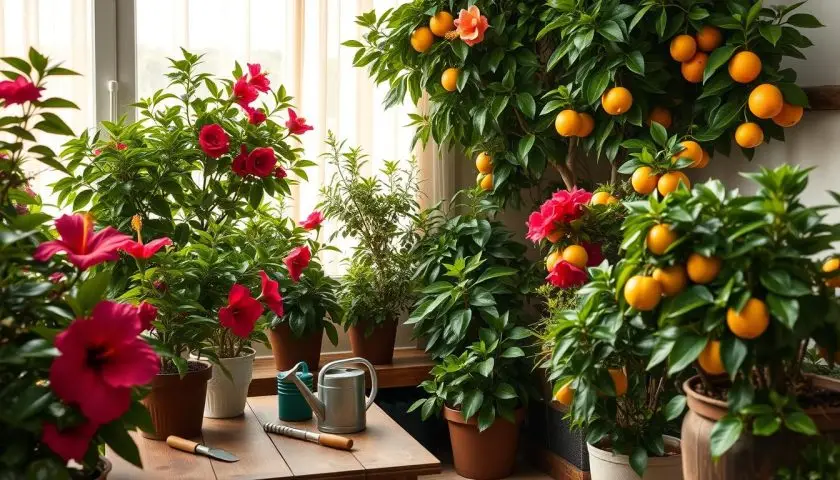
What Is USDA Zone 9?
USDA hardiness zones are based on the average annual extreme minimum temperature, the coldest night of a typical winter. University of Florida IFAS Extension explains that zone 9a has an average annual extreme low of 20 to 25°F (about -7 to -4°C) and zone 9b has 25 to 30°F (about -4 to -1°C). Each full zone covers 10°F and each half zone 5°F.
| Zone | Average Extreme Low (°F) | Average Extreme Low (°C) |
|---|---|---|
| 9a | 20 to 25°F | About -6.7 to -3.9°C |
| 9b | 25 to 30°F | About -3.9 to -1.1°C |
The USDA released an updated Plant Hardiness Zone Map in November 2023, the first since 2012. UF/IFAS notes that about half the country shifted roughly half a zone warmer, partly because the new map used far more weather stations: 13,412 compared with 7,983 for the 2012 map. Check your own zone on the USDA Plant Hardiness Zone Map, and see our guide to the USDA plant database for more on using official plant data.
What Zone 9 Means for Your Plants
A hardiness zone is an average, not a guarantee. UF/IFAS points out that about half of winters will not reach the average extreme low, while the other half may be colder. That is why plants rated to exactly your zone are a gamble, and zone 9 plants that are rated a zone colder, such as zone 8, are the safe choice.
Local conditions matter too. UF/IFAS notes that the urban heat island effect and the moderating influence of the sea and large rivers can make some areas warmer than the map suggests, so gardeners near a city centre or the coast can sometimes grow slightly more tropical plants. Low-lying frost pockets work the other way.
12 Best Zone 9 Plants
1. Rosemary (Salvia rosmarinus)
NC State Extension lists rosemary for USDA zones 8a to 10b, making it a dependable choice across zone 9. It grows to about 1.2 to 1.5m (4 to 5ft) tall, needs full sun and light, well-drained soil, and is highly drought tolerant. NC State warns that overwatering and wet, humid conditions are a common cause of decline. It flowers from spring into summer in blue, purple or white.
2. Texas sage (Leucophyllum frutescens)
NC State lists Texas sage, also called Texas ranger, for zones 8a to 11b. This silver-leaved evergreen shrub thrives in heat and drought and flowers in pink to purple flushes after rain. It needs good drainage, as wet soil can lead to cotton root rot. Read our full Texas ranger plant guide.
3. Japanese pittosporum (Pittosporum tobira)
Clemson Extension gives USDA zones 8 to 11 for Japanese pittosporum, a dense evergreen shrub with glossy leaves and orange-blossom-scented spring flowers. It has excellent salt tolerance, which makes it useful in coastal zone 9 gardens. See our pittosporum plant guide for care and pruning.
4. Agave (Agave spp.)
UF/IFAS lists agaves for zones 9A to 11A, with some variation between species. These bold succulents are drought-tolerant and low-maintenance. UF/IFAS notes that, despite the name century plant, most take 15 to 60 years to flower, and advises planting century plant at least 6ft (about 1.8m) from paths and play areas because of its sharp leaf tips.
5. Oleander (Nerium oleander)
UF/IFAS lists oleander for zones 9A to 11. It is a tough, fast-growing evergreen shrub with showy flowers in white, pink, red or purple, mainly in spring and autumn, and it grows best in full sun. However, NC State Extension describes it as highly poisonous and warns not to burn it, as the smoke is harmful. Avoid it where children or pets play.
6. Crape myrtle (Lagerstroemia)
Crape myrtles are classic summer-flowering trees for warm gardens. NC State lists popular cultivars such as ‘Natchez’ for zones 6 to 9 and ‘Sioux’ for zones 7 to 9, so they suit zone 9a and cooler parts of 9b. NC State notes that severe pruning or topping should not be needed and that light pruning is best done in late winter or spring, as the flowers form on new growth.
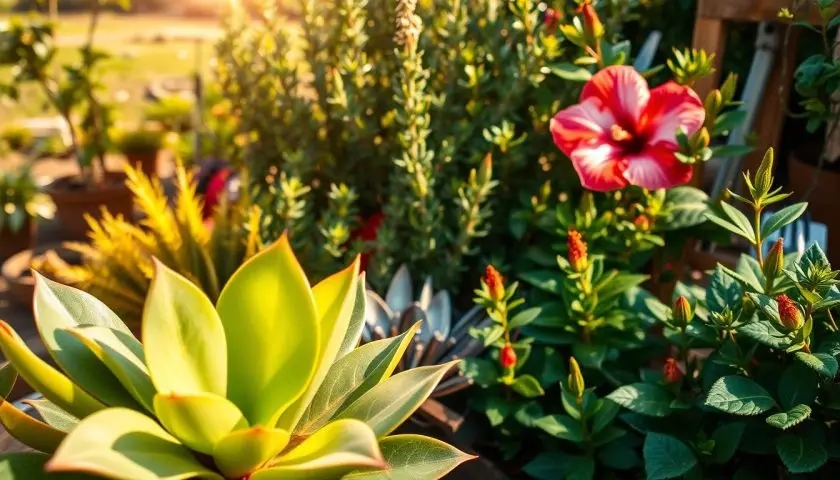
7. Lemon and other citrus
Citrus are a classic zone 9 crop, but cold is the limiting factor. Penn State Extension notes that Meyer lemon is cold-hardy to about 22°F (-5.5°C), which puts it at the edge of zone 9a, so a sheltered, south-facing spot or a large pot you can move is the safest approach. Our lemon tree care guide covers growing citrus in pots.
8. Bougainvillea
UF/IFAS lists bougainvillea among plants for zone 9b and warmer. Its papery, brightly coloured bracts make it one of the most striking climbers for hot, sunny walls. In zone 9a, grow it against a warm wall or in a container that can be protected in a cold snap.
9. Banana
UF/IFAS also lists banana among zone 9b and warmer plants. Bananas bring a bold tropical look with their huge leaves. In borderline areas, the top growth may be damaged in a cold winter, so plant in a sheltered spot out of strong wind.
10. Mandevilla
Mandevilla is another plant UF/IFAS lists for zone 9b and warmer. This twining climber with large, trumpet-shaped flowers suits trellises, fences and containers. In zone 9a, it is safest in a pot that can be moved under cover.
11. Ixora
UF/IFAS includes ixora in its list of zone 9b and warmer plants. It is a tropical shrub grown for dense clusters of red, orange, pink or yellow flowers, and it is best kept to the warmest parts of zone 9.
12. Hoja santa (Piper auritum), with caution
Texas Master Gardeners list hoja santa as useful in zones 8 to 11, with roots that survive to about 10°F (-12°C). It grows easily in zone 9, perhaps too easily: UF/IFAS describes it as invasive in Florida. Grow it only in a container or contained bed. Read our hoja santa plant guide before planting.
Zone 9 Plants at a Glance
| Plant | USDA Zones | Source | Notes |
|---|---|---|---|
| Rosemary | 8a–10b | NC State | Full sun; drought tolerant |
| Texas sage | 8a–11b | NC State | Needs sharp drainage |
| Japanese pittosporum | 8–11 | Clemson | Salt tolerant |
| Agave | 9A–11A | UF/IFAS | Sharp leaves; keep from paths |
| Oleander | 9A–11 | UF/IFAS | Highly poisonous |
| Crape myrtle (‘Natchez’) | 6–9 | NC State | Best in zone 9a and cooler 9b |
| Meyer lemon | Hardy to about 22°F | Penn State | Shelter or pot in 9a |
| Bougainvillea | 9b and warmer | UF/IFAS | Warm wall in 9a |
| Banana | 9b and warmer | UF/IFAS | Sheltered spot |
| Mandevilla | 9b and warmer | UF/IFAS | Pot in 9a |
| Ixora | 9b and warmer | UF/IFAS | Warmest areas only |
| Hoja santa | 8–11 | Texas Master Gardeners | Invasive; contain it |
Plants That May Struggle in the Warmest Zone 9 Areas
Hardiness zones only measure winter cold, so a plant rated for zone 9 may still dislike the heat. UF/IFAS gives eastern redbud, flowering dogwood, saucer magnolia and mahonia as examples of plants suited to zone 9a and cooler, and warns that they may struggle in the warmer, 9b parts of a city or near the beach. If you love these plants, choose the coolest, most sheltered part of your garden and give them afternoon shade.
How to Protect Borderline Zone 9 Plants From Cold
Even in zone 9, a hard frost can damage tender plants. A few simple steps reduce the risk:
- Plant in the warmest spot: south- or west-facing walls store heat and release it at night.
- Avoid frost pockets: cold air sinks, so low-lying spots are colder than slopes.
- Grow borderline plants in pots: containers can be moved to a garage, porch or greenhouse on cold nights.
- Cover plants on frosty nights: horticultural fleece reduces frost damage; remove it in the morning.
- Mulch the roots: a thick mulch protects the root zone of plants like hoja santa and bananas that can regrow from the base.
- Do not prune too early: leave cold-damaged growth until spring, when you can see what has survived.
Watering Zone 9 Plants
Many zone 9 plants face long, hot, dry summers, so choosing drought-tolerant plants saves water and work. Rosemary, Texas sage and agave all tolerate drought once established, according to NC State and UF/IFAS. The common thread among them is that they dislike wet soil, so drainage matters more than frequent watering. Water new plants regularly in their first season, then cut back. For more ideas, see our guide to drought-resistant plants.
When to Plant Zone 9 Plants
In zone 9, autumn is often the best time to plant trees, shrubs and perennials, because cooler temperatures and winter rain help roots establish before the summer heat. Tender, frost-sensitive plants such as bougainvillea, mandevilla and citrus are best planted in spring, once the risk of frost has passed, so they have a full warm season to settle in before their first winter.
Zone 9 Plants for Containers
Containers are the easiest way to grow zone 9 plants that are at the edge of their range. Citrus, bougainvillea and mandevilla all do well in large pots in full sun, and you can move them under cover if a hard frost is forecast. Pots also keep spreading plants such as hoja santa under control. Use a free-draining compost, check pots often in summer heat, and raise them on feet so water drains away. Our list of outdoor plants that like direct sunlight has more sun-loving options for patios.
Are Zone 9 Plants Safe for Pets?
Some popular zone 9 plants are not. NC State Extension describes oleander as highly poisonous, and agave leaves are sharp. NC State tags rosemary and Japanese pittosporum as non-toxic to cats, dogs and horses. If you have pets, check each plant before buying, and contact your vet or the ASPCA Animal Poison Control Center at (888) 426-4435 (a consultation fee may apply) if you are worried. Our guide to making your plants cat-friendly has more tips.
Frequently Asked Questions
What is the lowest temperature in zone 9?
Zone 9 has an average annual extreme low of 20 to 30°F (about -7 to -1°C). Zone 9a covers 20 to 25°F and zone 9b covers 25 to 30°F, according to UF/IFAS.
What are the easiest zone 9 plants for beginners?
Rosemary, Texas sage and Japanese pittosporum are reliable choices. All three are rated hardy below zone 9 and tolerate heat and dry spells once established.
Can I grow citrus in zone 9?
Yes, but protect it from hard frost. Penn State notes that Meyer lemon is hardy to about 22°F, which is the edge of zone 9a, so a sheltered spot or container is safest.
Did my zone change in 2023?
Possibly. The USDA updated its map in November 2023, and about half the US shifted around half a zone warmer. Check your zone on the USDA website.
Should I only grow plants rated for zone 9?
Plants rated for zone 8 or colder are the safest, because about half of winters can be colder than the zone average. Plants rated for exactly zone 9 may need protection in a cold winter.
Final Thoughts
As a botanist, I think zone 9 is one of the most exciting climates to garden in, because it opens the door to Mediterranean, desert and subtropical plants. The secret is to respect the occasional cold night: choose plants rated a little colder than your zone for the backbone of your garden, and keep the tender treasures in warm spots or pots.
At Patch Plants, I base each recommendation on published hardiness data, so you can plan with confidence rather than guesswork. Start with a few reliable zone 9 plants and build from there.
Sources: UF/IFAS Extension, New hardiness zones; USDA ARS, Updated Plant Hardiness Zone Map; NC State Extension, Rosemary; UF/IFAS, Agave; UF/IFAS, Oleander; NC State Extension, Natchez crape myrtle.

About the author
Sawera Shahid is a botanist with an MPhil in Botany and 5+ years of writing about plants. As founder and lead writer of Patch Plants, she writes practical, science-backed guides on indoor plants, outdoor gardens and plant problems, checked against RHS and university extension advice.