
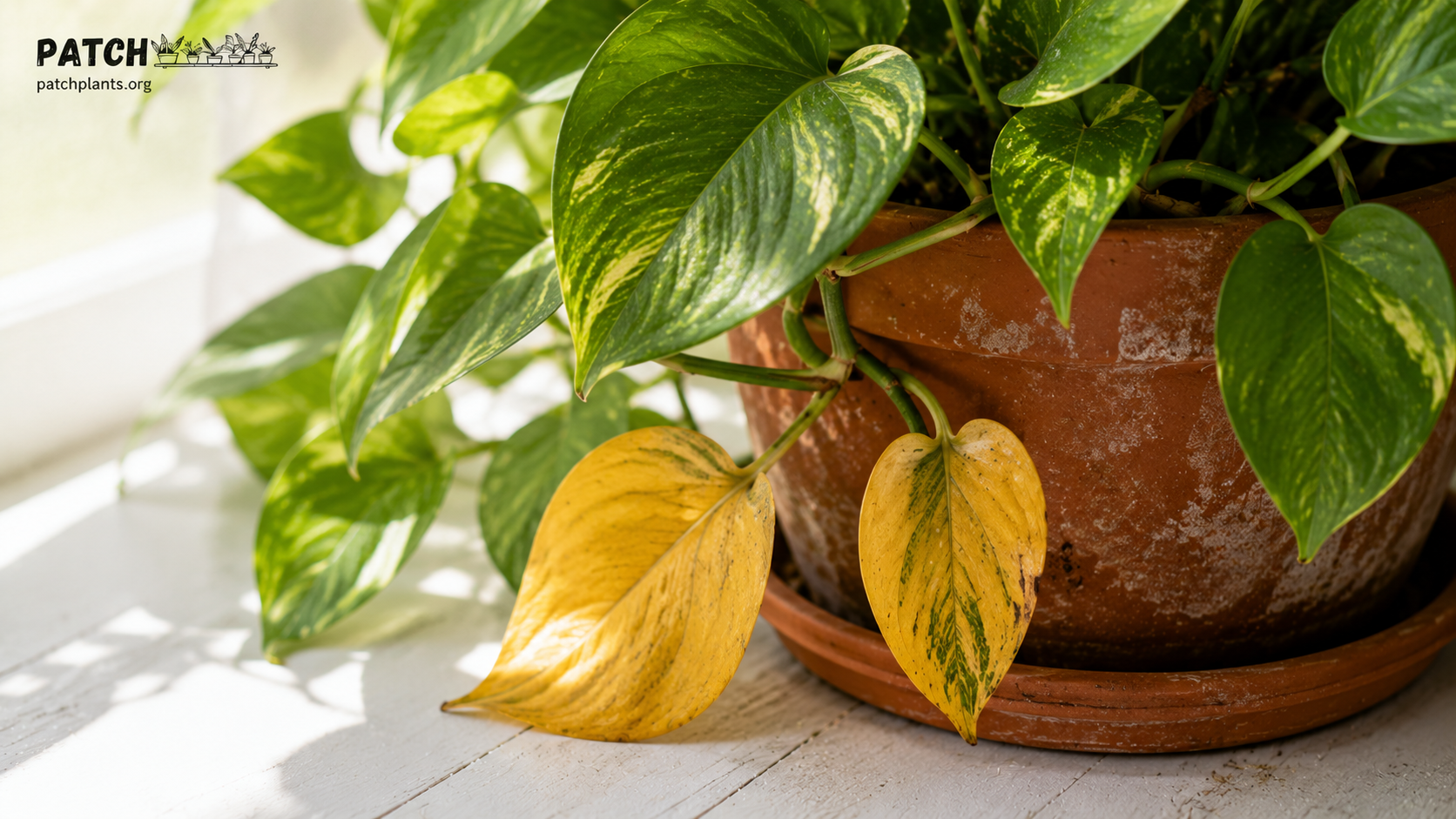
Key Takeaways
- Why are my plant leaves turning yellow has ten distinct possible answers — overwatering, underwatering, insufficient light, excess light, nutrient deficiency, temperature stress, root bound conditions, pest damage, natural ageing, and poor water quality — and identifying which is causing the problem requires observing the pattern, timing, and location of the yellowing across the plant.
- Overwatering is the most common reason plant leaves turn yellow — consistently moist soil deprives roots of oxygen, causes root rot, and blocks nutrient absorption, producing the yellowing, softening leaves that most plant owners encounter first when something goes wrong.
- Why are my plants leaves turning yellow from the bottom up almost always indicates either natural ageing of older lower leaves (completely normal), overwatering causing root rot that affects lower leaves first, or nutrient deficiency that causes the plant to draw resources from older foliage to support newer growth.
- Pothos leaves turning yellow is one of the most common specific yellow leaf queries — in this plant, yellowing almost always indicates overwatering or insufficient light, and the fix is almost always as simple as reducing watering frequency and moving to a brighter position.
- Why are my ZZ plant leaves turning yellow similarly points almost exclusively to overwatering — ZZ plant stores water in its rhizomes and needs to dry out completely between waterings, meaning consistently moist soil causes yellowing within weeks.
- Hibiscus plant leaves are turning yellow is frequently caused by nutrient deficiency (particularly iron or magnesium), inconsistent watering, or root stress — hibiscus is more sensitive to both overwatering and underwatering than most common houseplants.
- What do yellow leaves on a plant mean depends entirely on where on the plant they appear, how quickly they spread, what the soil moisture level is, and what the light conditions are — context is everything and a single yellow leaf almost never warrants concern.
- How to fix yellow leaves on plants always starts with diagnosis rather than treatment — watering more when the plant is already overwatered makes things dramatically worse, so correctly identifying the cause before applying any fix is the most important step.
- Yellow leaves that have already fully yellowed will not turn green again regardless of what corrective action is taken — the goal of treatment is preventing further yellowing on healthy leaves, not reversing the colour of already-affected foliage.
- Why are my plant’s leaves turning yellow is almost always solvable — yellowing leaves are a communication signal rather than a death sentence, and in the majority of cases a simple adjustment to watering, light, or feeding is all that’s needed to stop further decline.
Introduction
There’s something unsettling about spotting the first yellow leaf on a plant you’ve been carefully looking after. It happens suddenly — a plant that looked completely healthy yesterday now has one or two leaves fading from vibrant green into pale lemon, and the instinct is to assume the worst. In most cases, that instinct is wrong.
Why are my plant leaves turning yellow is one of the most searched plant care questions online — and for good reason. Yellowing leaves appear across every plant type, in every care environment, and at every skill level of plant ownership. It’s genuinely the most universal plant distress signal, and it covers an enormous range of causes from something as benign as natural ageing through to something requiring urgent intervention like root rot. The challenge is knowing which is which.
This guide covers every cause of plant leaves turning yellow — in order from most to least common — with exact diagnostic information and straightforward fixes for each. Whether you’re dealing with pothos leaves turning yellow, asking why are my ZZ plant leaves turning yellow, puzzling over hibiscus plant leaves turning yellow, or simply noticing general yellow leaves on plants across your indoor collection, every answer is here. For broader plant troubleshooting covering browning, drooping, and leaf curl alongside yellowing, our leaf curl browning and droop guide covers the full range of visual stress signals plants display.
Before You Diagnose — Read the Pattern First
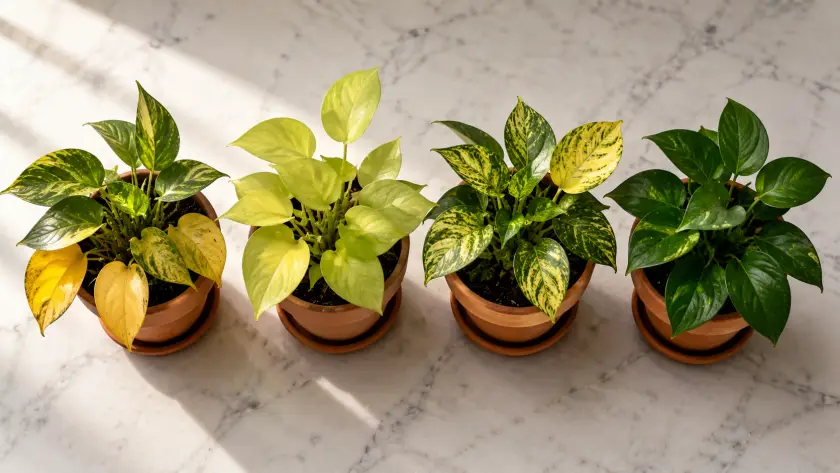
The location, speed, and pattern of yellowing tells you almost as much as any other factor before you even check the soil. Understanding what the yellowing pattern means is the fastest route to correct diagnosis.
Lower leaves yellowing (older leaves at the base): Natural ageing (if one or two, plant is otherwise healthy), overwatering (if multiple leaves simultaneously with soft stems), or nutrient deficiency (if spreading gradually upward over weeks).
Upper leaves or new growth yellowing: Usually nutrient deficiency, specifically iron or nitrogen, which affects new growth before established older leaves.
Yellowing between leaf veins (interveinal chlorosis): Almost always a specific nutrient deficiency — iron, magnesium, or manganese — where the leaf veins remain green while the tissue between them turns yellow.
Pale, washed-out overall yellowing: Insufficient light — the entire plant gradually loses colour intensity as chlorophyll production drops below the level needed to maintain green colouration.
Sudden widespread yellowing across many leaves simultaneously: Almost always an environmental shock — sudden temperature drop, repotting stress, or root damage.
Yellow spots rather than overall yellowing: Pest damage, fungal disease, or mineral burn from fertilizer application to dry soil.
Understanding this pattern language before reaching for a watering can or moving the plant is the single most valuable diagnostic skill in answering why are my plant’s leaves turning yellow for any specific plant and situation. Our complete watering guide covers how proper moisture management prevents the most common causes of yellowing before they develop.
10 Reasons Your Plant Leaves Are Turning Yellow
1. Overwatering — The Most Common Cause
If you’re asking why are my plant leaves turning yellow for the first time, start here — overwatering causes more yellow leaves in more plant types than any other single factor. When soil stays consistently moist, roots are deprived of the oxygen they need to function, creating anaerobic conditions that promote root rot and block the plant’s ability to absorb water and nutrients even though moisture is present in the soil.
The result is yellowing leaves that feel soft and limp rather than firm, often accompanied by soil that smells slightly unpleasant, mold growing on the soil surface, and stems that feel mushy at the base.
Plants most commonly overwatered into yellow leaves:
- Snake plant — needs to dry out completely between waterings
- ZZ plant — stores water in rhizomes, extremely sensitive to overwatering
- Pothos — tolerant but suffers yellow leaves from consistently wet soil
- Peace lily — prefers consistent moisture but not waterlogging
- Aloe vera — desert succulent that rots rapidly in wet soil
Why are my ZZ plant leaves turning yellow specifically? ZZ plant is one of the most overwatered houseplants in existence — its ability to go weeks without water is often mistaken by owners as a sign to water more frequently. If ZZ leaves are yellowing, reduce watering to every 3–4 weeks and check for root rot.
Fix: Allow the soil to dry out completely before the next watering. If roots are brown, mushy, or smell unpleasant, remove the plant from its pot, trim away all rotted roots with sterile scissors, allow the root system to dry for 24 hours, then repot in fresh, dry soil. Our signs of overwatering guide covers every overwatering symptom with step-by-step recovery instructions.
2. Underwatering — The Opposite Problem
Why are my plant leaves turning yellow when the soil is bone dry? Underwatering. When a plant is deprived of water for extended periods, it begins pulling resources from older leaves to sustain newer growth — the older leaves yellow, then brown and crisp at the edges, and eventually drop. Unlike overwatered yellowing (soft, limp leaves), underwatered yellow leaves feel dry and papery and the soil will be pulling away from the pot edges when you check.
Fix: Water thoroughly until water drains freely from the bottom, empty the saucer after 15 minutes, and establish a consistent checking routine. Insert a finger 3–5cm into the soil before watering — if it’s dry at that depth, water. If still moist, wait. Our complete watering guide covers moisture checking techniques for every plant type and pot size.
3. Insufficient Light — Slow, Gradual Yellowing
Plant leaves turning yellow slowly over weeks, with the plant becoming generally pale rather than showing specific yellow patches, almost always indicates insufficient light. Chlorophyll — the green pigment responsible for photosynthesis — requires adequate light to produce and maintain. In insufficient light, chlorophyll breaks down faster than the plant can replace it, resulting in a gradual loss of colour intensity across the entire plant.
This is particularly common in winter when natural light levels drop significantly, and in plants positioned more than 2–3 metres from any window. Why are my pot plants turning yellow in winter is almost always answered by this reduced light availability.
Plants most commonly affected by low-light yellowing:
- Monstera — needs bright indirect light to maintain deep green colouration
- Fiddle leaf fig — extremely sensitive to insufficient light
- Rubber plant — deep green leaves fade to yellow-green in low light
- Philodendron — loses variegation and colour depth in poor light
Fix: Move to a brighter position — ideally within 1–2 metres of a bright window. Rotate the plant weekly to ensure all sides receive equal light exposure. In winter, consider a full-spectrum LED grow light positioned 15–30cm above the plant for 12–14 hours daily. Our complete indoor light guide covers measuring and maximising indoor light for every plant type.
4. Too Much Direct Sun — Scorching and Bleaching
Where insufficient light causes gradual overall yellowing, too much direct harsh sun causes faster, more localised yellowing — typically appearing as pale, washed-out patches on leaf surfaces facing the light source, or as crispy brown-edged yellow patches on leaves that receive afternoon direct sun through south or west-facing windows.
This is particularly common when plants are moved outdoors in summer without a gradual acclimatisation period, or when they’re placed directly against south-facing glass in summer.
Fix: Move the plant back from the window — 30–60cm is often sufficient to convert harsh direct sun to bright indirect light. A sheer curtain over a south-facing window dramatically reduces intensity while maintaining adequate brightness for most plants. See our indoor light guide for exact distance and positioning guidance.
5. Nutrient Deficiency — Yellow Leaves Despite Good Care
If your plant is receiving correct watering and adequate light but plant leaves are turning yellow anyway, nutrient deficiency is the most likely explanation. Plants need nitrogen (for leaf growth and green colour), magnesium (for chlorophyll production), iron (for enzyme function), and numerous other micronutrients — and deficiencies in any of these produce distinct yellowing patterns.
Most common nutrient deficiencies causing yellow leaves:
Nitrogen deficiency — overall pale yellowing starting from lower older leaves and progressing upward. Nitrogen is the most commonly deficient nutrient in pot plants that haven’t been fed in over a year. This is why money tree plant leaves turning yellow often occurs in plants that have been in the same pot with no feeding for an extended period. See our money tree care guide for specific feeding guidance.
Iron deficiency (chlorosis) — leaves turn yellow while veins remain distinctly green. New growth is most affected. This is the most common cause of hibiscus plant leaves turning yellow — hibiscus is highly sensitive to iron availability and produces classic interveinal chlorosis when iron is deficient.
Magnesium deficiency — similar interveinal yellowing to iron deficiency but affects older leaves first rather than new growth.
Fix: Feed with a balanced liquid fertilizer (NPK 10-10-10) monthly during spring and summer, diluted to half the recommended strength. For iron or magnesium deficiency specifically, look for fertilizers containing chelated iron or magnesium sulphate. Always apply fertilizer to pre-moistened soil — never to dry soil which concentrates minerals and causes root burn. Our fertilizing guide covers exactly what and when to feed for every plant type.
6. Temperature Stress and Cold Drafts
Sudden temperature drops, cold drafts from poorly sealed windows, air conditioning vents, and outdoor temperatures below 10°C all trigger rapid yellowing in tropical and subtropical houseplants. Why are my plant’s leaves turning yellow suddenly — rather than gradually — is almost always an environmental shock including temperature as a primary suspect.
The yellowing from cold damage appears quickly — often within 24–48 hours of cold exposure — and typically affects leaves nearest the cold source (the window, the vent, the exterior wall) first before spreading.
Fix: Move the plant away from cold sources immediately. Keep tropical plants at least 30cm from exterior walls and windows in winter. Check that no drafts are reaching the plant from gaps around window frames or under exterior doors. Our humidity hacks guide covers winter plant positioning that accounts for both humidity and temperature stability.
7. Root Bound — Nowhere Left to Grow
A plant that has completely outgrown its container develops tightly compacted roots that can no longer absorb water and nutrients effectively — even when both are present. The result is the same as nutrient deficiency and underwatering: yellowing leaves on a plant that appears to be receiving adequate care.
Signs that root bound conditions are causing your plant leaves turning yellow: roots emerging clearly from drainage holes, water running straight through the pot without absorbing, and noticeably slowed growth despite spring and summer care.
Fix: Repot into a container 5cm larger with fresh soil appropriate for the plant type. Spring is the best time — repotting in this season maximises the recovery period before winter. Our how to repot a plant guide covers the complete process step by step, and our repotting mistakes guide covers the errors that most commonly cause post-repotting stress.
8. Pests — Hidden Damage Becoming Visible
Sap-sucking pests including spider mites, mealybugs, aphids, and scale insects drain a plant’s energy by feeding on its vascular system — and yellowing leaves are often the first visible sign of an infestation that has been developing for weeks. By the time leaves are yellowing from pest damage, the infestation is typically already well-established.
Diagnostic clues:
- Spider mites: Fine webbing between stems and on leaf undersides, tiny moving dots visible with magnification
- Mealybugs: White cottony clusters in leaf joints and along stems
- Aphids: Clusters of soft-bodied insects on new growth and leaf undersides
- Scale: Brown or tan waxy bumps attached to stems, often with sticky honeydew residue below
Why are my spider plant leaves turning yellow from pest damage? Spider plant is susceptible to spider mites particularly in dry conditions — check leaf undersides with a magnifying glass for fine webbing and tiny reddish dots.
Fix: Isolate the affected plant immediately to prevent spread. Remove visible pests manually with alcohol-dipped cotton swabs. Treat with diluted neem oil solution — spray all leaf surfaces, undersides, and stems thoroughly. Repeat weekly for 3–4 weeks to break the pest lifecycle. For severe infestations, commercial insecticidal soap provides more concentrated treatment.
9. Poor Drainage and Wrong Soil
Even with correct watering frequency, a pot without drainage holes or soil that retains moisture too long creates the same conditions as overwatering — roots sitting in saturated soil unable to access oxygen. Why are my house plants leaves turning yellow despite what seems like careful watering is often answered by this structural drainage problem rather than watering technique.
This is particularly relevant for larger plants — our 20 oversized indoor plants guide notes that larger specimen plants in decorative pots often lack drainage, creating chronic waterlogging that manifests as persistent yellowing regardless of watering schedule adjustments.
Fix: Repot into a container with adequate drainage holes. Choose soil appropriate to the plant type — well-draining cactus mix for succulents and dry-preferring plants, moisture-retentive but well-aerated tropical mix for humidity-loving varieties. Our best soil mix guide covers the exact soil composition for every common plant type.
10. Natural Ageing — Not Every Yellow Leaf Is a Problem
The final cause of yellow leaves on plants is the most benign — and the most commonly misdiagnosed as a problem when it isn’t one. Plants naturally shed older lower leaves as part of their normal growth cycle, redirecting resources from ageing foliage to support new growth at the plant’s growing tips. A single yellowing lower leaf on an otherwise healthy, actively growing plant is almost always natural ageing rather than a care problem.
How to distinguish natural ageing from a genuine problem:
- Natural ageing: One or two lower leaves yellowing while new leaves emerge at growing tips — plant is otherwise firm, green, and growing
- Genuine problem: Multiple leaves yellowing simultaneously, or yellowing spreading up the plant, or yellowing combined with soft stems, drooping, or stopped growth
Plants where occasional lower leaf yellowing is especially normal: Peace lily, calathea, pothos, Christmas cactus, and snake plant — all periodically shed older leaves as a completely normal part of their growth pattern.
Fix: Remove the yellowed leaf cleanly at the base using sterile scissors and continue your normal care routine without adjustment.
Why Are My Pothos Leaves Turning Yellow? — Plant-Specific Guide
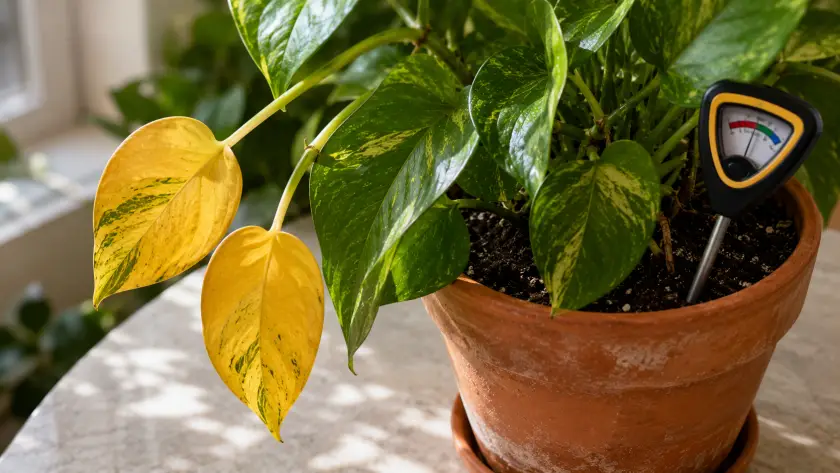
Golden pothos leaves turning yellow and pothos leaves turning yellow are among the most common specific yellow-leaf queries, and the causes follow a predictable hierarchy for this specific plant.
Most likely causes in order:
- Overwatering — by far the most common pothos yellowing cause
- Insufficient light — pale overall yellowing, not localised
- Root bound — plant has outgrown its pot and can’t absorb nutrients
- Natural ageing — single lower leaf, plant otherwise healthy
Why is my pothos turning yellow despite seemingly good care? Check the soil before anything else — if it’s consistently moist and the yellowing affects multiple leaves, reduce watering frequency immediately. Pothos is one of the most tolerant houseplants available, but its tolerance is most commonly expressed through overwatering resilience rather than any actual preference for wet conditions.
Should You Remove Yellow Leaves?
Yes — once a leaf has turned substantially yellow, it will not return to green regardless of what care adjustments are made. Yellowing is irreversible because it represents the breakdown of chlorophyll and cell structures that cannot be rebuilt. The goal of treating yellow leaves is always to stop further yellowing on remaining healthy foliage, not to reverse already-yellowed leaves.
Remove yellow leaves cleanly at the base with sterile scissors — this prevents the decaying leaf tissue from attracting pests or fungal disease, improves the plant’s visual appearance, and redirects the small amount of energy the plant was still directing toward maintaining the leaf toward genuinely productive growth instead.
Water Quality and Yellow Leaves
Hard tap water containing fluoride, chlorine, and dissolved mineral salts causes a specific type of yellowing — most commonly appearing as yellow leaf tips that gradually spread inward. This is distinct from other causes because the overall leaf remains green while the tips and edges fade, and it appears despite otherwise correct watering, lighting, and feeding.
Sensitive plants most affected by water quality: Calathea, peace lily, spider plant, and most tropical foliage plants.
Fix: Switch to filtered water, rainwater, or tap water left standing for 24 hours (which allows chlorine to dissipate, though fluoride remains). For severely affected plants, flush the soil thoroughly with filtered water every 2–3 months to clear accumulated mineral deposits.
When Yellow Leaves Are an Emergency
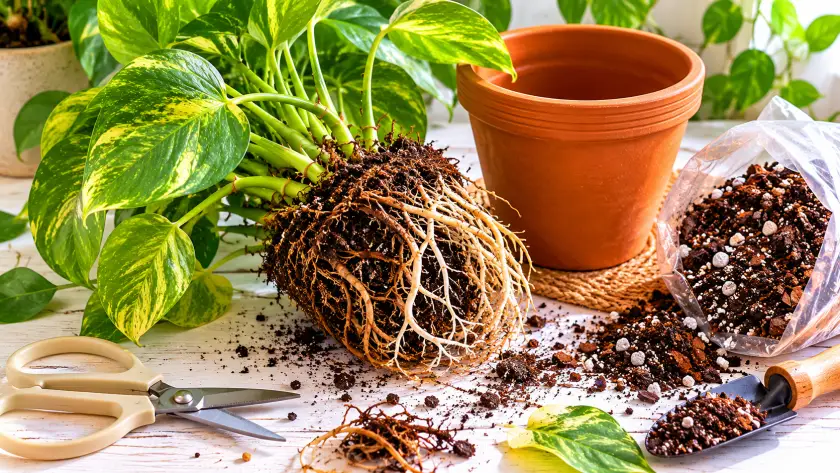
Most yellow leaves require calm diagnosis and minor adjustments — but certain yellowing patterns indicate urgent problems requiring immediate action.
Act immediately if you see:
- Multiple leaves yellowing simultaneously across the whole plant with soft, mushy stems at soil level — likely severe root rot requiring immediate unpotting and root inspection. Our revive a dying plant guide covers emergency root rot recovery step by step.
- Rapid yellowing and dropping of leaves combined with sticky residue or visible pests — severe infestation requiring immediate isolation and treatment
- Complete collapse of previously healthy plant with yellowing throughout — check for root rot, severely cold temperatures, or complete soil dessication
For any plant showing these emergency symptoms, our revive a dying plant guide provides the step-by-step intervention framework for each scenario.
Frequently Asked Questions
Why are my plant leaves turning yellow? The ten most common causes of plant leaves turning yellow are overwatering, underwatering, insufficient light, too much direct sun, nutrient deficiency, temperature stress, root bound conditions, pest infestation, poor drainage, and natural ageing. Overwatering is the most common single cause — always check soil moisture first before investigating other causes. The pattern, location, and speed of yellowing narrows down the diagnosis significantly before any other diagnostic step.
Why are my plant leaves turning yellow at the bottom? Lower leaves yellowing is most commonly either natural ageing (one or two leaves, plant otherwise healthy and actively growing), overwatering causing root rot that affects older lower leaves first, or nitrogen deficiency causing the plant to withdraw resources from older foliage to support new growth. Check soil moisture first — if consistently wet, overwatering is the cause. If dry and the plant hasn’t been fed in months, nitrogen deficiency is likely.
Why are my pothos leaves turning yellow? Pothos leaves turning yellow most commonly results from overwatering — the most frequent pothos care mistake. Check whether soil is consistently moist rather than drying out between waterings. If soil stays wet for more than 7–10 days after watering, reduce frequency and improve drainage. Insufficient light is the second most common cause — move to a brighter indirect light position. See our pothos care guide for complete care details.
What do yellow leaves on a plant mean? Yellow leaves on a plant are a communication signal indicating something in the plant’s environment or care routine needs adjustment. They are rarely a death sentence — in most cases they indicate a correctable issue like watering frequency, light level, or feeding schedule. The specific meaning depends entirely on the pattern of yellowing, the soil moisture level, the light conditions, and whether any pests are present. Context is everything in yellow leaf diagnosis.
Why are my ZZ plant leaves turning yellow? Why are my ZZ plant leaves turning yellow almost always has one answer — overwatering. ZZ plant stores water in underground rhizomes and needs to dry out completely between waterings — every 3–4 weeks in spring and summer, every 5–6 weeks in winter. Consistent moisture causes yellowing rapidly in this plant. Check soil at 5cm depth — if still moist, wait significantly longer before the next watering. See our ZZ plant care guide.
Why are hibiscus plant leaves turning yellow? Hibiscus plant leaves are turning yellow most commonly from iron or magnesium deficiency (interveinal chlorosis — veins green, tissue yellow), inconsistent watering, or root stress. Hibiscus is more nutrient-sensitive than most houseplants and benefits from regular feeding with a fertilizer containing chelated micronutrients. Ensure consistent watering — hibiscus yellows rapidly from both over and underwatering.
How do I fix yellow leaves on plants? How to fix yellow leaves on plants depends entirely on the cause — watering more when overwatering is the problem makes things significantly worse. Diagnose first by checking soil moisture, examining the yellowing pattern, checking for pests, and assessing light levels. Once the cause is identified, apply the specific fix: reduce watering for overwatering, move to brighter light for light deficiency, begin feeding for nutrient deficiency, or repot for root bound conditions. Already-yellowed leaves will not return to green — the goal is stopping further yellowing on healthy foliage.
Should I cut off yellow leaves? Yes — once a leaf is substantially yellowed it will not return to green and serves no productive function for the plant. Remove yellowed leaves cleanly at the base with sterile scissors. This prevents potential disease spread, improves appearance, and redirects the plant’s remaining energy toward healthy growth. Avoid removing leaves that are only partially yellowed with significant green sections remaining — these still contribute to photosynthesis while the plant recovers.
Related Guides
- Leaf Curl Browning and Droop Guide
- Signs You’re Overwatering Guide
- How to Revive a Dying Plant
- Complete Watering Guide
- Complete Indoor Light Guide
- Best Soil Mix Guide
- Fertilizing Indoor vs Outdoor
- How to Repot a Plant
- Repotting Mistakes to Avoid
- Humidity Hacks Guide
- How to Propagate Houseplants
- Snake Plant Care Guide
- Peace Lily Care Guide
- Pothos Care Guide
- ZZ Plant Care Guide
- Monstera Care Guide
- Philodendron Care Guide
- Calathea Care Guide
- Fiddle Leaf Fig Care Guide
- Rubber Plant Care Guide
- Spider Plant Care Guide
- Aloe Vera Care Guide
- Christmas Cactus Care Guide
- Money Tree Care Guide
- Jade Plant Care Guide
- String of Pearls Care Guide
- Air Purifying Indoor Plants
- Best Indoor Plants for Beginners
- 35 Low Maintenance Plants
- 20 Oversized Indoor Plants
- Low Light Hanging Plants
- 33 Best Bathroom Plants
- Cat Friendly Plants Guide
- Dog Friendly Plants Guide
- How to Style Indoor Plants by Room
- How to Decorate Bedroom with Plants
- Best Low Maintenance Outdoor Plants
- Colorful Foliage Indoor Plants
- Browse All Plant Care Guides →
- Browse All Indoor Plants →
Final Thoughts
Why are my plant leaves turning yellow is the plant care question that almost every plant owner encounters — and the answer is almost always simpler than the panic that accompanies it suggests. Yellow leaves are a communication system, not a verdict. They’re the plant’s way of flagging that something in its environment needs adjusting — and in the overwhelming majority of cases, that adjustment is small, achievable, and produces visible results within days to weeks.
Read the pattern before you act. Check the soil before you water more or water less. Look at the light before you move the plant. Examine the roots before you repot. The yellow leaves have already told you what they know — diagnosis is simply learning to read what they’re saying clearly enough to respond correctly the first time.
Whether it’s pothos leaves turning yellow, hibiscus plant leaves turning yellow, or simply a lower leaf fading naturally on an otherwise thriving snake plant — every yellow leaf has a story. Learning to read that story is what transforms a plant owner who reacts to problems into a plant parent who genuinely understands the living things in their care.
According to the Royal Horticultural Society (RHS), yellowing leaves on houseplants are most commonly caused by overwatering combined with poor drainage — confirming that improving watering habits and ensuring adequate drainage represents the single most impactful intervention for the majority of yellow-leaf problems encountered in home plant care. 🌿


[…] Why plant leaves turn yellow […]
[…] Why plant leaves turn yellow […]
[…] broader troubleshooting, read leaf curl, browning, and droop, why plant leaves turn yellow, and how to revive a dying […]
Thank you for your sharing. I am worried that I lack creative ideas. It is your article that makes me full of hope. Thank you. But, I have a question, can you help me?
[…] troubleshooting, use how to revive a dying plant, leaf curl, browning, and droop, yellow leaves guide, and how to clean plant […]
[…] For more symptom help, read leaf curl, browning and droop and why plant leaves turn yellow. […]
[…] symptom support, read why plant leaves turn yellow, leaf curl, browning and droop, root rot guide, and how to revive a dying […]
[…] symptom help, read why plant leaves turn yellow, leaf curl, browning and droop, root rot guide, and how to revive a dying […]
[…] Why plant leaves turn yellow […]
[…] Why plant leaves turn yellow […]
[…] Why plant leaves turn yellow […]
Thank you for your sharing. I am worried that I lack creative ideas. It is your article that makes me full of hope. Thank you. But, I have a question, can you help me? https://www.binance.bh/futures/ref?code=QCGZMHR6