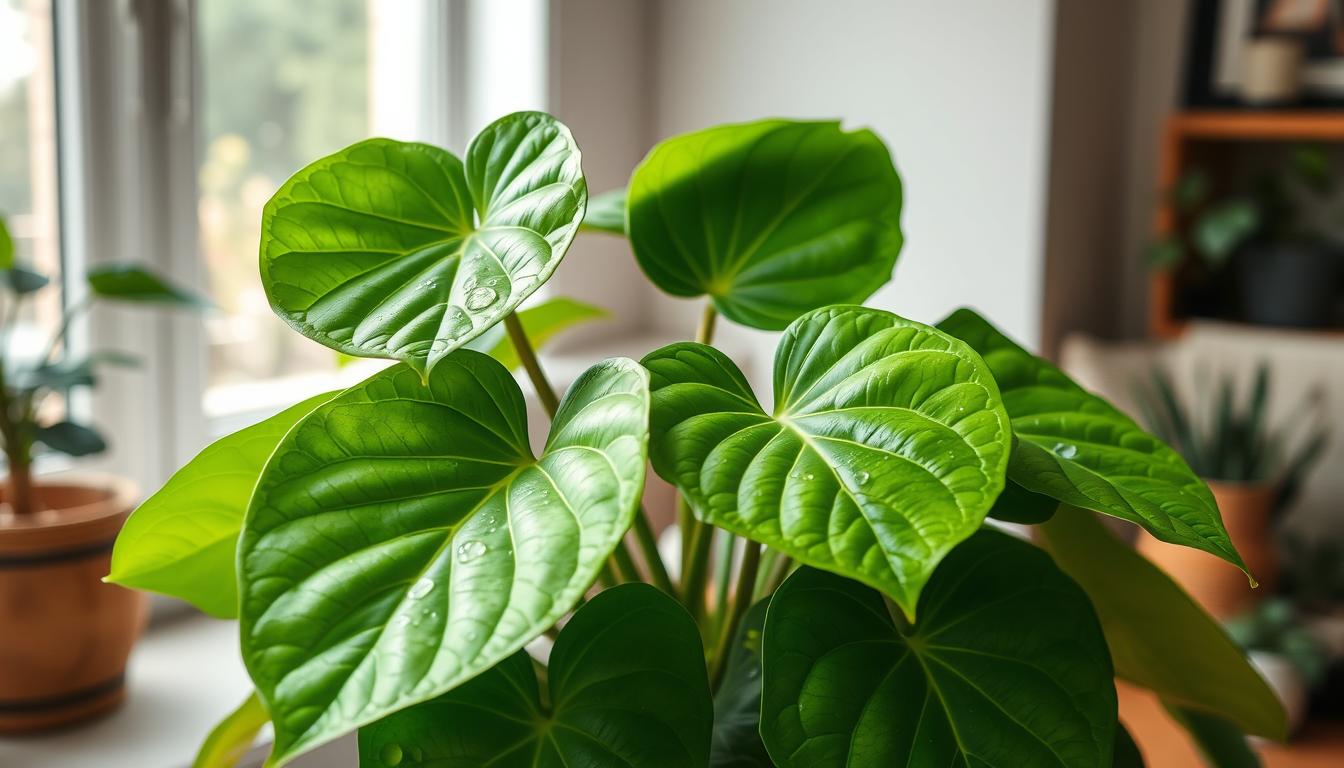
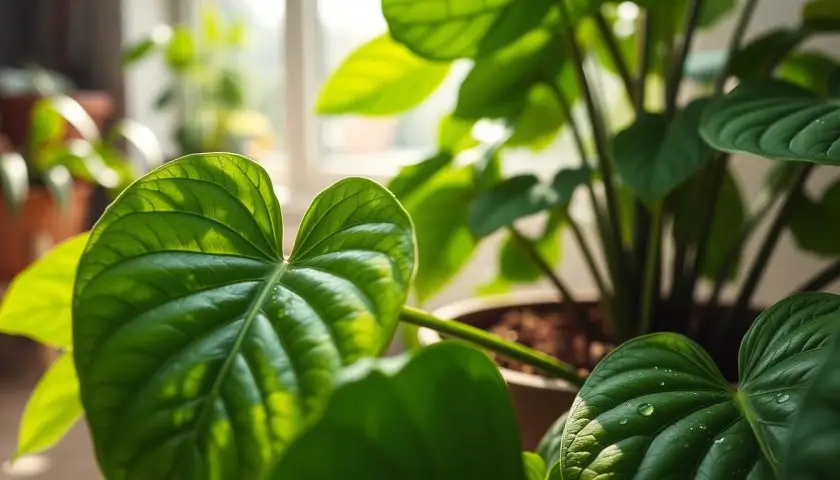
A hoja santa plant (Piper auritum) grows best in light or dappled shade, in moist but well-drained soil, in a sheltered spot, and in most climates it needs to be contained because it spreads quickly by underground rhizomes. I am Sawera Shahid, a botanist at Patch Plants. Hoja santa, Spanish for “sacred leaf”, is famous for its huge, heart-shaped, velvety leaves that smell of root beer or anise when crushed. It is a striking plant, but it comes with two important cautions: it can be invasive, and its leaves contain safrole.
This guide explains what the hoja santa plant is, how to grow it in 7 simple steps, how to keep it under control, how it is used in cooking, and what the safrole question means for gardeners. Each section is based on RHS, university extension and Texas Master Gardener sources.
Hoja Santa Plant at a Glance
| Feature | Details |
|---|---|
| Botanical name | Piper auritum (pepper family, Piperaceae) |
| Other names | Root beer plant, Mexican pepperleaf, hierba santa, acuyo |
| Native range | Southern Mexico to Colombia |
| Light | Light, partial or dappled shade; tolerates sun with moisture |
| Soil | Moist but well-drained; clay, loam or sand |
| Size | About 1 to 1.5m in the UK (RHS); 2.4m+ in warm climates |
| Cold tolerance | Tops die back in hard frost; roots survive to about -12°C (10°F) |
| Spread | Aggressive, by rhizomes; invasive in Florida and Hawaii |
The UK size and growing conditions come from the RHS plant profile; the cold tolerance figures come from the Texas Master Gardeners; the native range comes from Vanderbilt University.
What Is a Hoja Santa Plant?
Vanderbilt University’s Center for Latin American Studies describes Piper auritum as a plant of tropical forests from southern Mexico to Colombia, growing from sea level up to about 1,200m. It belongs to the pepper family, the same family as black pepper and kava, and its spicy leaves are used for both culinary and medicinal purposes across Mexico and Central America.
The RHS describes the hoja santa plant as a tender shrub that can be grown outdoors as a herbaceous perennial, with large, heart-shaped, aromatic leaves and cream flowers in summer. Texas Master Gardeners describe the flowers as tiny and carried on thin spikes about 15cm (6in) long, which start upright and then droop. University of Florida IFAS Extension notes that the leaves can measure 20 to 50cm and have unequal lobes at the base, and that crushing them releases an anise-like smell.
How to Grow a Hoja Santa Plant in 7 Simple Steps
1. Check whether it is safe to plant in your area
Before you buy a hoja santa plant, check local advice. UF/IFAS Extension describes Piper auritum as an invasive weed in Florida, introduced in 2013 and since spread through the southern counties, where it displaces other plants and threatens natural areas. It is also invasive in Hawaii. In warm, frost-free regions it can escape gardens easily, so containers or other ways of growing it are essential.
2. Choose a sheltered, lightly shaded spot
The RHS recommends a sheltered position in light or partial shade, with an east- or west-facing aspect. Texas Master Gardeners note that it can be planted in sun or shade, but partial or dappled shade suits it best. Shelter matters because the huge leaves tear easily in strong winds, and in hot sun they can wilt and scorch.
3. Plant in moist, well-drained soil
The RHS lists clay, loam or sand as suitable, in moist but well-drained soil of any pH. Dig in some organic matter if your soil is very free-draining, so the roots stay moist through summer.
4. Contain the roots
This is the most important step. Texas Master Gardeners explain that the hoja santa plant spreads by rhizomes and often pops up some distance from the parent plant. They recommend planting it in a contained space and pruning the edges of the root system occasionally to control the spread. A large container, or a bed enclosed by paving or a deep root barrier, is the safest choice.
5. Water regularly in the growing season
Texas Master Gardeners suggest watering occasionally to regularly. In practice, keep the soil evenly moist in summer, when the large leaves lose a lot of water, and water less as growth slows in autumn. Plants in pots dry out faster and need checking more often.
6. Protect it from cold
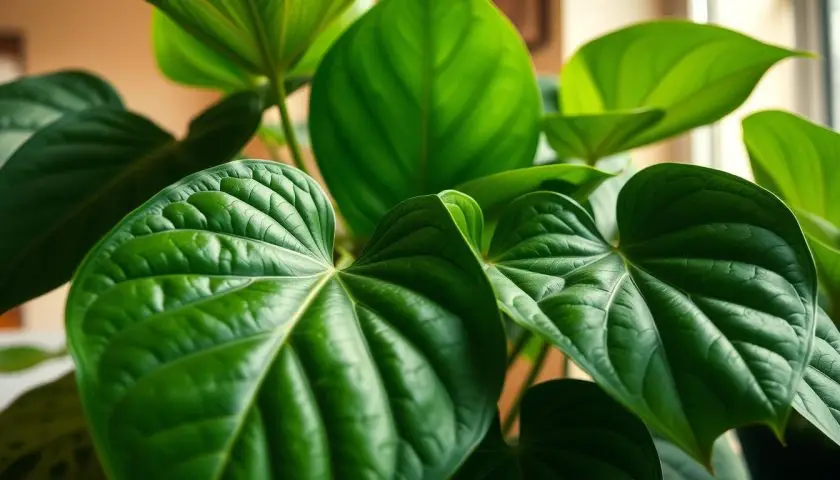
Texas Master Gardeners note that the hoja santa plant tolerates light frost, but temperatures well below about -3°C (27°F) knock the top growth to the ground, and the roots survive to about -12°C (10°F), regrowing in spring. The RHS gives it a hardiness rating of H4 and advises cutting outdoor plants down to ground level in late autumn. A thick, dry mulch over the roots helps in colder gardens.
7. Cut back and tidy each year
Outdoors, the RHS recommends cutting the plant down to ground level in late autumn. Each spring, dig out any shoots that have appeared outside the area you want it in, and remove fallen stems and leaves. UF/IFAS warns that the plant can regrow from rhizomes, stems and cuttings, so do not put pieces where they might root.
Growing a Hoja Santa Plant in a Pot
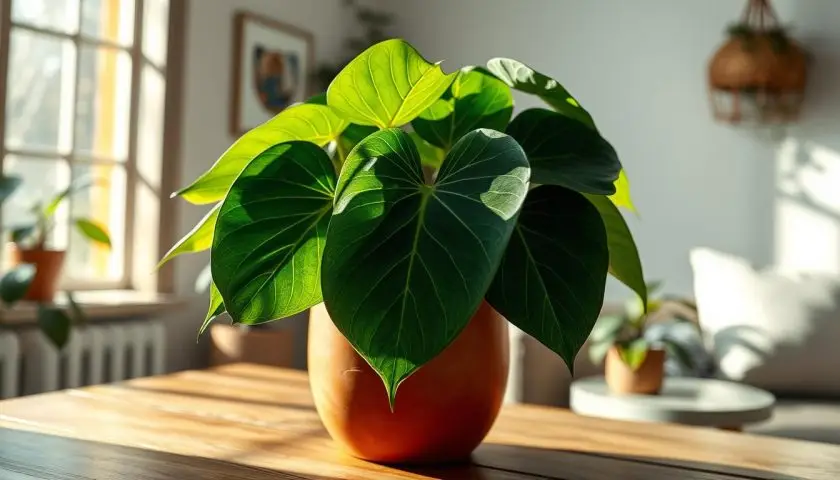
A container is the most practical way to grow hoja santa in most gardens. It limits the rhizomes and lets you move the plant under cover in cold weather. For plants grown under heated glass, the RHS suggests a peat-free, loam-based compost with added sharp sand, in bright, filtered light with high humidity. Use the largest pot you can manage, with drainage holes, and stand it on a hard surface so escaping roots cannot reach soil. For more ideas on container growing, see our guide to container plants for shade.
Where to Use a Hoja Santa Plant in the Garden
With leaves that can reach 20 to 50cm across, a hoja santa plant brings an instant tropical look. It works well as a bold foliage plant in a large container on a shady patio, at the back of a sheltered courtyard bed, or alongside other big-leaved plants such as bananas and elephant ears in a jungle-style planting. Our guide to elephant ear care covers another dramatic plant for the same kind of spot.
Keep it away from lawns, borders of small perennials and the edges of wild areas, where escaping rhizomes are hard to control. A spot next to a path also lets you brush the leaves and enjoy the root beer scent.
Choosing a Healthy Hoja Santa Plant
Look for a plant with firm, upright stems and unblemished, velvety leaves. Check that the label gives the botanical name Piper auritum, so you know exactly what you are buying, and avoid plants with roots circling tightly out of the pot base. A smaller plant establishes quickly, so there is no need to buy a large one.
How to Propagate Hoja Santa
The RHS suggests sowing seed with heat in early spring or taking semi-ripe cuttings. In practice, the plant’s rhizomes produce new shoots so readily that most gardeners simply dig up a rooted sucker. Because UF/IFAS notes it can regrow from almost any part, be careful where you put trimmings, and never discard them in natural areas.
How Is Hoja Santa Used in Cooking?
In Mexico and Central America, the leaves of the hoja santa plant are a traditional flavouring. Vanderbilt University notes that the aromatic, peppery leaves are used to season soups, stews and other dishes, and UF/IFAS describes leaves being chopped into cooking or used as wraps for stuffed meats. The flavour is often compared to anise, root beer or sassafras.
The Safrole Question: Is Hoja Santa Safe to Eat?
The distinctive smell of hoja santa comes from safrole. Vanderbilt University notes that the leaves contain safrole, the same compound that gave old-fashioned sassafras root beer its taste, and describes it as a carcinogen. Texas Master Gardeners add that safrole is known to be carcinogenic in animals, and that the US Food and Drug Administration banned its commercial use as a root beer flavouring in the 1960s. They suggest the plant may be best grown for its scent in the garden rather than for cooking.
As a botanist, my advice is simple: enjoy the hoja santa plant as an ornamental and a talking point, and if you choose to cook with the leaves, treat them as an occasional traditional flavouring rather than an everyday herb. If you are pregnant, have liver concerns or are unsure, speak to a doctor first. For easy, well-understood edible plants, see our guide to the easiest outdoor edible plants.
Hoja Santa vs Kava: Do Not Confuse Them
Hoja santa and true kava (Piper methysticum) are both peppers, and they look similar. Vanderbilt University notes that in Hawaii, Piper auritum was accidentally planted as true kava in the 1990s, which is why it is sometimes called false kava there. If you are buying a plant, check the botanical name on the label.
Common Hoja Santa Plant Problems
| Problem | Likely Cause | What to Do |
|---|---|---|
| Shoots appearing far from the plant | Spreading rhizomes (Texas Master Gardeners) | Dig out suckers; root-prune; grow in a container |
| Torn, ragged leaves | Wind exposure | Move to a sheltered spot |
| Wilting or scorched leaves | Hot sun or dry soil | Give dappled shade; water more evenly |
| Top growth blackened after frost | Cold below about -3°C (27°F) | Cut back; mulch roots; wait for spring regrowth |
| Pests or disease | Rare (RHS: generally pest- and disease-free) | Usually no action needed |
Hoja Santa Plant Care Through the Year
| Season | What to Do |
|---|---|
| Spring | New shoots appear; dig out any suckers outside the planting area; sow seed with heat. |
| Summer | Water regularly; flowers appear on thin spikes; take semi-ripe cuttings. |
| Autumn | Reduce watering; cut outdoor plants to ground level in late autumn. |
| Winter | Mulch roots outdoors or move potted plants under cover. |
Is the Hoja Santa Plant Safe for Pets?
We could not find a listing for hoja santa on the ASPCA toxic plant database. However, because the leaves contain safrole, it is sensible to keep pets from chewing them. If you think a pet has eaten a large amount, contact your vet or the ASPCA Animal Poison Control Center at (888) 426-4435 (a consultation fee may apply). Our guide to making your plants cat-friendly has more tips.
Frequently Asked Questions
Why is it called the root beer plant?
Crushed hoja santa leaves smell like root beer or anise. The scent comes from safrole, the compound that once flavoured sassafras root beer.
Is hoja santa invasive?
It can be. UF/IFAS describes it as an invasive weed in Florida, and it is also invasive in Hawaii. It spreads by rhizomes, so grow it in a container or a contained bed.
Can a hoja santa plant survive winter?
Its top growth dies back in hard frost, but Texas Master Gardeners note the roots survive to about -12°C (10°F) and regrow in spring. The RHS rates it H4.
Does hoja santa need sun or shade?
It prefers light or dappled shade in a sheltered spot. It can grow in sun if the soil stays moist, but the large leaves may scorch.
Is it safe to eat hoja santa leaves?
The leaves are a traditional flavouring, but they contain safrole, which is carcinogenic in animals. Texas Master Gardeners suggest growing it mainly for its scent.
Final Thoughts
As a botanist, I find the hoja santa plant fascinating, with its enormous leaves, its root beer scent and its long history in Mexican kitchens. It is also a reminder that a plant can be beautiful and useful while still needing respect, both for its spreading roots and for the chemistry in its leaves.
At Patch Plants, I aim to give you the full picture, so you can grow plants like hoja santa responsibly. Grow it contained, in light shade and moist soil, and it makes a bold, unusual feature.
Sources: RHS, Piper auritum; UF/IFAS Extension, Piper auritum; UF/IFAS Nassau County, Hoja Santa; Texas Master Gardeners, Root Beer Plant; Vanderbilt University, Piper auritum.

About the author
Sawera Shahid is a botanist with an MPhil in Botany and 5+ years of writing about plants. As founder and lead writer of Patch Plants, she writes practical, science-backed guides on indoor plants, outdoor gardens and plant problems, checked against RHS and university extension advice.