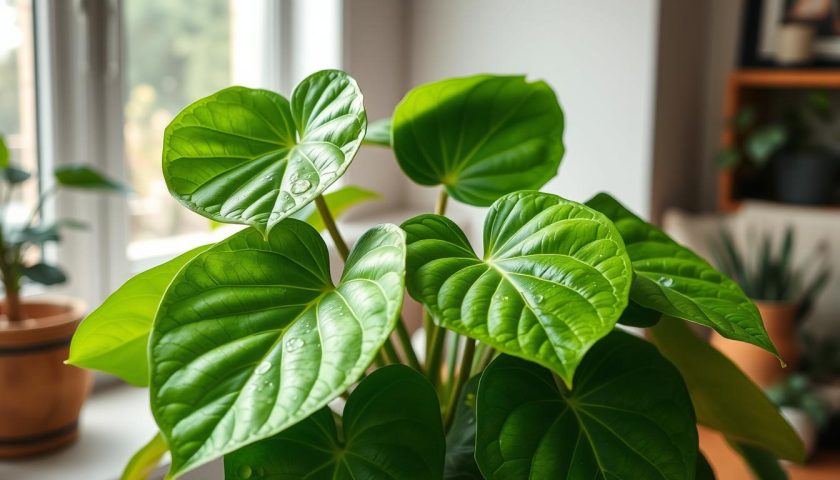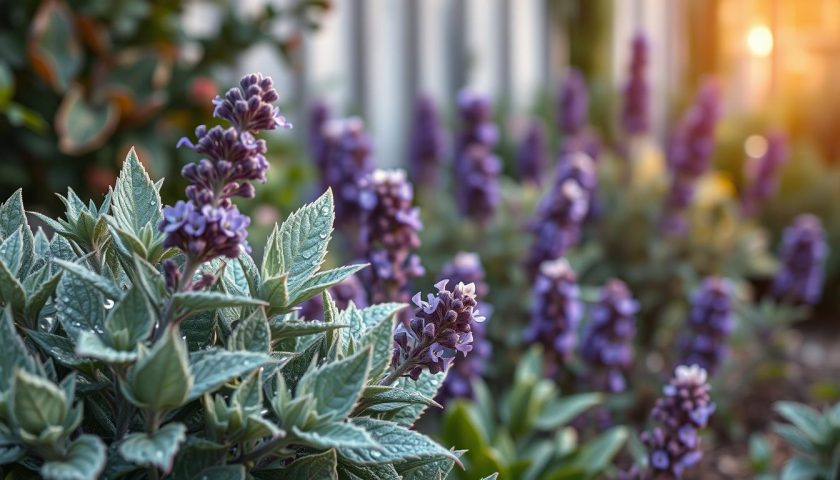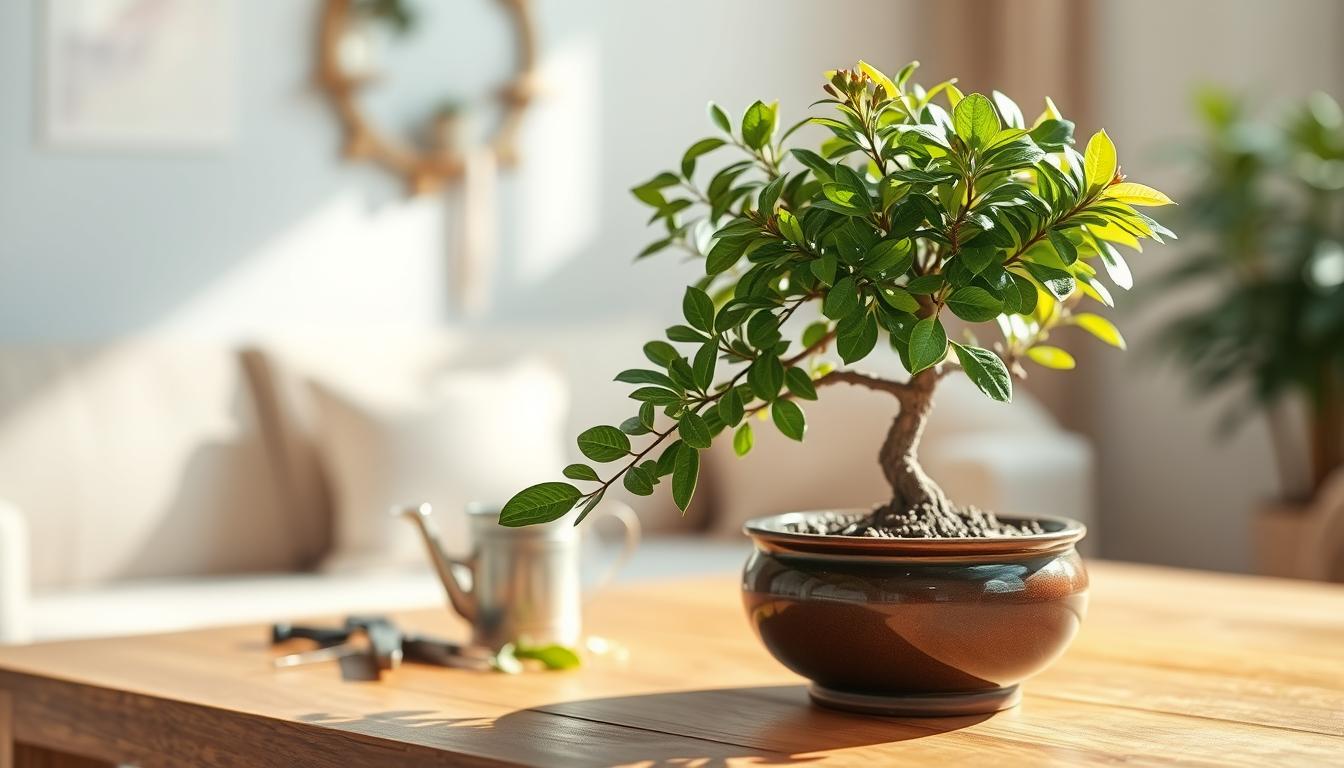
A pittosporum plant grows best in full sun or light shade, in well-drained soil, sheltered from cold winds and away from frost pockets. Once established it needs little feeding and only light watering in dry spells. I am Sawera Shahid, a botanist at Patch Plants. Pittosporums are evergreen shrubs grown for glossy, often colourful leaves, and the RHS notes that they make good specimen plants, border backdrops and dense hedges.
The big question with pittosporum is hardiness. The RHS says many are hardy in a sunny spot sheltered from strong winds, but some are reliable outdoors only in mild, coastal or city gardens. This guide covers the 8 best types of pittosporum plant, how to plant, water and prune them, how to protect tender types in winter, and the problems to watch for.
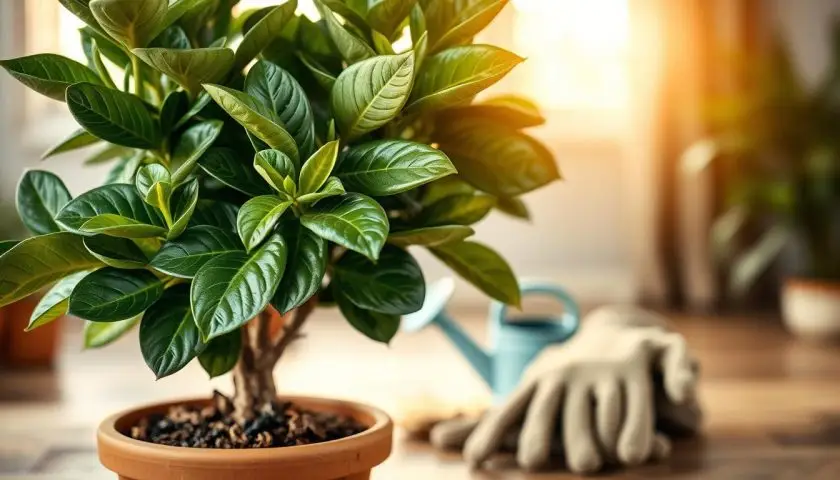
Pittosporum Plant at a Glance
| Need | What Works |
|---|---|
| Position | Full sun or light shade; sheltered from cold winds; away from frost pockets |
| Soil | Most well-drained soils |
| Planting time | Autumn or spring is best |
| Watering | Dry spells for the first couple of years; fairly drought tolerant once established |
| Feeding | Little or none in borders |
| Pruning | Shrubs in mid-spring; hedges two to three times from mid-spring to August |
| Size | About 1 to 6m unpruned, depending on type |
All of the care guidance above comes from the RHS pittosporum growing guide.
What Is a Pittosporum Plant?
The RHS describes pittosporums as evergreen shrubs or trees with simple, leathery leaves and small, often fragrant, five-petalled flowers, followed by round, woody fruits that split to show seeds in a sticky pulp. Most flower from late spring to early summer, with small purple, cream or yellow flowers. In Pittosporum tenuifolium, the most widely grown species, the leaves contrast with dark stems, which is part of its appeal. The RHS lists 9 pittosporum species and cultivars with its Award of Garden Merit.
The two species most gardeners meet are P. tenuifolium from New Zealand, known as tawhiwhi or kohuhu, and P. tobira, Japanese pittosporum, which Clemson Extension notes is native to southern Japan and China. They differ a lot in hardiness, so it is worth knowing which one you are buying.
8 Best Types of Pittosporum Plant
1. Pittosporum tenuifolium (tawhiwhi)
The RHS describes the species as a large, broadly columnar evergreen shrub with slender dark shoots and rounded, glossy, light green leaves with wavy edges. Small, honey-scented, deep purple flowers open in clusters in late spring and early summer. It is easy to grow in fertile, moist but well-drained soil, and the RHS suggests full sun for the best leaf effect, with protection from cold, drying winds in colder areas.
2. ‘Golf Ball’
This is the classic compact pittosporum plant. The RHS describes it as an evergreen shrub with bright green leaves that naturally forms a dense, rounded globe up to 1m across, good for a low hedge and seldom needing clipping. It is rated H4, so it needs a sheltered position. Its natural ball shape makes it a popular choice to replace box; see our buxus hedge guide for the problems that have led many gardeners to switch.
3. ‘Silver Sheen’
The RHS describes ‘Silver Sheen’ as a columnar, fairly open large shrub or small tree with dark reddish-purple stems and very small, pale green leaves with a silvery-grey sheen. It can reach 4 to 8m, so it suits screening rather than low hedges. The RHS advises full sun for the best leaf colour, and in colder gardens a sheltered south- or west-facing wall.
4. ‘Margaret Turnbull’
A variegated form that the RHS lists at 1.5 to 2.5m, tolerant of chalk, clay, loam and sand in moist but well-drained soil, in full sun or partial shade. It is rated H4. If grown as a hedge, the RHS advises trimming in spring and midsummer.
5. ‘Victoria’
Another variegated cultivar, which the RHS lists at 2.5 to 4m tall. It grows in sun or light shade with shelter from cold, drying winds, and the RHS notes that its variegated leaves colour best in full sun.
6. ‘Arundel Green’
A green-leaved cultivar with the RHS Award of Garden Merit, rated H4 and suited to full sun or partial shade in a sheltered spot. The RHS box alternatives guide also pictures ‘Arundel Green’ among the shrubs in its trial at RHS Garden Wisley, where it is being assessed as a possible box replacement.
7. Pittosporum tobira (Japanese pittosporum)
Clemson Extension describes thick, leathery, glossy leaves in whorls at the shoot tips and fragrant clusters of creamy-white flowers in early to mid-spring that smell like orange blossom and turn yellow as they age. It can reach 2.4 to 3.7m (8 to 12ft) or more. Clemson and UF/IFAS both highlight its excellent salt tolerance, which makes it ideal near the coast. However, the RHS lists P. tobira among the less hardy pittosporums that usually need winter protection in the UK.
8. P. tobira ‘Wheeler’s Dwarf’
For small spaces, Clemson Extension lists ‘Wheeler’s Dwarf’ at about 90cm (3ft) tall and 1.2 to 1.5m (4 to 5ft) wide, with dense, shiny dark green leaves. Like the species, it is tender in cold areas, so it is a good choice for pots that can be moved under cover.
Where to Plant a Pittosporum Plant
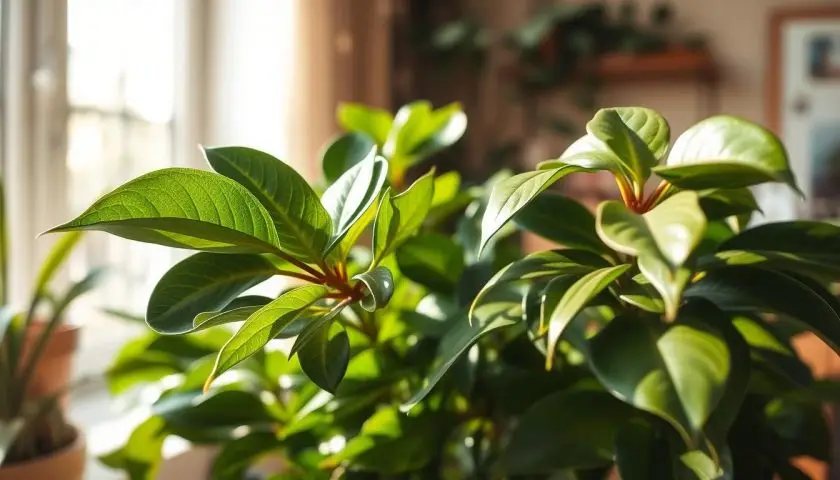
The RHS recommends full sun or light shade, shelter from prevailing cold winds and a spot away from frost pockets. Variegated cultivars need a sunny site for good leaf colour. In milder regions, or in warm, sheltered gardens, tender types can be planted near a sunny wall. The RHS box alternatives guide adds that pittosporum suits sheltered parts of the UK that stay above about -8°C, and notes that many died at around that temperature in winter 2022/23.
Pittosporums are well suited to coastal gardens. The RHS lists P. tenuifolium and several cultivars for coastal planting, and Clemson Extension notes that P. tobira tolerates salt spray. For more plants for exposed sites, see our guide to plants for coastal and windy gardens.
How to Plant a Pittosporum Plant
The RHS says container-grown plants can go in at any time, but autumn and spring are best. Winter planting is fine if the soil is not frozen or waterlogged. Plants bought in summer should be planted promptly and watered regularly. Most well-drained soils suit pittosporum. On heavy soil that stays wet, the RHS suggests planting a hedge along the top of a ridge 15 to 20cm (6 to 8in) high and 50 to 70cm (20 to 28in) wide, so the roots do not sit in water.
Watering, Feeding and Mulching
For the first couple of years, the RHS advises watering in spring and summer dry spells while roots establish; large specimens may need watering for up to five years on dry sites. Established plants are fairly drought tolerant. Border shrubs generally need little or no feeding, but if the soil is poor or the plant is struggling, apply a general fertiliser in spring. The RHS also suggests feeding frost-damaged plants in March.
Mulch with a 5 to 7.5cm (2 to 3in) layer of organic matter such as garden compost, keeping a small mulch-free circle around the stem to prevent rot. The RHS suggests mulching from late autumn to late winter.
How to Prune a Pittosporum Plant
- Free-standing shrubs: the RHS advises pruning in mid-spring, removing vigorous shoots that stick out from the outline and trimming any winter-damaged tips.
- Hedges and clipped shapes: trim two to three times between mid-spring and late summer, with the last cut in August.
- Renovation: hard pruning is possible in late March to early April, but avoid cutting into old wood, as regrowth can be slow and patchy. Reduce the plant by up to a third a year over two to three years, then feed around the base.
- Japanese pittosporum for flowers: Clemson Extension advises pruning P. tobira only immediately after flowering, as later pruning removes next year’s blooms.
The RHS notes that some cultivars can become bare at the base when kept as a low hedge, so regular light trims are better than occasional hard cuts. For technique, see our guide to pruning basics.
Winter Protection for Pittosporum
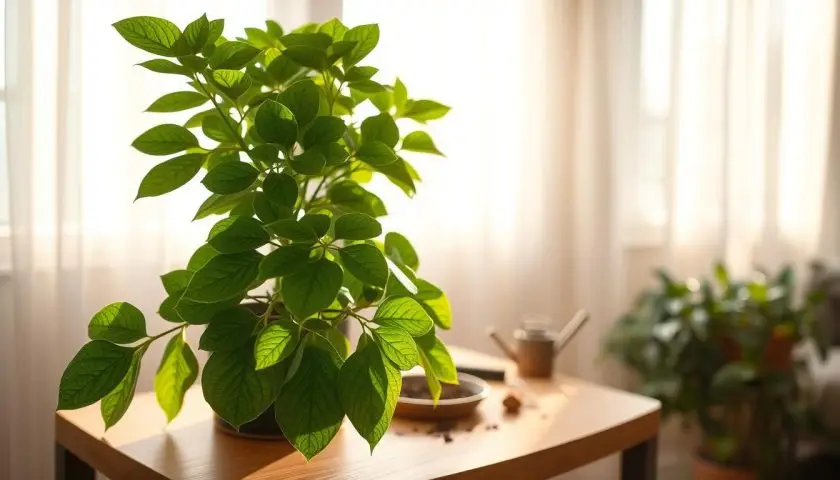
The RHS lists P. tobira, P. tobira ‘Nanum’, P. crassifolium ‘Variegatum’ and P. eugenioides ‘Variegatum’ among the less hardy pittosporums. These are reliable outdoors only in mild, coastal or inner-city areas, and are often grown in conservatories and put outside from May to September. For protection, the RHS suggests:
- Moving container plants into an unheated greenhouse, porch or cool conservatory.
- Otherwise, standing pots against a south-facing wall and covering them with fleece on cold nights.
- Wrapping border plants in fleece when hard frost is forecast; heavier fleece gives about 2°C of protection.
For tougher evergreens, see our guide to winter plants for outside.
Growing a Pittosporum Plant in a Pot
Compact cultivars such as ‘Golf Ball’ suit containers. The RHS recommends a pot only 2.5 to 5cm (1 to 2in) larger than the root ball all round, filled with peat-free compost with added John Innes, or a 50:50 mix of peat-free John Innes No 3 and peat-free multipurpose compost. Repot every 2 to 3 years in spring. Pots dry out faster than borders, so check them regularly in summer.
How to Propagate Pittosporum
The RHS says layering is the easiest method: peg young shoots growing close to the ground into the soil in spring. Semi-ripe cuttings 6 to 8cm (2½ to 3in) long can be taken from current-season growth from late July to early September. Seed is slow, often taking two months or more to germinate, and seedlings may not match the parent, especially for variegated and coloured-leaf cultivars.
Common Pittosporum Problems
| Problem | Likely Cause | What to Do |
|---|---|---|
| Many leaves dropping within weeks | Frost damage, waterlogging or long dry spells (RHS) | Improve drainage, move the plant or adjust watering |
| Older inner leaves shedding | Normal leaf turnover (RHS) | No action needed |
| Browned shoot tips after winter | Cold damage | Trim in mid-spring; feed in March |
| White powdery coating | Powdery mildew (RHS) | Usually no control needed |
| Mottled leaves, sticky deposits | Red spider mite or scale, mainly under glass (RHS) | Check undersides and treat early |
| Sudden collapse | Root rot in poorly drained soil (Clemson) | Plant on a ridge or in free-draining soil |
Is a Pittosporum Plant Safe for Pets?
NC State Extension tags Pittosporum tobira as non-toxic for cats, dogs and horses. Information for other species is limited, so it is still sensible to stop pets chewing leaves or clippings, as any plant material can upset the stomach. If you are worried, contact your vet or the ASPCA Animal Poison Control Center at (888) 426-4435 (a consultation fee may apply). Our guide to making your plants cat-friendly has more tips.

Frequently Asked Questions
Is a pittosporum plant hardy?
Many are hardy in a sunny spot sheltered from strong winds, according to the RHS. P. tobira and some variegated species are less hardy and usually need winter protection in the UK.
Does pittosporum grow in shade?
Pittosporums grow in full sun or light shade. Variegated and coloured cultivars need sun for their best leaf colour.
When should I prune pittosporum?
Prune free-standing shrubs in mid-spring. Trim hedges two to three times between mid-spring and August, with the last cut in August.
Is pittosporum a good box alternative?
Compact cultivars such as ‘Golf Ball’ are popular box alternatives, but the RHS notes they suit sheltered areas above about -8°C, and some cultivars go bare at the base as low hedges.
Is pittosporum good for coastal gardens?
Yes. The RHS lists several pittosporums for coastal planting, and Clemson Extension notes that Japanese pittosporum has excellent salt tolerance.
Final Thoughts
As a botanist, I think the pittosporum plant is one of the most handsome evergreens for mild and coastal gardens, and its glossy leaves and dark stems are a lesson in how foliage alone can carry a planting. Choose a type that suits your winters, give it shelter and drainage, and it will need very little from you.
At Patch Plants, I want every guide to help you make an informed choice, including knowing when a plant may not suit your climate. For more easy shrubs, browse our guide to low-maintenance outdoor plants.
Sources: RHS, How to grow pittosporum; RHS, How to choose box alternatives; RHS, Pittosporum tenuifolium; Clemson Extension, Pittosporum; UF/IFAS Extension, Pittosporum tobira; NC State Extension, Pittosporum tobira.

About the author
Sawera Shahid is a botanist with an MPhil in Botany and 5+ years of writing about plants. As founder and lead writer of Patch Plants, she writes practical, science-backed guides on indoor plants, outdoor gardens and plant problems, checked against RHS and university extension advice.