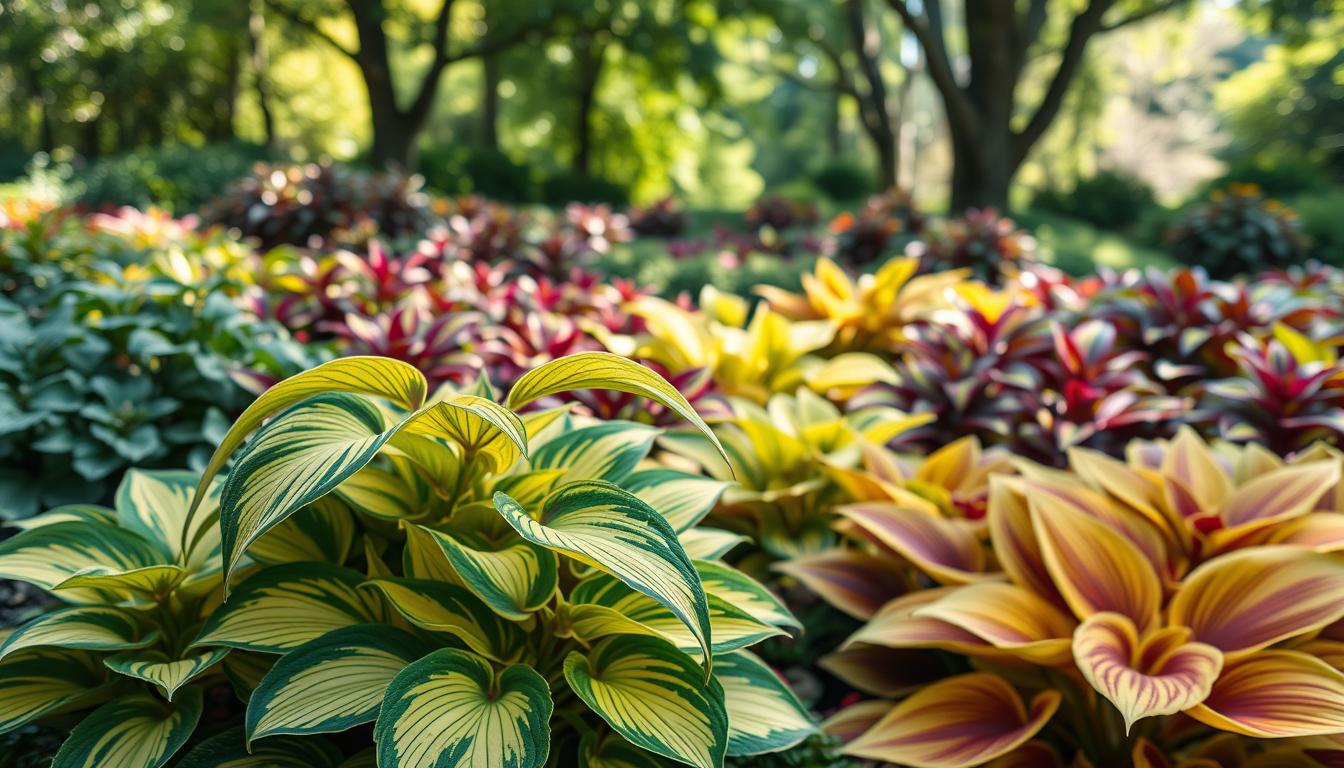
Rainbow hosta plants are not a single variety but a group of hostas with multicoloured, variegated leaves that mix shades such as gold, chartreuse, cream, white, green and blue in one clump. Popular examples include ‘June’, ‘Guacamole’, ‘Patriot’, ‘Fire and Ice’ and ‘Frances Williams’. Grow them in partial shade in rich, moist, well-drained soil: gold and chartreuse types colour best with some morning sun, while blue-leaved types keep their colour in deeper shade.
If you want to brighten a dim corner of your yard, rainbow hosta plants are a fantastic choice. These perennials are famous for their stunning variegated foliage, which adds texture and visual interest to any landscape. Beginners and seasoned gardeners can use these colorful options to enhance outdoor spaces.
In this guide, we help you choose the best varieties for your needs. We also explain how to manage light and soil conditions for a thriving garden. For more inspiration, check out these container garden plants for shade to complement your collection.
Leaf patterns often shift with temperature, maturity, and seasonal light. Therefore, your garden may look slightly different each year. With proper care, you can enjoy these beautiful rainbow hosta plants throughout the entire growing season.
Key Takeaways
- Choose varieties based on your specific light conditions and garden space.
- Understand that leaf color changes as the season progresses and the weather shifts.
- Proper soil moisture is essential for maintaining healthy, vibrant leaves.
- Consider pairing your selections with other shade-loving greenery for a layered look.
- Regular monitoring helps you adjust care routines as your garden matures.
Key Takeaways
While exploring unique foliage, you may soon encounter the term rainbow hosta. Gardeners use it for plants that add bright color to outdoor spaces.
What are rainbow hosta plants?
Explain that “rainbow hosta” generally describes hostas with multicolored or strongly variegated foliage, including combinations of green, blue-green, yellow, cream, and white rather than one formal botanical category.
Rainbow hosta plants are not a specific botanical species. Gardeners use this name for varieties with striking, multicolored leaves. These shade garden perennials often show cream, yellow, and white patterns over deep green or blue-green leaves.
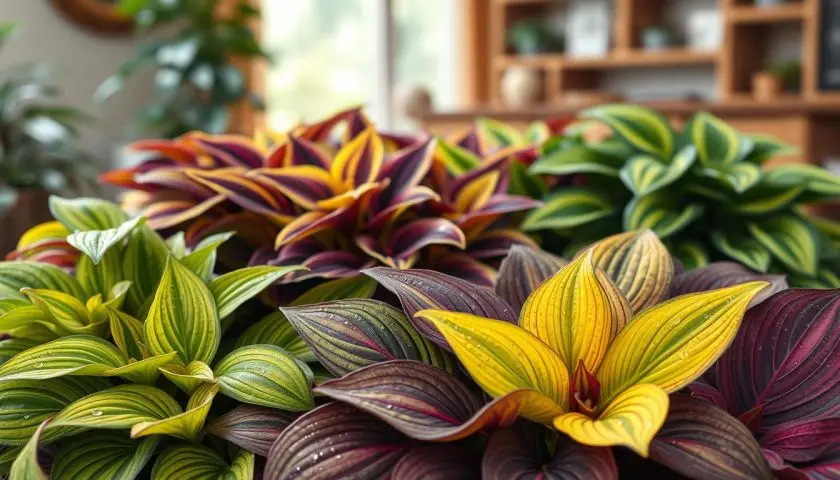
These plants thrive in shade, but many varieties benefit from morning sun exposure. This gentle light brings out vibrant leaf colors without burning them. Explore other shade-loving-plants-for-outdoor to complement your collection.
Key takeaways for choosing and growing colorful hostas
Summarize light, soil, watering, spacing, slug prevention, deer pressure, seasonal maintenance, and realistic expectations for leaf color.
Growing these plants can be rewarding when you follow a few simple rules. Use these tips to keep your garden healthy and vibrant throughout the season:
- Soil and Water: Plant them in rich, well-draining soil and keep it consistently moist.
- Spacing: Give them enough room to grow, as they will expand significantly over time.
- Pest Control: Use organic slug bait and protective fencing to keep deer away from your shade garden perennials.
- Maintenance: Clear away dead foliage in the late fall to keep the area tidy.
- Color Expectations: Remember that leaf color often shifts as the plant matures or as the weather changes throughout the year.
Providing the right amount of morning sun exposure helps your plants maintain their best appearance. Stay patient, because these plants may need a full season to show their true colors.
How Rainbow Hosta Varieties Develop Their Color
Rainbow hosta beauty comes from a fascinating mix of genetics and environment. Understanding these factors helps you choose the right plants for your plants in pots in shade or garden beds.
Leaf patterns found in rainbow hostas
Defining foliage patterns for better placement
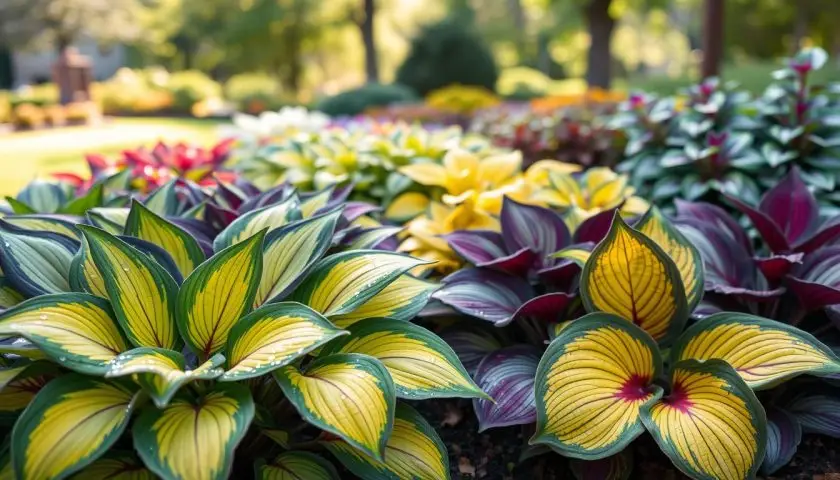
Hostas show several patterns that affect how people notice them. Marginal variegation colors the leaf edge, while medio-variegated types color the center. Streaked varieties show uneven splashes, and heavily variegated plants resemble mosaics.
- Marginal: Best for framing garden borders.
- Medio-variegated: Acts as a bright focal point.
- Streaked: Adds a unique, artistic touch to shady corners.
- Heavily variegated: Provides high contrast in dense plantings.
How light, temperature, and plant maturity affect foliage
Managing sun exposure and seasonal shifts
Morning sun usually brightens hosta colors without burning the leaves. Intense afternoon sun can scorch pale tissue, especially on white-centered varieties. Choose shade garden pots that protect plants during the hottest part of the day.
Provide moist well-drained soil to keep roots cool and hydrated. Colors often change as the season progresses and the plant matures. A young hosta may look quite different from a fully established clump.
Hosta size, texture, and flower characteristics
Selecting for more than just color
When choosing a hosta, look beyond leaf color for long-term success. Consider its mature width to prevent crowding, and check leaf texture for added interest.
| Feature | Why it matters |
|---|---|
| Corrugation | Adds depth and visual weight to the garden. |
| Leaf Thickness | Thicker leaves offer better slug damage prevention. |
| Flowers | Summer blooms provide a nice vertical accent. |
Finally, division propagation can expand your collection after hostas reach maturity. Focusing on these traits helps keep your garden healthy and beautiful for years.
Rainbow Hosta Plants to Compare for Different Garden Looks
Choosing foliage for your yard means balancing style with practical care. Large, puckered varieties like Empress Wu make bold statements, while smaller, variegated types suit tight borders. These rainbow hosta plants offer endless ways to brighten shady corners.
Protect garden health by checking leaves for slug damage or spots, mottling or puckering that may signal a disease such as Hosta virus X. Quick action keeps plants looking their best throughout the growing season. Proper spacing ensures good airflow and reduces moisture problems.
Remember that hostas are a favourite food of deer, so protect them where deer visit. Leaf colors often shift as the season progresses, so enjoy changing hues as your garden matures. Consistent watering and seasonal cleanup bring lush, vibrant growth year after year.
Start small, observe how chosen varieties respond to your specific light levels, and watch your garden thrive.
Colorful Rainbow Hosta Plants to Look For
There is no single cultivar called “rainbow hosta”. The name is used for hostas whose leaves combine two or more colours, usually a mix of gold, chartreuse, cream, white, green and blue. These widely grown cultivars give that multicoloured look and are easy to find in garden centres:
| Cultivar | Leaf colours | Light it prefers | Good for |
|---|---|---|---|
| ‘June’ | Gold to chartreuse centre with blue-green margins | Partial shade | Borders and containers |
| ‘Guacamole’ | Chartreuse-gold centre with a dark green edge; fragrant white flowers | Partial shade with some morning sun | Bright accents near paths |
| ‘Patriot’ | Dark green centre with a crisp white margin | Partial to full shade | Lighting up dark corners |
| ‘Fire and Ice’ | White centre with green margins | Partial shade | Pots and edging |
| ‘Frances Williams’ | Blue-green centre with an irregular gold margin | Shade | Large clumps under trees |
| ‘Sum and Substance’ | Large chartreuse to gold leaves | Tolerates more sun than most | Bold specimen plant |
Leaf colour on many hostas changes through the season. Gold and chartreuse types often brighten with some sun, white-edged types can scorch if they get hot afternoon light, and blue hostas fade towards green in strong sun because the waxy coating that makes them look blue wears away.
How to Grow Rainbow Hosta Plants
Match the leaf colour to the light
Use the colours as a guide. Blue-leaved hostas want the most shade, white and cream variegated types like bright shade with no harsh afternoon sun, and gold or chartreuse varieties colour best with a few hours of gentle morning sun. Variegated leaves have less chlorophyll in their pale areas, so they scorch more easily than plain green leaves when the light is too strong.
Give them rich, moist soil
Plant in soil with plenty of organic matter that stays moist but does not waterlog. Dig in compost before planting, set the crown level with the soil surface, and spread a layer of mulch around (not over) the crown in spring to keep the roots cool and moist.
Water deeply in dry weather
Hostas sulk when they dry out, and brown, crispy leaf edges are often a sign of drought or too much sun. Water deeply once or twice a week in dry spells rather than giving a little every day, and water the soil rather than the leaves.
Protect the leaves from slugs and deer
Slugs and snails love the soft new leaves in spring, so check plants in the evening, remove pests by hand and keep the area around the crown tidy. Thicker-leaved varieties usually show less damage than thin-leaved ones. Deer also find hostas very tasty, so where deer visit, fencing or netting is the most reliable protection.
Divide clumps every few years
Lift and divide large clumps in spring as the shoots appear or in early autumn. Each division with a few shoots and healthy roots will grow into a new plant, and dividing keeps older clumps vigorous.
Buy Healthy Plants: Watch for Hosta Virus X
Some unusual leaf patterns are not a feature of the variety at all. Hosta virus X (HVX) can cause mottling, colour bleeding along the veins, puckering and twisting, and University of Wisconsin’s Hosta virus X fact sheet lists popular cultivars such as ‘Gold Standard’, ‘Guacamole’, ‘June’, ‘Patriot’ and ‘Sum and Substance’ among those affected. There is no cure, so inspect leaves carefully before you buy, do not accept plants with blotchy or distorted leaves, and clean your tools between plants when dividing.
Are Rainbow Hostas Safe for Pets?
No. The ASPCA lists hosta as toxic to dogs, cats and horses because of saponins, which can cause vomiting, diarrhoea and depression if the leaves are eaten. Plant them where pets do not graze, and call your vet if you think your pet has eaten a large amount.
At Patch Plants (patchplants.org), botanist Sawera Shahid writes shade-garden guides that explain the plant science behind each tip, such as why pale leaves burn faster than green ones. For the full growing routine, read our hosta care guide, and see our shade-loving outdoor plants guide for companion ideas, see shade garden pots if you want to grow colourful hostas in containers, and browse container garden plants for shade for more planting combinations.
Frequently Asked Questions
What exactly are rainbow hosta plants?
The term “rainbow hosta” is not a formal botanical category but describes shade garden perennials with variegated foliage. These plants, like the popular ‘Shadowland’ series from Proven Winners, show multiple colors on one leaf. Colors include shades of blue-green, bright chartreuse, creamy white, and soft yellow.
Where is the best place to plant these colorful varieties?
Most of these plants thrive in morning sun and full shade during the afternoon heat. Although they love shade, gentle morning light helps their leaf colors pop and stay vibrant throughout the season.
What kind of dirt do I need for my hostas to grow well?
We recommend moist, well-drained soil rich in organic matter. You can mix in Espoma Organic Land & Garden Lime or compost. This helps the ground stay nutrient-rich and hold moisture without becoming soggy or waterlogged.
How can I handle slug damage prevention?
Slugs love hosta leaves, but clearing extra leaf litter can protect your garden. For active slug damage prevention, many gardeners use copper tape around pots or organic pellets like Sluggo. These methods help prevent pesky holes from ruining beautiful leaf patterns.
Can I create more plants from the ones I already have?
Absolutely. Division propagation is the easiest way to grow your collection. Every few years in early spring or fall, dig up a mature clump and split it with a sharp spade. This keeps the parent plant healthy and provides new starts for planting elsewhere.

About the author
Sawera Shahid is a botanist with an MPhil in Botany and 5+ years of writing about plants. As founder and lead writer of Patch Plants, she writes practical, science-backed guides on indoor plants, outdoor gardens and plant problems, checked against RHS and university extension advice.