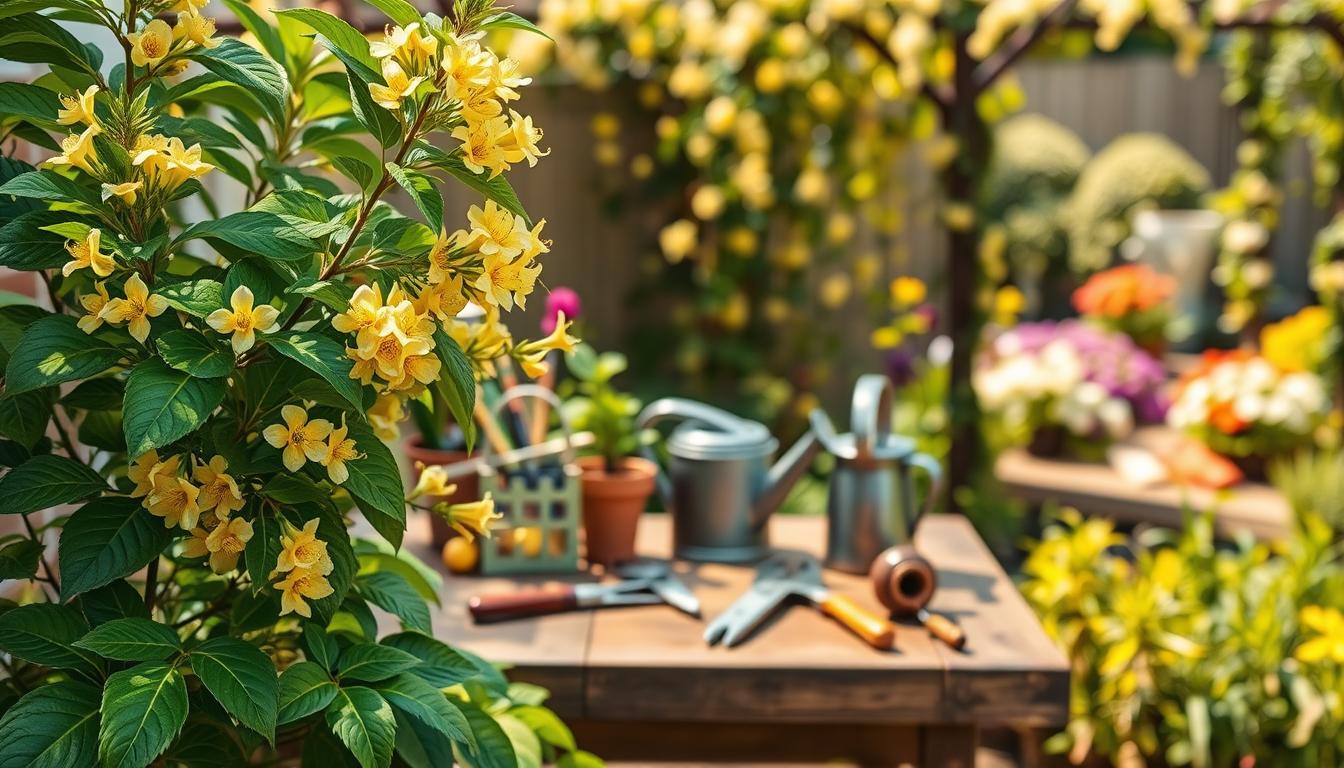
Honeysuckle plants grow best in full sun to light shade, in moist but well-drained soil, with a sturdy trellis, fence or arch for the twining stems to climb. Water young plants regularly until they establish, mulch the roots, prune climbing types straight after flowering, and choose a well-behaved species: in much of the United States that means a native such as trumpet honeysuckle (Lonicera sempervirens) rather than invasive Japanese honeysuckle (Lonicera japonica).
Adding flowering vines creates a beautiful, fragrant display in any outdoor space. Good honeysuckle plant care keeps your greenery healthy, strong, and manageable through every season.
Choose a variety that suits your local climate and learn your species’ specific needs. Whether you are growing honeysuckle plants for privacy or beauty, focus on sunlight, soil, and pruning.
These simple techniques balance strong growth with the safety of nearby trees and structures. Enjoy lush blooms while keeping your garden healthy and balanced.
Key Takeaways
- Select a species that suits your local climate and available space.
- Provide adequate sunlight and well-draining soil for optimal health.
- Use sturdy supports to guide growth away from sensitive structures.
- Prune regularly to encourage blooms and maintain a tidy shape.
- Monitor for invasive tendencies to protect your local ecosystem.
Key Takeaways for Honeysuckle Plant Care
Success with honeysuckle starts by choosing the right spot and giving plants steady care. This honeysuckle care guide helps beginners and seasoned gardeners keep vines healthy and blooming.
How to Grow Healthy Honeysuckle Plants
To grow healthy honeysuckle plants, choose a species suited to your local climate and garden space. Plant them where light is suitable, and make sure the ground drains well.
Young vines need steady moisture while their roots develop. After they settle, most varieties need sturdy support and light pruning to keep their shape and encourage more flowers.
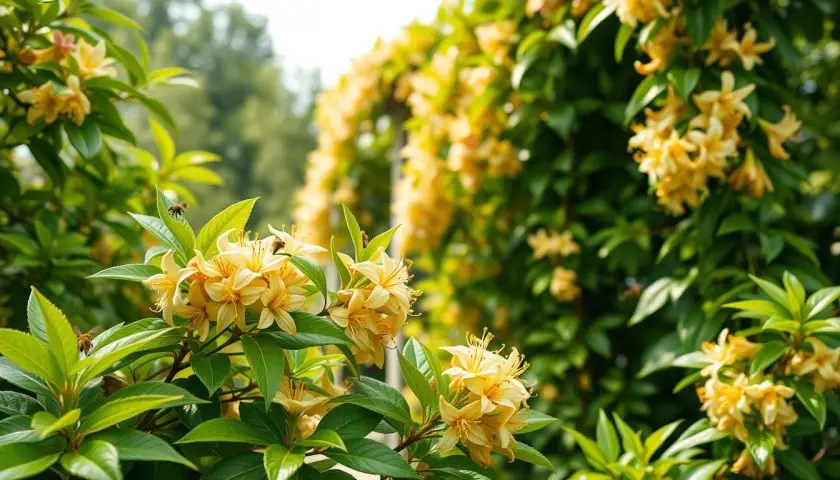
Key Takeaways for Sunlight, Watering, Soil, and Support
Your vine’s basic needs shape long-term success. Balance honeysuckle sunlight needs with proper moisture to prevent stress.
This table lists the essential requirements for your garden:
| Requirement | Ideal Condition | Why It Matters |
|---|---|---|
| Sunlight | Full sun to partial shade | Promotes heavy blooming |
| Watering | Consistent, moderate moisture | Prevents wilting and stress |
| Soil | Well-drained, fertile | Supports healthy root growth |
| Support | Sturdy trellis or fence | Allows for vertical growth |
For honeysuckle soil requirements, choose soil that holds some moisture but drains well. If your garden has heavy clay, add organic matter to improve its texture.
Essential Care Tasks by Season
Your routine will change as the year progresses. In spring, focus on planting and helping young vines reach their supports.
Summer is the time for careful honeysuckle watering, especially during dry spells. Watch for pests, and make sure vines do not become too tangled.
After the main flowering period, prune lightly to tidy the plant and remove dead stems. In colder regions, add mulch in late autumn to protect roots from harsh winter temperatures.
These simple steps optimize your honeysuckle sunlight exposure and keep plants vibrant. Steady care lets you enjoy fragrant, tubular flowers year after year.
Choose the Right Honeysuckle Species for Your Garden
Choose a honeysuckle by learning about its many species. Each variety adds special colors, flowers, or sweet scents to your outdoor space.
Compare Native Lonicera Species, Bush Honeysuckles, and Climbing Vines
Plant choices often fall into three groups: native Lonicera species, bush honeysuckles, and climbing honeysuckle varieties. Each group serves a different purpose in garden design.
Native Honeysuckle Species for United States Gardens
Choosing a native honeysuckle often supports local pollinators. These plants evolved with regional insects and birds, so they fit local climates well.
Evergreen Climbing Vines and Deciduous Honeysuckles
Decide whether you want evergreen climbing vines for year-round privacy or deciduous types. Deciduous plants lose their leaves in winter and can mark the seasons beautifully.
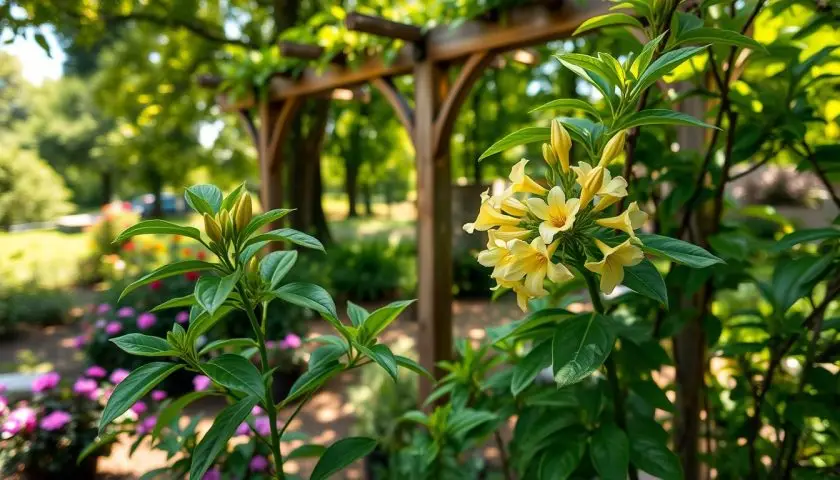
Why Invasive Japanese Honeysuckle Requires Caution
Some honeysuckles are popular, but the invasive japanese honeysuckle can escape gardens and crowd out native plants. Avoid it to help protect your local ecosystem.
Match Mature Size, Flower Color, Fragrance, and Growth Habit to the Site
Before buying, consider the plant’s mature size. A climbing honeysuckle needs a sturdy structure, while a bush honeysuckle suits a stand-alone shrub or hedge.
Also consider fragrance and flower color. Some varieties fill a patio with intense, sweet scents, while others have subtle fragrances. Matching these traits to your specific site helps the plant thrive without overwhelming your space.
Check Local Invasive Plant Rules Before Purchasing
Check state or county rules before making your final choice. Some regions regulate specific native lonicera species or non-native varieties considered invasive.
Verifying these rules helps you remain a responsible gardener. It keeps your beautiful evergreen climbing vines and other plants helpful to your community, not harmful to the environment.
Select the Best Location, Soil, and Trellis Support
Choosing the ideal location starts a lush, blooming garden. The right honeysuckle location supports healthy growth and bright color for years.
Provide the Right Amount of Sunlight for Flowers and Foliage
Most varieties need at least six hours of direct sunlight each day. Some evergreen climbing vines tolerate partial shade, but full sun usually brings the most blooms.
Your local climate also matters. In regions with intense summer heat, afternoon shade may prevent leaf scorch.
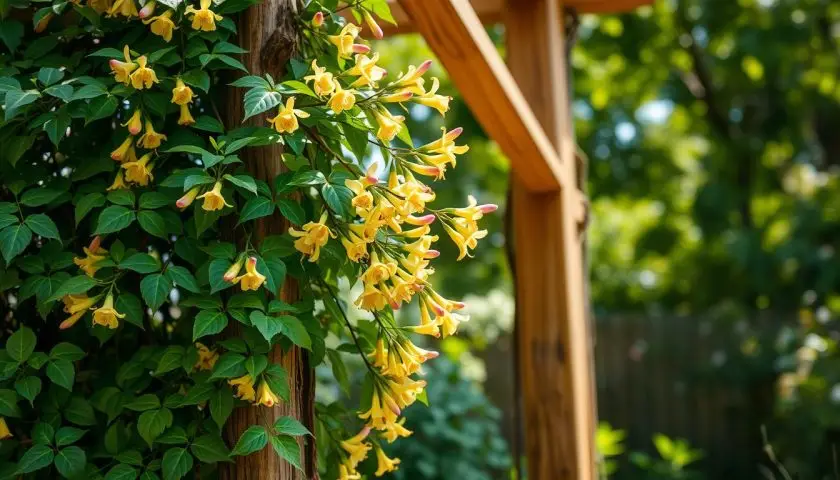
Prepare Well-Drained, Moderately Fertile Soil
These plants are not picky, but they need well-drained soil to stay healthy. Standing water can cause root rot and quickly weaken the entire vine.
Test Soil Drainage Before Planting
You can test soil by digging a hole about one foot deep and filling it with water. If water remains after several hours, drainage is likely too slow for these plants.
Adjust Compacted, Waterlogged, or Extremely Poor Soil
If soil is heavy clay or stays soggy, mix in organic matter, such as compost or aged bark. This improves aeration and creates the well-drained soil these plants need.
Install a Strong Trellis or Other Support Before the Vine Grows
These vigorous growers need your trellis support before you plant them. Adding support later can damage established roots and stems.
Choose Support Spacing for Twining Honeysuckle Stems
Your honeysuckle vine support needs room for stems to wrap around securely. A sturdy lattice or wire grid works best because twining stems can grab it.
Keep Vines Away from Gutters, Siding, and Weak Fences
It may seem easy to let vines climb anywhere, but keep them away from your home’s exterior. Vines can trap moisture against siding or clog gutters, causing damage over time.
- Avoid planting near weak wooden fences that might collapse under the weight of a mature vine.
- Ensure your support structure is anchored firmly into the ground.
- Check that the material of your support is weather-resistant to last through many seasons.
Plant Honeysuckle Successfully Step by Step
Planting your new vine creates a strong start for years of beauty. The right methods help your honeysuckle plants grow strong and healthy.
Step 1: Select a Healthy Nursery Plant and Planting Time
Choose a healthy, pest-free plant from your local nursery. The best time for planting honeysuckle is spring or early autumn, when mild weather helps roots settle before extreme temperatures.
Step 2: Dig and Prepare the Planting Hole
Dig a hole twice as wide as the container, but no deeper than the roots. Loose soil helps roots spread outward. For other container gardening methods, learn more about potting techniques for various species.
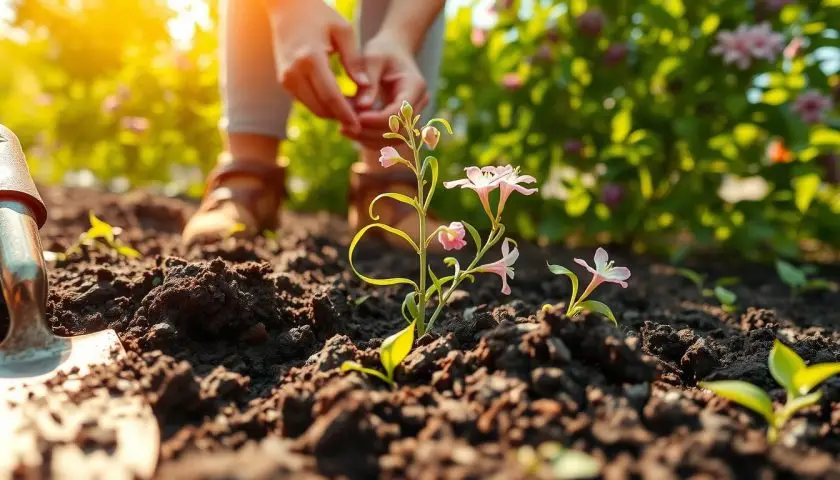
Step 3: Position the Root Ball at the Correct Depth
Gently remove the plant from its pot and loosen any circling roots. Place the honeysuckle root ball in the hole, with its soil level even with the surrounding ground. Do not bury the crown, because it may rot.
Step 4: Backfill, Water Thoroughly, and Add Mulch
Fill the hole with native soil, pressing gently to remove large air pockets. Give the plant a deep soak so the soil settles around the roots. Add organic mulch to keep the area cool and moist.
Step 5: Guide Young Stems Toward the Trellis
After planting, gently tie the stems to your trellis support with soft garden twine. This guidance shows the vine where to climb as it grows upward.
Prevent Mulch From Touching the Crown or Main Stems
Mulch helps plants, but keep it a few inches from the base. Direct contact with mulch can trap moisture against stems and cause decay or fungal problems.
Protect New Plants From Drought, Weeds, and Mowing Damage
Good young honeysuckle care includes removing weeds that steal nutrients. Place a small wire guard around the base to prevent damage from lawn mowers or string trimmers.
Manage Watering, Mulching, and Fertilization
Healthy honeysuckle plants need a simple balance of water, mulch, and nutrients. Careful care helps them grow strong and bloom beautifully throughout the season.
Water Newly Planted Honeysuckle Based on Soil Moisture
When you plant a new vine, consistent honeysuckle watering is vital. Check the soil moisture often by feeling the earth a few inches below the surface.
If the soil feels dry, give the plant a deep drink. Keep the root zone damp, but never soggy, while the plant settles in.
Adjust Irrigation After the Root System Establishes
After a full season, your vine will develop a deeper root system. Then, you can usually water less often.
Established plants handle dry conditions better, but they still need a good soak during dry spells. Watch how your site drains; learn more about choosing the right soil mix to prevent water from pooling around the base.
Recognize Drought Stress, Overwatering, and Poor Drainage
Leaves and stems can show when your plants struggle. Drought stress often appears as wilting or crispy, brown leaf edges during hot days.
Conversely, overwatering or poor drainage often causes yellow leaves and stunted growth. If the ground stays muddy for days after rain, root rot may threaten your plant.
Use Organic Mulch to Conserve Moisture and Moderate Soil Temperature
Applying organic mulch around your vine’s base helps any garden. It acts like a blanket, keeping roots cool during summer heat.
Mulch helps soil hold water longer. Use a two- to three-inch layer, but keep it away from the main stem to prevent rot.
Fertilize Only When Growth or Soil Conditions Call for It
Many gardeners use honeysuckle fertilizer too soon, but these plants often need little help. Before adding chemicals, check how the plant is growing.
When Compost or a Soil Test Is Preferable to Fertilizer
If your vine looks healthy and blooms well, it likely has enough nutrients. A simple soil test shows what your garden needs before you buy products.
Spring compost often feeds the soil naturally. This gentle method supports long-term health without burning the roots.
Why Excess Nitrogen Can Reduce Flowers and Encourage Weak Growth
Do not overfeed, because excess nitrogen can harm your plant’s growth. Although nitrogen adds green leaves, too much can stop flowers from forming.
This imbalance creates long, weak stems prone to pests and breakage. Seek balanced growth instead of forcing the plant to grow faster.
| Condition | Visual Sign | Recommended Action |
|---|---|---|
| Drought Stress | Wilting, dry leaves | Increase watering frequency |
| Overwatering | Yellow leaves, soggy soil | Improve drainage, wait to dry |
| Nutrient Deficiency | Pale foliage, slow growth | Apply compost or balanced feed |
| Excess Nitrogen | Lush leaves, no flowers | Stop fertilizing, prune back |
Prune and Train Honeysuckle Vines for Shape and Blooms
To help vines thrive and bloom reliably, manage their growth. Regular care keeps plants healthy and makes them a beautiful focal point in your landscape.
Prune Honeysuckle After Flowering to Preserve Next Season’s Buds
Timing is important for pruning after flowering. Many varieties set flower buds on previous year’s growth. Cutting them in early spring can remove next season’s blooms.
Wait until the plant finishes its main flower display. This lets you enjoy its fragrance and color while it develops new growth for the following year.
Remove Dead, Damaged, Diseased, and Crossing Stems First
Start your honeysuckle pruning session by clearing out clutter. Remove stems that are dead, broken, or showing signs of disease.
Also look for branches rubbing against each other. Removing these crossing stems prevents wounds that could invite pests or infections.
Thin Overgrown Vines Without Removing Too Much Growth at Once
If your vine is tangled, do not cut it all back at once. Thin it gradually by removing a few oldest, woodiest stems near the base.
This approach encourages fresh, vigorous growth from the bottom up. Enough foliage gives the plant energy to recover quickly.
Train New Shoots Across the Trellis Rather Than Letting Them Tangle
Proper training honeysuckle vines involves guiding new shoots as they grow. Gently weave stems across your trellis support for even, attractive coverage.
This method prevents the vine from becoming a dense, tangled ball. It also improves airflow, which helps keep foliage healthy and free of mildew.
Pruning Young Plants for a Fuller Framework
When your plant is young, create a strong, balanced structure. Pinch back new shoot tips to encourage branching and a fuller, lusher appearance.
Renewing an Older, Overgrown Honeysuckle
For neglected plants, use renewal pruning to bring them back to life. Remove about one-third of the oldest stems each year for three years. This rejuvenates the plant without causing stress.
Use Clean, Sharp Tools and Dispose of Diseased Cuttings Properly
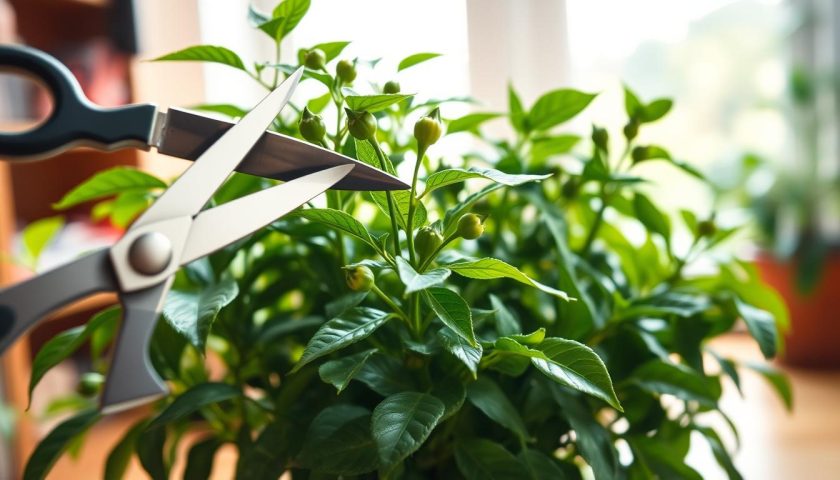
Use sharp, clean bypass pruners to make smooth cuts that heal quickly. Wipe blades with rubbing alcohol between plants to prevent hidden pathogens from spreading.
If you find diseased material, bag it and put it in the trash, not your compost pile. This protects the rest of your garden from potential outbreaks.
| Task | Best Time | Goal |
|---|---|---|
| Light Shaping | After flowering | Maintain size |
| Deadwood Removal | Anytime | Plant health |
| Renewal Pruning | Late winter | Rejuvenate growth |
| Training Shoots | Growing season | Improve structure |
Encourage Fragrant Flowers and Support Pollinators
Watching your garden come alive with color and movement is a great joy of growing honeysuckle. To enjoy a long bloom season, consider how your care routine affects the plant. Sunlight, pruning time, and vine age all affect how many honeysuckle flowers appear each year.
Understand How Sunlight, Pruning, and Plant Age Affect Blooming
Young vines often need several seasons to reach their full flowering potential. If your plant is still settling in, be patient and provide at least six hours of direct sun daily. Proper pruning also matters, since cutting at the wrong time can remove buds meant for next season.
Provide Fragrant Tubular Flowers With Suitable Pollinator Access
The unique shape of these blooms welcomes visiting creatures. These fragrant tubular flowers provide natural nectar for many creatures. Keep the vine open so pollinators can reach the nectar deep inside each blossom.
Attract Hummingbirds, Bees, and Moths Without Broad-Spectrum Sprays
Your garden can attract hummingbirds, bees, and moths when you keep it safe. Avoid broad-spectrum chemical sprays because they can harm these helpful visitors. Instead, use natural pest management to protect your plants and winged visitors.
Pair Honeysuckle With Other Pollinator-Friendly Garden Plants
Diversity helps create a thriving ecosystem. Add pollinator-friendly garden plants to provide varied nectar sources. Mixing bloom times and flower shapes keeps your garden a reliable food source throughout the growing season.
Protect Flowers During Heat, Drought, and Late Frost
Extreme weather can stress vines and cause buds to drop early. During intense heat or drought, water deeply and consistently to hydrate the roots. If late spring frost threatens, cover your vine with light cloth overnight to protect new growth and buds.
Remove Spent Flowers When Seed Production Is Unwanted
Deadheading, or removing spent blooms, helps keep your vine tidy. It stops the plant from using energy for seeds, which may encourage a second flower flush in some species. Deadheading also keeps the trellis neat and prevents the vine from becoming too heavy with berries.
| Pollinator Type | Interaction Style | Care Benefit |
|---|---|---|
| Hummingbirds | Hovering/Nectar feeding | High-sun exposure |
| Bees | Landing/Pollination | No chemical sprays |
| Moths | Night-time feeding | Fragrance maintenance |
Identify and Solve Common Honeysuckle Pests and Diseases
Even hardy vines can face pests or fungal problems. Early warning signs show when your plant needs extra care.
Control Aphids, Scale, and Other Sap-Feeding Insects
Common honeysuckle pests can hide in plain sight. These tiny insects feed on sap and may weaken your vine over time.
Inspect New Growth, Leaf Undersides, and Flower Buds
Inspect your plant closely each week. Check new growth, leaf undersides, and flower buds for aphids or scale insects. Early detection makes control much easier.
Use Water Sprays, Hand Removal, or Horticultural Soap When Appropriate
A strong blast from your garden hose can remove a small infestation. For stubborn pests, wipe them away or apply mild horticultural soap. Follow the product label to use it safely.
Manage Powdery Mildew With Airflow and Careful Watering
One common group of honeysuckle diseases includes fungal problems that thrive in humid, still conditions. Good powdery mildew control begins with better airflow.
Recognize White Powdery Growth on Leaves and Stems
You may see flour-like dust on the leaves. If you wonder about these white spots on plant leaves, they likely signal a fungal infection. This growth can block sunlight and reduce photosynthesis.
Remove Severely Affected Foliage and Improve Spacing
Prune away badly infected leaves to slow the spread. Thin crowded stems to improve airflow and support long-term powdery mildew control. Water at the plant’s base to keep leaves dry.
Diagnose Yellow Leaves, Leaf Drop, and Sparse Growth
Yellow honeysuckle leaves can signal a hidden problem. Often, this color change points to soil that stays too wet or dry. Check soil moisture before changing your watering routine.
Respond to Stem Dieback, Root Problems, and Winter Damage
Some branches may fail to produce leaves in spring. Winter damage or poor drainage may stress the roots. Prune dead wood back to healthy green tissue to encourage new growth.
Use a Troubleshooting Table to Match Symptoms With Likely Causes
If you are unsure what troubles your vine, use this guide to narrow the choices. It can reveal the likely cause and suggest your next step.
| Symptom | Likely Cause | First Step |
|---|---|---|
| Yellow leaves | Overwatering or nutrient stress | Check soil drainage |
| Wilting | Drought or root damage | Deep, thorough watering |
| White fungal growth | Powdery mildew | Improve air circulation |
| Webbing or distortion | Spider mites or aphids | Use water spray |
Yellow Leaves, Wilting, and Stunted Growth
These symptoms often involve how the plant absorbs water. Use well-draining soil and prevent roots from sitting in standing water.
Few Flowers, Excessive Vines, and Flower Bud Drop
If your plant has leaves but few blooms, it may receive too much nitrogen or too little sunlight. Change its location or pruning routine to support flowering.
Spots, Distortion, Webbing, and White Fungal Growth
These signs often point to pests or fungal growth. Inspect regularly and remove affected parts quickly to keep your vine healthy.
Avoid Common Honeysuckle Care Mistakes and Invasive Spread
Enjoy honeysuckle’s charm while protecting your local ecosystem through responsible garden management. Some vines grow quickly and can spread beyond their intended space if you do not manage them.
Do Not Plant Japanese Honeysuckle Where It Can Escape Into Natural Areas
The invasive Japanese honeysuckle is a major concern across many parts of the United States. Never plant this species near woods, parks, or unmanaged edges where it can spread into the wild.
Once it escapes, it outcompetes native plants and disrupts local habitats. Always check local plant lists before adding new vines to your landscape.
Prevent Vines From Smothering Trees, Shrubs, and Structures
Honeysuckle vines are vigorous climbers that can quickly cover fences, sheds, and healthy trees. If left unchecked, dense foliage can block sunlight and eventually kill the host plant.
Regularly redirect wayward stems to your trellis. If a vine starts climbing a nearby tree, prune it back immediately to protect the tree’s health.
Avoid Frequent Hard Pruning During the Wrong Season
Timing matters when you care for healthy plants. Avoid heavy pruning in late winter or early spring because it can remove ready-to-bloom buds.
Use light maintenance throughout the growing season. For another growth habit, consider a japanese cucumber plant for your garden.
Do Not Keep Soil Constantly Wet or Apply Excess Fertilizer
Honeysuckle likes moisture, but soggy soil can cause root rot and other fungal issues. Ensure your garden beds have excellent drainage to protect the roots.
Avoid over-fertilizing your vines. Too much nitrogen encourages leafy growth instead of beautiful, fragrant flowers.
Handle Berries Safely and Do Not Eat Unidentified Honeysuckle Fruit
Many people wonder whether they can eat fruit from their vines. Never consume berries from an unidentified plant because some varieties can be toxic.
Keep Unknown Berries Away From Children and Pets
Always treat honeysuckle berries as non-edible unless you are 100% certain of the species. Keep children and pets away from the fruit to prevent accidental ingestion.
Compare Responsible Garden Management With Removal of Invasive Growth
If you find an invasive species, act quickly to stop its spread. Invasive honeysuckle control requires consistent action so the plant does not return.
Cut, Dig, and Monitor Resprouts Where Removal Is Necessary
For invasive plant removal, start by cutting the main stems near the ground. Dig out the root crown to stop the plant from growing back.
Check the area every few weeks for new shoots. If you see any, pull them out before they develop strong root systems.
Dispose of Seed-Bearing Cuttings Without Spreading Them
Never compost cuttings with berries or seeds attached. Bag these materials securely, then place them in household trash so seeds cannot germinate elsewhere.
| Strategy | Goal | Best Practice |
|---|---|---|
| Responsible Management | Containment | Regular pruning and monitoring |
| Invasive Removal | Eradication | Digging out roots and bagging seeds |
| Site Selection | Prevention | Planting away from natural areas |
Final Thoughts on Growing Honeysuckle Plants
Create a vibrant outdoor space by choosing varieties suited to your climate. Good honeysuckle plant care starts with matching each species to your yard’s light and soil. Add sturdy supports early so your vines grow where you want them.
Young vines need steady moisture as they settle into their new home. After becoming established, honeysuckle plants stay resilient with seasonal pruning and regular monitoring. Growing honeysuckle can become a rewarding routine that keeps your garden beautiful year after year.
Watch your plants closely to protect local pollinators and support healthy growth. Handle berries with care, and never eat fruit you cannot identify. Prevent invasive spread through responsible maintenance, keeping your garden safe and beautiful for everyone.
Native vs Invasive Honeysuckle: Trusted Sources
Species choice matters more with honeysuckle than with most climbers. UConn Extension’s Japanese honeysuckle invasive plant factsheet recommends coral (trumpet) honeysuckle, Lonicera sempervirens, as a native alternative, and NC State Extension’s Lonicera plant profile notes that its flowers are a favourite of hummingbirds. Check your state or county invasive plant list before you buy any honeysuckle.
At Patch Plants (patchplants.org), botanist Sawera Shahid recommends planting for wildlife as well as for looks, which is why native honeysuckles feature in so many of our outdoor guides. For more ideas, see our pollinator-friendly plants for urban spaces, the bleeding heart climbing plant guide for another flowering climber, and pruning basics for clean, confident cuts.
Frequently Asked Questions
Which species should I choose to avoid harming the local environment?
We recommend native lonicera species, such as the Trumpet Honeysuckle (Lonicera sempervirens), instead of invasive japanese honeysuckle. Native varieties support local ecosystems by feeding wildlife without overtaking woodlands or smothering other garden favorites.
When is the right time to trim back my vines?
Prune after flowering ends for the season to avoid cutting buds for next year’s blooms. Use clean, sharp bypass pruners to remove dead or crossing stems. This keeps the plant healthy and manageable.
Why do my honeysuckle leaves look like they are covered in white flour?
That white, dusty coating often signals a fungal issue. For powdery mildew control, improve airflow by thinning the plant’s center, and water only the soil at its base. Avoid overhead watering to keep leaves dry and make fungal growth harder.
What should I do if my honeysuckle isn’t blooming?
Usually, few flowers mean the plant needs more sunlight. Many honeysuckle plants survive shade, but they need a sunny spot to produce famous fragrant, tubular flowers. Another common cause is too much nitrogen fertilizer, which creates leafy growth and few blossoms.
Are the berries on honeysuckle plants safe to eat?
No. Never eat unidentified berries from your garden. Birds love them, but the berries of many ornamental honeysuckles can cause stomach upset if eaten, and only a few types, such as honeyberry (Lonicera caerulea), are grown as edible fruit. Watch children and curious dogs closely after berries appear in late summer or fall.

About the author
Sawera Shahid is a botanist with an MPhil in Botany and 5+ years of writing about plants. As founder and lead writer of Patch Plants, she writes practical, science-backed guides on indoor plants, outdoor gardens and plant problems, checked against RHS and university extension advice.