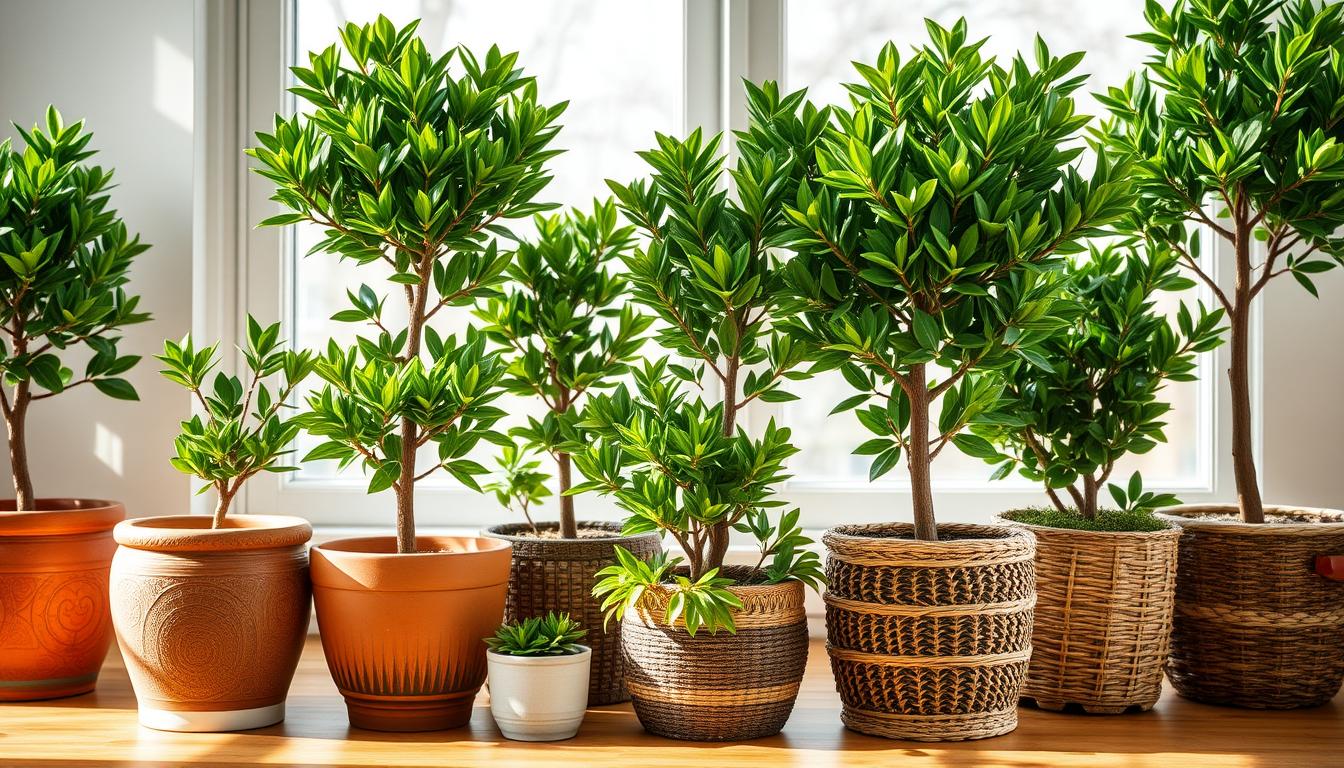
Bay trees in pots grow best in a sturdy container with drainage holes, a gritty, free-draining compost, full sun or light shade, and moderate watering that never leaves the roots sitting wet. Repot young plants every couple of years in spring, feed from spring to late summer, and move the pot somewhere sheltered before hard frosts, because roots in a container freeze far more easily than roots in the ground.
Add Mediterranean charm to a patio or balcony by growing container-grown bay laurel. These aromatic evergreens suit small spaces and provide cooking herbs plus classic garden beauty.
Good potted bay tree care needs more attention than growing plants in the ground. Confined roots make your plant depend entirely on you for steady moisture, proper drainage, and seasonal protection.
Learn a few simple habits to keep bay trees in pots healthy and bright throughout the year. This guide explains soil choices and winter protection during harsh winter months.
Key Takeaways
- Select a container with excellent drainage to prevent root rot.
- Use a high-quality, airy potting mix for optimal root health.
- Place your plant in a spot that receives plenty of bright, indirect sunlight.
- Water consistently, allowing the top inch of soil to dry out between sessions.
- Move your plant to a sheltered area or indoors when freezing temperatures arrive.
How to Grow Bay Trees in Pots Successfully
Growing bay trees in pots requires good drainage, enough light, and seasonal care. Use a pot with drainage holes and high-quality, free-draining soil. Place the tree in sun, water when the top inch feels dry, and provide winter protection for container plants during cold weather.
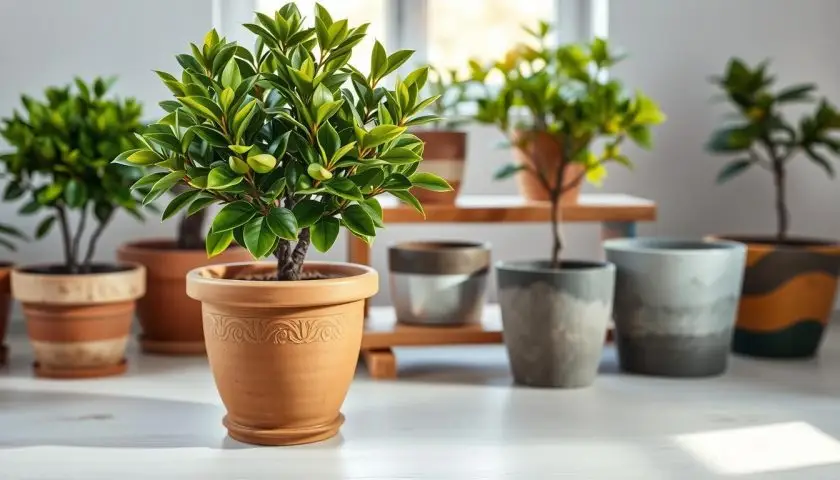
Choose a sturdy pot with drainage holes and a container only slightly larger than the root ball
Choosing the right home is the first step toward success. Pick a sturdy and heavy pot to stop wind from tipping over the plant. Make sure the container has plenty of bottom drainage holes.
Avoid a pot much larger than the current root ball. Extra soil holds too much moisture and can cause root rot. A pot a few inches wider than the roots supports healthy growth.
Use a free-draining potting mix, water when the upper soil begins to dry, and avoid standing water
Bay laurel grows well in soil that lets air reach its roots. Use high-quality, free-draining potting mix made for container plants. Never leave the tree in a saucer filled with water, because this can damage its roots.
Place the bay laurel in full sun or bright partial shade with protection from harsh wind
Your container-grown bay laurel grows best with plenty of natural light. It enjoys full sun but can also tolerate bright partial shade. Place the pot away from strong, drying winds to protect its foliage.
Prune lightly to maintain the desired shape and move the container to shelter before severe winter weather
Light pruning keeps your tree tidy and encourages bushy growth. Container-grown bay laurel is more likely to freeze than plants growing in the ground. Move the pot to shelter or an unheated garage before the first hard frost.
Key takeaways for healthy container-grown bay laurel
- Potting: Use a sturdy container with drainage holes that is only slightly larger than the root ball.
- Soil: Always opt for a free-draining mix to prevent waterlogged roots.
- Watering: Check the soil moisture regularly and water only when the top layer feels dry.
- Light: Provide full sun or bright partial shade with protection from harsh winds.
- Maintenance: Prune lightly to keep the shape and provide winter shelter to protect the roots.
Choosing a Bay Tree, Container and Growing Location
Set your container-grown bay laurel up for success by choosing the right plant and container from the start. Careful selection gives your tree a strong foundation for years of healthy growth.
Selecting a healthy bay tree for container growing
How to assess foliage, stems, roots and signs of pests before buying
At the nursery, choose a plant with firm, vibrant, dark green leaves. Avoid trees with yellowing, wilting, or brown spots, which may signal health problems.
Check the stems for strength and flexibility, and avoid brittle or damaged growth. Inspect leaf undersides and the soil surface for webbing, sticky residue, or tiny pests, such as scale or spider mites.
If possible, inspect the root ball for good health and avoid one that looks too compacted. A stable, upright trunk shows the tree received good care and can thrive in your home.
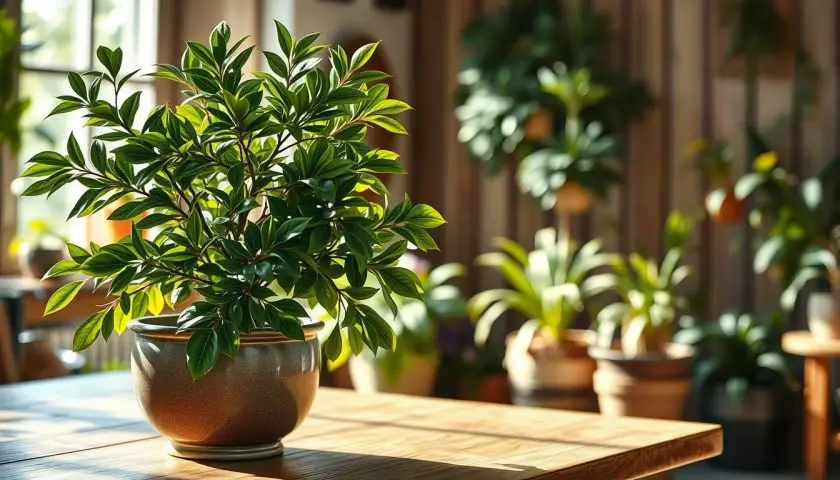
Picking the right pot size and material
Terracotta planters, glazed ceramic and plastic containers compared
Choosing the right bay tree container means balancing appearance with practical needs. Each material offers different benefits for your plant:
- Terracotta planters are porous, allowing roots to breathe, though they dry out faster in hot weather.
- Glazed ceramic pots hold moisture longer and offer a decorative look, but they can be quite heavy to move.
- Plastic containers are lightweight and excellent at retaining moisture, making them very easy to handle.
Why a pot that is too large can cause moisture problems
A large pot may seem helpful, but it can cause problems. A container much larger than the root ball holds extra soil, which stays wet too long after watering.
Too much moisture can quickly cause root rot, which is difficult to reverse. Prioritize proper container drainage with large bottom holes that let excess water escape.
Finding the best location for light, airflow and accessibility
Sun requirements for bay laurel in different U.S. climates
Bay laurel loves sun, but its needs vary across the United States. In cooler northern regions, place your tree in full, direct sunlight for most of the day.
In hot, arid climates, your tree benefits from afternoon shade that prevents leaf scorch. Wherever you live, choose a spot with good airflow to keep foliage dry and healthy.
Protecting a container from strong wind and reflected heat
These trees are sturdy, but harsh winds can dry leaves and knock over a top-heavy bay tree container. Place your plant in a sheltered corner or near a wall that blocks wind.
Watch for reflected heat from brick walls or concrete patios, which can intensify sunlight. If leaves curl or brown, move the tree to a cooler, protected area to help it recover.
How to Pot Bay Trees in Pots
Settling your bay trees in pots is simple when you follow a few key steps. The right setting supports healthy growth for years.
Step 1: Prepare the container and drainage holes
Before adding soil, check that your container has enough holes underneath. Good container drainage prevents root rot and keeps your plant healthy.
Using a pot saucer without allowing the roots to sit in water
If you use a saucer to protect your patio or floor, empty it after watering. Never let roots sit in standing water, which creates soggy soil and causes harm.
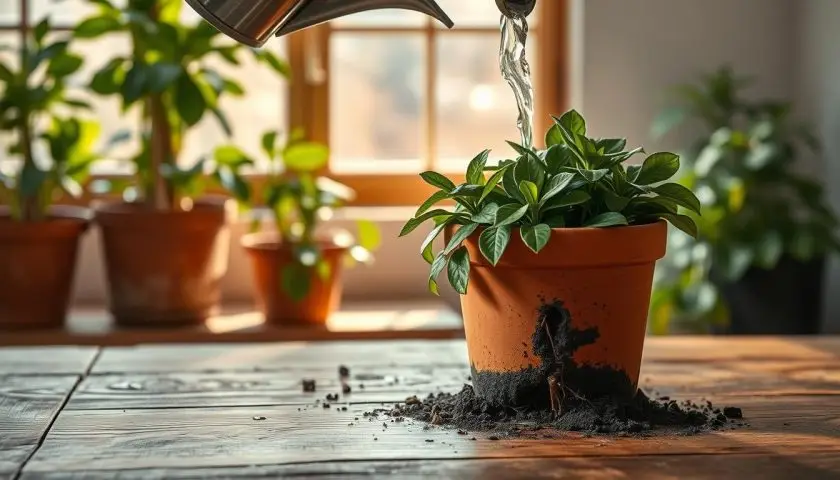
Step 2: Choose and prepare the potting mix for herbs
For best results, use a high-quality potting mix for herbs or another free-draining blend. These mixes hold enough moisture while letting extra water escape.
Combining quality potting soil with drainage-improving materials
You can improve the mix by adding perlite or horticultural grit. These materials create a light, airy structure that supports strong root growth.
Why garden soil is usually unsuitable for container-grown bay laurel
Avoid heavy garden soil for your container-grown bay laurel. It can compact over time, restrict airflow, and stop water from draining well.
Step 3: Position the root ball at the correct depth
Place your tree in the pot’s center for stability. Keep the root ball’s top about an inch below the container rim.
Keeping the trunk flare and soil line uncovered
Keep the trunk flare visible above the soil line. Burying the stem too deeply can rot the bark, so match the original soil level to the new surface.
Step 4: Backfill, settle and water the newly potted tree
Gently fill around the root ball with potting mix. Lightly firm the soil with your hands to secure the tree.
Checking for air pockets and confirming that excess water drains freely
Tap the pot gently on the ground to settle the soil and remove large air pockets. Water fully until liquid flows from the drainage holes, showing water moves through the root zone.
Step 5: Add a suitable surface mulch without covering the trunk
Add a thin layer of decorative gravel or bark mulch. It retains moisture and cools the soil, but leave a gap around the trunk to prevent wet bark.
Watering, Feeding and Maintaining Healthy Container Soil
Balanced water and nutrients help your potted bay tree flourish. Good soil care creates a strong foundation for long-term growth.
How to tell when a potted bay tree needs water
Checking soil moisture below the surface rather than relying on a calendar
Plants rarely follow a schedule, so check moisture by inserting your finger about two inches into the potting mix for herbs.
If the soil feels dry, water it. If it feels damp, wait another day or two to avoid overwatering.
Adjusting watering for temperature, wind, sunlight and container material
Your plant’s needs change with its surroundings. Hot, sunny days and strong winds dry soil faster than cool, cloudy weather.
Porous terracotta pots lose moisture faster than plastic or glazed ceramic containers. Adjust your routine instead of following a fixed calendar.
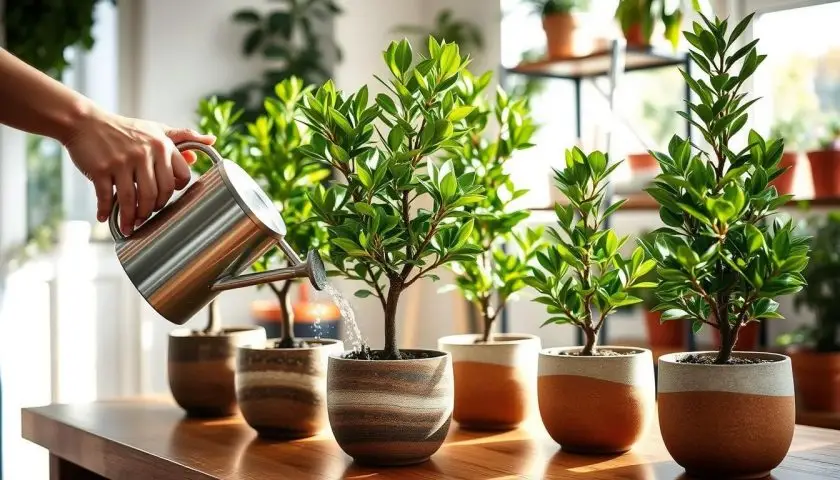
How to water a bay tree thoroughly
Applying water slowly until it flows from the drainage holes
Water slowly so the entire root ball becomes soaked. Continue until water flows freely from the container drainage holes below.
This method prevents dry soil pockets. It also flushes out salts that can build up over time.
Emptying the saucer and preventing chronically wet roots
Never let your plant sit in water for long. Empty the saucer beneath the pot soon after watering.
Standing water can cause root rot. Well-aerated roots are vital for a healthy container-grown bay laurel.
Seasonal watering differences for bay trees in pots
Spring and summer watering during active growth
During warmer months, your tree grows actively and needs more frequent water. Check the soil daily during heatwaves so it does not dry out completely.
Steady moisture supports lush foliage and healthy stems. Keep the soil damp, not soggy.
Reduced watering during cool, low-light winter conditions
As temperatures drop and light levels decrease, your tree enters dormancy. During this time, watering bay trees in pots should be greatly reduced.
Soil stays moist much longer during winter. Water only after the top few inches dry out, preventing chilled roots in wet, cold earth.
Feeding container-grown bay laurel
When a balanced container fertilizer is useful
A balanced, water-soluble fertilizer can help during active growth. Apply it sparingly as directed, usually monthly from spring through mid-summer.
Avoid fertilizer during winter while the plant rests. Overfeeding can build salt and damage delicate roots.
Recognizing nutrient problems without overfertilizing
If you notice pale leaves or slow growth, do not assume your plant needs more food. First, check watering, light, and root condition.
Often, a container-grown bay laurel shows stress from poor drainage or incorrect light, not nutrient shortages. Rule out these factors before adding fertilizer.
Pruning, Training and Harvesting Bay Leaves
Managing your bay tree’s shape and health can reward container gardeners. Regular potted bay tree pruning keeps it compact and lively while encouraging lush new growth.
When and how to prune a potted bay tree
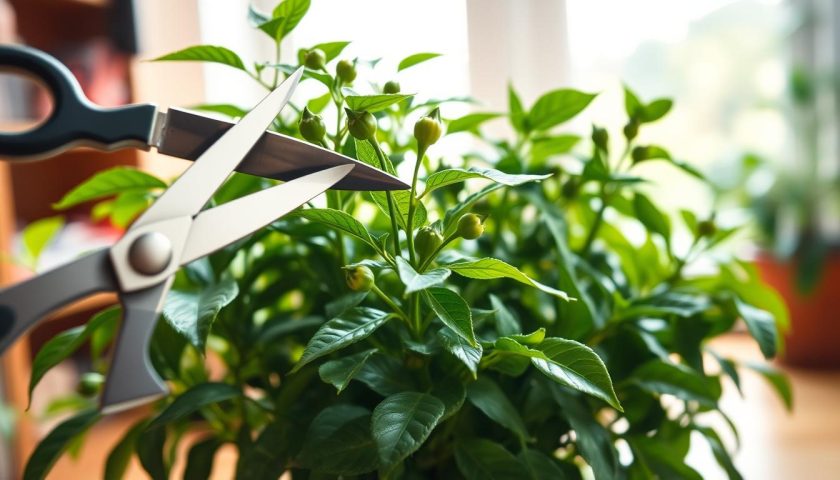
Removing dead, damaged or crossing growth with clean tools
Inspect your tree often, and remove dead or damaged branches as you find them. Cutting crossing stems stops rubbing, which can create openings for pests or disease.
Shaping a naturally branched shrub without removing too much foliage
Light pruning works best for maintaining a natural shrub shape. Avoid removing more than one-third of the foliage at once, or the plant may become stressed.
Pruning bay standards and maintaining formal shapes
Keeping the trunk clear and the crown balanced
When pruning bay standards, aim for a clear, straight trunk and a rounded, balanced crown. Remove suckers or shoots that grow from the stem’s base.
Managing vigorous shoots and preventing a top-heavy tree
Vigorous shoots can quickly make a container plant look lopsided or top-heavy. Trim them back to a leaf node to encourage bushier growth and support a sturdy, upright structure.
How to harvest bay leaves responsibly
Choosing mature, healthy leaves for fresh or dried use
Effective bay leaf harvesting means choosing the plant’s largest, most mature leaves. They contain the most concentrated oils, making them ideal for your favorite recipes.
Safe harvesting practices and why heavily treated leaves should not be used
Always harvest in moderation so the tree stays healthy. Never consume leaves from plants treated with pesticides or fertilizers not labeled for edible crops.
Tool hygiene and pruning safety
Use sharp, clean shears so your cuts stay precise and heal quickly. Disinfecting your tools with rubbing alcohol between plants helps prevent pathogens from spreading.
Wear gloves to protect your hands from sharp edges or sap. These simple steps make bay leaf harvesting and maintenance safer and more enjoyable.
Repotting Root-Bound Shrubs and Refreshing the Root System
If your plant struggles despite regular care, check its roots. Even a hardy container-grown bay laurel can outgrow its pot. Its roots may eventually have no room to spread.
Signs that a bay tree has become root-bound
Roots circling the container, slow drying soil and reduced new growth
The clearest sign of root-bound shrubs is roots circling the pot or poking through drainage holes. Water may run straight through the pot without soaking the soil. The soil may also stay damp too long when roots fill most of the container.
Distinguishing root stress from underwatering, pests or poor drainage
Root congestion can look like underwatering or a pest infestation. Before repotting, check the leaves for insects and make sure the plant gets enough light. If the plant looks healthy but stops growing, restricted roots are likely the cause.
When to repot a bay tree
Choosing spring or another period of active recovery
The best time for bay tree repotting is early spring. The plant can settle into its new pot as it begins strong growth. If you miss spring, early summer also works if you water the plant well during the change.
How to repot without unnecessarily disturbing the roots
Selecting a slightly larger container and refreshing depleted mix
Choose a pot only one or two inches wider than the current pot. A pot that is too large can hold soggy soil.
This problem affects many plants, including those with croton tree care requirements. Always use fresh, high-quality potting mix to give your tree needed nutrients.
Loosening congested outer roots only when necessary
If the root ball feels extremely tight, gently loosen its outer roots with your fingers. Do not prune them heavily unless they are badly matted. This gentle method helps roots grow into fresh soil sooner.
When root pruning or replacing the top layer is appropriate
Managing mature bay trees that cannot be moved into larger pots
Moving a very large or mature tree into a bigger pot may not be practical. Instead, remove the top two inches of old soil and replace it with fresh, nutrient-rich compost. This top-dressing refreshes the surface without a full repotting.
Winter Protection for Bay Trees in Pots
As temperatures drop, your plant care routine must change to keep your greenery healthy. Providing proper winter protection for container plants helps your bay laurel survive colder months. A few proactive steps can help your tree thrive in chilly weather.
How cold-hardy bay laurel is in a container
Why roots in pots are more exposed to freezing than roots in the ground
In-ground soil insulates roots and keeps them at a fairly steady temperature. A container-grown bay laurel has roots separated from the earth by thin pot walls. This root ball faces quick temperature changes and deep freezes that may cause serious damage.
Using local winter conditions, exposure and plant maturity to assess risk
Your local climate strongly affects how much care your tree needs. A young, small plant is usually more vulnerable than a mature tree with dense roots. Consider local frost dates and whether your balcony or patio blocks biting winds before planning successful bay tree winter care.
Preparing a bay tree before winter arrives
Inspecting for pests, disease and waterlogged soil
Before the first frost, inspect your tree carefully. Check leaf undersides for pests such as scale or aphids, and make sure the soil does not stay soggy. For more off-season plant care tips, read this guide on how to keep your outdoor plants.
Reducing feeding and avoiding late-season soft growth
Stop fertilizing in late summer or early autumn, even if you want to give your plant a final boost. Feeding encourages soft new growth that is highly sensitive to cold. Letting the plant harden naturally is the best winter preparation.
Choosing between outdoor shelter and an indoor location
Moving the container near a wall, porch or other protected position
In a mild climate, you may keep your tree outside all year. Move the pot against a south-facing wall or under a porch to prevent freezing. This spot traps warmth and protects foliage from harsh, drying winds.
Providing bright light, cool temperatures and ventilation indoors
In colder regions, bringing your tree indoors is often necessary. Choose a cool spot, such as an unheated sunroom or bright garage, instead of a hot living room. Provide good airflow to prevent fungal problems, since stagnant air can harm the tree.
Insulating the pot and protecting the canopy
Wrapping the container while keeping drainage holes clear
Protect the roots by wrapping the pot’s outside with bubble wrap or burlap. This insulation keeps soil temperatures more consistent. Leave the drainage holes open so excess water can escape.
Using frost cloth appropriately and avoiding sealed plastic around foliage
If a hard freeze is expected, drape light frost cloth over the canopy for extra protection. Never seal plastic bags or covers around the leaves, because trapped moisture encourages rot. Good ventilation helps container-grown bay laurel stay healthy throughout winter.
Winter watering and re-acclimation in spring
Preventing both frozen root balls and indoor overwatering
Your tree still needs a little moisture during winter. Check the soil often, but water only when the top few inches feel dry. Do not water frozen soil, because roots cannot absorb moisture and decay may follow.
Gradually returning the tree outdoors after the last severe freezes
When spring arrives, do not move your tree into full sun right away. Introduce outdoor conditions gradually over one or two weeks to prevent leaf scorch. This transition helps the plant adjust safely to changing light and temperatures.
| Strategy | Best For | Key Benefit |
|---|---|---|
| Outdoor Sheltering | Mild climates | Maintains natural light cycles |
| Garage/Sunroom | Cold climates | Prevents root freeze |
| Pot Insulation | All containers | Protects sensitive roots |
| Gradual Exposure | Spring transition | Prevents foliage shock |
Diagnosing Yellow Leaves, Drooping Growth and Other Problems
If your bay tree changes, do not panic. Most issues are easy to fix with careful detective work. Reading its signals is the first step toward restoring its health.
Bay tree troubleshooting table
Comparing symptoms, likely causes and corrective actions
| Symptom | Likely Cause | First Check | Action |
|---|---|---|---|
| Yellowing foliage | Overwatering | Soil moisture | Improve container drainage |
| Brown, crispy edges | Heat or salt | Soil salts | Flush soil with water |
| Sticky residue | Pest infestation | Leaf undersides | Apply insecticidal soap |
Yellow leaves and leaf drop
Separating overwatering, underwatering, low light and seasonal stress
Seeing yellow bay leaves can alarm you, but they often show an environmental imbalance. Overwatering is the most common cause, especially when soil stays soggy too long.
Underwatering or insufficient light can also fade and drop leaves. Ask whether you recently moved the plant to a darker corner. Seasonal temperature changes can also alter its water needs.
Brown leaf edges, scorched leaves and sudden wilt
Checking for dry roots, wind exposure, heat stress and salt buildup
Brown, scorched edges often mean the plant is losing moisture. Dry roots or harsh, drying winds can cause this problem.
Heat stress can cause sudden wilting and limp leaves. Fertilizer salts can also build up in soil. Flush the pot with fresh water to help clear these minerals.
Sticky leaves, speckling and distorted new growth
Inspecting for scale insects, aphids, spider mites and sooty mold
Sticky residue or black sooty mold on foliage usually signals pests. Scale insects, aphids, and spider mites are common bay tree problems. They often hide beneath leaves.
Tiny specks and distorted new growth are classic infestation signs. Wipe leaves gently with a damp cloth, or use mild insecticidal soap. This usually manages these pests.
Root rot and persistent wet soil
Immediate steps for improving drainage and assessing damaged roots
Persistent wet soil is dangerous because it suffocates roots. If soil smells sour or the plant looks sickly, check your container drainage immediately. Make sure water does not pool at the bottom.
Severe cases may require repotting to remove mushy, rotting roots. Also check whether you have root-bound shrubs needing a slightly larger home.
When to isolate the plant or seek specialist advice
If you notice a sudden, unexplained decline that basic care does not fix, isolate the plant. Keeping it away from other greenery can prevent pests or diseases from spreading.
If the issue continues despite your best efforts, seek advice from a local nursery or plant specialist. A professional may identify a nutrient deficiency or fungal issue that is hard to spot at home.
Common Bay Tree Container Mistakes to Avoid
Bay laurel stays healthy when you avoid common problems. These resilient trees still need special care in containers. Avoiding these bay tree container mistakes helps your plant thrive through every season.
Using a decorative pot without a drainage hole
Good container drainage is vital for bay trees. If you love decorative cachepots or terracotta planters, place the tree in a plastic nursery pot inside. Remove the inner pot to drain extra water easily.
Planting into a container that is much larger than the root ball
A large pot may seem helpful, but it holds too much moisture. Unused soil stays wet and can cause root rot. Choose a container only slightly larger than the current root ball.
Watering on a fixed schedule instead of checking the soil
Plants do not follow calendars, and their water needs change with temperature and light. Check the top inch of soil with your finger instead of watering on set days. Water when it feels dry, but wait a few days if it feels damp.
Leaving a full saucer beneath the pot
Never let your pot sit in a pool of water. If you use a saucer, empty it soon after watering. This prevents stagnant moisture from damaging the roots.
Using heavy garden soil or compacted mix
Bay trees need excellent airflow around their roots. Heavy garden soil compacts easily and can suffocate them. Use a high-quality, free-draining mix like the one for other potted plants.
Pruning aggressively during heat, drought or severe winter stress
Pruning can shape your tree, but timing matters. Avoid heavy pruning during extreme heat, drought, or severe winter stress. Let the tree regain energy before using the shears.
Moving the tree indoors without enough light or airflow
When you bring your tree indoors for winter, choose a bright spot with good airflow. Stagnant air and low light can cause leaf drop and weak growth. Place it near your sunniest window, and use a small fan if needed.
Bringing pests inside with the container
Before moving your tree indoors, check the leaves and stems for scale or aphids. Quickly washing the foliage can stop pests from spreading to other indoor plants. Treating a few bugs outside is easier than managing a colony indoors.
Exposing a recently sheltered tree to outdoor conditions too quickly
After winter indoors, your tree needs time to adjust to strong outdoor sun and wind. Move it gradually to a sheltered spot over one week. This hardening-off process prevents leaf scorch and supports a smooth transition to summer.
A Simple Year-Round Care Schedule for Potted Bay Trees
A consistent schedule for seasonal bay tree care keeps bay trees in pots healthy all year. Adjust your routine as the seasons change to help your plant thrive in a container. Whether you keep your plants in full sun or plants in pots in shade, these changes support long-term health.
Spring: repot, prune and resume active care
Checking roots, refreshing potting mix and increasing watering gradually
Spring is the perfect time to wake your tree from its winter slumber. Check if your plant is root-bound, and refresh the top few inches with fresh compost. As temperatures rise, begin pruning bay standards to encourage a bushy, healthy shape.
Summer: manage heat, moisture and foliage growth
Monitoring containers in hot, dry or windy weather
During summer, keep the root system cool and hydrated. Containers dry out faster than garden beds, so check soil moisture daily. If leaves wilt, move the pot into afternoon shade to prevent heat stress.
Fall: inspect, harvest and prepare for cold conditions
Cleaning the plant, checking for pests and selecting a winter location
As the air turns crisp, complete bay leaf harvesting before the first frost. Inspect the undersides of leaves for pests such as scale or aphids. Cleaning the foliage helps the plant stay healthy before moving it indoors.
Winter: protect roots and avoid overwatering
Balancing cold protection, light and ventilation
Proper winter protection for container plants prevents root damage from freezing temperatures. Keep the soil barely moist, not wet, because the tree is not actively growing. Place the plant in a bright, cool area with good airflow to prevent fungal issues.
Seasonal care checklist for quick reference
Tasks that depend on climate, exposure and the tree’s condition
Use this table to track your essential tasks. Your specific climate in the United States will determine when these changes occur.
| Season | Primary Focus | Key Action |
|---|---|---|
| Spring | Growth | Repot and prune |
| Summer | Hydration | Water and shade |
| Fall | Preparation | Harvest and clean |
| Winter | Dormancy | Protect roots |
Conclusion
Growing bay trees in pots adds Mediterranean charm to a patio or balcony. Success requires reliable drainage, free-draining soil, and plenty of bright light.
Good bay tree care means watering when the soil feels dry, not following a strict calendar. Light pruning and careful leaf harvesting keep the plant tidy and productive. Regular pest and root checks protect your healthy potted herbs from small problems.
Proper winter protection for container plants helps bay trees survive in colder climates. Move them to a sheltered spot when temperatures drop. Return them outdoors gradually in spring to prevent shock and keep foliage lush.
Your container-grown bay laurel will thrive when you watch its needs through every season. Adjust your routine as weather changes and the plant grows. With these tools, you can enjoy a beautiful, fragrant tree for many years.
Pet Safety and Trusted References
Bay laurel is not a pet-safe plant. The ASPCA lists bay laurel (Laurus nobilis) as toxic to dogs, cats and horses, with vomiting and diarrhoea as the main signs, so keep potted bays where pets cannot chew the leaves.
For a second opinion on container care, the Royal Horticultural Society’s bay tree growing guide recommends moderate watering, regular feeding from mid-spring to late summer and repotting about every two years in spring.
At Patch Plants (patchplants.org), botanist Sawera Shahid writes care guides that explain the plant science behind each step, not just the steps. For growing bay laurel in the ground as well as in containers, read our complete bay tree care guide. If the leaves start to fade, our guide to bay tree yellow leaves covers the usual causes, and how to repot a plant shows the repotting technique step by step.
Frequently Asked Questions
What is the best potting mix for herbs like bay laurel?
For bay trees in pots, use a high-quality, free-draining potting mix for herbs. Because bay laurel dislikes “wet feet,” mix in horticultural grit or perlite. This improves drainage and keeps the soil from compacting.
How do I know when it is time to move root-bound shrubs into a larger pot?
Root-bound shrubs need a larger pot when roots circle the surface or poke through the bottom holes. Water may run straight through without soaking in, and new leaf growth may slow. Then move the tree to a pot only two or three inches wider.
Which is better for bay laurel: terracotta planters or plastic pots?
We often suggest terracotta planters because their porous sides let roots breathe and help prevent root rot. However, they are heavy and dry faster in the sun. For a lighter choice, use a high-quality plastic or resin pot, but avoid overwatering.
How should I handle winter protection for container plants in colder climates?
Roots are more exposed in containers, so winter protection for container plants matters below freezing. Move the tree to a sheltered porch or unheated garage that stays cool but bright. Wrap the pot in burlap or bubble wrap to insulate the root ball, but keep drainage holes clear.
Why are the edges of my bay leaves turning brown?
Brown edges on container-grown bay laurel usually signal environmental stress. Causes include “wind scorch” from a drafty balcony, underwatering during a heatwave, or salt buildup from tap water. Move the pot to a sheltered spot and occasionally flush the soil with rainwater or filtered water.

About the author
Sawera Shahid is a botanist with an MPhil in Botany and 5+ years of writing about plants. As founder and lead writer of Patch Plants, she writes practical, science-backed guides on indoor plants, outdoor gardens and plant problems, checked against RHS and university extension advice.