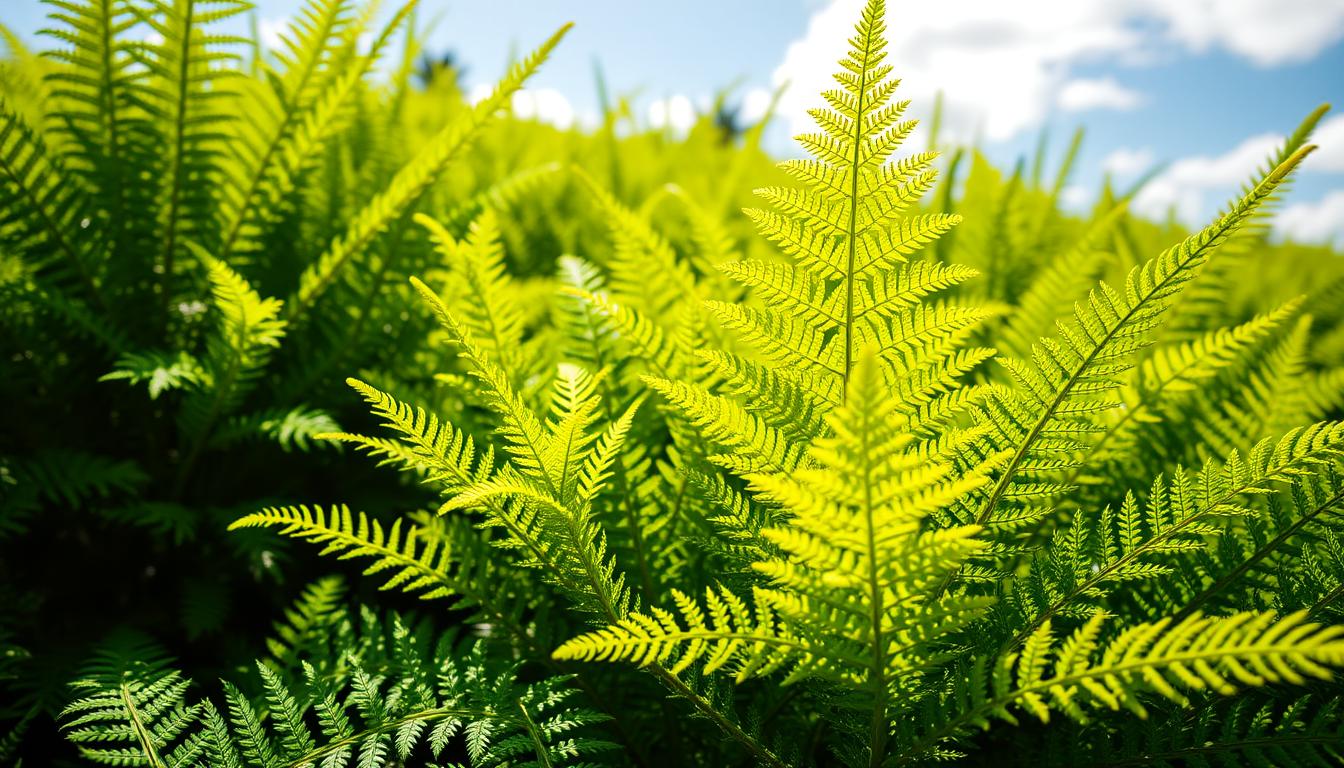
Full sun ferns are not all plants that thrive in scorching, all-day sunlight. Instead, certain fern species can handle brighter conditions, morning sun, or even substantial direct sunlight when moisture, temperature, humidity, and site conditions are suitable. Royal fern, cinnamon fern, bracken fern, resurrection fern, and several other species give gardeners more options for bright spaces than the typical shade-loving fern.
The key is matching the fern to the site. A fern that tolerates considerable sun in a cool, moist climate may scorch in a hot, dry garden. Consistent moisture, healthy soil, gradual acclimation, and protection from extreme reflected heat can make the difference between lush green fronds and stressed foliage.
Key Takeaways
- Some ferns tolerate much brighter conditions than traditional shade-loving varieties.
- Sun tolerance varies significantly among fern species.
- Moisture becomes especially important when ferns receive more direct sunlight.
- Morning sun is generally less stressful than intense afternoon exposure.
- Local summer heat, humidity, wind, and reflected heat affect fern performance.
- Not every fern in this list should be treated as an all-day full-sun plant.
- Gradually acclimate nursery-grown ferns before exposing them to stronger sunlight.
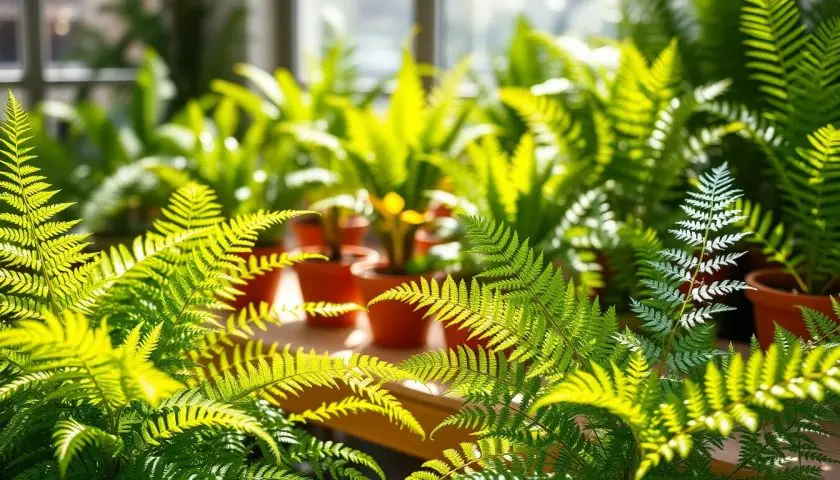
Can Ferns Really Grow in Full Sun?
Yes, some full sun ferns can tolerate substantial direct light, but the phrase needs context. Ferns vary considerably in their natural habitats and environmental requirements.
For many species, increased sun tolerance depends on having enough moisture around the roots and avoiding extreme heat. Other species naturally tolerate more open, exposed conditions.
Royal fern is a good example. North Carolina State Extension explains that it generally prefers moist conditions and partial or dappled shade, but in climates with cool summers it can tolerate close to full sun when consistent moisture is available. You can read the NC State Extension Royal Fern guide for additional growing information.
This is why choosing ferns that tolerate sun should involve more than reading the light symbol on a nursery label. Your climate and the actual conditions in your garden matter just as much.
What Does Full Sun Mean for Ferns?
In general gardening terminology, full sun refers to a location receiving substantial direct sunlight during the day. For ferns, however, the intensity and timing of that sunlight can be just as important as its duration.
Morning Sun vs. Afternoon Sun
Morning sunlight arrives when temperatures are generally lower. A fern may therefore tolerate several hours of morning exposure while struggling in an equally bright west-facing location during a hot afternoon.
When evaluating a location for full sun outdoor ferns, observe when direct sunlight reaches the plants rather than considering only the total duration.
Reflected Heat Changes the Growing Environment
Brick walls, concrete, stone, gravel, metal fencing, and other hard surfaces can increase the heat around nearby plants.
A fern planted beside a heat-reflecting wall can therefore experience considerably more stress than one receiving similar sunlight in an open garden bed.
Moisture Becomes More Important in Brighter Sites
Sun, heat, and wind can increase moisture loss. Ferns that naturally prefer moist conditions may need particularly reliable root-zone moisture when grown in brighter locations.
This does not mean keeping every fern waterlogged. The correct balance depends on the species and its natural growing conditions.
How to Choose Full Sun Ferns for Your Garden
Before selecting full sun ferns, evaluate the growing site carefully. Light is only one part of the equation.
Consider Your Summer Climate
Winter hardiness tells you whether a perennial is likely to survive local winter temperatures, but it does not tell you how the plant will respond to summer heat.
A fern that handles a bright position in a cool, humid climate may require considerably more protection in a hot inland garden.
Check the Soil
Some sun-tolerant ferns prefer consistently moist or even wet conditions, while others tolerate comparatively drier soils.
Before planting, determine whether your soil tends to remain moist, drain rapidly, or stay saturated after rain.
Consider Wind Exposure
Wind can increase moisture loss from both foliage and soil. An exposed site may therefore be more stressful than a sheltered location receiving a similar amount of sunlight.
Make Sure Water Is Available
If you choose moisture-loving ferns for a bright garden bed, make sure you can provide water during dry weather.
For broader outdoor-growing advice, explore our Outdoor Plants guides.
11 Full Sun Ferns That Handle Brighter Conditions
The following full sun ferns and bright-light fern options have different limits. Some can tolerate substantial sun under suitable conditions, while others are better described as bright-site or partial-sun ferns.
1. Macho Fern (Nephrolepis biserrata)
Macho fern produces large, arching fronds that make a dramatic statement in warm-climate gardens and oversized containers.
Light
It can handle brighter outdoor conditions than many delicate-looking ferns, but protection from the harshest afternoon exposure is useful in hot climates.
Moisture
Maintain reliable moisture without allowing the container or planting area to remain unnecessarily saturated.
Best Use
Its substantial size makes it especially attractive as a patio focal point, large container specimen, or lush addition to a warm outdoor garden.
2. Boston Fern (Nephrolepis exaltata)
Boston fern is widely associated with porches and hanging baskets. It belongs in this guide as a fern that can tolerate brighter conditions, not as a dependable choice for scorching all-day sunlight.
Light
Bright filtered conditions or gentler direct sunlight are safer than sudden exposure to intense afternoon sun.
Acclimation
If a Boston fern has been grown in protected nursery conditions, increase its light gradually rather than moving it directly into a much brighter location.
Containers
Hanging baskets and containers can dry more rapidly than garden soil, so monitor moisture according to weather and pot conditions.
3. Western Sword Fern (Polystichum munitum)
Western sword fern produces strong evergreen-looking fronds and is particularly useful in cooler, temperate garden settings.
Light
It can tolerate brighter exposure when conditions remain cool enough and the root zone has suitable moisture.
Climate
This is a good example of why the term full sun fern should never be separated from climate. Conditions that work in a mild region may be too intense during a hot summer elsewhere.
Best Use
Use it in naturalistic borders, woodland edges, and other locations where it receives bright conditions without excessive heat stress.
4. Cinnamon Fern (Osmundastrum cinnamomeum)
Cinnamon fern is a moisture-loving species known for its upright fertile fronds, which create a distinctive cinnamon-colored display.
Moisture
Reliable moisture is particularly important if the plant receives considerable sunlight.
Best Site
Moist garden beds, rain-garden areas, pond margins, and naturally damp locations are better choices than dry, exposed soil.
Heat
In hotter climates, additional shade can reduce stress even when the root zone remains moist.
5. Royal Fern (Osmunda regalis)
Royal fern is one of the strongest examples for explaining how moisture can influence sun tolerance.
Light
It naturally suits partial or dappled shade, but it can tolerate much brighter conditions in cool climates when moisture remains consistently available.
Soil
Rich, moist soil is preferable, and royal fern is particularly useful around wet garden areas.
Best Use
Use it near ponds, streams, rain gardens, damp borders, or other locations where its root zone is less likely to dry excessively.
6. Southern Wood Fern (Dryopteris ludoviciana)
Southern wood fern provides tall green foliage and is useful in warm landscapes.
Light
Rather than treating it as an all-day-sun fern, use it where it can receive brighter or morning conditions with protection from the harshest exposure.
Moisture
Maintain suitable soil moisture while avoiding chronically waterlogged conditions unless the planting site’s natural conditions support the species.
Best Use
It works well in warm woodland-style borders, mixed fern beds, and bright garden edges.
7. Sensitive Fern (Onoclea sensibilis)
Sensitive fern is a spreading fern that can create colonies when growing conditions suit it.
Light
It can cope with brighter conditions when moisture is reliable, but dry soil and excessive heat can quickly reduce its performance.
Moisture
Choose a naturally moist location rather than expecting it to perform like a drought-tolerant perennial.
Growth Habit
Because it spreads through rhizomes, allow enough room or manage its spread if planting in a small bed.
8. Hay-Scented Fern (Dennstaedtia punctilobula)
Hay-scented fern has delicate-looking foliage but can form extensive colonies where conditions suit it.
Light
It can tolerate brighter exposure than many classic woodland ferns.
Growth Habit
This fern spreads by underground rhizomes, making it more suitable for naturalistic areas where spreading growth is acceptable.
Placement
Think carefully before using it in a small, highly controlled garden bed because containment may become part of routine maintenance.
9. Bracken Fern (Pteridium aquilinum)
Bracken is among the most adaptable full sun ferns in terms of light and can occur in relatively open conditions.
Light and Soil
Compared with moisture-loving species such as royal fern, bracken can cope with drier, more open sites.
Spreading Habit
Bracken spreads through long rhizomes and can become difficult to contain, so it is not an ideal choice for every residential garden.
Safety
Bracken should not be treated as an edible fern. Keep its toxicity and spreading behavior in mind when deciding whether it belongs in your landscape, particularly around animals.
10. Resurrection Fern (Pleopeltis polypodioides)
Resurrection fern is unusual because it naturally grows as an epiphyte on trees and other suitable surfaces rather than behaving like a conventional garden-bed fern.
Drought Response
Its fronds can curl and appear dry during periods without sufficient moisture, then become green again after moisture returns.
Light
It can occur in relatively bright positions, but its growing habit and environment are very different from moisture-loving terrestrial ferns.
Best Use
Where it is regionally appropriate, resurrection fern is most natural on suitable trees or surfaces rather than being forced into an ordinary flower bed.
11. Deer Fern (Blechnum spicant)
Deer fern is included as a bright-condition option rather than a true hot, all-day-sun fern.
Light
It performs better in cool conditions and can handle gentler sunlight, but harsh afternoon exposure can be stressful.
Moisture
Provide a cool root zone and dependable moisture.
Best Use
Deer fern is better suited to cool woodland edges, rock gardens, and partially shaded borders than exposed hot patios.
Full Sun Fern Comparison Table
| Fern | Best Light Approach | Moisture | Best Use |
|---|---|---|---|
| Macho Fern | Bright to partial sun | Moderate to moist | Large containers |
| Boston Fern | Bright light/gentler sun | Moist | Baskets and sheltered patios |
| Western Sword Fern | Bright/partial sun in cooler sites | Moderate | Naturalistic borders |
| Cinnamon Fern | Bright to sunny with moisture | High | Rain gardens and wet beds |
| Royal Fern | Partial to substantial sun with moisture | High | Pond edges and wet gardens |
| Southern Wood Fern | Morning/partial sun | Moderate to moist | Warm-climate borders |
| Sensitive Fern | Bright/partial sun with moisture | High | Moist naturalized areas |
| Hay-Scented Fern | Bright/partial sun | Moderate | Naturalizing |
| Bracken Fern | Partial to full sun | Low to moderate | Large naturalized areas |
| Resurrection Fern | Bright conditions | Variable | Trees and suitable surfaces |
| Deer Fern | Morning sun/partial shade | Moderate to moist | Cool woodland edges |
Best Full Sun Ferns for Different Garden Conditions
For Moist or Wet Garden Beds
Royal fern and cinnamon fern are among the strongest options where moisture remains consistently available. Sensitive fern can also work in suitably moist conditions.
For Relatively Dry Sites
Bracken fern tolerates comparatively drier conditions than most plants in this list, but its vigorous spread and toxicity make it unsuitable for some gardens.
For Containers
Macho fern and Boston fern can create impressive container displays. However, pots exposed to bright conditions may lose moisture quickly, so container moisture needs close attention.
For Cooler Climates
Western sword fern, royal fern, and deer fern are among the options worth considering where summers remain relatively cool and moisture is available.
For Hot Climates
Do not assume that a fern labeled for sun in a cooler climate will tolerate intense afternoon heat. Morning sun, filtered afternoon light, and a cooler root zone can substantially improve growing conditions.
How to Plant Full Sun Ferns
Good preparation can make growing full sun ferns much easier, particularly for moisture-loving species.
1. Evaluate the Site First
Observe direct sunlight, afternoon heat, wind, nearby hard surfaces, natural soil moisture, and drainage before planting.
2. Prepare the Soil for the Species
Many ferns appreciate organic matter and a root zone that retains useful moisture without creating unsuitable stagnant conditions.
Do not assume every fern needs exactly the same soil. Bracken and resurrection fern, for example, have very different growing habits from royal and cinnamon ferns.
For general soil guidance, see our guide to choosing the right soil mix for plants.
3. Plant at an Appropriate Depth
Keep the crown at a suitable level rather than burying it deeply. Handle existing roots carefully during planting.
4. Water Thoroughly After Planting
Water the root zone after planting and monitor moisture as the fern establishes. Newly planted ferns can require closer attention than established specimens.
5. Add Organic Mulch Where Appropriate
Organic mulch can help moderate root-zone temperature and reduce moisture loss. Keep heavy mulch from accumulating directly over the crown.
How to Water Full Sun Ferns
Water management is one of the most important parts of full sun fern care, but a universal watering schedule would be misleading.
Soil type, species, temperature, rainfall, wind, humidity, and whether the fern grows in a container or the ground all affect moisture requirements.
Check Soil Conditions
Monitor the root zone rather than watering simply because a certain number of days have passed.
Water the Root Zone Thoroughly
When irrigation is needed, apply water to the soil so moisture reaches the root system rather than merely wetting the foliage or surface.
Watch Containers More Closely
Containers can heat up and lose moisture faster than garden beds, especially when exposed to sun and wind.
For more guidance, read our complete plant watering guide.
How to Protect Ferns From Too Much Sun and Heat
Acclimate Ferns Gradually
A fern grown under nursery shade may scorch if suddenly transferred into strong direct sunlight.
Increase exposure gradually while observing the foliage rather than making an abrupt move from shade to intense sun.
Provide Temporary Protection During Extreme Heat
A fern that normally handles a bright location may still struggle during an unusually severe heat event.
Temporary afternoon protection can reduce stress, especially for recently planted specimens.
Manage Drying Winds
Wind can accelerate moisture loss. Sheltered placement or nearby vegetation may improve conditions for moisture-loving ferns.
Keep the Root Zone Cooler
Organic mulch can help moderate soil temperature outdoors. For containers, avoid unnecessarily small pots that heat and dry extremely quickly.
Signs a Fern May Be Getting Too Much Sun
Even full sun tolerant ferns have limits. Look at the entire growing environment before deciding that light alone is causing a problem.
Bleached or Scorched Patches
Pale or scorched areas concentrated on the most exposed fronds can indicate excessive sunlight, especially after a sudden change in exposure.
Crispy Brown Frond Edges
Brown edges can occur when a fern loses moisture faster than its roots can replace it. Heat, drought, wind, roots, and other environmental problems can produce similar symptoms.
Repeated Afternoon Wilting
If the plant repeatedly wilts during the hottest part of the day, investigate both soil moisture and heat exposure.
Weak New Growth
Poor growth is not automatically a light problem. Check moisture, roots, soil conditions, pests, and nutrition before changing several things at once.
Common Problems With Full Sun Ferns
| Symptom | What to Investigate | Possible Response |
|---|---|---|
| Crispy edges | Dry soil, heat, wind, root stress | Check moisture and exposure |
| Bleached patches | Sudden or excessive direct sun | Reduce intense exposure |
| Wilting in wet soil | Heat or root problems | Inspect drainage and roots |
| Pale growth | Roots, nutrition, light, moisture | Diagnose before fertilizing |
| Declining new fronds | Environmental or root stress | Review overall growing conditions |
Root Problems
If the soil remains saturated and the fern continues to decline, inspect drainage and root health rather than adding more water.
Our guide to root rot identification and treatment explains common warning signs in more detail.
Common Mistakes When Growing Full Sun Ferns
Assuming Every Fern on This List Likes Harsh All-Day Sun
The 11 plants have different tolerances. Boston fern and deer fern, for example, belong here because they can handle brighter conditions, not because scorching afternoon sun is their ideal environment.
Ignoring Moisture
For many full sun ferns, increased sunlight without adequate moisture is a recipe for stress.
Using the Same Watering Routine for Every Species
A moisture-loving royal fern and a comparatively adaptable bracken fern should not automatically receive identical treatment.
Ignoring Reflected Heat
Sunlight beside paving or masonry can create substantially hotter conditions than the same sunlight in a planted garden.
Fertilizing a Stressed Fern
Fertilizer does not correct excessive heat, damaged roots, drought, or unsuitable light. Address the underlying growing condition first.
Ignoring Spreading Behavior
Hay-scented fern, sensitive fern, and particularly bracken can spread beyond their original planting area. Consider mature growth behavior before introducing them into a small garden.
Seasonal Full Sun Fern Care
Spring
Remove damaged or dead fronds when appropriate for the species and watch for emerging growth. Check mulch, drainage, and soil moisture as temperatures rise.
Summer
Summer is the most important time to monitor full sun outdoor ferns. Check moisture and foliage during hot or windy weather and provide temporary protection if extreme conditions exceed the plant’s normal tolerance.
Fall
Remove badly damaged foliage when appropriate and renew organic mulch if needed. Avoid burying the fern crown beneath a thick layer.
Winter
Winter care depends on the species and local climate. Determine whether your fern is hardy in your area and remember that container-grown roots may experience colder conditions than roots insulated by surrounding garden soil.
Frequently Asked Questions
Can ferns really grow in full sun?
Yes, some ferns tolerate substantial sunlight, but their success depends on the species, climate, moisture, humidity, heat, and timing of direct exposure. Many ferns described as sun tolerant perform better with morning sun than intense afternoon heat.
What are the best full sun ferns?
Royal fern, cinnamon fern, bracken fern, resurrection fern, and several other species can tolerate brighter conditions under suitable circumstances. The best choice depends on whether your site is wet or dry, hot or cool, sheltered or exposed.
Which fern can handle a wet, sunny garden?
Royal fern and cinnamon fern are particularly useful choices for moist or wet locations that receive substantial light, although sun tolerance still depends on local summer conditions.
Can Boston ferns grow in full sun?
Boston ferns can tolerate brighter conditions, but they should not automatically be treated as plants for scorching all-day sun. Bright filtered light or gentler direct exposure is generally a safer approach, particularly in hot climates.
Do full sun ferns need more water?
Many moisture-loving ferns use or lose moisture more quickly when exposed to stronger sunlight, heat, and wind. Water requirements still depend on species, soil, rainfall, temperature, humidity, and root development.
Why are my fern fronds turning brown in the sun?
Brown fronds can result from insufficient moisture, extreme heat, drying wind, root problems, or excessive exposure. Check the root zone and overall growing conditions before assuming direct sunlight is the only cause.
Should I fertilize sun-grown ferns more often?
Not necessarily. More sunlight does not automatically mean a fern needs more fertilizer. Feed according to the species and growing conditions, and avoid using fertilizer as a treatment for heat, drought, or root stress.
Can I grow full sun ferns in containers?
Yes, some ferns such as Macho fern and Boston fern work well in containers under suitable bright conditions. Pots can dry and heat more quickly than garden soil, so moisture and root-zone temperature need closer monitoring.
How do I know when a fern needs more shade?
Persistent bleaching, scorching, repeated heat-related wilting, or continuing decline despite appropriate moisture can indicate that the location is too intense. Moving the fern toward gentler morning light or afternoon protection may help.
Final Thoughts
Full sun ferns expand the possibilities for gardeners who want fern texture outside deep shade, but choosing the right species is essential. “Sun tolerant” does not mean every fern can thrive in a hot, exposed garden with dry soil.
Royal fern and cinnamon fern can perform in brighter locations when moisture is reliable. Bracken handles more open and comparatively dry conditions but comes with important spreading and toxicity concerns. Macho and Boston ferns can brighten patios and containers, while Western sword fern and deer fern are better matched to cooler conditions.
Before planting, observe your garden’s morning and afternoon sunlight, summer heat, wind, soil moisture, drainage, and reflected heat. Then choose a fern whose natural preferences match those conditions.
With thoughtful placement, gradual acclimation, suitable moisture, and regular observation, these full sun ferns and bright-light fern options can bring lush foliage to areas where many gardeners would never expect a fern to grow.