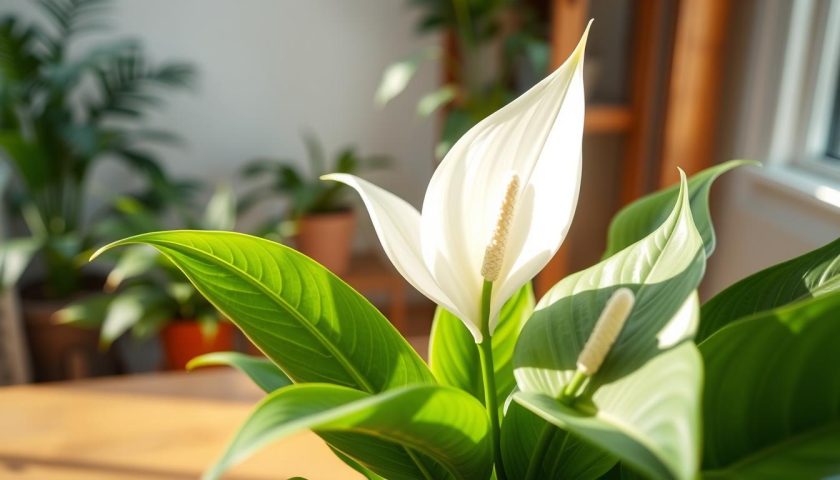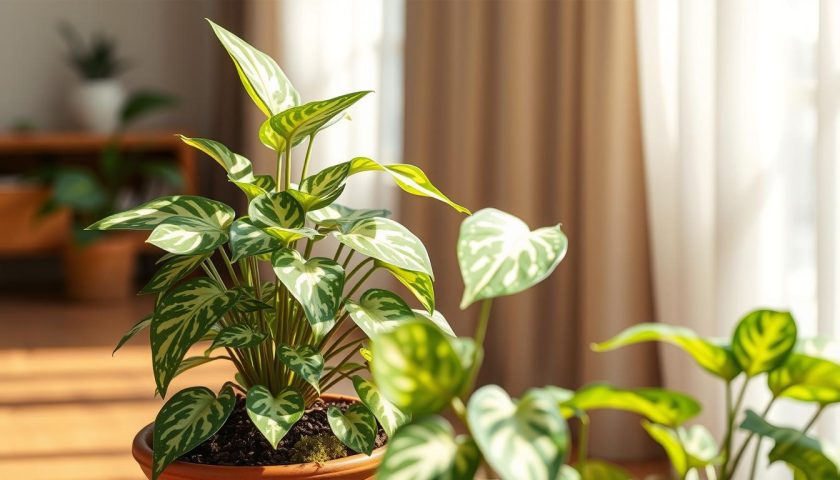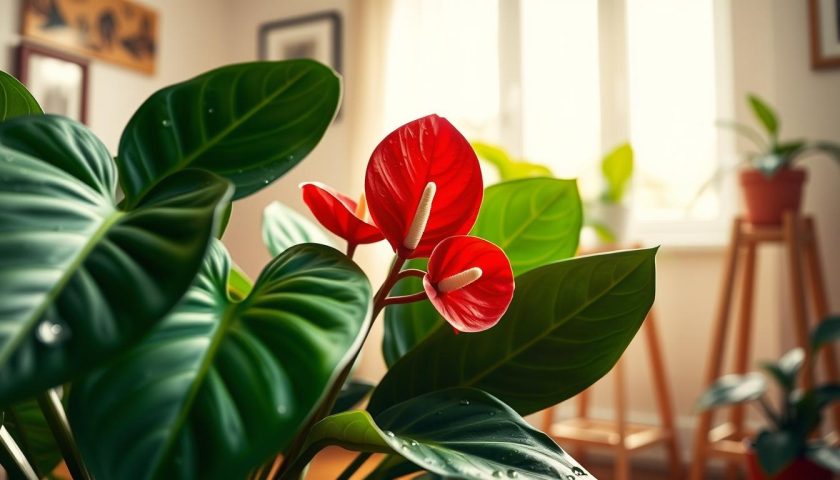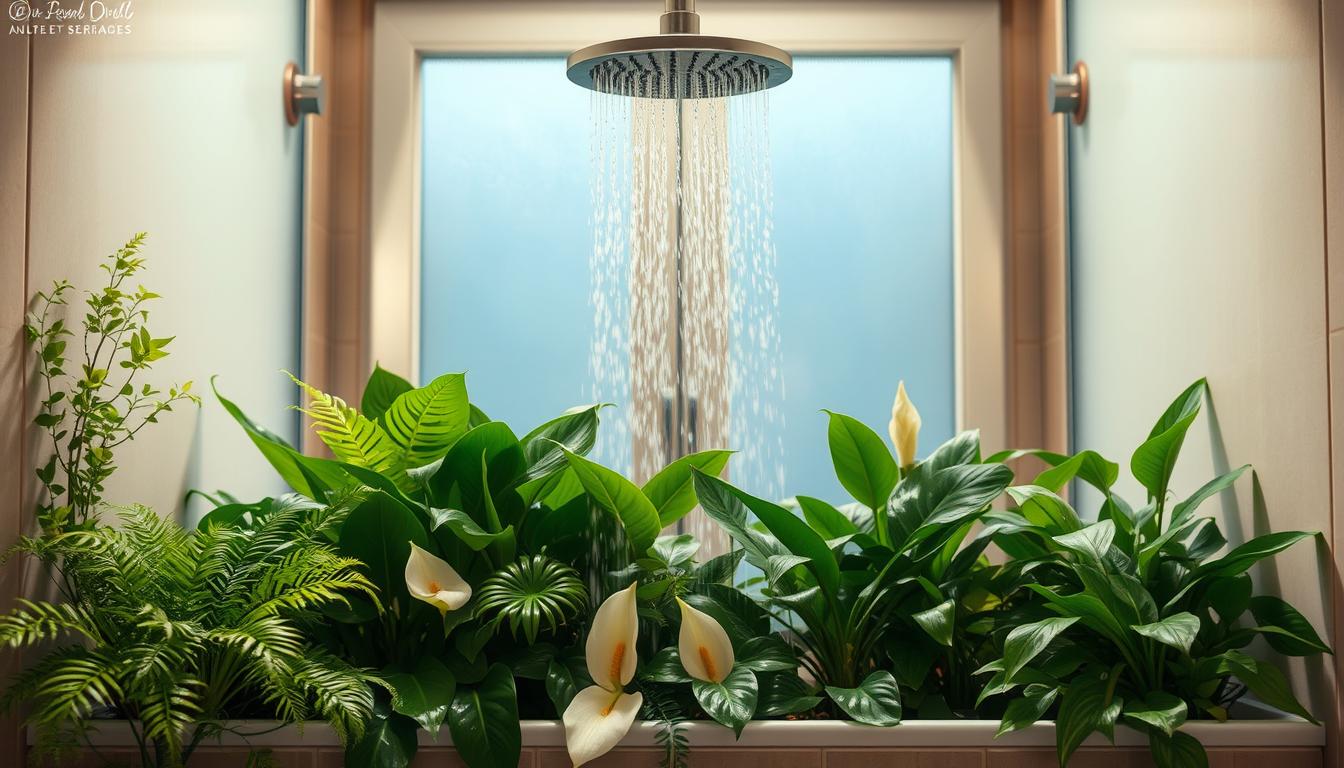
Plants in shower can thrive in the warm, humid conditions found in many bathrooms, but humidity alone is not enough. The best shower plants also need suitable light, good drainage, airflow, and protection from constant direct water spray. Ferns, pothos, philodendrons, spider plants, prayer plants, orchids, and several other houseplants can all work well when matched to the actual conditions in your bathroom.
Key Takeaways
- Many tropical houseplants appreciate the higher humidity found around showers.
- Bathroom humidity does not replace adequate light or proper watering.
- Keep most plants away from the direct stream of the showerhead.
- Use containers with drainage holes so roots are not left sitting in water.
- Good ventilation and airflow are especially important in consistently damp bathrooms.
- Choose plants according to your bathroom’s light, available space, and your ability to care for them.
- Windowless bathrooms need suitable artificial light if they cannot provide enough usable light for plant growth.
Can Plants Really Grow in a Shower?
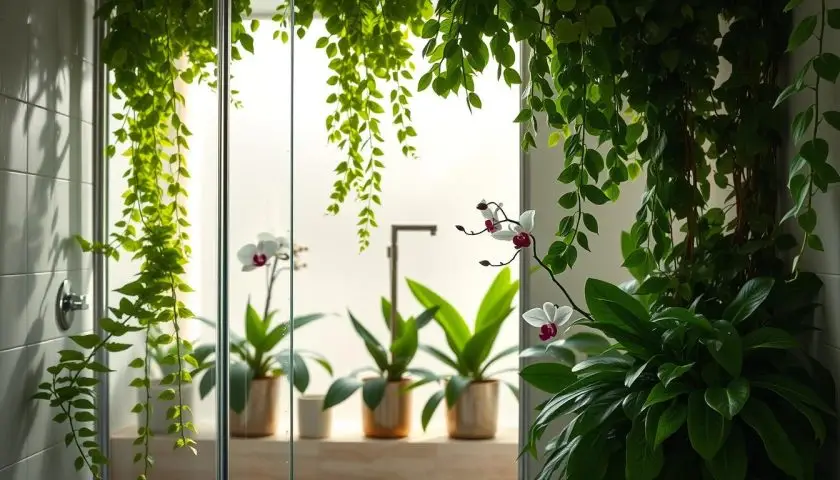
Yes, certain houseplants can grow successfully in or around a shower area when the bathroom provides conditions that match their needs.
Steam from warm showers can temporarily raise humidity, which may benefit plants that prefer moist air. However, this does not mean that a plant should sit directly under the showerhead or remain in waterlogged soil.
The healthiest setup gives plants access to humidity while keeping their roots properly drained and their foliage away from constant direct spray.
Humidity Helps, but Light Still Matters
A humid bathroom can feel tropical, but plants still need light for growth. A fern, prayer plant, orchid, or pothos cannot replace usable light with humidity.
Before choosing plants for the shower, evaluate the amount of natural light coming from windows or skylights and whether supplemental lighting is needed.
If your bathroom receives limited natural light, our guide to low-light bathroom plants can help you compare suitable options.
Humidity Does Not Mean Wet Roots
Moist air and wet potting mix are two different conditions. A humidity-loving plant can still develop root problems when its container stays saturated for too long.
Use pots with drainage holes and check the growing medium before adding more water.
Keep Plants Away From Direct Shower Spray
Most of the plants in this guide benefit more from humid air than from repeated blasts of shower water.
Direct spray can saturate the potting mix, physically damage delicate foliage, and make moisture management more difficult. A shelf, hanging planter, windowsill, or protected shower niche is usually a better location.
How to Choose the Best Plants for a Bathroom Shower
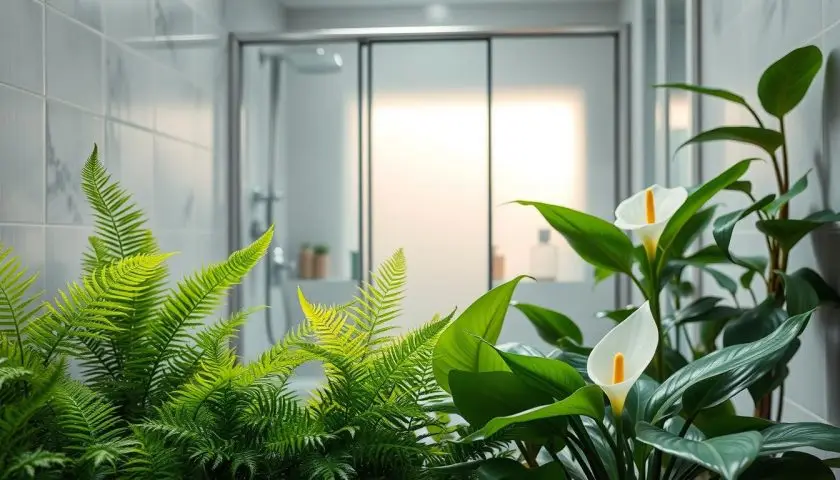
The best shower plants are not simply the plants that like humidity. They should also match the light, space, temperature, ventilation, and maintenance conditions in your bathroom.
Check the Available Light
Look at your bathroom at different times of day. A room that appears bright when the lights are switched on may provide very little natural light to a plant.
Windows and skylights can provide useful daylight, but curtains, frosted glass, surrounding buildings, trees, and window direction can change the actual intensity reaching the foliage.
If there is no usable natural light, see our guide to plants for bathrooms with no natural light. Remember that plants still need a usable light source even when they tolerate relatively dim conditions.
Check Drainage
Use containers that allow excess water to escape. If a nursery pot sits inside a decorative cachepot, check the outer container after watering and remove accumulated drainage water.
Consider Airflow
Bathrooms can remain humid long after a shower. Ventilation helps moisture dissipate from foliage and surfaces instead of creating continuously stagnant conditions.
If persistent dampness is already a problem, read our guide to managing bathroom plants and mold concerns.
Measure Your Available Space
Consider shelves, window ledges, hanging positions, shower niches, and floor space before choosing a mature plant.
Allow enough room for leaves to develop without blocking the shower, brushing constantly against wet surfaces, or interfering with cleaning.
| Bathroom Factor | Why It Matters | What to Check |
|---|---|---|
| Light | Supports plant growth | Windows, skylights, or suitable artificial light |
| Humidity | Can benefit moisture-loving foliage | How humid the room stays after showering |
| Drainage | Protects the root zone from prolonged saturation | Drainage holes and empty cachepots |
| Airflow | Helps prevent persistently stagnant conditions | Exhaust fan, door, window, and plant spacing |
| Placement | Protects plants and people | Stable surfaces away from direct spray and walkways |
13 Plants for the Shower and Humid Bathrooms
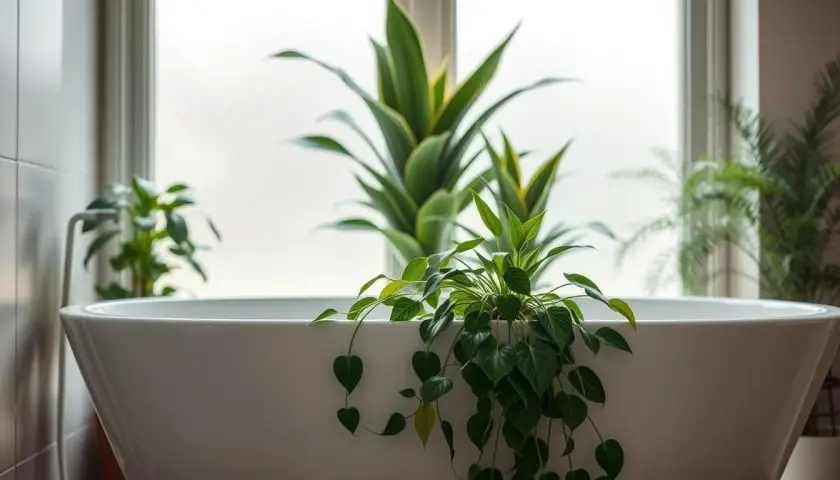
The following 13 plants from our selection offer options for different bathroom conditions. Some particularly appreciate humid air, while others are included because their adaptability makes them practical bathroom plants.
1. Boston Fern
Boston fern is a classic choice for a humid bathroom. Its long, arching fronds create a lush appearance that works particularly well in hanging baskets, on plant stands, or on spacious shelves.
Light
Give Boston fern bright, indirect light rather than harsh direct sunlight.
Moisture and Humidity
The plant appreciates humid air and more consistent moisture than many drought-tolerant houseplants. However, its roots still require drainage.
Best Shower Placement
Place it on a protected shelf, pedestal, or hanging position where the fronds can spread without sitting directly under the shower stream.
2. Bird’s Nest Fern
Bird’s Nest fern is useful when you want fern-like greenery without long cascading fronds. Its broad, wavy leaves create a compact tropical display.
Light
Provide suitable indirect light.
Humidity
Humid bathroom air can suit this fern well, but avoid repeatedly filling the center of the plant with shower water.
Best Shower Placement
A protected shelf or ledge outside the direct spray zone can provide a practical setup.
3. Maidenhair Fern
Maidenhair fern brings delicate foliage to a bathroom and is one of the more humidity-oriented choices in this list.
Light
Use soft, filtered or indirect light.
Moisture
This fern generally needs more consistent moisture than many easy-care houseplants, so allowing its growing medium to become excessively dry can cause problems.
Who Is It Best For?
Choose Maidenhair fern if you can monitor conditions regularly. It may be less forgiving than pothos, spider plant, or cast-iron plant.
4. Golden Pothos
Golden Pothos is one of the easiest ways to add trailing greenery around a shower. Its vines work particularly well on high shelves and in hanging containers.
Light
Pothos adapts to a range of indoor light conditions, although stronger indirect light generally supports better growth than a very dark location.
Watering
Do not water simply because the bathroom is humid. Check the potting mix and allow conditions in the root zone to guide your watering.
Best Shower Placement
Allow the vines to trail from a shelf or hanging planter away from direct water spray.
5. Heartleaf Philodendron
Heartleaf Philodendron is another attractive trailing option for plants in the shower area.
Its climbing or trailing habit makes it useful where floor space is limited.
Light
Provide appropriate indirect light and avoid treating a completely dark bathroom as suitable simply because the plant can tolerate lower light.
Placement
Use a high shelf, hanging container, or small climbing support. Keep vines away from walkways and areas where they will be constantly soaked.
6. Spider Plant
Spider Plant is a beginner-friendly bathroom choice with arching foliage and plantlets that look attractive from an elevated position.
Light
Give it useful indirect light for healthy growth.
Watering
Check the growing medium before watering rather than keeping it permanently wet because of the humid environment.
Best Shower Placement
A hanging basket or stable shelf gives its leaves and plantlets room to cascade.
7. Prayer Plant
Prayer Plant brings patterned foliage to a humid bathroom and suits people who want something more colorful than plain green foliage.
Light
Protect its leaves from harsh direct sun and provide suitable indirect light.
Humidity
The warm, humid environment described in the source can suit this plant when combined with appropriate root moisture and airflow.
Placement
Use a protected bathroom corner, shelf, or counter where the leaves have space and do not receive constant shower spray.
8. Calathea Orbifolia
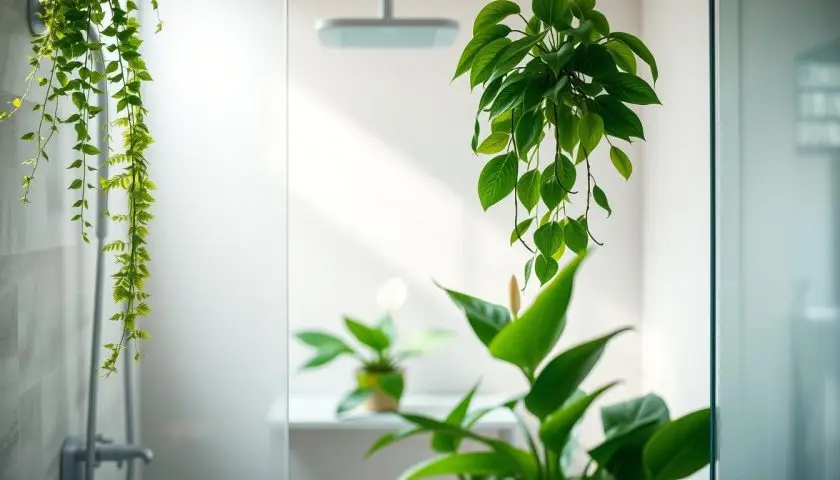
Calathea Orbifolia offers large, striped foliage and can benefit from a humid indoor environment.
Light
Provide soft, filtered light rather than harsh direct sun.
Moisture
Aim for appropriate moisture without allowing the root zone to remain waterlogged.
Watch the Leaves
Brown or crispy edges can indicate environmental stress, but do not assume humidity is always the cause. Review watering, light, water quality, roots, and overall conditions.
9. Neoregelia Bromeliad
A Neoregelia bromeliad adds a distinctly tropical appearance and can work well in a warm, bright bathroom.
Light
Choose a location with useful filtered or indirect light.
Airflow
Because moisture can collect around bromeliad foliage, good airflow is particularly useful in a steamy bathroom.
Best Placement
A bright shelf or protected ledge can provide humidity without placing the plant directly under heavy shower spray.
10. Phalaenopsis Orchid
Phalaenopsis orchids can be elegant choices for bathrooms that provide suitable light and airflow.
Light
Place the orchid near bright, indirect or filtered light.
Root Environment
The source recommends an airy bark-based growing medium that allows the orchid roots to breathe rather than keeping them in dense, constantly wet soil.
Placement
A bathroom window or nearby protected shelf can work well when the plant receives useful light without excessive direct exposure.
11. Air Plant
Air plants, or Tillandsia, are useful for small bathrooms because they do not require a conventional soil-filled pot.
Light
Provide bright, indirect light.
Humidity Is Not Enough
Bathroom humidity does not automatically satisfy all of an air plant’s hydration requirements. Follow an appropriate watering routine for the specific Tillandsia and make sure it can dry properly afterward.
Best Display
Place air plants on a protected ledge, holder, or other well-ventilated display where water cannot remain trapped around them.
12. Snake Plant
Snake Plant can work in a bathroom because of its adaptability, but it should not be treated like a moisture-hungry fern.
Light
It can tolerate lower indoor light than many plants, although it still needs usable light to grow.
Watering
Be particularly careful not to overwater a Snake Plant in a humid bathroom. Allow the potting medium to dry appropriately before adding more water.
Best Placement
Its upright growth works well on the floor or in a protected corner where it will not receive direct shower spray.
13. Cast-Iron Plant
Cast-Iron Plant is another useful option for bathrooms where light is relatively limited.
Light
It tolerates lower light, but lower-light tolerance does not mean it can grow indefinitely in complete darkness.
Growth
Expect relatively slow growth and avoid compensating with excessive watering or fertilizer.
Best Placement
A floor position or protected bathroom corner can work when there is enough usable light and the plant stays out of the direct shower stream.
Quick Comparison of the 13 Best Shower Plants
| Plant | Preferred Light | Bathroom Advantage | Care Level |
|---|---|---|---|
| Boston Fern | Bright indirect | Enjoys humid conditions | Moderate |
| Bird’s Nest Fern | Indirect | Compact tropical foliage | Moderate |
| Maidenhair Fern | Filtered indirect | Appreciates consistent humidity | Higher attention |
| Golden Pothos | Lower to bright indirect | Trailing and adaptable | Easy |
| Heartleaf Philodendron | Indirect | Trailing or climbing habit | Easy |
| Spider Plant | Indirect | Good hanging option | Easy |
| Prayer Plant | Indirect | Decorative patterned foliage | Moderate |
| Calathea Orbifolia | Filtered indirect | Large tropical foliage | Moderate |
| Neoregelia Bromeliad | Bright filtered | Tropical bathroom display | Moderate |
| Phalaenopsis Orchid | Bright indirect | Flowers and humid-air preference | Moderate |
| Air Plant | Bright indirect | Useful for very small spaces | Moderate |
| Snake Plant | Lower to bright indirect | Adaptable and upright | Easy |
| Cast-Iron Plant | Lower to moderate indirect | Tolerates dimmer conditions | Easy |
Best Shower Plants for Different Bathroom Conditions
Best Plants for a Bright Bathroom
If your bathroom has a bright window with filtered light, consider Boston Fern, Bird’s Nest Fern, Neoregelia Bromeliad, Phalaenopsis Orchid, or Air Plant.
These plants can take advantage of the combination of usable light and bathroom humidity when placed appropriately.
Best Shower Plants for Lower Light
For a bathroom with relatively limited natural light, Snake Plant, Cast-Iron Plant, Golden Pothos, and Heartleaf Philodendron are among the more adaptable choices in this list.
However, low light is not the same as no light. A windowless bathroom without sufficient artificial lighting will not provide plants with the energy they need for long-term growth.
Best Shower Plants for Beginners
Golden Pothos, Spider Plant, Snake Plant, and Cast-Iron Plant are practical choices for beginners because they are generally more forgiving than moisture-sensitive ferns.
Best Plants for Hanging Displays
Golden Pothos, Heartleaf Philodendron, Spider Plant, and Boston Fern work particularly well in hanging planters when the support is secure.
Best Plants for Small Bathroom Shelves
Air Plants, compact Bird’s Nest Ferns, orchids, and smaller bromeliads can add greenery without using much floor space.
How to Care for Plants in Shower Spaces
Once you have selected the right species, follow a simple care routine based on the plant and bathroom conditions rather than treating every shower plant the same way.
1. Provide Suitable Light
Match each plant to the amount of light your bathroom actually receives. If natural light is insufficient, use an appropriate artificial plant light rather than relying on ordinary room brightness.
2. Keep Pots Away From Direct Shower Spray
Position plants where they benefit from humid air without being continuously drenched by the showerhead.
3. Use Containers With Drainage Holes
Excess water should be able to leave the root zone. Empty decorative outer pots or saucers when drainage water collects.
4. Check the Potting Mix Before Watering
Humidity does not tell you whether the roots need water. Check the growing medium and water according to the needs of the individual plant.
For general watering guidance, see our complete guide to watering houseplants.
5. Improve Airflow After Steamy Showers
Use the bathroom’s ventilation system or otherwise allow excess humidity to dissipate when the room remains persistently damp.
6. Remove Damaged Growth and Clean Leaves
Remove dead or badly damaged foliage with clean tools when necessary. Wipe broad leaves gently when dust or residue accumulates.
Our pruning basics guide covers general plant pruning practices.
7. Inspect for Pests and Root Problems
Check leaf undersides, stems, growing points, and the condition of the potting medium regularly. Persistent wetness deserves particular attention because it can contribute to root problems.
How to Create a Safe Shower Plant Display
Bathroom plant displays should be practical as well as attractive. Wet floors, heavy pots, glass, electricity, and unstable hanging containers can create avoidable hazards.
Use Stable Shelves
Choose shelves designed to safely hold the combined weight of the plant, container, and wet potting medium.
Secure Hanging Plants Properly
A hanging pot becomes considerably heavier after watering. Use mounting hardware appropriate for the surface and expected load.
Keep Plants Away From Electrical Fixtures
Do not position wet foliage, pots, or watering areas around electrical outlets, switches, lights, or other electrical equipment.
Keep the Shower Floor and Drain Clear
Avoid placing pots where they create a tripping hazard, interfere with movement, or block drainage.
Use Lightweight Containers for Elevated Displays
Lightweight, shatter-resistant containers can be more practical than heavy ceramic pots for elevated or hanging locations.
Common Problems With Plants in Shower Areas
Yellow Leaves
Yellow foliage can have several causes. Check soil moisture, drainage, root condition, light, and natural leaf aging before assuming the plant has been overwatered.
Our guide to yellow leaves on plants can help you narrow down the possibilities.
Brown or Crispy Leaf Edges
Brown edges can be associated with moisture inconsistency, environmental stress, water quality, light, root condition, or other factors. Even a humid bathroom does not eliminate every possible cause.
Persistently Wet Potting Mix
If the potting mix remains saturated for unusually long periods, reassess watering, drainage, airflow, pot size, and the type of growing medium.
If roots begin to deteriorate, see our guide to identifying and treating root rot.
Surface Mold
Persistent moisture and limited airflow can encourage fungal growth on damp surfaces. Improve ventilation and review how frequently the potting medium is being watered.
Drooping After Moving a Plant
A plant moved into a bathroom may experience different light, temperature, humidity, and moisture conditions. Evaluate those factors rather than immediately adding more water or fertilizer.
Pest Problems
Inspect plants regularly rather than assuming bathroom humidity prevents pests. Identify the pest first and choose a treatment labeled for that particular problem and plant.
Plants Declining in a Windowless Bathroom
If otherwise healthy plants gradually weaken in a bathroom without natural light, inadequate usable light should be one of the first conditions you investigate.
A suitable grow light can provide the energy plants need when daylight is unavailable.
Common Shower Plant Mistakes to Avoid
Assuming Humidity Replaces Light
Humidity can benefit certain plants, but it cannot power photosynthesis. Plants still require an appropriate light source.
Putting Plants Directly Under the Showerhead
Most shower plants should receive humid air rather than constant direct water.
Leaving Water in Decorative Cachepots
Always check decorative outer pots after watering. Standing water can keep the root zone saturated.
Watering More Because the Bathroom Is Humid
Do not decide whether to water based on how damp the room feels. Check the growing medium.
Choosing Plants Only for Their Appearance
A plant that looks perfect on a particular shelf may still fail if that position cannot provide suitable light or enough room for mature growth.
Ignoring Household Safety
If pets or young children can access your bathroom plants, check the safety profile of each species before choosing its location.
Frequently Asked Questions
What are the best plants for the shower?
Good options from this guide include Boston Fern, Bird’s Nest Fern, Maidenhair Fern, Golden Pothos, Heartleaf Philodendron, Spider Plant, Prayer Plant, Calathea Orbifolia, Neoregelia Bromeliad, Phalaenopsis Orchid, Air Plant, Snake Plant, and Cast-Iron Plant. The best choice depends on your bathroom’s light, humidity, space, and care conditions.
Can I put plants directly inside my shower?
Plants can be displayed around a shower when the location suits them, but most should stay outside the direct shower stream. Humid air can be beneficial while repeated soaking can create leaf, soil, and root problems.
Which shower plants are best for beginners?
Golden Pothos and Spider Plant are beginner-friendly options from the source selection. Snake Plant and Cast-Iron Plant can also be practical choices when their lower watering requirements are respected.
What plants work best in a low-light bathroom?
Snake Plant, Cast-Iron Plant, Golden Pothos, and Heartleaf Philodendron tolerate relatively lower light compared with some of the other plants in this guide. However, no living plant should be expected to grow indefinitely without a usable light source.
Can plants survive in a bathroom with no window?
A windowless bathroom can support plants when suitable artificial lighting provides enough usable light. Humidity or ordinary room lighting alone should not be assumed to meet a plant’s long-term light requirements.
Do shower plants need watering if the bathroom is humid?
Yes. Humid air and root-zone moisture are different. Check the growing medium and water according to the requirements of the individual plant rather than relying on bathroom humidity.
Should shower plants be misted?
Misting is not a substitute for proper watering, suitable humidity, drainage, or airflow. In an already humid bathroom, adding unnecessary moisture to foliage may provide little benefit.
Can shower water damage plants?
Repeated direct spray can saturate the potting medium and physically stress delicate foliage. Keep most plants where they receive bathroom humidity without being continuously hit by the shower stream.
Why is my bathroom plant turning yellow?
Yellowing can involve excessive moisture, drainage problems, root stress, unsuitable light, natural aging, or other care issues. Check the entire growing environment before making a major change.
How do I stop shower plants from developing root rot?
Use containers with drainage holes, avoid leaving pots in standing water, choose an appropriate potting medium, check moisture before watering, and maintain suitable airflow. If roots are already deteriorating, inspect the plant and address the damaged root system.
Final Thoughts
The best plants for the shower are plants that match your bathroom’s actual conditions—not simply species labeled as humidity-loving.
Boston Fern, Bird’s Nest Fern, Maidenhair Fern, Prayer Plant, Calathea Orbifolia, orchids, and bromeliads can benefit from humid bathroom conditions when they also receive suitable light and airflow. Golden Pothos, Heartleaf Philodendron, Spider Plant, Snake Plant, and Cast-Iron Plant provide more adaptable choices for different spaces and care levels.
Whatever you choose, keep the basic principles consistent: provide enough light, protect plants from constant direct shower spray, use pots with drainage, check the growing medium before watering, and allow adequate airflow.
With those conditions in place, a shower area can become an attractive indoor growing space without sacrificing the health of your plants or the practicality of your bathroom.