Most euphorbia plants belong in a sunny, well-drained spot, but the right place depends on the type: silver and blue Mediterranean spurges need sharp drainage and full sun, wood spurges cope with dry shade, and a few, such as marsh spurge, actually prefer damp soil. I am Sawera Shahid, a botanist at Patch Plants. Euphorbia is one of the largest plant genera, and the RHS notes that garden types range from about 10cm (4in) tall to more than 1.8m (6ft), so matching the plant to the place is the key to success.
This guide covers the 5 best places to plant euphorbia plants, with named types for each, then how to plant, water, prune and propagate them. It also explains how to handle the milky sap safely, because every euphorbia has it.
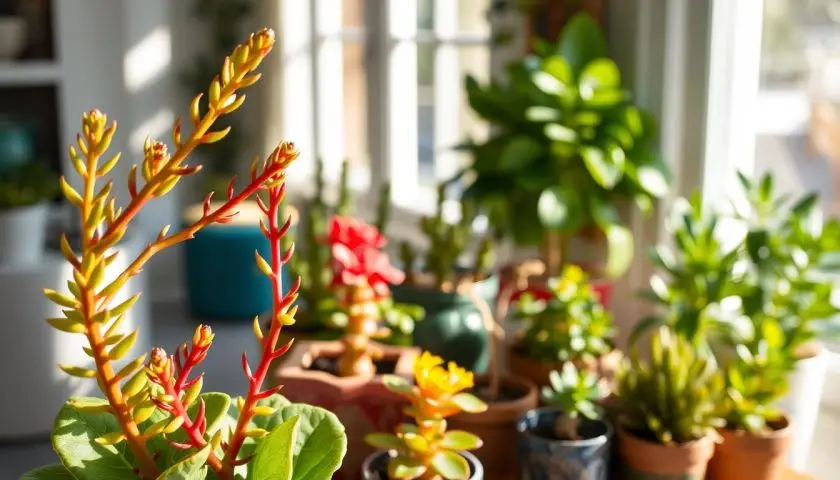
Euphorbia Plants at a Glance
| Need | What Works |
|---|---|
| Position | Most: full sun; some: dappled or dry shade; a few: damp soil |
| Soil | Well drained for most; never waterlogged |
| Planting time | Spring in most of the UK |
| Watering | Water in dry spells for the first two growing seasons |
| Feeding | Rarely needed; rich soil makes plants leggy |
| Size | About 10cm to more than 1.8m, depending on type |
| Sap | Irritant to skin and eyes; wear gloves, long sleeves and eye protection |
All of the growing guidance above comes from the RHS growing guide and genus pages for garden euphorbias.
What Are Euphorbia Plants?
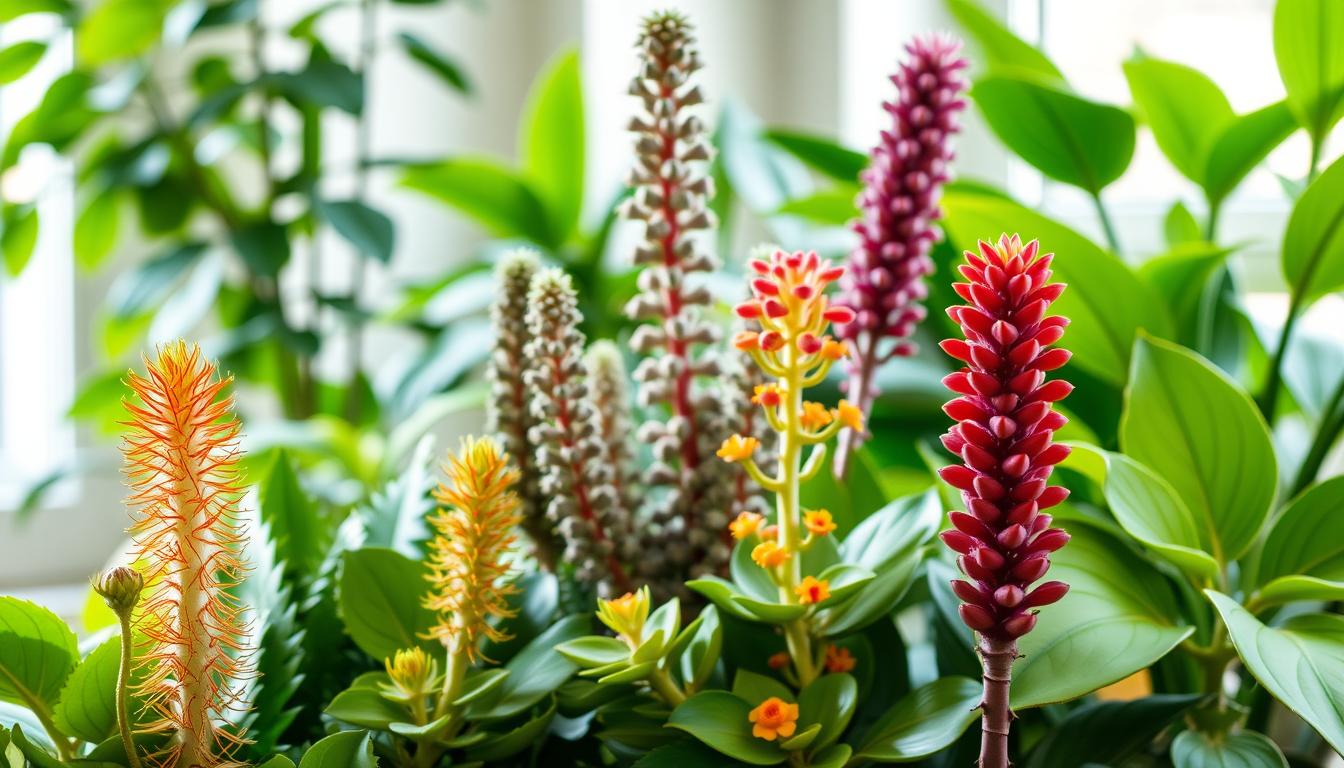
The RHS describes euphorbias as annuals, perennials, shrubs or succulents with milky sap and small flowers held within cupped, often colourful bracts. Those bracts form the acid-yellow, lime-green or orange heads that make euphorbias such a feature of late spring and early summer. Most bloom in spring or early summer.
Garden euphorbias fall into two broad habits, according to the RHS. Shrubby types send up thick, unbranched shoots from the base that grow one year and flower the next, giving permanent structure. Herbaceous types die back in winter and re-emerge from the ground each spring. Knowing which one you have tells you how to prune it. Some euphorbias, such as the poinsettia and the cactus-like succulent types, are tender and grown indoors; this guide focuses on the hardy garden types.
5 Best Places to Plant Euphorbia
1. A sunny border
For an ordinary sunny border on most soils that are not waterlogged, the RHS suggests Euphorbia schillingii, E. cornigera (horned spurge) and E. donii ‘Amjillasa’. Other sun-lovers it lists include E. × martini, E. × pasteurii and the compact E. characias ‘Black Pearl’. These euphorbia plants give long-lasting colour in late spring and early summer and pair well with other sun-loving perennials. For more planting ideas, see our list of outdoor plants that like direct sunlight.
2. A dry, sunny gravel garden
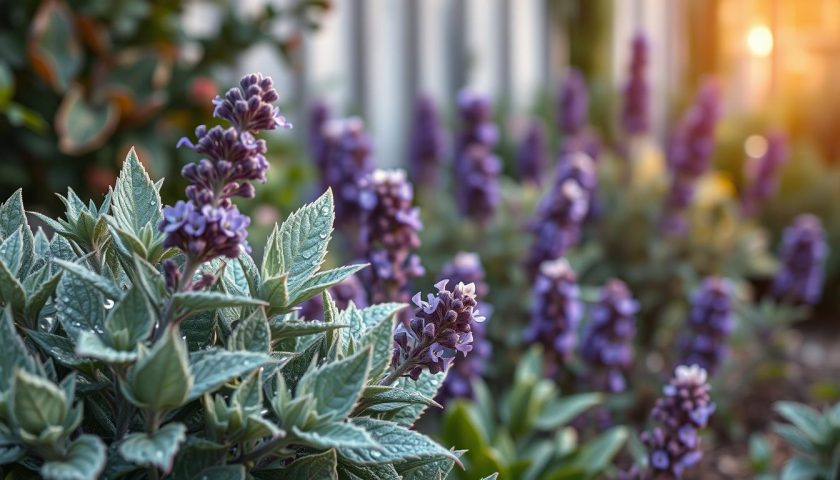
Blue and silver-leaved euphorbias come from dry, Mediterranean-type habitats and need sharp drainage. For sandy, free-draining, sunny sites, the RHS recommends E. ‘Abbey Dore’, E. characias subsp. wulfenii ‘Jimmy Platt’ and E. rigida. The Mediterranean spurge, E. characias subsp. wulfenii, reaches 1 to 1.5m (3 to 5ft) and needs excellent drainage. The RHS suggests a gravel mulch for silver and grey species in Mediterranean-style planting, which keeps the crown dry. If you are building a dry garden, our guide to drought-resistant plants has more ideas.
3. Dry shade under trees
Dry shade is one of the hardest spots in any garden, and one euphorbia handles it well. The RHS recommends E. amygdaloides var. robbiae, known as Mrs Robb’s bonnet, for dry shade. It is a low, spreading evergreen with acid-yellow flowers and holds the RHS Award of Garden Merit. Be aware that the RHS warns it spreads by rhizomes and can become invasive, so dig out excess growth each spring. For light, dappled shade with fertile soil, the RHS also lists E. sikkimensis, E. dulcis ‘Chameleon’ and the burgundy-leaved E. amygdaloides ‘Purpurea’. Our guide to shade-loving plants for outdoors has good companions.
4. Damp soil
Not every euphorbia wants dry ground. The RHS names E. palustris, the marsh spurge, and E. griffithii ‘Dixter’ for damp soils. E. griffithii and its cultivars, such as ‘Fireglow’, have orange bracts and bronze-tinged leaves, which makes them unusual among euphorbia plants. These suit the edge of a pond or a heavier, moisture-retentive border in sun or part shade.
5. Containers and sheltered city gardens
For dry conditions and containers, the RHS recommends E. myrsinites, a low, sprawling plant with blue-grey leaves. The large canary spurge, E. mellifera, can reach 1.5 to 2.5m (5 to 8ft) and needs shelter from winter cold and good drainage, which makes it a good choice for sunny city gardens. For pots, the RHS suggests mixing 3 parts peat-free John Innes No 3 with 1 part grit.
Euphorbia Plants by Situation
| Situation | Euphorbias to Try (RHS) |
|---|---|
| Sunny border | E. schillingii, E. cornigera, E. donii ‘Amjillasa’ |
| Dry, sunny, free-draining | E. ‘Abbey Dore’, E. characias subsp. wulfenii ‘Jimmy Platt’, E. rigida |
| Dry shade | E. amygdaloides var. robbiae |
| Dappled shade, moist soil | E. sikkimensis, E. dulcis ‘Chameleon’, E. amygdaloides ‘Purpurea’ |
| Damp soil | E. palustris, E. griffithii ‘Dixter’ |
| Containers, dry spots | E. myrsinites |
| Sheltered, sunny city garden | E. mellifera |
Designing With Euphorbia Plants
Because their acid-green heads go with almost every other colour, euphorbia plants are useful linking plants in a border. A few simple ideas help them shine:
- Use a tall shrubby type, such as the Mediterranean spurge, as a year-round focal point in a gravel or dry garden.
- Plant low, spreading wood spurge as evergreen ground cover under trees, where little else will grow.
- Pair the orange bracts of E. griffithii with purple or bronze foliage in a damp border.
- Grow blue-grey E. myrsinites where it can trail over the edge of a raised bed, wall or container.
Group euphorbia plants with neighbours that want the same conditions. A silver spurge will not thrive beside moisture-loving plants, and a marsh spurge will sulk in a dry gravel bed, however good the colour combination looks.
How to Plant Euphorbia Plants
The RHS recommends planting euphorbias in spring in most of the UK. Blue and silver types in particular struggle through winter on moist soil if planted in autumn or winter, so spring gives them a full season to establish.
- Check the label for the eventual size, as spacing varies widely between types.
- Dig a hole wider than the root ball.
- Backfill with soil improved with organic matter such as well-rotted compost or manure. Dry-loving types such as E. myrsinites do not need this.
- Water in well and keep the soil moist until the plant is established.
- Mulch: use organic matter around border types, or gravel around silver and grey Mediterranean types.
Watering and Feeding
The RHS advises watering euphorbias in the ground well during dry spells for their first two growing seasons. After that, most are drought-tolerant. Container plants need watering from spring to autumn, keeping the compost just damp rather than letting it dry out completely.
Feeding is rarely needed. The RHS notes that rich soil or too much fertiliser makes euphorbia plants lush and leggy, with floppy stems that are more likely to need support. Lean soil gives more compact, sturdier plants.
How to Prune Euphorbias
Pruning depends on the habit, according to the RHS.
- Shrubby types with a permanent framework, such as E. characias subsp. wulfenii and E. myrsinites: deadhead after flowering. If whole flowered stems start to die back, cut them out at the base. This leaves a dome of short new shoots that will flower the following year.
- E. amygdaloides var. robbiae: shear off the spent flower stalks in summer to tidy the clumps.
- Herbaceous types: cut off the old brown stems once they die back in winter.
Always wear gloves, long sleeves and eye protection when pruning, as the RHS advises. For general technique, see our guide to pruning basics.
Handling Euphorbia Sap Safely
The RHS states that all euphorbias contain a milky sap that can irritate the skin and eyes, and that all parts of the plant may cause severe discomfort if eaten. The sap flows freely from any cut or broken stem. When working with euphorbia plants:
- Wear gloves, long sleeves and goggles, especially when pruning or taking cuttings.
- Avoid touching your face or eyes while handling the plants.
- Wash any sap off skin straight away.
- Seek medical advice if sap gets into your eyes.
- Plant them away from paths where children brush past.
Euphorbias also make good cut flowers. The RHS suggests wearing gloves when picking, and dipping the cut stems in boiling water for 10 to 15 seconds so they can take up water and do not wilt in a vase.
How to Propagate Euphorbia Plants
The RHS recommends different methods for different types:
- Clump-forming herbaceous types: divide them. Divide early-flowering types straight after flowering in late spring, and later-summer types in spring as growth begins.
- Shrubby types such as E. characias, E. myrsinites and E. mellifera: take softwood cuttings from short basal shoots in early spring.
- Seed: species can be grown from seed collected when the capsules turn brown, but cultivars will not come true.
Wear gloves throughout, as cut stems bleed sap. Our guide on how to propagate plants covers the basic techniques.
Common Euphorbia Problems
| Problem | Likely Cause (RHS) | What to Do |
|---|---|---|
| White powdery coating | Powdery mildew | Improve air flow; avoid overcrowding |
| Distorted leaves and stems | Aphids | Check and remove early |
| Collapsing plants in winter | Root rot in wet soil | Improve drainage or move to a drier spot |
| Orange or brown pustules | Rust (occasional) | Remove affected leaves |
| Plant spreading too far | Rhizome spreaders such as E. cyparissias | Dig out excess each spring |
| Leggy, floppy growth | Soil too rich or overfeeding | Stop feeding; grow in leaner soil |
Are Euphorbias Safe for Pets?
Treat all euphorbia plants with caution around pets. The ASPCA lists several euphorbias as toxic to dogs, cats and horses because of their irritant sap, including the poinsettia (Euphorbia pulcherrima) and the pencil cactus (Euphorbia tirucalli). The RHS also notes that all parts of garden euphorbias may cause severe discomfort if eaten. Keep pets from chewing stems or clippings, and contact your vet or the ASPCA Animal Poison Control Center at (888) 426-4435 (a consultation fee may apply) if you are worried. Our guides to whether poinsettias are toxic to cats and making your plants cat-friendly have more detail.
Frequently Asked Questions
Where is the best place to plant euphorbia?
Most euphorbias like full sun and well-drained soil. Choose wood spurge for dry shade, marsh spurge for damp soil, and silver types for dry, gravelly spots.
Do euphorbias like sun or shade?
Most prefer sun, but some cope with shade. The RHS recommends E. amygdaloides var. robbiae for dry shade, and lists several others for light, dappled shade.
When should I plant euphorbia plants?
Spring is best in most of the UK. Blue and silver types, in particular, can struggle through winter on moist soil if planted in autumn.
Should I cut back euphorbia after flowering?
For shrubby types such as E. characias, cut out the stems that have flowered at the base once they fade. Cut back herbaceous types when they die down in winter.
Is euphorbia sap dangerous?
Yes, it is an irritant. The RHS warns that the milky sap can irritate skin and eyes, so wear gloves, long sleeves and eye protection when handling euphorbias.
Final Thoughts
As a botanist, I love euphorbias because their structure explains their needs so clearly. Thick, sap-filled stems and silvery leaves mark a plant built for sun and drought, while dark, low-growing wood spurges are adapted to the forest floor. Read the plant, choose the spot, and euphorbia plants become one of the most reliable groups in the garden.
Here at Patch Plants, I aim to give you that kind of practical botany, so you can pick plants that suit your garden instead of fighting it. For more tough, low-input choices, browse our guide to low-maintenance outdoor plants.
Sources: RHS, How to grow garden euphorbias; RHS, Sun-loving euphorbias; RHS, Shade-tolerant euphorbias; ASPCA, Pencil Cactus.

About the author
Sawera Shahid is a botanist with an MPhil in Botany and 5+ years of writing about plants. As founder and lead writer of Patch Plants, she writes practical, science-backed guides on indoor plants, outdoor gardens and plant problems, checked against RHS and university extension advice.