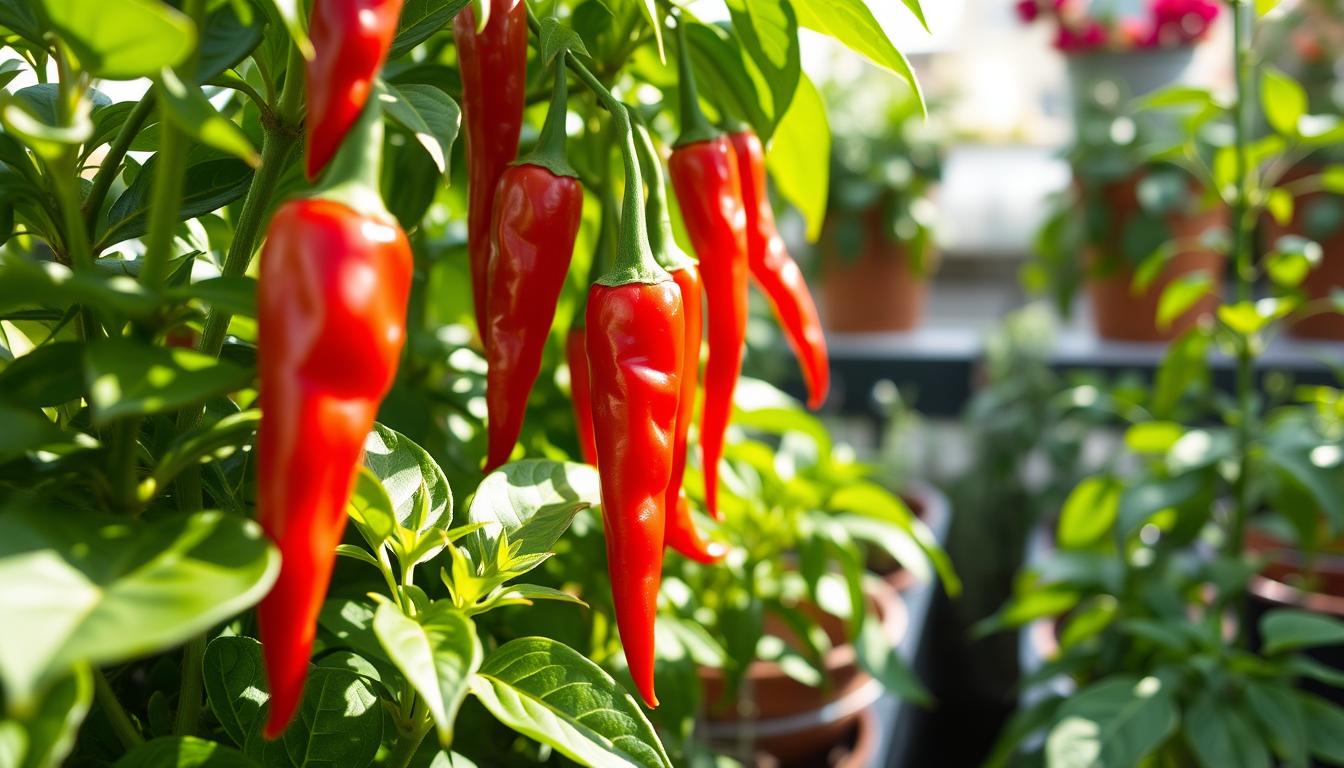
Jimmy Nardello pepper plants are a delicious choice for gardeners who want sweet, thin-skinned peppers with a rich Italian-American history. Their long, curved fruits turn bright red when ripe and are especially popular for frying, roasting, drying, and fresh cooking.
Although these heirloom peppers look similar to some hot chili varieties, Jimmy Nardello peppers are sweet rather than hot. They are a type of Capsicum annuum and can thrive in home vegetable gardens, raised beds, and appropriately sized containers.
Successful growing begins with warmth, full sun, fertile soil, and steady moisture. This guide explains 11 essential tips for planting, fertilizing, supporting, harvesting, and saving seeds from Jimmy Nardello pepper plants, including practical advice for gardeners across the United States.
Key Takeaways
- Jimmy Nardello peppers are sweet Italian heirloom frying peppers that mature from green to bright red.
- Provide at least 6–8 hours of direct sunlight daily when conditions allow.
- Start seeds indoors approximately 8–10 weeks before the expected outdoor transplant date.
- Wait until frost danger has passed and the soil has warmed before planting outdoors.
- Space plants approximately 18–24 inches apart, adjusting for your growing system.
- Maintain consistent moisture without leaving the roots waterlogged.
- Use a soil test to guide fertilizer decisions and avoid excessive nitrogen.
- Support fruit-laden branches with stakes or cages when necessary.
- Harvest fully red peppers for their characteristic sweet flavor.
- Save seeds from fully mature fruits and prevent unintended cross-pollination if seed purity matters.
Jimmy Nardello Pepper Plants at a Glance
Jimmy Nardello pepper plants produce narrow, tapered, sometimes curved sweet peppers. Their thin walls make them particularly well suited to quick cooking, and their mature red color adds visual appeal to vegetable gardens and meals.
| Growing Feature | Recommended Information |
|---|---|
| Botanical name | Capsicum annuum |
| Common name | Jimmy Nardello’s Sweet Italian Frying Pepper |
| Pepper type | Sweet heirloom frying pepper |
| Flavor | Sweet, fruity, and generally without chili heat |
| Fruit appearance | Long, slender, curved or crinkled; green ripening to red |
| Sunlight | Full sun, generally 6–8 or more hours |
| Soil | Fertile, well-draining growing medium |
| Typical spacing | Approximately 18–24 inches |
| Outdoor planting | After frost risk passes and soil warms |
| Approximate maturity | Often around 80–90 days after transplanting, depending on conditions |
| Best uses | Frying, roasting, grilling, drying, and freezing |
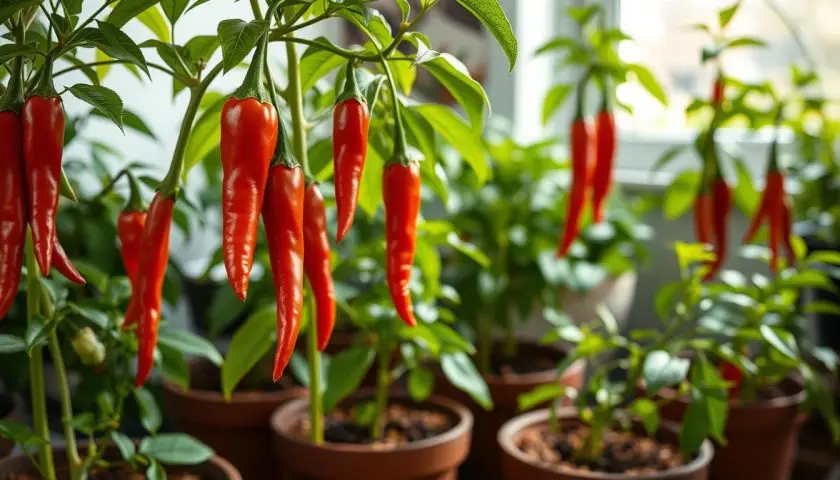
What Makes Jimmy Nardello Peppers Special?
These peppers are prized for their sweetness, thin skin, and versatility in the kitchen. They are often called Italian frying peppers because their tender walls cook quickly and develop appealing flavor in a skillet.
Unlike thick-walled bell peppers, Jimmy Nardello fruits are long and relatively narrow. Their shape may be curved or slightly wrinkled even when healthy and ready to harvest.
The History of Jimmy Nardello’s Heirloom Pepper
The pepper traces its history to the Nardello family, whose seeds came from the Basilicata region of southern Italy to the United States in 1887.
Jimmy Nardello continued growing the family pepper, and the seeds were eventually shared with Seed Savers Exchange, helping preserve the variety for later generations.
This makes the pepper both a practical vegetable-garden crop and a living part of Italian-American gardening heritage.
11 Essential Jimmy Nardello Pepper Growing and Care Tips
Tip 1: Choose Healthy Seeds or Vigorous Pepper Seedlings
Healthy Jimmy Nardello pepper plants begin with reliable seeds or well-grown transplants. Purchase seeds from a reputable supplier that identifies the variety clearly.
If buying seedlings, look for plants with sturdy stems, healthy leaves, and no obvious insect damage.
What Healthy Pepper Seedlings Look Like
- Compact, sturdy growth rather than extremely stretched stems.
- Healthy green foliage without widespread yellowing.
- No visible aphid colonies, webbing, or suspicious leaf spots.
- A root system that is established but not severely crowded.
- Growing medium that is moist but not saturated.
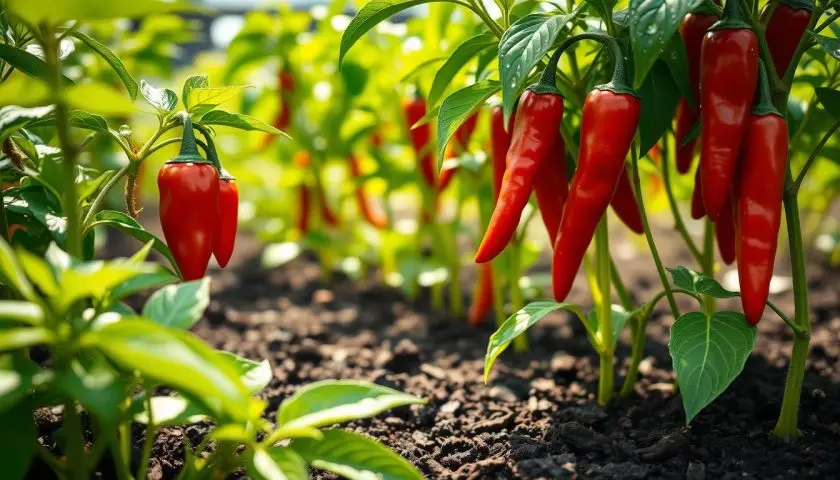
When to Start Jimmy Nardello Pepper Seeds Indoors
For many US growing regions, start seeds indoors approximately 8–10 weeks before the expected outdoor transplanting date.
Peppers germinate best in warm seed-starting conditions. A seedling heat mat may help maintain an appropriate medium temperature, especially in cool homes.
Once seedlings emerge, provide adequate growing light. Insufficient light often produces weak, stretched plants.
When to Buy Pepper Transplants
Buy transplants close to your region’s suitable planting period rather than keeping them in small nursery pots for many weeks.
Overgrown, root-bound, or stressed plants may take longer to establish after transplanting.
Tip 2: Give Jimmy Nardello Pepper Plants Full Sun and Warmth
Jimmy Nardello pepper plants perform best when they receive plenty of direct sunshine and warm growing conditions.
Choose a location that receives approximately 6–8 hours of direct sunlight daily, with more light often useful where temperatures remain suitable.
Plants grown in excessive shade may develop weaker stems, slower growth, and reduced fruit production.
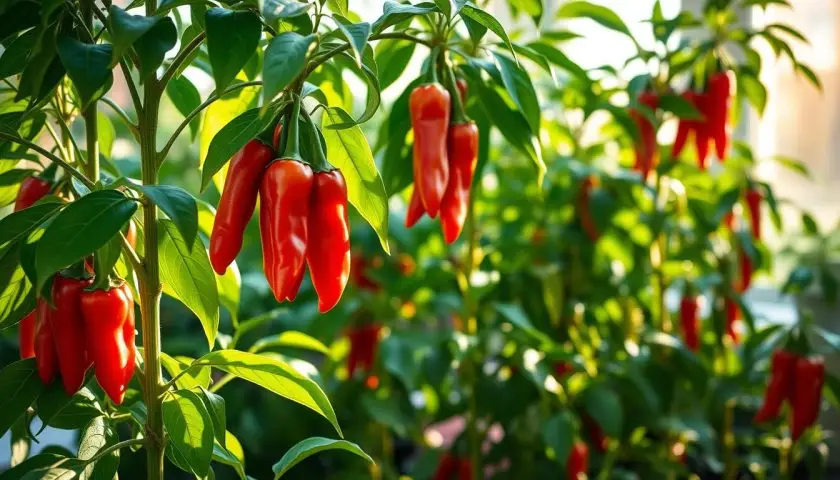
Best Sunlight Conditions
In moderate summer climates, an open garden bed with full sun is often ideal.
In regions with extremely hot afternoons, some late-day protection may reduce heat stress and flower drop.
Observe plant response. Repeated midday wilting, damaged foliage, and poor fruit set may indicate excessive heat, inadequate moisture, or both.
How Warm Should the Soil Be Before Planting?
Wait until frost danger has passed and soil temperatures are preferably around 65°F (18°C) or warmer before transplanting peppers outdoors.
Cold soil can slow root growth and delay establishment. Warm-season peppers should not be treated like cool-season vegetables.
Protecting Peppers From Unexpected Cold Weather
Temporary row covers or other suitable protection may help during cool spring conditions.
However, covers can trap excessive heat. Remove or ventilate them when temperatures rise, particularly as plants begin flowering.
Containers can also be moved temporarily into sheltered locations if unusually cold weather threatens young plants.
Tip 3: Prepare Fertile, Well-Draining Soil
Healthy Jimmy Nardello pepper plants need soil that retains useful moisture without remaining saturated.
Roots require both moisture and oxygen. Heavy, compacted soil can restrict air movement and increase the risk of poor root development.
Best Soil for Jimmy Nardello Peppers
A fertile, well-draining garden loam is a good starting point. Organic matter can improve soil structure and help balance water retention and drainage.
For in-ground gardens, consider a soil test before making major fertilizer or pH adjustments.
Peppers commonly grow well in slightly acidic soil, but soil test recommendations are more useful than repeatedly adding amendments without evidence of a problem.
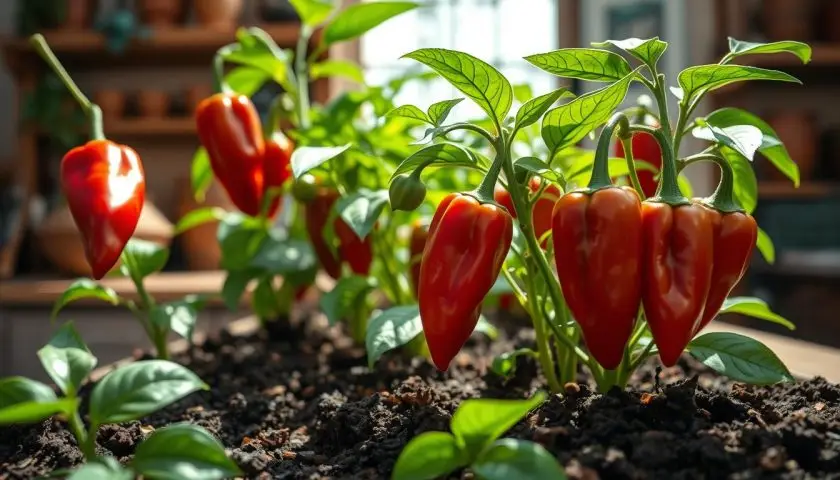
Preparing In-Ground Garden Beds
Remove weeds and loosen compacted soil as appropriate for your garden.
Where a soil test and site conditions indicate a need, incorporate finished compost to improve soil structure.
Avoid adding large amounts of fertilizer or compost without considering the existing nutrient content.
Growing Jimmy Nardello Peppers in Raised Beds
Raised beds are useful where native soil drains poorly or gardeners need better access.
Use a suitable raised-bed growing medium and avoid allowing the root zone to dry excessively during hot weather.
Growing Jimmy Nardello Peppers in Containers
Use a sufficiently large container with drainage holes and high-quality vegetable container mix.
A container around 5 gallons or larger is a practical starting point for one plant, depending on variety growth, climate, and irrigation management.
Container-grown peppers may need more frequent watering than plants in garden beds.
Use the Patch Plants Soil Calculator to estimate how much growing medium your containers or raised beds require.
Tip 4: Transplant Only After Frost Risk Has Passed
Peppers are sensitive to cold conditions. Transplanting too early may result in stunted growth and slow root establishment.
Check your local frost information rather than following one national planting date.
Harden Off Seedlings Before Transplanting
Indoor-grown seedlings should gradually adapt to outdoor sunshine, wind, and temperature changes.
- Begin with a sheltered outdoor location.
- Expose seedlings to outdoor conditions for a short period.
- Gradually increase the duration over approximately 7–10 days.
- Introduce direct sunlight progressively to reduce leaf scorch.
- Protect young plants from cold nights and strong winds.
- Transplant once conditions are suitable.
How Far Apart Should Jimmy Nardello Pepper Plants Be?
Space plants approximately 18–24 inches apart in many home gardens.
Adjust spacing for your particular bed layout and expected plant size. Allow enough room for good airflow, harvesting, and maintenance.
How Deep Should You Plant Pepper Seedlings?
Set healthy seedlings at approximately the depth they grew in their nursery containers.
Avoid unnecessarily burying a substantial amount of stem, particularly in wet or cool soil.
After transplanting, settle the soil around the root ball and water appropriately.
Read our outdoor plant care guide for more seasonal maintenance advice.
Tip 5: Keep Soil Moisture Consistent During Flowering and Fruiting
Consistent moisture is one of the most important parts of caring for Jimmy Nardello pepper plants.
Repeated drought followed by heavy irrigation can stress plants, reduce flower production, and contribute to certain fruit disorders.
The goal is to maintain a reasonably even supply of moisture while allowing excess water to drain.
How Often Should You Water Jimmy Nardello Peppers?
There is no universal schedule for every garden.
Watering frequency depends on rainfall, temperature, soil texture, plant size, mulching, and whether the peppers are growing in beds or containers.
Check moisture several inches below the soil surface instead of relying on a calendar alone.
Best Way to Water Pepper Plants
Apply water around the root zone rather than regularly wetting the foliage.
Drip irrigation and soaker hoses are often useful because they provide moisture directly to the soil and reduce unnecessary leaf wetness.
Water thoroughly enough to reach the root system, but do not leave the soil waterlogged.
How to Prevent Blossom-End Rot
Blossom-end rot can cause dark, sunken areas near the blossom end of developing fruit.
It is associated with disrupted calcium delivery to developing fruit, and inconsistent moisture is a common contributing factor.
Improve watering consistency, avoid root damage, and prevent unnecessary overfertilization.
Do not automatically add calcium products without determining whether the soil actually lacks sufficient calcium.
For broader watering advice, see our complete plant watering guide.
Tip 6: Fertilize According to Soil Needs and Plant Growth
Jimmy Nardello pepper plants need adequate nutrients to develop healthy leaves, flowers, and fruits.
However, excessive fertilizer is not necessarily beneficial. Too much nitrogen can promote leafy growth while contributing to poor fruit production.
Start With a Soil Test
A soil test can help identify nutrient deficiencies and guide fertilizer applications in garden beds.
For container-grown peppers, use a suitable potting medium and fertilizer program based on the product’s instructions and plant growth.
When to Apply Fertilizer
Apply fertilizer when soil test results, growing medium characteristics, or plant development indicate a need.
Follow the manufacturer’s application rate. Avoid guessing at large fertilizer quantities or adding multiple products with overlapping nutrients.
What If Plants Produce Leaves but Few Peppers?
Review nitrogen applications, but also consider heat stress, low light, and flower drop.
Lush foliage with limited fruit is not proof of excess nitrogen on its own.
| Soil Amendment | When It May Help | Main Purpose |
|---|---|---|
| Finished compost | During bed preparation where needed | Improves soil structure and contributes organic matter |
| Balanced vegetable fertilizer | When nutrients are required | Supports overall plant growth |
| Mulch | After the soil has warmed | Conserves moisture and suppresses weeds |
| Targeted nutrient amendment | When a deficiency is confirmed | Corrects a specific nutrient need |
Mulch to Reduce Moisture Fluctuations
Straw, shredded leaves, or other suitable organic mulch can help reduce evaporation and soil temperature fluctuations.
Keep mulch from piling tightly against the stem, and apply it when soil conditions are suitable for a warm-season crop.
Tip 7: Stake Plants and Maintain Good Airflow
As Jimmy Nardello pepper plants begin producing fruit, branches may become heavier and more vulnerable to bending or breaking.
Supports are especially useful in windy gardens or locations where plants develop abundant fruit.
Should You Stake Jimmy Nardello Pepper Plants?
Staking is helpful when the plant needs additional support, although every small plant may not require it.
Install stakes or cages early enough to minimize damage to established roots.
Use soft garden ties and avoid fastening stems too tightly.
Do Jimmy Nardello Peppers Need Pruning?
Routine aggressive pruning is generally unnecessary.
Remove clearly diseased or severely damaged growth when appropriate, using clean tools.
Leave enough healthy foliage to support photosynthesis and shade developing fruits.
Preventing Sunscald
Excessive leaf removal can expose peppers to intense sunlight.
Fruit may develop pale, sunken, or damaged areas when suddenly exposed to strong heat and direct sun.
Preserve a healthy leaf canopy and provide temporary protection during extreme weather when needed.
For safe trimming techniques, read our pruning basics guide.
Tip 8: Support Pollination and Manage Common Pests
Jimmy Nardello pepper flowers are capable of self-pollination, but insects and normal plant movement may also assist pollen transfer.
Not every flower will become a pepper. Stressful growing conditions can interfere with fruit set.
Why Are My Pepper Flowers Falling Off?
Flower drop can occur during excessive heat, cold nights, irregular watering, or other stresses.
Daytime temperatures above approximately 90°F (32°C) and unusually warm or cool nights can interfere with pepper fruit set.
Correct the growing environment where possible rather than assuming a pollination problem is the only explanation.
Common Pests on Jimmy Nardello Pepper Plants
| Pest | Possible Damage | First Response |
|---|---|---|
| Aphids | Clusters on new growth, sticky residue, curled leaves | Inspect and dislodge with water when appropriate |
| Flea beetles | Small holes in leaves | Monitor damage and use appropriate exclusion methods |
| Thrips | Scarring, stippling, distorted foliage | Confirm identification and manage populations |
| Spider mites | Fine stippling and sometimes webbing | Inspect undersides of leaves and reduce plant stress |
| Caterpillars | Chewed foliage or damaged fruit | Hand-remove when practical and identify species |
Integrated Pest Management for Home Gardens
Identify the pest before selecting a treatment.
Start with cultural practices, monitoring, physical removal, and protection of beneficial insects.
If a pesticide is necessary, choose a product specifically labeled for the crop and pest, and follow all application and harvest-interval instructions.
Our outdoor plant pest prevention guide explains additional approaches.
Common Pepper Diseases
Pepper plants may also develop bacterial leaf spots, fungal diseases, or other disorders.
Symptoms such as spotted foliage, wilting, and stunted growth do not identify a specific pathogen on their own.
Improve sanitation, avoid moving contaminated soil between plants, and rotate susceptible crops when practical.
Avoid repeatedly planting peppers, tomatoes, potatoes, and eggplants in the same bed when disease problems have occurred.
Tip 9: Harvest Jimmy Nardello Peppers at the Right Stage
Jimmy Nardello peppers can be harvested green, but their signature sweet flavor is most associated with fully ripe red fruit.
As the peppers mature, they develop a glossy red color and a long, sometimes curved or crinkled shape.
When Are Jimmy Nardello Peppers Ready to Pick?
Harvest once fruits reach a useful size and desired maturity.
For the classic sweet flavor, allow peppers to become fully red while remaining sound and firm.
Many seed sources list approximately 80–90 days to maturity after transplanting, but weather and growing conditions can change actual harvest timing.
Green vs. Red Jimmy Nardello Peppers
| Harvest Stage | Flavor | Common Uses |
|---|---|---|
| Green and mature-sized | Less developed sweetness and more grassy notes | Stir-fries and savory cooking |
| Fully red | Sweeter, fruitier flavor | Frying, roasting, grilling, drying |
| Overripe or deteriorating | Quality may decline | Inspect carefully; discard spoiled fruit |
Are Wrinkled Jimmy Nardello Peppers Overripe?
Not necessarily. This variety naturally produces slender, sometimes wrinkled-looking or crinkled fruits.
Natural fruit shape should not be confused with dehydration, softness, decay, or spoilage.
How to Harvest Without Damaging the Plant
Use clean scissors or pruning snips to cut the pepper stem.
Avoid pulling or twisting forcefully because brittle pepper branches can break.
Does Frequent Harvesting Help?
Harvesting mature fruit regularly may help the plant allocate resources to developing flowers and peppers when growing conditions remain suitable.
However, sunlight, temperature, moisture, and plant health are also important for continued fruit production.
How to Store and Preserve Jimmy Nardello Peppers
Fresh Jimmy Nardello peppers can be used in numerous meals or preserved for later cooking.
Refrigerating Fresh Peppers
Keep sound, dry peppers refrigerated in an appropriate produce compartment or ventilated storage arrangement.
Check regularly and discard peppers showing mold, leaking tissue, or other spoilage.
Freezing Peppers
Wash, dry, remove stems and seeds if desired, and freeze whole or sliced peppers in suitable freezer containers.
Frozen peppers are particularly useful for cooked dishes.
Drying Peppers
Thin-walled Jimmy Nardello peppers can be dried when appropriate food-dehydration methods are followed.
Dry thoroughly and store in clean, moisture-resistant containers. Discard products showing mold or unusual deterioration.
Pickling Peppers Safely
Use a tested pepper-pickling recipe from a reputable food-preservation source.
Do not assume that homemade oil-packed or pickled peppers are shelf-stable without a validated preservation process.
Acidity, jar size, processing procedure, and storage conditions all matter for safety.
Cooking With Jimmy Nardello Peppers
These sweet peppers are particularly good when quickly fried in a skillet with a little oil. Their thin walls cook relatively quickly.
They also work well roasted, grilled, added to sandwiches, mixed into pasta dishes, or incorporated into vegetable sauces.
Tip 10: Diagnose Slow Growth, Flower Drop, and Poor Harvests
If Jimmy Nardello pepper plants produce fewer peppers than expected, begin by examining growing conditions rather than immediately adding fertilizer or pesticide.
Jimmy Nardello Pepper Troubleshooting Table
| Symptom | Possible Causes | What to Check |
|---|---|---|
| Slow growth | Cool soil, poor light, root restriction, nutrient shortage | Soil temperature, sunlight, root space |
| Flowers dropping | Temperature extremes, moisture stress | Heat, night temperatures, watering consistency |
| Yellow leaves | Watering issues, nutrient imbalance, natural aging | Root-zone moisture and plant history |
| Curled leaves | Pests, heat, water stress, possible disease | Leaf undersides, temperature, soil |
| Leaf spots | Disease, weather damage, other stress | Pattern, spread, site conditions |
| Small fruits | Insufficient moisture, light or nutrients, plant stress | Growing conditions during fruit development |
| Dark sunken fruit ends | Possible blossom-end rot | Moisture consistency and soil conditions |
| Fruit remaining green | Immature fruit, cool conditions, delayed ripening | Planting date and fruit maturity |
Why Are My Jimmy Nardello Peppers Not Turning Red?
Peppers need time and suitable growing conditions to reach full maturity.
Slow ripening may be related to cool weather, late planting, inadequate light, or normal variation between plants.
Allow healthy fruit to mature on the plant where the growing season permits.
Why Do My Pepper Plants Have Flowers but No Fruit?
Extreme temperatures and moisture stress can interfere with fruit set.
Because peppers are self-pollinating, a lack of bees is not always the main cause.
Check daytime heat, nighttime conditions, and plant stress before attempting manual pollination.
What Causes Yellow Pepper Leaves?
Yellowing may come from overwatering, nutrient imbalances, insufficient light, root problems, or normal aging.
Review multiple symptoms before choosing a treatment.
Read our yellow leaves on plants guide for further diagnosis.
Tip 11: Avoid Common Growing Mistakes and Save Seeds Properly
Jimmy Nardello pepper plants are rewarding to grow, but simple mistakes can reduce harvest quality and plant health.
Mistake 1: Planting Too Early
Transplanting into cold soil may delay growth. Wait for suitable soil temperatures and frost-free conditions.
Mistake 2: Overwatering
Roots need air as well as water. Avoid continuously saturated soil, especially in containers.
Mistake 3: Applying Too Much Nitrogen
Excess nitrogen can contribute to excessive vegetative growth. Base feeding on soil fertility and actual plant needs.
Mistake 4: Crowding Plants
Poor spacing can make harvesting difficult and reduce air circulation. Give plants adequate room to develop.
Mistake 5: Aggressive Pruning
Removing too much foliage reduces photosynthetic capacity and can expose fruit to sunscald.
Mistake 6: Waiting for an Exact Harvest Date
Use fruit size, color, firmness, and condition to judge maturity instead of relying entirely on days-to-harvest estimates.
How to Save Jimmy Nardello Pepper Seeds
Jimmy Nardello is an heirloom, open-pollinated pepper variety, making seed saving possible.
- Select healthy plants that show the desired characteristics.
- Allow chosen peppers to reach full red maturity.
- Open the fruit and remove mature seeds.
- Spread seeds in a single layer in a clean, well-ventilated location out of direct sunlight.
- Allow the seeds to dry thoroughly.
- Store dry seeds in labeled containers in cool, dry conditions.
- Record the variety name and collection year.
Will Jimmy Nardello Peppers Cross-Pollinate?
Yes. Although pepper flowers can self-pollinate, insects may transfer pollen from nearby compatible pepper varieties.
Cross-pollination does not change the genetic identity of the fruit currently growing on the mother plant. It may affect the seeds and the plants grown from them the following season.
If maintaining seed purity is important, use effective blossom isolation or isolation methods recommended by reliable seed-saving organizations.
A small fixed planting distance, such as 50 feet, should not be treated as a guarantee of genetic purity.
Seasonal Jimmy Nardello Pepper Care Calendar
| Growing Stage | Main Tasks |
|---|---|
| Before transplanting | Start seeds indoors, provide strong light, prepare garden soil |
| Late spring | Harden off seedlings and transplant after frost danger |
| Early growth | Monitor establishment, moisture, weeds, and pests |
| Flowering | Maintain uniform moisture and watch for heat-related flower drop |
| Summer fruiting | Support branches, inspect pests, and harvest mature peppers |
| Late season | Continue harvesting and select fruit for seed saving |
| After the growing season | Remove crop debris, clean tools, and plan crop rotation |
This calendar is based on growing stages rather than fixed months because frost dates and growing-season temperatures vary widely across the United States.
Jimmy Nardello Peppers in Containers vs. Raised Beds vs. Garden Soil
| Growing Method | Advantages | Considerations |
|---|---|---|
| Containers | Suitable for patios and small gardens; portable | May dry quickly and require more watering |
| Raised beds | Useful for improving drainage and access | Soil temperature and moisture may fluctuate |
| In-ground beds | More root space and potentially stable moisture | Drainage and fertility depend on native soil |
Choose the growing method that matches your available sunlight, space, soil drainage, and ability to provide regular care.
Gardeners planning several pepper containers or raised beds can use our soil volume calculator before purchasing growing media.
Frequently Asked Questions About Jimmy Nardello Pepper Plants
1. Are Jimmy Nardello peppers hot or sweet?
Jimmy Nardello peppers are sweet heirloom frying peppers. Despite their long, chili-like shape, they are not considered a hot pepper variety. Their fully ripe red fruits are valued for their fruity sweetness.
2. How long do Jimmy Nardello pepper plants take to grow?
Many sources list approximately 80–90 days to maturity after transplanting, although actual harvest timing depends on growing conditions and the stage at which peppers are picked.
3. Can I grow Jimmy Nardello peppers in pots?
Yes. Use a sufficiently large container, generally around 5 gallons or more as a starting point, with drainage holes and quality container growing medium. Provide full sun and monitor moisture regularly.
4. How much sunlight do Jimmy Nardello pepper plants need?
They generally grow best with at least 6–8 hours of direct sunlight per day. In exceptionally hot regions, some afternoon shade may help reduce heat stress.
5. When should I harvest Jimmy Nardello peppers?
Peppers can be harvested green, but the classic sweet flavor develops when fruits reach full red maturity. Harvest sound, firm fruit with clean snips rather than pulling it from the branch.
6. Why are my Jimmy Nardello pepper flowers falling off?
Flower drop may result from extreme heat, cool nights, inconsistent soil moisture, or other stress. Review the growing environment before assuming that lack of pollinators is the main problem.
7. Can I save seeds from Jimmy Nardello peppers?
Yes. Select healthy, fully mature red peppers and dry their seeds thoroughly before storage. If other compatible pepper varieties grow nearby, insect cross-pollination may affect the next generation, so use suitable isolation practices when seed purity matters.
Final Thoughts: Growing Healthy Jimmy Nardello Pepper Plants
Jimmy Nardello pepper plants combine the history of a treasured Italian-American heirloom with the practical benefits of a sweet, productive garden crop.
For best results, begin with healthy seedlings, provide warm soil and plenty of sunlight, and keep the root zone consistently moist without waterlogging it.
Support plants as needed, avoid excessive nitrogen and unnecessary pruning, and monitor flowers and developing fruit during stressful weather.
Harvest peppers when they reach your preferred maturity, allowing them to turn fully red for the variety’s signature sweetness.
For additional research-based pepper growing guidance, consult the University of Maryland Extension guide to growing peppers in a home garden.
With proper care, Jimmy Nardello pepper plants can reward home gardeners with beautiful red peppers that are excellent for frying, roasting, drying, and sharing with family and friends.