There is another side to this attractive spring bloomer, though. Star of Bethlehem flowers can spread vigorously through underground bulbs and offsets. In some locations, plants can escape their intended planting area and become difficult to remove. That means successful care is not simply about encouraging more flowers. Responsible management matters too.
Plant identification is equally important. Several Ornithogalum species share the Star of Bethlehem common name, and their growth habits are not identical. This guide focuses primarily on Ornithogalum umbellatum, rather than assuming every plant sold under the common name needs exactly the same treatment.
Below, you will learn 11 practical Star of Bethlehem plant care tips covering identification, sunlight, soil, planting bulbs, watering, flowering, container growing, propagation, spread control, safety, and common problems.
For more seasonal growing advice, explore the Outdoor Plants and Plant Care sections from Patch Plants.
QUICK ANSWER
How Do You Grow and Care for a Star of Bethlehem Plant?
Grow a Star of Bethlehem plant in a sunny to partially shaded location with fertile, well-draining soil. Plant bulbs at an appropriate depth for the species and bulb size, water during active spring growth without keeping the soil waterlogged, and allow the foliage to die back naturally after flowering.
Once summer dormancy begins, reduce unnecessary watering. Monitor garden-grown plants carefully because Ornithogalum umbellatum can multiply through bulbs and offsets and may spread beyond its intended location.
Important: Star of Bethlehem plants can be toxic if ingested. Keep bulbs and plants away from children, pets, and livestock.
PATCH PLANTS SUMMARY
Key Takeaways
- Ornithogalum umbellatum is a bulbous perennial known for white star-shaped spring flowers.
- Correct identification matters because several Ornithogalum species share similar common names.
- Choose a sunny or partly shaded position with well-draining soil.
- Avoid sites where water remains around the bulbs for extended periods.
- Water during active growth but reduce watering substantially during summer dormancy.
- Let green foliage die back naturally so the bulb can complete its seasonal cycle.
- Containers can make vigorous bulb spread easier to manage.
- Monitor garden beds for unwanted bulbs and bulblets.
- Check local invasive-plant guidance before deliberately naturalizing the species.
- The plant can be toxic when ingested, so thoughtful placement is essential around pets and children.
What Is a Star of Bethlehem Plant?
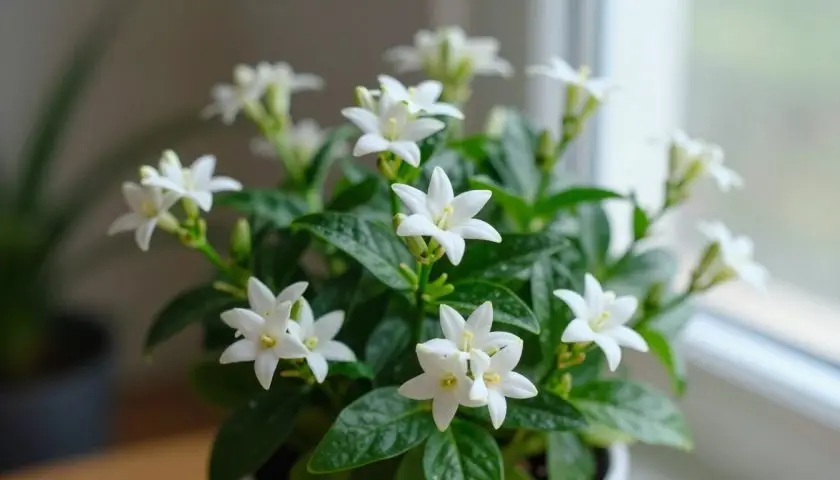
The name Star of Bethlehem plant is used for several plants belonging to the genus Ornithogalum. This article primarily covers Ornithogalum umbellatum, a bulbous perennial valued for its spring flowers but also known for its ability to naturalize.
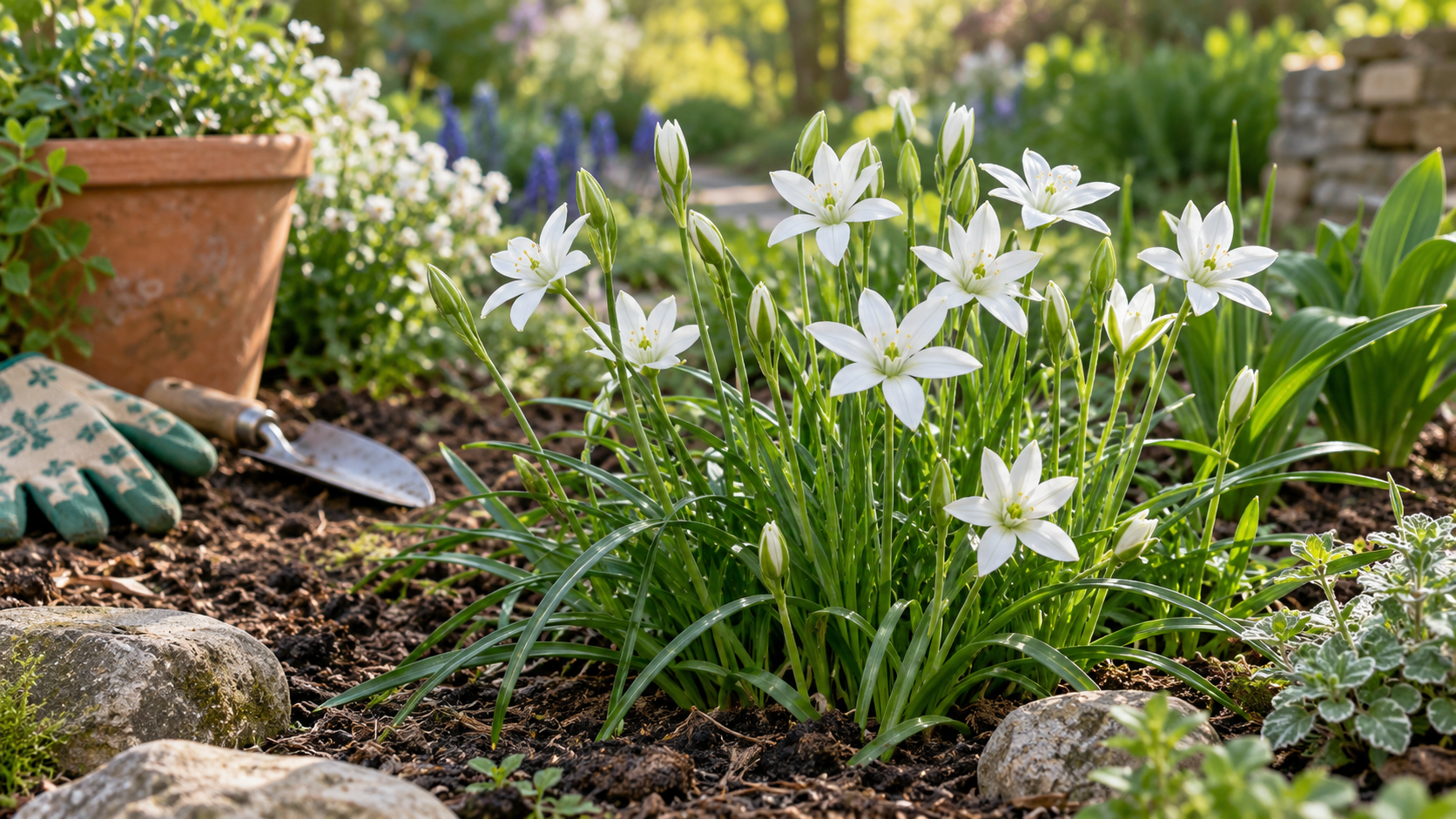
The plant produces narrow, grass-like foliage from underground bulbs. Its white flowers have pointed petals or tepals that create the characteristic star-like appearance responsible for the common name.
How to Identify Ornithogalum umbellatum
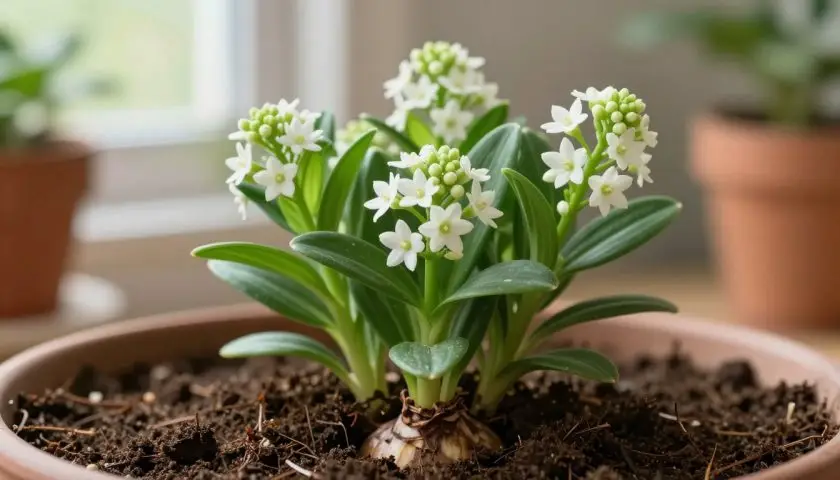
Look for narrow green leaves and clusters of white star-shaped flowers. The underground bulbs produce smaller offsets, often called bulblets, which allow an established clump to expand.
This underground multiplication is important for Star of Bethlehem plant identification as well as long-term garden management.
Ornithogalum umbellatum vs Ornithogalum arabicum
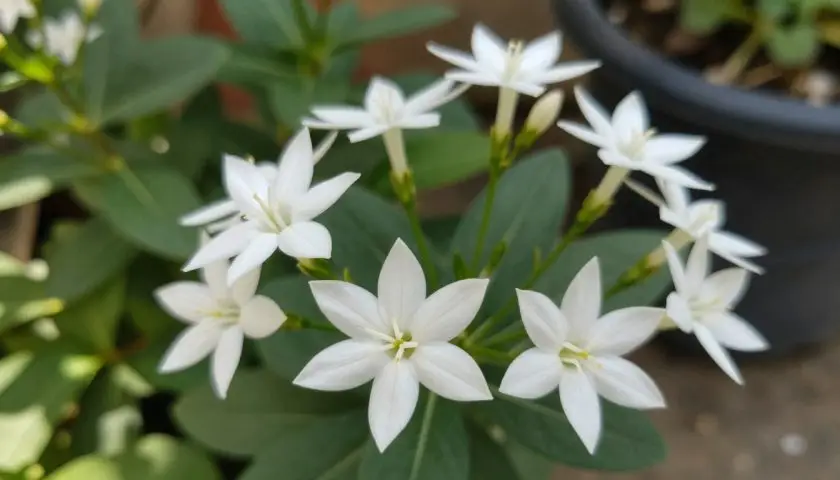
Do not assume Ornithogalum umbellatum and Ornithogalum arabicum are interchangeable simply because both may be sold or discussed under Star of Bethlehem-related names.
O. umbellatum is commonly associated with low-growing naturalized displays, while O. arabicum develops a different flower presentation and growth habit.
| Feature | O. umbellatum | O. arabicum |
|---|---|---|
| Growth | Lower-growing and naturalizing | Generally taller and upright |
| Flowers | White, star-like blooms | White flowers with conspicuous dark centers |
| Spread | Can spread vigorously | Different growth behavior |
| Management | Spread needs monitoring | Follow species-specific care |
Tip 1: Check Whether Star of Bethlehem Is Appropriate for Your Area
Before planting a large group of bulbs, consider whether Ornithogalum umbellatum is a sensible choice for your location.
The same ability that makes it a successful naturalizing bulb plant can become a problem when bulbs spread into lawns, borders, or natural areas where they are unwanted.
Check Local Guidance Before Planting
Invasive or noxious-plant classifications can differ by region. Check guidance from your local extension service, agriculture department, invasive-plant authority, or similar official resource before intentionally allowing the plant to naturalize.
Consider Containers for Better Control
If spread is a concern but local guidance permits cultivation, growing the bulbs in containers can give you much more control over where they develop.
Think Beyond the First Spring
A small attractive clump may look harmless during its first flowering season. Garden planning should account for what happens after bulbs have had several years to multiply.
Tip 2: Give Star of Bethlehem Plenty of Spring Light
Good light helps support healthy foliage and flowering. A Star of Bethlehem flower performs well where it receives plenty of useful light during its active spring growth.
Choose Sun to Partial Shade
A sunny position is suitable in many gardens. Partial shade may also work, particularly where afternoon conditions become hot.
Observe the actual light reaching the planting area during spring rather than judging the site during another season when nearby trees may have a different canopy.
Why Do Star of Bethlehem Flowers Close?
The flowers may close or appear less open during dull, cloudy conditions. This natural response does not necessarily mean your plant is unhealthy.
When sunlight returns, flowers may open more fully again.
Tip 3: Prepare Well-Draining Soil for Healthy Bulbs
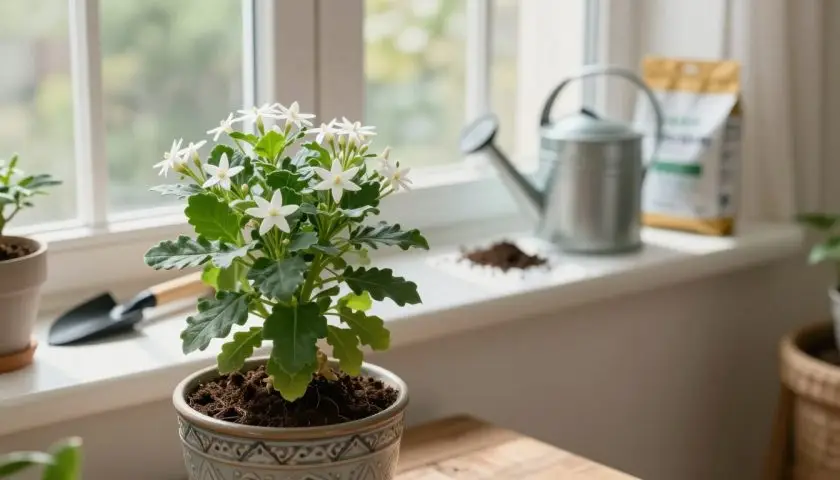
Bulbs need moisture while actively growing, but they should not remain in saturated soil. This makes drainage one of the most important parts of Star of Bethlehem plant care.
Improve Heavy Soil Before Planting
If the planting site remains wet or becomes compacted, improve its overall structure before installing bulbs. Suitable organic matter can improve soil structure, although drainage problems caused by the site itself may require a raised bed or another planting location.
Avoid creating a small amended pocket surrounded by badly drained soil, because water can still accumulate around the bulbs.
Check Drainage Before You Plant
Observe the site after substantial rainfall. Standing water or persistently saturated soil suggests the location may not be appropriate for these bulbs.
For more help understanding growing media, read our guide to choosing the best soil mix for plants.
FREE GARDEN TOOL
Calculate Soil for Your Bulb Container or Raised Bed
Growing Star of Bethlehem bulbs in a container or defined raised bed? Use the free Patch Plants Soil Calculator before purchasing your growing medium.
Enter the planter measurements into our potting mix calculator to estimate how much soil you need.
Tip 4: Plant Star of Bethlehem Bulbs Correctly
Good Star of Bethlehem bulb planting begins with healthy bulbs, an appropriate planting season, and correct orientation.
When to Plant Star of Bethlehem Bulbs
For spring-flowering hardy bulbs such as Ornithogalum umbellatum, fall planting allows bulbs to establish before their spring growth cycle.
Exact timing should be adjusted to your climate and the instructions supplied with the bulbs.
Which Way Should the Bulb Face?
Place the pointed or growing end upward and the basal/root side downward.
How Deep Should You Plant Star of Bethlehem Bulbs?
Planting depth should account for bulb size and supplier instructions rather than relying blindly on one number for every Ornithogalum species.
As a practical reference, your existing O. umbellatum guide uses approximately 3 to 4 inches, but packaging instructions for the actual bulbs you purchase should take priority.
Allow Space Between Bulbs
Spacing helps reduce immediate crowding, but remember that O. umbellatum can create offsets underground. Even neatly spaced bulbs may eventually develop into a much larger colony.
| Planting Factor | General Approach | Why It Matters |
|---|---|---|
| Season | Fall for spring-flowering hardy bulbs | Supports establishment before spring |
| Orientation | Growing point upward | Positions emerging growth correctly |
| Depth | Follow species/bulb guidance | Avoids inappropriate universal depth |
| Spacing | Leave room for expansion | Reduces initial crowding |
Tip 5: Water Star of Bethlehem Without Rotting the Bulbs
Successful care for Star of Bethlehem plants requires a seasonal approach to watering. The bulbs do not need the same amount of moisture throughout the year.
Water During Active Growth
Monitor soil moisture while leaves and flowers are actively developing. Water when conditions become too dry, but avoid turning the root zone into continuously soggy soil.
Rainfall may provide much of the moisture required by garden-grown plants, depending on local conditions.
Reduce Water During Summer Dormancy
After flowering, foliage eventually yellows and dies back. This marks the transition toward dormancy.
Once the plant is dormant, its moisture needs decline dramatically. Continually irrigating a dormant bulb bed can increase the risk of rot, especially in poorly draining soil.
Container Plants Need Closer Monitoring
Potted bulbs may dry differently from those planted in garden soil. Container material, pot size, drainage, sunlight, and weather all influence moisture loss.
Do not water Star of Bethlehem according to the calendar alone. Its spring growth and summer dormancy create very different moisture requirements.
Tip 6: Let the Leaves Die Back Naturally After Flowering
One of the easiest mistakes with spring bulbs is removing foliage as soon as the flowers disappear.
The plant’s green leaves continue photosynthesizing after flowering. This post-bloom period helps support the underground bulb before dormancy.
Remove Spent Flowers, Not Healthy Leaves
You can remove faded flower stalks when appropriate, particularly if you want a tidier appearance or wish to limit seed development.
Leave healthy green foliage intact until it yellows and dies back naturally.
Do Not Tie Green Leaves Into Tight Bundles
Allow foliage to receive light normally. Hiding or tightly tying leaves may interfere with their ability to function efficiently.
Expect the Plant to Disappear in Summer
Once foliage has completely died back, the Star of Bethlehem bulb remains underground during dormancy.
The empty space does not necessarily mean the plant has died.
Tip 7: Fertilize Only When the Plant Actually Needs It
More fertilizer does not automatically produce more Star of Bethlehem flowers. Healthy bulbs growing in reasonably fertile soil may require little supplemental feeding.
Evaluate Soil Before Adding Fertilizer
If growth is poor, first check sunlight, drainage, crowding, and soil conditions. Fertilizer cannot correct bulbs sitting in saturated soil or a bed receiving inadequate light.
Do Not Push Excessive Leaf Growth
Overfeeding can encourage unnecessary vegetative growth without solving the underlying reason for poor flowering.
When fertilizer is appropriate, follow the product instructions rather than increasing the concentration.
Tip 8: Grow Star of Bethlehem in Containers to Limit Spread
For gardeners concerned about aggressive naturalization, containers offer a practical way to enjoy the flowers while maintaining more control over underground bulbs.
Choose a Container With Drainage Holes
Drainage remains essential. A decorative container without an outlet can trap water around bulbs and increase the risk of decay.
Do Not Overcrowd the Pot
Offsets can develop over time, so inspect container-grown bulbs periodically and divide them when crowding becomes excessive.
Use the Right Soil Volume
If you are setting up a large bulb planter, use the Soil Calculator to determine approximately how much potting mix the container requires.
Container Growing Does Not Remove Toxicity
A container controls physical spread, not the plant’s toxic properties. Keep pots somewhere pets and young children cannot easily access the leaves, flowers, or bulbs.
Tip 9: Divide and Propagate Star of Bethlehem Responsibly
Star of Bethlehem propagation can be remarkably easy because established plants naturally produce offsets.
In fact, for many gardeners the bigger challenge is preventing too much propagation.
Divide Bulb Offsets During Dormancy
After the foliage has died back, established clumps can be lifted carefully. Small offsets attached to or surrounding mature bulbs can then be separated.
Replant Only Healthy Bulbs
Healthy bulbs should be firm rather than soft or rotten. Prepare the new planting location before moving bulbs and make sure drainage is suitable.
Think Carefully Before Creating More Plants
Before replanting every offset, consider whether the species is already spreading more than you want. In regions where the plant is invasive or otherwise restricted, follow local recommendations rather than deliberately propagating it.
Be Cautious With Seed Propagation
Seed production can contribute to further spread. If your goal is containment rather than naturalization, removing spent flower heads before mature seed dispersal may be appropriate.
Tip 10: Control Unwanted Star of Bethlehem Spread Early
This tip is unusually important for Ornithogalum umbellatum. Once numerous bulbs and small bulblets become established through a lawn or perennial bed, Star of Bethlehem removal can become time-consuming.
Remove Small Patches Before They Expand
For small unwanted patches, carefully digging out bulbs and offsets provides a targeted approach. Work methodically because tiny bulbs left behind may produce new growth.
Do Not Spread Bulbs While Digging
Routine soil movement can unintentionally relocate small bulbs. Inspect soil and tools when working around an established colony.
Monitor the Area After Removal
One digging session may not remove every offset. Watch the area during subsequent growing seasons and deal with new shoots before another large colony becomes established.
Dispose of Plant Material Responsibly
Do not assume unwanted viable bulbs should go into home compost. Disposal recommendations vary by location and waste system, particularly for invasive plants.
Follow your local invasive-species and municipal green-waste guidance for the safest disposal method.
RESPONSIBLE GARDENING
Is Star of Bethlehem Invasive?
The answer depends partly on location and species. Ornithogalum umbellatum is capable of aggressive naturalization and is considered problematic in some regions.
Before planting, propagating, or disposing of unwanted bulbs, check current guidance from your local invasive-plant authority, extension service, or agriculture department.
Tip 11: Protect People and Pets From Star of Bethlehem Toxicity
Star of Bethlehem toxicity deserves serious attention. The plant should be treated as ornamental rather than edible or medicinal.
Keep Bulbs Away From Dogs and Cats
Underground bulbs can be particularly tempting to animals that dig. Store unplanted bulbs securely and avoid placing them where pets routinely investigate garden soil.
Do Not Use Star of Bethlehem as a Home Remedy
Historical or traditional references to plants do not make them safe for self-treatment. Do not ingest Star of Bethlehem or prepare it as a homemade herbal remedy.
What If a Person or Pet Eats Star of Bethlehem?
If ingestion is suspected, do not rely on a gardening article to diagnose or treat poisoning. Contact an appropriate poison-control service, medical professional, or veterinarian promptly and provide the botanical name if known.
Star of Bethlehem Safety Checklist
- Keep bulbs securely stored before planting.
- Prevent pets from digging around planted bulbs.
- Do not eat any part of the plant.
- Do not prepare homemade medicinal remedies from it.
- Wear gardening gloves when handling bulbs and plant material.
- Seek professional advice promptly after suspected ingestion.
Common Star of Bethlehem Plant Problems
Not every change in appearance indicates disease. Understanding the plant’s seasonal growth cycle prevents unnecessary treatments.
| Problem | Possible Explanation | What to Check |
|---|---|---|
| Leaves yellow after flowering | Natural seasonal dieback | Timing and overall bulb health |
| Few or no flowers | Light, crowding or establishment issues | Sunlight and bulb density |
| Soft or rotten bulbs | Excess moisture may be involved | Drainage and irrigation |
| Flowers close in dull weather | Natural response to low light | Weather conditions |
| Plants appearing throughout lawn | Bulbs/bulblets spreading | Extent of naturalization |
Star of Bethlehem Plant Care: Quick Answers
Is Star of Bethlehem a perennial?
Yes. Ornithogalum umbellatum is a bulbous perennial. Its above-ground foliage dies back seasonally while the bulb survives underground and can produce new growth during the next suitable growing period.
When does Star of Bethlehem bloom?
Star of Bethlehem is primarily known as a spring-flowering bulb. Exact flowering time varies with climate, species, and local growing conditions.
Does Star of Bethlehem come back every year?
A healthy perennial bulb growing under suitable conditions can return after dormancy. O. umbellatum can also multiply through offsets, so the colony may become larger over time.
Does Star of Bethlehem need full sun?
It can perform well in sunny conditions, although partial shade may also be suitable. Good spring light supports foliage development and flowering.
Why does Star of Bethlehem disappear in summer?
The plant naturally enters dormancy after its active spring growth. Foliage yellows and dies back, leaving the underground bulb dormant until conditions again support growth.
Can Star of Bethlehem grow in pots?
Yes. Container growing can be particularly useful when you want greater control over bulb spread. Use a pot with drainage holes and a suitable well-draining growing medium.
Is Star of Bethlehem poisonous?
Yes, the plant should be regarded as toxic when ingested. Keep it away from children, pets, and livestock, and seek professional assistance after suspected ingestion.
Star of Bethlehem Seasonal Care Guide
| Season | Plant Stage | Main Care |
|---|---|---|
| Fall | Planting/establishment | Plant suitable bulbs and check drainage |
| Winter | Underground development/dormancy depending on climate | Avoid unnecessary disturbance |
| Spring | Active foliage and flowering | Monitor moisture, light and spread |
| Summer | Dieback/dormancy | Reduce watering and manage bulbs if necessary |
KEEP GROWING
More Gardening Help From Patch Plants
Healthy bulb gardens depend on much more than watering. Soil, drainage, seasonal growth, plant identification, and responsible garden management all work together. Continue learning with these resources from Patch Plants:
Final Thoughts on Growing Star of Bethlehem Plants
The Star of Bethlehem plant offers an attractive spring display, but successful growing requires more than planting bulbs and waiting for white flowers. With Ornithogalum umbellatum, responsible management is just as important as conventional plant care.
Start with accurate identification. Then choose an appropriate location with good spring light and well-draining soil. Water according to the plant’s active growth cycle, let healthy foliage die back naturally after flowering, and reduce unnecessary moisture during summer dormancy.
Most importantly, keep an eye on spread. Underground offsets can turn a small planting into a much larger colony. Containers may be a better option when you want greater control, and local invasive-plant guidance should always take priority where the species is considered problematic.
Safety matters as well. Star of Bethlehem is an ornamental plant, not an edible or home medicinal plant. Keep bulbs and growing plants away from children, pets, and livestock.
If you’re preparing a container or raised planting area, use the free Patch Plants Soil Calculator to estimate how much soil you need before planting.
Frequently Asked Questions About Star of Bethlehem Plants
What is the botanical name of the Star of Bethlehem plant?
Several species in the genus Ornithogalum are associated with the Star of Bethlehem common name. This guide primarily covers Ornithogalum umbellatum, a bulbous perennial with white star-shaped spring flowers.
Is Star of Bethlehem an annual or perennial?
Ornithogalum umbellatum is a bulbous perennial. Its foliage dies back seasonally while the underground bulb survives and can produce new growth when suitable conditions return.
When should I plant Star of Bethlehem bulbs?
Hardy spring-flowering Star of Bethlehem bulbs are generally planted in fall. Exact timing and planting depth should be adjusted for your climate, species, bulb size, and supplier instructions.
How much sunlight does Star of Bethlehem need?
A sunny to partially shaded location can work well. Good light during active spring growth supports foliage and flowering, while the flowers may naturally close or open less fully during dull weather.
How often should you water a Star of Bethlehem plant?
Water according to soil conditions during active growth rather than following a fixed calendar. Avoid prolonged saturation. Once foliage dies back and the bulbs become dormant, reduce unnecessary watering substantially.
Why are my Star of Bethlehem leaves turning yellow?
Yellowing foliage after flowering can be part of the plant’s normal transition into dormancy. Allow leaves to die back naturally rather than removing them while they are still green.
Can Star of Bethlehem grow in containers?
Yes. Containers can be particularly useful for controlling bulb spread. Choose a pot with drainage holes, use suitable well-draining soil, and monitor moisture because containers can dry differently from garden beds.
How do you propagate Star of Bethlehem?
Established bulbs naturally produce offsets. These can be separated when the plant is dormant and replanted where cultivation is appropriate. Because O. umbellatum can spread vigorously, consider whether additional propagation is actually desirable.
Is Star of Bethlehem invasive?
Ornithogalum umbellatum can naturalize aggressively and is considered problematic or invasive in some locations. Check current local guidance before planting, propagating, or deliberately allowing it to spread.
How do you remove unwanted Star of Bethlehem plants?
For small patches, carefully remove the bulbs and small offsets from the soil and continue monitoring for regrowth. Follow local invasive-plant guidance for larger infestations and appropriate disposal methods.
Is Star of Bethlehem poisonous to dogs and cats?
Star of Bethlehem should be treated as toxic when ingested. Keep plants and bulbs away from dogs, cats, livestock, and children. Contact a veterinarian or appropriate poison-control or medical professional promptly after suspected ingestion.
Can Star of Bethlehem be used as a medicinal plant?
Do not use Star of Bethlehem as a homemade herbal or medicinal preparation. The plant contains toxic compounds and should be grown as an ornamental rather than ingested.