Hoya linearis care comes down to bright, indirect light, a chunky, fast-draining mix, watering as soon as the top inch or two of soil is dry, and steady, mild temperatures with no heat blasts or cold drafts. Unlike thick-leaved hoyas, this trailing wax plant has soft, slender leaves that hold less water, so it needs more even moisture than most of its relatives, while still hating soggy roots.
With its long curtains of fuzzy, needle-like leaves, Hoya linearis is one of the most eye-catching hanging plants you can grow. This guide covers light and placement, potting mix, watering, humidity and temperature, how to handle its delicate vines, feeding, pruning and propagation, and how to fix yellow leaves, leaf drop and mealybugs.
Every Patch Plants guide is researched and written by Sawera Shahid, a botanist with an MPhil in Botany and more than five years of plant-care writing. We base our advice on plant science and trusted botanical sources, so it works for real homes, not just greenhouses. For care that applies to all hoyas, see our main hoya plant care guide.
Hoya Linearis Care at a Glance
| Need | What Hoya Linearis Wants |
|---|---|
| Light | Bright, indirect light; gentle morning sun is fine |
| Water | When the top 1–2 inches of mix are dry; do not let it dry out completely for long |
| Soil | Equal parts potting mix, orchid bark and perlite |
| Temperature | Mild and steady, about 60–75°F (16–24°C); avoid heat and drafts |
| Humidity | Average to moderately high |
| Feeding | Diluted balanced feed in spring and summer only |
| Display | Hanging pot or high shelf |
| Flowers | Never cut off old flower spurs |
What Is Hoya Linearis?
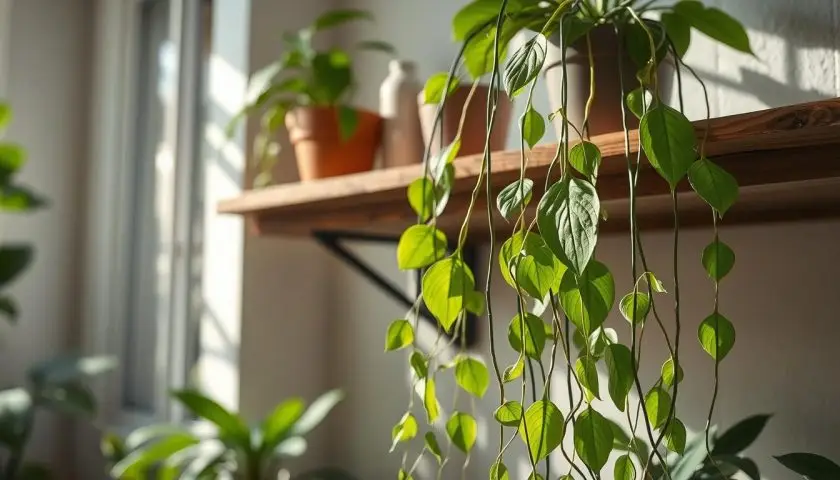
Hoya linearis is a member of the wax plant genus. According to Kew’s Plants of the World Online, it is an epiphytic subshrub native from Nepal and the eastern Himalaya to south-central China and Indo-China, growing mainly in subtropical forest.
In the wild it hangs from tree branches, which explains its habit indoors: long, pendant stems that can reach several feet, covered in narrow, soft, slightly hairy leaves about 2 inches long. Mature plants produce small, round clusters of white, star-shaped flowers, usually with a pleasant scent.
How It Differs from Other Hoyas
- Thinner leaves: it stores less water than thick-leaved types like H. carnosa or H. kerrii, so it dries out faster
- Prefers milder temperatures: it tends to struggle in hot, stuffy rooms
- Purely trailing: it hangs rather than climbs, so it suits baskets and high shelves
- Delicate stems: the vines snap more easily, so handle it gently
Step 1: Choose the Right Light and Placement
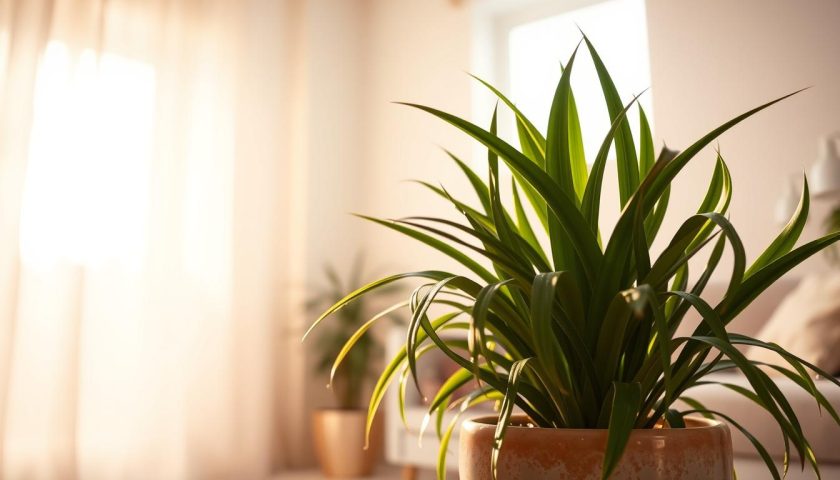
Hoya linearis grows best in bright, indirect light, like many hoyas.
- East window: ideal, with soft morning sun
- South or west window: hang it a few feet back, or behind a sheer curtain
- North window: usually too dim for full growth and flowering
Too little light: thin, stretched stems with widely spaced leaves, pale color and no flowers. Too much sun: bleached, yellowed or crispy leaves, especially on the side facing the window.
Remember that a hanging plant’s top gets more light than its trailing tips, and a basket near the ceiling may be warmer than the rest of the room. In dim homes, a full-spectrum LED grow light works well; see our guide to grow lights for indoor plants and our complete guide to indoor light.
Step 2: Use a Chunky, Well-Draining Mix and Pot
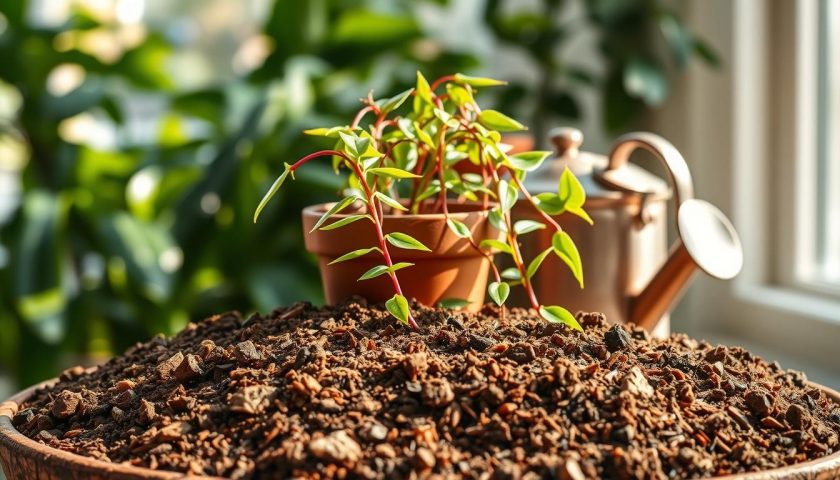
As an epiphyte, hoya linearis needs roots that get both moisture and air. A simple mix:
- 1 part indoor potting mix or coco coir
- 1 part orchid bark
- 1 part perlite or pumice
In a cool or humid room, add a little extra bark so the mix dries a bit faster. Our guide to the best soil mix for every type of plant explains each ingredient.
Always use a pot with drainage holes. A plastic hanging pot keeps moisture a little longer, which suits this thirstier hoya; terracotta dries faster. If you use a decorative pot without holes, keep the plant in a plastic liner inside it.
When to Repot
Hoyas are happy slightly snug. Repot only every couple of years in spring, when the mix breaks down or roots circle the pot, and go up just one pot size. An oversized pot stays wet too long. Our list of repotting mistakes to avoid explains why.
Step 3: Water Hoya Linearis by Feel, Not by Calendar
Watering is where hoya linearis differs most from other hoyas. Its thin leaves cannot store much water, so it should not stay bone dry for long, but its roots still need air.
- Push a finger or wooden skewer into the mix. Water when the top 1–2 inches feel dry.
- Water slowly until it drains from the holes.
- Let it drain fully and empty the saucer or liner.
- Use room-temperature water.
In warm, bright months that is often every 5–10 days; in cool, dim winters, less often. Small pots, hanging baskets near the ceiling and airy mixes dry faster, so check more often.
| Sign | Underwatered | Overwatered |
|---|---|---|
| Leaves | Wrinkled, thin, limp | Yellow, soft, translucent |
| Leaf drop | Dry, shriveled leaves fall | Yellow leaves drop easily |
| Soil | Dry, pulling from the pot | Wet for days, sour smell |
| Roots | Dry and papery | Dark, mushy, rotting |
Our guides to the signs you’re overwatering and the complete watering guide cover the details.
Step 4: Balance Humidity, Temperature and Airflow
Hoya linearis tolerates average home humidity but grows more lushly with moderate to high humidity, especially in dry, heated winters. A small humidifier nearby works best. Grouping plants and placing it in a bright bathroom with a window also help. Misting gives only a brief boost. Our humidity hacks explain more options.
Keep temperatures steady and mild, roughly 60–75°F (16–24°C). This hoya tends to suffer in hot, stuffy spots, so avoid:
- Hanging it right above radiators or heaters
- Hot, sunny glass in summer
- Cold drafts from doors and windows in winter
- Air-conditioning vents blowing directly on the vines
Gentle air movement is good; it helps the leaves and mix dry evenly. Strong fans, however, dry the plant out too fast.
Step 5: Display and Handle the Trailing Stems
A hanging basket shows off hoya linearis best, letting its vines fall freely. A high shelf works too, as long as it gets bright light. For more display ideas, see our trailing plants for shelves and bookcases and hanging plants for shelves, showers and ceilings.
- Lift the pot from below, never by the vines
- Keep stems away from hot glass and busy walkways where they can snap
- Turn the pot every few weeks for even growth
- Lower the basket or use a long-spout can so you can water easily
Step 6: Feed Lightly in the Growing Season
Hoya linearis is a light feeder. In spring and summer, use a balanced liquid houseplant fertilizer at half to quarter strength about once a month. Water first, then feed, so roots are not burned. Stop feeding in autumn and winter, and skip it for a few weeks after repotting or when the plant is stressed.
Flush the pot with plenty of plain water every two to three months to clear fertilizer salts, which can brown leaf tips. Our guide to household plant fertilizer explains labels and ratios.
Step 7: Prune and Propagate from Stem Cuttings
Hoya linearis needs little pruning. Trim only dead, damaged or bare stems, or vines that have become too long for your space. Never cut off old flower spurs, the small stubby stalks where flowers formed, because hoyas rebloom from the same spurs.
How to Propagate
- Choose a healthy vine and cut a piece with at least two nodes and some leaves.
- Remove the leaves from the lowest node.
- Root it in water, lightly moist sphagnum moss, or an airy propagation mix.
- Keep it warm and in bright, indirect light; change water weekly if rooting in water.
- Pot it into hoya mix once roots are 1–2 inches long, and keep it evenly moist while it settles.
Several cuttings in one pot give a fuller plant faster. Our guide on how to propagate houseplants at home has more tips.
Common Hoya Linearis Problems
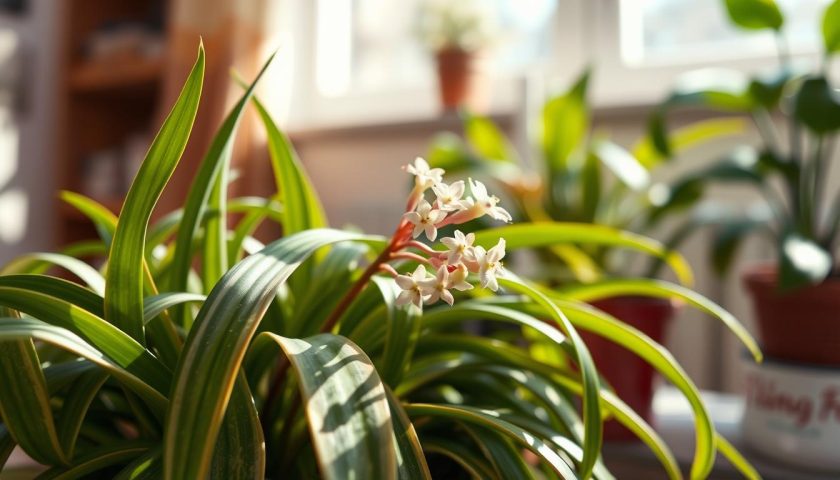
Yellow, Soft Leaves
Usually overwatering or poor drainage. Let the mix dry more on top, check drainage holes, and inspect roots for rot. Our guide on why plant leaves turn yellow covers other causes.
Wrinkled, Shriveled Leaves
Usually underwatering, which is common with this thinner-leaved hoya. Water thoroughly and check more often. If leaves stay wrinkled while the soil is wet, the roots may be rotting.
Leaf Drop
Often caused by swings between bone-dry and soggy soil, a sudden move, cold drafts or heat. Keep care consistent and move the plant gradually to new spots.
Brown, Crispy Tips
Dry air, very dry soil, harsh sun or fertilizer salts. Raise humidity, water more evenly, filter strong sun and flush the pot.
Root Rot
Dark, mushy, smelly roots and a collapsing plant. Remove it, trim damaged roots, and repot into fresh chunky mix. See our root rot guide for the full rescue.
Mealybugs
Mealybugs look like white, cottony clusters tucked between the dense leaves and along stems, often with sticky residue. Isolate the plant, dab each bug with a cotton swab dipped in rubbing alcohol, and repeat weekly until gone. Our guide to white spots on plant leaves helps you tell pests from other marks. In dry air, also watch for spider mites.
No Flowers
Young plants take time to mature. Give it bright, indirect light, steady care, and leave all old flower spurs in place.
Is Hoya Linearis Safe for Pets?
Hoyas are generally considered pet-friendly. The ASPCA lists the wax plant (Hoya carnosa) as non-toxic to cats and dogs, although H. linearis is not listed separately. Chewing any plant can still upset a pet’s stomach, and hanging it out of reach also protects the delicate vines. See our guides to cat-friendly plants and dog-friendly plants.
Frequently Asked Questions
How often should I water hoya linearis?
Water when the top 1–2 inches of mix are dry, often every 5–10 days in warm, bright months and less in winter. It has thinner leaves than most hoyas, so do not leave it bone dry for long, but never let it sit in soggy soil.
Does hoya linearis need direct sunlight?
No. It grows best in bright, indirect light. Gentle morning sun is fine, but hot afternoon sun can bleach and scorch its slender leaves.
Why is my hoya linearis losing leaves?
Leaf drop usually comes from inconsistent watering, soggy roots, a sudden move, cold drafts or heat. Check the soil and roots, then keep conditions steady.
What is the best soil for hoya linearis?
Use a chunky, well-draining mix of equal parts potting mix, orchid bark and perlite, in a pot with drainage holes.
How do I propagate hoya linearis?
Cut a healthy vine with at least two nodes, remove the lowest leaves, and root it in water, moist sphagnum moss or an airy mix. Pot it up when roots are 1–2 inches long.
Final Thoughts
Hoya linearis rewards a little extra attention compared with tougher hoyas. Give it bright, indirect light, a chunky mix, water as soon as the top of the mix dries, and a mild, steady spot away from heaters and drafts. Handle its vines gently and leave the flower spurs alone, and this trailing wax plant can grow into a stunning green curtain for years.
For more trailing and unusual plants, see our rare houseplants worth the hunt and string of pearls care.