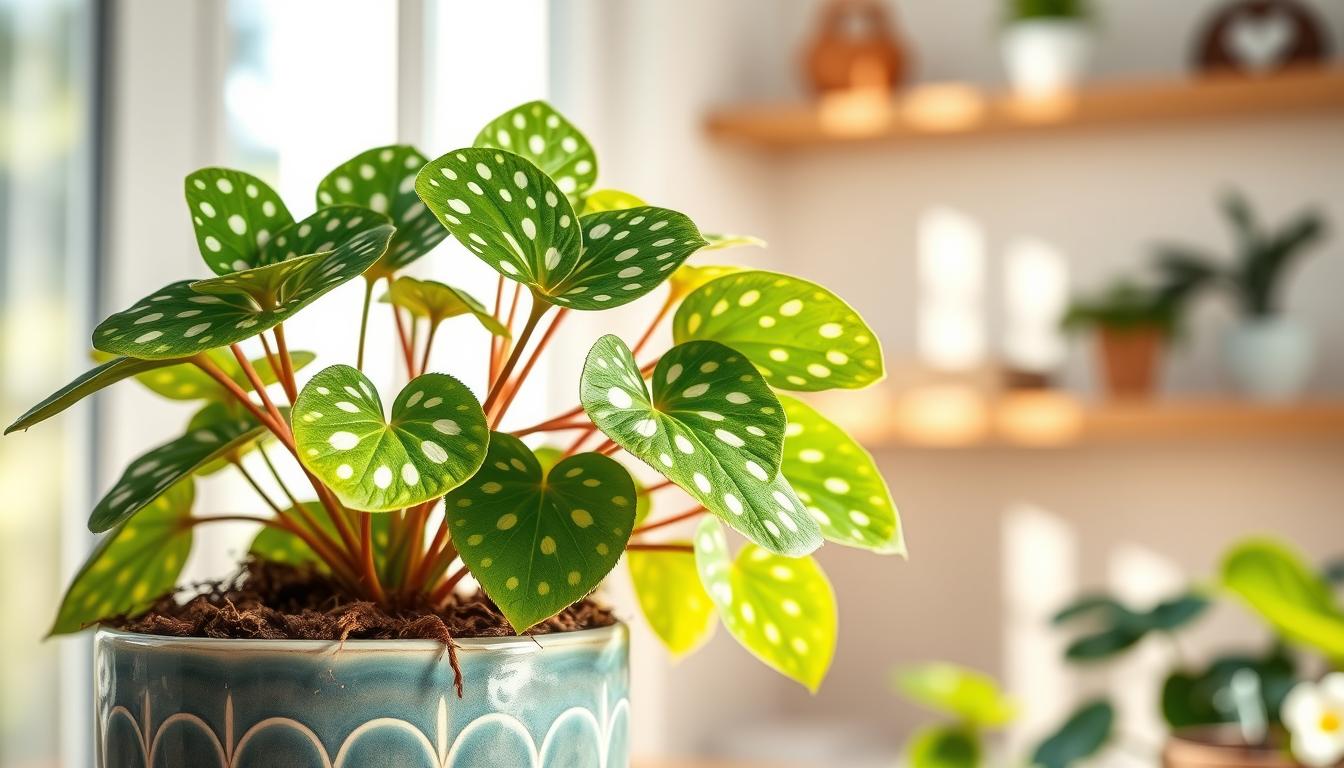
Begonia maculata care comes down to bright, filtered light with no hot midday sun, a light, free-draining compost watered moderately and never waterlogged, warmth of around 19°C (66°F), good humidity with good air flow, and a balanced liquid feed at every other watering in growth. I am Sawera Shahid, a botanist at Patch Plants, and the polka dot begonia is one of the plants I am asked about most, thanks to its silver-spotted leaves and red undersides.
This guide explains what the polka dot begonia is, 7 expert tips for growing it well, how to prune and propagate it, the problems to watch for, and why it should be kept away from pets. It is based on the RHS plant profile, NC State Extension and the ASPCA. For the wider family, see our pillar guide to begonia care indoors.
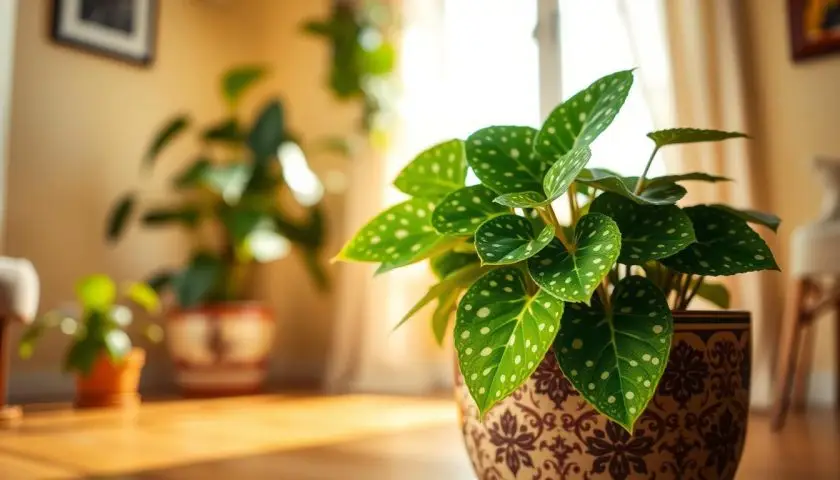
Begonia Maculata at a Glance
| Need | What Works |
|---|---|
| Botanical name | Begonia maculata (family Begoniaceae); also called spotted or trout begonia |
| Type | Cane-stemmed, fibrous-rooted begonia |
| Native range | Brazil |
| Size | 0.5 to 1m tall and 0.1 to 0.5m wide indoors |
| Light | Bright, filtered light; shade from hot midday sun |
| Compost | Light, well-drained, peat-free potting compost |
| Water | Moderately in growth; never waterlogged |
| Temperature | Around 19°C (66°F); protect from cold |
| Feeding | Balanced liquid fertiliser at alternate waterings in growth |
| Pets | Toxic to cats, dogs and horses |
Size, light, compost, watering, feeding and temperature come from the RHS plant profile; the pet warning comes from the ASPCA and NC State Extension.
What Is Begonia Maculata?
The RHS describes Begonia maculata as a fibrous-rooted species with erect stems up to 1m tall. The leaves are green with silvery-white spots on top and red underneath, with a heart-shaped base, a wavy texture and a rippled edge. In summer it produces pale pink or white flowers in hanging clusters. The RHS notes that female flowers are more numerous than male ones, a detail that shows begonias carry separate male and female flowers on the same plant.
It comes from Brazil and belongs to the group known as cane begonias. NC State Extension explains that cane types have upright, usually unbranched stems with thickened nodes that look like bamboo, and that they grow quickly. This upright, cane-like habit is what sets the polka dot begonia apart from rhizomatous types such as the rex begonia, which grow from a creeping stem.
Popular Types of Polka Dot Begonia
The plant most often sold is Begonia maculata ‘Wightii’. The RHS describes it as a vigorous tender perennial with long, narrow green leaves, crimson-red undersides and silvery-white polka dots. NC State also lists related cane begonias with spotted leaves, such as ‘Argenteo-guttata’, which has silver markings, a red underside and pink to red flowers, and ‘Lana’, with dark green leaves splashed with silver. All share the same basic begonia maculata care.
7 Expert Tips for Begonia Maculata Care
1. Give it bright, filtered light
The RHS recommends bright, filtered light with shade from hot midday sun, and warns that the plant will not tolerate continuous direct sunlight. For ‘Wightii’, the RHS advises keeping it in a warm spot but not in direct hot sun, to avoid leaf scorch. An east-facing window, or a bright room a little back from a south-facing window, suits a polka dot begonia well. Our complete guide to indoor light explains how to judge brightness.
2. Use a light, free-draining compost
The RHS suggests a light, well-drained, peat-free potting compost. NC State notes that cane begonias prefer moist, well-drained soil rich in organic matter. Adding perlite to a good houseplant compost keeps it open, and the pot must have drainage holes. See the best soil mix for every type of plant for more detail.
3. Water moderately and never let it sit wet
The RHS advises watering moderately while the plant is growing and warns that it will not tolerate waterlogging. Water when the top few centimetres of compost feel dry, let the excess drain away, and empty the saucer. Water less in winter, when growth slows. Overwatering is the most common cause of stem rot, so check our guide to signs you are overwatering if the stems soften.
4. Keep it warm
The RHS gives an optimum temperature of around 19°C (66°F). Its hardiness rating, H1B, means it needs protection indoors or under glass when temperatures fall, with a minimum of about 10 to 15°C. To be safe, I recommend keeping a polka dot begonia above 15°C (59°F) and away from cold windows and draughts in winter.
5. Balance humidity with air flow
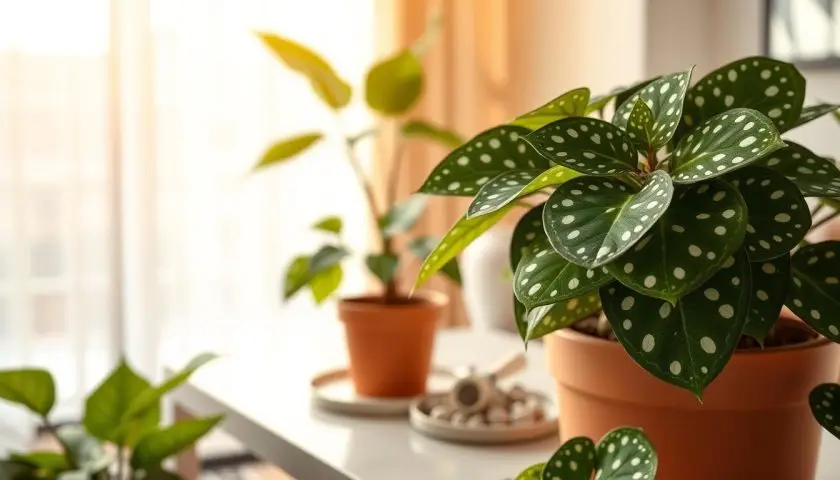
NC State notes that cane begonias perform best in high humidity, but also advises good air circulation to prevent powdery mildew, botrytis (grey mould) and stem rot. The best approach is to raise humidity around the plant, not on the leaves. Stand the pot on a tray of moist pebbles rather than misting, as wet leaves encourage disease. Our DIY humidity tray guide shows how to set one up.
6. Feed at alternate waterings in growth
The RHS recommends a balanced liquid fertiliser at alternate waterings while the plant is growing. That steady supply supports the fast growth of cane begonias through spring and summer. Stop feeding in autumn and winter, when the plant grows more slowly and unused fertiliser salts can build up in the compost. If white crust appears on the compost surface, flush the pot with plain water.
7. Pinch and prune to keep it bushy
NC State advises pinching the tips to encourage new growth and keep the plant contained. Because the canes are usually unbranched, an unpinched begonia maculata can become tall and leggy. Pinch out growing tips in spring and summer, and cut back any bare, overlong canes to just above a node to encourage new shoots from lower down. Tall canes may also need a slim stake for support.
Why Polka Dot Begonia Leaves Have Spots
As a botanist, I find the leaf patterns of begonia maculata fascinating. The silver spots are areas where the upper leaf tissue reflects light differently, so they look pale or silvery against the green. The red undersides come from pigments called anthocyanins. In many shade plants, a red lower surface is thought to help the leaf make the most of low light, although the exact benefit is still debated by scientists. Either way, good, filtered light keeps the pattern at its brightest.
How to Propagate Begonia Maculata
The RHS lists stem cuttings as the propagation method, and NC State calls them the easiest method for cane begonias. Follow these steps:
- In spring or summer, cut a healthy stem with at least two nodes, just below a node.
- Remove the lower leaves so no leaves sit below the water or compost.
- Root the cutting in a glass of water or insert it into moist, free-draining cuttings compost.
- Keep it warm and in bright, indirect light.
- Pot water-rooted cuttings into compost once roots are a few centimetres long.
Prunings from pinching make ideal cuttings. NC State notes that hybrids grown from seed do not come true, so cuttings are the way to keep a favourite form. See our guide on how to propagate houseplants for more tips.
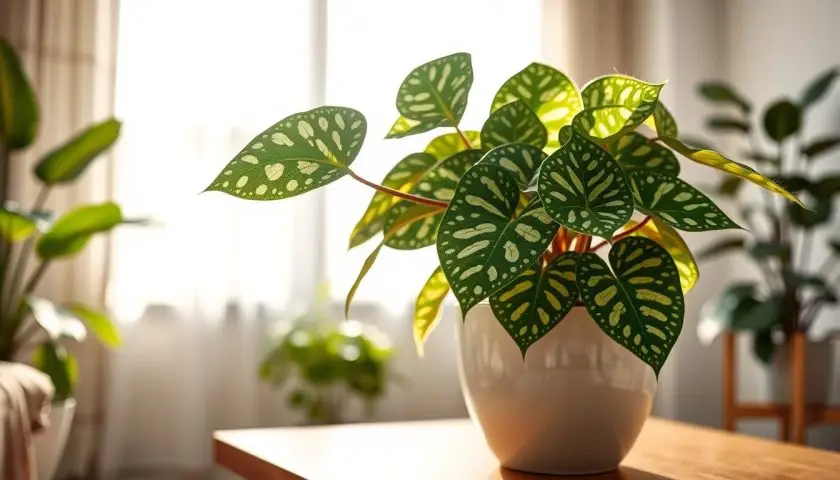
Begonia Maculata Care for Beginners
If you are new to begonia maculata care, start with these simple habits, which prevent most problems before they begin:
- Choose a plant with firm canes, bright spots and no white powder or grey mould on the leaves.
- Place it in bright, filtered light straight away, away from heaters and cold glass.
- Check the compost with your finger before every watering rather than watering on a schedule.
- Pinch the tips every few weeks in the growing season.
- Keep the leaves dry and give the plant space so air can move around it.
These five habits cover the plant’s three main needs: light, careful watering and air flow. Good begonia maculata care is less about doing more and more about keeping conditions steady.
Repotting a Polka Dot Begonia
Begonias generally prefer to be slightly snug in their pots, as a large volume of wet compost around a small root system encourages rot. Repot in spring when roots fill the pot, moving up only one size. Use fresh, light compost and water lightly until the plant settles. Our guide on how to repot a plant covers the steps.
Common Begonia Maculata Problems
| Problem | Likely Cause | What to Do |
|---|---|---|
| White, powdery patches on leaves | Powdery mildew | Improve air flow; avoid wetting leaves; remove affected leaves |
| Grey, fuzzy mould | Grey mould (botrytis) | Remove affected parts; increase air flow |
| Soft, blackened stems at the base | Stem rot from waterlogging | Water less; improve drainage; take healthy cuttings |
| Scorched, brown patches | Direct hot sun | Move to bright, filtered light |
| Tall, leggy canes | No pinching or low light | Pinch tips; cut back bare canes; brighter spot |
| Leaves dropping | Cold, draughts or overwatering | Keep warm and water moderately |
| Fine webbing, speckled leaves | Spider mites | Wipe leaves; treat early |
| Cottony clusters, sticky leaves | Mealybugs or aphids | Remove by hand; isolate the plant |
The RHS lists mealybugs, mites, glasshouse thrips, vine weevil, aphids and caterpillars as possible pests. For mites, see our guide to spider mites on plants.
Begonia Maculata Care Through the Year
| Season | What to Do |
|---|---|
| Spring | Start feeding; repot if needed; pinch tips; take cuttings. |
| Summer | Water moderately; feed at alternate waterings; enjoy the flowers; keep out of hot sun. |
| Autumn | Stop feeding; water a little less; watch for mildew as nights cool. |
| Winter | Keep above 15°C (59°F); water sparingly; give the brightest filtered light. |
Is Begonia Maculata Toxic to Pets?
Yes. The ASPCA lists begonias as toxic to dogs, cats and horses, with the underground parts the most toxic. NC State Extension explains that the toxic principle is calcium oxalate crystals, the roots are the most toxic part and the sap is also a concern. Eating the plant can cause vomiting and drooling in dogs and cats, and the sap can irritate skin. Keep your polka dot begonia out of reach of pets and children. If you think your pet has eaten part of one, contact your vet or the ASPCA Animal Poison Control Center at (888) 426-4435 (a consultation fee may apply). For safer options, see our guide to making your plants cat-friendly.
Frequently Asked Questions
How much light does a polka dot begonia need?
Bright, filtered light with shade from hot midday sun. The RHS warns that it will not tolerate continuous direct sunlight, which can scorch the leaves.
How often should I water begonia maculata?
Water moderately when the top few centimetres of compost are dry, and never let the pot sit in water. Water less in winter when growth slows.
Why is my polka dot begonia getting leggy?
Cane begonias grow tall and unbranched. Pinch the tips regularly, as NC State advises, and give the plant bright, filtered light to keep it bushy.
Can I mist begonia maculata?
It is better not to. Wet leaves encourage powdery mildew and grey mould. Raise humidity with a pebble tray and keep air moving around the plant.
Is begonia maculata safe for cats?
No. The ASPCA lists begonias as toxic to cats and dogs. Eating the plant can cause vomiting and drooling, so keep it out of reach.
Final Thoughts
As a botanist, I see the polka dot begonia as a plant that rewards balance. It wants humidity but also air flow, moisture but never waterlogging, and bright light but not hot sun. Get that balance right, pinch it regularly and keep it warm, and begonia maculata care becomes simple, with spotted leaves and summer flowers as the reward.
Here at Patch Plants, my aim is to explain the biology behind each step, so you can adjust care to your own home. To compare with other begonias, read our guides to indoor begonias and the rex begonia, or browse more colorful foliage indoor plants.
Sources: RHS, Begonia maculata; RHS, Begonia maculata ‘Wightii’; NC State Extension, Cane Begonias; ASPCA, Begonia.

About the author
Sawera Shahid is a botanist with an MPhil in Botany and 5+ years of writing about plants. As founder and lead writer of Patch Plants, she writes practical, science-backed guides on indoor plants, outdoor gardens and plant problems, checked against RHS and university extension advice.