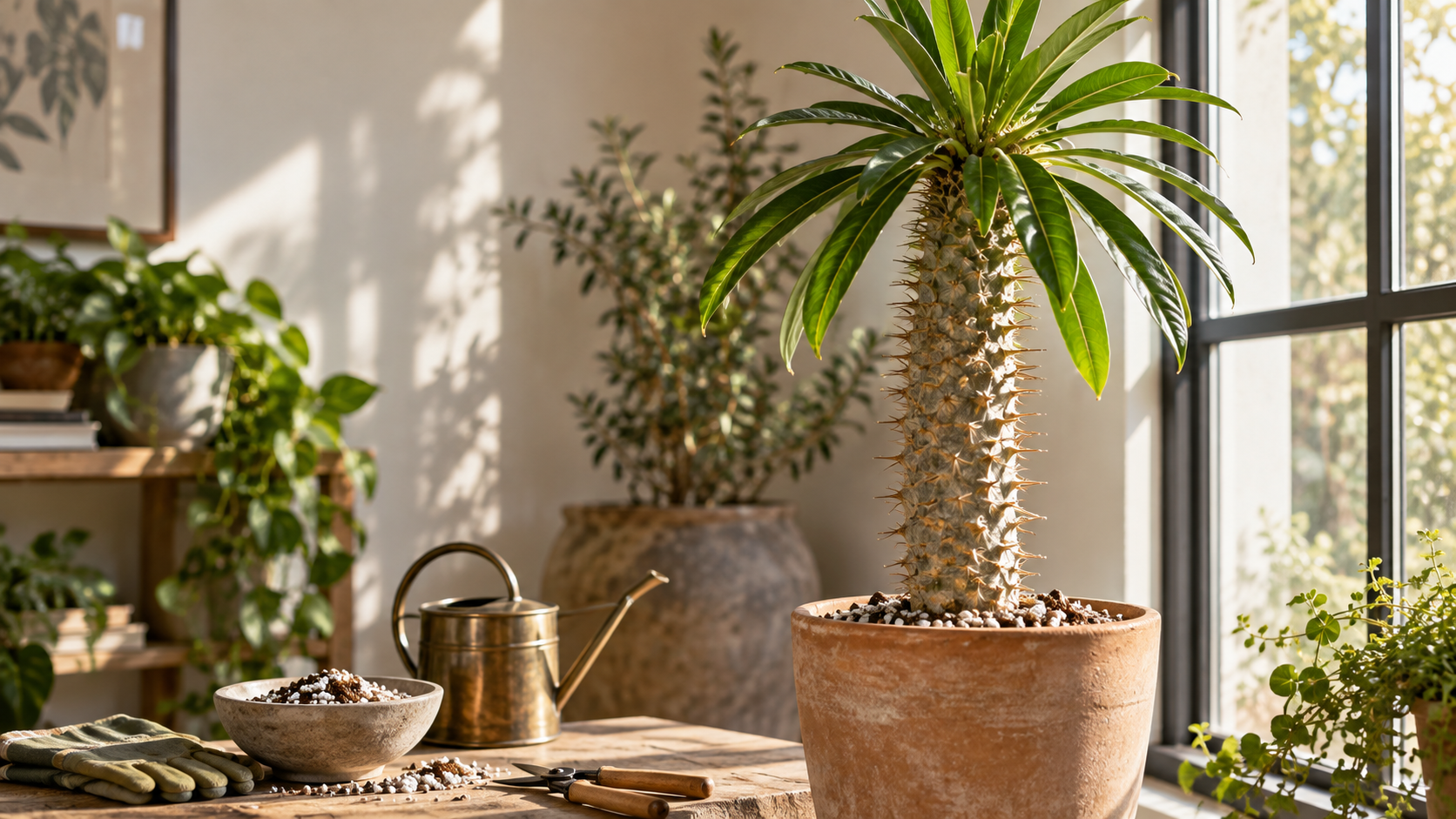
Key Takeaways Hardy drought-tolerant plants survive on minimal watering by storing water in leaves, stems, or roots — they are biologically designed for periods of drought The most drought-tolerant indoor plants include snake plant, ZZ plant, aloe vera, cacti, jade plant, pothos, and cast iron plant — all can go weeks to months between waterings The most drought-tolerant outdoor plants include lavender, rosemary, sedum, agave, yucca, ornamental grasses, Russian sage, and coneflower — all thrive with minimal supplementary watering once established Overwatering kills drought-tolerant plants more reliably than underwatering —…
Blog
How to Make Your Plants Dog-Friendly: Safe Plants and Smart Strategies
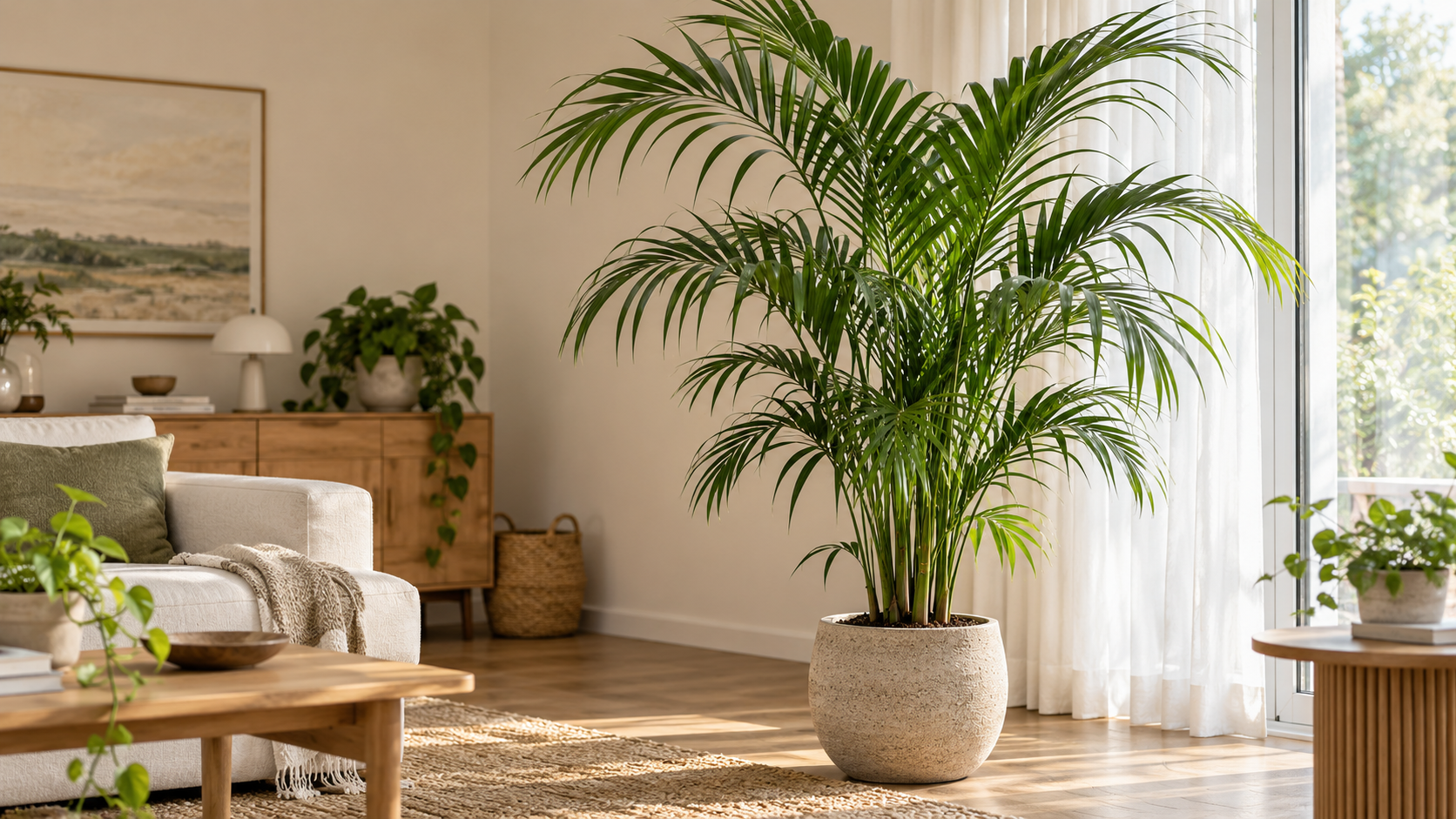
Key Takeaways Many popular houseplants are toxic to dogs — pothos, philodendron, peace lily, aloe vera, monstera, and ZZ plant all cause symptoms ranging from mild stomach upset to serious illness The safest dog-friendly plants include spider plant, areca palm, calathea, Boston fern, money tree, Christmas cactus, parlour palm, and peperomia Dog-safe flowers include sunflowers, zinnias, roses (thorns removed), African violets, orchids, marigolds, and gerbera daisies Always verify plant safety against the ASPCA toxic plant database before bringing any new plant into a home with dogs Placement matters as much…
Pollinator-Friendly Plants for Urban Outdoor Spaces
Key Takeaways Pollinator-friendly plants can be grown in any urban outdoor space — balconies, patios, window boxes, and courtyards all support meaningful pollinator activity with the right plant selection The best pollinator-friendly plants for urban spaces include lavender, salvia, coneflower, bee balm, borage, catmint, thyme, and marigolds — all compact enough for containers Choose single-flower varieties over double-flowered cultivars — pollinators cannot access the nectar in tightly packed double blooms Aim for continuous blooming from early spring through late autumn to support pollinators throughout their active season — mix early,…
Best Plants for Small Outdoor Spaces: Balconies, Patios and More
Key Takeaways You do not need a large garden to grow beautiful plants — a windowsill, balcony corner, doorstep, or patio can support a thriving plant collection The best plants for small outdoor spaces combine compact growth habit, container tolerance, and visual impact — lavender, herbs, heuchera, and compact shrubs lead the list Climbing plants like clematis and ivy are the most space-efficient outdoor plants — they use vertical space on walls, fences, and railings rather than competing for limited floor area Small trees including bay, olive, and lemon thrive…
The 35 Best Office Plants That Will Perk Up Your Workspace
Key Takeaways The best office plants improve air quality, reduce stress, boost focus, and make any workspace feel significantly more alive and inviting Most of the 35 best office plants are low-maintenance — several thrive on neglect and forgive irregular watering schedules The best office plants for low light include snake plant, ZZ plant, pothos, peace lily, philodendron, cast iron plant, and Chinese evergreen Best office desk plants are compact varieties including pothos, peperomia, succulents, air plants, aloe vera, fittonia, and small ZZ plants Large office plants including monstera, rubber…
15 Hardy Outdoor Plants That Thrive All Year Round
Key Takeaways Hardy outdoor plants survive frost, drought, heat, and neglect — they are the foundation of any low-maintenance garden The 15 plants in this guide cover full sun, partial shade, and deep shade positions — there is a hardy outdoor plant for every garden situation Hardy outdoor perennial plants like coneflower, heuchera, and hellebores return year after year without replanting Evergreen hardy outdoor plants including boxwood, yew, juniper, and rosemary provide year-round structure and colour even in winter Hardy outdoor plants for pots and containers include lavender, ornamental grasses,…
The Truth About Self-Watering Pots: Do They Really Work?
Key Takeaways Self-watering pots use a built-in reservoir and wicking system to deliver steady moisture to plant roots — the plant controls its own water uptake through capillary action Self-watering pots work well for moisture-loving plants including peace lily, pothos, philodendron, herbs, calathea, and Boston fern Do not use self-watering pots for succulents, cacti, snake plants, or ZZ plants — these plants need soil to dry completely between waterings and will develop root rot in a constantly moist environment The main benefits of self-watering pots are consistent hydration, reduced watering…
23 Blooming Indoor Plants to Brighten Your Home All Year
Key Takeaways Blooming indoor plants bring colour, fragrance, and life to your home throughout the year — not just in summer The 23 flowering houseplants in this guide cover every light level, room type, and lifestyle — including options for beginners and busy plant owners Winter blooming indoor plants like holiday cactus, cyclamen, amaryllis, and jasmine provide colour when outdoor gardens are completely dormant Indoor plants that bloom all year round include African violet, anthurium, peace lily, kalanchoe, and lipstick plant Pet safety varies significantly — always check before buying:…
How to Build a DIY Indoor Humidity Tray for Your Plants
Key Takeaways A DIY indoor humidity tray is one of the simplest and cheapest ways to raise local humidity around houseplants without a humidifier Pebble trays work by allowing water to evaporate slowly from the stone surface, creating a steady moisture microclimate around your plants The pot must always sit above the waterline — pebbles keep the base elevated, preventing root rot while allowing evaporation to rise Humidity-loving plants including ferns, calatheas, orchids, peace lilies, and monsteras benefit most from a humidity tray A humidity tray is more effective than…
What Is Root Rot? How to Identify, Prevent and Treat It
Key Takeaways Root rot is the decay of plant roots caused by waterlogged soil, poor drainage, and fungal pathogens — it is the most common cause of houseplant death Root rot symptoms above soil include yellowing leaves, wilting despite wet soil, stunted growth, and a sour smell from the growing medium Healthy roots are firm and white — root rot roots are brown or black, soft, and break apart easily when touched Root rot can be reversed if caught early — remove, trim, rinse, and repot in fresh well-draining soil…