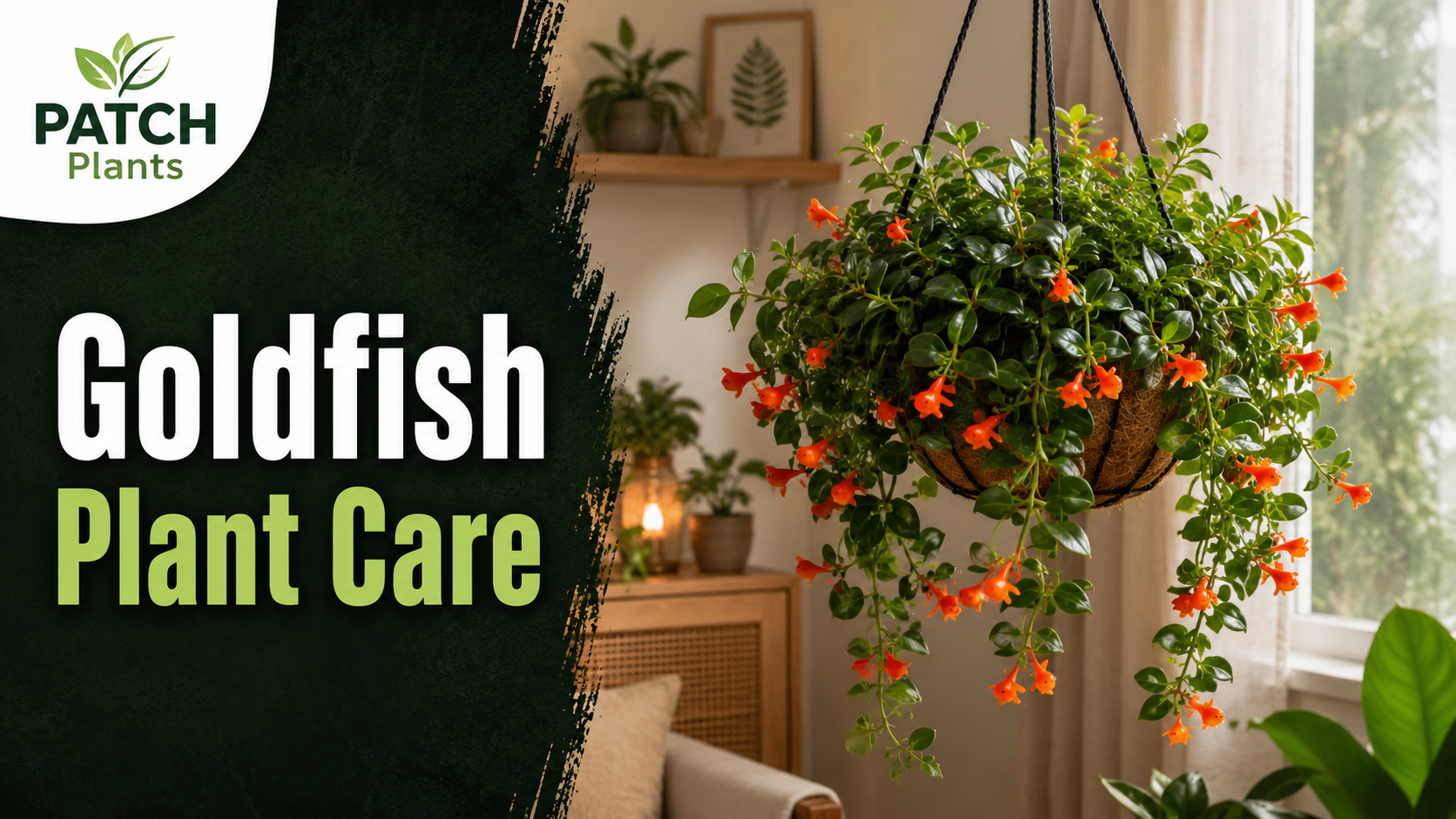
Goldfish plant care is all about bright filtered light, steady moisture, warm air, and patience. This tropical trailing houseplant is loved for its glossy leaves and orange-red flowers that look like tiny goldfish swimming along the stems.
If your goldfish plant looks leafy but refuses to bloom, the problem is usually light, watering, humidity, feeding, or pruning. Once those basics are right, this plant can become one of the most cheerful blooming houseplants in a bright indoor space.
Care Snapshot
A goldfish plant needs bright indirect light, moist but well-drained soil, warm indoor temperatures, moderate to high humidity, and light feeding during active growth. Water when the top layer of soil begins to dry, avoid soggy roots, prune after flowering, and keep the plant in a stable spot to encourage more blooms.
Key Takeaways
- Goldfish plant care works best in bright filtered light, not dark corners.
- Too little light is one of the biggest reasons a goldfish plant is not blooming.
- Keep the soil lightly moist, but never leave the pot sitting in water.
- Use an open, airy potting mix with strong drainage.
- Humidity helps the leaves and bloom production stay healthier indoors.
- Prune long stems after flowering to encourage a fuller shape.
- This guide connects well with blooming indoor plants, complete indoor light guidance, and complete watering tips.
What Is a Goldfish Plant?
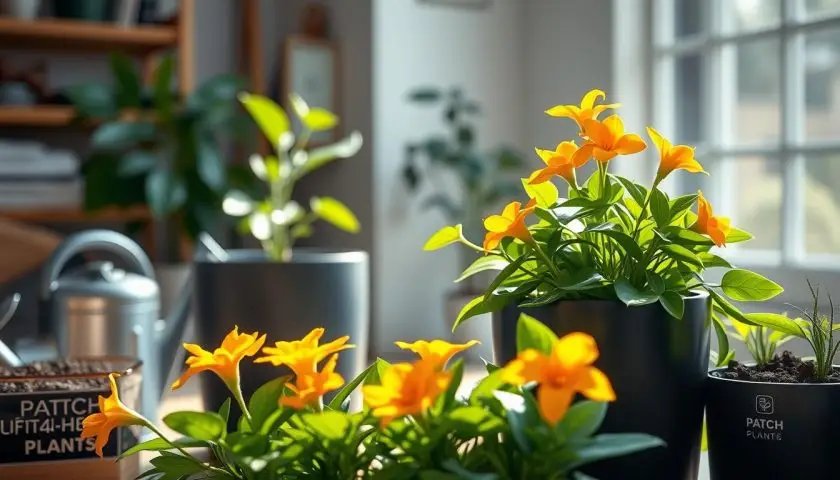
The goldfish plant is a tropical trailing houseplant often sold under names like Columnea, Columnea gloriosa, or sometimes Nematanthus. The common name comes from its bright orange, red, or yellow-orange tubular flowers, which can look like little goldfish hanging from the stems.
Goldfish plants are usually grown in hanging baskets, shelf planters, or raised pots where their arching stems can spill over the edge. They are not difficult once settled, but they do dislike sudden care changes, cold drafts, soggy soil, and low light.
If you like trailing or flowering houseplants, you may also enjoy trailing plants for shelves, hanging plants for shelves and ceilings, and indoor plants that smell amazing.
Goldfish Plant Care at a Glance
| Care Area | Best Setup | What to Avoid |
|---|---|---|
| Light | Bright filtered or indirect light | Dark rooms or harsh direct sun |
| Water | Water when top layer starts drying | Soggy soil or long dry spells |
| Soil | Open, airy, well-draining mix | Heavy compact soil |
| Humidity | Moderate to high humidity | Very dry air near heaters |
| Temperature | Warm, stable indoor conditions | Cold drafts and sudden drops |
| Pruning | Trim after flowering | Letting stems become bare and tangled |
How to Keep a Goldfish Plant Blooming
The best way to keep a goldfish plant blooming is to give it strong filtered light, steady care, and a slightly snug growing setup. This plant usually blooms better when it is healthy, bright, and not constantly moved around.
Give it enough light
A goldfish plant can survive in lower light for a while, but it usually will not bloom well there. Place it near a bright window with filtered light. An east-facing window is often a good choice because it gives gentle morning light without harsh afternoon heat.
Keep watering consistent
Blooming plants do not like extreme swings between soggy soil and bone-dry soil. Keep the potting mix lightly moist during active growth, then reduce slightly when growth slows.
Use humidity support
Dry indoor air can stress the foliage and reduce bloom strength. A humidifier, pebble tray, or grouping with other tropical plants can help.
Feed during active growth
Light feeding in spring and summer helps the plant support new stems and flowers. Do not overfeed, and reduce feeding when growth slows in winter.
Prune at the right time
Prune after flowering rather than cutting off active buds. Trimming long stems helps the plant become fuller and gives it more growing points for future blooms.
Best Light for Goldfish Plant Care
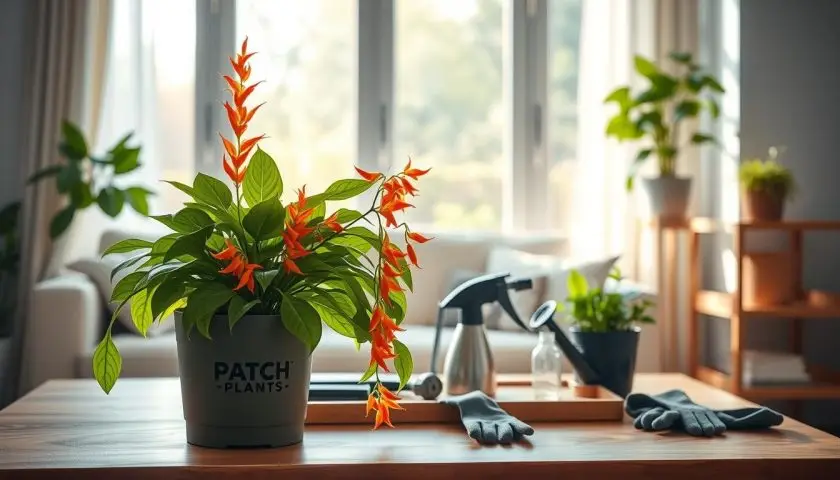
Light is the most important part of goldfish plant care if your goal is flowers. The plant needs bright filtered or indirect light to produce strong stems and regular blooms. Too much shade usually leads to leafy growth with few or no flowers.
A spot near an east-facing window, filtered south-facing window, or bright west-facing room with a sheer curtain can work well. Avoid harsh direct afternoon sun, especially through hot glass, because it can scorch the leaves.
Best indoor light positions
- Near an east-facing window with gentle morning light.
- A few feet back from a bright south-facing window.
- Near a west-facing window with sheer curtains.
- On a bright shelf under a grow light.
- In a sunroom with filtered light and good airflow.
Signs your goldfish plant needs more light
- Few or no blooms appear.
- Stems become long and thin.
- Leaves look spaced far apart.
- Growth slows during spring or summer.
- Soil stays wet too long after watering.
Signs the light is too strong
- Leaves develop pale or scorched patches.
- Edges turn dry after direct sun exposure.
- The plant wilts near hot glass.
- New growth looks stressed or curled.
For more help choosing the right window, read complete guide to indoor light, low light house plants, and office-friendly plants for artificial lighting.
Goldfish Plant Watering Tips
Goldfish plant watering should keep the roots lightly moist, not soaked. A good routine is to water when the top layer of potting mix begins to dry. Water thoroughly, then let the extra water drain out of the pot.
Do not water only by schedule. A goldfish plant in a warm bright room may dry faster than one in a cooler room. A hanging basket may dry faster than a deep decorative pot. Always check the soil first.
Simple watering routine
- Touch the top layer of potting mix.
- If it feels slightly dry, water the soil evenly.
- Let water drain through the pot.
- Empty the saucer or outer pot after watering.
- Wait until the top layer begins to dry before watering again.
Overwatering signs
- Yellow leaves.
- Soft stems.
- Leaf drop while soil is wet.
- Musty smell from the pot.
- Roots look brown, black, or mushy.
Underwatering signs
- Leaves droop or curl.
- Stems look limp.
- Soil pulls away from the pot edge.
- Flower buds dry before opening.
- The plant perks up after a deep watering.
For better watering habits, use complete watering guide, worst times to water plants, and signs you are overwatering.
Best Soil for Goldfish Plant Growth
The best soil for goldfish plant growth is loose, open, and well-draining. Goldfish plants are often epiphytic or semi-epiphytic in habit, which means their roots appreciate airflow. Heavy garden soil is too dense for indoor pots.
A standard houseplant mix can work if you improve it with drainage materials. The goal is a mix that holds light moisture but does not stay soggy around the roots.
Simple goldfish plant soil mix
- 2 parts indoor potting mix.
- 1 part perlite or pumice.
- 1 part fine orchid bark or chunky houseplant mix.
Pot choice
Use a pot or hanging basket with drainage holes. Goldfish plants can look beautiful in decorative containers, but the inner pot still needs drainage. If water collects at the bottom, root rot can begin quickly.
When to repot
Repot when the mix breaks down, roots fill the pot, water stops draining properly, or the plant dries too fast. Spring is usually the best time. Choose a pot only slightly larger because oversized pots can hold too much moisture.
For more support, read best soil mix for every plant type, how to repot a plant, and repotting mistakes to avoid.
Temperature and Humidity Needs
Goldfish plants prefer warm, stable indoor conditions. Avoid cold windowsills, winter drafts, air-conditioning vents, and sudden temperature drops. Stress from cold air can lead to dropping leaves, failed buds, and slower growth.
Humidity also matters. Dry air can cause leaf edges to crisp, flower buds to fail, and pests like spider mites to become more likely. You do not need to turn your home into a greenhouse, but steady humidity helps.
Good humidity methods
- Use a small humidifier near the plant.
- Group it with other tropical indoor plants.
- Place the pot above a pebble tray without letting roots sit in water.
- Keep it away from radiators and heat vents.
- Use a bright bathroom only if the room has real natural light.
Should you mist a goldfish plant?
Light misting can raise moisture briefly, but it is not the strongest humidity method. If your room has poor airflow or stays cool, wet leaves can create problems. A humidifier or pebble tray is usually more reliable.
For humidity help, read humidity hacks without a humidifier and DIY indoor humidity tray.
Fertilizer for Goldfish Plant Blooms
A goldfish plant benefits from gentle feeding during active growth. Fertilizer supports new stems, healthy leaves, and flower production, but it cannot make up for poor light. If the plant is in a dim spot, fix light first.
When to feed
Feed lightly in spring and summer when the plant is actively growing. Use a balanced houseplant fertilizer at a diluted strength, or follow the product label carefully.
When to reduce feeding
Reduce or stop feeding in autumn and winter if growth slows. Feeding heavily in low light can stress the roots and create salt buildup in the potting mix.
Signs of fertilizer stress
- Brown leaf tips.
- White crust on the soil surface.
- Sudden yellowing after feeding.
- Weak or distorted new growth.
For more detail, read fertilizing indoor vs outdoor plants.
Pruning Goldfish Plant for Fuller Growth
Pruning goldfish plant stems keeps the plant bushier, tidier, and more likely to produce fresh growth. Long bare stems can make the plant look tired, especially after flowering.
When to prune
- Prune lightly after flowering.
- Remove dead or yellow leaves any time.
- Trim very long stems in spring or early summer.
- Cut off weak stems that have lost most of their leaves.
- Avoid heavy pruning while the plant is stressed or full of buds.
How to prune
- Use clean, sharp scissors or pruning shears.
- Cut just above a leaf node.
- Remove no more than needed at one time.
- Use healthy cut stems for propagation.
- Keep the plant in bright filtered light while it recovers.
For pruning support, read pruning basics and how to clean plant leaves without damaging them.
Why Your Goldfish Plant Is Not Blooming
A goldfish plant that will not bloom is usually missing one or more key conditions. It may be too dark, too dry, too wet, too cold, underfed, recently moved, or overdue for pruning.
| Problem | What You May Notice | What to Do |
|---|---|---|
| Low light | Leafy growth with few flowers | Move to brighter filtered light |
| Inconsistent watering | Bud drop or limp stems | Water when top layer starts drying |
| Dry air | Crispy edges and weak buds | Use humidity support |
| No feeding | Slow growth in spring and summer | Feed lightly during active growth |
| Cold drafts | Leaf drop and stalled growth | Move away from cold air |
| No pruning | Long bare stems | Trim after flowering |
Yellow Leaves, Dropping Leaves and Brown Tips
Goldfish plants show stress through their leaves. A few older leaves dropping is normal, but sudden yellowing or heavy leaf drop means something needs adjusting.
Yellow leaves
Yellow leaves can come from overwatering, poor drainage, low light, cold stress, or root problems. Check the soil and pot drainage before adding more water.
Dropping leaves
Leaf drop can happen after sudden changes in temperature, watering, light, or location. Goldfish plants like stable conditions, so avoid moving them repeatedly.
Brown tips
Brown tips may come from dry air, underwatering, fertilizer buildup, hot sun, or stress around the roots. Improve humidity, check watering, and avoid harsh sunlight.
For symptom help, read why plant leaves turn yellow, leaf curl, browning and droop, root rot guide, and how to revive a dying plant.
Goldfish Plant Pests and Diseases
Goldfish plants can attract common houseplant pests, especially when the plant is stressed, dry, or crowded. Check the undersides of leaves, stems, and new growth every week.
Aphids
Aphids gather on tender new growth and flower buds. They can cause sticky residue, curled growth, and weak blooms.
Mealybugs
Mealybugs look like small white cottony patches. They often hide where leaves meet stems.
Spider mites
Spider mites are more common in dry indoor air. Watch for fine webbing, tiny specks, and dull leaves.
Scale
Scale insects look like small brown bumps on leaves or stems. They can be stubborn, so repeated checks matter.
Root rot
Root rot usually comes from overwatering, poor drainage, or heavy soil. If the plant wilts in wet soil or the pot smells sour, check the roots and repot into a better mix.
For prevention help, use how to keep pests away from plants and plants that keep bugs away.
Goldfish Plant Propagation
Goldfish plant propagation is usually done from stem cuttings. This is useful when you prune long stems or want to refresh an older plant.
Water propagation method
- Cut a healthy stem with several nodes.
- Remove the lower leaves.
- Place the stem in a small jar of clean water.
- Keep leaves above the water line.
- Place the jar in bright indirect light.
- Change the water every few days.
- Pot the cutting once roots are strong enough.
Soil propagation method
- Take a healthy stem cutting below a node.
- Remove lower leaves.
- Place the cutting in moist, airy potting mix.
- Keep the mix lightly moist, not soggy.
- Provide warmth and bright filtered light.
- Wait for new growth before treating it like a mature plant.
Seasonal Goldfish Plant Care
| Season | Care Focus | What to Adjust |
|---|---|---|
| Spring | New growth begins | Increase light checks, resume light feeding |
| Summer | Active growth and possible blooms | Water more often if the room is warm |
| Autumn | Growth may slow | Reduce feeding and avoid cold drafts |
| Winter | Lower light and drier indoor air | Water less often and improve humidity |
Goldfish Plant Care Checklist
| Task | How Often | What to Check |
|---|---|---|
| Check light | Seasonally | Blooming, stretching, leaf color |
| Check soil moisture | Every few days | Top layer slightly dry before watering |
| Empty saucer | After watering | No standing water |
| Inspect pests | Weekly | Leaf undersides, stems, buds |
| Feed lightly | Spring and summer | Only during active growth |
| Prune | After flowering | Long, bare, or tangled stems |
| Propagate | As needed | Healthy stem cuttings with nodes |
Helpful PATCH Guides for Goldfish Plant Care
Use these related PATCH guides to improve indoor light, watering, humidity, pruning, blooming, styling, and plant problem-solving.
Indoor Plant Guides
- Indoor Plants hub
- Blooming indoor plants
- Trailing plants for shelves
- Low-light hanging plants
- Colorful foliage indoor plants
- Unusual indoor plants
- Rare houseplants
- Best indoor plants for tiny apartments
- Best indoor plants for beginners
- Best indoor plants for first-time plant parents
- Low-maintenance plants that thrive
Light, Water and Soil Guides
- Complete guide to indoor light
- Low light house plants
- Office-friendly plants for artificial light
- Complete watering guide
- Worst times to water plants
- Signs you are overwatering
- Best soil mix guide
- How to repot a plant
- Repotting mistakes to avoid
- Self-watering pots guide
Problem-Solving Guides
- Plant Care hub
- Root rot guide
- How to revive a dying plant
- Leaf curl, browning and droop
- Why plant leaves turn yellow
- How to clean plant leaves
- Pruning basics
- Fertilizing indoor vs outdoor plants
Humidity and Room Guides
- Humidity hacks without a humidifier
- DIY humidity tray
- Best bathroom plants
- Plants for bathroom no light
- Bathroom plants for mold
- Style indoor plants by room
- Decorate your bedroom with plants
- Create an indoor jungle without overcrowding
Specific Indoor Plant Guides
- Orchid care guide
- Anthurium care guide
- African Violet care guide
- Hoya care guide
- Pothos care guide
- Philodendron care guide
- Spider Plant care guide
- Boston Fern care guide
- Peace Lily care guide
- Snake Plant care guide
- ZZ Plant care guide
- Dracaena care guide
- Rubber Plant care guide
- Fiddle Leaf Fig care guide
- Bird of Paradise care guide
- Moss pole for plants
Frequently Asked Questions
How do you care for a goldfish plant indoors?
Care for a goldfish plant indoors by giving it bright filtered light, lightly moist but well-drained soil, warm temperatures, steady humidity, and light feeding during active growth.
What are the best goldfish plant light requirements?
Bright indirect or filtered light is best. Too little light can prevent blooming, while harsh direct sun can scorch the leaves.
How often should I water a goldfish plant?
Water when the top layer of potting mix begins to dry. Keep the soil lightly moist, but do not let the roots sit in standing water.
Why is my goldfish plant not blooming?
Your goldfish plant may not be blooming because it needs more bright filtered light, steadier watering, higher humidity, light feeding, or pruning after flowering.
What is the best soil for goldfish plant growth?
The best soil is an open, airy, well-draining potting mix. Add perlite, pumice, or orchid bark to improve drainage and root airflow.
Should I prune a goldfish plant?
Yes. Prune after flowering to remove long or bare stems and encourage fuller growth. Avoid heavy pruning while the plant is full of buds.
Can I propagate a goldfish plant?
Yes. Goldfish plants can be propagated from healthy stem cuttings rooted in water or moist, well-draining potting mix.
What pests affect goldfish plants?
Common pests include aphids, mealybugs, spider mites, and scale. Check stems, buds, and leaf undersides regularly.
Does a goldfish plant need humidity?
Yes, it grows better with moderate to high humidity. A humidifier, pebble tray, or plant grouping can help in dry indoor air.
Final Thoughts
Goldfish plant care becomes much easier when you focus on the conditions that support blooming: bright filtered light, steady moisture, open soil, warm air, and humidity. If your plant is not flowering, start by improving light before changing everything else.
RHS notes that Columnea plants should be grown in bright filtered light with protection from strong sun, in open compost, with regular humidity support: RHS goldfish plant profile.
Once your plant is in the right spot, avoid moving it too often. Keep watering consistent, feed gently in spring and summer, prune after flowering, and check for pests before small issues become serious.
Final Recap
Goldfish plant is a tropical trailing houseplant grown for glossy leaves and bright orange-red flowers. It needs bright filtered light, lightly moist but well-drained soil, warm temperatures, humidity, and gentle feeding during active growth. Water when the top layer starts to dry, avoid soggy roots, use an airy potting mix, and prune after flowering to encourage a fuller shape. If your goldfish plant is not blooming, improve light first, then review watering, humidity, feeding, temperature, and pruning. With steady care, it can become a beautiful hanging or shelf plant with cheerful fish-shaped blooms.