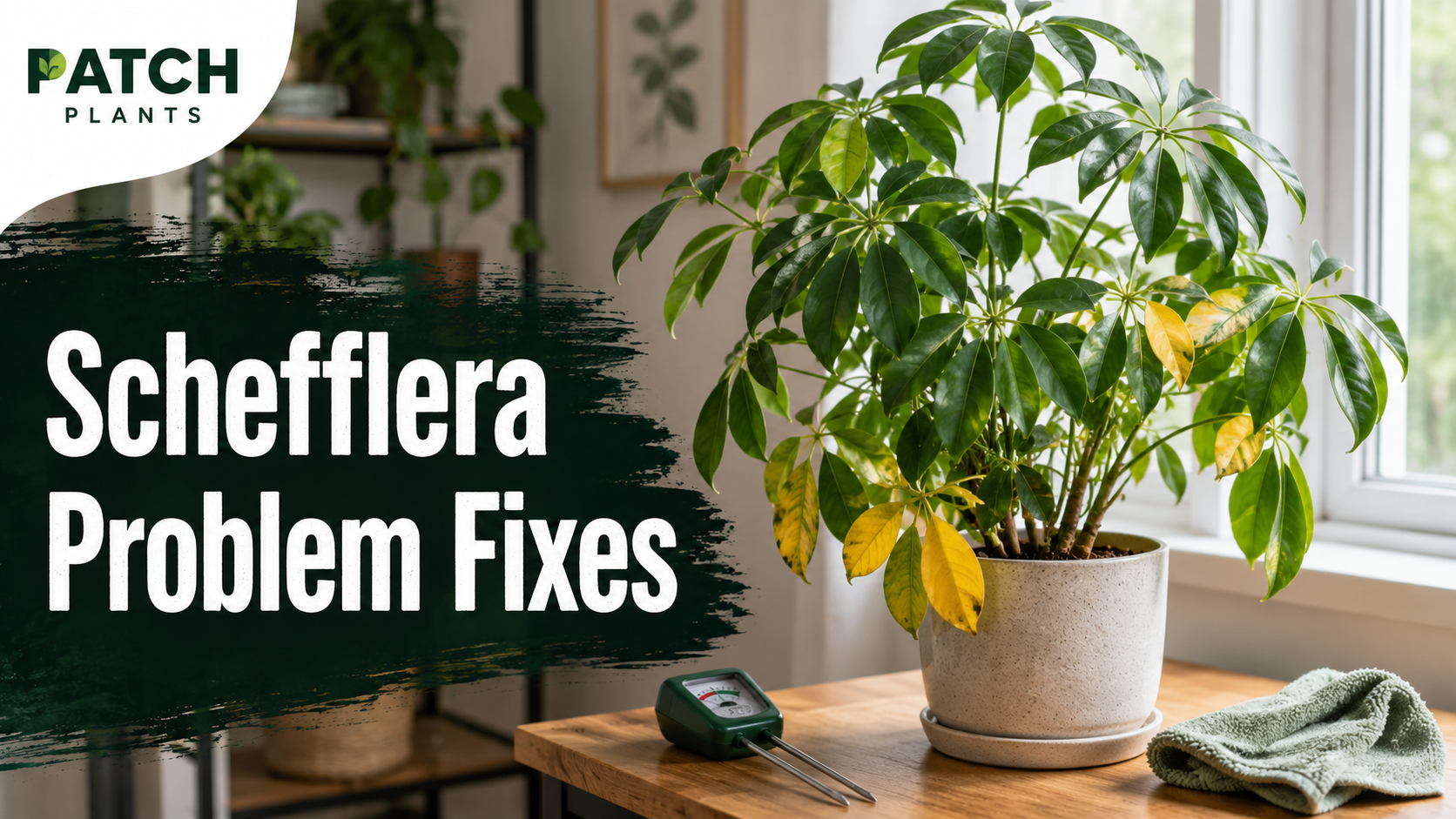
Schefflera plant problems usually show up as drooping leaves, yellow leaves, sudden leaf drop, sticky foliage, brown spots, or pests hiding around the stems. The plant may look dramatic, but most issues come from a few simple causes: watering mistakes, poor drainage, low light, dry air, temperature stress, or insects.
Schefflera, also called umbrella plant, dwarf umbrella tree, or Heptapleurum arboricola, is a tough indoor plant when its basics are right. It likes bright filtered light, a draining potting mix, steady watering, and regular pest checks. This guide helps you read the symptoms and fix the real cause instead of guessing.
Symptom First
The fastest way to solve schefflera plant problems is to start with the symptom. Drooping usually points to water stress, roots, or temperature shock. Yellow leaves often point to overwatering, low light, or old leaf aging. Sticky leaves usually mean pests. Brown spots can come from sun, disease, pests, or wet foliage. Always check soil moisture and leaf undersides before changing the care routine.
Key Takeaways
- Schefflera plant problems are often caused by watering, light, drainage, pests, or sudden changes.
- Drooping leaves can mean too little water, too much water, root damage, or temperature stress.
- Yellow leaves often come from overwatering, poor drainage, low light, or natural old leaf loss.
- Sticky schefflera leaves usually mean sap-sucking pests such as scale, mealybugs, or aphids.
- Spider mites, mealybugs, and scale are common indoor schefflera pests.
- Root rot needs quick action because wet soil can damage roots before the top looks fully dead.
- Use this guide with complete watering tips, yellow leaves on plants, and root rot guide.
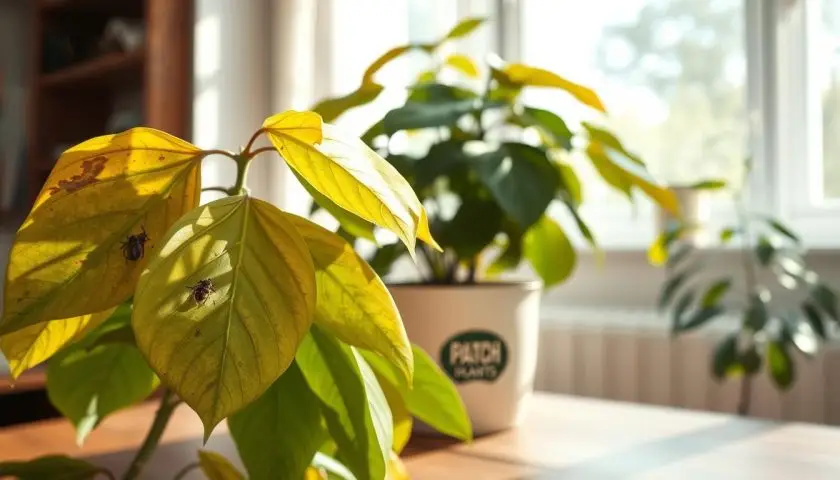
Common Schefflera Plant Problems at a Glance
| Problem | Likely Cause | First Fix |
|---|---|---|
| Drooping leaves | Dry soil, wet soil, roots, drafts | Check soil before watering |
| Yellow leaves | Overwatering, low light, old leaves | Check drainage and light |
| Leaf drop | Water stress, sudden move, pests | Stabilize care and inspect pests |
| Brown spots | Sunburn, leaf spot, pests, wet leaves | Review light and airflow |
| Sticky leaves | Scale, aphids, mealybugs | Inspect stems and leaf undersides |
| Webbing | Spider mites | Isolate and clean leaves |
| Mushy stems | Root rot or stem rot | Inspect roots and repot if needed |
What Is a Schefflera Plant?
Schefflera is a tropical foliage plant grown indoors for its glossy umbrella-like leaf clusters. The smaller houseplant type is commonly sold as dwarf umbrella tree, umbrella plant, or Schefflera arboricola. Its newer botanical name is often listed as Heptapleurum arboricola.
The leaves usually grow in circular clusters, almost like spokes of an umbrella. Variegated types may have cream, yellow, or pale green markings. Healthy schefflera growth should look firm, glossy, and upright, with leaves held on strong stems.
Why schefflera is popular indoors
- It has bold glossy foliage.
- It can grow into a small indoor tree.
- It handles normal home conditions better than many delicate plants.
- It can be pruned to stay bushier.
- It works well in bright living rooms, offices, and plant corners.
For more indoor tree and foliage ideas, read oversized indoor plants, statement plants for minimalist interiors, and colorful foliage indoor plants.
Diagnosing Schefflera Plant Problems
Before you treat a schefflera, diagnose the pattern. A yellow lower leaf on an otherwise healthy plant is not the same as half the plant dropping leaves. Droop with dry soil is not the same as droop with wet soil.
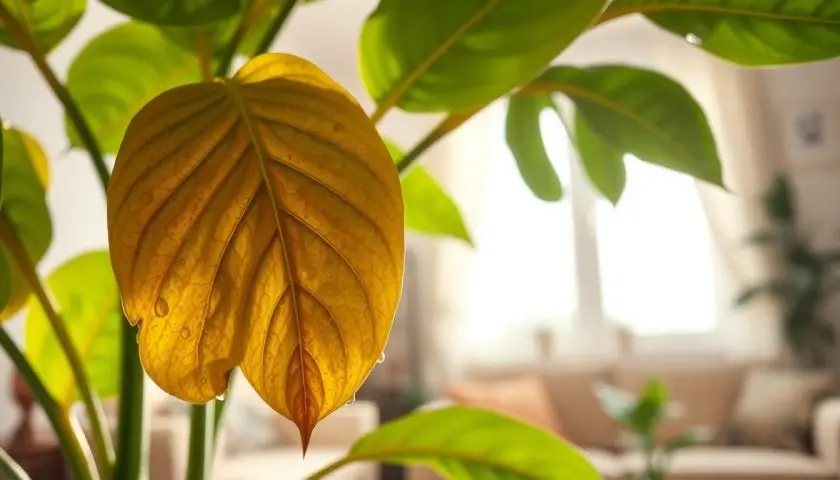
Step 1: Check soil moisture
Push your finger into the soil or use a moisture meter. Do not judge only by the surface. Schefflera roots can sit in wet lower soil even when the top looks dry.
- Dry soil plus droop often means underwatering.
- Wet soil plus droop often means overwatering or root stress.
- Sour smell plus wet soil can mean root rot.
- Soil that stays wet for many days may mean low light, heavy soil, or an oversized pot.
Step 2: Look under the leaves
Many common schefflera plant pests hide on leaf undersides, stems, joints, and new growth. Use a phone flashlight and inspect closely.
Step 3: Review recent changes
Leaf drop and droop often happen after a sudden move, repotting, cold draft, heater exposure, missed watering, or a new plant bringing pests into the room.
Step 4: Check light
Schefflera likes bright filtered light indoors. A dark corner can slow growth and keep soil wet too long. Strong direct light through hot glass can scorch leaves.
Problem 1: Schefflera Drooping Leaves
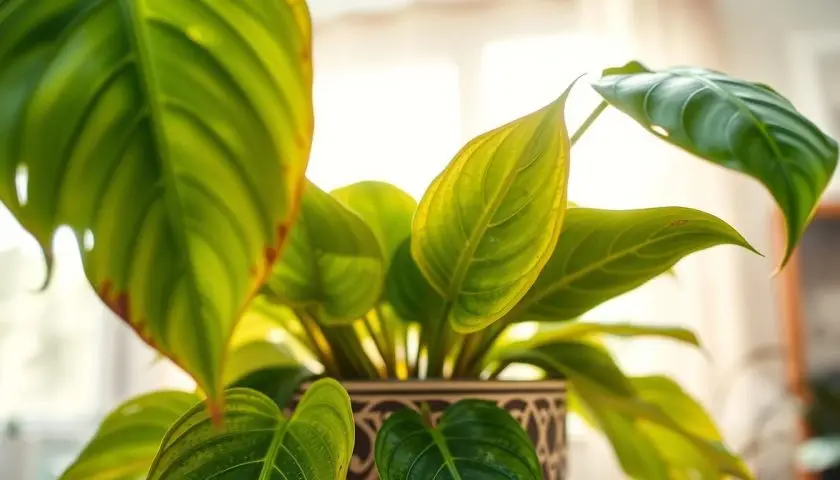
Schefflera drooping is one of the most common warning signs. It usually means the plant cannot move water properly through its stems and leaves. The reason may be dry soil, wet soil, damaged roots, temperature shock, or pests.
If the soil is dry
Water deeply until excess drains out. If the soil has become so dry that water runs down the sides, water slowly in stages or bottom water briefly. Let the pot drain fully after watering.
If the soil is wet
Do not add more water. Move the plant to bright filtered light and let the soil begin drying. If drooping continues while the soil is wet, check the roots for rot.
If the room changed suddenly
Cold drafts, hot radiators, air-conditioning, and moving the plant from one light level to another can cause droop. Keep conditions stable while it recovers.
Drooping diagnosis table
| Symptom | Likely Cause | Fix |
|---|---|---|
| Droop with dry soil | Underwatering | Water deeply and drain |
| Droop with wet soil | Overwatering or root rot | Pause watering and check roots |
| Droop after moving | Location shock | Keep care stable |
| Droop with sticky leaves | Pests | Inspect and clean foliage |
| Droop near heater | Heat and dry air | Move away from dry heat |
For more symptom help, read leaf curl, browning and droop and how to revive a dying plant.
Problem 2: Schefflera Yellow Leaves
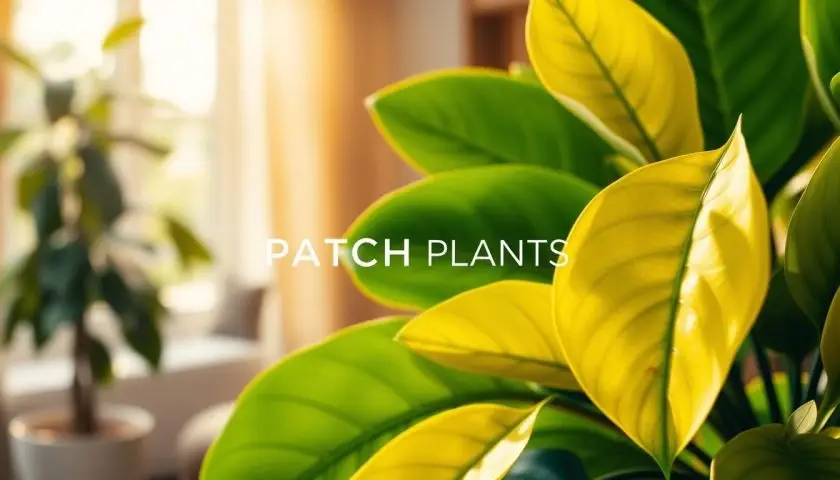
Schefflera yellow leaves can mean several things. The most common causes are overwatering, poor drainage, low light, underwatering, pests, or natural older leaf drop. The soil tells you which direction to go.
Yellow leaves from overwatering
Soft yellow leaves with damp soil often point to overwatering or poor drainage. The issue may be watering too often, using a heavy mix, keeping the plant in low light, or leaving water in the saucer.
Yellow leaves from underwatering
Yellow leaves with crispy edges and very dry soil can mean the plant has been too dry. Water thoroughly and avoid tiny daily sips.
Yellow leaves from low light
In low light, schefflera uses less water and grows more slowly. Soil stays wet longer, roots weaken, and lower leaves may yellow and drop.
Yellow leaves from old growth
One old lower leaf yellowing occasionally is normal. Many yellow leaves at once, especially with droop or wet soil, need attention.
| Yellow Leaf Pattern | Likely Cause | What to Do |
|---|---|---|
| One lower leaf | Natural aging | Remove when fully yellow |
| Many soft yellow leaves | Overwatering | Improve drainage and water less |
| Yellow with crispy edges | Underwatering or dry air | Water deeply and adjust humidity |
| Yellow with sticky residue | Pests | Inspect for scale, aphids, mealybugs |
| Yellow after repotting | Root disturbance or wet new soil | Keep stable and check moisture |
For a deeper guide, read yellow leaves on plants and why plant leaves turn yellow.
Problem 3: Schefflera Leaf Drop
Leaf drop can feel alarming, but it is often the plant’s reaction to stress. Schefflera may drop leaves after watering swings, sudden moves, temperature changes, low light, pests, or root problems.
Common causes of leaf drop
- Soil stayed too wet.
- Soil dried too hard.
- The plant was moved to a darker spot.
- Cold drafts hit the plant.
- Dry heat from a radiator stressed the foliage.
- Scale, mites, or mealybugs weakened the leaves.
- The plant was repotted into a pot that is too large.
How to fix leaf drop
- Check soil moisture before watering again.
- Move to bright filtered light.
- Keep away from heaters, AC vents, and cold windows.
- Inspect for pests.
- Trim dead stems and leaves.
- Wait for new growth before feeding.
Problem 4: Sticky Schefflera Leaves
Sticky leaves usually mean sap-sucking pests. Scale insects, aphids, and mealybugs feed on plant sap and leave honeydew behind. This sticky residue can drip onto floors, shelves, and nearby windowsills.
What to look for
- Brown bumps on stems or leaf veins.
- White cottony patches around joints.
- Tiny green, black, or brown insects on new growth.
- Shiny sticky leaves.
- Sooty dark film growing on sticky residue.
How to fix sticky leaves
- Isolate the plant from nearby houseplants.
- Wipe leaves and stems with a damp cloth.
- Remove visible pests by hand where possible.
- Use insecticidal soap or a suitable houseplant pest spray if needed.
- Repeat weekly checks because eggs and hidden pests can remain.
- Clean the shelf, pot, and window area too.
Problem 5: Spider Mites on Schefflera
Spider mites are tiny and easy to miss. They often appear when indoor air is dry. You may notice pale speckling, dull leaves, fine webbing, and general weakness.
Spider mite signs
- Fine webbing around leaves or stems.
- Tiny moving dots under leaves.
- Speckled or dusty-looking foliage.
- Leaves fading, curling, or dropping.
- Worse problems near dry heat.
Spider mite treatment
Rinse or wipe the leaves, especially undersides. Increase humidity around the plant without keeping soil soggy. Isolate the plant and repeat cleaning because mites can return quickly.
For humidity support, read humidity hacks without a humidifier, DIY humidity tray, and misting for plants.
Problem 6: Scale Insects on Schefflera
Scale insects look like small brown, tan, or shell-like bumps stuck to leaves and stems. They may not look like insects at first. They feed slowly and can cause sticky leaves, yellowing, and weak growth.
Scale signs
- Small raised bumps on stems and leaf veins.
- Sticky honeydew on leaves or surfaces.
- Yellowing leaves.
- Leaves dropping one by one.
- Ants around outdoor or patio plants.
Scale treatment
Wipe off visible scale with a damp cloth or cotton swab. Prune badly infested stems if needed. Repeat treatments because young scale insects can hide and spread.
Problem 7: Mealybugs and Aphids
Mealybugs look like small white cottony patches, usually around leaf joints and stems. Aphids gather on tender new growth. Both can weaken the plant and cause sticky residue.
Mealybug signs
- White cottony clusters.
- Sticky leaves.
- Yellowing or distorted growth.
- Pests hiding in stem joints.
Aphid signs
- Tiny insects on new shoots.
- Curling new growth.
- Sticky residue.
- Leaf yellowing near soft growth.
Treatment steps
- Isolate the plant.
- Remove visible insects by wiping.
- Rinse leaves if the plant can drain fully afterward.
- Use insecticidal soap if cleaning is not enough.
- Repeat every few days until no pests return.
Problem 8: Schefflera Root Rot
Schefflera root rot happens when roots stay wet for too long. It can come from overwatering, poor drainage, heavy soil, low light, or a pot that is too large.
Root rot signs
- Drooping while soil is wet.
- Yellow leaves that feel soft.
- Leaf drop from lower stems.
- Musty or sour smell from soil.
- Black, brown, or mushy roots.
- Soft lower stems.
How to treat schefflera root rot
- Remove the plant from its pot.
- Gently remove wet, sour potting mix.
- Trim mushy, black, or rotten roots with clean shears.
- Keep firm healthy roots.
- Repot into fresh well-draining mix.
- Use a pot with drainage holes.
- Water lightly after repotting if needed, then let the soil begin drying.
- Keep in bright filtered light while it recovers.
For detailed rescue steps, read what is root rot, how to repot a plant, and repotting mistakes to avoid.
Problem 9: Brown Spots on Schefflera Leaves
Brown spots can come from several causes, so look at the pattern. Dry brown patches on the sun-facing side may be sunburn. Soft spreading spots may be disease. Tiny speckled marks may be pests.
Brown spot causes
- Direct sun through hot glass.
- Water sitting on leaves in poor airflow.
- Fungal or bacterial leaf spot.
- Pest feeding damage.
- Cold damage near windows.
- Fertilizer or salt stress.
How to fix brown spots
- Move the plant out of harsh direct sun.
- Avoid wetting the leaves late in the day.
- Improve airflow without placing it in a cold draft.
- Remove badly spotted leaves if the problem spreads.
- Inspect for pests.
- Review fertilizer and watering habits.
Problem 10: Schefflera Leaves Curling
Curling leaves can come from dry soil, low humidity, pests, heat stress, or root problems. New growth curling or twisting often points toward pests, especially mites or aphids.
What to check
- Is the soil very dry?
- Is the plant near a radiator or AC vent?
- Are there pests on new growth?
- Are leaf undersides speckled?
- Is the plant getting harsh direct sun?
- Are roots sitting in wet soil?
How to fix curling
Correct the cause rather than simply misting more. If the soil is dry, water properly. If pests are present, treat them. If dry air is the issue, improve humidity and move the plant away from heat vents.
Problem 11: Weak or Leggy Schefflera Growth
A schefflera becomes leggy when it reaches for light or when it has not been pruned for a long time. Tall, bare stems with leaves only at the top usually mean the plant needs better light and careful pruning.
Common causes
- Low light.
- Plant placed far from a window.
- No pruning for years.
- Overfeeding without enough light.
- Old stems dropping lower leaves.
How to improve shape
- Move to bright filtered light.
- Rotate the pot regularly.
- Prune long stems above a leaf node.
- Do not remove too much foliage at once.
- Use cuttings for propagation if stems are healthy.
Best Light for Schefflera Recovery
Light affects almost every schefflera problem. In low light, the plant grows slowly, soil dries slowly, and overwatering becomes easier. In harsh direct sun, leaves can burn.
| Light Level | Effect on Schefflera | Care Tip |
|---|---|---|
| Bright filtered light | Best for strong indoor growth | Place near east, west, or south light with filtering |
| Medium indirect light | Usually tolerated | Water less often if growth slows |
| Low light | Weak growth and slow drying | Move closer to a window or use grow light |
| Direct hot sun | Leaf scorch risk | Use sheer curtain or move back |
For better placement, read complete guide to indoor light, low light house plants, and office-friendly plants for artificial light.
Watering Schefflera Without Causing Problems
Watering is the most common cause of schefflera stress. This plant does not want to sit in soggy soil, but it can also droop and drop leaves if it dries out too hard.
Simple watering routine
- Check the top few inches of soil.
- Water when the soil has partly dried.
- Water deeply until excess drains out.
- Empty the saucer or outer pot.
- Wait until the soil begins drying again before watering.
Watering mistakes to avoid
- Watering on a fixed calendar without checking soil.
- Letting the plant sit in a decorative pot full of water.
- Giving tiny daily sips.
- Using heavy soil that stays wet.
- Keeping the plant in low light and watering as if it is in bright light.
For deeper watering help, use complete watering guide, worst times to water plants, and signs you are overwatering.
Best Soil and Pot for Schefflera
Schefflera needs a potting mix that holds some moisture but drains well. Dense soil can stay wet too long and trigger root problems.
Simple soil mix
- 2 parts indoor potting mix.
- 1 part perlite or pumice.
- 1 part fine bark or chunky houseplant mix.
Best pot setup
- Use a pot with drainage holes.
- Avoid pots much larger than the root ball.
- Use a stable pot for tall plants.
- Empty outer pots after watering.
- Repot only when roots are crowded or soil has broken down.
For soil help, read best soil mix guide, how to repot a plant, and self-watering pots guide.
Humidity and Temperature Problems
Schefflera likes normal warm indoor conditions and appreciates humidity. Dry air can encourage spider mites and crispy tips. Cold drafts can cause leaf drop.
Good conditions
- Warm room temperatures.
- Bright filtered light.
- Moderate humidity.
- Good drainage.
- Gentle airflow without cold drafts.
Conditions to avoid
- Cold windowsills in winter.
- Hot radiators and heat vents.
- Air-conditioning blasts.
- Very dry rooms with spider mite problems.
- Sudden moves from warm to cold spaces.
Fertilizer Problems on Schefflera
Fertilizer helps only when the plant is actively growing and already has good light, roots, and watering. Feeding a stressed schefflera can make problems worse.
When to feed
- Feed lightly in spring and summer.
- Use a diluted balanced houseplant fertilizer.
- Feed only when the plant is producing healthy growth.
- Reduce or stop feeding in winter.
Signs of too much fertilizer
- Brown leaf tips.
- White crust on soil.
- Yellowing after feeding.
- Weak growth despite fertilizer.
- Root stress in wet soil.
For feeding basics, read fertilizing indoor vs outdoor plants.
How to Revive a Dying Schefflera Plant
To revive a dying schefflera, work in order. Do not water, fertilize, prune, repot, and move it all on the same day unless it has clear root rot. Too many changes can add more stress.
Recovery steps
- Check soil moisture.
- Inspect for pests.
- Check roots if soil is wet or smells sour.
- Move to bright filtered light.
- Trim dead, black, mushy, or pest-heavy growth.
- Repot only if roots or soil are the problem.
- Wait for new growth before feeding.
Signs it can recover
- Some stems are still firm.
- Some roots are firm and pale.
- New buds appear near nodes.
- Pests are under control.
- Soil begins drying at a normal pace.
For a full rescue plan, read how to revive a dying plant.
Schefflera Pruning Tips
Schefflera pruning tips are useful because this plant can become tall, bare, or uneven indoors. Pruning helps shape the plant, remove damaged growth, and encourage a bushier look.
When to prune
- In spring or early summer.
- When stems are too long.
- When the plant is leaning badly.
- When leaves are dead or pest-damaged.
- After a pest treatment if some growth is badly affected.
How to prune
- Use clean sharp pruning shears.
- Cut just above a leaf node.
- Remove dead or diseased stems first.
- Shorten leggy stems gradually.
- Do not remove more than about one-third of healthy foliage at once.
For safer pruning, read pruning basics and how to clean plant leaves.
Schefflera Safety Around Pets and Children
Schefflera can irritate the mouth, throat, skin, or stomach if chewed or handled by sensitive people. Keep it away from pets and children who may bite leaves or play with sap.
Safety tips
- Place the plant out of reach of cats, dogs, and toddlers.
- Wear gloves if your skin is sensitive.
- Wash hands after pruning.
- Pick up fallen leaves quickly.
- Do not place large plants where pets can climb into the pot.
For more safety planning, read cat-friendly plant safety and dog-friendly plant safety.
Preventing Future Schefflera Plant Problems
Prevention is easier than rescue. Most schefflera issues stay small if you catch them early during watering and leaf cleaning.
Weekly care checklist
| Task | What to Check | Why It Matters |
|---|---|---|
| Check soil | Dryness below the surface | Prevents overwatering and underwatering |
| Inspect leaves | Undersides, stems, joints | Catches pests early |
| Check light | Leaning, weak growth, scorch | Keeps growth balanced |
| Clean leaves | Dust and sticky residue | Improves light access and pest control |
| Empty saucer | Standing water | Protects roots |
| Rotate pot | One-sided growth | Encourages even shape |
Common Mistakes With Schefflera Plant Problems
| Mistake | What Happens | Better Choice |
|---|---|---|
| Watering drooping leaves without checking soil | Can worsen root rot | Check soil first |
| Ignoring sticky leaves | Pests spread quietly | Inspect for scale, aphids, and mealybugs |
| Keeping plant in low light | Soil stays wet and leaves drop | Use bright filtered light |
| Using a pot with no drainage | Roots stay soggy | Use drainage holes |
| Fertilizing a sick plant | Stressed roots may burn | Fix care problems first |
| Stopping after one pest treatment | Pests return from hidden eggs | Repeat checks and cleaning |
Helpful PATCH Guides for Schefflera Plant Problems
Use these related PATCH guides to improve watering, light, pest control, root health, pruning, and indoor plant recovery.
Problem-Solving Guides
- Plant Care hub
- Yellow leaves on plants
- Why plant leaves turn yellow
- Leaf curl, browning and droop
- Root rot guide
- How to revive a dying plant
- How to clean plant leaves
- Pruning basics
Watering, Soil and Repotting Guides
- Complete watering guide
- Worst times to water plants
- Signs you are overwatering
- Best soil mix guide
- How to repot a plant
- Repotting mistakes to avoid
- Self-watering pots guide
Light, Humidity and Indoor Care Guides
- Complete guide to indoor light
- Low light house plants
- Office-friendly plants for artificial light
- Humidity hacks without a humidifier
- DIY humidity tray
- Misting for plants
Indoor Plant Guides
- Indoor Plants hub
- Best indoor plants for beginners
- Best indoor plants for first-time plant parents
- Low-maintenance plants that thrive
- Best indoor plants for tiny apartments
- Oversized indoor plants
- Air-purifying indoor plants
- Colorful foliage indoor plants
Specific Indoor Plant Guides
- Rubber Plant care guide
- Fiddle Leaf Fig care guide
- Dracaena care guide
- Monstera care guide
- Philodendron care guide
- Pothos care guide
- Peace Lily care guide
- Spider Plant care guide
- ZZ Plant care guide
- Snake Plant care guide
Styling and Room Guides
- Style indoor plants by room
- Decorate your bedroom with plants
- Create an indoor jungle without overcrowding
- Best office plants
- Improve home office with plants
Frequently Asked Questions
Why are my schefflera leaves drooping?
Schefflera leaves usually droop from underwatering, overwatering, root stress, cold drafts, heat stress, low light, or pests. Check the soil first. Dry soil and wet soil need opposite fixes.
Why does my schefflera plant have yellow leaves?
Yellow leaves on schefflera often come from overwatering, poor drainage, low light, underwatering, pests, or natural aging. If many leaves yellow at once, check soil moisture, roots, and pests.
Why is my schefflera dropping leaves?
Schefflera leaf drop can happen after watering swings, sudden location changes, cold drafts, dry heat, pests, or root problems. Stabilize the environment and check the roots if soil is wet.
What are the most common schefflera pests?
The most common schefflera pests are spider mites, scale insects, mealybugs, and aphids. Sticky leaves, webbing, cottony patches, brown bumps, and distorted growth are common warning signs.
How do I treat sticky schefflera leaves?
Sticky leaves usually mean pests are producing honeydew. Isolate the plant, wipe leaves and stems, inspect for scale, aphids, or mealybugs, and repeat cleaning or pest treatment until the residue stops returning.
How do I identify schefflera root rot?
Root rot may show as drooping in wet soil, yellow leaves, soft stems, a sour smell, and black or mushy roots. Healthy roots should feel firm, not slimy or hollow.
Can I save a schefflera with root rot?
Yes, if some roots and stems are still healthy. Trim rotten roots, repot into fresh well-draining mix, use a pot with drainage holes, and water only when the soil begins to dry.
Why does my schefflera have brown spots?
Brown spots can come from sunburn, fungal or bacterial leaf spot, wet foliage, pests, cold damage, or fertilizer stress. Check light, airflow, watering habits, and pests before treating.
Should I prune a sick schefflera?
Yes, but carefully. Remove dead, diseased, mushy, or pest-heavy growth with clean shears. Avoid removing too much healthy foliage at once because the plant needs leaves to recover.
How do I keep schefflera plant problems from coming back?
Keep the plant in bright filtered light, water only after checking soil, use a draining pot, clean leaves regularly, inspect pests weekly, avoid drafts, and do not leave water sitting in the saucer.
Final Thoughts
Schefflera plant problems become easier to fix when you stop guessing and follow the clues. Droop asks you to check water and roots. Yellow leaves ask you to check drainage, light, and old growth. Sticky leaves ask you to inspect for pests. Brown spots ask you to review light, airflow, and leaf wetness.
NC State Extension notes that dwarf umbrella tree, previously known as Schefflera arboricola, should be grown indoors in filtered light, watered after the soil dries, and watched for spider mites, mealybugs, and scale: NC State Extension schefflera plant profile.
Once the main cause is fixed, do not expect every damaged leaf to recover. Watch new growth instead. Firm stems, cleaner leaves, fewer pests, and soil that dries normally are the real signs your schefflera is improving.
Final Recap
Schefflera plant problems usually come from watering mistakes, poor drainage, low light, harsh sun, dry air, pests, root rot, or sudden environmental changes. Drooping leaves need a soil check before watering. Yellow leaves often point to overwatering, low light, or old leaf aging. Sticky leaves usually mean pests such as scale, mealybugs, or aphids. Brown spots can come from sunburn, disease, pests, or wet foliage. To revive a struggling schefflera, inspect soil, roots, pests, light, and temperature first. Then prune damaged growth, improve drainage, clean pests, and keep the plant in bright filtered light with steady care.