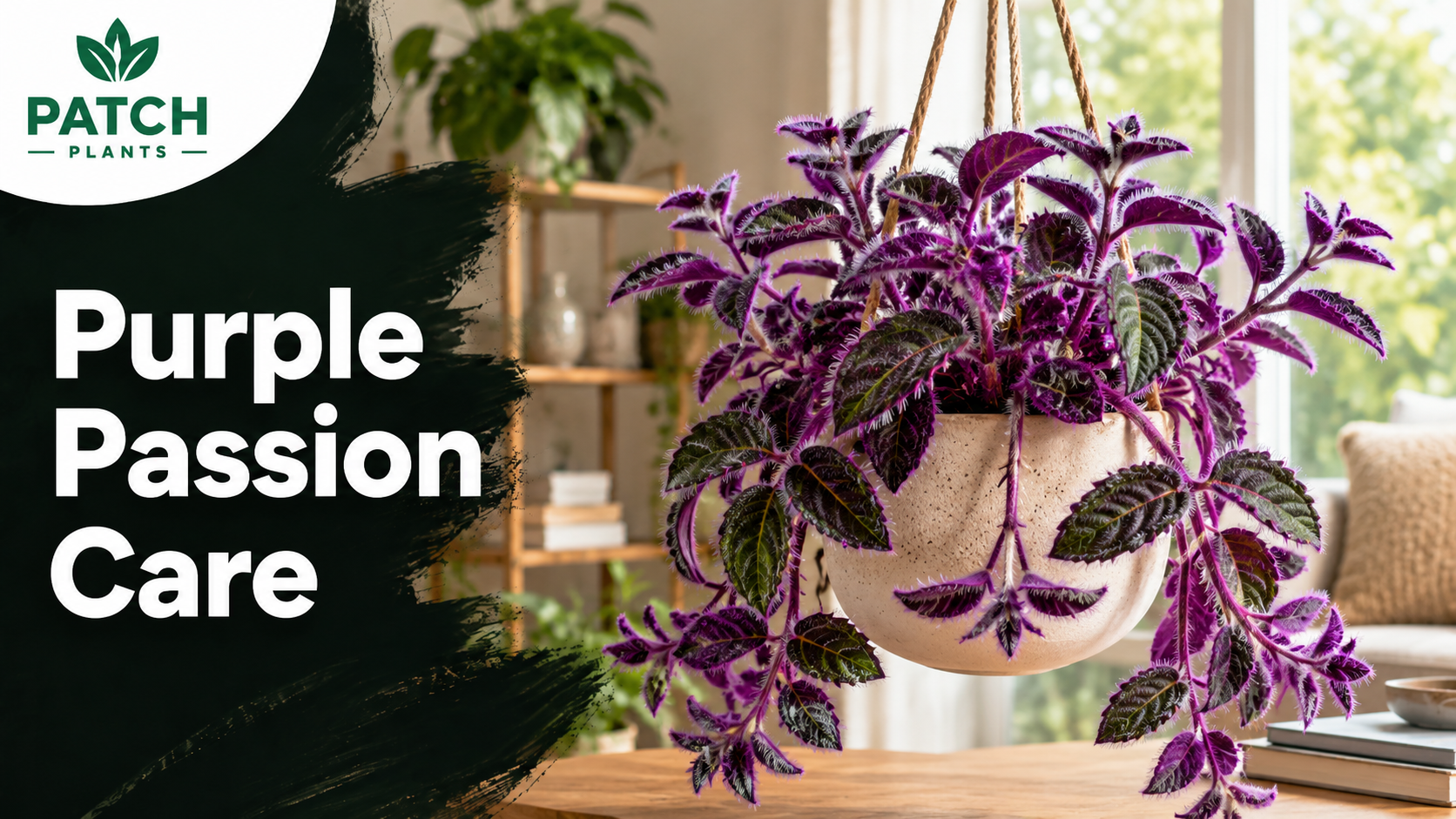
Purple passion plant care is mostly about keeping the plant bright, lightly moist, warm, and trimmed. This fuzzy purple houseplant, also called Gynura aurantiaca, is grown for its velvet-looking leaves rather than flowers. When the light is right, the green leaves glow with purple hairs that make the whole plant look soft and dramatic.
The plant is not difficult, but it does have a few habits you need to understand. It dislikes soggy roots, dark corners, cold rooms, and water sitting on its fuzzy leaves. With the right routine, an indoor purple passion plant can stay colorful, trailing, and full for a long time.
Care Snapshot
A purple passion plant needs bright indirect light, moist but well-drained soil, moderate humidity, warm indoor temperatures, and regular pinching to stop it becoming leggy. Water when the top layer of potting mix begins to dry, avoid wetting the fuzzy leaves, and take stem cuttings when the plant starts to age or stretch.
Key Takeaways
- Purple passion plant care works best in bright indirect light or filtered sun.
- Low light can make the leaves look greener and less purple.
- Keep the soil lightly moist, but never soggy.
- Water the soil directly because fuzzy leaves can hold moisture.
- Pinch long stems to keep the plant bushy and fuller.
- Stem cuttings are the easiest way to propagate purple passion plant.
- This guide fits well with colorful foliage indoor plants, complete indoor light guidance, and complete watering tips.
What Is a Purple Passion Plant?
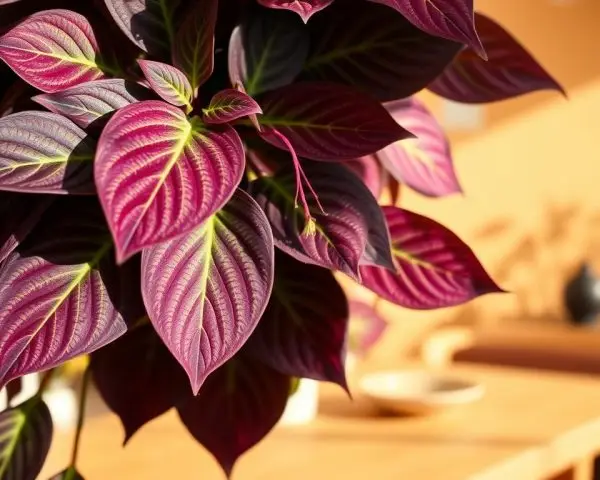
The purple passion plant is a tropical foliage houseplant known botanically as Gynura aurantiaca. It is also called purple velvet plant, velvet plant, royal velvet plant, or purple passion vine. The common names come from the fine purple hairs covering the leaves and stems.
The leaves are usually green underneath the purple fuzz, which is why light matters so much. In a bright spot, the purple hairs catch the light and look rich and velvety. In a dark spot, the same plant can look dull, stretched, and mostly green.
Purple passion plant often has a trailing or sprawling habit, so it can look good in a hanging basket, on a plant shelf, or in a bright window area where the stems can soften the edge of the pot. For similar indoor display ideas, see trailing plants for shelves, hanging plants for shelves and ceilings, and how to create an indoor jungle without overcrowding.
Purple Passion Plant Care at a Glance
| Care Area | Best Setup | What to Avoid |
|---|---|---|
| Light | Bright indirect light or filtered sun | Deep shade or harsh hot sun |
| Water | Water when the top layer begins to dry | Soggy soil or long dry spells |
| Soil | Light, airy, well-draining mix | Heavy compact soil |
| Humidity | Moderate indoor humidity | Very dry air near heaters |
| Pruning | Pinch tips often for bushy growth | Letting stems become long and bare |
| Propagation | Stem cuttings in water or soil | Trying to root single leaves |
Understanding Gynura Aurantiaca
Gynura aurantiaca is a warm-climate plant from humid tropical regions of Asia. Indoors, it is grown for foliage rather than long-term woody structure. It can grow quickly in bright warm conditions, which is useful if you want a full pot, but it also means the stems can get leggy if you never pinch them back.
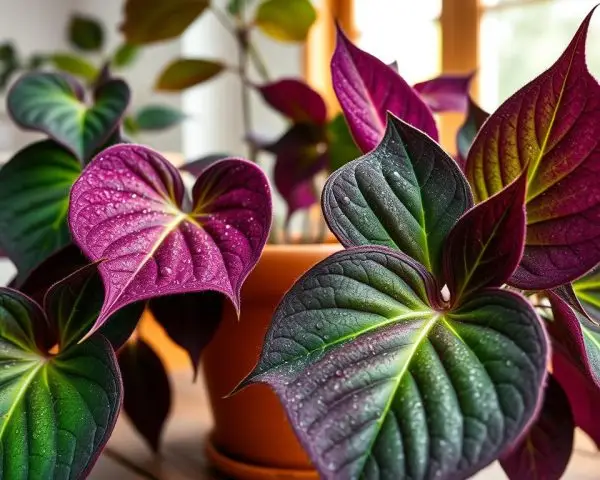
The plant’s fuzzy surface is part of its charm. Those purple hairs make the leaves look almost glowing when light hits them from the side. They also mean you should be careful with overhead watering. Water trapped in the fuzz can leave marks or increase the chance of leaf problems.
Why the leaves look purple
The leaves themselves are green, but they are covered with reddish-purple hairs. When the plant gets enough bright light, those hairs look stronger and more vivid. When the light is weak, the foliage may look greener and the purple effect fades.
Why the plant can become leggy
Purple passion plant has weak, trailing stems. If it grows without pruning, the stems can stretch, lose leaves near the base, and look thin. Pinching the tips encourages side shoots and keeps the plant more compact.
What about the flowers?
Purple passion plant can produce small yellow-orange flowers. Many growers remove flower buds because the flowers can smell unpleasant and the plant usually looks better when its energy goes into foliage. Removing buds is normal and does not harm the plant.
Best Light for Purple Passion Plant Care
Purple passion plant sunlight requirements are simple: give it bright light, but avoid harsh scorching sun. The best indoor position is near a bright window with filtered light. An east-facing window is often ideal because it gives gentle morning sun without strong afternoon heat.
If your plant is too far from the window, the leaves may become greener, stems may stretch, and new growth may look weak. If it gets too much direct hot sun, the leaves can bleach, crisp, or develop dry patches.
Best indoor light positions
- Near an east-facing window with gentle morning sun.
- A few feet back from a bright south-facing window.
- Beside a west-facing window with sheer curtains.
- On a bright plant shelf with a grow light.
- In a sunroom where the plant is protected from hot glass.
Signs your plant needs more light
- The leaves look more green than purple.
- Stems stretch and lean toward the window.
- New leaves are smaller than older leaves.
- The plant stops growing in the growing season.
- Soil stays wet too long after watering.
Signs the light is too strong
- Leaves develop pale or bleached patches.
- Edges turn dry after sun exposure.
- The plant wilts near a hot window.
- Foliage feels thin, crispy, or scorched.
For more help choosing a window, read complete guide to indoor light, low light house plants, and office-friendly plants for artificial lighting.
Purple Passion Plant Watering Tips
Purple passion plant watering tips should focus on steady moisture and drainage. The plant likes soil that stays lightly moist during active growth, but it does not like sitting in soggy mix. A good routine is to water when the top layer of soil starts to dry.
Do not water only because the calendar says so. A purple passion plant in a warm bright room dries faster than one in a cooler room. A hanging basket can dry faster than a large glazed pot. Always check the soil first.
Simple watering routine
- Touch the top layer of potting mix.
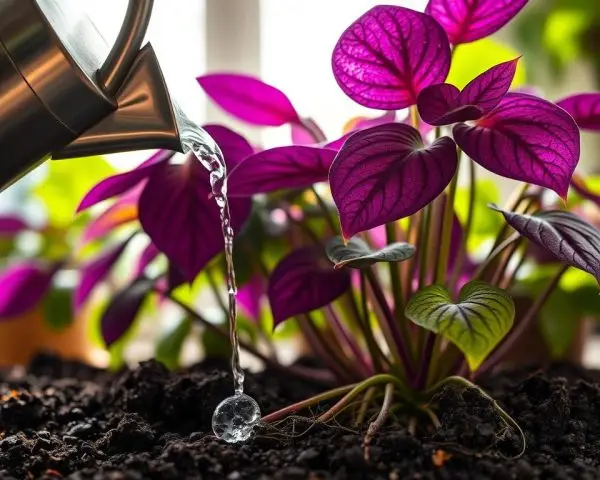
- If it feels slightly dry, water the soil directly.
- Let water run through the drainage holes.
- Empty the saucer after watering.
- Wait until the top layer begins to dry before watering again.
Why you should avoid wetting the leaves
The fuzzy leaves can hold water droplets. This may leave marks and can create leaf issues if the room is cool or airflow is poor. Water near the soil line instead of showering the foliage.
Summer watering
In spring and summer, purple passion plants usually grow faster and need more frequent checks. The soil should not dry out completely for long periods, especially if the plant is in a warm bright spot.
Winter watering
In winter, growth slows. The plant may need less water because light levels drop and indoor temperatures change. Let the top layer dry slightly before watering, and avoid keeping the pot constantly wet.
Overwatering vs Underwatering
| Problem | Common Signs | What to Do |
|---|---|---|
| Overwatering | Yellow leaves, soft stems, wet soil, musty smell | Let soil dry slightly, improve drainage, check roots |
| Underwatering | Drooping, crispy edges, dry soil pulling from pot | Water deeply and adjust the checking routine |
| Low light plus wet soil | Weak growth, greener leaves, slow drying mix | Move to brighter filtered light and water less often |
| Water on leaves | Leaf spotting or fuzzy foliage staying damp | Water the soil directly and improve airflow |
For deeper watering help, read complete watering guide, worst times to water plants, and signs you are overwatering.
Best Soil for Purple Passion Plant
The best soil for purple passion plant is light, airy, and moisture-retentive without becoming heavy. The roots are delicate, so the mix should hold enough moisture for steady growth but still allow oxygen around the root zone.
A standard indoor potting mix can work if you improve it with drainage materials. Avoid dense garden soil indoors because it can compact, stay wet, and increase root rot risk.
Simple potting mix recipe
- 2 parts indoor potting mix.
- 1 part perlite or pumice.
- 1 part fine orchid bark or chunky houseplant mix.
Pot choice
Use a pot with drainage holes. This matters more than pot style. If you use a decorative outer pot, keep the plant in a nursery pot inside it and remove standing water after watering.
When to repot
Repot when roots fill the pot, soil breaks down, the plant dries too quickly, or the stems become too heavy for the current container. Spring is usually the easiest time because the plant is moving into active growth.
For more soil and repotting support, use best soil mix for every plant type, how to repot a plant, and repotting mistakes to avoid.
Temperature and Humidity for Purple Passion Plant
Purple passion plant prefers warm, stable indoor conditions. It does not enjoy cold rooms, freezing windowsills, or sudden drafts. Keep it away from open winter windows, cold doors, air-conditioning vents, and direct heater blasts.
Humidity helps the plant look better, but it does not mean the foliage should stay wet. Aim for moderate humidity around the plant, while still keeping airflow comfortable.
Humidity methods that help
- Group it with other tropical indoor plants.
- Use a small humidifier nearby.
- Place the pot on a pebble tray without letting roots sit in water.
- Keep it away from dry heat vents and radiators.
- Use a bright bathroom only if the room has real natural light.
Should you mist purple passion plant?
Misting is not the best humidity method for this plant because the fuzzy leaves can trap water. A humidifier, pebble tray, or plant grouping is usually safer and more useful than frequent misting.
For humidity help, read humidity hacks without a humidifier and DIY indoor humidity tray.
Feeding Purple Passion Plant
Purple passion plant grows quickly in warm bright conditions, so light feeding during spring and summer can support healthy foliage. Use a balanced houseplant fertilizer at a gentle strength. Do not overfeed, especially if the plant is in low light.
Spring and summer feeding
Feed lightly during active growth. If the plant is pushing out new stems and leaves, it can use some extra nutrients.
Autumn and winter feeding
Reduce or stop feeding when growth slows. A plant in weaker winter light uses less fertilizer, and extra salts can build up in the soil.
Signs of fertilizer stress
- Brown leaf tips.
- White crust on soil surface.
- Sudden yellowing after feeding.
- Weak or distorted new growth.
For a simple feeding comparison, read fertilizing indoor vs outdoor plants.
Purple Passion Plant Pruning Guide
A good purple passion plant pruning guide starts with one rule: pinch early and often. This plant naturally trails and sprawls. If you never prune it, the stems can become long, bare, and uneven.
Pruning keeps the plant bushier, controls leggy growth, and gives you cuttings for propagation. It also helps delay the tired look that older purple passion plants can develop.
When to prune
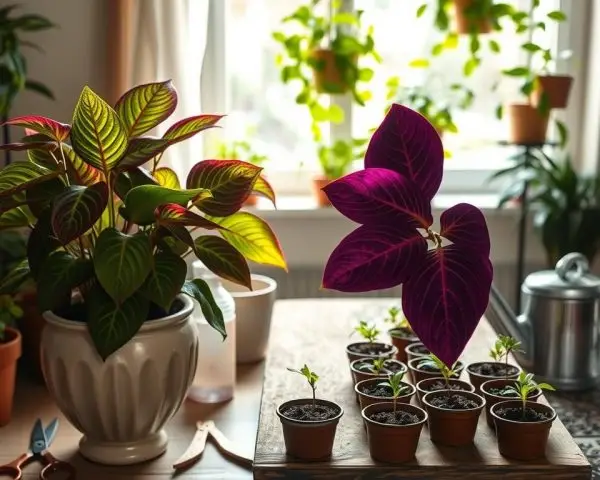
- Pinch growing tips when stems get long.
- Trim weak or bare stems in spring and summer.
- Remove yellow or damaged leaves when needed.
- Cut off flower buds if you do not want the smell.
- Take cuttings before the plant becomes too woody.
How to pinch for fuller growth
- Find a long healthy stem.
- Look for a node where leaves join the stem.
- Pinch or cut just above a node.
- Use the removed stem as a cutting if it is healthy.
- Repeat lightly around the plant for an even shape.
Tools for clean cuts
Use clean scissors or pruning shears. Dirty tools can spread problems from one plant to another. For pruning basics, read pruning basics and how to clean plant leaves.
How to Propagate Purple Passion Plant
The easiest purple passion plant propagation techniques use stem cuttings. This plant roots well from healthy stems, which makes it simple to refresh an older plant or make new pots.
Propagation is also practical because purple passion plants can look less attractive as they age. Instead of trying to keep one tired plant forever, many growers take cuttings and restart the plant every so often.
Water propagation method
- Cut a healthy stem with several nodes.
- Remove the lower leaves.
- Place the stem in a small jar of clean water.
- Keep the leaves above the water line.
- Place the jar in bright indirect light.
- Change the water every few days.
- Pot the cutting once roots are long enough to handle.
Soil propagation method
- Take a healthy cutting below a node.
- Remove the lower leaves.
- Insert the cutting into moist, airy potting mix.
- Keep the mix lightly moist, not soggy.
- Place in bright indirect light and warmth.
- Wait for new growth before treating it like a mature plant.
Water vs soil propagation
| Method | Best Part | Watch Out For |
|---|---|---|
| Water propagation | You can see roots forming | Water must stay clean |
| Soil propagation | Less transplant shock later | Moisture must stay even |
Purple Passion Plant Growth Stages
The purple passion plant growth stages are easy to spot because this plant changes quickly when conditions are right.
| Stage | What Happens | Care Focus |
|---|---|---|
| Fresh cutting | Stem starts forming roots | Warmth, moisture, bright indirect light |
| Young plant | New leaves and stems develop | Light watering and steady humidity |
| Active growth | Stems lengthen quickly | Pinching, feeding, regular light checks |
| Mature plant | Trailing habit becomes stronger | Pruning, cuttings, pest checks |
| Aging plant | Base may look woody or sparse | Refresh with stem cuttings |
Common Purple Passion Plant Problems
Most purple passion plant problems come from light, water, humidity, pruning, or pests. The good news is that the plant responds quickly when conditions improve.
Leaves losing purple color
If the plant looks mostly green, it usually needs more bright filtered light. Move it closer to a window gradually and rotate the pot every week or two.
Yellow leaves
Yellowing can come from overwatering, low light, cold air, poor drainage, or natural older leaf aging. Check soil moisture and drainage before adding more water.
Drooping leaves
Drooping often means the plant is too dry, but it can also happen from root rot. If the soil is dry, water deeply. If the soil is wet, check the roots and improve drainage.
Crispy edges
Crispy edges can happen from dry air, inconsistent watering, too much direct sun, or fertilizer buildup. Improve humidity, water more consistently, and avoid harsh sun.
Leggy stems
Leggy growth usually means the plant needs more light or more pruning. Pinch tips and move the plant to a brighter filtered position.
For symptom support, read why plant leaves turn yellow, leaf curl, browning and droop, root rot guide, and how to revive a dying plant.
Common Pests on Purple Passion Plant
Purple passion plant can attract common indoor pests, especially when the plant is stressed or the air is dry. Check stems, leaf joints, and the undersides of leaves during your regular care routine.
Aphids
Aphids gather on tender new growth and can cause curling or sticky residue. Remove them early before they spread.
Mealybugs
Mealybugs look like small white cottony patches. They often hide where leaves meet stems.
Whiteflies
Whiteflies can lift from the plant when disturbed. They are easier to manage when caught early.
Spider mites
Spider mites are more common in dry indoor air. Watch for fine webbing, dull foliage, and tiny speckled damage.
Scale
Scale insects look like small brown bumps on stems or leaves. They can be stubborn and need repeated checks.
Root rot
Root rot is usually linked to overwatering and poor drainage. If the plant wilts in wet soil or the pot smells sour, inspect the roots and repot into a better draining mix.
For pest and prevention support, use how to keep pests away from plants and plants that keep bugs away.
Common Mistakes with Purple Passion Plant Care
| Mistake | What Happens | Better Choice |
|---|---|---|
| Keeping it in low light | Leaves turn greener and stems stretch | Use bright indirect light |
| Overwatering | Yellow leaves and root rot risk | Water when the top layer starts drying |
| Wetting the fuzzy leaves | Leaf spotting or damp foliage | Water the soil directly |
| Never pruning | Long, bare, uneven stems | Pinch tips for bushier growth |
| Ignoring dry air | Crispy edges and pest stress | Use humidity support without soaking leaves |
| Waiting too long to propagate | Old plant becomes sparse | Take healthy cuttings during active growth |
Purple Passion Plant Maintenance Routine
A simple purple passion plant maintenance routine keeps the plant colorful and prevents most problems.
| Task | How Often | What to Check |
|---|---|---|
| Check light | Seasonally | Color, stretching, leaf size |
| Check soil moisture | Every few days | Top layer slightly dry before watering |
| Empty saucer | After watering | No standing water |
| Pinch stems | As needed | Long or leggy growth |
| Inspect pests | Weekly | Leaf joints, undersides, tender tips |
| Feed lightly | Spring and summer | Only during active growth |
| Take cuttings | When plant ages or stretches | Healthy stems with nodes |
Best Places to Display a Purple Passion Plant Indoors
Purple passion plant looks best where light can catch the purple hairs. A bright shelf, hanging basket, or plant stand can show off the foliage better than a dark corner.
Good display spots
- Bright shelf near an east-facing window.
- Hanging basket in filtered light.
- Plant stand beside a sunny window with sheer curtains.
- Warm home office with a grow light.
- Bright bedroom corner away from cold drafts.
Rooms to be careful with
A bathroom only works if it has real natural light. A dark bathroom may be humid, but the plant will lose color and stretch. For bathroom plant choices, read best bathroom plants, plants for bathroom no light, and bathroom plants for mold.
For styling ideas, use how to style indoor plants by room, decorate your bedroom with plants, and Scandi home with plants.
Helpful PATCH Guides for Purple Passion Plant Care
Use these related PATCH guides to improve light, watering, pruning, humidity, styling, and indoor plant problem-solving.
Indoor Plant Guides
- Indoor Plants hub
- Colorful foliage indoor plants
- Unusual indoor plants
- Rare houseplants
- Best indoor plants for tiny apartments
- Best indoor plants for beginners
- Best indoor plants for first-time plant parents
- Low-maintenance plants that thrive
- Oversized indoor plants
- Statement plants for minimalist interiors
Light, Water and Soil Guides
- Complete guide to indoor light
- Low light house plants
- Office-friendly plants for artificial light
- Complete watering guide
- Worst times to water plants
- Signs you are overwatering
- Best soil mix guide
- How to repot a plant
- Repotting mistakes to avoid
- Self-watering pots guide
Plant Problem Guides
- Plant Care hub
- Root rot guide
- How to revive a dying plant
- Leaf curl, browning and droop
- Why plant leaves turn yellow
- How to clean plant leaves
- Pruning basics
- Fertilizing indoor vs outdoor plants
Humidity and Bathroom Guides
- Humidity hacks without a humidifier
- DIY humidity tray
- Best bathroom plants
- Plants for bathroom no light
- Bathroom plants for mold
- Low-light hanging plants
Styling and Room Guides
- Style indoor plants by room
- Decorate your bedroom with plants
- Create an indoor jungle without overcrowding
- Trailing plants for shelves
- Indoor plants as room dividers
- Scandi home with plants
- Feng Shui indoor plants
Specific Indoor Plant Guides
- Croton Petra plant
- Elephant Ear plant indoors
- Dracaena plant care guide
- Rubber Plant care guide
- Fiddle Leaf Fig care guide
- Bird of Paradise care guide
- Calathea care guide
- Philodendron care guide
- Monstera care guide
- Hoya care guide
- Pothos care guide
- Peace Lily care guide
- Snake Plant care guide
- ZZ Plant care guide
- Spider Plant care guide
- Boston Fern care guide
- Anthurium care guide
- Orchid care guide
- African Violet care guide
- Moss pole for plants
Frequently Asked Questions
How do you care for a purple passion plant indoors?
Care for a purple passion plant indoors by giving it bright indirect light, lightly moist but well-drained soil, warm temperatures, moderate humidity, and regular pinching to keep stems bushy.
What are the ideal purple passion plant sunlight requirements?
The ideal light is bright indirect light or filtered sun. Too little light can make the leaves look greener and less purple, while harsh direct sun can scorch the foliage.
How often should I water a purple passion plant?
Water when the top layer of soil starts to dry. Keep the soil lightly moist during active growth, but do not let the pot sit in standing water.
What is the best soil for purple passion plant?
The best soil is a light, well-draining indoor potting mix. Add perlite, pumice, or fine bark so the roots get moisture and airflow.
How do you propagate purple passion plant?
Take a healthy stem cutting with nodes, remove lower leaves, and root it in water or moist potting mix. Keep it warm and in bright indirect light while roots form.
Why is my purple passion plant losing its color?
It is usually losing color because it needs more bright filtered light. Move it closer to a bright window gradually and rotate the pot for even growth.
Why is my purple passion plant leggy?
Leggy growth usually comes from low light or not enough pruning. Give the plant brighter filtered light and pinch long stems to encourage side growth.
Should I mist a purple passion plant?
Misting is not ideal because the fuzzy leaves can hold water. Use a humidifier, pebble tray, or plant grouping instead.
What pests affect purple passion plant?
Common pests include aphids, mealybugs, whiteflies, spider mites, and scale. Check stems and leaf undersides regularly.
Final Thoughts
Purple passion plant care becomes simple once you understand the plant’s main needs. Give it bright filtered light, keep the potting mix lightly moist but never soggy, avoid soaking the fuzzy leaves, and pinch long stems before they become bare.
UF/IFAS explains that purple passion plant is grown for its vivid purple hairs, can root easily from stem cuttings, should be kept moist but not over-watered, and benefits from indoor humidity and pinching for a bushier look: UF/IFAS purple passion plant guide.
If your plant starts fading, stretching, or dropping leaves, check light and watering first. Most problems improve when the plant gets a brighter position, better drainage, and a more consistent care routine.
Final Recap
Purple passion plant is a colorful fuzzy houseplant with green leaves covered in purple hairs. It needs bright indirect light to stay vivid, lightly moist soil with drainage, moderate humidity, warm indoor conditions, and regular pinching. Water the soil directly instead of soaking the leaves, use a light potting mix, and take stem cuttings when the plant becomes leggy or older. Watch for aphids, mealybugs, whiteflies, spider mites, scale, yellowing leaves, fading color, and root rot. With steady care, purple passion plant can stay bright, soft-looking, and full indoors.