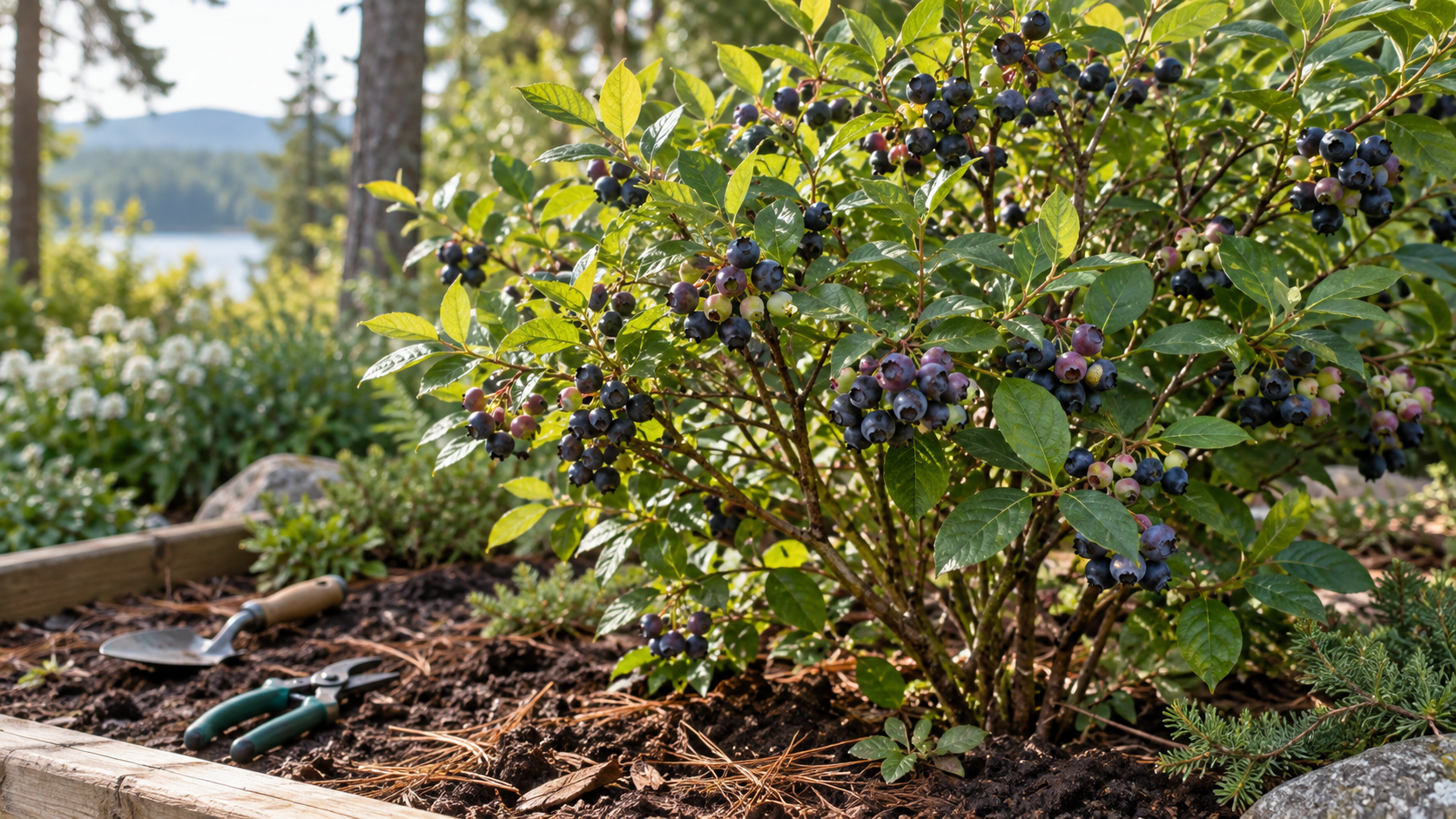
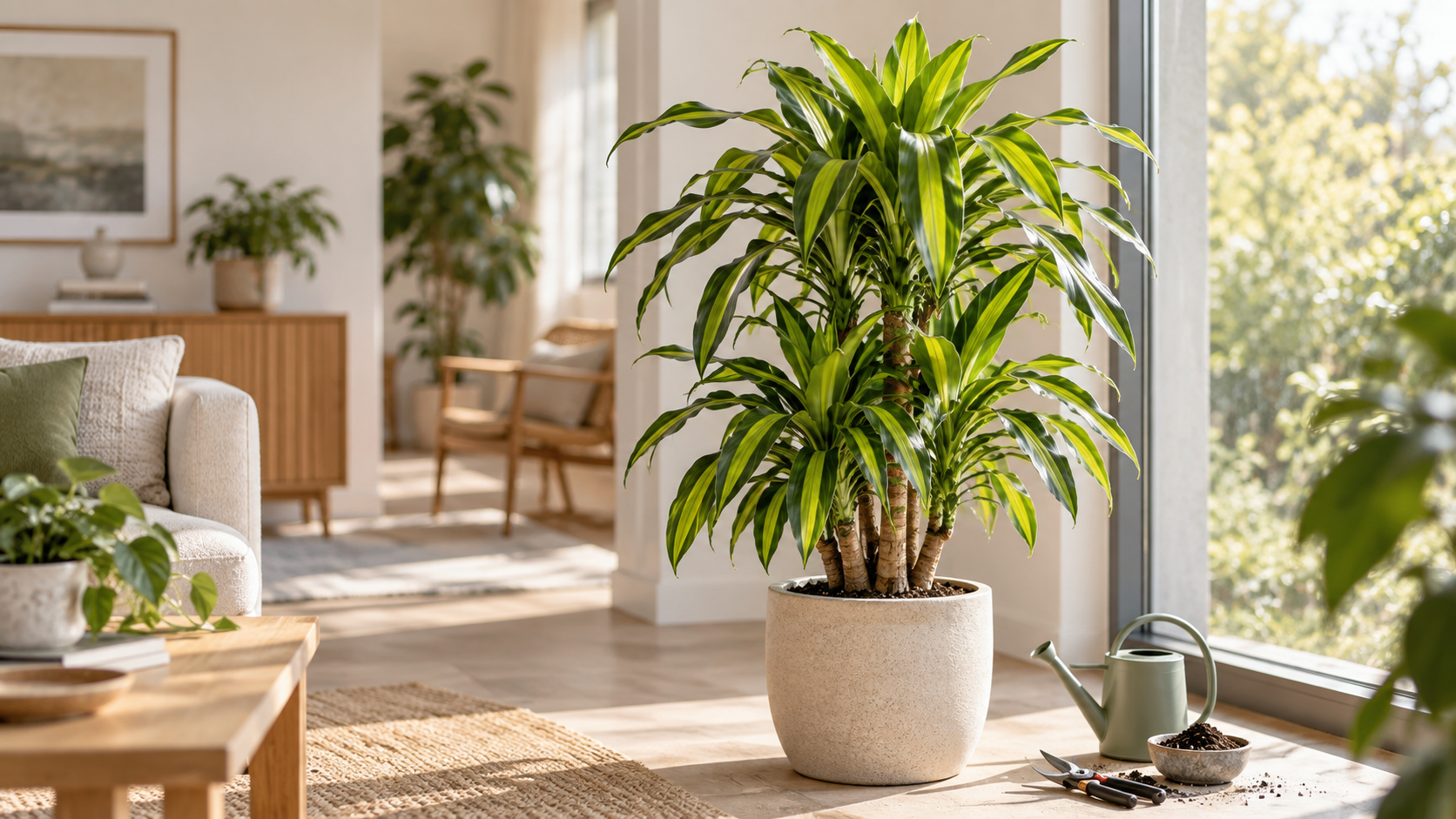
Key Takeaways Pruning basics are simple once you understand why you are cutting, where to cut, and when to stop. If you are learning how to prune plants, start with dead, damaged, diseased, crossing, weak, or overcrowded growth. Pruning plants for beginners should be light and careful. Do not remove too much at once. When to prune plants depends on the plant type, flowering time, growth habit, and season. The best pruning tips are simple: use clean sharp tools, cut above healthy growth, avoid long stubs, and never prune a…
Category: Featured
Improve Home Office with Plants: 15 Best Proven Ideas
Key Takeaways Home office plants can make a work-from-home setup feel calmer, softer, and more focused without needing a full room makeover. The best plants for home office spaces depend on light, desk size, care routine, shelf space, and whether you want a small desk plant or a large statement plant. Office plants for productivity work best when they reduce visual stress instead of adding clutter. For beginners, start with low maintenance office plants like snake plant, ZZ plant, pothos, spider plant, and peace lily. Use home office decor with…
Native Plants That Thrive in Your Region
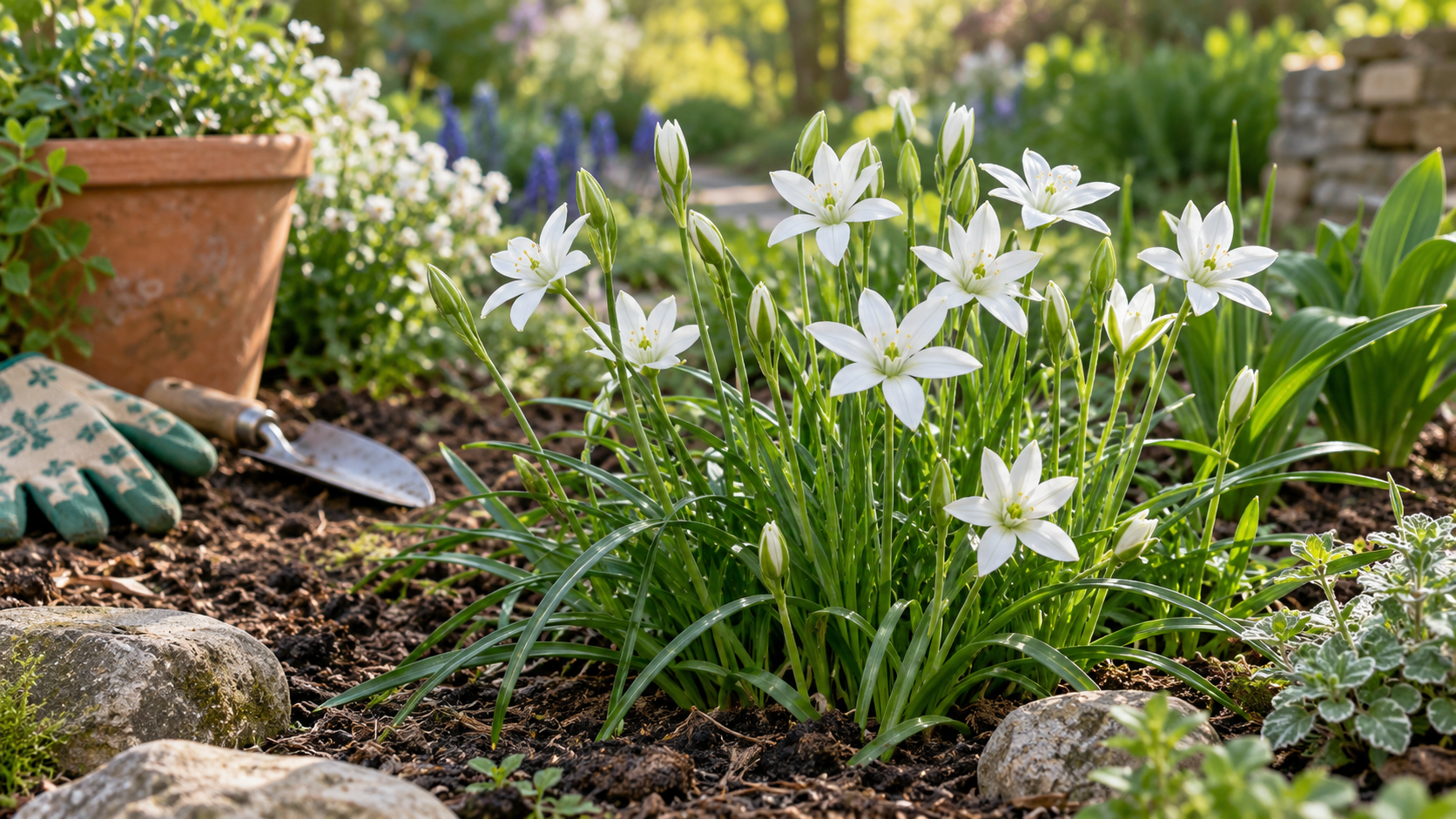
Key Takeaways Native plants are naturally adapted to your region, which means they often need less water, fertiliser, and pest control once established. A native plant garden supports bees, butterflies, birds, and beneficial insects better than many ornamental-only landscapes. Native landscaping can work in front yards, small gardens, containers, borders, slopes, and pollinator beds. Native wildflowers are one of the easiest ways to add colour, seasonal movement, and wildlife value to a garden. Native pollinator plants are especially useful because they provide nectar, pollen, seeds, shelter, and host plants for…
Heat Tolerant Plants That Withstand Storms and Heatwaves
Key Takeaways Heat tolerant plants are essential for gardens that face strong sun, dry spells, sudden storms, and unpredictable summer weather. The best heat resistant flowers include salvia, yarrow, lavender, verbena, lantana, gazania, blanket flower, coreopsis, and coneflower. Heat tolerant perennials return year after year and often need less work than seasonal bedding plants once established. Full sun heat tolerant plants still need deep watering while they establish, especially during their first growing season. Heat tolerant outdoor plants that also handle storms usually have strong roots, flexible stems, compact growth,…
Top Drought-Resistant Plants for a Low-Water Garden
Key Takeaways Drought resistant plants help gardens stay colourful, structured, and healthy with less watering once the plants are established. The best drought resistant flowers include lavender, salvia, yarrow, verbena, California poppy, gazania, sea holly, and sedum. Reliable drought resistant shrubs include rosemary, santolina, artemisia, abelia, elaeagnus, bottlebrush, rock rose, and some drought tolerant evergreen bushes. Drought resistant container plants need free-draining compost, drainage holes, deep watering, and pots that do not trap water around roots. Waterwise gardening is not about never watering. It is about watering better, choosing the…
Year-Round Balcony Plants That Handle Wind, Rain & Sun
Key Takeaways Year round balcony plants need to handle more stress than ordinary garden plants because balconies face stronger wind, uneven rain, intense sun, and fast-drying pots. The best balcony plants include lavender, rosemary, boxwood, heuchera, ornamental grasses, sedum, dwarf conifers, ivy, geraniums, ferns, and hardy herbs. Balcony garden plants work best when you match them to exposure: full sun, shade, wind, rain, or sheltered corners. Balcony container plants need stable pots, drainage holes, good compost, and enough root space to survive changing weather. The best outdoor plants for balcony…
Best Low-Maintenance Outdoor Plants for Busy Gardeners
Key Takeaways Low maintenance outdoor plants are the best choice for busy gardeners who want a garden that looks good without constant watering, pruning, feeding, and replacing. The best easy care plants are usually hardy, drought-tolerant, pest-resistant, and suited to your actual light, soil, and weather. Reliable low maintenance shrubs include boxwood, skimmia, dwarf conifers, rosemary, lavender, euonymus, and pittosporum. Low maintenance perennials like sedum, yarrow, salvia, catmint, hardy geranium, and ornamental grasses return every year with very little fuss. Low maintenance patio plants need large pots, drainage holes, tough…
How to Keep Pests Away from Outdoor Plants
Key Takeaways Keep pests away by starting with prevention, not panic. Healthy soil, good airflow, correct watering, and clean pots reduce most outdoor pest problems. Garden pest prevention works best when you identify the pest first. Aphids, slugs, whiteflies, caterpillars, spider mites, and fungus gnats need different treatment. A natural bug spray for plants can help, but it should be tested on a small leaf area before spraying the whole plant. Natural bug repellent for garden use includes herbs, companion planting, barriers, beneficial insects, and gentle homemade sprays. Garden insect…
Best Outdoor Plants for Coastal and Windy Environments
Key Takeaways Coastal garden plants must handle salt spray, strong gusts, sandy soil, fast drainage, and bright reflected light. The best wind resistant plants include sea thrift, lavender, rosemary, New Zealand flax, yucca, sea holly, escallonia, griselinia, pittosporum, tamarisk, and ornamental grasses. Use windbreak shrubs, windbreak bushes, and layered coastal shrubs before adding delicate flowers. Good beach garden ideas start with structure, drainage, mulch, and plants that bend rather than snap. Plants for coastal gardens should be chosen by exposure level because frontline seaside gardens need tougher choices than sheltered…
Outdoor Plants That Survive British Winters Without Fuss
Key Takeaways Outdoor plants that survive British winters need more than frost tolerance. They must cope with rain, wind, soggy soil, short days, and sudden temperature changes. The best plants that survive British winters include hellebores, boxwood, heuchera, winter jasmine, ornamental grasses, mahonia, dogwood, snowdrops, skimmia, and cyclamen coum. British winter plants work best when you combine evergreen structure, winter flowers, colourful stems, and cold hardy perennials. Hardy outdoor plants still need drainage. Many winter hardy plants fail in British gardens because their roots sit in wet soil for weeks.…