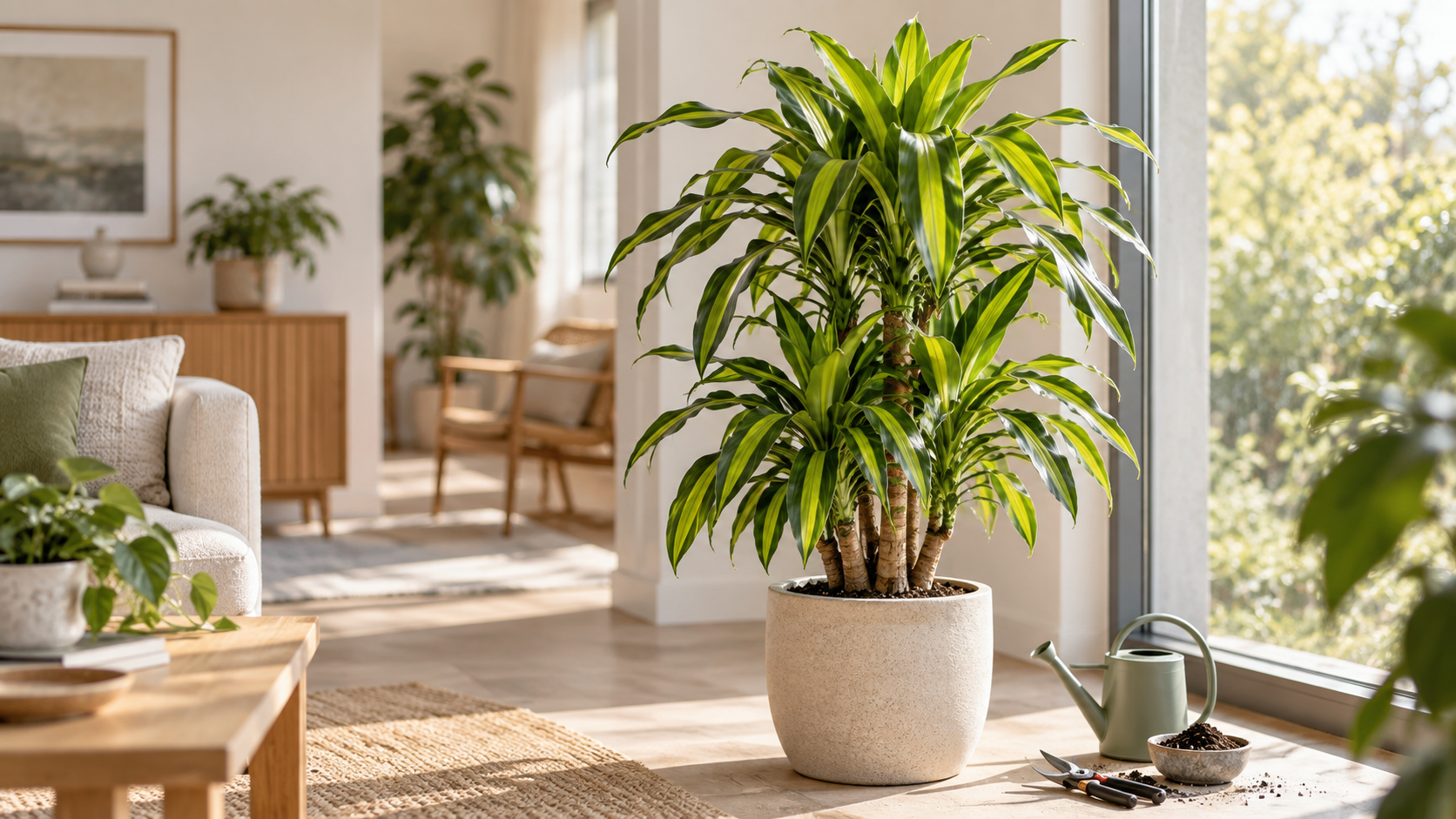
The Dracaena Lemon Lime plant is one of those houseplants that can brighten a room before you add anything else. Its long striped leaves combine deep green, lime green, and yellow tones, while its upright growth gives it enough height to work as a floor plant, office accent, or statement houseplant.
Botanically known as Dracaena fragrans ‘Lemon Lime’, this tropical evergreen is popular partly because its care requirements are manageable. It does not need constant attention, but it does respond noticeably to the right balance of light, moisture, drainage, temperature, and routine maintenance.
The biggest mistakes with Dracaena Lemon Lime care are usually fairly simple: watering too frequently, allowing the roots to sit in water, exposing the foliage to harsh direct sun, or keeping the plant somewhere that is too dark.
This guide covers 11 practical Dracaena Lemon Lime plant care tips, including light, watering, soil, containers, fertilizer, temperature, humidity, pruning, propagation, pests, and long-term maintenance.
For more help building a healthy indoor collection, explore the Indoor Plant Guides and Plant Care Guides from Patch Plants.
QUICK ANSWER
How Do You Care for a Dracaena Lemon Lime Plant?
Grow a Dracaena Lemon Lime plant in bright, indirect light and use a loose indoor potting mix with good drainage. Allow the upper 1 to 2 inches of soil to dry before watering again, then water thoroughly and let excess moisture drain from the pot.
Keep the plant in stable, comfortably warm indoor conditions and away from cold drafts, heating vents, and harsh direct sunlight. During active growth, fertilize moderately rather than heavily.
Clean the striped leaves periodically, rotate the container for balanced growth, inspect for pests, and prune damaged foliage or overly tall canes when necessary.
PATCH PLANTS SUMMARY
Key Takeaways
- Bright, indirect light helps maintain the distinctive green, lime, and yellow variegation.
- Allow the upper 1 to 2 inches of potting mix to dry before watering.
- Water thoroughly when needed, but never leave the container sitting in standing water.
- Use loose, well-draining indoor potting soil and a container with drainage holes.
- Avoid dramatically oversized pots because excess growing medium can remain wet for too long.
- Feed moderately during active growth and reduce feeding when growth slows.
- Rotate the container periodically to encourage more balanced growth.
- Clean broad leaves with a soft damp cloth instead of relying on leaf-shine products.
- Protect the plant from cold drafts and sudden temperature changes.
- Pruning can control height and remove damaged foliage.
- Healthy cane or stem sections can be used for Dracaena Lemon Lime propagation.
What Is a Dracaena Lemon Lime Plant?
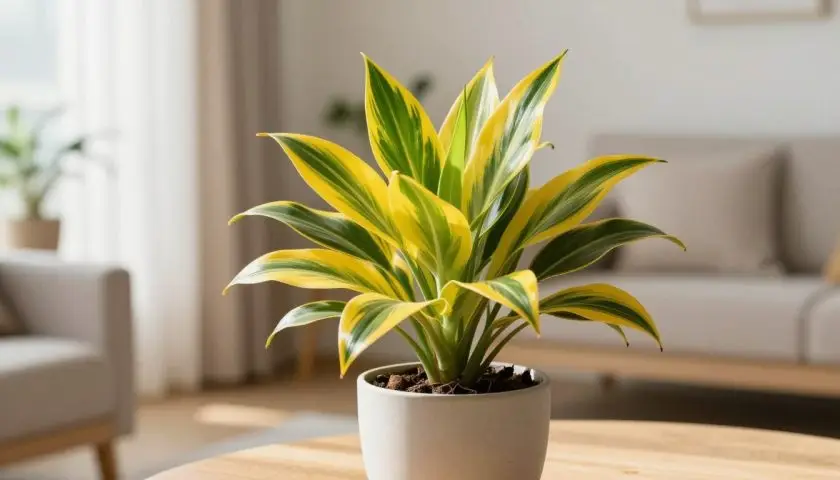
The Dracaena Lemon Lime plant is a colorful cultivar of Dracaena fragrans. It develops long, strap-like leaves arranged around upright stems or canes.
What really separates ‘Lemon Lime’ from many other Dracaena varieties is its variegation. The foliage displays contrasting bands of dark green, bright lime, and yellow-green, creating a much brighter appearance than solid-green cultivars.
As the plant matures, its cane-like structure becomes increasingly noticeable. This upright habit makes it useful in rooms where you want greenery and height without the spreading footprint of a large bushy plant.
| Care Factor | Dracaena Lemon Lime Preference |
|---|---|
| Botanical name | Dracaena fragrans ‘Lemon Lime’ |
| Plant type | Tropical evergreen houseplant |
| Light | Bright, indirect light |
| Water | After upper soil begins drying |
| Soil | Loose, moisture-balanced and well-draining |
| Growth habit | Upright, cane-forming |
| Propagation | Stem or cane cuttings |
| Pet consideration | Keep away from pets that may chew foliage |
Set Up the Right Home for Dracaena Lemon Lime
Before getting into the 11 individual care tips, spend a little time choosing the right plant and location. Starting with a healthy specimen makes future Dracaena plant care considerably easier.
Recognize Healthy Lemon Lime Dracaena Growth
Look for firm canes and colorful foliage without widespread yellowing, large damaged patches, or obvious pest activity.
A few imperfect older leaves are not necessarily concerning. What matters more is the overall condition of the plant, new growth, stem firmness, and root-zone health.
Inspect a Plant Before Bringing It Home
Look underneath the foliage and around leaf joints for insects, webbing, cotton-like material, sticky residue, or unusual bumps.
Also check the growing medium. Soil that is soaking wet and smells sour may indicate that the plant has been sitting in poor conditions.
Starting with healthy plants is particularly useful if you’re building a larger collection. Our guide on creating an indoor jungle without overcrowding can help with placement as your collection grows.
Tip 1: Give Dracaena Lemon Lime Bright, Indirect Light
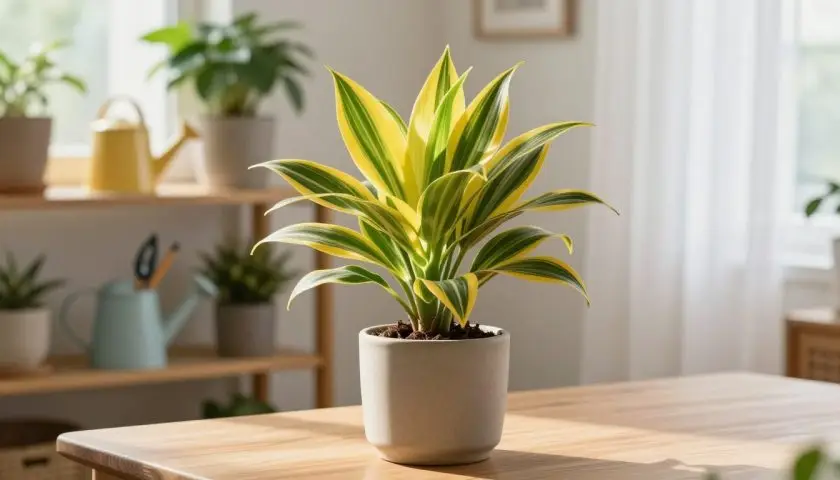
Correct Dracaena Lemon Lime light requirements are especially important because this cultivar is grown largely for its colorful variegation.
What Light Is Best for Dracaena Lemon Lime?
Bright, indirect light is an excellent target. An east-facing window often provides useful gentle morning light, while brighter south- or west-facing rooms can work when the plant is positioned appropriately away from intense direct sun.
For a deeper explanation of window direction and indoor light intensity, see the Patch Plants Indoor Light Guide.
Watch for Too Little Light
A Dracaena can tolerate less-than-perfect lighting, but tolerance and ideal growth are not the same thing.
Very low light may lead to slower growth, weaker development, or less impressive variegation.
Watch for Excessive Direct Sun
Strong direct sunlight through hot windows can scorch foliage. Pale, bleached, or crispy patches on the most exposed leaves may indicate excessive intensity.
Use a Sheer Curtain When Necessary
A sheer curtain can diffuse strong afternoon sunlight while keeping the room bright.
Consider a Grow Light in Dark Rooms
If natural light is genuinely inadequate, a suitable grow light can supplement the available daylight. Position and duration should follow the light manufacturer’s guidance and the plant’s response.
Tip 2: Check the Soil Before Watering
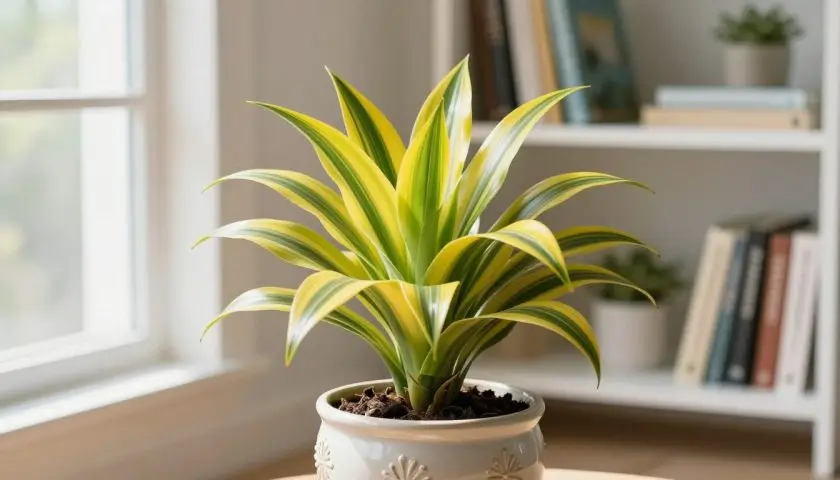
A good Dracaena Lemon Lime watering schedule is not really a calendar at all. The better approach is to check the growing medium before deciding whether the plant needs another drink.
Let the Upper Soil Begin to Dry
Check approximately the upper 1 to 2 inches of potting mix. When that portion has dried, assess whether the plant is ready for watering.
If it still feels noticeably moist, waiting is often better than automatically adding more water.
Adjust Watering With the Seasons
Light, temperature, humidity, pot size, root density, and growing medium all affect drying speed.
During brighter active growth, the plant may use water more quickly. During darker periods of slower growth, the same pot can remain moist considerably longer.
Our Complete Guide to Watering Plants explains why checking the root environment is more reliable than choosing an arbitrary watering day.
Tip 3: Water Thoroughly and Let the Pot Drain
Once your Dracaena Lemon Lime plant actually needs water, give the root system a proper drink rather than repeatedly wetting only the surface.
Water the Entire Root Ball
Apply water evenly over the potting medium until excess begins flowing through the drainage holes.
This helps moisten the root zone more evenly than a series of tiny surface applications.
Empty the Saucer
Allow excess water to drain and then empty standing water from the saucer or decorative outer container.
A pot with drainage holes provides little protection if those holes simply empty into water that surrounds the bottom of the root ball.
Signs of Too Much Water
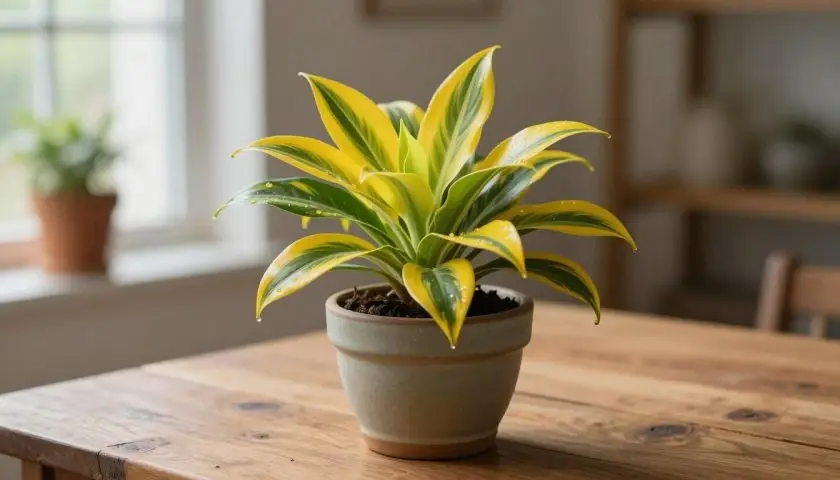
Persistently wet soil combined with yellowing foliage, declining growth, soft stems, or deteriorating roots can indicate excessive moisture.
Signs of Too Little Water
Very dry potting mix accompanied by drooping, curling, or crispy foliage may indicate that the plant has remained dry for too long.
| Symptom | Possible Cause | What to Check |
|---|---|---|
| Yellow leaves with wet soil | Excessive moisture | Drainage and root health |
| Drooping with very dry soil | Possible underwatering | Root-ball moisture |
| Brown leaf tips | Moisture stress, dry air or water-quality issues | Watering, humidity and water source |
| Soft stem or cane | Possible decay | Roots, stem base and soil moisture |
Tip 4: Use Well-Draining Dracaena Lemon Lime Soil
Good Dracaena Lemon Lime soil should hold enough moisture for the roots without remaining saturated for extended periods.
Start With Quality Indoor Potting Mix
A quality indoor potting medium can provide the base. Depending on its existing texture, amendments such as perlite or pumice can increase aeration and drainage.
Learn more about the purpose of different potting ingredients in our Best Soil Mix for Every Type of Plant guide.
Avoid Dense, Compacted Soil
Old growing medium can gradually compact. When air spaces collapse, drainage becomes slower and watering becomes harder to manage.
If the pot stays wet for an unusually long period even though the container drains correctly, evaluate the condition of the growing medium.
FREE PATCH PLANTS TOOL
Repotting Your Dracaena Lemon Lime?
Before buying a large bag of potting mix, use the free Patch Plants Soil Calculator.
Enter the measurements of your new container and the potting mix calculator will estimate the approximate soil volume required.
It is especially handy when repotting several houseplants and you want to estimate how much soil you need before starting.
Tip 5: Choose the Right Pot and Repot Carefully
Container choice affects both watering and root health. Even excellent Dracaena Lemon Lime plant soil can become problematic when placed in an unsuitable container.
Use a Pot With Drainage Holes
Functional drainage holes allow excess water to escape after watering and make moisture management much easier.
Do Not Oversize the Pot
When repotting, move up gradually rather than placing a modest root ball inside an enormous container.
A very large volume of unused potting medium can remain moist long after the roots have taken what they need.
When Should You Repot Dracaena Lemon Lime?
Consider repotting when roots have become significantly crowded, the growing medium has deteriorated, drainage is no longer functioning properly, or the root system has genuinely outgrown its container.
Keep the Cane at a Similar Depth
When moving the plant, avoid burying the cane substantially deeper than it was growing previously.
Once you know the new container dimensions, our Soil Calculator can help estimate the amount of fresh potting mix required.
Tip 6: Fertilize During Active Growth
Dracaena Lemon Lime fertilizer can support healthy growth, but more fertilizer is not necessarily better.
Feed Moderately
During active growth, an appropriate balanced houseplant fertilizer can be applied according to its label directions.
If you prefer using a reduced concentration, make sure the approach remains consistent with the product’s instructions.
Reduce Feeding When Growth Slows
When seasonal light falls and the plant is producing little new growth, its nutrient demand also decreases.
Avoid repeatedly fertilizing a plant that is sitting in cool, dark conditions and barely growing.
Do Not Use Fertilizer as Medicine
A yellowing or struggling plant does not automatically need food.
Check light conditions, soil moisture, drainage, roots, pests, and temperature before assuming fertilizer is the solution.
Tip 7: Rotate and Clean the Leaves Regularly
Routine foliage care can make a surprisingly visible difference to a Lemon Lime Dracaena.
Rotate the Container
Plants naturally orient their growth toward available light. Rotate the container periodically if one side consistently faces the brightest part of the room.
This can help maintain a more balanced shape.
Clean Dust From the Leaves
The broad striped foliage can collect household dust. Wipe leaves gently with a soft, damp cloth when necessary.
Cleaning also gives you an opportunity to inspect the plant closely for pests and early damage.
Skip Unnecessary Leaf-Shine Products
Clean water and a soft cloth are generally sufficient for routine foliage cleaning. You do not need to coat leaves in shine products to make a healthy Dracaena look attractive.
Tip 8: Maintain Stable Indoor Temperatures
As a tropical houseplant, Dracaena fragrans ‘Lemon Lime’ appreciates relatively stable warmth.
Keep It Comfortably Warm
Typical comfortable indoor temperatures generally suit this plant well. The existing care draft uses approximately 65°F to 80°F as a practical daytime range.
Avoid Cold Drafts
Keep the plant away from frequently opened cold doors, poorly insulated windows during cold weather, and other locations where temperatures change abruptly.
Watch Heating and Cooling Vents
Direct airflow from heaters and air conditioners can create localized temperature and humidity extremes even when the rest of the room is comfortable.
Move the container away from direct blasts of conditioned air.
Tip 9: Manage Dracaena Lemon Lime Humidity
Normal household humidity can often be adequate, but very dry indoor air may contribute to foliage problems.
Watch the Leaf Tips
Dry brown tips can sometimes be associated with low humidity, although they can also result from inconsistent watering, water quality, fertilizer salts, or other environmental stress.
This is why a brown tip should be treated as a clue rather than an instant diagnosis.
Use a Humidifier When Air Is Very Dry
If indoor humidity becomes consistently low, particularly during heating season, a humidifier can provide a more meaningful increase in humidity than occasional misting.
Group Compatible Houseplants
Grouping compatible plants can slightly modify the immediate microclimate while also creating an attractive display.
Just avoid packing plants so tightly that airflow becomes poor or pest inspections become difficult.
| Leaf Symptom | Possible Explanation | Check First |
|---|---|---|
| Dry brown tips | Dry air, watering inconsistency or mineral/salt stress | Humidity, watering and water source |
| Yellow foliage | Possible excessive moisture or root stress | Soil and drainage |
| Bleached patches | Possible excessive direct sun | Light exposure |
| Sticky foliage | Possible pest activity | Leaf undersides and stems |
Tip 10: Prune Dracaena Lemon Lime for Healthy Growth
Dracaena Lemon Lime pruning can remove damaged foliage, control height, and reshape an older plant.
Remove Dead or Badly Damaged Leaves
Use clean, sharp tools to remove foliage that is completely dead or seriously damaged.
Minor brown tips can be trimmed cosmetically if desired, but avoid removing large amounts of healthy green tissue unnecessarily.
Can You Cut Back a Tall Dracaena?
Yes. Dracaena canes can be cut when height control is necessary, and new shoots may develop below the cut.
This makes pruning useful when an established plant becomes too tall for its location.
Use Clean Tools
Clean, sharp pruners produce controlled cuts and reduce unnecessary damage.
If you’re unsure how to approach pruning, review the Patch Plants Pruning Basics guide first.
Tip 11: Propagate Dracaena Lemon Lime From Cuttings
Dracaena Lemon Lime propagation allows you to create new plants while also making use of healthy material removed during pruning.
Choose Healthy Plant Material
Propagation begins with a healthy stem or cane section containing viable growth points.
Avoid choosing badly diseased, rotten, or heavily pest-damaged material.
Root Dracaena Lemon Lime in Water
Depending on the cutting, healthy material can be rooted in clean water. Keep foliage above the waterline and change the water when necessary.
Root Cuttings in Growing Medium
Prepared cuttings can also be established in a suitable airy growing medium. Maintain appropriate moisture without saturating the rooting environment.
Provide Warmth and Indirect Light
Place propagating material in stable warmth and bright, indirect light while new roots and shoots develop.
Be Patient
Propagation is not instantaneous. Avoid repeatedly disturbing a cutting simply to see whether roots have formed.
Common Dracaena Lemon Lime Problems and Solutions
When your Dracaena Lemon Lime plant changes appearance, look at several care factors together. One symptom can have more than one possible cause.
| Problem | Possible Cause | What to Do |
|---|---|---|
| Brown leaf tips | Dry air, inconsistent moisture or water-quality issues | Review humidity, watering and water source |
| Yellow leaves | Possible excessive watering | Check soil moisture and roots |
| Soft cane | Possible decay | Inspect stem and root health |
| Pale or weak growth | Insufficient light may contribute | Evaluate light intensity |
| Bleached leaf patches | Strong direct sunlight | Move away from harsh exposure |
| Fine webbing | Possible spider mites | Isolate and inspect closely |
| Cotton-like material | Possible mealybugs | Isolate and treat appropriately |
| Hard bumps on stems | Possible scale insects | Identify and manage infestation |
How to Control Dracaena Lemon Lime Pests
Common indoor pests can include spider mites, mealybugs, and scale. Regular inspection is much easier than treating a large infestation after pests have spread throughout an indoor collection.
Inspect Leaf Undersides and Stem Joints
Look for webbing, insects, sticky residue, pale speckling, or unusual bumps.
Isolate an Affected Plant
Move an infested Dracaena away from other houseplants while identifying and treating the problem.
Use an Appropriate Treatment
Depending on the pest, physical removal, cleaning, insecticidal soap, or an appropriately labeled horticultural product may be useful. Follow product instructions carefully.
PET SAFETY
Keep Dracaena Away From Cats and Dogs
Dracaena foliage should not be accessible to pets that may chew plants. Position your Dracaena Lemon Lime where cats and dogs cannot eat the leaves, and seek appropriate veterinary advice if you suspect a pet has ingested part of the plant.
Simple Dracaena Lemon Lime Care Routine
You do not need to fuss over the plant every day. A simple observation-based routine is usually enough.
| Frequency | What to Check |
|---|---|
| Weekly | Soil moisture, leaf condition, pests and standing water |
| Every few weeks | Rotate pot and remove dust from foliage as needed |
| Active growing period | New growth and fertilizer requirements |
| Seasonally | Light changes, temperature, watering frequency and root crowding |
| As needed | Pruning, repotting and pest treatment |
Dracaena Lemon Lime Care: Quick Answers
Is Dracaena Lemon Lime Easy to Care For?
Yes. Dracaena Lemon Lime is relatively manageable indoors when provided with bright indirect light, well-draining soil, sensible watering, and stable temperatures.
Where Should I Put a Dracaena Lemon Lime?
Choose a bright indoor location receiving plenty of indirect light. Keep the plant away from intense direct afternoon sunlight, cold drafts, heaters, and air-conditioning vents.
How Often Should I Water Dracaena Lemon Lime?
Do not use a fixed number of days. Check the upper 1 to 2 inches of potting mix and water when that portion has dried sufficiently. Seasonal conditions determine how quickly the soil dries.
Why Is My Dracaena Lemon Lime Turning Brown?
Brown tips can result from several forms of environmental stress, including dry air, inconsistent watering, or water-quality and salt issues. Review the entire care routine rather than assuming one cause.
Why Is My Dracaena Lemon Lime Turning Yellow?
Yellowing combined with persistently wet soil can indicate excessive moisture or root stress. Check the potting mix, drainage holes, roots, and watering frequency.
Can Dracaena Lemon Lime Grow in Low Light?
It can tolerate lower indoor light, but brighter indirect light generally supports stronger growth and better variegation. Very dark conditions are not ideal.
Can You Propagate Dracaena Lemon Lime?
Yes. Healthy stem or cane cuttings can be propagated in water or an appropriate well-draining growing medium under warm conditions and bright indirect light.
EXPLORE PATCH PLANTS
Keep Learning About Indoor Plant Care
Once you’ve mastered your Dracaena Lemon Lime routine, these Patch Plants resources can help with the rest of your collection:
Final Thoughts on Dracaena Lemon Lime Plant Care
A healthy Dracaena Lemon Lime plant does not need a complicated care schedule. Bright indirect light, a well-draining root environment, sensible watering, stable temperatures, and occasional maintenance cover most of what this colorful houseplant needs.
Watering deserves particular attention. Rather than automatically watering every week, check the potting mix first. The plant may dry relatively quickly during brighter, warmer periods but use considerably less water when light and growth decline.
Watch the foliage too. Brown tips, yellow leaves, faded variegation, or pest damage are useful clues, but they should be interpreted alongside soil moisture, light, humidity, water quality, and root condition.
Over time, rotate the pot, clean the leaves, prune when necessary, and repot only when the root system or growing medium genuinely needs it. These small habits can keep Dracaena fragrans ‘Lemon Lime’ attractive for years.
And when repotting time arrives, use the free Patch Plants Soil Calculator to estimate the amount of fresh growing medium needed for your container.
Frequently Asked Questions About Dracaena Lemon Lime
How much light does a Dracaena Lemon Lime need?
Bright, indirect light is ideal. The plant can tolerate somewhat lower light, but very dark conditions can reduce growth and variegation. Protect the foliage from intense direct sunlight that may cause scorching.
How often should I water Dracaena Lemon Lime?
Check the upper 1 to 2 inches of soil rather than following a fixed schedule. When that portion has dried sufficiently, water the root ball thoroughly and allow excess water to drain completely.
What is the best soil for Dracaena Lemon Lime?
Use a loose, well-draining indoor potting medium that holds some moisture while allowing excess water and air to move through the root zone. Perlite or pumice can help improve aeration in dense mixes.
Why does my Dracaena Lemon Lime have brown tips?
Brown tips can be associated with dry air, inconsistent watering, mineral or salt accumulation, and other environmental stresses. Check humidity, soil moisture, water quality, and fertilizer use before deciding on a correction.
Why are my Dracaena Lemon Lime leaves turning yellow?
Yellowing can have several causes. If the potting mix remains consistently wet, excessive watering or poor drainage should be investigated. Check the roots, drainage holes, light, and recent care changes as well.
How do I make Dracaena Lemon Lime grow evenly?
Give the plant appropriate bright indirect light and rotate the container periodically so different sides receive exposure to the main light source.
Can I cut the top off a tall Dracaena Lemon Lime?
Yes. Healthy Dracaena canes can be cut back to control height, and new shoots may develop below the cut. Use clean, sharp pruning tools and avoid unnecessary pruning of an already stressed plant.
How do you propagate Dracaena Lemon Lime?
Take healthy stem or cane material with viable growth points. Depending on the cutting, it can be rooted in clean water or an airy, appropriately moist growing medium under warm conditions and bright indirect light.
What pests affect Dracaena Lemon Lime?
Possible indoor pests include spider mites, mealybugs, and scale. Inspect leaf undersides and stem joints for webbing, sticky residue, cotton-like material, or unusual bumps and isolate affected plants promptly.
Is Dracaena Lemon Lime safe for cats and dogs?
Dracaena foliage should be kept away from cats and dogs that may chew plants. If you suspect your pet has eaten part of the plant, contact an appropriate veterinary professional for advice.
When should I repot Dracaena Lemon Lime?
Repot when the root system has genuinely become crowded, the growing medium has deteriorated, or drainage has become problematic. Move up gradually in container size rather than choosing a dramatically larger pot.
Can Dracaena Lemon Lime go outside?
It can spend time outdoors during reliably warm, frost-free weather, but acclimate it gradually. Protect the foliage from harsh direct midday sunlight, cold temperatures, and conditions that leave the container waterlogged.