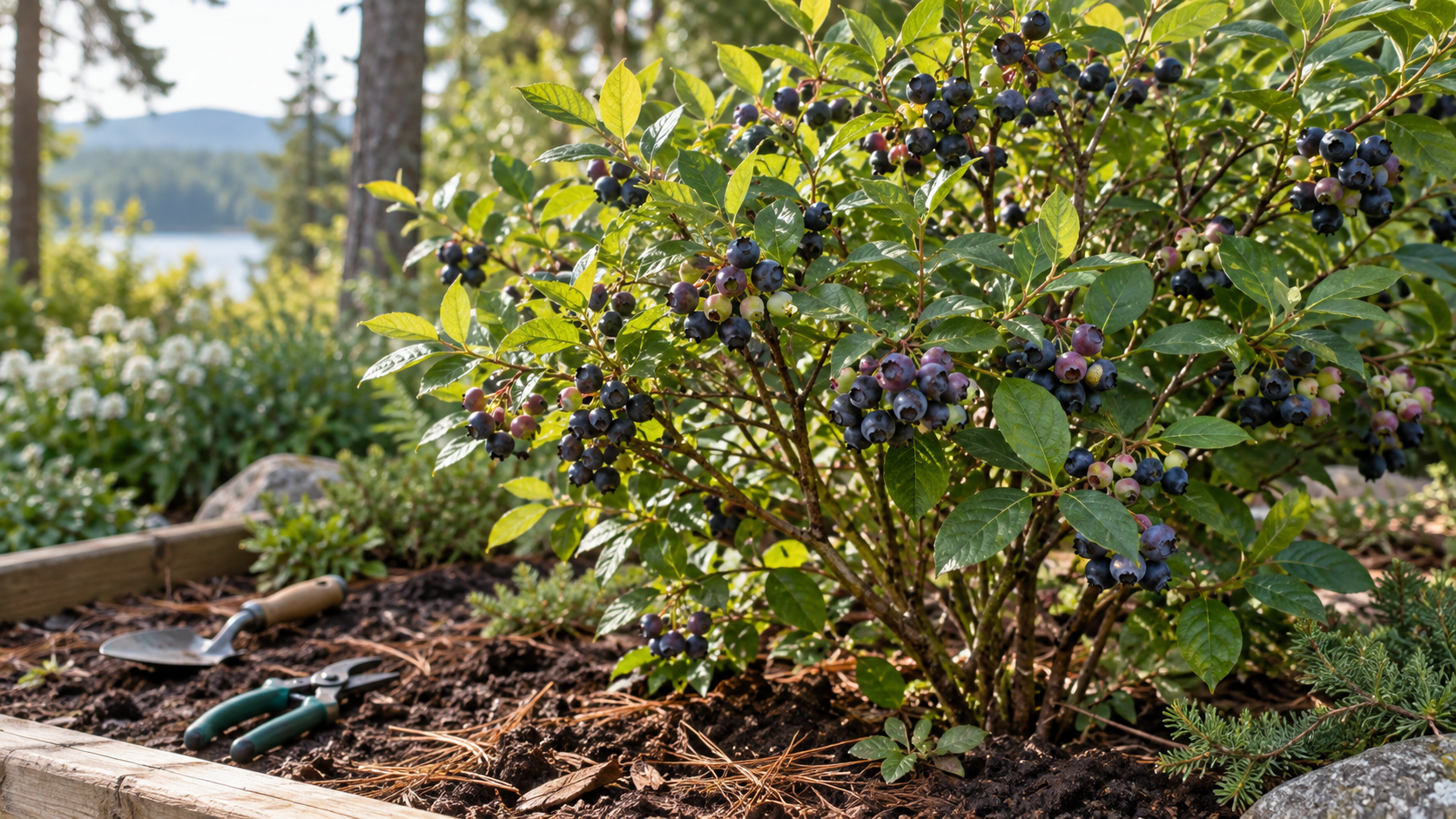
Growing huckleberry plants can turn a quiet corner of your garden into a productive berry patch that keeps giving for years. These attractive shrubs offer seasonal interest, green foliage, and flavorful berries, but successful huckleberry cultivation starts with getting a few important growing conditions right.
Huckleberries are not quite as forgiving as some common backyard berries. They perform best when you pay attention to soil acidity, drainage, moisture, sunlight, climate, and variety selection from the beginning. Once established, though, healthy plants can become remarkably rewarding additions to an edible landscape.
One complication is that the name huckleberry is used for several related plants. True huckleberries are generally associated with the genus Gaylussacia, while plants from other genera may also carry the huckleberry name. That means the exact requirements of your plant should always take priority over generic advice.
This huckleberry growing guide covers 11 practical tips for healthy growth, from selecting a suitable variety and preparing acidic soil to watering, mulching, fertilizing, pruning, pest management, container growing, and harvesting.
If you are building a productive garden, explore more advice in the Outdoor Plant Care & Growing Guides and Plant Care Guides from Patch Plants.
QUICK ANSWER
What Do Huckleberry Plants Need to Grow Successfully?
For successful huckleberry plant care, start with a variety suited to your climate and provide acidic, well-draining soil that stays consistently moist without becoming waterlogged. Appropriate sunlight depends partly on the species and local climate, so identify your plant before choosing its permanent location.
Mulch the root zone, keep weeds under control, fertilize only when necessary, and avoid disturbing the roots unnecessarily. Established bushes benefit from selective pruning that removes damaged growth and improves airflow.
Huckleberries can require patience. Young plants may take several growing seasons to establish and become productive, so consistent long-term care matters more than trying to force rapid growth.
PATCH PLANTS SUMMARY
Key Takeaways
- Identify your huckleberry species or cultivar before applying generalized care advice.
- Choose a huckleberry variety suited to your regional climate and growing conditions.
- Acidic, well-draining soil is one of the most important requirements for healthy huckleberry growth.
- Keep the root zone consistently moist without allowing the soil to remain waterlogged.
- Use acid-friendly organic mulch to conserve moisture and protect shallow roots.
- Avoid lime, wood ash, and other amendments that can unnecessarily raise soil pH.
- Fertilize conservatively and preferably according to soil-test results.
- Prune established plants selectively rather than heavily cutting young shrubs.
- Good airflow and garden sanitation can reduce pest and disease pressure.
- Huckleberries can be grown in containers when their acidity, drainage, moisture, and root-space needs are met.
- Patience matters because huckleberry plants may need several seasons before producing substantial harvests.
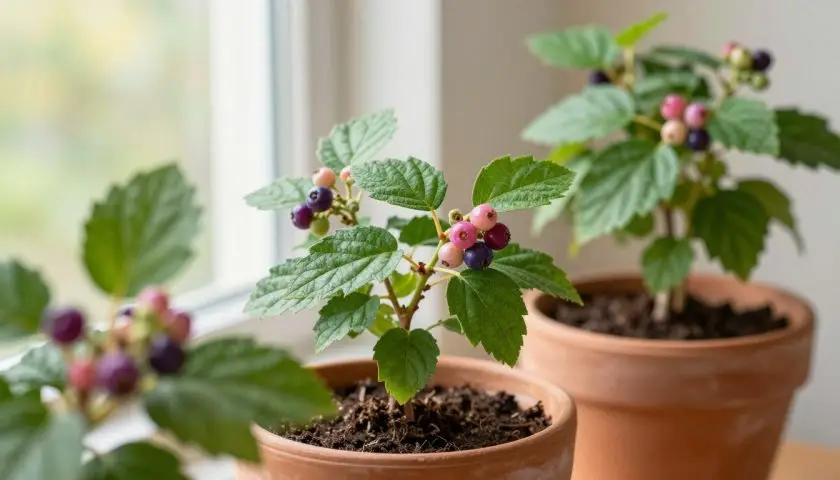
What Are Huckleberry Plants?
Before learning how to grow huckleberry plants, it helps to understand what the name actually means. Huckleberry is a common name applied to more than one type of berry-producing shrub.
True huckleberries include plants in the genus Gaylussacia. However, other plants, particularly some western species commonly called huckleberries, belong to Vaccinium, the same broader group that includes blueberries.
This distinction matters. A plant’s mature size, climate tolerance, sunlight preference, fruiting behavior, and other requirements can differ between species.
So when buying a plant, do not rely only on a nursery label that says huckleberry. Check the botanical name and cultivar whenever possible.
Are Huckleberries and Blueberries the Same?
No. The terms are sometimes confused because both produce small edible berries and some huckleberries are closely related to blueberries. But they should not automatically be treated as the same plant.
Identification becomes particularly important when researching huckleberry plant varieties, pruning, pollination, mature size, and regional growing conditions.
| Growing Factor | General Huckleberry Preference |
|---|---|
| Plant type | Perennial berry-producing shrub |
| Soil | Acidic and well-draining |
| Moisture | Consistent moisture without prolonged saturation |
| Light | Species and climate dependent |
| Mulch | Organic, acid-friendly material |
| Pruning | Light when young; selective thinning when established |
| Harvest | When berries reach mature color and detach easily |
Tip 1: Choose a Huckleberry Variety Suited to Your Region
The first rule of growing huckleberry plants is surprisingly easy to overlook: choose the plant for your climate rather than trying to force an unsuitable variety to adapt.
Check the Botanical Name Before Buying
Because several plants share the huckleberry name, identify the botanical species whenever possible. This gives you a much better starting point for understanding cold tolerance, mature size, light exposure, soil preferences, and fruiting requirements.
Match the Plant to Your Local Climate
Check the nursery label or reliable regional growing information for the plant’s recommended hardiness range.
A variety naturally adapted to your conditions is usually easier to maintain than one constantly stressed by excessive heat, inadequate winter cold, or severe freezing.
Consider Mature Size
Do not judge a huckleberry bush only by the small container you bring home. Research its mature dimensions before choosing a permanent location.
Some plants remain relatively compact, while others need considerably more landscape space.
Check Fruiting and Pollination Requirements
Depending on the huckleberry species or cultivar, fruit production can be influenced by pollination, climate, and winter conditions.
If berries are your main goal, investigate the exact requirements of your chosen plant before purchasing just one specimen.
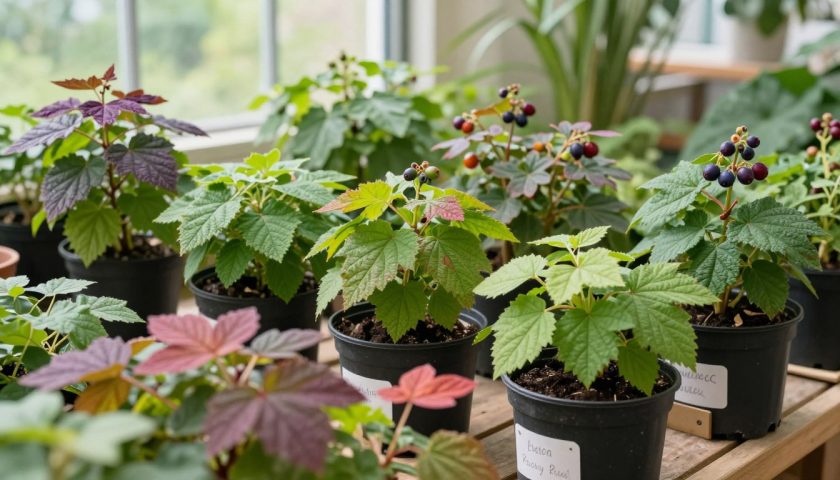
Tip 2: Give Huckleberries the Right Amount of Sunlight
The sunlight requirements for huckleberry plants cannot be reduced to one universal rule because huckleberries include different species growing naturally under different conditions.
Start With Your Specific Species
Use the botanical identification of your plant as your starting point. Some huckleberries perform well with substantial sunlight, while others naturally occur in woodland or partially shaded environments.
Consider Your Climate
Light intensity changes dramatically by region. A site that works beautifully in a mild climate may expose plants to excessive heat and moisture loss in a hotter location.
In warm conditions, protection from the strongest afternoon exposure may help reduce heat and moisture stress where appropriate for the species.
Watch the Plant Instead of the Clock
Healthy foliage and steady development tell you more than simply counting hours of sun.
Scorched foliage, unusually rapid drying, or persistent stress may indicate that the site needs adjustment. Weak growth can also indicate unsuitable light, although soil, moisture, and root health should be checked at the same time.
For a broader explanation of how plants respond to light, visit the Patch Plants guide to understanding plant light.
Protect Plants From Harsh Microclimates
Avoid assuming that two locations receiving the same amount of sun provide identical growing conditions.
Heat-reflecting walls, exposed windy corners, frost pockets, and poorly drained low areas can create very different microclimates.

Tip 3: Prepare Acidic, Well-Draining Soil
If there is one part of huckleberry plant care worth getting right before planting, it is the soil.
Huckleberries generally perform best in acidic conditions. The supplied growing plan uses approximately pH 4.5 to 5.5 as a practical target, but your specific species and local soil conditions should guide amendments.
Test the Soil Before Planting
Do not guess your soil pH based on its appearance. A soil test provides a much better picture of acidity and can also reveal other conditions that influence nutrient availability.
If you are preparing a permanent berry bed, testing before planting is much easier than trying to correct major soil problems after the roots are established.
Improve Drainage Without Destroying Moisture Retention
The best soil for huckleberries needs a balance. Roots need moisture, but they also need oxygen.
Standing water or persistently saturated soil can create serious root problems. At the other extreme, extremely fast-draining soil may become difficult to keep consistently moist.
Add Organic Matter Carefully
Suitable organic materials can improve soil structure and support the moisture conditions these shrubs prefer.
Pine bark, leaf mold, and appropriate organic matter can be useful depending on your existing soil. Avoid assuming every compost or amendment is automatically suitable for an acid-loving plant.
For a deeper look at how different ingredients change drainage and moisture retention, read our guide to choosing the best soil mix for plants.
Avoid Unnecessary Alkaline Amendments
Lime, wood ash, and similar alkaline materials can raise soil pH. That is generally the opposite direction you want to move when creating acidic conditions for huckleberries.
FREE PATCH PLANTS TOOL
Planning a Huckleberry Bed or Container?
If you are preparing a raised bed, planter, or container for growing huckleberries, use the free Patch Plants Soil Calculator before buying your growing medium.
Enter your container or planting-space dimensions into the potting mix calculator to estimate the approximate volume required.
It is a simple way to estimate soil volume and work out how much soil you need before planting.
Tip 4: Plant Huckleberry Bushes at the Correct Depth
Good huckleberry planting techniques protect the root system from unnecessary stress during establishment.
Choose an Appropriate Planting Time
Plant when weather and soil conditions give roots a chance to establish without immediately facing extreme heat or severe cold.
Spring or fall can work in many regions, but local climate should determine the best planting window.
Prepare the Root Ball
Remove the plant carefully from its nursery container and inspect the roots. If roots are tightly circling the container, loosen them gently rather than tearing apart the entire root system.
Dig Wide Rather Than Excessively Deep
Prepare a planting hole wider than the root ball so roots can begin expanding into the surrounding soil.
Avoid making the hole unnecessarily deep. Planting a shrub too low can leave the crown in persistently wet conditions.
Keep the Crown at the Correct Level
Position the top of the root ball close to the surrounding soil level unless the specific plant’s growing instructions indicate otherwise.
Backfill Carefully
Return suitable soil around the roots and firm it gently enough to eliminate major air pockets without heavily compacting the root zone.
Water After Planting
Watering immediately after planting helps settle the soil around the roots.
Young shrubs need particularly careful moisture management during establishment. See our Complete Guide to Watering Plants for the principles behind deep, consistent watering.
Give Multiple Plants Enough Space
Spacing depends on the species and expected mature size. The supplied draft suggests roughly three to five feet for many situations, but always use the mature dimensions of your actual variety as the final guide.
Adequate spacing improves airflow, reduces competition, and makes future harvesting huckleberries much easier.
Tip 5: Keep Huckleberry Plants Consistently Moist
A sensible huckleberry plant watering schedule is based on soil conditions rather than automatically watering on the same day every week.
Pay Extra Attention to Young Plants
Newly planted huckleberries have not yet developed an extensive root system. Keep the root zone consistently moist while they establish, but never intentionally leave it saturated.
Check the Soil Before Watering
Use your fingers or another suitable moisture-checking method to inspect the soil rather than judging only from the surface.
If the root zone is still adequately moist, adding more water may not be necessary.
Water Slowly Around the Root Zone
Apply water slowly enough that it can penetrate the soil instead of immediately running away from the plant.
Directing irrigation toward the soil also avoids unnecessarily wetting the foliage each time you water.
Adjust Watering for Weather and Soil
Hot, dry weather increases moisture loss. Sandy soil may dry relatively quickly, while heavier soil can retain moisture much longer.
Container-grown huckleberries require particularly close observation because a limited volume of potting medium can dry much faster than garden soil.
| Condition | Likely Moisture Effect | What to Do |
|---|---|---|
| Hot, dry weather | Faster moisture loss | Check soil more frequently |
| Sandy soil | Faster drainage | Monitor moisture closely |
| Heavy soil | Slower drainage | Avoid watering while root zone remains wet |
| Container growing | Potentially rapid drying | Inspect frequently during warm weather |
| Cool or rainy weather | Slower moisture loss | Reduce unnecessary irrigation |
Tip 6: Mulch the Root Zone
Mulching is one of the simplest huckleberry gardening tips, but it can influence moisture, soil temperature, weed competition, and long-term soil condition.
Choose an Acid-Friendly Organic Mulch
Materials such as pine bark, pine needles, and suitable organic matter can work well around acid-loving berry shrubs.
The goal is to cover the root zone without creating a dense, waterlogged layer against the plant itself.
Apply a Moderate Layer
The source draft recommends approximately two to three inches of mulch for garden-grown plants.
That is enough to help slow evaporation and suppress weeds without creating an unnecessarily deep mound.
Keep Mulch Away From Stems
Do not pile mulch directly against the stems or crown. Leave a small open area around the plant base.
This reduces prolonged moisture contact with bark and makes it easier to inspect the crown for problems.
Refresh Mulch When Needed
Organic mulch decomposes over time. Check it periodically and replenish it when necessary instead of automatically adding another thick layer every season.
Tip 7: Fertilize Huckleberries Carefully
When fertilizing huckleberries, more is not necessarily better. These plants generally benefit from a fairly conservative approach.
Test Before Trying to Correct the Soil
If plants appear unhealthy, a soil test can help determine whether nutrients or pH are actually involved.
Adding fertilizer without identifying the problem can waste money and sometimes create additional stress.
Use Fertilizer Suitable for Acid-Loving Plants
If feeding is necessary, choose a product appropriate for acid-loving plants and follow its labeled application rate.
The correct huckleberry plant fertilization strategy should support growth without exposing shallow roots to unnecessarily concentrated fertilizer.
Feed at the Appropriate Time
Active spring growth is generally a more logical time for necessary feeding than pushing tender growth late in the season.
Watch New Foliage
Pale or unusually discolored new growth can indicate a nutrient-availability problem, but do not diagnose it from leaf color alone.
Soil pH, drainage, moisture, root health, and actual nutrient levels can all affect foliage appearance.
Tip 8: Prune Huckleberry Bushes Without Overdoing It
Thoughtful huckleberry plant pruning helps maintain healthy structure, airflow, and productive growth, particularly as bushes mature.
Remove Dead and Damaged Wood First
Start with branches that are clearly dead, broken, or badly damaged.
Removing obvious problem growth before shaping the plant makes it easier to see what healthy structure remains.
Thin Older Growth Selectively
On mature bushes, selective thinning can improve airflow and make room for vigorous younger growth.
Avoid removing a large proportion of healthy wood without understanding how your particular huckleberry fruits.
Keep Pruning Light During Establishment
Young plants need foliage and healthy stems to establish themselves. During the first years, focus mainly on damaged or problematic growth rather than aggressive shaping.
Use Clean, Sharp Tools
Clean pruning tools produce better cuts and reduce the chance of carrying plant pathogens from one shrub to another.
For more guidance, read the Patch Plants Pruning Basics guide before making major cuts.
Tip 9: Monitor Huckleberry Pests and Diseases
Good huckleberry plant pest control starts with observation. Catching a small problem early is much easier than managing an infestation after it spreads throughout the berry patch.
Inspect Plants Regularly
Look over leaves, stems, flowers, and developing fruit. Check leaf undersides as well as the visible upper surface.
Watch for unusual spotting, sticky residue, distorted growth, insect clusters, damaged fruit, webbing, or unexplained dieback.
Improve Airflow
Dense, crowded growth can hold moisture and reduce airflow. Correct spacing and selective pruning can make the plant environment less favorable for some fungal problems.
Keep the Growing Area Clean
Remove badly infected material and clean up fallen or rotting fruit around the plants.
Good sanitation will not prevent every huckleberry plant disease, but it removes material that can shelter pests or pathogens.
Start With the Least Disruptive Control
When appropriate, physical removal and other targeted controls may solve small pest problems without immediately treating the entire garden.
If a pesticide is necessary, identify the pest first and use only a product labeled for the plant, pest, and intended edible-crop use.
Protect Pollinators
Berry production depends heavily on successful pollination. Avoid unnecessary pesticide applications around flowers and follow all label precautions intended to protect bees and other beneficial insects.
| Symptom | Possible Issue | First Step |
|---|---|---|
| Dark leaf spots | Possible fungal disease | Inspect plant and improve growing conditions |
| Curled, sticky foliage | Possible sap-feeding pests | Inspect leaf undersides and new growth |
| Soft or rotting berries | Fruit disease or damage | Remove affected fruit and improve sanitation |
| Unusual bumps on stems | Possible scale insects | Identify pest before treatment |
| Yellowing foliage | Possible pH, moisture, root, or nutrient problem | Check soil conditions before fertilizing |
Tip 10: Grow Huckleberries in Containers
Growing huckleberries in containers can be useful when garden soil is unsuitable, space is limited, or you want greater control over the root environment.
Choose a Generously Sized Container
The supplied growing plan recommends a container around 18 to 24 inches wide for a mature bush as a useful starting point, although the final size should reflect the species and root system.
Drainage Holes Are Essential
Use a container with functional drainage holes. Huckleberries need consistent moisture, but that does not mean the root system should sit in standing water.
Use an Acidic Potting Medium
Ordinary dense garden soil is generally a poor choice for containers. Use an appropriately acidic, well-draining growing medium suited to acid-loving plants.
Ingredients such as suitable pine bark can help create an airy root environment while supporting the acidic conditions these plants prefer.
BEFORE YOU REPOT
Calculate How Much Potting Mix You Need
Moving your huckleberry into a larger container? Use the free Patch Plants Soil Calculator to estimate the amount of growing medium required.
The soil volume calculator is especially useful for large planters, where estimating the amount of potting mix by eye can be surprisingly difficult.
Protect Container Roots From Temperature Extremes
Roots growing above ground in a container experience temperature changes differently from roots protected by surrounding garden soil.
During very hot weather, prevent the root zone from overheating. In cold climates, container-grown plants may also require additional winter protection appropriate to their hardiness.
Monitor Moisture More Frequently
Containers can dry rapidly during warm weather. Check moisture frequently instead of assuming the plant follows the same watering pattern as an in-ground shrub.
Repot When Necessary
If roots become severely crowded or the growing medium has deteriorated, move the plant into an appropriately larger container with fresh acidic growing medium.
Use the Patch Plants potting mix calculator beforehand to work out approximately how much soil your planter needs.
Tip 11: Harvest Huckleberries Carefully and Maintain the Plants
After months of caring for huckleberries, harvesting is the part most gardeners have been waiting for. But long-term maintenance should continue after the fruit is picked.
Wait Until the Berries Are Fully Ripe
Fruit color varies with the species, so learn what mature fruit should look like on your particular plant.
Ripe berries should generally reach their mature color and detach without excessive force.
Harvest Gently
Pick berries carefully so you do not unnecessarily damage leaves, buds, or fruiting growth.
Shallow harvest containers can reduce crushing compared with piling delicate fruit into a deep bucket.
Cool Harvested Fruit Promptly
Handle ripe fruit carefully and refrigerate it promptly if it will not be eaten or processed soon after picking.
Continue Caring for the Plant After Harvest
The end of harvest is not the end of huckleberry bush care. Continue monitoring moisture, weeds, mulch, pests, and plant health.
Healthy foliage after fruiting helps the plant continue its seasonal growth cycle and prepare for future seasons.
Huckleberry Plant Maintenance Calendar
| Task | When to Check | Purpose |
|---|---|---|
| Soil moisture | Throughout active growth | Prevent drought and waterlogging |
| Mulch | Check seasonally | Conserve moisture and suppress weeds |
| Soil pH | As needed | Maintain suitable acidic conditions |
| Pruning | According to species and growth cycle | Remove damaged wood and manage mature growth |
| Pest inspection | Regularly during growing season | Catch problems early |
| Weeding | Whenever necessary | Reduce competition around shallow roots |
| Harvest | When fruit reaches mature ripeness | Collect fruit without damaging the plant |
Can You Propagate Huckleberry Plants?
Huckleberry plant propagation is possible, but the most appropriate method depends on the species.
Depending on the plant, propagation may involve seeds, cuttings, layering, division of suitable growth, or other species-specific techniques.
If you already have a particularly healthy plant that performs well in your climate, vegetative propagation may allow you to preserve that plant’s characteristics where the species responds well to the chosen method.
Why Huckleberry Propagation Requires Patience
Huckleberries are not always the fastest or easiest shrubs to propagate. Some species can be difficult to establish outside their preferred conditions.
Do not assume a cutting has failed simply because rooting is slower than it would be with an easy houseplant.
For beginners whose primary goal is fruit production, purchasing healthy nursery-grown plants suited to the local region can often be the simpler starting point.
Common Problems When Growing Huckleberry Plants
A struggling huckleberry does not always need fertilizer or more water. Diagnose the growing environment before making major changes.
| Problem | Possible Cause | What to Check |
|---|---|---|
| Yellowing foliage | Unsuitable pH, root stress, moisture or nutrient availability | Soil test, drainage and roots |
| Wilting in dry soil | Possible drought stress | Root-zone moisture |
| Weak fruit production | Plant age, pollination, climate, light or general stress | Species requirements and overall growing conditions |
| Scorched foliage | Heat, intense exposure or moisture stress | Site and soil moisture |
| Declining plant in wet soil | Poor drainage or root problems | Drainage and root health |
| Spotted foliage | Possible disease or environmental stress | Affected leaves, airflow and sanitation |
Growing Huckleberry Plants: Quick Answers
Are Huckleberries Easy to Grow?
Huckleberries can be more demanding than some common berry shrubs because successful growth depends heavily on species, climate, acidic soil, drainage, and moisture. Once a suitable plant becomes established in appropriate conditions, ongoing care can become much more manageable.
What Is the Best Soil for Huckleberry Plants?
Huckleberries generally prefer acidic, well-draining soil that remains consistently moist without staying waterlogged. Testing the soil before planting is the best way to determine its existing pH and whether amendments are actually necessary.
What Soil pH Do Huckleberries Like?
The supplied growing plan uses a soil pH of approximately 4.5 to 5.5 as a practical target. Because several species are called huckleberries, confirm the ideal range for your specific plant before making major pH adjustments.
How Much Sun Do Huckleberries Need?
Sunlight requirements vary by species and climate. Some huckleberries tolerate substantial sun, while others naturally grow with partial shade. Identify the plant first, then match its light requirements to your local conditions.
How Often Should You Water Huckleberry Plants?
Water according to soil moisture rather than a fixed calendar. Young plants need particularly consistent moisture during establishment, while container plants may require frequent checks during hot weather.
How Long Does It Take Huckleberries to Produce Fruit?
Huckleberries can require patience. Young shrubs may need several seasons to establish and reach meaningful fruit production, with timing depending on the species, starting plant, climate, and growing conditions.
Can You Grow Huckleberries in Pots?
Yes, suitable huckleberries can be grown in containers when provided with enough root space, excellent drainage, acidic growing medium, consistent moisture, and appropriate seasonal protection.
Do Huckleberry Plants Need Acidic Soil?
Yes, acidic soil is an important part of general huckleberry cultivation. Avoid adding materials such as lime or wood ash unless a soil test and species-specific recommendation indicate that they are appropriate.
EXPLORE PATCH PLANTS
More Gardening Resources From Patch Plants
Healthy berry shrubs are easier to maintain when you understand the basics of soil, watering, pruning, and seasonal plant care. Continue with these Patch Plants resources:
- Outdoor Plant Care & Growing Guides
- Plant Care Guides & Growing Tips
- Indoor Plant Guides
- Complete Guide to Watering Plants
- Best Soil Mix for Every Type of Plant
- Pruning Basics for Healthy Plants
- Free Soil Calculator
For container-grown huckleberries, bookmark the soil volume calculator so you can quickly estimate potting mix whenever you move your shrub into a larger planter.
Final Thoughts on Growing Huckleberry Plants
Growing huckleberry plants successfully is mostly about creating the right environment and then resisting the urge to overmanage it. Start with a species or cultivar suited to your region, prepare an acidic and well-draining root zone, and keep moisture reasonably consistent while the plant becomes established.
Soil deserves particular attention. Huckleberries generally prefer acidic conditions, and attempting to grow them indefinitely in unsuitable alkaline soil can make nutrient management much more difficult. Test before making major amendments rather than guessing what the soil needs.
Once the shrub is growing, mulch can help stabilize the root environment, while sensible huckleberry plant pruning and good garden sanitation help maintain healthy structure. Fertilizer should support the plant when genuinely necessary rather than compensate for poor soil, drainage, or light.
Perhaps the most important part is patience. Huckleberry shrubs can take time to settle into a garden and become productive. Consistent care over several seasons is much more useful than repeatedly changing their conditions in search of immediate growth.
If you are growing huckleberries in containers or preparing a raised planting area, use the free Patch Plants Soil Calculator to estimate how much growing medium you need before you start.
Frequently Asked Questions About Growing Huckleberries
What is the best soil for growing huckleberry plants?
Huckleberries generally grow best in acidic, well-draining soil that retains enough moisture to keep the root zone from drying excessively. The supplied growing plan uses approximately pH 4.5 to 5.5 as a useful target. Test your soil before making major amendments.
How much sunlight do huckleberry plants need?
The ideal amount of sunlight depends on the huckleberry species and local climate. Some grow well with substantial sunlight, while others naturally occur in partially shaded conditions. Identify your plant and follow species-specific recommendations.
How often should I water huckleberry plants?
There is no single watering interval that works everywhere. Keep young plants consistently moist while they establish, but avoid saturated soil. Check the root-zone moisture and adjust watering for rainfall, temperature, soil type, and container conditions.
Can huckleberries grow in containers?
Yes. Container growing can provide greater control over soil acidity and drainage. Choose a generously sized container with drainage holes, use an acidic growing medium, monitor moisture closely, and protect the root system from severe temperature extremes.
When is the best time to plant huckleberry bushes?
Spring or fall can provide good planting conditions in many regions because they may allow roots to establish outside extreme summer heat. However, local climate and the specific huckleberry species should determine the final planting time.
What fertilizer is best for huckleberries?
If fertilization is actually necessary, use an appropriate product for acid-loving plants and follow its label instructions. A soil test is preferable before trying to correct suspected deficiencies because soil pH and root problems can also cause nutrient-related symptoms.
How should I prune a huckleberry bush?
Begin by removing dead, broken, or diseased wood with clean, sharp tools. Established plants may benefit from selective thinning of older growth, while young shrubs should generally be pruned lightly during establishment.
Why are my huckleberry leaves turning yellow?
Yellow leaves can be associated with unsuitable soil pH, excessive moisture, poor drainage, root problems, or nutrient availability. Check the soil and root environment before automatically adding fertilizer.
How long do huckleberry plants take to produce berries?
Young huckleberry plants can require several seasons to establish and reach stronger fruit production. The exact timing varies with species, plant maturity at purchase, climate, pollination, soil, and overall growing conditions.
How do I know when huckleberries are ripe?
Ripe fruit should reach the mature color expected for your particular species and generally detach with relatively little force. Avoid picking solely according to calendar dates because ripening changes with climate and growing conditions.
Can you propagate huckleberry plants?
Yes, but propagation methods and difficulty vary by species. Depending on the huckleberry, propagation may involve seeds, cuttings, layering, or other methods. Start with healthy parent material and research the requirements of your particular species.
What mulch is good for huckleberry bushes?
Acid-friendly organic materials such as pine bark and pine needles can work well. Apply mulch over the root zone to conserve moisture and suppress weeds, but leave space around the stems and crown instead of piling mulch directly against them.
Are huckleberries difficult to transplant?
Some huckleberry species can be challenging to establish after root disturbance. This is one reason nursery-grown plants suited to your region are often a better starting point than attempting to move established wild plants.