Maranta (Maranta leuconeura, the prayer plant) grows best in bright, indirect light, evenly moist but well-drained compost, high humidity and steady warmth of about 18 to 21°C (65 to 70°F), never below about 13°C (55°F). I am Sawera Shahid, a botanist at Patch Plants, and maranta is one of my favourite plants to explain, because its daily leaf movements show plant physiology happening right on your windowsill.
This pillar guide covers what maranta is, why its leaves fold at night, the main types, 8 expert care tips, propagation, common problems and pet safety. The advice draws on NC State Extension, the New York Botanical Garden (NYBG) library guide, Illinois Extension and the ASPCA.
Maranta Care at a Glance
| Need | What Works |
|---|---|
| Botanical name | Maranta leuconeura (family Marantaceae, the arrowroot family) |
| Native range | Tropical forests of Brazil |
| Size | About 15 to 30cm (6 to 12in) tall and up to 60cm (24in) wide |
| Light | Bright, indirect light; no direct sun |
| Water | Evenly moist in growth; let the top 2.5cm (1in) dry in winter |
| Humidity | High; well above 50% if possible |
| Temperature | 18 to 21°C (65 to 70°F); keep above 13°C (55°F) |
| Compost | Loose, soil-based mix with good drainage |
| Feeding | Liquid fertiliser every two weeks, March to September |
| Pets | Listed as non-toxic to cats and dogs by the ASPCA |
Size, light and native range come from NC State Extension; temperature, humidity, watering and feeding come from the NYBG library guide.
What Is Maranta?
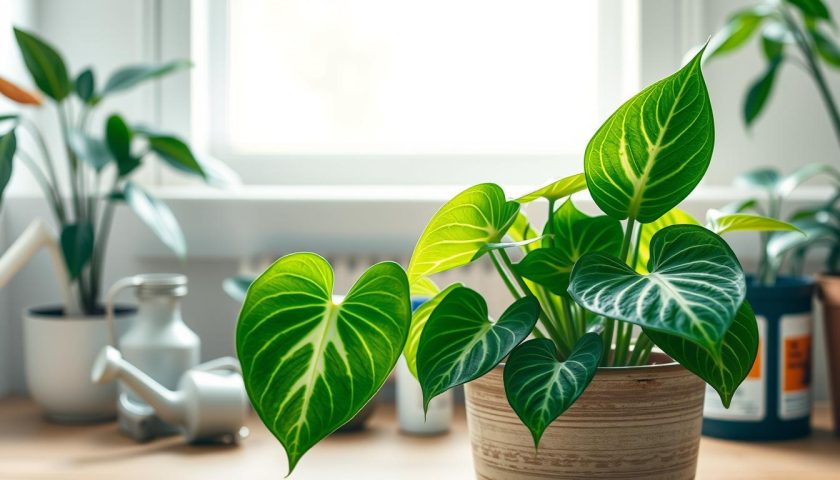
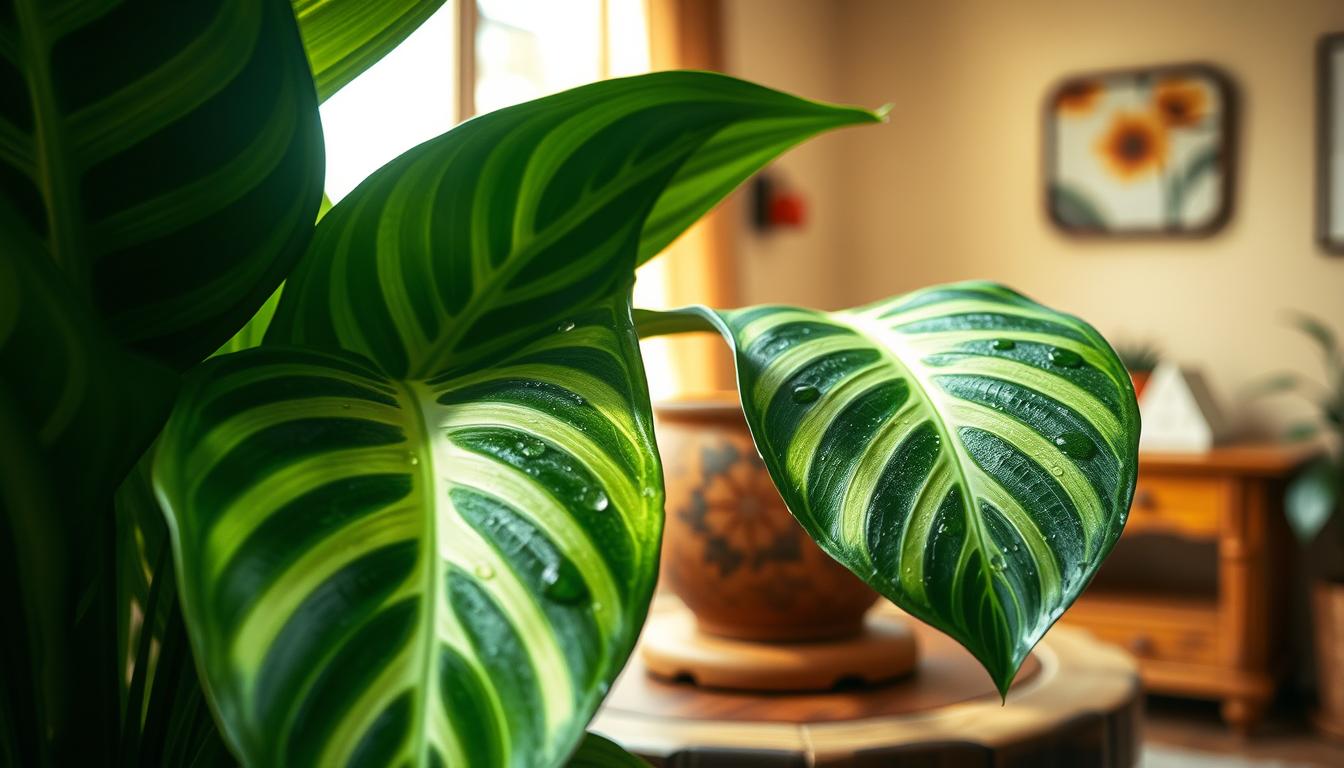
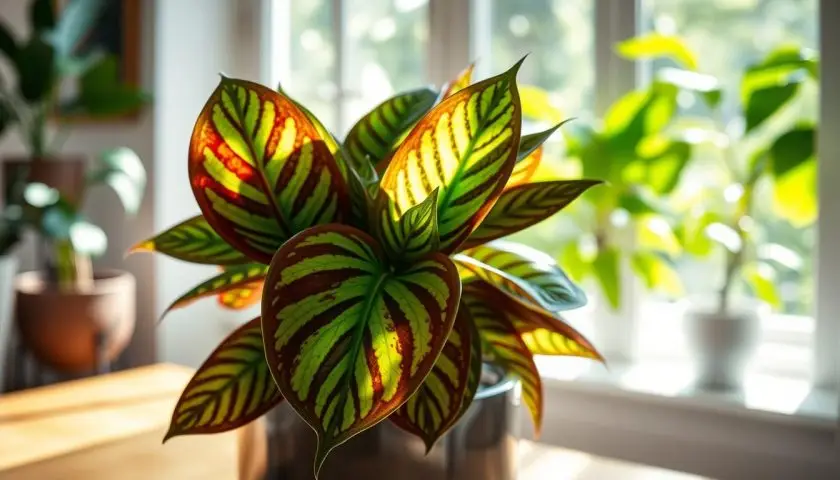
NC State Extension describes Maranta leuconeura as an evergreen tropical perennial in the arrowroot family, Marantaceae, grown as a houseplant in temperate climates. It has oval, smooth-edged leaves with bold patterns on top and grey-green to purple-green undersides. New leaves emerge rolled up like tubes and unfurl as they grow.
Maranta has a low, spreading, clumping habit, growing about 15 to 30cm tall and up to 60cm wide. It grows from rhizomes, which is why it is easy to divide. The genus is named after Bartolomeo Maranta, a 16th-century Italian physician and botanist. Maranta does flower, but NC State notes the small white to purple flowers rarely appear indoors and are insignificant compared with the foliage.
Why Maranta Leaves Fold at Night
The common name prayer plant comes from the way the leaves move. NC State Extension explains that the leaves lie flat during the day and rise to an upright position at night, like hands folded in prayer. This daily movement is called nyctinasty.
As a botanist, I find this one of the best everyday examples of plant movement. At the base of each leaf blade is a small joint called a pulvinus. Cells in the pulvinus gain and lose water, and as they swell or shrink, the leaf is raised or lowered. The movement follows the plant’s internal daily rhythm as well as light. If your maranta stops moving, it is usually a sign that it is stressed, often by low light, cold or drying out.
Types of Maranta
Most marantas sold as houseplants are forms of Maranta leuconeura. NC State lists several names that are now treated as part of this species, including var. erythroneura and var. kerchoveana. The most popular types are:
- Red-veined prayer plant (var. erythroneura): dark olive-green leaves with bright red veins in a herringbone pattern and a paler central band.
- ‘Lemon Lime’: similar herringbone markings in lime and pale green rather than red. Read our full guide to the lemon lime prayer plant.
- Green prayer plant or rabbit’s foot (var. kerchoveana): light green leaves with dark blotches between the veins, said to look like rabbit tracks.
- Black prayer plant (var. leuconeura): dark, almost black-green leaves with silvery veins.
All of these share the same basic care, so the tips below apply to every maranta.
Maranta vs Calathea
Maranta is often confused with calathea, which is now mostly classified as Goeppertia. Both belong to the same family, Marantaceae, and the NYBG notes that the prayer plant is closely related to Goeppertia. Many calatheas also move their leaves, but maranta is usually smaller, lower and more spreading, while calatheas tend to be more upright. Their care is very similar: both need warmth, humidity and soft, steady moisture.
8 Expert Tips for Maranta Care
1. Give it bright, indirect light
NC State Extension recommends bright, indirect light. Maranta tolerates low to medium light, but direct sun bleaches the leaf colours. The NYBG suggests a shady window or a spot behind a sheer curtain. An east- or north-facing window often works well. Our complete guide to indoor light explains how to judge light levels at home.
2. Keep the compost evenly moist
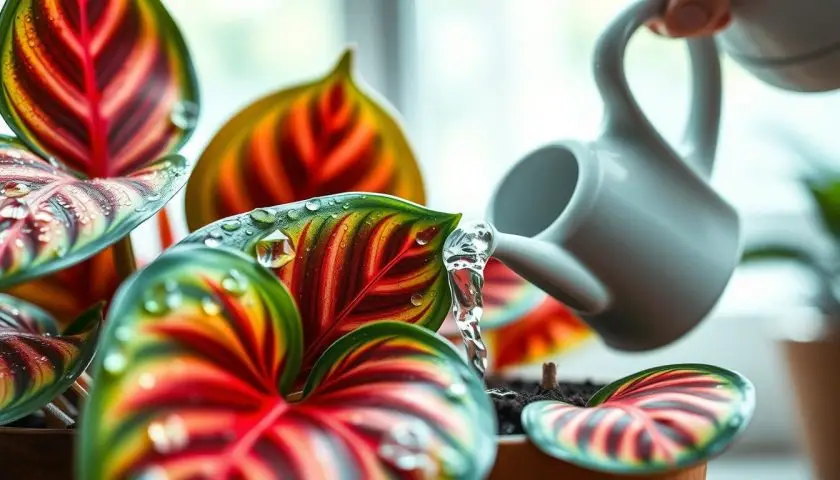
NC State advises keeping the potting soil evenly moist during the growing season and letting it dry out somewhat in winter. The NYBG suggests watering thoroughly with tepid water from March to September and letting the top inch (2.5cm) dry in winter. Empty the saucer about 15 minutes after watering so the roots never sit in water. Our guide to signs you are overwatering shows how to get the balance right.
3. Avoid hard water and wet crowns
The NYBG advises avoiding hard water, which leaves mineral deposits. NC State notes leaves can burn from high fluoride levels, so rainwater, filtered water or water left to stand is a good choice. Illinois Extension warns not to let water stand on the crowns, as the stems rot easily. Water the compost, not the centre of the plant.
4. Raise the humidity
Maranta needs high humidity. NC State suggests a humidified room or a tray of wet pebbles. The NYBG goes further: a pebble tray or misting may not be enough in winter, and a humidifier or terrarium works best, with humidity kept well above 50%. A DIY humidity tray is a good start, and grouping plants helps too.
5. Keep it warm and away from draughts
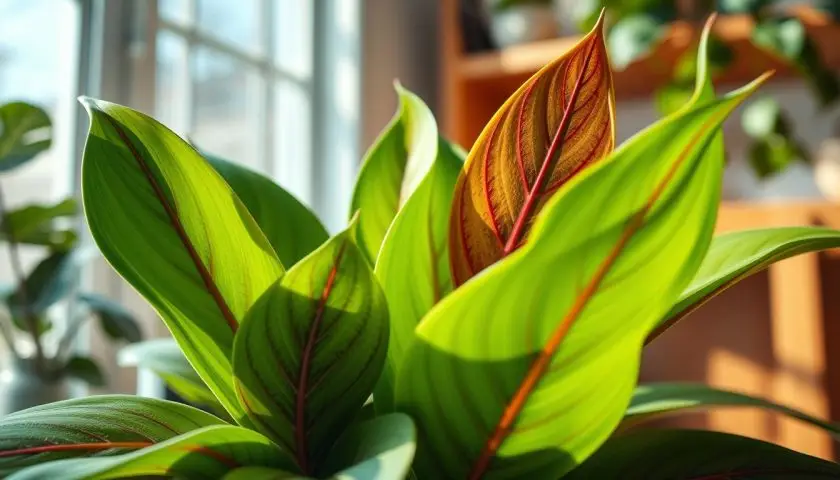
The NYBG gives ideal household temperatures of 65 to 70°F (18 to 21°C) and advises keeping the plant above 55°F (13°C) and avoiding sudden changes. NC State notes maranta does not tolerate low temperatures or cold draughts. Keep it away from cold windows in winter and away from radiators and heating vents, which also dry the air.
6. Use a loose, well-drained compost
The NYBG recommends a soil-based mix with added peat and sharp sand, kept loose, in a pot with a drainage hole. If you prefer to garden peat-free, a peat-free houseplant compost with added perlite or fine bark keeps the mix open. NC State warns that poorly drained soil can cause root rot. See the best soil mix for every type of plant for more on mixes.
7. Feed lightly during growth
The NYBG suggests a standard liquid fertiliser every two weeks from March to September. I recommend using it at half strength, because NC State notes that over-fertilising can burn the leaves. Stop feeding in winter. Low light or low fertility can make leaf colour fade, so pale leaves in summer may mean the plant needs a feed or a brighter spot.
8. Repot in spring when needed
The NYBG advises repotting in spring every one or two years. Because maranta spreads outwards from its rhizomes, a wide pot suits its habit better than a deep one. Move up only one pot size at a time. Our guide on how to repot a plant walks through the process.
How to Propagate Maranta
NC State lists division of the rhizomes as the way to propagate maranta. Division is easiest in spring when you repot:
- Water the plant the day before so the roots are hydrated.
- Ease the plant out of its pot and gently tease the clump apart.
- Make sure each section has several leaves and a healthy piece of rhizome with roots.
- Pot each section into fresh, moist, free-draining compost.
- Keep the new plants warm, humid and out of direct sun while they settle.
New divisions can look tired for a few weeks while their roots settle, which is normal. For general techniques, see our guide on how to propagate houseplants.
Choosing a Healthy Plant
When you buy a prayer plant, look closely at the leaves and compost before you take it home. Choose a plant with:
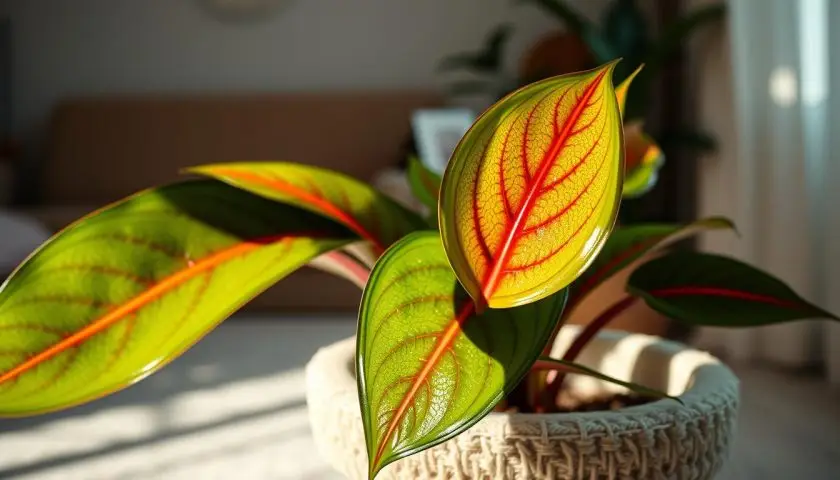
- Bold, clear leaf patterns with no bleached or scorched patches.
- Few or no brown, crispy tips, which suggest it has been kept in dry air.
- New leaves unrolling from the centre, a sign of active growth.
- No webbing or white, cottony clusters on the stems or under the leaves.
Protect it from cold on the way home, and give it a week or two to settle before you repot.
Common Maranta Problems
| Problem | Likely Cause | What to Do |
|---|---|---|
| Brown, crispy or curling leaf tips | Low humidity or uneven watering | Raise humidity; keep compost evenly moist |
| Faded, bleached leaf colour | Direct sun | Move to bright, indirect light |
| Dull colour, slow growth | Low light or low fertility | Brighter spot; feed in growing season |
| Brown leaf burn | Fluoride or over-feeding | Use rainwater or filtered water; feed less |
| Yellow leaves, mushy stems | Root or crown rot from wet compost | Improve drainage; keep water off crowns |
| Leaves stop folding at night | Stress from cold, drought or low light | Check conditions and keep them steady |
| Fine webbing, speckled leaves | Spider mites | Raise humidity; wipe and treat leaves |
| White, cottony clusters | Mealybugs | Remove by hand; isolate the plant |
NC State notes that maranta has no serious pests or diseases, though spider mites and mealybugs can occur. Our guide to spider mites on plants explains how to deal with them.
Maranta Care Through the Year
| Season | What to Do |
|---|---|
| Spring | Start feeding; repot or divide if crowded; check for pests. |
| Summer | Keep evenly moist, humid and out of direct sun; feed every two weeks. |
| Autumn | Stop feeding at the end of September; move away from cold glass. |
| Winter | Let the top inch of compost dry; keep above 13°C (55°F) and raise humidity. |
Is Maranta Safe for Pets?
The ASPCA lists the prayer plant (maranta) as non-toxic to dogs, cats and horses. That makes it a good choice for pet-friendly homes, although eating any plant can sometimes upset a pet’s stomach. If you are concerned, contact your vet or the ASPCA Animal Poison Control Center at (888) 426-4435 (a consultation fee may apply). For more ideas, see our guide to making your plants cat-friendly.
Frequently Asked Questions
Why are my maranta leaves turning brown at the tips?
Brown or curling tips usually mean the air is too dry or watering is uneven. Raise the humidity and keep the compost evenly moist, using soft water if possible.
How often should I water a maranta?
Keep the compost evenly moist in spring and summer, and let the top inch dry in winter. Check the compost with your finger rather than watering on a fixed schedule.
Why does my prayer plant move at night?
The leaves rise at night and lower in the day, a movement called nyctinasty. Small joints at the leaf base, called pulvini, change their water content to move the leaves.
Can maranta grow in low light?
NC State notes it tolerates low to medium light, but bright, indirect light gives the best colour and growth. Avoid direct sun, which bleaches the leaves.
Is a maranta the same as a calathea?
No. They are close relatives in the family Marantaceae with similar care, but maranta is usually lower and more spreading, and calatheas are now mostly classed as Goeppertia.
Final Thoughts
As a botanist, I think maranta is a perfect plant for learning to read your plants. Its leaves tell you each evening whether it is comfortable, and its leaf tips tell you quickly when the air is too dry. Give it bright, indirect light, steady moisture, soft water and humid warmth, and it will keep up its nightly show for years.
At Patch Plants, I write our guides to link practical care with the biology behind it, so you know why each step works. If you love patterned leaves, explore our guides to the Chinese evergreen and colorful foliage indoor plants.
Sources: NC State Extension, Maranta leuconeura; NYBG, Prayer Plant guide; Illinois Extension, Prayer Plant; ASPCA, Prayer Plant.

About the author
Sawera Shahid is a botanist with an MPhil in Botany and 5+ years of writing about plants. As founder and lead writer of Patch Plants, she writes practical, science-backed guides on indoor plants, outdoor gardens and plant problems, checked against RHS and university extension advice.