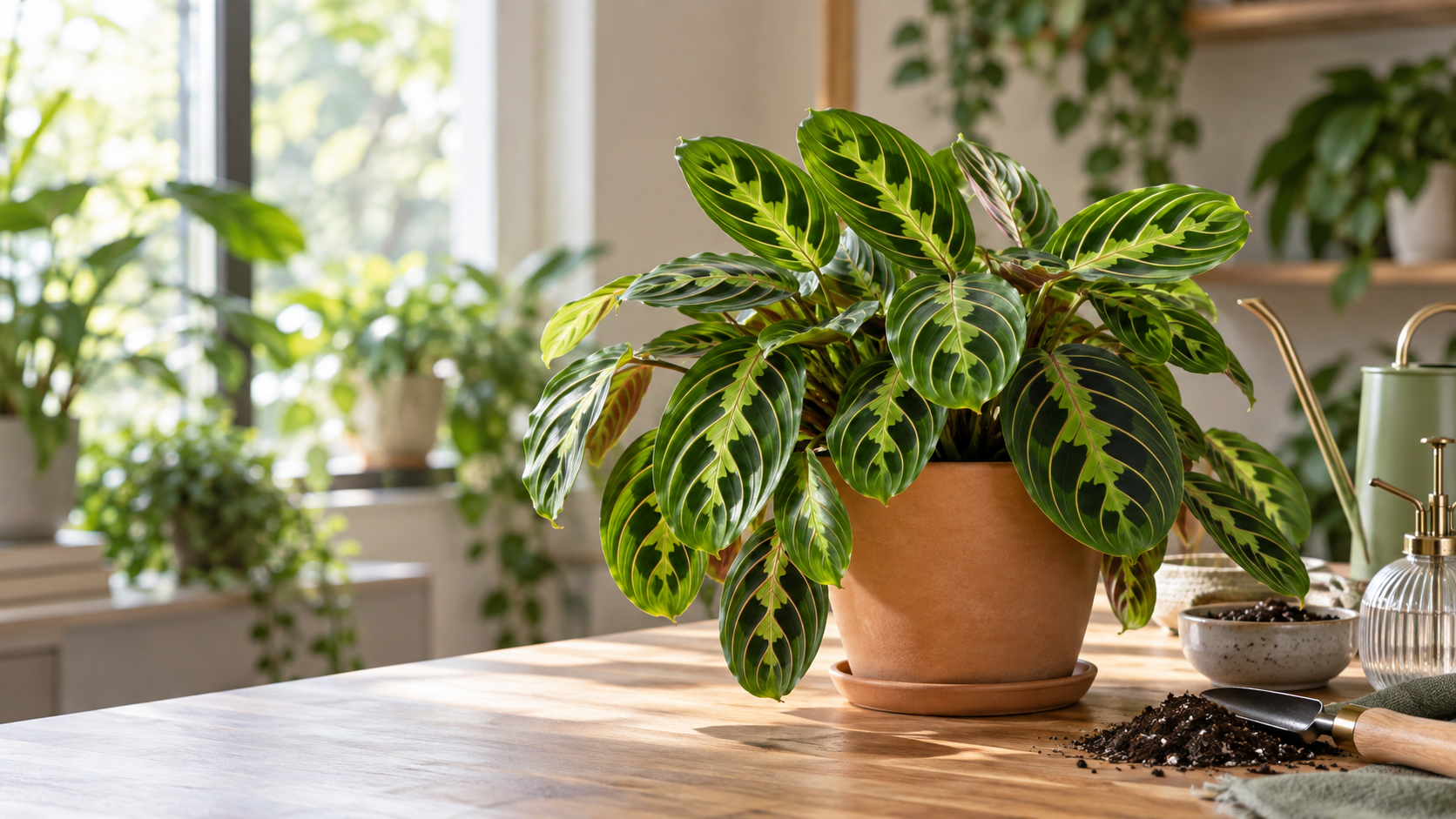
The lemon lime prayer plant, botanically known as Maranta leuconeura ‘Lemon Lime’, is one of the most eye-catching indoor plants you can grow at home. Its deep green foliage, bright lime-colored veins, and fascinating daily leaf movement make it a favorite among people building a colorful tropical houseplant collection.
Although this tropical plant looks delicate, successful care does not require a complicated routine. Understanding basic plant care, choosing the right potting mix, checking moisture before watering, and providing appropriate indoor light can make a major difference.
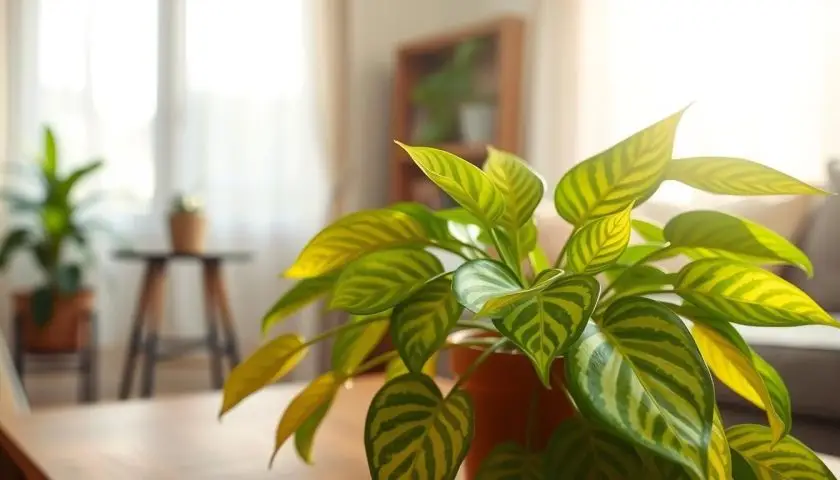
Quick Answer: A lemon lime prayer plant grows best in bright, indirect light with an airy potting mix that stays lightly and consistently moist without becoming waterlogged. Protect it from harsh direct sun, cold drafts, prolonged drought, and soggy soil. Warm temperatures, higher humidity, careful watering, and good drainage support healthy foliage.
Lemon Lime Prayer Plant Care at a Glance
| Care Requirement | Recommended Conditions |
|---|---|
| Botanical Name | Maranta leuconeura ‘Lemon Lime’ |
| Plant Type | Tropical perennial houseplant |
| Light | Bright, indirect or filtered light |
| Water | Consistently moist, never permanently soggy |
| Soil | Airy, moisture-retentive and well-draining potting mix |
| Humidity | Moderate to high indoor humidity |
| Temperature | Warm and stable indoor temperatures |
| Fertilizer | Balanced houseplant fertilizer during active growth |
| Propagation | Division or suitable stem cuttings |
| Common Problems | Brown tips, curling, yellowing, pests and root stress |
New indoor gardeners may also find our beginner indoor plant guide, small-space plant guide, and complete Indoor Plants library useful.
What Is a Lemon Lime Prayer Plant?
This colorful houseplant is a cultivar of Maranta leuconeura. It belongs to the Marantaceae family and is grown mainly for its highly patterned foliage. Unlike many upright tall indoor plants, Maranta develops a lower, spreading growth habit.
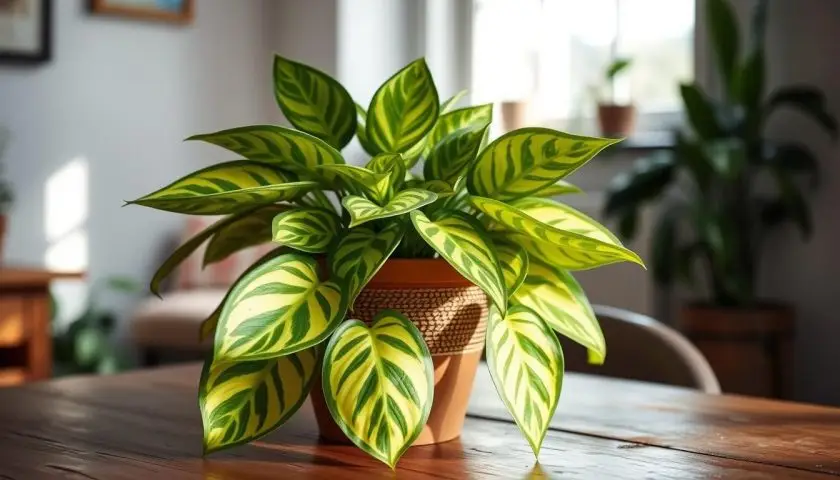
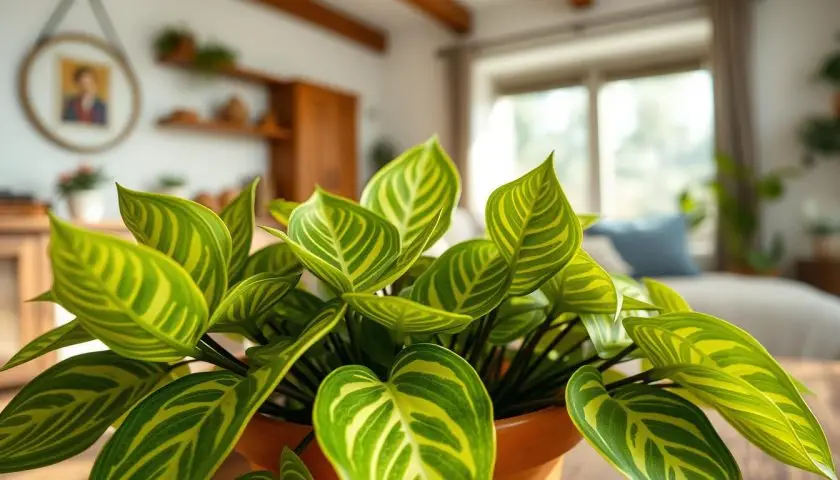
Its oval foliage combines dark and medium green areas with striking lime-yellow veins. It works beautifully on shelves, plant stands, tables, and other indoor spaces where its foliage has room to spread.
If you enjoy decorative foliage, you may also like our guides to a plant with pink and green leaves, tropical house plants, and small low-light indoor plants.
Why Is It Called a Prayer Plant?
Prayer plants are famous for their changing leaf positions. The foliage may sit more horizontally during the daytime and rise noticeably during the evening. This natural movement gave them their familiar common name.
Leaf movement alone is therefore not a reason to assume your plant is unhealthy. When diagnosing a problem, also check yellow leaves, soil moisture, light, roots, temperature, and possible pests through our wider plant-care resources.
Lemon Lime Maranta vs. Lemon Lime Calathea
These names are sometimes confused because both Maranta and Calathea belong to the Marantaceae family. However, the lemon lime prayer plant is a Maranta, not a Calathea.
They share several broad tropical-care preferences, including warm conditions, filtered light, moisture, and humidity. For related indoor growing information, explore tropical house plants, our Indoor Plants hub, and our general Plant Care hub.
Prepare the Right Indoor Growing Space
Before working through the 11 care tips, start by choosing an appropriate location. Many problems blamed on watering are actually connected to inappropriate light, dry air, poor drainage, or temperature stress.
Our guides on houseplants that like direct sunlight and plants suited to lower light illustrate how dramatically different light requirements can be between species.
Choose a Warm Spot Away From Extreme Drafts
Prayer plants prefer relatively stable indoor conditions. Avoid placing the pot directly beside strong heating vents, air-conditioning outlets, or frequently opened cold doors.
Temperature stress can sometimes resemble watering problems, so check the plant’s entire environment before automatically adding more water. Our yellow leaf troubleshooting guide and plant decline troubleshooting guide explain why symptoms often have more than one possible cause.
Use a Container With Drainage Holes
A container should allow excess irrigation water to leave the root zone. Drainage is particularly important for moisture-loving houseplants because “likes moisture” does not mean “likes permanently saturated roots.”
Our overwatering guide, root rot guide, and soil mix guide provide additional background on healthy root conditions.
11 Easy Lemon Lime Prayer Plant Care Tips
1. Give It Bright, Indirect Light
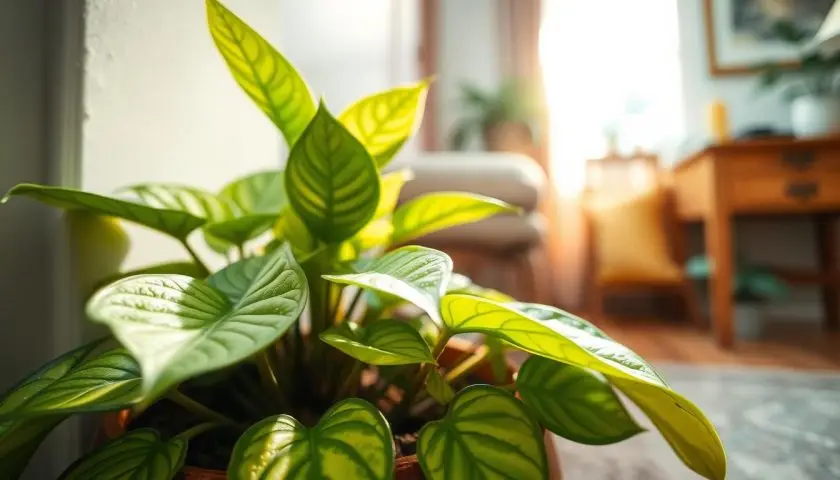
A lemon lime prayer plant generally performs best with plenty of soft, indirect or filtered light. An east-facing window may provide useful morning light without the intensity associated with prolonged hot afternoon exposure.
This requirement is very different from direct-sun houseplants. If you are comparing light requirements between different species, see our low-light plant guide, spider plant light guide, and wider indoor plant collection.
Can It Grow in Low Light?
It may tolerate somewhat lower light, but very dark conditions can slow growth. “Low light” should also not be confused with “no light.” Read our small low-light indoor plants guide for a better understanding of shaded indoor locations.
If you have a much brighter room, compare this with plants that tolerate direct sunlight. Matching a plant to your real conditions is usually more successful than trying to force an unsuitable species into a particular room.
2. Watch for Changes in the Foliage
Leaves offer useful clues about growing conditions. Faded growth, bleached patches, brown areas, curling, or unusual drooping can indicate that something needs attention.
For broader diagnosis, bookmark our guides to yellow leaves on plants, common reasons plants decline, and general plant problems.
- Bleached areas may indicate overly intense light.
- Very slow or weak growth may occur when usable light is inadequate.
- Brown edges may relate to moisture, humidity, mineral buildup, or other stress.
- Yellow leaves can have several causes, including excess moisture.
Avoid changing several care factors simultaneously because doing so makes it difficult to identify what actually helped.
3. Check Soil Moisture Before Every Watering
Instead of automatically watering every seven days, inspect the potting mix first. Indoor watering frequency changes according to temperature, humidity, season, pot size, light, root density, and growing medium.
Our detailed overwatering and watering guide explains why checking moisture is safer than following a rigid calendar.
You can also compare watering habits with peace lily watering and review broader advice in the Patch Plants care library.
Do Not Confuse Moist Soil With Waterlogged Soil
Prayer plants appreciate more consistent moisture than drought-tolerant species such as many snake plants, but the root zone still needs oxygen.
If soil remains soggy for long periods, review your soil mixture, container drainage, watering method, and signs described in our root rot guide.
4. Water Thoroughly and Let Excess Water Drain
When the plant needs water, moisten the growing medium evenly and allow excess water to flow through the drainage holes. Do not leave the container permanently sitting in a full saucer.
The same principle of checking conditions rather than following a calendar appears throughout our plant care guides and watering resources.
If multiple leaves begin yellowing while the potting mix stays wet for a long time, inspect our yellow leaf guide and root health guide.
5. Maintain Suitable Humidity
Prayer plants originate from humid tropical environments and generally appreciate indoor air that is not excessively dry.
A humidifier is often more dependable than occasional misting. If you are considering misting, read when misting plants helps or hurts before making it part of your routine.
You can also explore our humidity hacks for houseplants, tropical houseplant guide, and general indoor plant resources.
Possible Signs of Dry-Air Stress
- Brown or crispy leaf margins
- Persistent curling
- Dry foliage despite reasonably moist potting mix
These symptoms are not exclusive to humidity problems. Use our plant symptom guide, humidity guide, and plant care hub to consider other causes.
6. Keep the Temperature Stable
A lemon lime prayer plant prefers warm, relatively stable conditions without sudden cold drafts or repeated blasts of dry heated air.
According to the Royal Horticultural Society, Maranta leuconeura benefits from bright filtered or indirect light, higher humidity, and suitable moisture management.
That external authority link is intentionally a regular followable outbound link rather than a nofollow link.
For additional indoor growing ideas, explore tropical plants, beginner houseplants, and the Indoor Plants category.
7. Use an Airy, Moisture-Retentive Potting Mix
The root zone needs a balance of moisture and oxygen. A suitable indoor potting mix can be amended with an aeration ingredient such as perlite, while coco coir may help retain moisture.
Before mixing ingredients, read the Patch Plants complete soil mix guide. It explains why different plants require different soil structures.
If you are filling a rectangular planter, preparing several pots, or estimating a larger quantity of potting mix, use our free Soil Calculator.
The soil volume calculator can estimate cubic feet, cubic yards, and liters for rectangular growing spaces. You can also use the potting mix calculator when preparing medium for multiple suitable containers.
Soil Components to Consider
| Component | Main Role |
|---|---|
| Indoor potting mix | Base growing medium |
| Perlite | Aeration and drainage |
| Coco coir | Moisture retention |
For more soil information, see the best soil mix guide, soil calculator, spider plant soil guide, and soil and plant-care resources.
8. Repot Only When Necessary
Repotting should usually respond to the condition of the plant and roots rather than a rigid date. Possible signs that additional space is needed include roots emerging heavily from drainage holes, densely circling roots, unusually rapid drying, or a root-packed container.
Our Soil Calculator can help estimate fresh potting mix for appropriately shaped containers. You can also review our potting mix guide before repotting.
For related transplant guidance, see how to transplant a spider plant. Although the species differs, it provides useful general context about minimizing transplant stress.
Avoid moving a small root ball into an unnecessarily huge pot because the larger volume of wet growing medium may dry more slowly.
9. Fertilize During Active Growth
Fertilizer supports growth, but excessive feeding can damage roots or contribute to salt buildup. Use a balanced houseplant fertilizer according to the product label and the plant’s condition.
Reduce unnecessary feeding during periods when growth naturally slows. Our general plant-care library, tropical houseplant guide, and beginner indoor plant guide provide broader context for seasonal indoor care.
10. Groom the Plant and Keep Foliage Clean
Remove fully dead or badly damaged foliage with clean scissors. Avoid pruning healthy leaves simply because they rise at night.
Dust can accumulate on houseplant foliage. A soft damp cloth can be used carefully to remove visible dust without using unnecessary leaf-shine products.
Browse more maintenance advice through our Plant Care hub, pruning guide, and leaf moisture guide.
11. Inspect for Pests and Problems Regularly
Look at the upper and lower leaf surfaces, stems, new growth, and potting mix regularly. Early detection is much easier to deal with than a large infestation.
Potential houseplant pests include spider mites and mealybugs. Fine webbing, pale stippling, sticky material, cotton-like clusters, distorted growth, or visible insects deserve closer inspection.
If a plant appears unhealthy, isolate it from other indoor plants until you understand the problem.
Then check our yellow leaves guide, root rot guide, overwatering guide, and full Plant Care section.
Common Lemon Lime Prayer Plant Problems
Leaves Curling During the Day
Nighttime folding is normal, but persistent daytime curling can indicate stress. Check soil moisture, humidity, temperature, drafts, and recent changes in location.
Compare symptoms with our humidity and misting guide, watering guide, and plant troubleshooting library.
Brown Leaf Tips
Brown tips may be connected to low humidity, inconsistent moisture, mineral buildup, fertilizer salts, damaged roots, or a combination of factors.
Before increasing watering, check the growing medium and drainage. Our root rot guide, humidity guide, and soil guide can help narrow down the cause.
Yellow Leaves
One aging leaf is not necessarily an emergency. Several leaves turning yellow together deserve more investigation.
Start with our detailed yellow leaves on plants guide. Also check the signs of overwatering and the root rot guide.
Drooping Leaves
Drooping can result from dry potting mix, excessive moisture, temperature stress, root problems, or environmental changes. Feel the growing medium before automatically adding water.
For a systematic diagnosis, explore common plant decline causes, the Plant Care library, and our watering guide.
Faded Foliage
If the leaves lose contrast, review available light, root health, nutrition, and overall growing conditions.
Compare the environment with our guides to low-light plants, direct-sun plants, and indoor light requirements.
How to Propagate a Lemon Lime Prayer Plant
A healthy established plant can be propagated through division, while suitable cuttings can also develop roots under appropriate conditions.
Propagation by Division
- Remove the plant carefully from its container.
- Identify naturally separated rooted sections.
- Tease sections apart gently.
- Plant each division in an appropriately sized container.
- Keep divisions warm and away from harsh direct sunlight while establishing.
Prepare the new growing medium using principles from our soil mix guide. For several containers, estimate the required volume using the Patch Plants Soil Calculator.
You can also browse the Plant Care category, Indoor Plants category, and indoor plant support guide as your plant collection expands.
Propagation From Cuttings
Take a healthy cutting containing an appropriate node using clean tools. Keep the cutting in bright indirect light while roots develop.
Once a suitable root system develops, transfer it into an airy potting medium. Avoid exposing newly rooted material immediately to strong direct sunlight.
For additional growing information, visit plant propagation and care guides, tropical indoor plant guides, and the potting soil calculator.
A Simple Weekly Care Routine
| Frequency | Task |
|---|---|
| Regularly | Check potting mix before watering |
| Weekly | Inspect foliage and stems for pests |
| Periodically | Clean dusty leaves and inspect drainage |
| Growing season | Feed appropriately according to fertilizer directions |
| Seasonally | Reassess light, humidity and temperature |
| As needed | Repot based on root growth |
For watering help, use our watering guide. For soil decisions, read the soil mix guide. For repotting quantities, use the Soil Calculator.
For humidity questions, review misting for plants and our humidity hacks. For foliage problems, see yellow leaves on plants.
Is a Lemon Lime Prayer Plant Good for Beginners?
It can be a rewarding plant for an attentive beginner, but it requires somewhat more consistent moisture and humidity than especially forgiving species.
If you want to compare options, see our best indoor plants for first-time plant parents, snake plant guide, tropical house plant guide, and small apartment plant guide.
Is a Lemon Lime Prayer Plant Safe for Cats and Dogs?
Maranta prayer plants are generally considered non-toxic to cats and dogs. Even with non-toxic plants, preventing pets from repeatedly chewing foliage can protect both the animal and the plant.
Place pots securely, especially on shelves or stands. Browse our wider indoor plant guides when planning a larger houseplant collection.
Helpful Patch Plants Guides for Prayer Plant Owners
Good care involves more than one isolated topic. These Patch Plants resources can help you build a complete routine:
- Indoor Plants – browse the full indoor plant collection.
- Plant Care Guides – watering, soil, pruning and troubleshooting.
- Soil Calculator – estimate soil and potting mix volume.
- Best Soil Mix for Every Type of Plant.
- Signs of Overwatering.
- Root Rot Guide.
- Yellow Leaves on Plants.
- Misting for Plants.
- Houseplant Humidity Hacks.
- Tropical House Plants.
- Small Low-Light Indoor Plants.
- House Plants That Like Direct Sunlight.
- Best Indoor Plants for Beginners.
- Best Indoor Plants for Tiny Apartments.
- Plants With Pink and Green Leaves.
- Spider Plant Light Requirements.
- Tall Snake Plant Guide.
- Parlor Palm Dying Guide.
- Peace Lily Watering Guide.
- Spider Plant Transplanting Guide.
- Moss Pole for Plants.
Key Takeaways
- Provide bright, filtered or indirect light instead of intense afternoon sunlight.
- Check the potting mix before watering instead of following a rigid schedule.
- Maintain moisture without keeping roots permanently saturated.
- Provide good drainage and an airy potting medium.
- Use the Patch Plants Soil Calculator when estimating potting mix for suitable rectangular containers.
- Read the soil mix guide when selecting growing media.
- Use our humidity guide before relying on misting.
- Check the overwatering guide if soil remains wet for too long.
- Review the root rot guide when roots appear unhealthy.
- Use the yellow leaf guide when several leaves change color.
- Nighttime leaf movement is normal for prayer plants.
Frequently Asked Questions
What is the best location for a lemon lime prayer plant?
A bright indoor location with filtered or indirect light is usually best. Compare your location with our low-light plant guide and direct-light plant guide.
How often should I water a lemon lime prayer plant?
Check the growing medium instead of following a fixed calendar. Water when the upper portion starts becoming slightly dry, then allow excess moisture to drain. Read our complete watering guide.
Why are my prayer plant leaves curling?
Persistent daytime curling may involve moisture, humidity, temperature, light or root stress. Our humidity guide and Plant Care resources can help you investigate.
Why are my lemon lime prayer plant leaves yellow?
Several yellow leaves can result from excess moisture, poor drainage, root problems, inadequate light or other stress. Start with the yellow leaves guide, then check the root rot guide.
What soil should I use?
Use an airy medium that holds useful moisture while draining excess water. See our soil mix guide and use the soil calculator to estimate required volume.
Does a lemon lime prayer plant need humidity?
It generally appreciates higher humidity than extremely dry indoor environments. See our houseplant humidity tips and misting guide.
Can lemon lime prayer plants grow in low light?
They can tolerate lower light, but very dark conditions may reduce growth. Explore our low-light indoor plants guide for comparisons.
How do I know if I am overwatering?
Persistently wet soil, repeated yellowing and root decline can signal problems. Use the Patch Plants overwatering guide and root rot guide.
When should I repot the plant?
Repot when root growth and container conditions show that more space is genuinely needed. Before repotting, review the soil guide and calculate potting mix using the Soil Calculator.
Can beginners grow a lemon lime prayer plant?
Yes, particularly if they are willing to check moisture, humidity and light consistently. Beginners can also explore our first-time plant parent guide and the Indoor Plants hub.
Conclusion
Growing a lemon lime prayer plant successfully comes down to understanding a few important needs rather than following a complicated schedule. Give it gentle bright light, maintain consistent moisture without waterlogging the roots, provide suitable humidity, and use an airy potting medium.
When problems appear, diagnose the growing conditions instead of changing everything at once. Patch Plants has dedicated guides covering yellow foliage, watering mistakes, root rot, humidity, and potting soil.
You can continue learning through our Indoor Plants guides, browse the complete Plant Care library, or use the free Soil Calculator for your next potting project.
Explore more practical growing advice from Patch Plants.