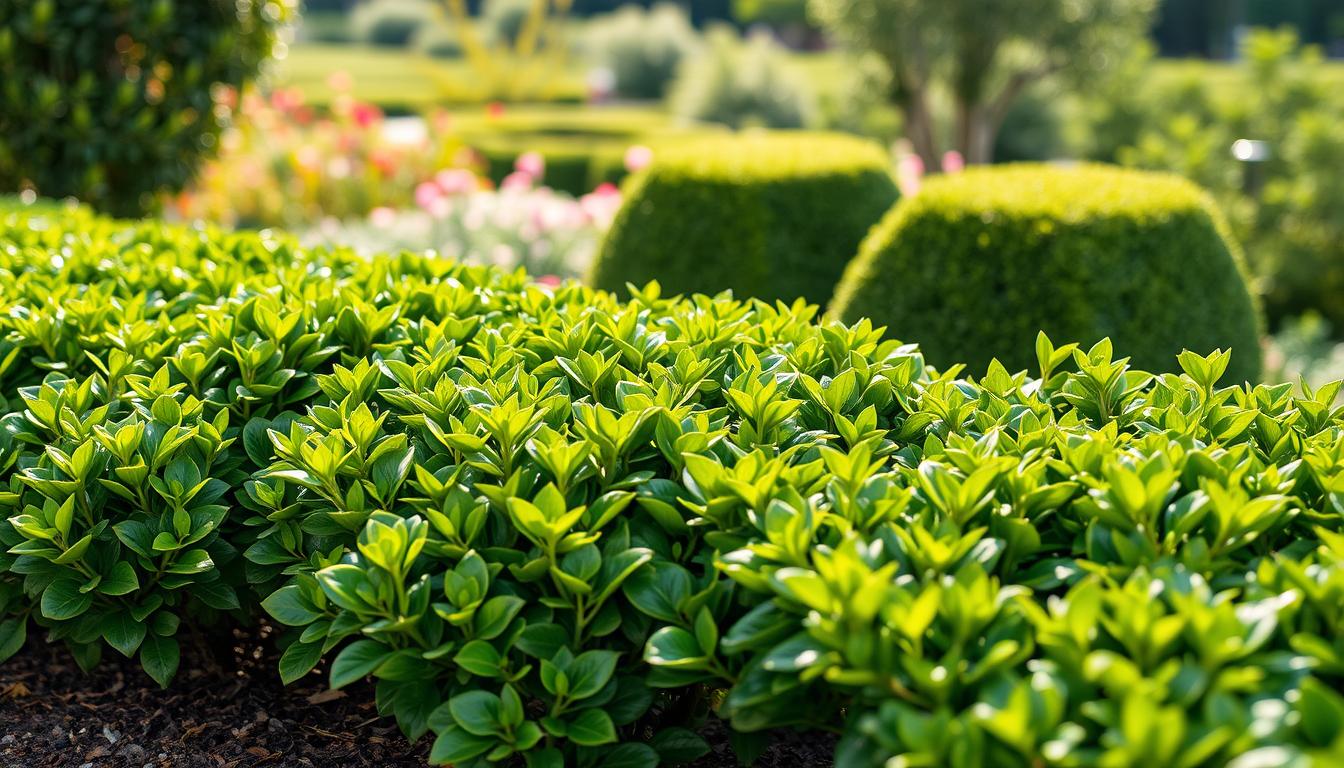
A buxus hedge is best planted in autumn or spring, in a trench a spade’s depth deep, with common box spaced 30 to 40cm (12 to 16in) apart or compact cultivars 10 to 15cm (4 to 6in) apart, then trimmed once a year in August once established. I am Sawera Shahid, a botanist at Patch Plants. Box (Buxus) has been the classic plant for low, formal hedges for centuries, and the RHS notes that small plants should form a reasonable hedge in three to five years.
Box has also become harder to grow. The RHS warns that box blight and box tree caterpillar can both seriously damage plants, and in some areas make box difficult to keep. This guide covers buxus hedge planting in 7 clear steps, how to care for and trim a box hedge, how to spot and limit blight and caterpillar, and which alternatives the RHS suggests if box is not right for your garden.
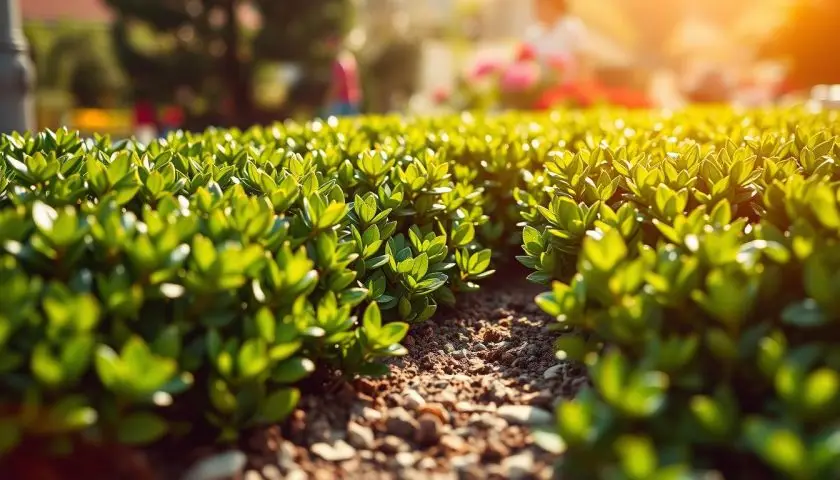
Buxus Hedge at a Glance
| Need | What Works |
|---|---|
| Best plants | Common box (Buxus sempervirens); compact ‘Suffruticosa’ or B. microphylla for very low edging |
| Planting time | Autumn or spring; bare-root plants in winter |
| Spacing | 30 to 40cm (12 to 16in); 10 to 15cm (4 to 6in) for compact cultivars |
| Position | Sun to deep shade; reliably moist soil in full sun |
| Soil | Most types, if well drained and never fully dry |
| Trimming | Young plants May to August; established hedges once in August |
| Time to form | About 3 to 5 years |
| Pets | Toxic to dogs, cats and horses (ASPCA) |
All of the planting and care figures above come from the RHS growing guide for box; pet safety comes from the ASPCA.
Choosing Plants for a Buxus Hedge
The RHS notes that common box, Buxus sempervirens, is the most widely sold species, while compact cultivars such as B. sempervirens ‘Suffruticosa’ and B. microphylla suit small hedges and parterres. For any buxus hedge, choose plants with dense growth and small leaves. Untrimmed common box can eventually reach 5m (16ft), so it can be kept at almost any height you want with regular clipping.
Plant health matters more than price. The RHS advises inspecting box carefully before buying, because box blight is widespread and is easily brought into a garden on new plants. Look for even, green leaves with no brown patches, leaf spots, bare stems or black streaks on young shoots, and check inside the plant for webbing or caterpillars.
Buxus Hedge Planting in 7 Steps
1. Plant at the right time
The RHS recommends planting box in autumn or spring, when the soil is moist and warm enough for roots to establish. Container-grown plants are available all year, while bare-root hedging plants arrive in winter and should be planted as soon as they are delivered, so the roots do not dry out.
2. Choose a suitable spot
Box grows in anything from full sun to deep shade, according to the RHS. It tolerates most soils as long as they drain well and never dry out completely. In full sun, a reliably moist soil is especially important, or the foliage may scorch. Avoid spots where water sits in winter. For shady areas, our guide to shade-loving plants for outdoors has good companions.
3. Prepare a trench
For a hedge, the RHS suggests digging a trench to a spade’s depth and up to 90cm (3ft) wide. Clear perennial weeds and loosen the soil at the base so roots can spread. Working organic matter, such as well-rotted garden compost, into the trench helps the soil hold moisture without becoming waterlogged.
4. Space the plants correctly
The RHS gives spacing of 30 to 40cm (12 to 16in) for common box, and 10 to 15cm (4 to 6in) for compact cultivars such as ‘Suffruticosa’. Run a string line along the trench to keep the row straight, and set each plant at the same depth it was growing in its pot. In a buxus hedge, slightly wider spacing also improves air flow, which the RHS notes helps reduce the spread of box blight.
5. Water in and keep moist
Water each plant in the new buxus hedge well after planting and firm the soil gently around the roots. The RHS advises keeping young and newly planted box moist but not waterlogged, including in winter. Once established, box in the ground usually needs watering only in long dry spells.
6. Mulch once a year
For a healthy buxus hedge, the RHS recommends a thick layer of organic matter, such as well-rotted garden compost, over the root zone once a year in spring or autumn. Mulch keeps the soil cool and moist and feeds it slowly. Box growing in fertile soil does not normally need extra fertiliser.
7. Trim young plants to shape
To build a dense buxus hedge, the RHS suggests cutting back the stems of young plants by up to one-third in May, then trimming again as needed between May and August. This encourages branching from low down, so the hedge fills out from the base rather than becoming leggy. For general technique, see our guide to pruning basics.
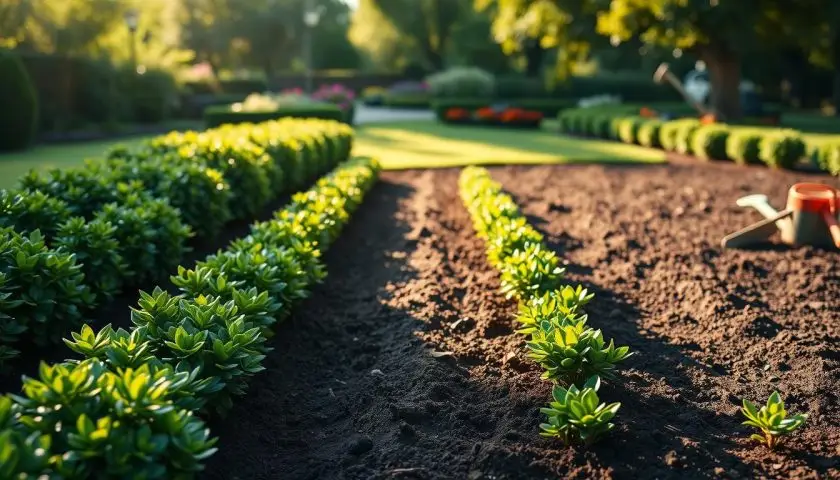
How to Trim an Established Buxus Hedge
Once a buxus hedge has reached the size you want, the RHS recommends trimming once a year in August, after the new shoots have hardened and growth has slowed. It warns against trimming earlier in summer, because this produces a flush of soft growth that is vulnerable to scorch, drying winds, hot sun, late frost and box blight. The RHS box alternatives guide also notes that box needs trimming only once a year, which is part of why it has been so popular.
Use sharp shears or hedge trimmers on a buxus hedge, and clean them between hedges to avoid spreading disease. A line of string or a simple wooden template helps keep the top level. After trimming, the RHS advises removing clippings from the surface of the plants and from the centre of the hedge, because fallen leaf debris can carry box blight. If an old buxus hedge has become overgrown, the RHS suggests hard pruning in late spring (May), cutting back to 15 to 30cm (6 to 12in) above ground; box regenerates well from old wood.
Growing a Buxus Hedge in Pots
A low buxus hedge also works in long troughs, and box suits containers as well as borders. The RHS recommends a pot at least 45cm (18in) across, filled with a loam-based compost such as peat-free John Innes No 3. Unlike box in the ground, potted box needs regular watering all year, including in winter. Feed with a general-purpose organic liquid feed through summer, and each spring remove the top 5cm (2in) of compost and replace it with fresh compost and a little slow-release fertiliser.
Box Blight: Symptoms and Prevention
The RHS notes that box blight arrived in the UK in 1994 and is now widespread. It infects young stems, causing black streaks and dieback; other signs are leaf spots and bare patches. A second disease, Volutella blight, causes similar twig and leaf death but is less serious, and it does not produce the black streaks of box blight.
The RHS suggests several ways to keep box blight out or limit it:
- Quarantine new box plants away from existing ones before planting.
- Clean tools between plants and hedges.
- Space plants a little wider apart to improve air flow.
- Remove clippings from the surface and centre of the hedge after trimming.
- Trim less often.
There are differences in susceptibility between box species and cultivars, and the RHS notes research is under way into blight-resistant cultivars. Where blight has become impractical to manage, the RHS suggests choosing an alternative plant.
Box Tree Caterpillar: What to Look For
Box tree caterpillar is the larva of the box tree moth (Cydalima perspectalis), which the RHS describes as native to East Asia and established in Europe since 2007. The caterpillars eat box foliage and web the leaves together, and they are most active from April to October. The RHS notes that they overwinter as small caterpillars hidden between leaves webbed together in late autumn.
Check your buxus hedge regularly from spring, looking inside the plant as well as on the surface. Signs include webbing, chewed or missing leaves, and greenish-yellow caterpillars. Removing caterpillars by hand works on small hedges if you check often. Where control becomes impractical, the RHS again recommends switching to a different hedge or topiary plant.
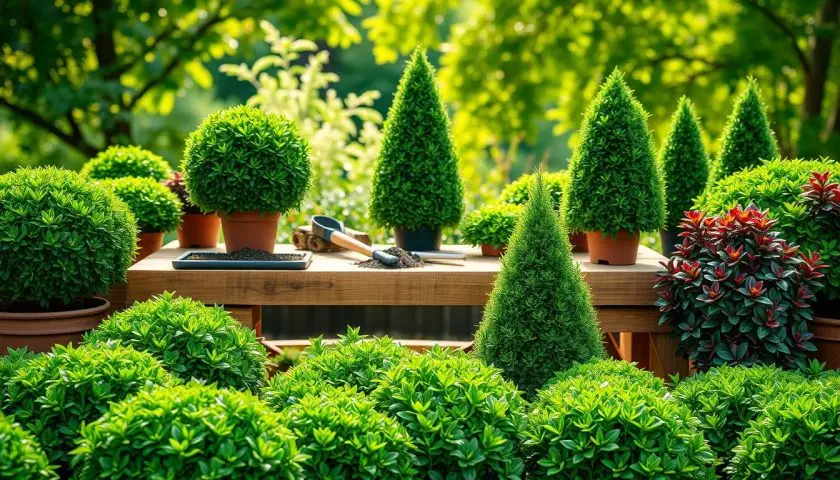
Alternatives to a Buxus Hedge
If blight or caterpillar make box too difficult, the RHS has been trialling evergreen alternatives at RHS Garden Wisley. It notes that no alternative has all of box’s qualities, but it names several popular shrubs:
| Alternative | Notes from the RHS |
|---|---|
| Privet (Ligustrum) | Tolerates most soils and some shade; generally pest- and disease-resistant; clips well once established |
| Pittosporum | For sheltered areas above about -8°C, in sun and well-drained soil; some cultivars go bare at the base as a low hedge |
| Rhododendron Bloombux | A flowering alternative with pale pink June flowers; slow to form a clipped shape |
| Euonymus japonicus, Lonicera pileata, Taxus baccata ‘Repandens’ | Also listed among the shrubs being assessed |
For more ideas on tough evergreens, see our guides to winter plants for outside and low-maintenance outdoor plants. If you want a clipped evergreen in a pot, our bay tree care guide covers another classic topiary plant.
How to Propagate Box
Box is cheap and easy to propagate, which the RHS lists among its advantages. Take semi-ripe cuttings in early to mid-summer, once new growth starts to firm. In a heated propagator they root in about 8 weeks; in a coldframe or unheated greenhouse they are well rooted in about 8 months. Pinch out the shoot tips regularly once new shoots appear. In autumn, plant the young box out 30 to 45cm (1ft to 18in) apart in a sheltered spot, and move them to their final positions after 3 to 4 years. Only take cuttings from healthy plants, so you do not spread blight.
Buxus Hedge Care Through the Year
| Season | What to Do |
|---|---|
| Spring | Plant, mulch, top-dress pots and start checking for box tree caterpillar from April. |
| Early summer | Trim young plants from May; take semi-ripe cuttings. |
| Late summer | Trim established hedges once in August and clear the clippings. |
| Autumn | Plant or mulch; check for webbed leaves where caterpillars overwinter. |
| Winter | Plant bare-root box; keep young and potted plants watered in dry spells. |
Is Box Safe for Pets?
No. The ASPCA lists boxwood (Buxus spp.) as toxic to dogs, cats and horses. Its toxic principles are alkaloids, and listed signs are vomiting and diarrhoea in dogs and cats, and colic, diarrhoea, respiratory failure and seizures in horses. Keep pets from chewing clippings, and contact your vet or the ASPCA Animal Poison Control Center at (888) 426-4435 (a consultation fee may apply) if you are worried. Our guide to making your plants cat-friendly has more tips.
Frequently Asked Questions
When is the best time for buxus hedge planting?
Autumn or spring is best. Container-grown box can be planted at any time if you keep it watered, and bare-root plants should go in as soon as they arrive in winter.
How far apart should I plant box hedging?
The RHS suggests 30 to 40cm (12 to 16in) apart for common box, and 10 to 15cm (4 to 6in) apart for compact cultivars such as ‘Suffruticosa’.
When should I trim a box hedge?
Trim established box once a year in August. Young plants can be trimmed from May to August to build density. Avoid early summer trims, which encourage soft growth.
How long does a box hedge take to grow?
The RHS says small plants should form a reasonable hedge, or a ‘Suffruticosa’ parterre, in about three to five years with good care.
Is box toxic to dogs?
Yes. The ASPCA lists boxwood as toxic to dogs, cats and horses because it contains alkaloids, which can cause vomiting and diarrhoea in dogs and cats.
Final Thoughts
As a botanist, I still think a well-grown buxus hedge is one of the most beautiful structures in a garden, but it now needs more watchfulness than it once did. Buy healthy plants, trim once in August, clear the clippings and check for caterpillars, and box can still give years of crisp, evergreen lines.
At Patch Plants, I want to give you the facts to decide honestly whether box suits your garden, or whether an alternative will serve you better. Either way, the planting steps above apply to most small-leaved evergreen hedges.
Sources: RHS, How to grow box; RHS, How to choose box alternatives; RHS, Box problems; RHS, Box tree caterpillar; ASPCA, Boxwood.

About the author
Sawera Shahid is a botanist with an MPhil in Botany and 5+ years of writing about plants. As founder and lead writer of Patch Plants, she writes practical, science-backed guides on indoor plants, outdoor gardens and plant problems, checked against RHS and university extension advice.