A waffle plant (purple waffle plant, Strobilanthes alternata, still often sold as Hemigraphis alternata) is easy to grow indoors if you give it bright, indirect light, evenly moist but well-drained compost, warmth and decent humidity. Water when the top layer of compost starts to dry, keep it away from cold draughts and hot radiators, pinch the stem tips to keep it bushy, and root cuttings in water or compost whenever it starts to look leggy.
Mastering purple waffle plant care is rewarding for any indoor gardener. This unique species adds vibrant color and texture to your home with little effort. A few simple steps help your greenery thrive year-round.
Give the waffle plant bright, indirect light and steady moisture to keep its leaves healthy. These tropical plants prefer warm temperatures and high humidity. This guide covers pruning, propagation, and common problems for a simple, effective routine.
Key Takeaways
- Provide bright, indirect sunlight to maintain leaf color.
- Keep the soil evenly moist but never waterlogged.
- Maintain high humidity levels for optimal growth.
- Prune regularly to encourage a bushy, full shape.
- Monitor for common pests to ensure long-term health.
Key Takeaways for Waffle Plant Care
A healthy waffle plant needs the right balance of light and moisture. Meet these needs, and it can grow lush, vibrant foliage all year.
Give Hemigraphis alternata bright, indirect light, evenly moist but well-draining soil, warm temperatures, and moderate to high humidity
Place your plant where it receives plenty of indirect light. Keep the soil evenly moist, never soggy, with a high-quality well-draining potting mix. Like a purple basil plant, this species thrives in warm rooms with steady, elevated humidity levels.
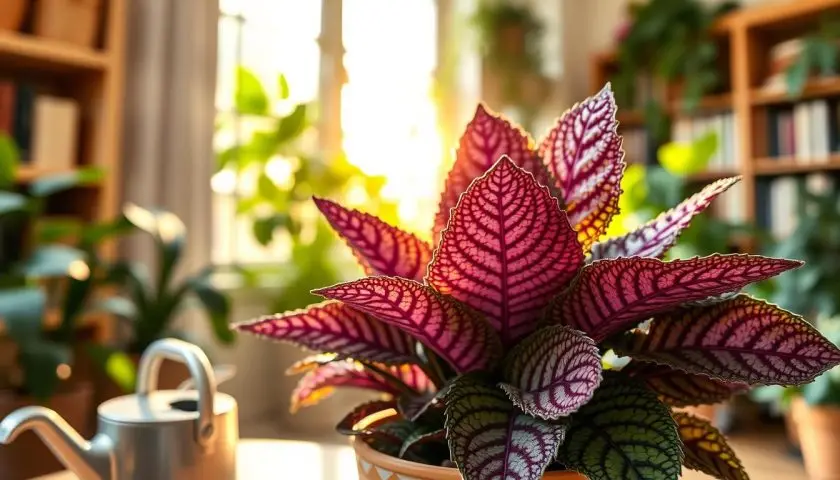
Key takeaways for healthy purple foliage and compact growth
Good purple waffle plant care means watching how your plant responds, not following a strict calendar. Give it enough light for rich color, while keeping its roots supplied with air and moisture. With these conditions, your plant will develop a dense, bushy shape.
Signs that the plant needs more or less light, water, or humidity
Your plant often shows its needs through its leaves and stems. Read these signs and make small changes before problems become serious:
- Stretching or faded color: This usually means the plant needs more light.
- Yellowing leaves: This is often a sign of overwatering or poor drainage.
- Crispy leaf edges: This indicates the air is too dry or the plant needs more consistent watering.
- Wilting: This is a clear signal that the soil has become too dry and needs immediate hydration.
Identify the Purple Waffle Plant and Set Realistic Growth Expectations
Learning your plant’s needs helps it thrive indoors. Simple checks show when your green friend feels well or needs more care.
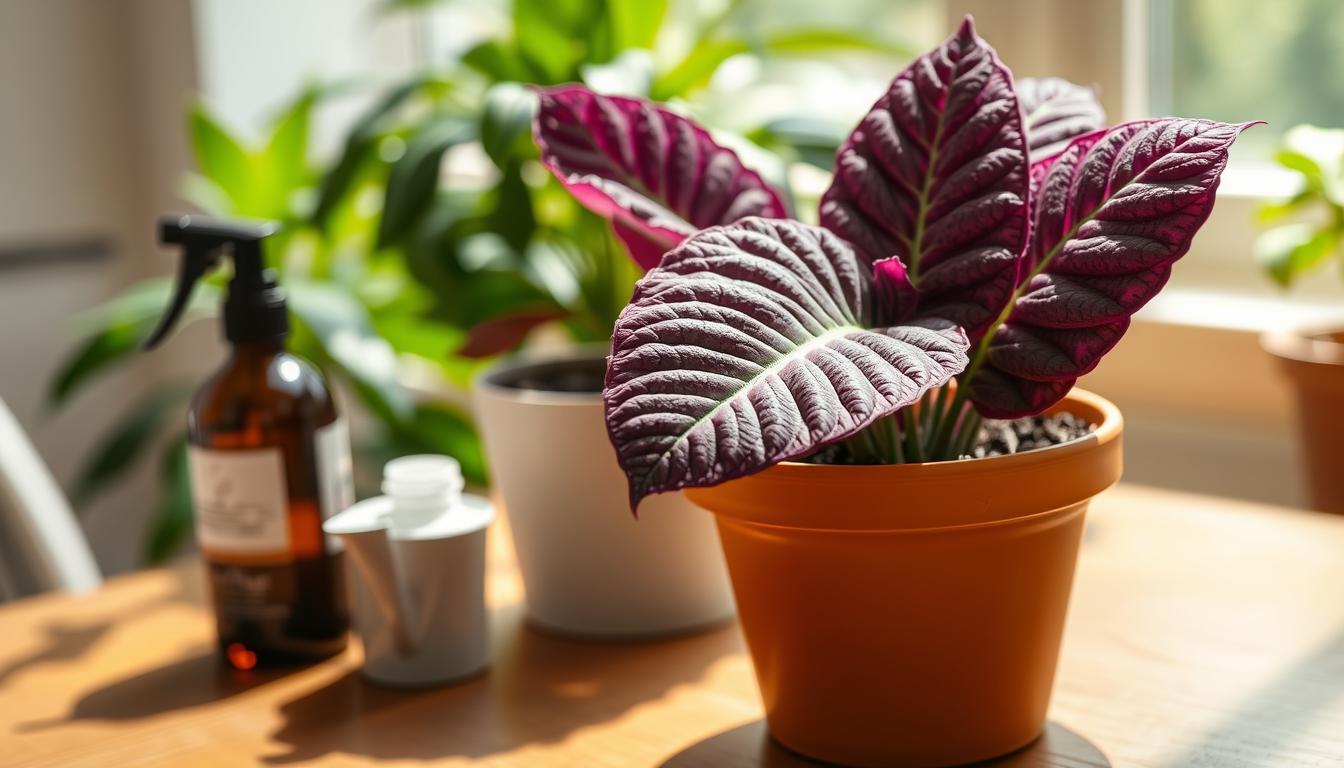
Hemigraphis alternata characteristics, including crinkled leaves and purple undersides
The Hemigraphis alternata, often called the waffle plant, stands out in any indoor collection. Its deeply puckered, crinkled leaves create a distinct, wavy texture.
Leaf tops often look deep metallic green or bronze, while undersides show a rich, vibrant purple hue. This vibrant coloration makes the plant a popular decorative piece.
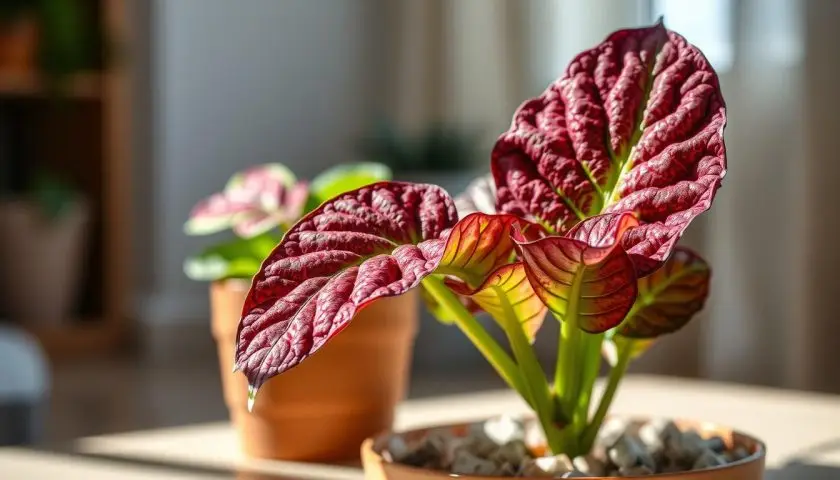
Normal growth habits, spreading stems, and mature size indoors
In nature, this plant spreads across the forest floor. In a container, it keeps a compact and bushy habit with proper care and regular maintenance.
An indoor waffle plant usually grows 6 to 12 inches tall. Its trailing stems suit hanging baskets or shelves, where they spill gently over the edges.
How to distinguish a healthy waffle plant from a stressed or damaged one
A healthy waffle plant has firm, upright leaves with deep, even colors. Crisp or dull foliage can signal environmental stress.
Watch for these common signs of plant health:
- Healthy: Rich purple undersides, firm stems, and steady new growth.
- Stressed: Limp or drooping leaves, brown crispy edges, or sudden leaf drop.
- Damaged: Visible spots, yellowing patches, or signs of pests on the undersides.
Regular checks help you catch small issues before they become serious. A little observation keeps your waffle plant looking its best all year round.
Choose the Right Light for a Waffle Plant
Finding the right spot keeps your plant’s deep purple leaves vibrant. Because it grows on the forest floor, it prefers conditions that copy its natural habitat.
Place the plant in bright, indirect light near an east- or filtered south-facing window
Keep your waffle plant healthy with plenty of indirect light. An east-facing window provides gentle morning sun without too much intensity.
Place the plant behind a sheer curtain near a south-facing window. This filter shields delicate foliage from harsh rays while allowing enough brightness for healthy growth.
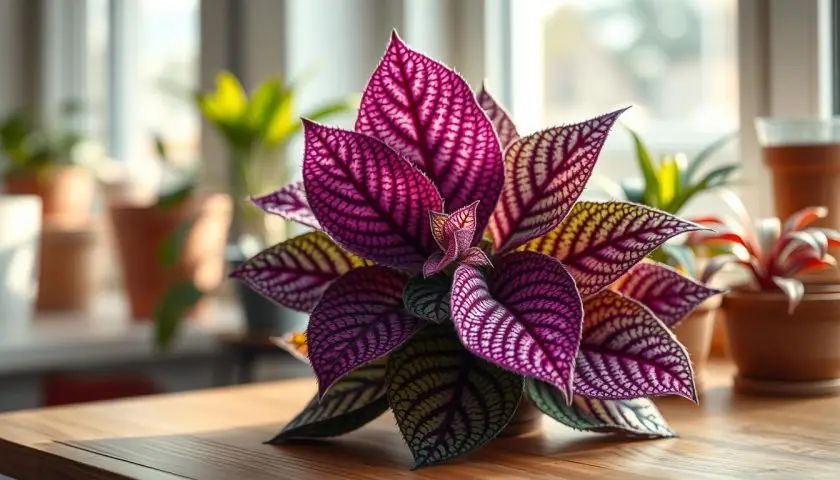
How direct sunlight, low light, and artificial light affect leaf color and growth
Direct sunlight can quickly damage the leaves because it is often too strong. A dark corner can remove the plant’s purple color and cause leggy growth.
Use artificial grow lights when natural light is limited. They help maintain the plant’s compact shape and deep color throughout the year.
Step-by-step method for adjusting a waffle plant to a brighter location
Move your plant slowly to a brighter spot to prevent shock. Start by placing it a few feet from the new window for several days.
Over two weeks, gradually move the container closer to the light source. This transition helps the plant adjust to stronger light without stress.
Watch for bleached leaves, scorched edges, stretching, and loss of purple color
Watch your plant closely during this adjustment period. Pale leaves or brown, crispy edges mean the light is likely too strong.
Stretching stems or mostly green leaves show that the plant needs more light. Adjust its position until you find the right balance for your home.
Rotate the container for even growth without repeatedly relocating the plant
Plants lean toward light, which can cause uneven growth. Rotate the pot a quarter turn whenever you water it instead of moving it between rooms.
This habit gives every side equal light exposure. It keeps your plant full and symmetrical without constant relocation.
| Light Condition | Effect on Foliage | Growth Pattern |
|---|---|---|
| Bright, Indirect | Deep purple, vibrant | Compact and bushy |
| Direct Sunlight | Bleached or scorched | Stunted or damaged |
| Low Light | Faded green | Leggy and sparse |
Water a Purple Waffle Plant Without Causing Root Problems
Your plant tells you when to water through its soil. Check its moisture often instead of following a strict calendar.
Check the top layer of soil before watering instead of following a rigid schedule
To keep your waffle plant healthy, press your finger about an inch into the potting medium. If it feels dry, water your plant.
If the soil feels damp, wait a few days before checking again. This habit prevents overwatering, which can cause long-term health problems.
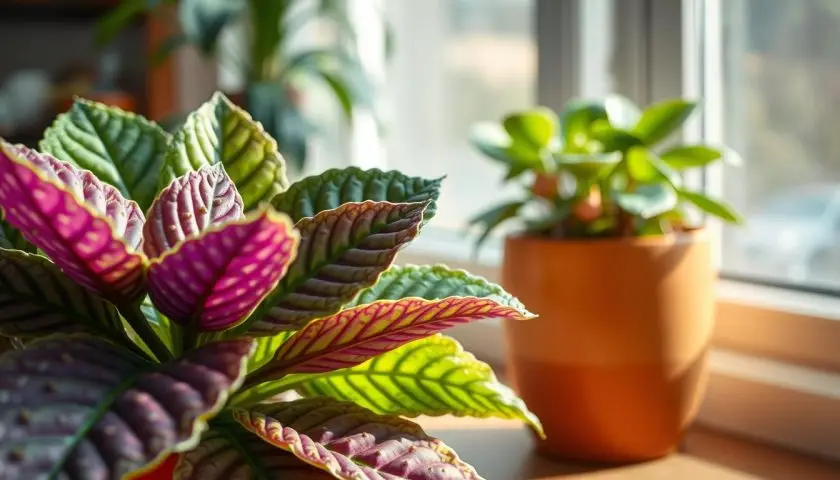
Step-by-step watering method for thorough hydration and proper drainage
Pour room-temperature water evenly across the soil surface. Continue until water flows freely from the pot’s drainage holes. This hydrates the entire root system.
Use a well-draining potting mix so excess water can escape quickly. After a few minutes, empty the saucer or tray beneath the pot. Never let the plant sit in standing water, which can suffocate its roots.
How to recognize underwatering, overwatering, and root rot
Plants often show their needs through their leaves. Spotting these signs early helps you care for plants, much like when you learn to keep your outdoor plants.
Respond to limp leaves, dry soil, yellowing foliage, and persistently wet soil
| Symptom | Likely Cause | Action Required |
|---|---|---|
| Limp, drooping leaves | Underwatering | Water thoroughly |
| Yellowing foliage | Overwatering | Check drainage |
| Persistently wet soil | Poor drainage | Repot in fresh mix |
If you notice yellowing leaves, your plant may have too much moisture. Limp leaves that perk up after watering show that the soil became too dry. If soil stays wet for days, your well-draining potting mix may have become too compact.
Adjust watering frequency for winter, low light, heat, and indoor air conditioning
Your plant’s water needs change throughout the year. In winter or low light, it grows more slowly and needs less water. Extend the time between waterings during these cooler periods.
High heat or dry air from indoor air conditioning can dry the soil much faster. Check soil moisture more often during summer or when the heater runs. A flexible routine keeps your waffle plant lush and vibrant all year.
Use Well-Draining Potting Mix and the Correct Container
The right soil and pot can transform your plant. With proper care, your waffle plant will grow lush, bright foliage all year.
Build a moisture-retentive but airy potting mix for Hemigraphis alternata
Use a well-draining potting mix that holds moisture without becoming soggy. Blend common ingredients to balance moisture and airflow.
Compare standard indoor potting soil, peat- or coco-based mixes, perlite, and orchid bark
Each material changes the soil structure and helps create a healthy home for your Hemigraphis alternata. Use this guide to compare their effects:
| Component | Primary Benefit | Effect on Soil |
|---|---|---|
| Standard Potting Soil | Nutrient base | Provides structure |
| Peat or Coco Coir | Moisture retention | Keeps roots hydrated |
| Perlite | Aeration | Prevents compaction |
| Orchid Bark | Drainage | Increases airflow |
For more detailed advice, read this guide on the best soil mix for every type of plant.
Select a pot with drainage holes and size it to the current root system
Choose a container with drainage holes at the bottom. Without them, water collects around the roots and causes root rot.
Choose a pot only slightly larger than the current root ball. An oversized pot can hold water too long and stress your plant.
Prevent compacted soil, standing water, and salt buildup
Over time, soil becomes dense and holds less air. Refresh the potting mix every year or two to prevent this problem.
- Avoid letting the plant sit in a saucer full of water.
- Flush the soil with fresh water occasionally to wash away mineral salts.
- Use a well-draining potting mix to ensure roots get plenty of oxygen.
Step-by-step method for planting a newly purchased waffle plant
After bringing home a new waffle plant, you may want to repot it right away. Follow these steps to reduce stress:
- Gently remove the plant from its nursery container by turning it sideways and tapping the bottom.
- Loosen the outer roots slightly if they are growing in a tight circle.
- Place the plant in a new pot with fresh, airy soil, ensuring the top of the root ball sits just below the rim.
- Water the plant lightly to help the soil settle around the roots.
Maintain Temperature and Humidity for Lush Purple Foliage
Creating the right indoor climate helps purple foliage stay vibrant and healthy. Your waffle plant thrives when you recreate its natural tropical environment at home. Stable conditions help it remain lush and colorful throughout the year.
Keep the plant warm and protect it from cold drafts and sudden temperature changes
These plants prefer warm, steady temperatures like those in their native habitats. They may struggle with cold drafts or sudden temperature changes. Choose a spot with steady air that feels comfortable to you, too.
Recommended humidity levels and practical ways to increase indoor moisture
Proper humidity levels help keep its crinkled leaves looking their best. The plant tolerates average home air but grows better when the air is slightly more humid. If you enjoy caring for plants like the Boston fern, you may already have a helpful setup.
Use a humidifier, group compatible plants, or place the pot near—but not in—water
You can raise moisture in several simple ways without making a mess. Try these strategies to keep your plant healthy:
- Use a humidifier: This is the most reliable way to keep moisture levels consistent.
- Group plants together: Placing your waffle plant near other foliage creates a small, humid microclimate.
- Use a pebble tray: Set your pot on a tray filled with water and pebbles, ensuring the bottom of the pot stays dry.
Why misting provides limited humidity control and may leave foliage wet
Many people use a spray bottle, but misting gives little lasting benefit. It raises air moisture for only a few minutes before the water evaporates. Water left on leaves may encourage fungal problems, especially without indirect light.
Protect leaves from heaters, air-conditioning vents, and cold windows
Your plant’s location matters as much as the surrounding climate. Keep it away from heaters and air-conditioning vents because they dry the air quickly. During winter, avoid cold windows to protect leaves from damage caused by chilly glass.
Fertilize the Waffle Plant for Steady Growth
Proper nutrition helps your leaves keep their deep, rich color. With the right nutrients, your waffle plant will grow lush and strong during warmer months.
Choose a balanced, water-soluble houseplant fertilizer and follow the label directions
For strong growth, choose a balanced, water-soluble fertilizer. These formulas mix easily and give roots a steady supply of nutrients.
Read the product label carefully before you begin. Dilute the fertilizer to half strength to avoid overwhelming your plant.
When to fertilize during active growth and when to reduce feeding
Feed your plant during its active growing season, usually from spring through early autumn. The plant uses energy to grow new leaves and stems.
In winter, shorter days signal a rest period. Reduce feeding greatly or stop it to prevent nutrient buildup.
Water before feeding and avoid fertilizing dry, wilted, or recently repotted plants
Never fertilize a bone-dry or wilted plant. Water it thoroughly one day before feeding, so the roots can absorb nutrients.
After repotting, wait at least one month before feeding again. Fresh potting soil usually has enough nutrients while the plant settles.
Identify fertilizer stress, including brown leaf edges, crusty soil, and weak growth
Too much fertilizer can harm your plant. brown leaf edges, white soil deposits, or stunted growth may signal fertilizer burn.
Flush accumulated salts with clean water when the pot and soil allow adequate drainage
If you suspect salt buildup, flush the soil to help your plant recover. Place the container in a sink and run lukewarm water through it.
Flushing removes excess mineral salts that build up over time. Make sure the pot drains freely, so roots do not sit in water.
| Condition | Cause | Action Required |
|---|---|---|
| Brown leaf edges | Salt buildup | Flush soil with water |
| Crusty soil surface | Excess fertilizer | Scrape topsoil and flush |
| Weak, leggy growth | Low light or nutrients | Adjust light and feed |
| Yellowing leaves | Overwatering | Check drainage and dry |
Prune and Propagate a Purple Waffle Plant from Stem Cuttings
A few simple snips can turn a leggy plant into a lush, vibrant display. Regular care keeps your waffle plant compact and attractive throughout the year.
Prune leggy stems and damaged leaves to encourage a fuller shape
When stems grow too long or leaves become damaged, pruning can refresh the plant. Removing them directs energy toward new, healthy growth.
Sanitize scissors and make cuts just above a healthy leaf node
Use clean, sharp scissors to stop bacteria from spreading. Wipe the blades with rubbing alcohol before you begin. Cut just above a leaf node, where leaves emerge from the stem, to encourage branching.
Propagate waffle plant stem cuttings in water or a lightly moist rooting medium
You can easily turn trimmings into new plants. Hemigraphis alternata is resilient and roots readily under the right conditions.
Prepare the cutting, remove lower leaves, and provide warm bright indirect light
Select a healthy stem, cut it to about four inches, and remove leaves from its bottom half. This exposes the nodes. Place the stem in water or a small pot of damp soil, keeping it in indirect light to encourage root growth.
Move rooted cuttings into well-draining potting mix without overwatering
When roots reach about one inch long, the cuttings are ready for a permanent home. Carefully transplant them into a well-draining potting mix. Protect the new roots and avoid soaking the soil while they adjust.
Use pinching and multiple cuttings to create a denser container display
For a bushier look, pinch the stem tips. This makes the plant grow two new stems from each cut point. You can also plant several rooted stem cuttings together for an instant, full display.
Recognize failed cuttings, stem rot, and excessive moisture during propagation
Watch your cuttings closely to keep them healthy. Mushy or black stems signal stem rot from too much moisture. Keep the propagation medium lightly damp, not soaking wet, to prevent these problems.
Repot and Refresh the Plant as It Outgrows Its Container
If your waffle plant dries faster than usual, it may have outgrown its pot. Crowded roots cannot absorb enough moisture, so the soil may dry within one or two days after watering.
Signs that a waffle plant needs repotting instead of more fertilizer or water
You may see roots growing from drainage holes or circling the soil surface. If water runs straight through the pot, the root ball may be too dense to absorb it. Before adding fertilizer or water, check whether the roots simply need more space.
Choose a container only slightly larger than the existing root ball
Choose a pot one or two inches wider than the current pot. A pot that is too large holds extra soil, which can stay wet and cause root rot. Make sure your new pot has enough drainage holes.
Step-by-step repotting process for minimizing root disturbance
Start by gently removing the plant from its old pot, and avoid tearing its delicate roots. If roots are tightly wound, gently loosen them with your fingers before placing them in the new well-draining potting mix. Keep the plant at its former depth to avoid burying the stems.
For more on moving plants, read this guide on how to transplant a spider plant for additional tips. You might also take a few stem cuttings to grow new plants if the original outgrows your space.
Post-repotting care and the difference between transplant shock and ongoing decline
After repotting, your plant may wilt for a few days while it adjusts. This normal transplant shock usually fades with steady, gentle care. If decline continues after a week, check for overwatering or poor light exposure.
| Symptom | Likely Cause | Recommended Action |
|---|---|---|
| Wilting after repotting | Transplant shock | Keep in indirect light and monitor |
| Yellowing leaves | Overwatering | Check drainage and reduce water |
| Stunted growth | Root bound | Repot into a larger container |
| Brown, crispy edges | Low humidity | Increase moisture around foliage |
Solve Common Waffle Plant Problems
Even a well-cared-for waffle plant can develop problems. Changes in the leaves often show that its environment needs a small adjustment.
Use a troubleshooting table for brown leaf edges, yellow leaves, wilting, and leaf drop
Use this guide to identify what your plant may need. Most problems come from simple environmental factors that you can correct.
| Symptom | Likely Cause | Action Required |
|---|---|---|
| Brown leaf edges | Low humidity or salt buildup | Increase humidity levels or flush soil |
| Yellow leaves | Overwatering or poor drainage | Check soil moisture and drainage |
| Wilting | Underwatering or root damage | Inspect roots before adding water |
| Faded color | Insufficient light | Move to brighter indirect light |
Brown leaf edges: compare low humidity, underwatering, fertilizer buildup, and excessive light
If you see brown leaf edges, check the plant’s environment first. Low humidity levels, dry air, or excess fertilizer can leave salt deposits in the soil.
Yellow leaves: check wet soil, poor drainage, aging foliage, and insufficient light
Yellow leaves often signal stress. If the soil feels soggy, poor drainage may be keeping the roots too wet.
Wilting with wet soil: inspect the roots for damage rather than watering again
Check the roots before watering a wilting plant. Wet soil can suffocate roots, and more water may worsen the problem.
Faded purple color or leggy growth: evaluate light intensity and duration
Your plant needs consistent indirect light to keep its deep purple color. If stems stretch or color fades, move the container to a brighter spot.
Identify and manage common indoor pests
Pests can reach indoor plants. Check the undersides of leaves often to find these visitors early.
Check for spider mites, aphids, whiteflies, and fungus gnats on leaves, stems, and soil
Look for tiny webs, sticky residue, or small flying insects. These pests prefer still air and can weaken the plant quickly.
Isolate affected plants and use physical removal or an appropriately labeled treatment
Move an infested plant away from other plants right away. Wipe leaves with a damp cloth or use mild insecticidal soap.
Reduce the risk of fungal and bacterial leaf problems
Fungal problems often cause dark spots on leaves. They grow more easily when moisture stays on the foliage too long.
Improve airflow, keep leaves as dry as practical, and remove severely damaged foliage
Good air circulation helps prevent disease. Water at the plant’s base, keep leaves dry, and remove badly damaged parts.
Build a Simple Indoor Care Routine and Avoid Common Mistakes
A simple routine helps your plant stay healthy and bright all year. Small tasks ensure your waffle plant gets what it needs without overwhelming you.
Weekly care checklist for soil moisture, pests, leaf condition, and container drainage
Consistency helps indoor plants thrive. Each week, take a few minutes to complete these quick checks:
- Check the top inch of soil; if it feels dry, it is time to water.
- Inspect the undersides of leaves for tiny pests like spider mites or aphids.
- Look for any yellowing or drooping leaves that might signal a need for attention.
- Ensure your drainage saucer is empty so the roots do not sit in standing water.
Monthly care checklist for rotation, pruning, fertilizer needs, and salt buildup
Once a month, review your plant more closely to keep it healthy. Turn the pot a quarter turn for even growth on every side.
Prune leggy stems to encourage a bushier appearance. If white, crusty soil appears, flush the pot with fresh water to remove mineral salts. Finally, check whether active growth requires a light dose of balanced fertilizer.
Seasonal adjustments for winter light, summer heat, and changing humidity
Your plant responds differently as the seasons change. In winter, move it closer to a window, but keep it away from cold drafts.
In summer, protect it from intense heat and keep your humidity levels high enough to prevent crispy foliage. Adjust watering as indoor temperatures change throughout the year.
Common mistakes that weaken a waffle plant
Keeping the soil constantly saturated
These plants love moisture, but they do not like soggy soil. Saturated soil blocks oxygen from reaching the roots, causing decay.
Placing the plant in harsh direct afternoon sun or a dark corner
Direct sun can scorch delicate leaves. A dark corner can fade the plant’s color and weaken its growth.
Using a decorative pot without drainage or leaving water in the saucer
Always use a pot with drainage holes. With a decorative cover pot, remove the nursery pot and empty excess water after watering.
Fertilizing too often or increasing fertilizer to compensate for poor light
Fertilizer cannot fix low light. Too much fertilizer can burn the roots and cause brown leaf edges, making the plant look worse.
Propagating from unhealthy stems or moving the plant repeatedly
Take cuttings only from the healthiest parts of the plant. Also, avoid moving it often because the plant needs time to adjust.
Use a care comparison table to match symptoms with the most likely environmental cause
| Symptom | Likely Cause | Correction |
|---|---|---|
| Brown leaf edges | Low humidity levels | Use a pebble tray or humidifier |
| Wilting leaves | Underwatering | Water thoroughly until drained |
| Faded leaf color | Insufficient light | Move to a brighter spot |
| Yellowing leaves | Overwatering | Check drainage and reduce frequency |
Final Thoughts on Waffle Plant Care
Growing a vibrant Hemigraphis alternata is a rewarding journey that depends on observing and responding to your plant. You now have the knowledge to create a thriving setting by balancing bright, indirect light with steady moisture and warmth.
Successful purple waffle plant care depends less on a strict calendar and more on understanding your plant’s needs. Check soil moisture and leaf health often to catch small issues before they become major plant problems. This active approach keeps your greenery looking its best throughout the year.
Do not fear pruning your waffle plant to encourage a bushier, more compact shape. Regular care and quick watering adjustments will help your collection stay healthy and lush. Enjoy nurturing your plant as it grows and transforms your living space.
Is the Waffle Plant Pet Safe?
Yes. The ASPCA lists the purple waffle plant as non-toxic to dogs, cats and horses, which makes it a good pick for pet homes. NC State Extension’s plant profile for Strobilanthes alternata also notes it is a tender tropical that tolerates partial shade, so treat it as a houseplant in cold climates. As with any plant, a pet that eats a lot of leaves may still get a mild upset stomach.
At Patch Plants (patchplants.org), botanist Sawera Shahid writes care guides that explain why a plant reacts the way it does, so you can fix the cause rather than the symptom. The waffle plant’s crinkled purple leaves pair well with the plants in our guide to colorful foliage indoor plants. If your home is dry in winter, our humidity hacks help, and how to propagate houseplants shows the cutting technique in more detail.
Frequently Asked Questions
How much light does my purple waffle plant actually need to stay purple?
To keep its deep, vibrant color, Hemigraphis alternata needs plenty of indirect light. An east-facing window usually works well, or use a south-facing window with a sheer curtain.
If your plant sits in a dark corner, its purple fades to dull green, and its stems stretch. Keep it away from harsh, direct afternoon sun, which can bleach leaves or cause scorched spots.
Why am I seeing brown leaf edges on my plant?
Brown leaf edges often show that your plant is stressed. This usually happens when humidity is low or the soil dries too much between waterings.
Brown edges can also signal salt buildup from using too much fertilizer. Group your plants to raise moisture, or use a small humidifier nearby.
What is the best way to water a waffle plant without causing root rot?
Purple waffle plant care means keeping the soil moist but never soggy. Instead of following a strict calendar, check the well-draining potting mix every few days.
Poke your finger into the soil, and water when the top layer feels dry. Always use a pot with drainage holes, so excess water can escape.
Do not leave your plant in a saucer of standing water, which quickly causes root problems.
Can I grow new plants from the ones I already have?
You absolutely can, and the process is simple. Take stem cuttings about three to four inches long, cutting just above a leaf node.
Remove the bottom leaves, then place the stems in clean water or moist soil. After healthy roots form, move the cuttings into their own permanent homes with fresh potting mix.
What should I do if my plant starts looking leggy and sparse?
If your plant looks “leggy,” it needs more light or a small haircut. Prune the long stems without worry, because pruning helps the plant grow thicker and bushier.
Use clean, sharp scissors, and cut just above a leaf node. Also, move the pot to slightly brighter indirect light to help it stay compact.

About the author
Sawera Shahid is a botanist with an MPhil in Botany and 5+ years of writing about plants. As founder and lead writer of Patch Plants, she writes practical, science-backed guides on indoor plants, outdoor gardens and plant problems, checked against RHS and university extension advice.