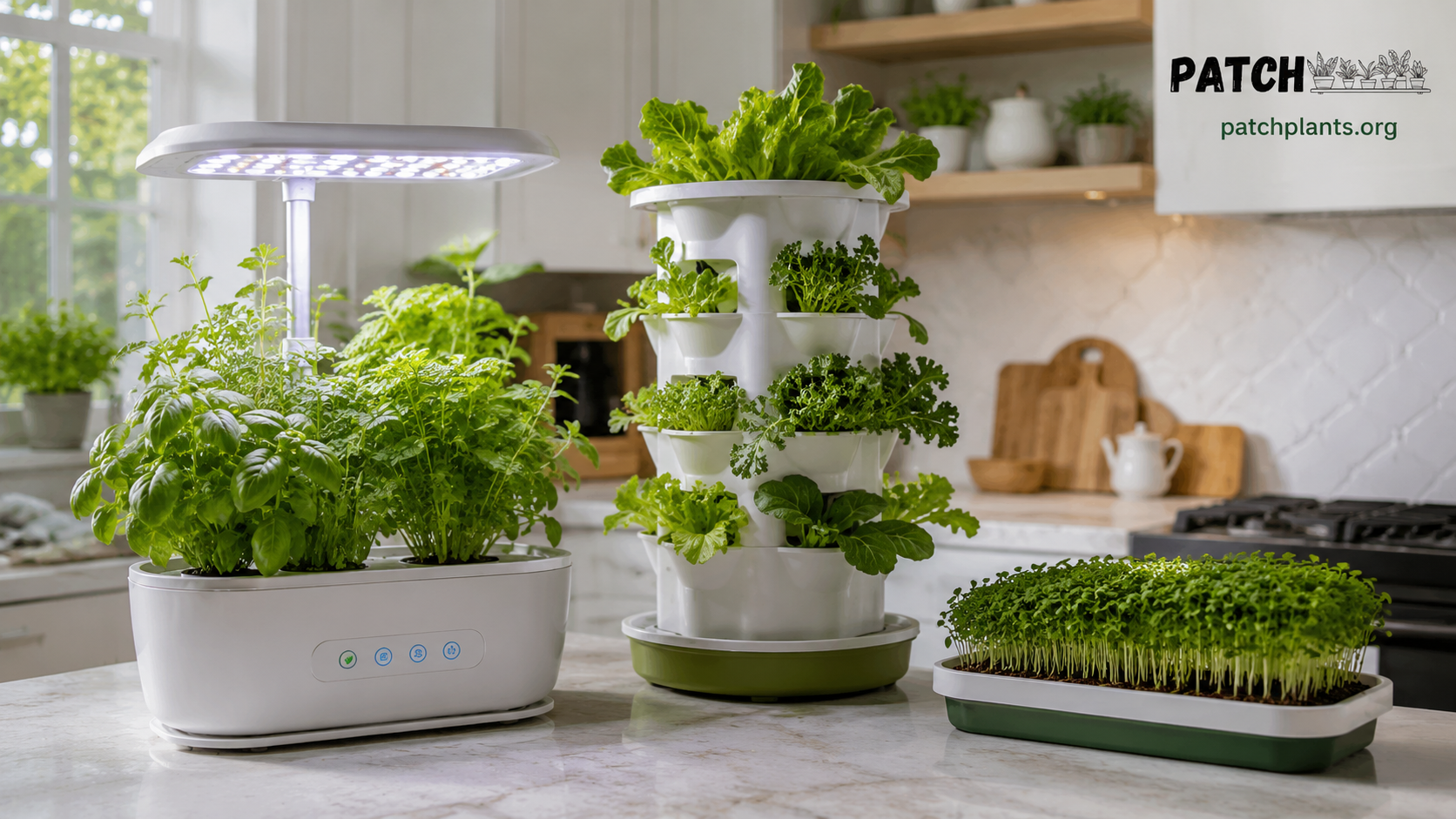
🌿 Key Takeaways Indoor gardening systems — from hydroponic kits to smart gardens — make it possible to grow fresh herbs, vegetables, and microgreens year-round regardless of outdoor space or season How to grow vegetables indoors successfully requires three elements — adequate light (LED grow lights), consistent moisture (automated or self-watering systems), and the right nutrients (hydroponic solution or quality soil) Growing herbs indoors is the easiest entry point for beginners — basil, mint, chives, and parsley all thrive in compact indoor herb garden systems with minimal maintenance Indoor vegetable…
Category: Indoor Plants
Indoor Plant Guide for Healthier Homes
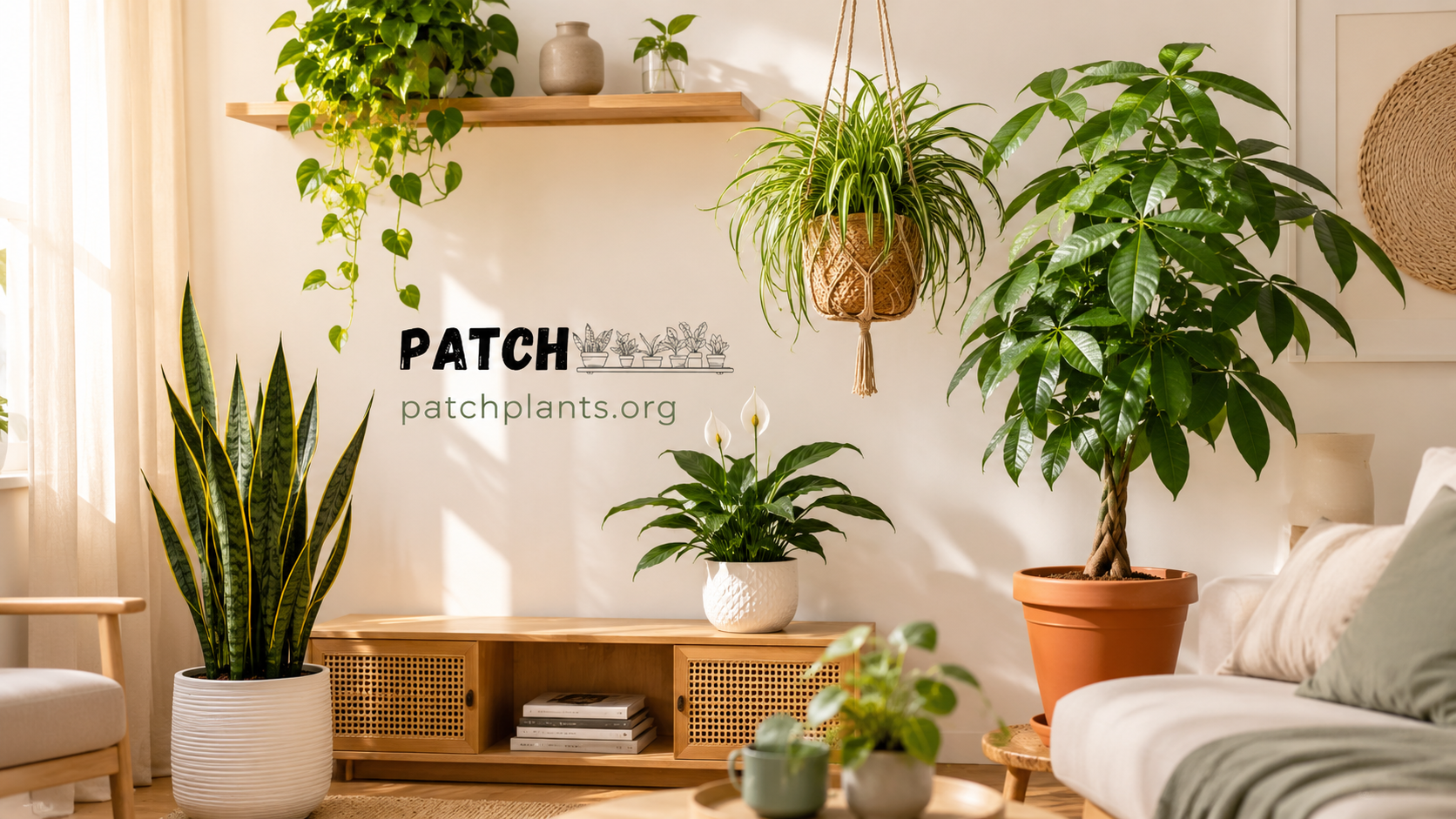
Welcome to Patch Plants — your friendly hub for creating a greener, calmer room with the best indoor plants. From popular houseplant classics to low maintenance heroes, we’ll help you choose suitable varieties, place them in the right light, and keep roots healthy all year (yes, even through the winter months).
Light Requirements (Bright, Indirect Light to Low Light)
Most house plants thrive with bright indirect light, but plenty also adapt to various light conditions:
- Bright light near a south or east window (filtered) suits ficus elastica and ficus lyrata as they mature into an elegant indoor tree form.
- Indirect light or medium light is perfect for chinese evergreen, chamaedorea elegans (parlor palm), and zebra plant.
- Low light spaces still welcome resilient favorites like snake plant and ZZ plant; they continue to thrive with minimal fuss.
Avoid harsh direct sunlight on shade-tolerant foliage; leaves can scorch quickly. During winter, move plants a little closer to the sun to compensate for weaker daylight while keeping them away from cold drafts.
Watering & Humidity (Get Moisture Right)
Overwatering is the most common mistake. Let potting soil become slightly dry before you water deeply again, then allow excess moisture to drain completely. A few quick rules:
- Water regularly in growth season; reduce frequency in the winter months when growth slows.
- Use room-temperature water and containers with drainage so roots never sit in water.
- Humidity matters: ferns and tropicals enjoy a warm, higher-humidity environment (bathrooms are great).
Plant-by-Plant Watering Notes
- Succulents & crassula ovata (jade): let soil dry out completely between drinks.
- Bird’s nest fern: keep evenly moist and provide high humidity for those glossy leaves.
- Peace lily: prefers consistent moisture; droop is a gentle reminder to water. See our guide: Peace Lily Care.
Best Indoor Plants to Start With
All of these are a popular choice for beginners and small spaces. Mix different shades of green and textures for living-room impact.
- Low maintenance: snake plant, ZZ plant, pothos.
- Flowering favorites: african violets with pretty blooms; peace lily for elegant white flowers.
- Tropical statement plants: ficus elastica (rubber plant) and ficus lyrata (fiddle-leaf) for tree-like structure.
- Airy palms: chamaedorea elegans (parlor palm) for a soft, bright-but-indirect corner.
- Ferns & friends: bird’s nest fern for humid rooms; prayer plant and zebra plant for pattern lovers.
- Desk-ready minis: air plant / air plants (no soil), easy to tuck into shelves and terrariums.
- Succulents: mixed pots for sunny ledges; keep watering light and infrequent.
Soil, Pot & Roots
Healthy roots = healthy foliage. Use a free-draining mix tailored to plant type (cactus mix for succulents; peat-free blends for tropicals). Repot when the pot is crowded or water runs around the sides. Choose a pot with a hole, add a saucer, and empty it after watering to prevent excess moisture around the root zone.
House Plant Benefits
Indoor plants bring calm, soften acoustics, and refresh the atmosphere in any room. Many species are a perfect houseplant for work nooks or bedrooms thanks to their gentle growth habit and low maintenance needs. Keep conditions warm, stable, and draft-free so plants can focus energy on steady growth.
Pet & Family Note
Some species are not suitable for homes with curious pets. Always check toxicity before you buy, and position plants out of reach when needed.
Keep Learning (Guides & Ideas)
- Indoor plants that work as room dividers
- How to style plants by room
- Plants with scented, white flowers
- Complete guide to indoor light
Want outdoor inspiration too? Explore our Outdoor Plants and essential Plant Care hubs — and remember, whenever you see Patch Plants, that’s your shortcut home.
Best Indoor Plants for Beginners: 25 Easiest Houseplants That Actually Thrive
🌿 Key Takeaways Best indoor plants for beginners are those that tolerate irregular watering, low light, inconsistent humidity, and the occasional period of neglect — the top choices include snake plant, pothos, peace lily, ZZ plant, and spider plant Best indoor plants for beginners low light include snake plant, ZZ plant, pothos, and peace lily — all thrive in positions that would kill most other houseplants Best indoor plants for beginners with cats must be non-toxic — spider plant, calathea, Boston fern, and orchids are beautiful, easy to grow, and…
Pothos Plant Care Guide: Complete Indoor Care for Every Pothos Variety
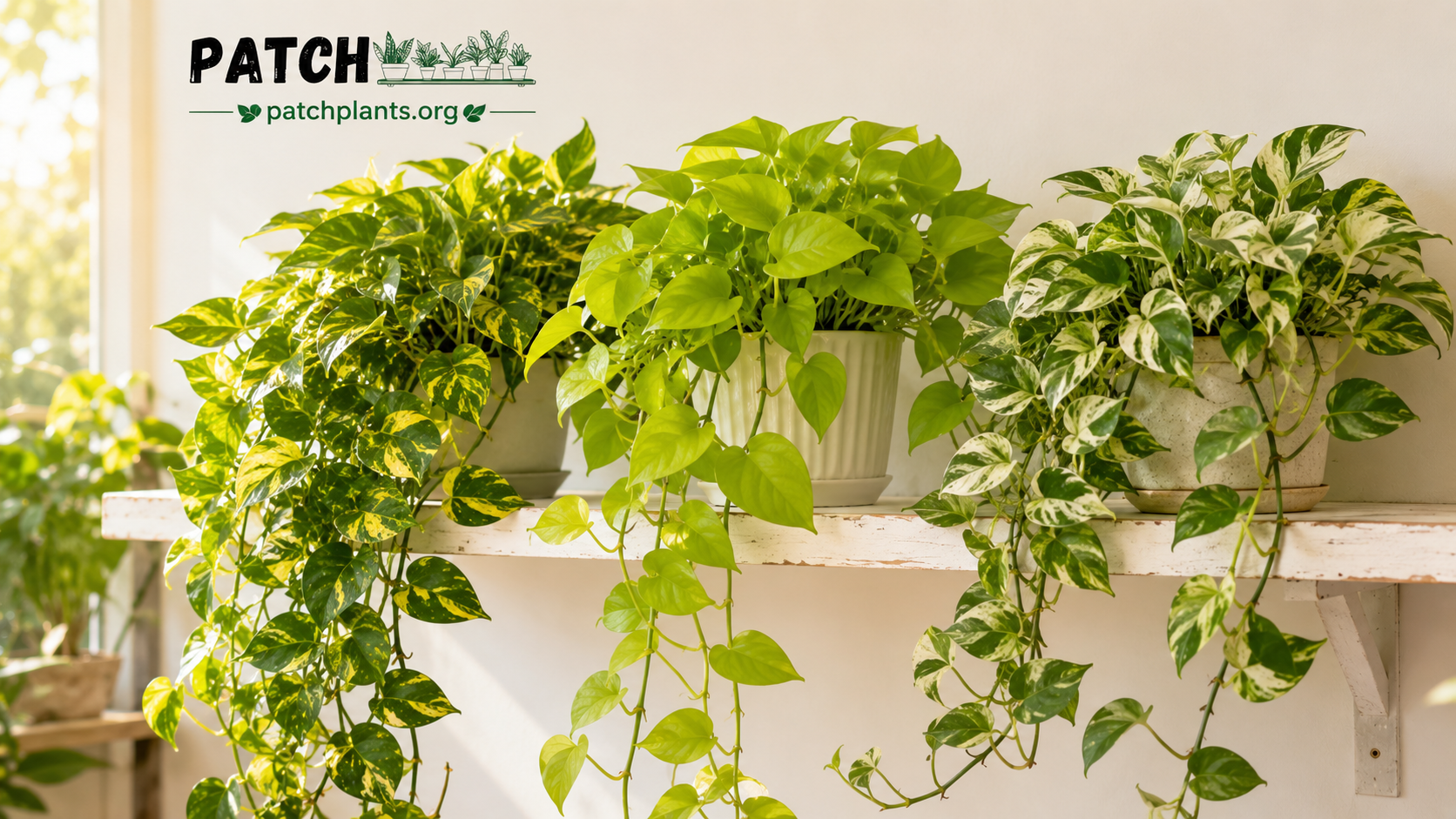
🌿 Key Takeaways Pothos plant care is genuinely beginner-friendly — this trailing vine tolerates low light, irregular watering, and neglect better than almost any other houseplant available Golden pothos care requires bright indirect light for the most vivid yellow-green variegation — in low light, leaves revert to solid green Neon pothos care needs brighter light than most varieties to maintain its electric lime-green coloration — the brightest indirect light available in your home Satin pothos care (Scindapsus pictus) differs from true pothos — it prefers slightly more humidity and less…
How to Make Your Plants Cat-Friendly: Complete Guide to Safe Indoor Plants for Cat Owners
🌿 Key Takeaways Cat safe plants include spider plant, areca palm, calathea, prayer plant, bamboo palm, and Boston fern — all non-toxic and beautiful Plants poisonous to cats include pothos, peace lily, snake plant, aloe vera, English ivy, philodendron, and ficus — common houseplants that cause real harm Are aloe plants toxic to cats? Yes — aloe plant cats interaction causes vomiting, diarrhoea, and lethargy if ingested Are air plants toxic to cats? No — Tillandsia (air plants) are non-toxic and one of the safest decorative plant options for cat…
Snake Plant Care Guide: Complete Sansevieria Tips for a Thriving Indoor Plant
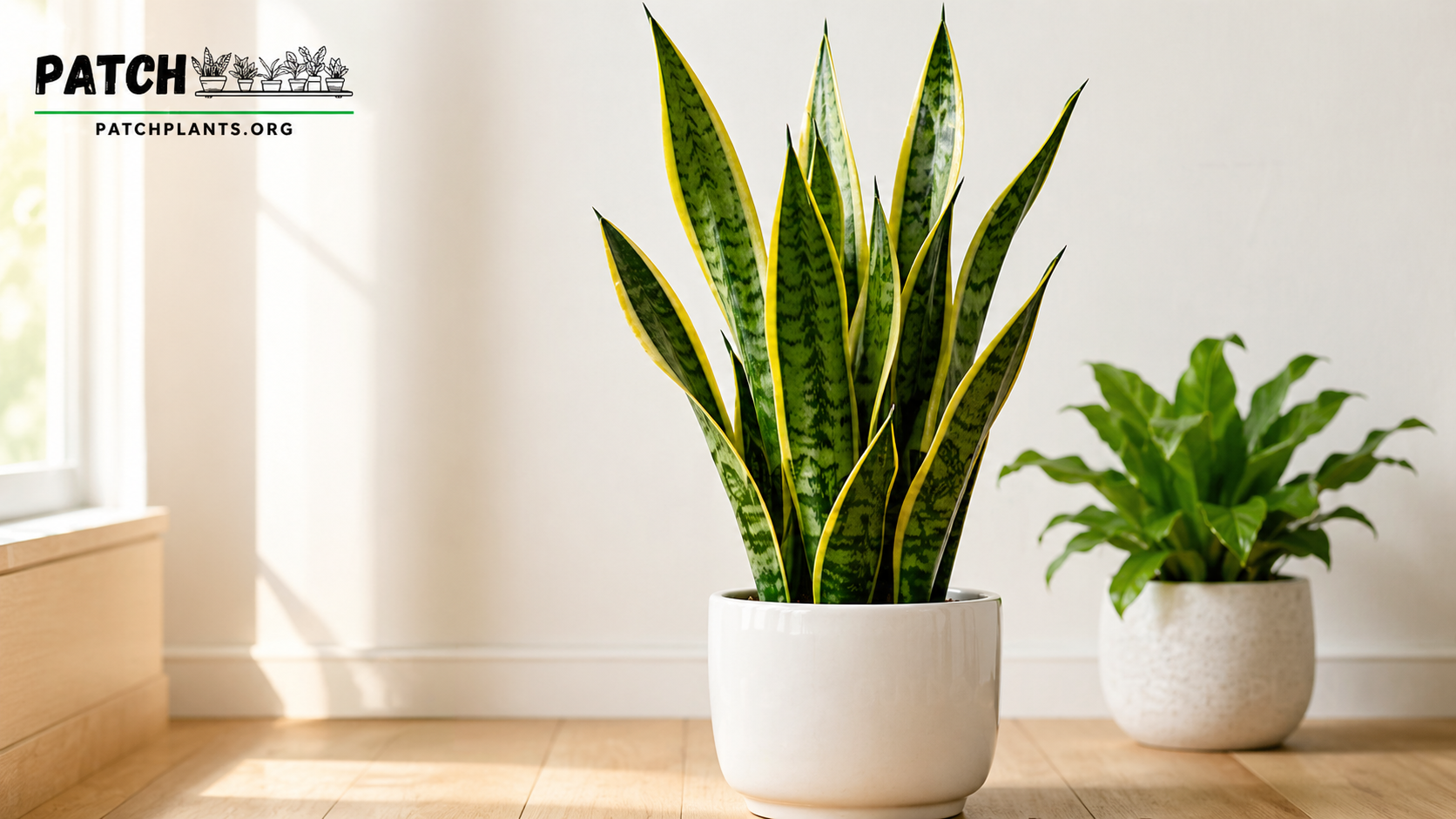
🌿 Key Takeaways Snake plant care is the easiest of any houseplant — water every 2–3 weeks, provide indirect light, and use well-draining soil Snake plant benefits include air purification, night-time oxygen production, and near-indestructible resilience Do snake plants need sunlight? They thrive in indirect light but tolerate low light better than almost any other houseplant Snake plant propagation is simple — leaf cuttings in water or soil both work reliably with minimal effort How tall can a snake plant grow? Indoors, most reach 60–120cm — large snake plant varieties…
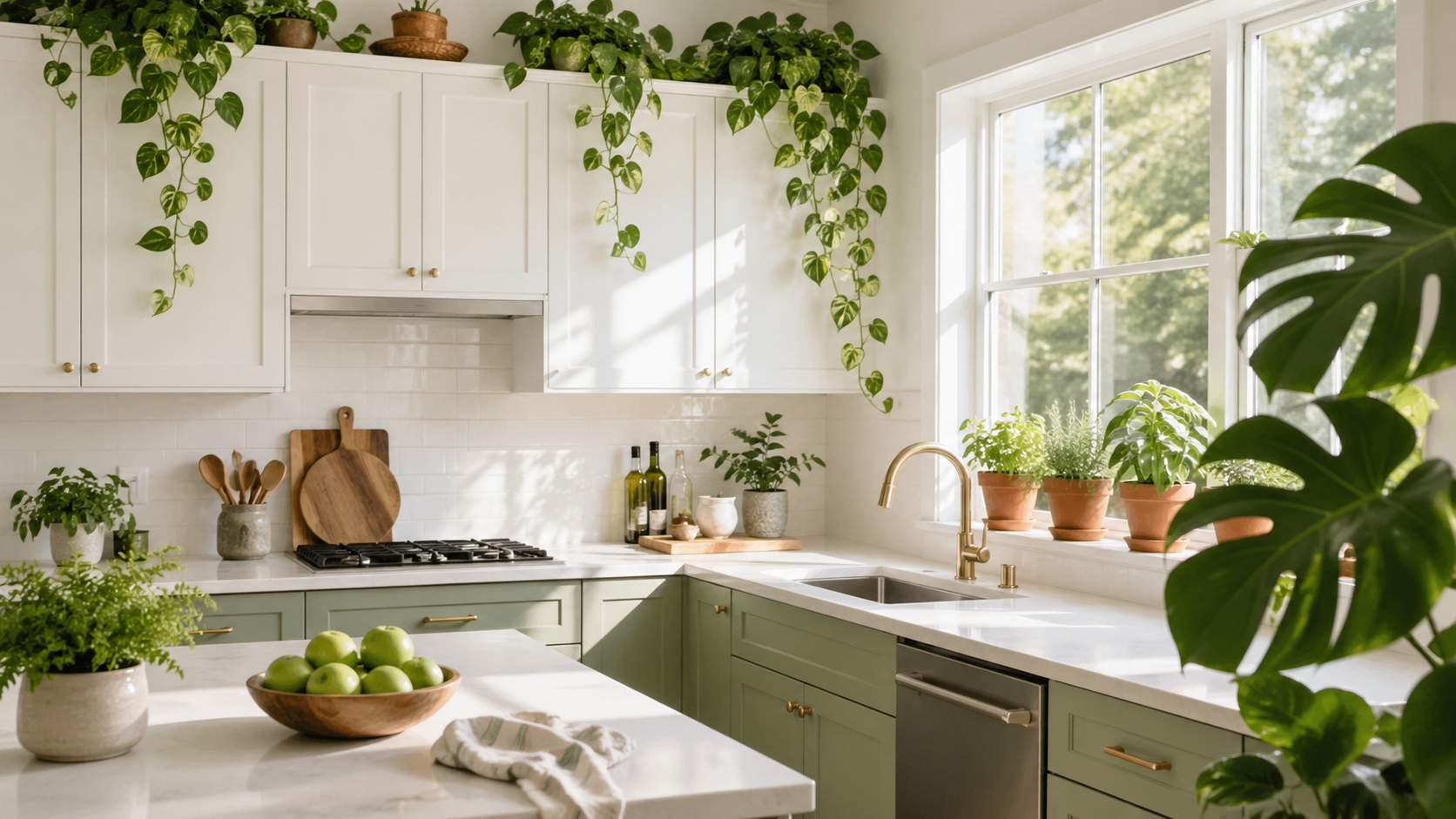
Fancy Kitchen Plants: The Best Plants to Transform Your Kitchen Into a Green Space
🌿 Key Takeaways Fancy kitchen plants transform an ordinary cooking space into a lush, calming, and visually stunning environment The best fancy plants for kitchens thrive in humidity, indirect light, and warm temperatures — making kitchens naturally ideal growing spaces Pothos, peace lilies, trailing herbs, and monstera are among the top fancy kitchen plant choices for both style and function Kitchen plants improve air quality, reduce cooking odors, and have been shown to reduce stress during meal preparation Watering kitchen plants correctly is critical — read our guide on worst…
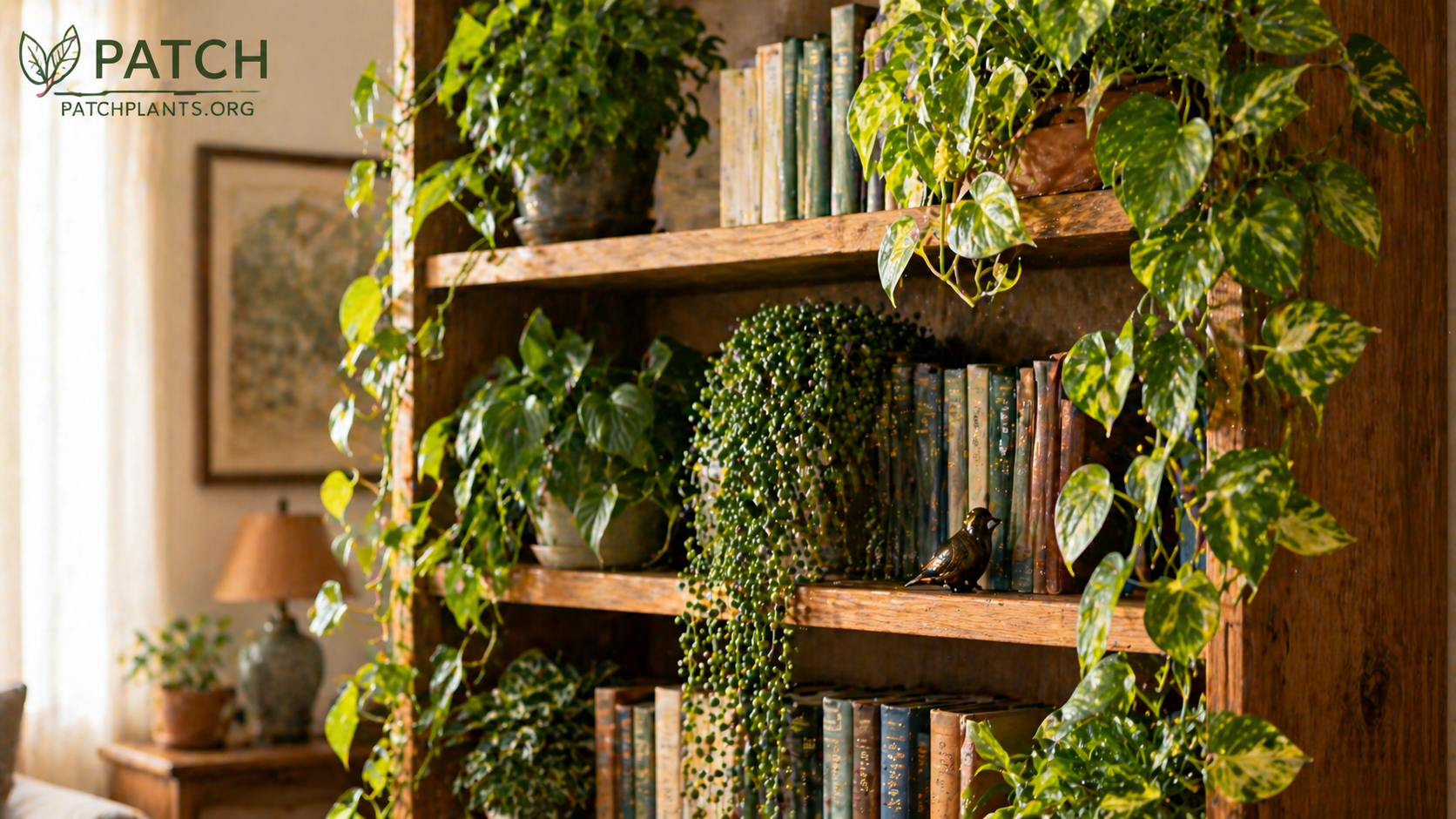
Trailing Plants That Look Stunning on Shelves & Bookcases
🌿 Key Takeaways Trailing plants on shelves and bookcases add natural movement, depth, and softness that upright houseplants alone cannot achieve Vine plants and cascading varieties look best when placed on high shelves — height amplifies their natural trailing habit dramatically The best plant shelf companions include pothos, heartleaf philodendron, string of pearls, English ivy, and spider plant offshoots How to display plants on shelves is about contrast — pair cascading vine plant varieties with upright bushy plants for maximum visual impact Plant stand, plant rack, and corner plant shelf…
Improve Your Home Office with Plants: Boost Focus & Style
Sometimes, it’s not the fancy chair or the dual-screen monitor that makes a home office work — it’s the subtle, quiet presence of green life sitting in the corner or perched near your keyboard. Plants may not talk back, but they sure do a lot for your mood, focus, and overall space. If you’re trying to create a calming, inspiring, and productive environment, adding a few leafy friends might be the game-changer you didn’t know you needed. Let’s dive into why and how you should improve your Home Office with…