🌿 Key Takeaways
- The best smelling indoor plants — from jasmine and lavender to gardenia and hoya — add natural, gentle fragrance to your home without a single synthetic spray or candle, shifting the atmosphere of any room the moment you walk through the door.
- Jasmine (Jasminum polyanthum) is widely considered the best smelling jasmine plant for indoor growing, producing clusters of sweet white blooms in late winter that fill rooms with one of the most recognisable natural fragrances in the world.
- Lavender (Lavandula angustifolia) is the definitive best smelling plant for bedroom use — its calming, herbal-floral scent has documented effects on relaxation and sleep quality that no synthetic alternative can replicate.
- Best smelling house plants work most effectively when mixed with neutral, non-fragrant varieties — too many scented plants in one space creates overwhelming scent fatigue, while two or three chosen carefully make a home smell genuinely amazing.
- Several plants on this list — including peace lily and spider plant — also function as effective plants that absorb smell, filtering common indoor air pollutants and keeping background air crisp and fresh.
- The best smelling herb plants for indoor growing, including mint and rosemary, are among the easiest fragrant plants to maintain on a kitchen windowsill — and they’re edible, adding practical value alongside their natural scent.
- Not every fragrant indoor plant is safe for pets — always verify toxicity before placing scented plants in homes with cats or dogs, as several popular options including jasmine and gardenia carry toxicity concerns.
- Most best smelling plants indoors require bright indirect light to bloom consistently — without flowering, there is no fragrance, making correct light positioning the single most important factor in fragrant plant success.
- Water quality matters significantly for several fragrant varieties — fluoride and chlorine in standard tap water damage sensitive plants like gardenia and peace lily, causing brown tips that compromise both health and appearance.
- Whether you’re looking for the best smelling plants for bedroom, bathroom, kitchen, or office, this guide covers the right fragrant plant for every room — with care specs, pet safety notes, and placement advice for each.
Introduction
There is something almost invisible about the way a well-chosen plant changes a room. Walk past a blooming jasmine on a January evening and catch that first wave of sweetness — the whole space feels different. Not more decorated, not more stylish exactly, just more alive. More like somewhere you actually want to be. The best smelling indoor plants do this quietly, without announcement, working as background notes rather than lead singers, and the effect on how a home feels is genuine and immediate.
What separates truly successful fragrant plant choices from overwhelming mistakes is almost always intensity and placement. The best smelling house plants for indoor use release fragrance gradually — on warm evenings, when touched, or when in bloom — rather than flooding a room with constant scent. In small flats, a single jasmine near a window is extraordinary. Three jasmine plants blooming simultaneously becomes oppressive. Understanding this balance is what transforms a good collection into a great one.
This guide covers the 15 best smelling indoor plants worth growing in any home — from classics like lavender and gardenia through to surprising choices like hoya and scented geranium — with complete care information, room placement guidance, and honest pet safety notes for every single plant. If you’re new to houseplants and want to start with something fragrant and forgiving, our best indoor plants for beginners guide is the ideal companion to everything that follows here.
Why Fragrant Indoor Plants Transform Any Home
Plants already do more than most people realise — improving air quality, reducing stress, and making spaces feel calmer and more considered. Add fragrance to that picture and the effect multiplies. Natural plant scent works differently to synthetic air fresheners or candles because it’s living, variable, and tied to real biological processes. Jasmine blooms more intensely on warm evenings. Lavender releases its oils when touched. Hoya fills a room with vanilla-sweetness only when its star-shaped flowers open. This variability is what makes fragrant plants interesting rather than monotonous.
The best smelling plants indoors also tend to be the best plants to make a house smell good in a way that impresses visitors without them immediately identifying the source. Guests notice the atmosphere before they notice the plant — that quality of a room that feels fresher, lighter, more pleasant than expected — and that’s precisely the effect this list achieves. For more ideas on how living greenery changes a home’s atmosphere, our air-purifying indoor plants guide explores the science behind what plants actually do to indoor air.
The 15 Best Smelling Indoor Plants
1. Jasmine — The Best Smelling Jasmine Plant for Indoors
When experienced plant growers are asked to name the single best smelling indoor plant, jasmine earns the answer more often than any other. Jasminum polyanthum — Pink Jasmine — is the gold standard indoor variety, a vigorous climber producing cascades of tiny white flowers from late winter through spring with a sweet, romantic fragrance that’s genuinely room-filling without becoming heavy. The scent intensifies in the evenings, making it particularly effective in living rooms where you’re most likely to be at rest.
Jasmine Care at a Glance
- Light: Bright indirect to filtered direct — needs a well-lit position to bloom reliably; see our complete indoor light guide for identifying the best spots in your home
- Water: Keep evenly moist during the growing season — our complete watering guide covers moisture management for flowering plants
- Humidity: Benefits from regular misting during dry months — see humidity hacks for simple solutions
- Soil: Well-draining, nutrient-rich potting mix — best soil guide for exact ratios
- Fertilizing: Monthly in spring and summer — fertilizing guide
- Repotting: Every 2 years in fresh mix — how to repot
- Pet safety: ⚠️ Toxic to cats and dogs — cat-friendly alternatives / dog-friendly alternatives
- Best room: Living room near a bright window, or a steamy bathroom — 33 best bathroom plants
2. Lavender — The Best Smelling Plant for Bedroom Use
Lavender is the definitive answer whenever someone asks for the best smelling plant specifically for a bedroom. Lavandula angustifolia ‘Hidcote’ and ‘Munstead’ are the most reliable compact varieties for indoor pots — deeply fragrant, manageable in size, and genuinely effective at promoting relaxation when placed near a bedside. The herbal-floral scent is calming rather than stimulating, which is precisely why it’s earned its reputation as a sleep aid across centuries of traditional use.
The key to successful indoor lavender is sunlight — this plant demands a south-facing windowsill with a minimum of six hours of direct light daily. Without it, lavender grows leggy, stops producing fragrant flower spikes, and eventually declines. Get the light right and a lavender pot on a sunny windowsill will reward you with months of gentle, consistently pleasant scent.
Lavender Care at a Glance
- Light: Full direct sun — south-facing windowsill, minimum 6 hours daily
- Water: Allow soil to dry completely between waterings; extremely drought-tolerant — see overwatering signs
- Soil: Sandy, free-draining — soil guide
- Repotting: Every 1–2 years — repotting mistakes to avoid
- Pet safety: Generally considered safe; keep away from chewing — pet plant guide
- Best room: Bedroom windowsill or bedside table; also excellent outdoors in summer — best low-maintenance outdoor plants
3. Gardenia — The Best Smelling Gardenia Plant
The best smelling gardenia plant indoors is Gardenia jasminoides — and if jasmine is the most popular fragrant houseplant, gardenia is the most luxurious. Its waxy white blooms carry a rich, heady perfume that transforms any room it occupies. More demanding than other plants on this list, but for those willing to meet its requirements, the reward is extraordinary — nothing else smells quite like a gardenia in full bloom.
Gardenia requires consistently high humidity, stable warm temperatures, and bright indirect light to form flower buds. The most common reason gardenias fail to bloom indoors is low humidity — bud drop is the almost immediate result when moisture in the air falls below what this plant needs. Position in a naturally humid room or near a humidifier, and gardenia will deliver a floral performance that genuinely justifies every bit of effort.
Gardenia Care at a Glance
- Light: Bright indirect — no harsh afternoon direct sun which causes leaf scorch
- Water: Consistently moist; never waterlogged — watering guide
- Humidity: 60%+ essential for bud formation — humidity hacks
- Temperature: 16–21°C; avoid cold draughts and temperature fluctuations
- Pet safety: ⚠️ Toxic to cats and dogs — cat-safe plants guide
- Best room: Bright bedroom or living room; avoid fluorescent office lighting — office-friendly plants
4. Peace Lily — Subtle Fragrance, Exceptional Air Purifier
The peace lily doesn’t lead with fragrance — its scent is a soft, quiet floral note rather than a room-filling perfume — but it earns its place on this list for a different reason. As one of the most effective air-purifying indoor plants available, it genuinely improves the quality of background air in any room it occupies. Rooms with peace lilies simply smell fresher, regardless of whether you consciously register the plant’s gentle floral scent. It qualifies as a plant that absorbs smell in the most practical sense — keeping indoor air cleaner and more pleasant throughout the year.
What makes peace lily particularly valuable is its tolerance for lower light conditions — one of the very few fragrant or semi-fragrant plants that performs reliably without bright light, making it accessible for rooms that other scented plants simply couldn’t survive in. If your leaves are showing stress signals, our guide on why plant leaves turn yellow covers the most common peace lily problems and their solutions.
- Pet safety: ⚠️ Mildly toxic — pet-safe alternatives
- Best room: Bathroom, bedroom corner, living room — thrives where most fragrant plants struggle
5. Eucalyptus — The Best Smelling Hanging Plant
Eucalyptus is having a significant moment in interior plant styling, and it deserves every bit of the attention. As the best smelling hanging plant currently available, a bunch of eucalyptus tied above a shower head becomes a genuinely spa-like experience — steam activates the leaves’ essential oils naturally, releasing a clean, clarifying fragrance without any products at all. Potted eucalyptus works beautifully on a very bright south-facing windowsill, and cut stems in a vase maintain their scent for weeks.
For more hanging plant inspiration to complement your eucalyptus, our low-light hanging plants guide covers the best hanging varieties for every light condition. If you want a larger specimen, our 20 oversized indoor plants guide includes options that deliver maximum visual and aromatic impact.
- Light: Full direct sun — not suited to low-light positions
- Water: Allow soil to dry slightly between waterings; drought-tolerant once established
- Pet safety: ⚠️ Toxic to cats and dogs
- Best room: Bathroom or bright hallway
6. Scented Geranium — Fragrance from Foliage, Not Flowers

Scented geraniums (Pelargonium species) are one of the most underrated entries on any best smelling house plants list. Unlike most fragrant plants that rely on flowers for scent, scented geraniums release their fragrance directly from their leaves — simply touching the foliage releases oils ranging from rose and lemon through to peppermint and cinnamon depending on variety. This means year-round fragrance regardless of whether the plant is in bloom.
They’re also visually interesting, fitting naturally alongside colorful foliage indoor plants when not in flower. Low-maintenance, drought-tolerant, and genuinely easy to grow on a sunny windowsill — scented geranium is one of the best smelling plants for home environments that receive good natural light without demanding constant attention.
- Light: Bright indirect to full sun
- Water: Allow to dry between waterings — very drought-tolerant
- Fertilizing: Light spring and summer feeding — fertilizing guide
- Propagation: Easy from stem cuttings — propagation guide
- Pet safety: ⚠️ Toxic to cats and dogs
7. Mint — The Best Smelling Herb Plant for Kitchens
Mint is among the most practical entries on any best smelling herb plants list — vigorous, aromatic, completely edible, and available in varieties ranging from classic spearmint through to chocolate mint, apple mint, and peppermint. Any Mentha variety releases an instantly recognisable, invigorating fragrance the moment you brush past it, making it ideal for kitchen windowsills where accidental contact happens naturally and regularly.
As one of the best smelling mint plants for indoor growing, common spearmint (Mentha spicata) is the most reliable choice — fast-growing, unfussy about humidity, and tolerant of the slightly inconsistent watering that kitchen windowsills often produce. It pairs beautifully with rosemary for a herb garden that genuinely makes a kitchen smell amazing. Our complete watering guide covers consistent moisture management for mint, which unlike most herbs on this list prefers to stay moderately moist rather than drying out completely.
- Light: Bright indirect to partial sun
- Soil: Rich, moisture-retaining mix — soil guide
- Pet safety: ⚠️ Some varieties irritate cats — cat plant guide
- Best room: Kitchen windowsill
8. Rosemary — Best Smelling Plant for Offices and Kitchens
Rosemary’s fresh, piney, herbaceous scent is immediately uplifting without ever becoming intrusive — which is precisely why it qualifies as one of the best smelling plants for office environments where strong fragrances would disturb colleagues. A small potted rosemary on a desk near natural light adds genuine sensory benefit to a workspace, and its upright architectural form looks considered rather than haphazard.
As one of the most reliable 35 low-maintenance plants for indoor growing, rosemary rewards a sunny south-facing windowsill with consistent fragrant growth for years. It’s also among the best smelling outdoor plants in warmer months — move it outside to a balcony or garden for summer before bringing it back indoors when temperatures drop.
- Light: 6+ hours direct sun daily — south-facing window essential
- Water: Allow soil to dry completely between waterings; very drought-tolerant
- Soil: Sandy, free-draining — soil guide
- Pet safety: ⚠️ Large quantities can cause digestive upset in pets
9. Orchid — Most Elegant Scented Flowering Plant
Most orchids sold in supermarkets and garden centres — standard Phalaenopsis varieties — are entirely scentless. But certain specialist orchid varieties produce extraordinary fragrance. Brassavola nodosa (Lady of the Night) releases intense vanilla-like sweetness specifically in the evenings, while Oncidium Sharry Baby is famous for a chocolate-vanilla scent that makes it one of the most sought-after fragrant flowers for indoor growing.
The investment in finding a fragrant orchid variety pays dividends over years of reliable flowering. Orchid blooms last weeks to months, and the correct care routine — bright indirect light, weekly watering, and orchid bark medium — is actually more straightforward than orchids’ demanding reputation suggests. Our indoor light guide identifies the best orchid positions in every room type, and our overwatering guide covers the most common orchid care mistake.
- Repotting: Every 1–2 years in fresh orchid bark — repotting guide
- Pet safety: ✅ Non-toxic to cats and dogs — an excellent choice for pet households
- Best room: Bedroom, bathroom, or bright living room
10. Hoya — Night-Scented Wax Plant
Hoya (Hoya carnosa) produces clusters of perfect star-shaped flowers — waxy, pink-centred, and almost artificial-looking in their precision — that release an intensely sweet, almost honey-like scent specifically in the evenings. The nocturnal fragrance makes hoya particularly effective in bedrooms and living rooms where you’re most likely to appreciate it during evening hours at home.
Beyond its fragrance, hoya is a genuinely low-maintenance houseplant that rewards patience. It rarely needs repotting — see our repotting mistakes guide for why leaving hoya slightly root-bound actually encourages flowering — and it propagates easily from stem cuttings when you’re ready to expand your collection.
- Water: Allow to dry between waterings — watering guide
- Pet safety: ✅ Generally non-toxic — ideal for pet-owning households
- Best room: Bright bedroom, living room shelf, or bathroom with natural light
11. Christmas Cactus — Seasonal Fragrance, Zero Fuss
The Christmas cactus is a surprising but genuinely worthy entry on any best smelling house plants list. Certain varieties produce a faint, sweet floral fragrance when in bloom during the colder winter months — a gentle seasonal scent that layers perfectly with other fragrant plants in a collection. Its cheerful tubular blooms in pink, red, and white appear at precisely the time when many other fragrant plants have finished for the year.
The Christmas cactus is also completely non-toxic to cats and dogs, making it one of the safest flowering plants for any household. Simple to care for, happy in indirect light, and requiring no particular humidity management — it belongs in every collection that wants year-round fragrance without year-round effort.
- Pet safety: ✅ Non-toxic to cats and dogs
- Best room: Living room shelf, bedroom, or bathroom windowsill
12. Snake Plant — Rare Blooms, Reliable Freshness
The snake plant doesn’t typically appear on fragrant plant lists, but mature specimens occasionally produce slender flower spikes covered in small, creamy-white blooms with a sweet, honeysuckle-like scent that surprises everyone who encounters it for the first time. The flowers are genuinely rare on indoor-grown specimens — and unforgettable when they appear.
More reliably, snake plants are exceptional contributors to fresh indoor air, ranking consistently among the most effective air-purifying indoor plants for removing toxins from indoor environments. Even without flowers, a snake plant keeps the air around it crisp and noticeably clean-smelling — making it the perfect non-fragrant companion to more strongly scented plants in any room. If your snake plant is showing leaf problems rather than flowers, our leaf curl and drooping guide covers the most common causes and solutions.
13. Aloe Vera — Occasional Blooms, Year-Round Freshness
Aloe vera rounds out the list as one of the most versatile fragrant additions to a bedroom or bathroom collection. Mature plants occasionally produce tall flower spikes with honey-scented tubular blooms, and even without flowers, aloe contributes to a clean, light indoor atmosphere that pairs naturally with lavender or peace lily in a bedroom fragrance collection. It’s also one of the most forgiving plants on this list — if it’s struggling rather than thriving, our revive a dying plant guide covers the most reliable recovery steps.
- Pet safety: ⚠️ Mildly toxic to cats and dogs
- Best room: Bedroom or bathroom windowsill
14. Spider Plant — Best for Clean Indoor Air
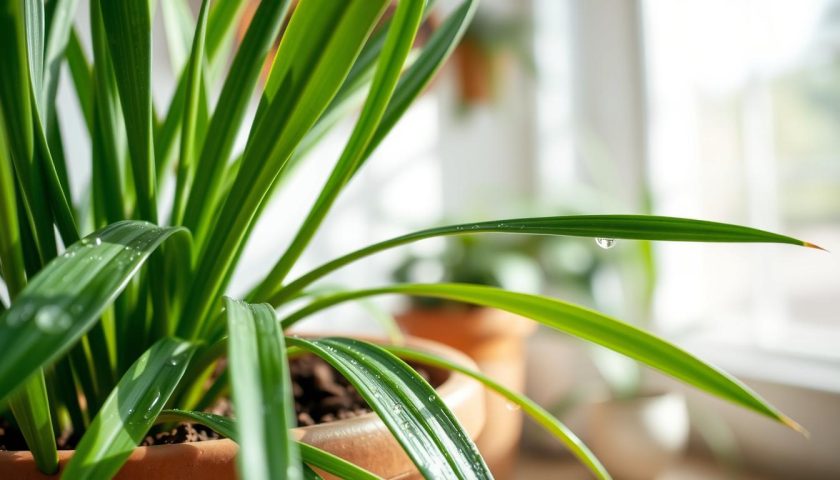
The spider plant produces a light, neutral freshness rather than any identifiable fragrance — but it earns its place on this list as the ideal companion plant for every fragrant variety beside it. As one of the most effective plants that absorb smell and filter indoor air pollutants, it keeps background air genuinely clean and neutral, meaning every scented plant near it smells more distinctly of itself.
Non-toxic to cats and dogs, tolerant of low light, and thriving in hanging positions — spider plant works in virtually any room. See our office-friendly plants guide for its performance under artificial lighting.
- Pet safety: ✅ Non-toxic to cats and dogs — one of the safest plants available
- Best room: Home office, bedroom, bathroom — see bathroom plants guide
15. Pothos — The Foundation of Any Fragrant Collection
The pothos produces no fragrance of its own — but as the final entry on this list, it represents an essential principle: the best smelling indoor plant collections always include powerful neutral plants that support the scented ones. Pothos filters the air efficiently, thrives in the same low-light conditions where fragrant plants often struggle, and its trailing green stems provide the visual contrast that makes flowering, scented plants look more dramatic and intentional.
Position pothos beside jasmine, beneath a hoya, or trailing from a shelf above lavender — and watch how the combination of clean air, trailing greenery, and measured fragrance transforms the atmosphere of any room.
- Pet safety: ⚠️ Toxic to cats and dogs — see cat-friendly plants
- Best room: Bathroom, bedroom — 33 best bathroom plants
Complete Care Guide for Best Smelling Indoor Plants
Understanding the basic care requirements shared across most fragrant houseplants makes the difference between a collection that blooms consistently and one that sits there green but scentless. Most best smelling plants indoors share the same fundamental needs, with a few specific variations covered below.
Light Requirements
Most fragrant flowering plants need bright indirect light to bloom reliably — and without blooms, there is no fragrance. This is the single most common reason fragrant indoor plants disappoint: they’re placed in positions with insufficient light to trigger flowering. Our complete indoor light guide explains how to identify the best light positions in every room and measure light levels accurately for sensitive plants.
The exceptions — peace lily, pothos, and spider plant — perform well in lower light, but their fragrance (or air-freshening contribution) is independent of flowers, which is precisely why they’re valuable in darker rooms where other fragrant plants wouldn’t survive.
Watering
Fragrant plants vary more in their watering needs than almost any other plant category. Lavender and rosemary prefer to dry completely before watering; jasmine and gardenia prefer consistent moisture. The single most reliable approach is soil moisture checking — insert a finger 2cm into the soil and water only when that depth feels dry. Following rigid watering schedules without soil-checking causes more fragrant plant deaths than any other single factor.
Our complete watering guide covers every watering approach by plant type, and our overwatering signs guide is essential reading if your fragrant plants are showing yellowing leaves or mushy stems.
Humidity
Tropical fragrant plants — jasmine, gardenia, orchid, hoya, peace lily — all prefer higher humidity than most indoor environments naturally provide. Low humidity is the primary cause of bud drop in gardenias, brown leaf tips in jasmine, and reduced flowering in hoya. A cool-mist humidifier maintained at 50–60% is the most reliable solution, though grouping plants together and using pebble trays with water below pot level also helps meaningfully. Our humidity hacks guide covers every affordable technique for creating tropical conditions without specialist equipment.
Soil, Fertilizing, and Repotting
Most fragrant flowering plants require nutrient-rich, well-draining potting mix to support consistent bloom production. Our best soil mix guide covers the ideal blend for every plant type on this list. Feed fragrant plants monthly during spring and summer with a balanced liquid fertilizer — under-feeding is a common reason plants fail to flower. Our fertilizing guide covers exact schedules by season. When roots begin emerging from drainage holes, repot into a container 5cm larger following our how to repot guide for a smooth transition.
How to Style the Best Smelling Indoor Plants by Room
Getting the fragrance balance right is as much about placement as plant selection. The goal in every room is the same: scent that’s present but not dominant, fresh rather than heavy, noticed and then forgotten — which is exactly how natural plant fragrance works when chosen thoughtfully.
Bedroom: Lavender on the bedside table and peace lily in the corner creates a calming, sleep-supporting fragrance combination that’s genuinely effective without either plant overwhelming the space. See our complete bedroom plant decorating guide for full styling ideas, including pot selection and positioning at different bed heights.
Living Room: Jasmine near a bright window, hoya trailing from a shelf for evening scent, and monstera or rubber plant providing visual structure without competing fragrance. The money tree makes an excellent neutral companion piece. For complete room-by-room combinations, our styling indoor plants by room guide covers every space in detail.
Bathroom: Eucalyptus above the shower, orchid on the shelf, spider plant hanging near the window. Steam does the work — activating eucalyptus oils naturally, keeping orchid roots slightly humid, and creating a spa-like atmosphere without any effort. Our 33 best bathroom plants guide covers additional humidity-loving options for every bathroom size and light condition.
Kitchen: Mint and rosemary on the windowsill — practical, aromatic, and beautiful. Both tolerate the inconsistent care that kitchen plants inevitably receive and provide cooking ingredients alongside their fragrance.
Home Office: Spider plant and rosemary — subtle enough not to distract, professional enough not to feel inappropriate in shared workspaces. Our office-friendly plants guide covers every option that performs under artificial lighting. For inspiration on creating a fuller display, explore calathea, philodendron, and ZZ plant as non-fragrant companions that add visual depth alongside your scented choices.
Pet Safety and Best Smelling Indoor Plants
Several of the most popular fragrant houseplants carry genuine toxicity concerns for cats and dogs — including jasmine, gardenia, eucalyptus, and peace lily. Always verify safety before introducing new plants into homes with pets, and position any toxic varieties out of reach of curious animals.
✅ Completely safe for cats and dogs:
- Orchid (Phalaenopsis and fragrant varieties) — non-toxic
- Spider plant — non-toxic — spider plant guide
- Christmas cactus — non-toxic — Christmas cactus guide
- Hoya — generally considered non-toxic
⚠️ Keep out of reach of pets:
- Jasmine, gardenia, eucalyptus — toxic to cats and dogs
- Peace lily, pothos, snake plant — mildly toxic; keep inaccessible
- Aloe vera — mildly toxic; position away from ground level
For a complete room-by-room pet safety plan for plant placement, our cat-friendly plants guide and dog-friendly plants guide cover every non-toxic option available across every plant category.
Troubleshooting Common Problems with Fragrant Plants

Jasmine or gardenia not blooming? Insufficient light is the most common cause — both need genuinely bright indirect light to flower. Gardenia also requires a distinct temperature drop in autumn to set winter buds. Check our complete indoor light guide to identify whether your position provides adequate brightness.
Brown leaf tips on jasmine or gardenia? Switch from tap water to filtered or rainwater immediately — fluoride accumulation at leaf tips is extremely common in sensitive fragrant plants and continues regardless of correct watering frequency. Our guide on leaf curl, browning, and droop covers every browning cause with exact solutions.
Lavender or rosemary dying indoors? Almost always insufficient sunlight or overwatering. These Mediterranean herbs need the sunniest available window and allow to dry completely between waterings — they will not tolerate consistently moist soil. See signs of overwatering for diagnosis.
Plant looks dead but you’re not ready to give up? Our step-by-step plant rescue guide covers recovery techniques for every type of fragrant plant, including lavender revival and jasmine recovery after severe drought or cold damage.
FAQ: Best Smelling Indoor Plants
1. What is the best smelling indoor plant overall? Jasmine (Jasminum polyanthum) is the most widely considered best smelling plant for indoors — sweet, romantic, and genuinely room-filling during its late-winter to spring bloom period. For bedrooms specifically, lavender is the most recommended choice, while gardenia produces the most intensely perfumed flowers of any plant on this list.
2. Which plants are best for absorbing indoor smells? Spider plant, peace lily, snake plant, and pothos are the most effective plants that absorb smell by filtering common indoor air pollutants. They work most powerfully when combined with actively fragrant plants — the air purifiers keep background air clean while the fragrant plants add their own positive scent on top. See our air-purifying plants guide for the full ranked list.
3. What is the best smelling jasmine plant for indoor growing? Jasminum polyanthum (Pink Jasmine) is the definitive best smelling jasmine plant indoor variety — widely available, vigorous, and reliably fragrant from late winter. It blooms more freely than other indoor jasmine varieties and its sweet classic scent is gentle enough for small apartments without becoming overwhelming.
4. Which are the best smelling plants for a bedroom? Lavender tops every bedroom recommendation for its calming, sleep-promoting fragrance. Hoya adds evening scent without daytime intensity, and peace lily contributes air purification with a subtle floral note. See our bedroom plant guide for exact positioning and pot suggestions.
5. What is the best smelling lavender plant for growing indoors? Lavandula angustifolia ‘Hidcote’ and ‘Munstead’ are the best compact indoor lavender varieties — both deeply fragrant, manageable in small pots, and reliable on a south-facing windowsill receiving 6+ hours of direct light daily.
6. Are there good smelling plants that are safe for cats? Yes — orchid, spider plant, Christmas cactus, and hoya are all non-toxic to cats and produce either fragrance or air-freshening qualities. Avoid jasmine, gardenia, and eucalyptus in homes with cats. Our complete cat-friendly plants guide covers every safe fragrant option in detail.
7. How many scented plants should I keep in one room? Two to three strongly scented plants is the ideal maximum for most rooms. Beyond that, individual fragrances blend into an indistinct heaviness that feels overwhelming rather than pleasant. Balance scented choices with neutral companions like fiddle leaf fig, ZZ plant, or monstera for a well-rounded, visually complete indoor garden.
8. What are the easiest best smelling indoor plants for beginners? Lavender, mint, rosemary, and spider plant are the most beginner-friendly fragrant choices — all widely available, forgiving of minor care mistakes, and reliably rewarding. See our best indoor plants for beginners guide and 35 low-maintenance plants for the full list of options that are genuinely hard to kill.
Related Guides
- Peace Lily Care Guide
- Snake Plant Care Guide
- Aloe Vera Care Guide
- Christmas Cactus Care Guide
- Complete Calathea Plant Care Guide: How to Grow Every Popular Variety
- Air-Purifying Indoor Plants That Actually Work: Complete NASA-Approved Guide
- Colorful Foliage Indoor Plants That Aren’t Just Green: Complete Guide to Colorful Indoor House Plants
- Browse All Indoor Plants →
- Browse All Outdoor Plants →
- Browse All Plant Care Guides →
🌿 Final Thoughts
The best smelling indoor plants are one of the simplest, most genuinely rewarding upgrades any home can make. No renovation, no specialist knowledge, no expensive equipment — just a few well-chosen plants placed in the right spots, doing quietly what living things have always done: making the air around them better than it would otherwise be.
Start with one or two choices that suit your home’s light conditions and lifestyle. A lavender plant on a sunny bedroom windowsill. A jasmine climbing a small trellis in a bright living room corner. A pothos and spider plant working together to keep the air clean and fresh between the fragrant highlights. Build the collection gradually, learn each plant’s signals, and let the collection grow with your confidence.
According to the Royal Horticultural Society (RHS), growing fragrant houseplants indoors not only transforms the day-to-day atmosphere of a home but also supports local pollinators when plants are moved to a sunny windowsill or outdoor position during the warmer months — making fragrant indoor plants a genuine contribution to garden ecosystems as well as personal wellbeing.