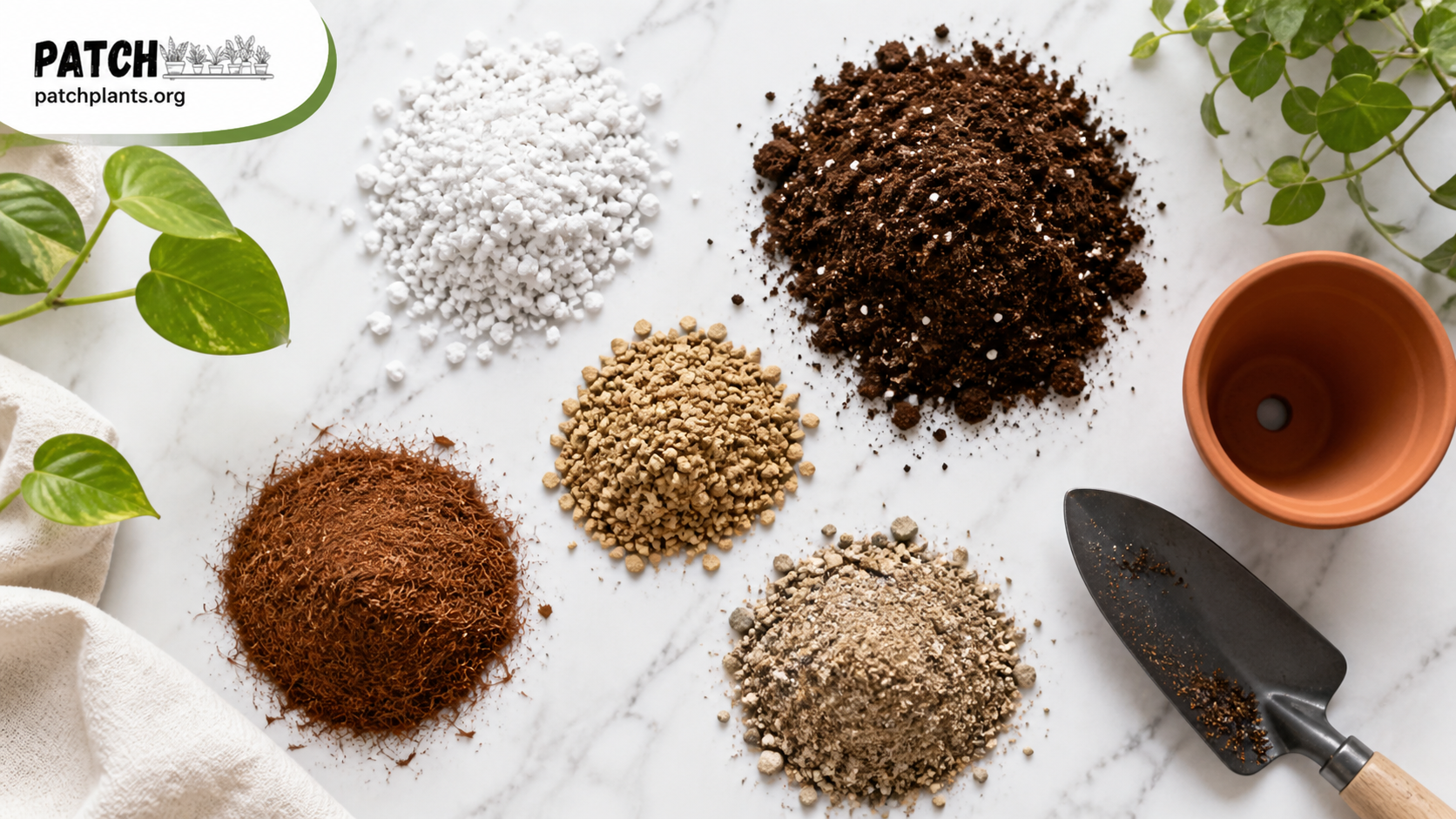
🌿 Key Takeaways Worst times to water your plants include midday, evening, and night — here is everything you need to know before your next watering: – Overwatering kills more houseplants than underwatering — timing matters as much as quantity – Midday watering (11am–3pm) causes temperature shock and rapid evaporation — roots get almost zero benefit – Evening watering (after 6pm) leaves soil damp for 8–10 hours overnight — perfect conditions for root rot – Night watering (after 10pm) is the most damaging — zero absorption, maximum fungal risk –…
Category: Plant Care
Plant Care Made Simple
At Patch Plants, we believe proper plant care should feel achievable — not complicated. Whether you’re a new gardener or someone who’s been nurturing plants for years, our guides make watering, pruning, feeding, and sunlight selection straightforward so your plants thrive, not just survive. With the right approach to soil, light, and watering, plant care becomes second nature.
Introduction to Plant Care
Every plant has its own requirements — some prefer bright light, others thrive in partial shade, and a few can tolerate low light. Understanding individual plant needs is the foundation of proper plant care. Most plants need well-draining soil, the right amount of water, and balanced nutrients to grow strong. By learning light requirements, soil types, and watering routines, gardeners can create a healthy environment where plants flourish year-round. Whether you’re caring for indoor plants, outdoor plants, or building a mixed collection, small adjustments make a big difference.
Plant Care Tips
Getting plant care right isn’t about perfection. It’s about paying attention to signs — like yellowing leaves, drooping stems, or dry soil — and responding with the right solution. Proper watering is essential; too much moisture leads to root rot, while too little water causes stress. Regular pruning keeps foliage tidy and supports fresh growth, while the right fertilizer boosts energy for thriving plants. If you’re just getting started, begin with reliable, low maintenance plants and gradually expand your collection as confidence grows.
Not Sure When to Water?
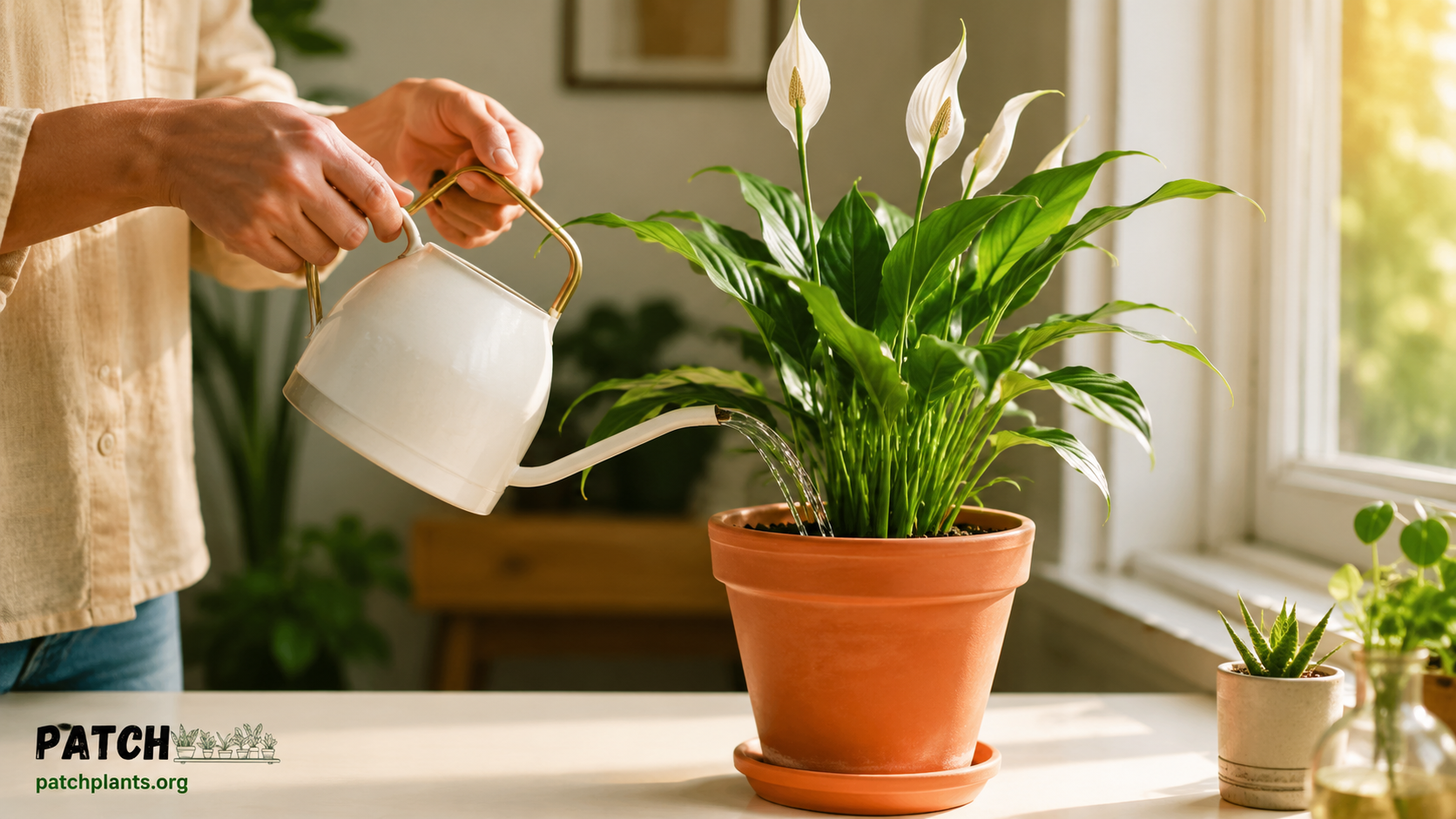
Watering is one of the biggest questions new plant parents face. The right amount of moisture depends on soil type, pot size, and plant species. Check soil moisture before watering — if the top inch feels dry, it’s time to water most plants. Good drainage prevents excess water from sitting around roots, protecting against diseases. Newly planted and repotted plants need consistent watering until roots establish. For tropical species, occasional misting helps maintain humidity, while drought-tolerant plants prefer soil to dry slightly between watering sessions.
Light Requirements
Sunlight acts as the energy source for growth, flowering, and overall health. Some species thrive in full sun, while others prefer gentle morning light or filtered conditions. Placing plants near bright, indirect light keeps foliage lush and encourages steady growth. Be mindful of too much direct sunlight, which can scorch leaves, and remember that winter light levels change — adjusting placement helps plants adapt and prevents stress. Understanding what individual plants prefer helps them flourish in any room or outdoor space.
Light, Temperature & Fertilizing — Made Easy
Light and temperature work hand-in-hand with the right feeding routine. Warm environments encourage growth, while cold drafts can damage sensitive species. Fertilizers provide nutrients for strong roots, rich foliage, and healthy blooms. Apply balanced fertilizer during active growing seasons, and reduce feeding in winter when plant energy slows. Many herbs and houseplants grow best in bright areas with controlled temperatures, and with regular feeding, they reward you with strong growth and fresh foliage.
Choosing the Right Plants
Selecting plants that match your space makes care effortless. Some species need full sun and consistent moisture, while others handle low light or dry conditions. Consider soil types, available space, and your personal routine before planting. If you’d like an easy start, browse our Indoor Plants or Outdoor Plants collections, or explore helpful guides for potting, irrigation basics, and soil improvement. With thoughtful planning, your space becomes a thriving, green retreat.
Soil, Nutrition & Moisture
Healthy soil is the foundation of a strong plant. Conduct a soil test to understand pH and nutrient levels and adjust using compost or organic matter to uplift structure. Soil that holds water but drains well prevents issues like yellowing leaves or weak roots. Watering schedules change with temperature, season, pot size, and plant species — irrigation habits adapt as your plants grow. Feeding regularly ensures plants receive the energy and nutrients needed to support foliage, roots, and flowering.
Indoor Plants
Indoor plants bring beauty and calm into your home. Most houseplants do best with bright, indirect light and moderate watering. Check soil before watering and ensure pots have proper drainage holes. Occasional pruning encourages fresh leaves and maintains shape. If you’re new to caring for indoor plants, explore our guide to High-Humidity Indoor Plants and other beginner-friendly species that forgive small mistakes while growing strong and healthy.
Outdoor Plants
Outdoor gardening requires awareness of temperature changes, seasonal sunlight, and moisture needs. Place each plant in a location that matches its sun tolerance — some need full sun, others grow best in shade or partial sun. Mulch helps conserve moisture and protect roots from frost during colder months. Keep an eye on pests and diseases, pruning regularly to maintain shape and airflow. Outdoor plants often develop deep roots and become more self-sufficient over time, rewarding consistent care with strong growth and seasonal blooms.
Low-Maintenance Plants
If you’re new to gardening or want stress-free success, choose low maintenance plants that require minimal pruning, less frequent watering, and simple growing conditions. These species adapt well to different environments, making them perfect for busy plant lovers. They’re resilient, hardy, and forgiving — perfect for building confidence before moving to more delicate varieties.
Need Help With Something Specific?
From battling pests to learning the signs of underwatering, our care guides cover everything you need. Yellowing leaves? Dry edges? Strange spots? Our troubleshooting tips give you clarity. Dive deeper into helpful posts like:
- How to Water Houseplants Properly
- Indoor Light Guide for Beginners
- Soil & Compost Guide
- Pruning Basics for Healthy Growth
Explore the full care library below — happy growing!
Christmas Cactus Care Guide: Complete Tips for Blooming Every Year
🌿 Key Takeaways Christmas cactus care requires bright indirect light, well-draining soil, and a specific dark period to trigger annual blooming How to get a Christmas cactus to bloom involves 12–14 hours of complete darkness nightly for 6–8 weeks before your desired bloom date How to make a christmas cactus bloom successfully every year requires cool nights (15–18°C), reduced watering in autumn, and no artificial light interference during dark periods Christmas cactus varieties include the Thanksgiving cactus (November bloomer) and Easter cactus (spring bloomer) — all three have similar but…