To grow garlic, plant individual cloves pointed end up in autumn, in a sunny spot with well-drained soil, and harvest the bulbs the following summer when the lower leaves turn brown. Choose healthy seed garlic suited to your climate, mulch the bed for winter, water steadily in spring, then cure the bulbs before storing them.
The exact dates depend on your local frost dates, so use them as your guide. This guide shows how to grow garlic from choosing a variety to curing and storing the crop, including scapes, rust and the most common mistakes.
Key Takeaways
- To grow garlic well, plant cloves in autumn so the roots can establish before the ground freezes hard.
- Choose a spot with full sun and well-drained soil, and loosen the bed before planting.
- Buy seed garlic from a reliable source instead of using random grocery-store bulbs.
- Mulch the bed with straw or leaves to protect cloves from winter cold and suppress weeds.
- Remove scapes from hardneck garlic, and stop watering about two weeks before harvest.
- Harvest when the lower leaves have browned but several upper leaves are still green, then cure for several weeks.
How to Grow Garlic at a Glance
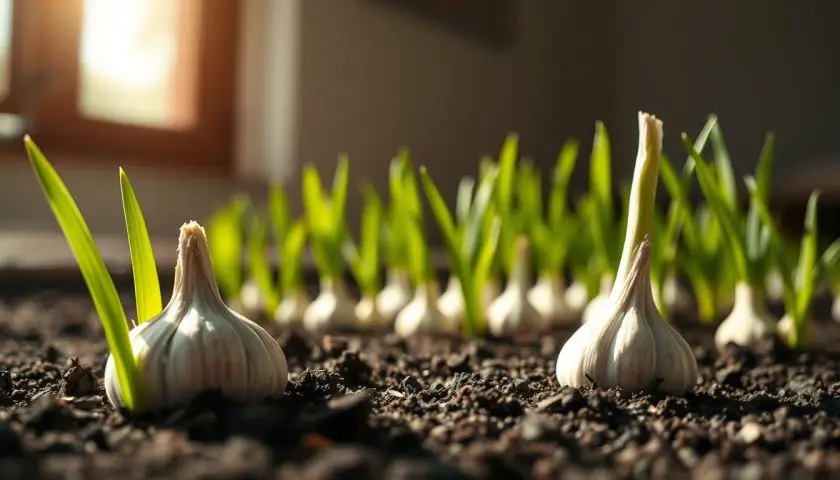
You can grow garlic with very little effort, but it is a long, slow crop, and the work is spread out over the year. Here is how the cycle looks.
| Season | Main Goal | Key Action |
|---|---|---|
| Autumn | Root development | Plant cloves pointed end up, then mulch |
| Winter | Dormancy | Leave the mulch in place; shoots may appear in mild spells |
| Spring | Leaf growth | Water regularly, weed by hand, feed lightly |
| Early summer | Bulb formation | Remove scapes, then reduce watering |
| Mid summer | Harvest | Lift, cure and store the bulbs |
If you are new to growing vegetables, garlic is a good place to start, and our guide to growing your own easiest outdoor edible plants covers other beginner-friendly crops to grow alongside it.
Choose Garlic Varieties and Set the Right Planting Date
Hardneck and softneck garlic
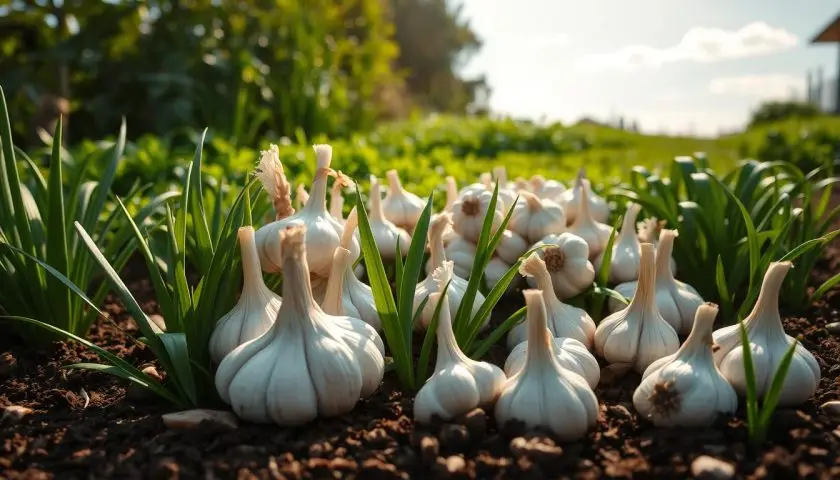
Hardneck garlic has bold, complex flavor, copes well with cold winters and sends up a flowering stalk called a scape. Softneck garlic has flexible, papery stems that braid easily, usually forms more cloves, and tends to keep longer. The RHS says hardneck garlic stores for about four to six months and softneck for up to a year.
| Feature | Hardneck Garlic | Softneck Garlic |
|---|---|---|
| Climate | Better for cold winters | Better for milder climates |
| Stem | Stiff central scape | Flexible, easy to braid |
| Storage | About 4–6 months | Up to about a year |
| Flavor | Bold and complex | Milder and more consistent |
Buy seed garlic instead of supermarket bulbs
To grow garlic that thrives, buy seed garlic from a nursery or specialist supplier. University of Minnesota Extension advises buying cloves from garlic seed producers and notes that grocery-store garlic, mostly softneck, does not do well in cold climates. Supermarket bulbs are often not adapted to your area and can carry diseases, while seed garlic gives you healthier plants and a variety suited to your winters.
When to plant garlic
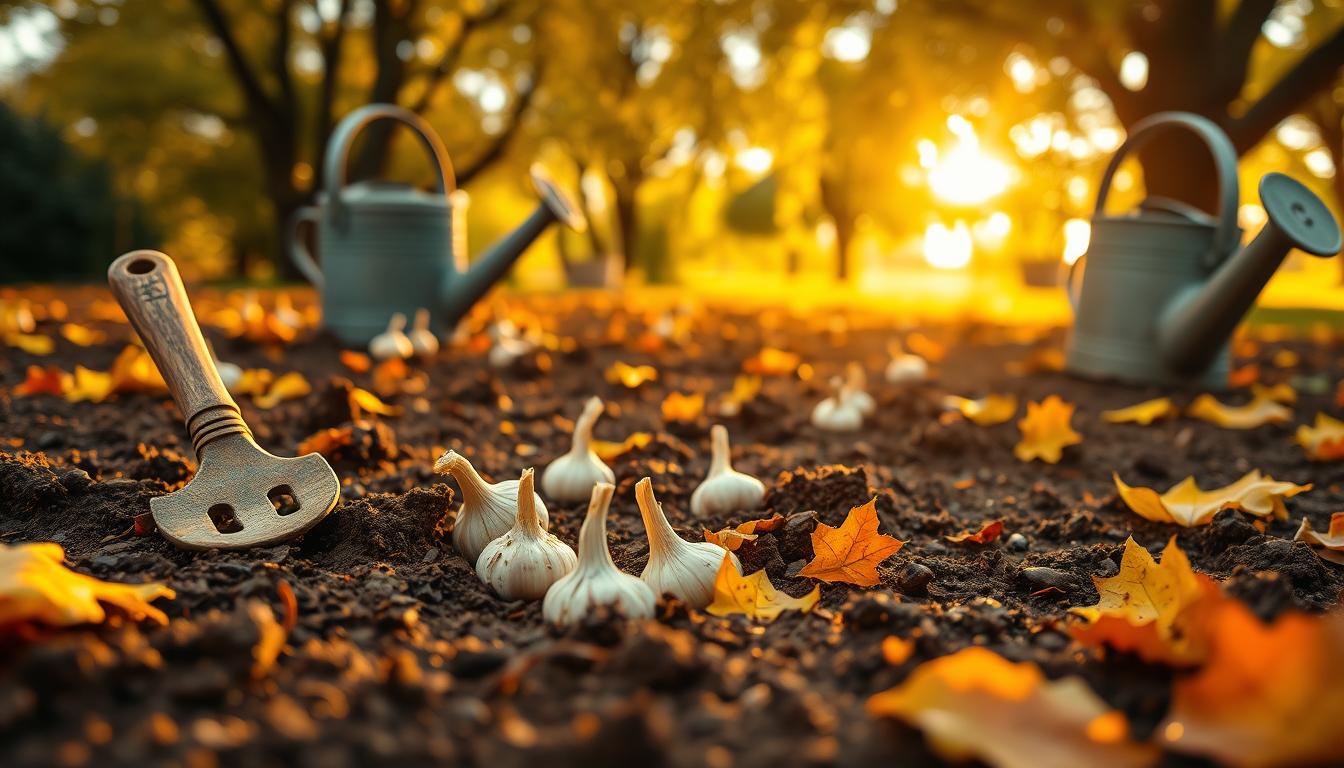
The best time to grow garlic is autumn, after the weather cools but while the soil is still workable. Roots should form before the ground freezes, but you do not want a lot of top growth before winter. The RHS suggests mid-autumn to early winter in the UK, while University of Minnesota Extension suggests planting one to two weeks after the first killing frost in cold climates.
- Cold and northern regions: plant around the first hard frosts, so roots form but shoots stay small.
- Milder and southern regions: plant later in autumn or early winter, because planting too early can make cloves sprout before winter.
- If you are late: plant while the soil is still workable and add extra mulch for cold protection.
Prepare a Sunny, Well-Drained Garlic Bed
Sun and air circulation
Garlic needs full sun, ideally six to eight hours a day. A breezy, open spot lets the leaves dry after rain or dew, which reduces fungal problems such as rust.
Soil, pH and drainage
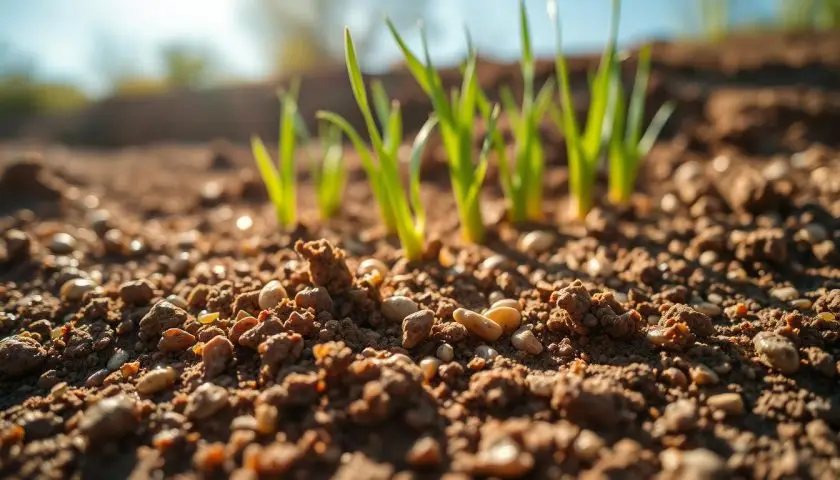
Garlic prefers well-drained, moisture-retentive soil with a pH of about 6.0 to 7.0, according to University of Minnesota Extension, and the RHS notes that wet winter soil raises the risk of disease. A soil test before planting tells you what your bed needs, and loosening compacted soil with a garden fork to about 8 to 10 inches (20–25cm) improves drainage.
Mix in a few inches of well-rotted compost to improve structure and fertility, and avoid fresh manure. Garlic has moderate to high nitrogen needs, so too little nitrogen gives small bulbs, but we cover feeding timing in the spring care section below.
Crop rotation
Do not plant garlic where onions, shallots, leeks or garlic grew recently, because they share pests and diseases. Rotating the bed helps keep soil-borne problems down, and University of Minnesota Extension suggests rotating garlic locations every four years. Legumes and leafy greens make good neighbors in a rotation.
Raised beds and containers
If your soil is heavy clay or drains poorly, use a raised bed. You can also grow garlic in pots if you have no garden bed. The RHS recommends a container at least 25cm (10in) deep with peat-free multi-purpose compost, planted at the same depth and spacing as in the ground. Pots dry out quickly, so check them often. Our guide to the best plants for container gardening on patios covers pot size and drainage in more detail.
Plant Garlic Cloves in Autumn
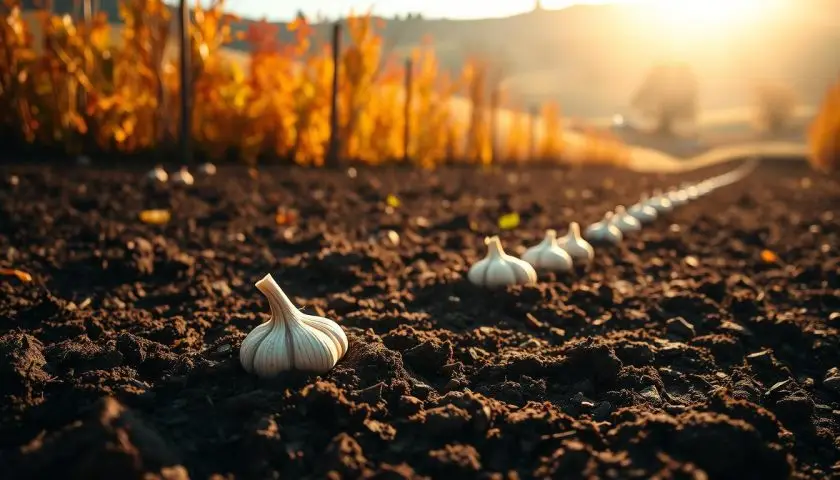
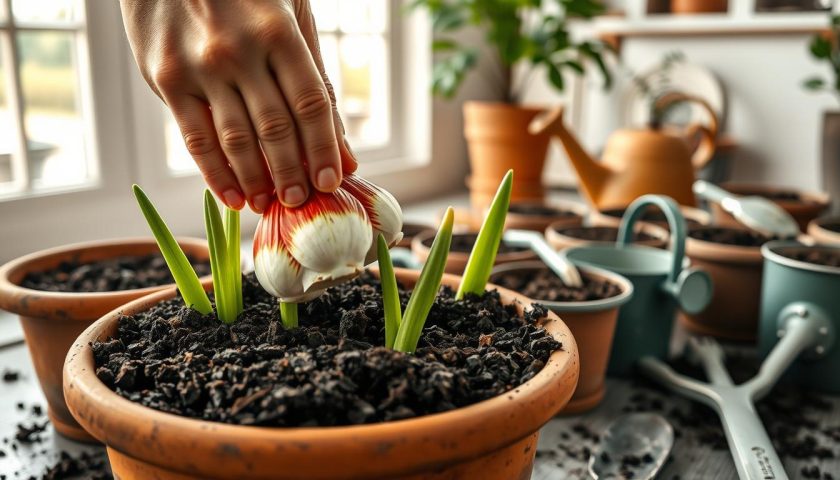
- Separate the cloves just before planting. Keep the papery skins on, and choose large, firm cloves. Discard soft, moldy or damaged ones.
- Plant pointed end up. Set each clove so its base sits about 2 to 3 inches (5–8cm) below the surface. University of Minnesota Extension recommends 2 to 3 inches, and the RHS suggests about 2.5cm in lighter UK conditions, with deeper planting for light soils only.
- Space them out. Leave about 6 inches (15cm) between cloves so the bulbs have room to grow and air can circulate.
- Mulch. Cover the bed with 3 to 4 inches (7–10cm) of clean straw or leaves to protect against winter cold and suppress weeds.
- Water once to settle the soil, keeping it moist but not soggy.
- Label the rows with the variety and planting date, so you can plan next year’s crop.
| Feature | Recommendation | Purpose |
|---|---|---|
| Planting depth | 2–3 inches (5–8cm) | Protects cloves from frost |
| Spacing | About 6 inches (15cm) | Encourages full-size bulbs |
| Orientation | Pointed end up | Lets shoots emerge straight |
| Mulch | 3–4 inches (7–10cm) of straw or leaves | Moderates temperature, suppresses weeds |
Care for Garlic Through Winter and Spring
Once you grow garlic in a prepared bed, the care is light but steady, and it changes with the season.
Winter mulch
A good mulch protects cloves from freeze and thaw cycles. In spring, once hard freezes end, pull back some mulch if the bed is staying cold and wet, but you can also leave it in place to control weeds and conserve moisture. Make sure shoots can push through, and cover them with fleece or extra straw if a hard freeze is forecast after they emerge.
Watering
Garlic needs steady moisture while it is growing leaves in spring. University of Minnesota Extension suggests about an inch of water a week during the growing season, with more in sandy soil, and the RHS advises watering at the base to keep leaves dry. Our complete watering guide explains how to judge when plants need water.
| Condition | What You See | What to Do |
|---|---|---|
| Too dry | Wilted, drooping leaves | Water more often and deeply |
| Too wet | Yellowing, weak growth | Improve drainage or water less |
| Healthy | Deep green, upright leaves | Keep the current routine |
Feeding
Garlic has moderate to high nitrogen needs. In spring, a light application of a balanced or nitrogen-rich fertilizer when shoots emerge supports leaf growth, and a second light feed a few weeks later helps. University of Minnesota Extension advises avoiding nitrogen after the first week of May in its region, because late feeding can delay bulb formation, so stop feeding by late spring. Our guide to fertilizing indoor vs outdoor plants covers the basics.
Weeds and animals
Garlic has shallow roots and does not compete well, so weed early and by hand, because hoeing can damage bulbs. If rabbits, deer or birds disturb the bed, cover it with wire mesh or netting.
Remove Scapes and Manage Summer Growth
Hardneck garlic sends up a central flower stalk called a scape in late spring, which curls as it grows. Snap or cut it off just after it starts to curl. Removing scapes stops the plant putting energy into flowers, so more goes to the bulb. The scapes are edible, and taste good in pesto, stir-fries or sautéed with butter.
As bulbs mature, reduce watering and stop about two weeks before harvest so the bulbs can dry and cure well.
Garlic rust and other diseases
Garlic rust shows up as small orange to rust-colored pustules on the leaves. It is a common fungal disease in damp, mild weather, and the RHS notes that it also affects leeks. Improve airflow by weeding, avoid overhead watering, and remove badly affected plants instead of composting them. White rot is more serious: it causes yellowing, wilting foliage and rotting roots and bulbs, so rotate crops and remove infected debris. The RHS has separate pages on both diseases.
Harvest, Cure and Store Garlic in Summer
When to harvest
University of Minnesota Extension advises starting when the lower leaves turn brown while about half or slightly more of the upper leaves are still green. Dig or cut one test bulb, and if the cloves fill their skins, the crop is ready. Harvest too early and bulbs are small, but wait too long and the cloves can burst out of their wrappers and store poorly.
Lifting the bulbs
Loosen the soil several inches away from the bulb with a garden fork and lift each plant out gently, because bruised bulbs store poorly. Brush off loose soil but do not wash the bulbs.
Curing
Cure the bulbs with the tops and roots still attached in a warm, dry, well-ventilated place out of direct sun and rain. Curing usually takes two to four weeks, and the RHS advises keeping temperatures below 30°C (86°F). The bulbs are ready when the skins are papery, the roots are dry and the necks are firm. Then trim the roots close to the base, and trim the stems to about half an inch to an inch above the bulb, or braid softneck varieties.
Storing
Store cured garlic somewhere cool, dry and airy. The RHS suggests 5–10°C (41–50°F). Check stored bulbs regularly for soft spots, mold or a sour smell. Save the largest, healthiest bulbs as seed cloves for next autumn, which helps build a crop that suits your garden over the years.
Troubleshoot Poor Growth and Avoid Common Mistakes
Most problems when you grow garlic come from planting time, drainage, moisture or disease, and they are usually easy to correct next season.
| Symptom | Likely Cause | What to Do |
|---|---|---|
| Yellowing leaves | Overwatering, poor drainage or low nitrogen | Improve drainage, check moisture, and feed lightly in spring |
| Small, stunted bulbs | Late planting, poor soil, weeds or too little water | Plant earlier, add compost, weed and water steadily |
| Orange spots on leaves | Rust | Increase airflow, avoid wetting leaves, remove severe cases |
| Wilting with rotting bulbs | White rot or waterlogging | Remove plants, rotate crops and improve drainage |
For yellow leaves in particular, see our guide on why plant leaves turn yellow and the signs you are overwatering.
The most common mistakes when you grow garlic
- Planting cloves upside down. The shoot has to bend to reach the surface, which wastes energy.
- Removing the papery skins. The skin helps protect each clove from soil pathogens.
- Letting mulch stay soggy. Pull it back slightly if it stays wet and heavy.
- Harvesting too early or too late. Use leaf browning and a test bulb.
- Storing uncured bulbs in sealed bags. Garlic needs airflow to cure and keep.
Garlic and Pets
The ASPCA lists garlic as toxic to dogs, cats and horses, with signs including vomiting, weakness, a fast heart rate and damage to red blood cells. Keep garlic beds, fresh bulbs and trimmings out of reach of pets, and contact a vet if you think a pet has eaten some. See the ASPCA garlic listing for details, and our guides on cat-friendly plants and dog-friendly plants for safer gardening with pets.
Frequently Asked Questions
When is the best time to grow garlic?
Plant garlic in autumn, usually between September and November in much of the United States, so roots form before the ground freezes. In cold climates, plant around the first hard frosts. In milder areas, plant later in autumn or early winter.
What is the difference between hardneck and softneck garlic?
Hardneck garlic has a stiff central stalk (the scape), bold flavor and good cold hardiness. Softneck garlic has flexible stems that braid well, usually forms more cloves and stores longer, often up to a year.
Can I plant garlic from the grocery store?
You can, but results are often poor. Supermarket garlic is often not adapted to your climate and can carry diseases. Seed garlic from a nursery or specialist supplier gives healthier plants and a variety suited to your area.
How deep and far apart should I plant garlic cloves?
Plant each clove pointed end up with its base about 2 to 3 inches (5–8cm) below the surface, and space cloves about 6 inches (15cm) apart. Cover the bed with 3 to 4 inches of straw or leaf mulch.
How do I know when garlic is ready to harvest?
Harvest when the lower leaves have turned brown but about half of the upper leaves are still green. Dig up a test bulb to check that the cloves fill the skins, then lift the crop, cure it for two to four weeks and store it somewhere cool and dry.
Related Patch Plants Guides
- Grow Your Own: Easiest Outdoor Edible Plants
- Edible Flowers to Grow in Your Outdoor Garden
- How to Keep Your Outdoor Plants Alive
- How to Keep Pests Away from Outdoor Plants
- The Best Plants for Container Gardening on Patios
- Browse All Outdoor Plant Guides
Final Thoughts
Once you grow garlic, you will probably want to do it every year, because it rewards patience. You plant in autumn, mulch, water through spring, remove the scapes, and a few months later you lift a crop that keeps well into the next year. Healthy seed garlic, sun, well-drained soil and careful curing matter far more than any fancy technique.
The University of Minnesota Extension guide to growing garlic and the RHS guide to growing garlic both cover the same planting, care and harvest basics in more detail, and they are useful for checking dates against your own climate.
Patch Plants guides are written by botanist Sawera Shahid and checked against university extension and RHS sources, so you can trust the numbers as well as the method. Once your garlic is in the ground, our outdoor plant guides have plenty of ideas for the rest of your garden.