Learn karl rosenfield peony planting with 9 simple tips for healthy roots, strong stems, and beautiful blooms, from choosing a spot to watering well now.
Parlor Palm Care: 11 Easy Tips for Healthy Indoor Growth
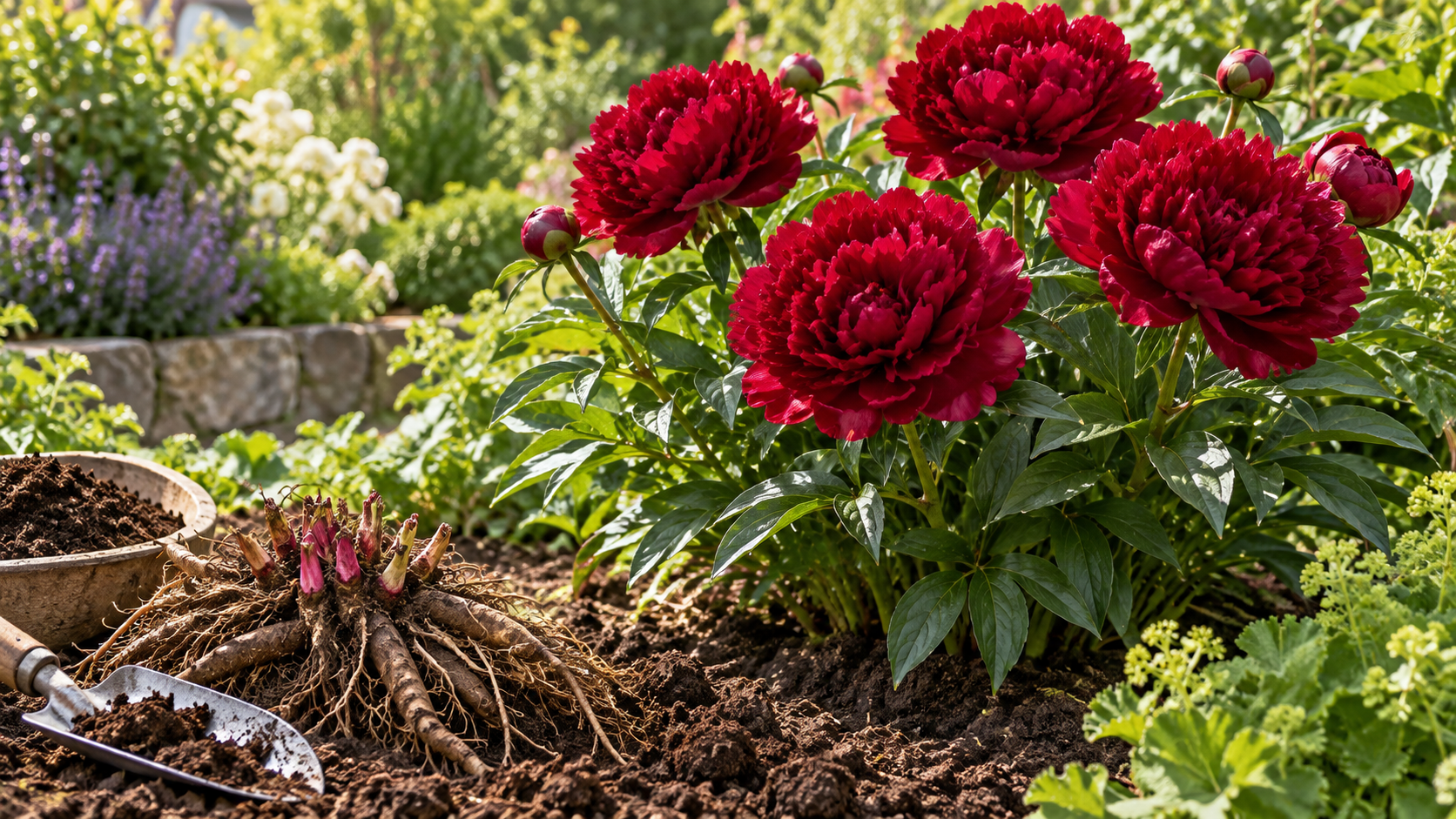

Outdoor plant care starts with matching plants to your climate, sunlight, soil, available space, and seasonal conditions. A plant that suits its location will usually be easier to water, maintain, and keep healthy than one constantly struggling against unsuitable conditions.
At Patch Plants, our outdoor plant guides cover container gardening, patios, balconies, garden beds, seasonal care, edible plants, flowering varieties, and practical growing techniques. Use this hub to choose suitable plants and build an outdoor space that works with the conditions you actually have.
Outdoor gardening can be as simple or as layered as you want it to be. Containers can bring greenery to a small balcony, while shrubs, perennials, annual flowers, herbs, vegetables, vines, and small trees can create structure and seasonal interest in larger gardens.
Before choosing plants, consider four things: climate, sunlight, soil or potting mix, and available space. Plant size matters too. A compact patio plant has very different needs from a shrub or climbing vine that may eventually require much more room.
A growing or hardiness zone helps you understand which perennial plants are likely to tolerate the typical winter temperatures in your area. It is useful when choosing shrubs, trees, bulbs, and other plants expected to remain outdoors through multiple seasons.
Zones are only one part of plant selection. Local rainfall, summer heat, wind exposure, humidity, frost dates, soil conditions, and small microclimates around buildings can also affect how well a plant grows.
For more seasonal guidance, see our seasonal plant care guide for autumn and our guide to balcony plants that handle wind, rain, and sun.
Healthy outdoor plants need the right balance of water, sunlight, soil conditions, drainage, and seasonal care. The exact requirements vary by species, so treat general gardening rules as a starting point rather than a fixed schedule.
Containers often dry faster than garden beds, particularly during warm, sunny, or windy weather. Check the soil before watering and give plants a thorough drink when needed rather than applying frequent shallow splashes.
Watering needs can change quickly with the weather. Plants in full sun may dry faster than those in shade, while rainfall and cooler temperatures can reduce the need for additional watering.
Match each plant to the amount of sunlight it can realistically receive. Plants described as full-sun varieties generally need a brighter position, while shade-tolerant foliage plants are better suited to areas protected from intense midday sun.
Wind exposure also matters, especially on balconies, rooftops, and open patios. Strong wind can dry containers quickly and damage tall or delicate growth, so sheltered placement or suitable wind-tolerant plants can make maintenance easier.
Use soil or potting mix suited to what you are growing. Containers should allow excess water to drain freely, while garden beds may benefit from organic matter where soil structure needs improvement.
Fertilizer needs vary by plant and growing conditions. Follow plant-specific guidance and product directions rather than assuming every outdoor plant needs regular feeding.
For more help, read how to keep outdoor plants alive and our guide to managing pests around outdoor plants.
Container gardening makes it possible to grow outdoor plants on patios, balconies, porches, entrances, and other small spaces. Pots can also make watering, soil choice, and seasonal rearranging easier to manage.
Explore our guides to outdoor plants for small spaces and plants for coastal and windy environments.
There is no single list of outdoor plants that works everywhere. The best choices depend on climate, sunlight, available space, soil conditions, and how much ongoing care you want to provide.
You can also explore our guides to pollinator-friendly plants for urban outdoor spaces and creating garden color across different seasons.
Start with the largest or longest-lasting elements first. Trees, shrubs, larger containers, and structural plants can establish the shape of the space. Smaller flowering plants, herbs, vegetables, and seasonal color can then fill the gaps.
For a more coordinated look, repeat a few plant shapes, container materials, or colors rather than introducing something completely different in every position. Leave enough room for mature plant size, airflow, watering access, and future maintenance.
Outdoor spaces also change throughout the year. Note which areas become hotter, colder, wetter, shadier, or windier as the seasons change. Those observations can make future plant selection much easier.
Continue with these practical outdoor growing guides:
Learn karl rosenfield peony planting with 9 simple tips for healthy roots, strong stems, and beautiful blooms, from choosing a spot to watering well now.

Learn 11 easy cat whiskers plant growing and care tips, including light, watering, soil, and pruning advice to help your blooms thrive indoors or out all year.

Learn planting english daisy seeds in 9 easy steps, from choosing soil and sowing to watering and care for healthy, beautiful blooms in your own garden.
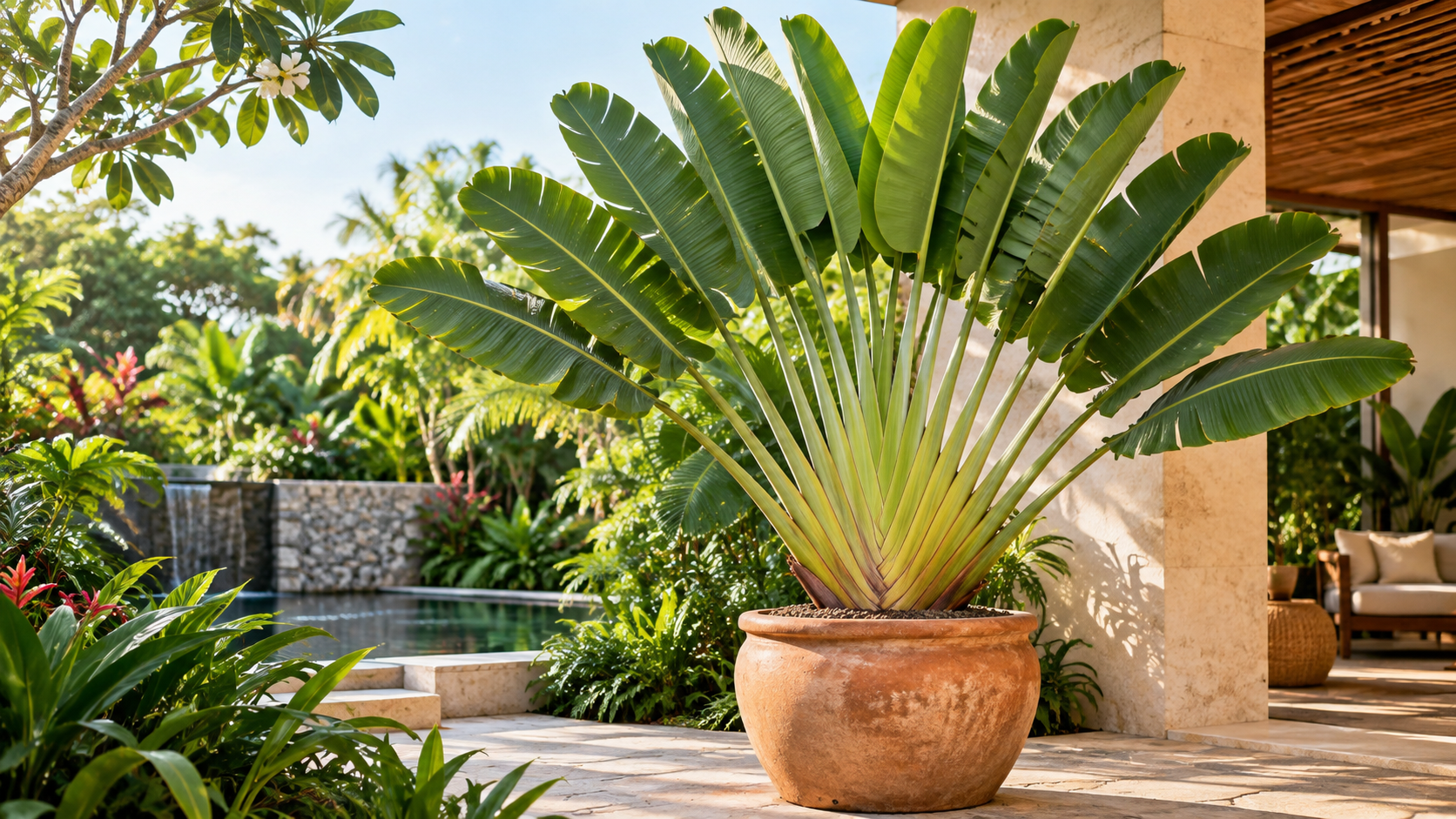
Learn how to grow and care for your travel palm plant with 11 simple tips for light, water, humidity, repotting, and healthy indoor growth for beginners.
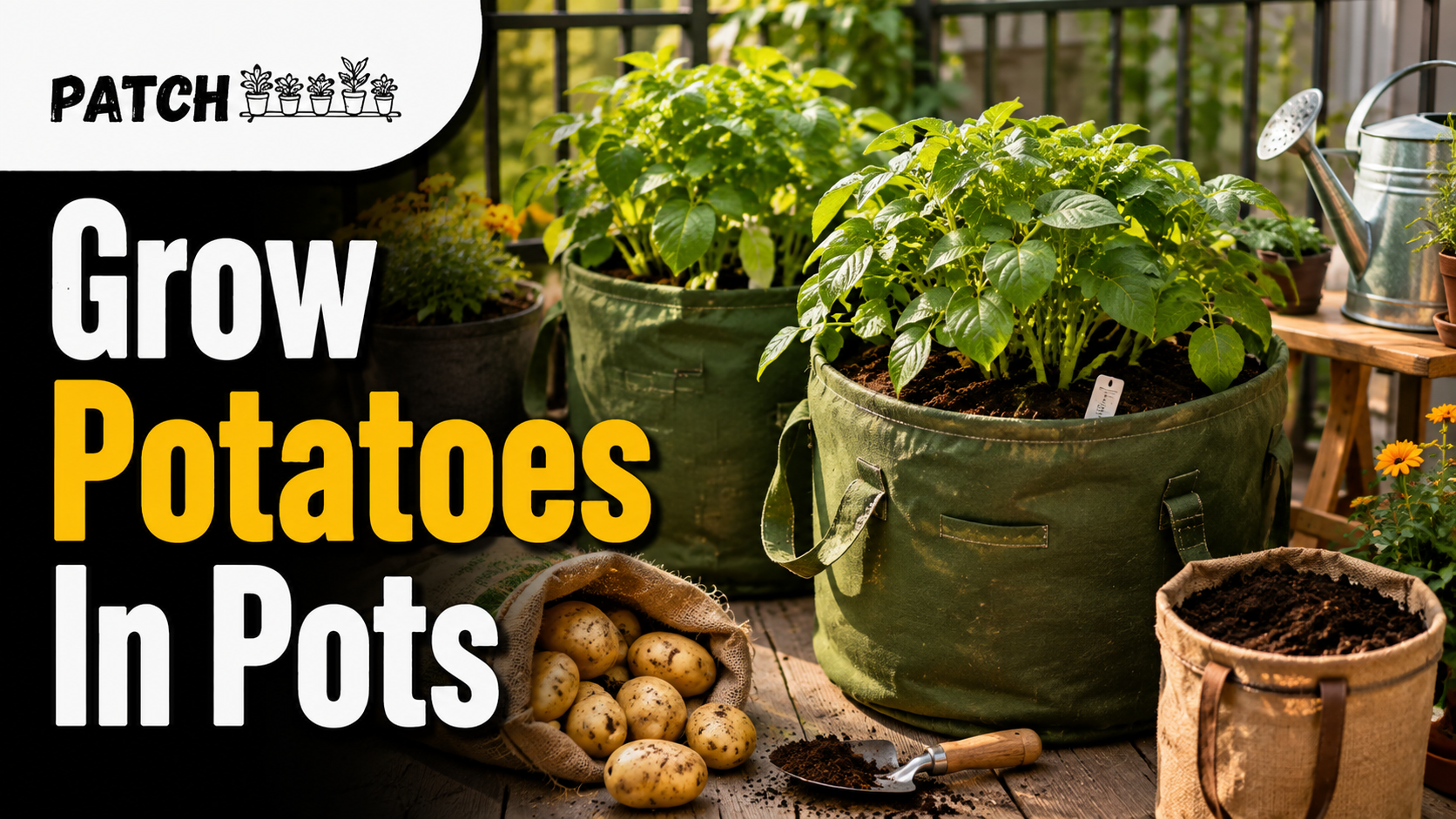
Learn the basics of growing potato plants in pots with this beginner guide: choose containers, plant seed potatoes, water wisely, and enjoy a harvest.
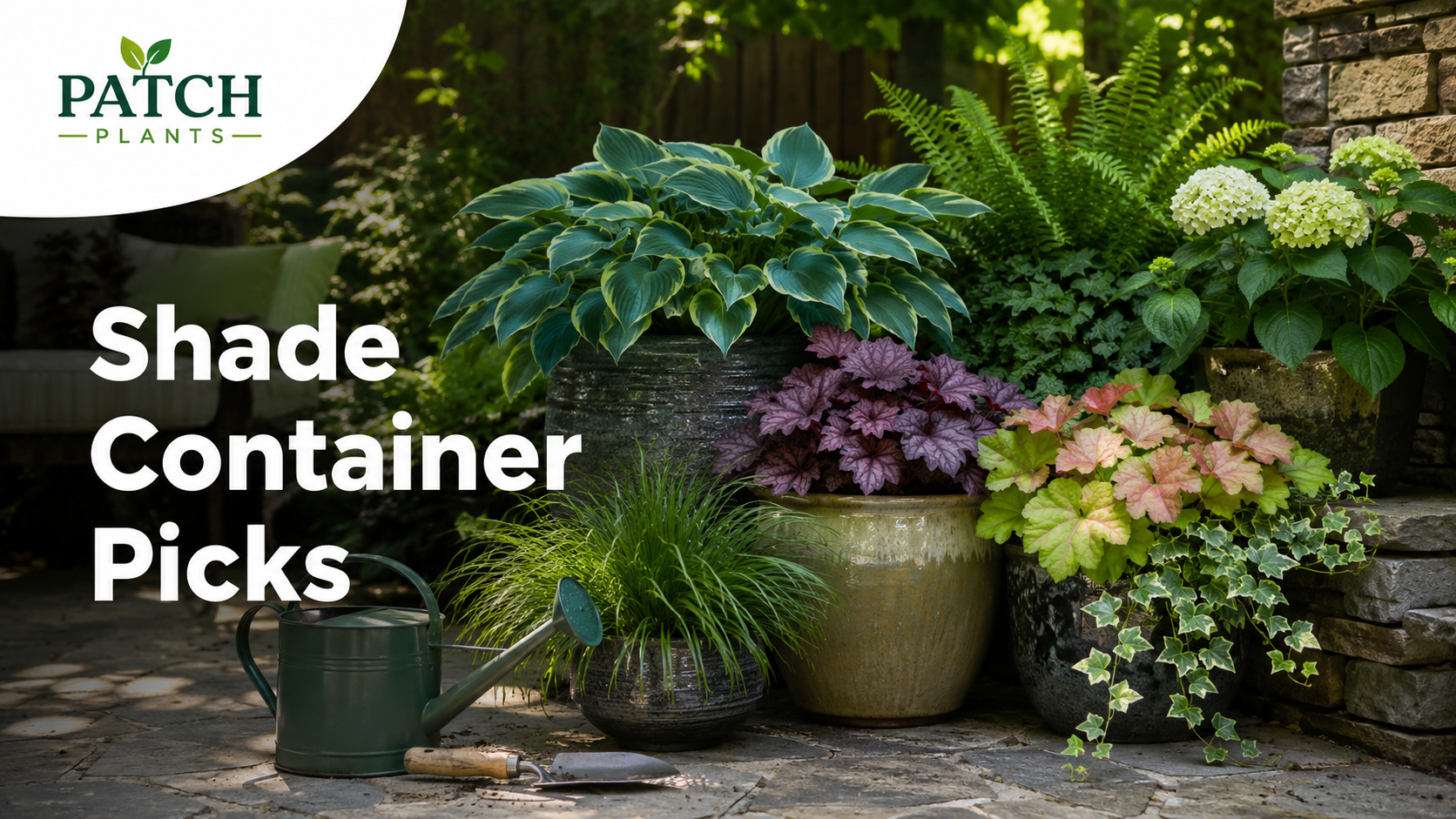
Discover 19 container garden plants for shade, plus simple care tips to help your balcony, patio, or porch garden thrive in low light with confidence.
Learn how to plant tomatoes in a pot with simple tips for choosing soil, watering, sunlight, and support, even in a small space for a healthy tomato harvest.
Learn how to grow a japanese cucumber plant with simple tips for soil, sunlight, watering, support, and harvesting a healthy crop at home with confidence.
Learn planting elephant ear bulbs the right way: find the best timing, plant at the right depth, and give them simple care for lush, healthy plant growth.
Learn how to grow and care for a purple basil plant with simple tips for light, watering, pruning, harvesting, and tasty kitchen uses at home and more.