Key Takeaways
- Unusual indoor plants are perfect when you want houseplants that feel more personal, sculptural, rare, or conversation-starting.
- Exotic indoor plants can be easy or difficult depending on light, humidity, watering, and where the plant naturally comes from.
- Rare and unusual plants should be bought from trusted sellers, especially if they are expensive, variegated, imported, or hard to identify.
- Unique plants indoor styling works best when you choose one standout plant instead of crowding every shelf with random pots.
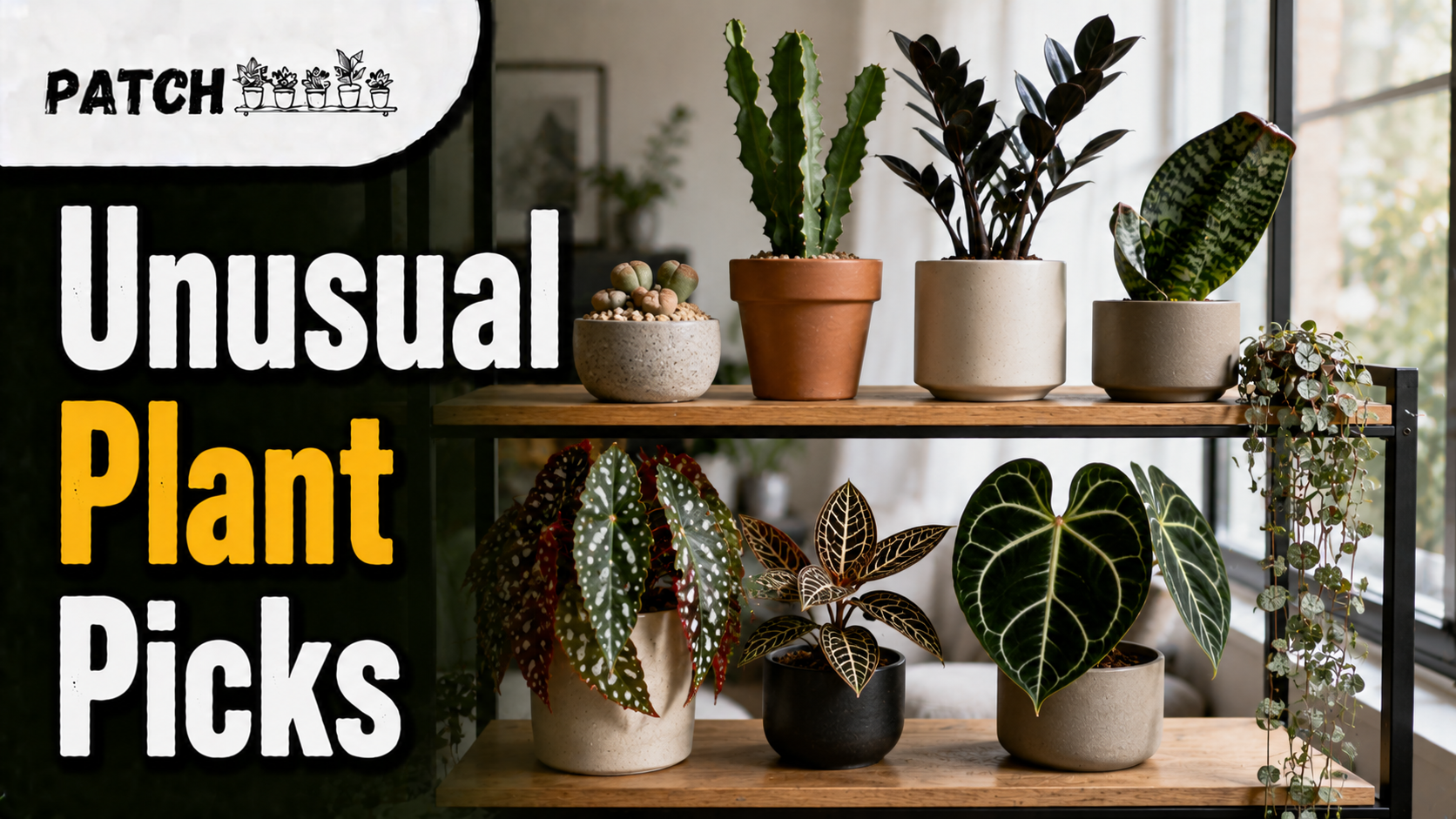
- Uncommon houseplants can include rare black plants, strange succulents, tropical rare flowers, unique hanging plants, and unusual plants for pots.
Introduction
Unusual indoor plants are for people who love the classics but want something with more personality. Pothos, spider plant, peace lily, and snake plant will always be useful. But sometimes you want a plant that makes guests stop and ask, “What is that?”
That is where exotic indoor plants, rare cool plants, strange houseplants, and uncommon houseplants come in. Some look like stones. Some look like coral. Some have black leaves. Some trail like jewellery. Some have leaves that look painted, dotted, curled, or carved.
This guide covers the best rare and unusual plants to grow indoors, including exotic house plants, unique hanging plants, rare variegated plants, rare black plants, unusual plants for pots, and a few tropical rare flowers for collectors who want a challenge.
For more indoor inspiration, read rare houseplants worth the hunt, colorful foliage indoor plants, and statement plants for minimalist interiors.
Why Choose Unusual Indoor Plants?
Unusual indoor plants do more than fill an empty corner. They turn a shelf, desk, windowsill, or plant stand into something memorable. A plant with strange leaves or unexpected texture can feel like living art.
They are also useful if you already know basic plant care and want something more interesting than beginner plants. If you have mastered watering, light, soil, and repotting, an exotic houseplant can give you a new challenge.
But unusual does not always mean difficult. Some uncommon plants, such as lithops, fishbone cactus, raven ZZ plant, rhipsalis, hoya, and whale fin snake plant, can be easier than many dramatic tropical plants.
What Makes a Plant Rare, Exotic, or Unusual?
A plant can feel unusual for several reasons. It might be hard to find. It might have rare variegation. It might have a strange shape. It might produce tropical rare flowers. It might simply be uncommon in normal homes.
When people search for a rare plant, exotic and rare plants, or rare exotic indoor plants, they are often looking for one of these features:
- Unusual shape: Curly leaves, stone-like bodies, tentacle stems, or sculptural growth.
- Rare colour: Black, silver, pink, white, burgundy, or high-contrast leaves.
- Variegation: Rare variegated plants with white, cream, yellow, or pink patterns.
- Texture: Velvet leaves, fuzzy stems, rippled surfaces, or thick succulent forms.
- Flowers: Rare plants and flowers with dramatic blooms or unusual shapes.
- Growth habit: Unique hanging plants, climbing plants, or compact unusual plants for pots.
Not every plant sold as rare is truly rare. Some are simply less common in local shops. That is why it helps to learn the plant’s real name before buying.
17 Best Unusual Indoor Plants to Grow at Home
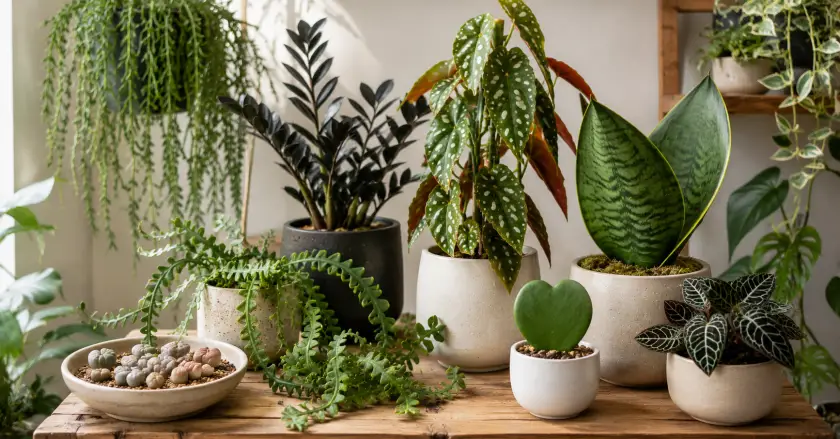
1. Lithops
Lithops are some of the most famous unusual indoor plants because they look like small stones. These tiny succulents blend into rocky environments in nature, which is why they are often called living stones.
They are perfect unusual plants for pots because they stay small and look good in shallow containers. They suit minimalist shelves, sunny windowsills, and small plant collections.
Lithops need bright light and very careful watering. Overwatering is the fastest way to lose them. If you want plants unique enough to look almost unreal, lithops are an excellent start.
For broader succulent care, read the succulent care guide.
2. Fishbone Cactus
Fishbone cactus has zigzag stems that look like a fish skeleton or a row of green lightning bolts. It is one of the best unique hanging plants because the stems trail beautifully from shelves and hanging pots.
It is also one of the more beginner-friendly exotic indoor house plants. It likes bright indirect light, a light potting mix, and more moisture than a desert cactus, but it should not sit in soggy soil.
Use it in a hanging planter, wall pot, or high shelf where the zigzag shape can show clearly.
3. Rhipsalis
Rhipsalis is another unusual cactus, but it does not look like the sharp desert cactus many people imagine. It has soft trailing stems and works well in hanging planters.
It is one of the best uncommon houseplants for people who want texture without spikes. Rhipsalis can look delicate, messy, soft, or sculptural depending on the variety.
It is a strong option for bathrooms, shelves, and bright rooms with indirect light. For more hanging ideas, read low-light hanging plants and trailing plants for shelves.
4. Begonia Maculata
Begonia maculata, also called polka dot begonia, is one of the most stylish unique plants indoor gardeners can grow. Its angel-wing leaves have silver dots on top and reddish undersides below.
It feels dramatic without needing to be enormous. That makes it useful for desks, side tables, shelves, and small apartments.
Begonia maculata likes bright indirect light, careful watering, and moderate humidity. If you want rare plants and flowers in one plant, this is a good choice because it can also bloom indoors.
5. Raven ZZ Plant
Raven ZZ is one of the best rare black plants for indoors. New leaves often open bright green, then darken into deep purple-black as they mature.
It has the same tough, low-maintenance nature as the normal ZZ plant, but with a moodier look. This makes it ideal for modern interiors, minimalist rooms, and plant collectors who want dark foliage without fussy care.
If you want rare cool plants that are still practical, Raven ZZ is one of the best picks.
For ZZ care basics, read the ZZ plant care guide.
6. Whale Fin Snake Plant
If you want a unique snake plant, look for whale fin snake plant. Instead of many narrow upright leaves, it can grow large paddle-shaped leaves that look bold and sculptural.
It is one of the best unusual house plants for people who like clean design. One leaf in a simple pot can look more dramatic than a crowded plant shelf.
Whale fin snake plant needs similar care to other snake plants: bright to medium indirect light, a well-draining mix, and careful watering.
For care, read the snake plant care guide.
7. Hoya Kerrii
Hoya kerrii is known for its heart-shaped leaves. Single-leaf pots are common around gift seasons, but full vining plants are much more interesting.
This is one of the best exotic plants for home styling if you want something cute, slow-growing, and unusual without needing a huge pot. Variegated hoya kerrii is even more striking and can fit into the rare variegated plants category.
Give hoya bright indirect light, a chunky mix, and time. It grows slowly, but that is part of its charm.
For care, read the hoya care guide.
8. String of Turtles
String of turtles is a tiny trailing plant with leaves that look like little patterned shells. It is one of the best unique hanging plants for shelves, small pots, and apartment plant styling.
It stays compact compared with many trailing plants, so it works well in small spaces. The leaves are detailed enough to feel special up close.
Use it in a small hanging pot, a shelf planter, or a bright bathroom with suitable light. Avoid overwatering and keep the potting mix airy.
9. Jewel Orchid
Jewel orchid is grown more for its leaves than its flowers. Its dark velvety foliage often has fine glowing veins, giving it a luxury look in a small pot.
It is one of the most unique plants indoor collectors can try if they want something elegant but not oversized. It works well in a terrarium-style setup, plant cabinet, or bright room with gentle humidity.
Jewel orchids can also produce delicate flower spikes, making them part foliage plant and part unusual flowering plant.
For more flowering indoor options, read blooming indoor plants.
10. Anthurium Crystallinum
Anthurium crystallinum is one of the most beautiful rare exotic indoor plants because of its velvety leaves and bright white veins. It looks elegant, tropical, and expensive.
This plant is not the easiest choice for beginners. It prefers bright indirect light, warmth, airflow, and higher humidity. But if you want tropical rare flowers and dramatic foliage, anthuriums are worth learning about.
For general anthurium care, read the anthurium care guide. For humidity help, read humidity hacks for plants.
11. Alocasia Dragon Scale
Alocasia dragon scale is one of those crazy looking plants that seems almost designed rather than grown. Its leaves look textured, metallic, and armour-like.
It is a strong choice for collectors who want rare cool plants with serious visual impact. It looks best in a simple pot where the leaf texture can be the main feature.
Alocasia needs bright indirect light, careful watering, warmth, and humidity. It can go dormant or drop leaves if conditions change, so it is not the easiest plant on this list.
12. Dischidia
Dischidia is an unusual trailing plant related to hoya. Some types have tiny rounded leaves, while others have pouch-like leaves that look very different from common houseplants.
It is one of the best exotic house plants for people who like small trailing plants but want something less obvious than pothos.
Use dischidia in a hanging pot, wall planter, or small shelf display. It likes bright indirect light and a light, airy mix.
13. Trachyandra Tortilis
Trachyandra tortilis has curled, ribbon-like leaves that make it one of the strangest houseplants for collectors. It looks like green corkscrews growing from the soil.
This is a true conversation plant. It stays compact and suits unusual plants for pots, especially if you like sculptural plants that do not need much space.
It can be harder to find than common houseplants, so buy from a reputable seller and make sure you understand its seasonal growth rhythm before buying.
14. Medusa’s Head Euphorbia
Medusa’s head euphorbia has twisting stems that spread from the centre like snakes. It is one of the best strange houseplants for sunny windowsills and succulent collectors.
It looks dramatic, but it is more practical than many rare tropical plants. Give it bright light, a gritty mix, and careful watering.
Like many euphorbias, it can have irritating sap, so handle it carefully and keep it away from pets and children.
15. Pseudolithos Cubiformis
Pseudolithos cubiformis is one of the most unusual plants to grow indoors if you love odd succulents. It looks like a cube-shaped living stone, and it does not resemble a normal leafy houseplant at all.
This is a specialist plant. It needs strong light, warmth, excellent drainage, and very careful watering. It is not a casual beginner purchase.
If you are building a collection of exotic and rare plants, pseudolithos can be a standout. If you are new to plants, start with lithops or haworthia first.
16. Sensitive Plant
Sensitive plant, also known as Mimosa pudica, is unusual because its leaves fold when touched. This movement makes it one of the most memorable uncommon plants for curious growers.
It is not rare in the same way as a collector anthurium, but it is definitely unusual. It is also a fun plant for desks, classrooms, and bright windowsills.
It needs bright light, steady moisture, and warmth. Do not touch the leaves constantly because the folding response uses energy.
17. Pitcher Plant
Pitcher plants are carnivorous plants with modified leaves that form traps. They are among the most unusual house plants because they look both beautiful and slightly strange.
They can work indoors if you understand their needs. Many pitcher plants need bright light, pure water, humidity, and a specific growing medium. Normal potting soil is usually not suitable.
This is one of the most interesting rare plants and flowers for people who enjoy learning plant behaviour, not just plant decor.
Best Unusual Plants for Pots
Unusual plants for pots are ideal if you want something eye-catching without filling the whole room. Compact plants are also easier to display on shelves, desks, windowsills, and unique plant stands indoor setups.
Good choices include:
- Lithops
- Haworthia
- Jewel orchid
- Peperomia varieties
- Trachyandra tortilis
- Pseudolithos cubiformis
- Begonia maculata
- Whale fin snake plant
- String of turtles
Use pots with drainage. Many unusual plants fail because they are placed in decorative pots with no way for water to escape.
Unique Hanging Plants
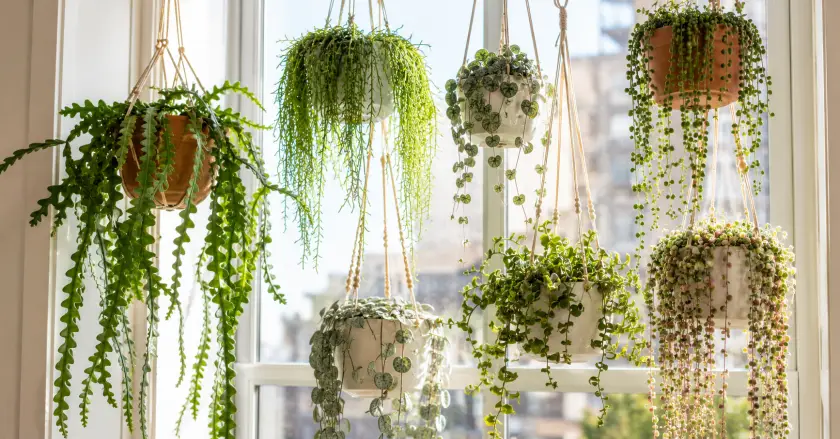
Unique hanging plants are perfect if you want unusual indoor plants without using floor space. They work well in apartments, bathrooms, offices, kitchens, and bright corners.
Try fishbone cactus, rhipsalis, dischidia, hoya, string of turtles, string of dolphins, variegated string of pearls, and trailing philodendrons.
For a cleaner look, use one strong hanging plant instead of many small hanging pots. This keeps the room stylish instead of cluttered.
Rare Black Plants for Moody Interiors
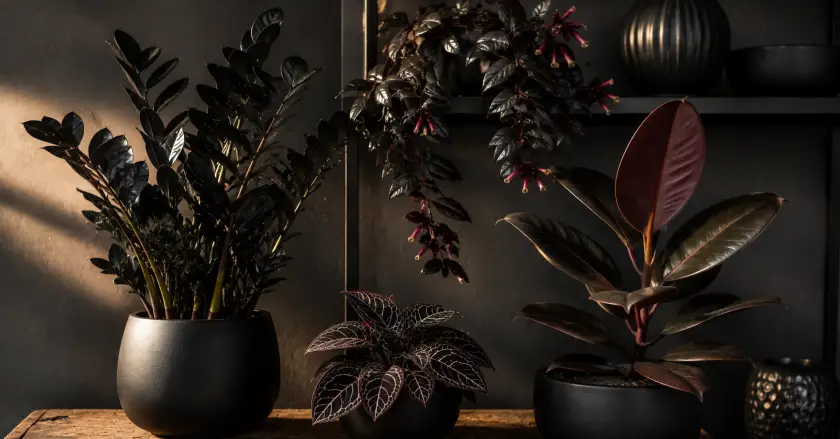
Rare black plants are popular because they add drama without bright colour. They suit minimalist rooms, modern decor, Scandi interiors, and dark plant shelves.
Good indoor options include Raven ZZ plant, burgundy rubber plant, black pagoda lipstick plant, dark-leaved jewel orchids, dark anthuriums, and some alocasia varieties.
Remember that many “black” plants are actually deep purple, burgundy, or very dark green. Good light helps keep the colour strong.
Rare Variegated Plants
Rare variegated plants are popular because every leaf can look different. Variegation may appear as white, cream, yellow, silver, or pink markings.
Common collector choices include variegated monstera, variegated hoya, variegated string of pearls, variegated rubber plant, variegated pothos, and variegated philodendron.
Variegated plants often need brighter indirect light than plain green plants because pale sections have less chlorophyll. Do not place expensive variegated plants in dark corners.
For light guidance, read the complete guide to indoor light.
Exotic Plants to Buy: How to Shop Safely
If you are searching for exotic plants to buy, slow down before clicking checkout. Rare plant prices can be high, and not every seller is trustworthy.
Before buying exotic plants for home, check:
- The plant’s correct botanical name
- Clear photos of the exact plant or cutting
- Root condition if buying a cutting
- Seller reviews and reputation
- Shipping weather and packaging
- Import rules if buying internationally
- Whether the plant is nursery-propagated
- Care requirements before purchase
Do not buy a rare plant only because it is trending. A healthy affordable exotic houseplant is better than an expensive plant that dies because your home cannot support it.
Unique Plant Stands Indoor Styling
Unique plant stands indoor can make rare and unusual plants look more intentional. The stand should lift the plant, frame its shape, and keep it easy to care for.
Use simple stands for dramatic plants. A black metal stand can suit Raven ZZ. A pale wood stand can soften a fishbone cactus. A terracotta pedestal can make lithops or euphorbia feel sculptural.
For unusual indoor plants, avoid stands that are too busy. Let the plant be the unusual part.
What About Unique Shrubs Indoors?
People sometimes search for unique shrubs when they want bold houseplants with a shrub-like shape. Most true shrubs are outdoor plants, but some indoor plants can give a similar structured look.
Try compact rubber plant, money tree, small olive tree in very bright rooms, dracaena, ficus varieties, or bushy philodendrons. These give a fuller shape without needing an actual outdoor shrub indoors.
For larger indoor styling, read 20 oversized indoor plants.
Easy vs Difficult Unusual Indoor Plants
| Plant | Difficulty | Best For |
|---|---|---|
| Lithops | Medium | Sunny windowsills and careful waterers |
| Fishbone cactus | Easy to medium | Unique hanging plant displays |
| Rhipsalis | Easy to medium | Soft trailing texture |
| Begonia maculata | Medium | Bold spotted foliage |
| Raven ZZ plant | Easy | Rare black plant styling |
| Whale fin snake plant | Easy | Minimalist unusual house plants |
| Anthurium crystallinum | Hard | Humidity-loving collectors |
| Alocasia dragon scale | Medium to hard | Collectors who like dramatic leaves |
| Pitcher plant | Hard | Plant lovers who enjoy specialist care |
Common Mistakes With Rare and Unusual Plants
- Buying before researching: Rare plants can have very specific needs.
- Overwatering unusual succulents: Lithops, pseudolithos, and euphorbias can rot quickly.
- Ignoring humidity: Tropical rare flowers and velvet-leaf plants often need more humidity.
- Using the wrong soil: Carnivorous plants, cacti, succulents, and aroids need different mixes.
- Putting variegated plants in low light: Variegation often needs bright indirect light.
- Buying poor cuttings: A cheap cutting with no node or poor roots can fail.
- Forgetting pet safety: Many exotic indoor plants are not safe if chewed by pets.
For care basics, use the complete watering guide, best soil mix guide, signs you are overwatering, and root rot guide.
Expert Tips from Sawera Shahid
Start with one unusual plant, not ten. A single Raven ZZ, whale fin snake plant, fishbone cactus, or lithops pot can teach you a lot without overwhelming your routine.
If you are new to rare houseplants, choose easier unusual plants first. Learn your home’s light and humidity before buying expensive velvet anthuriums, alocasias, or variegated collector plants.
Also, display unusual indoor plants simply. A strange plant does not need a loud pot. Plain ceramic, terracotta, stone, or matte black usually lets the plant’s shape stand out.
Future Trends
Unusual indoor plants are becoming more popular because people want homes that feel personal. Instead of buying the same common houseplants, plant lovers are looking for rare cool plants, strange houseplants, rare black plants, unique hanging plants, and rare variegated plants.
Expect more interest in responsibly sourced exotic plants to buy, compact unusual plants for pots, collector aroids, unusual succulents, and plants that look good in minimalist interiors.
The best trend is thoughtful collecting. One healthy rare plant is better than a shelf full of struggling plants bought too quickly.
Frequently Asked Questions
What are unusual indoor plants?
Unusual indoor plants are houseplants with uncommon shapes, colours, textures, flowers, growth habits, or rarity. Examples include lithops, fishbone cactus, Raven ZZ, jewel orchid, and anthurium crystallinum.
What are good exotic indoor plants for beginners?
Good exotic indoor plants for beginners include fishbone cactus, rhipsalis, Raven ZZ plant, whale fin snake plant, hoya, lithops, and some peperomia varieties.
What are rare and unusual plants for indoors?
Rare and unusual plants for indoors include variegated monsteras, jewel orchids, anthuriums, alocasias, pseudolithos, trachyandra, Medusa’s head euphorbia, and rare black plants like Raven ZZ.
What are the most unique house plants?
The most unique house plants include lithops, pitcher plants, fishbone cactus, whale fin snake plant, string of turtles, begonia maculata, alocasia dragon scale, and jewel orchid.
Are strange houseplants hard to grow?
Some strange houseplants are easy, while others are specialist plants. Raven ZZ and whale fin snake plant are easy. Anthuriums, alocasias, pitcher plants, and pseudolithos need more careful conditions.
What are good rare black plants?
Good rare black plants include Raven ZZ plant, black pagoda lipstick plant, dark jewel orchids, burgundy rubber plant, and some dark alocasia or anthurium varieties.
What are good unique hanging plants?
Good unique hanging plants include fishbone cactus, rhipsalis, dischidia, hoya, string of turtles, string of dolphins, and variegated string of pearls.
Where can I find exotic plants to buy?
You can find exotic plants to buy from specialist nurseries, trusted online plant sellers, independent houseplant shops, rare plant fairs, and local plant swaps. Check reviews and plant health before buying.
Related Guides
- PATCH Plants homepage
- PATCH Plants blog
- Indoor Plants hub
- Plant Care hub
- Rare houseplants worth the hunt
- Colorful foliage indoor plants
- Blooming indoor plants
- 20 oversized indoor plants
- Statement plants for minimalist interiors
- Scandi home with plants
- Feng Shui indoor plants
- Best indoor plants for tiny apartments
- Indoor plants as natural room dividers
- Best indoor plants for first-time plant parents
- Best indoor plants for beginners
- 35 low-maintenance plants
- Air-purifying indoor plants
- How to style indoor plants by room
- Bedroom plants for style and calm
- Indoor jungle without overcrowding
- Trailing plants for shelves
- Low-light hanging plants
- Indoor plants that smell amazing
- Best office plants
- Improve home office with plants
- Office plants for fluorescent lighting
- Indoor gardening systems
- Complete guide to indoor light
- Complete watering guide
- Worst times to water plants
- Signs you are overwatering
- Root rot guide
- How to revive a dying plant
- Leaf curl, browning, and droop
- Why plant leaves turn yellow
- How to clean plant leaves
- Best soil mix for every plant
- Repotting mistakes to avoid
- How to repot a plant
- Fertilizing indoor vs outdoor plants
- Self-watering pots guide
- DIY indoor humidity tray
- Humidity hacks for plants
- Cat-friendly plant guide
- Dog-friendly plant guide
- Snake plant care guide
- Peace lily care guide
- Christmas cactus care guide
- Money tree care guide
- Best bathroom plants
- Succulent care guide
- Cactus care guide
- Boston fern care guide
- Bird of paradise care guide
- Pothos care guide
- Philodendron care guide
- Monstera care guide
- Hoya care guide
- Orchid care guide
- Rubber plant care guide
- Fiddle leaf fig care guide
- Spider plant care guide
- ZZ plant care guide
- Jade plant care guide
- Dracaena care guide
- Anthurium care guide
- African violet care guide
- String of pearls care
- Calathea care guide
- Garden calendar
- Pruning basics
- Best low-maintenance outdoor plants
- How to keep outdoor plants alive
- Edible flowers
- Color themes for outdoor garden
- Seasonal plant care autumn
Final Thoughts
Unusual indoor plants are a fun way to make your home feel more personal. You do not need a giant collection. One rare black plant, one strange succulent, one unique hanging plant, or one rare variegated plant can change the whole feeling of a room.
The Royal Horticultural Society explains that different houseplants need different levels of light and humidity, and many tropical houseplants need higher humidity to thrive, which is especially important when choosing rare, exotic, or unusual indoor plants: RHS guide to growing houseplants.
Start with a plant that matches your real home. Choose Raven ZZ or whale fin snake plant if you want easy impact. Choose lithops if you have bright light and careful watering habits. Choose anthurium, alocasia, or pitcher plant only if you are ready for more specialist care. The best rare plant is the one you can keep healthy.
Final Recap
This guide covers unusual indoor plants, exotic indoor plants, rare and unusual plants, unique plants indoor, uncommon houseplants, a rare plant, crazy looking plants, exotic and rare plants, exotic house plants, exotic houseplant, exotic indoor house plants, exotic plants, exotic plants for home, exotic plants to buy, most unique house plants, plants unique, rare black plants, rare cool plants, rare exotic indoor plants, rare plants and flowers, rare variegated plants, strange houseplants, tropical rare flowers, uncommon plants, unique hanging plants, unique plant stands indoor, unique shrubs, unique snake plant, unusual house plants, unusual plants for pots, and unusual plants to grow.
The smartest approach is to buy responsibly, match the plant to your light and humidity, use simple pots, and choose one standout plant before building a bigger collection.