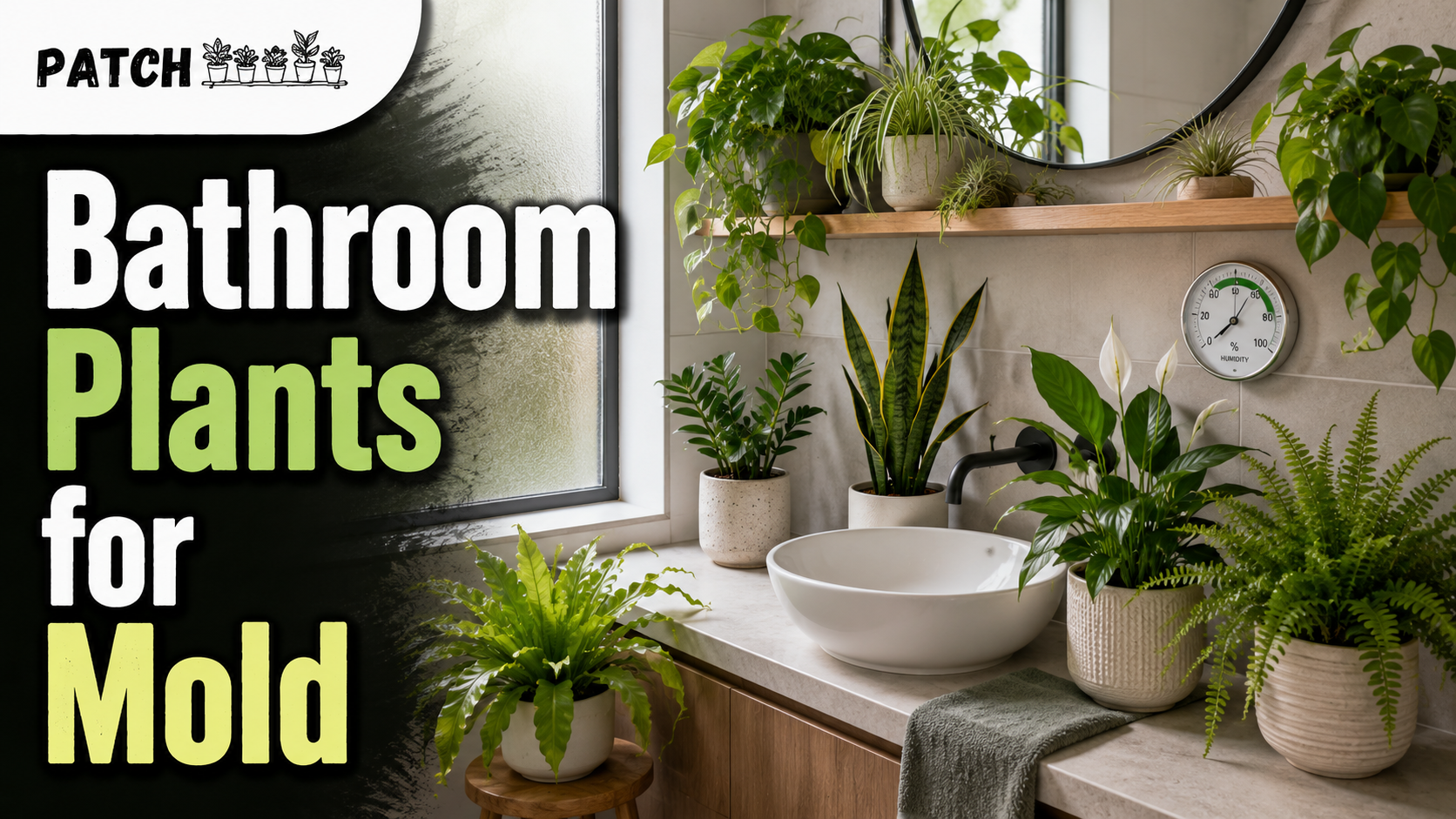
Bathroom plants for mold can make a damp bathroom feel fresher, calmer, and more natural, but they need to be used realistically. Plants can support moisture management in small ways, but they cannot replace ventilation, cleaning, leak repair, or a proper dehumidifier when a bathroom has a serious mold problem.
Key Takeaways
- Bathroom plants for mold should be treated as a support tool, not a complete mold fix.
- The best choices are plants that tolerate humidity, do not need constantly wet soil, and handle bathroom light levels well.
- Indoor plants that prevent mold in bathrooms is a popular phrase, but no plant can truly prevent mold by itself.
- Snake Plant, ZZ Plant, Pothos, Spider Plant, Peace Lily, Boston Fern, Bird’s Nest Fern, Air Plants, Heartleaf Philodendron, Chinese Evergreen, and Cast Iron Plant are the most practical picks.
- The real mold-control routine is airflow, drying wet surfaces, checking humidity, fixing leaks, and watering plants less often.
- This article should support broader guides like best bathroom plants, plants for bathroom no light, and complete indoor light guide.
Introduction
Bathrooms are tricky rooms for plants. They are often humid, warm after showers, short on light, and slow to dry. That mix can help some tropical plants, but it can also create the same damp conditions that allow mold to grow on walls, grout, ceilings, sealant, soil, and forgotten corners.
This is where people often get confused. They hear that mold-fighting plants for bathrooms can absorb moisture, purify air, or reduce humidity, then expect a few pots to solve a mold issue. Plants can help a room feel more balanced, and some do better in humid air than others. Still, if steam is trapped and surfaces stay wet, plants alone will not stop mold.
The best approach is simple: choose mold-resistant plants for bathrooms, keep them in well-drained pots, place them where air can move, and combine them with practical moisture control. If your bathroom is also dark, use the advice in plants for bathroom no light before adding anything sensitive.
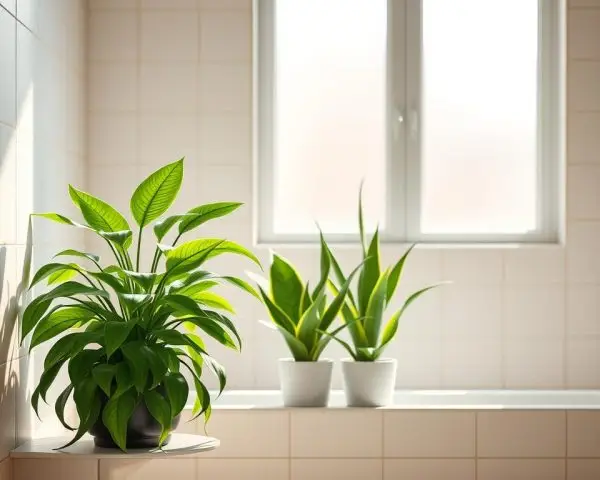
Bathroom Plants for Mold: What They Can and Cannot Do
Bathroom plants for mold can support a healthier bathroom environment, but they are not a cure. A plant may absorb small amounts of moisture through its roots or leaves, and some plants tolerate damp air better than others. That can help the space feel fresher.
What plants cannot do is dry a wet wall, remove mold behind tiles, fix a leaking pipe, or replace an exhaust fan. Mold grows when moisture sits around for too long. If the bathroom stays damp after showers, the first fix is always airflow and moisture control.
What bathroom plants can help with
- Adding greenery to humid rooms.
- Softening hard bathroom surfaces.
- Supporting a fresh, calm bathroom feel.
- Making you notice moisture problems sooner.
- Encouraging better routines like checking humidity, wiping leaves, and improving airflow.
What bathroom plants cannot fix
- Active mold growth on walls, ceilings, grout, or sealant.
- Leaks under sinks, behind toilets, or around showers.
- Bathrooms with no ventilation.
- Persistent humidity that stays high for hours.
- Soil mold caused by overwatering and poor drainage.
For wider bathroom plant ideas, pair this guide with best bathroom plants, low light house plants, and low-maintenance indoor plants.
How Bathroom Humidity and Mold Are Connected
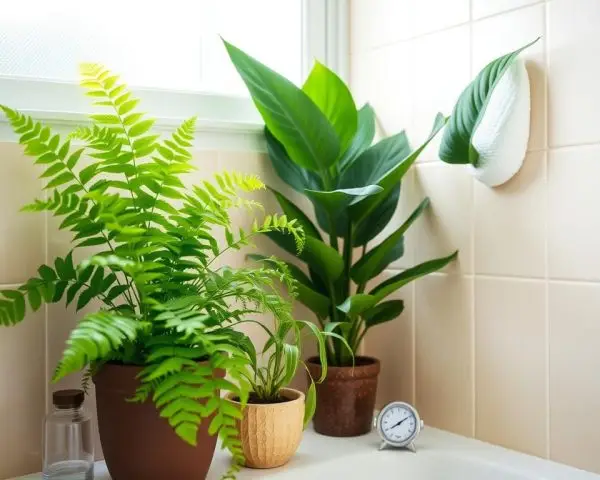
Bathrooms create moisture every day. Hot showers, wet towels, damp bath mats, poor ventilation, and water left on tiles all increase humidity. When moisture lingers, mold spores have a better chance to settle and grow.
This matters for plants too. A bathroom can feel humid enough for tropical foliage, but that does not mean the plant needs more water. In fact, many indoor plants for mold prevention fail because their soil stays wet for too long in an already damp room.
High humidity can help some plants
Ferns, Peace Lilies, Pothos, Philodendrons, and some Air Plants enjoy humidity. They can look better in bathrooms than in dry rooms, especially if there is enough light.
Too much dampness can hurt plants
Constant dampness can cause soil mold, fungus gnats, yellow leaves, root rot, and fungal leaf spots. That is why bathroom plant care for mold prevention needs lighter watering, drainage holes, and airflow.
Transpiration matters
Plants release water vapor from their leaves through transpiration. This is normal, but it means large collections of thirsty plants can add some moisture back into the air. For a damp bathroom, choose plants that tolerate humidity without needing constantly wet soil.
Quick Comparison: Best Bathroom Plants for Mold-Prone Spaces
| Plant | Best Bathroom Use | Light Need | Care Level |
|---|---|---|---|
| Snake Plant | Low-maintenance floor plant | Low to bright indirect light | Very easy |
| ZZ Plant | Dark bathrooms with some light | Low to medium indirect light | Very easy |
| Pothos | Trailing shelf or hanging plant | Low to medium indirect light | Easy |
| Spider Plant | Airy shelf or hanging basket | Bright indirect light | Easy |
| Peace Lily | Humid bathroom with indirect light | Low to bright indirect light | Moderate |
| Boston Fern | Humid bathrooms with airflow | Medium indirect light | Moderate |
| Bird’s Nest Fern | Warm humid shelf | Medium indirect light | Moderate |
| Air Plants | No-soil bathroom display | Bright indirect light | Easy to moderate |
| Heartleaf Philodendron | Hanging or trailing plant | Low to medium indirect light | Easy |
| Chinese Evergreen | Low-light foliage colour | Low to medium indirect light | Easy |
| Cast Iron Plant | Tough dark-corner foliage | Low to medium indirect light | Easy |
11 Best Bathroom Plants for Mold-Prone Bathrooms
1. Snake Plant
Snake Plant is one of the most practical bathroom plants for mold because it tolerates low light, needs little water, and handles neglect better than most houseplants. It is a strong choice for small bathrooms, guest bathrooms, and bathrooms where you do not want daily plant care.
The main advantage is its low water need. In a humid bathroom, Snake Plant should dry well between watering. This helps reduce the risk of soil mold and root rot.
- Best for: Beginners, dark corners, narrow floor spaces.
- Care tip: Use a gritty, free-draining mix.
- Avoid: Watering while the soil is still damp.
For deeper care, use the Snake Plant care guide, root rot guide, and complete watering guide.
2. ZZ Plant
ZZ Plant is another excellent choice for low maintenance plants for mold prevention. It has glossy leaves, stores water in thick rhizomes, and grows slowly in low light. This makes it useful in bathrooms where other plants struggle.
Because ZZ Plant stores water, it does not need frequent watering. In a damp bathroom, wait until the soil is almost completely dry before watering again.
- Best for: Low-light bathrooms, renters, busy plant owners.
- Care tip: Keep it away from wet floors and standing water.
- Avoid: Heavy soil and oversized pots.
Use the ZZ Plant care guide and low-maintenance plants for more help.
3. Pothos
Pothos is one of the easiest indoor plants that prevent mold in bathrooms in the practical sense that it tolerates humidity, grows well in many homes, and works beautifully on shelves or hanging planters. It does not prevent mold by itself, but it can be part of a fresh, well-ventilated bathroom setup.
It trails naturally, so it looks good above a toilet, near a mirror, on a cabinet, or in a hanging basket. If the bathroom is very dark, pair it with a small grow light.
- Best for: Shelves, hanging baskets, bathroom styling.
- Care tip: Let the top of the soil dry before watering.
- Avoid: Leaving vines in wet corners with no airflow.
For related guides, read Pothos plant care, trailing plants for shelves, and low-light hanging plants.
4. Spider Plant
Spider Plant is a reliable option for bathroom plants for air quality and humidity-friendly styling. It grows in arching clumps, produces baby plantlets, and works well in hanging baskets or high shelves where air can move around the leaves.
It prefers bright indirect light, so it is better for bathrooms with a frosted window, skylight, or grow light. In very dark bathrooms, it may become pale or leggy.
- Best for: Hanging planters, shelves, bright bathrooms.
- Care tip: Water when the top layer dries.
- Avoid: Deep shade with no artificial light.
For care support, use the Spider Plant care guide and indoor light guide.
5. Peace Lily
Peace Lily is often listed among best plants for bathroom mold prevention because it enjoys humidity and can handle lower light than many flowering plants. It is useful in bathrooms with bright indirect light and steady warmth.
Peace Lily also tells you when it is thirsty by drooping, but do not use that as an excuse to keep soil wet all the time. Constantly damp soil can lead to root rot and soil mold.
- Best for: Humid bathrooms with some natural light.
- Care tip: Keep lightly moist, not soggy.
- Avoid: Cold drafts and waterlogged soil.
For care help, read Peace Lily care, yellow leaves guide, and leaf curl, browning, and droop.
6. Boston Fern
Boston Fern loves humidity, which makes it one of the classic mold-fighting plants for bathrooms. It can look lush and soft in bathrooms, especially near a frosted window or bright indirect light.
The realistic warning is airflow. Ferns like moisture, but they do not like stagnant air. Keep Boston Fern where air moves gently after showers, not squeezed into a sealed damp corner.
- Best for: Humid bathrooms with bright indirect light.
- Care tip: Keep soil lightly moist but never swampy.
- Avoid: Dry radiators, direct heat, and stale air.
Use the Boston Fern care guide, humidity hacks, and DIY humidity tray.
7. Bird’s Nest Fern
Bird’s Nest Fern is a neat, sculptural fern for plants that thrive in bathroom environments. It has broad green fronds that look modern and clean, especially on a shelf or vanity.
It likes humidity, but water should not sit in the crown of the plant. In bathrooms with poor airflow, crown rot can happen quickly.
- Best for: Warm bathrooms, shelves, spa-style spaces.
- Care tip: Water the soil, not the center of the plant.
- Avoid: Cold drafts and water trapped in the crown.
8. Air Plants
Air Plants, also called Tillandsia, are useful mold-resistant indoor plants for bathrooms because they do not need soil. No soil means no soggy potting mix, which reduces one common source of plant-related mold.
They still need light and airflow. After misting or soaking, they must dry properly. Do not place them inside sealed glass where water sits around them.
- Best for: Small bathrooms, shelves, wall displays, no-soil styling.
- Care tip: Let them dry fully after watering.
- Avoid: Closed jars and dark corners.
Air Plants pair well with advice from plants for bathroom no light and how to style indoor plants by room.
9. Heartleaf Philodendron
Heartleaf Philodendron is a soft trailing plant that handles humidity and lower light better than many decorative houseplants. It is a good choice for bathroom plants for natural mold control when you want greenery without fussy care.
It trails beautifully from shelves and hanging planters, but it still needs enough light to stay full. If the vines stretch with small leaves, move it closer to light.
- Best for: Hanging planters, shelves, mirror styling.
- Care tip: Trim long vines to keep growth full.
- Avoid: Overwatering in low light.
For more, read Philodendron care and indoor jungle without overcrowding.
10. Chinese Evergreen
Chinese Evergreen is a dependable choice for indoor plants for moldy bathrooms because it tolerates low to medium light and stable humidity. Green varieties usually handle darker rooms better than highly variegated ones.
It does best in warm bathrooms without cold drafts. Let the top of the soil dry before watering, especially if the room is dim.
- Best for: Low-light colour and easy foliage.
- Care tip: Choose greener varieties for darker bathrooms.
- Avoid: Cold air and soggy soil.
For more colour options, use colorful foliage indoor plants and low light house plants.
11. Cast Iron Plant
Cast Iron Plant is one of the toughest mold-resistant plants for low-light indoor spaces. It is slow-growing, durable, and unfussy, which makes it useful for bathrooms where more delicate plants struggle.
It will not absorb huge amounts of moisture, but it is less likely to collapse from imperfect conditions. This makes it a practical choice for realistic plant care.
- Best for: Dark corners, floor pots, low-care homes.
- Care tip: Water lightly and avoid heavy wet soil.
- Avoid: Direct hot sun and standing water.
How to Choose the Right Plants to Fight Bathroom Mold Realistically
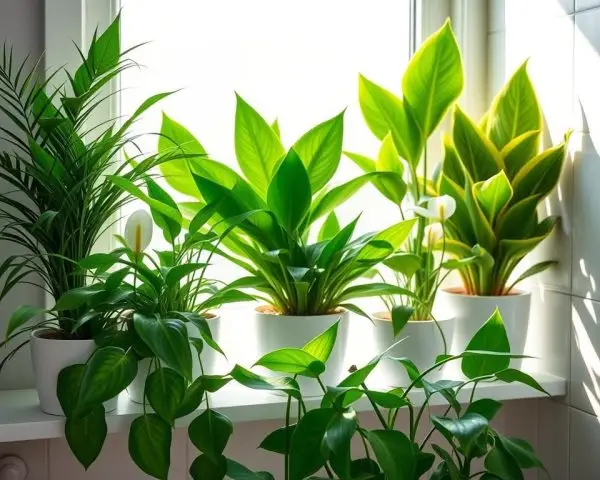
Choosing the right plants to fight bathroom mold starts with your bathroom conditions, not the plant label. A plant that works in one bathroom may fail in another if the light, airflow, and moisture are different.
Check the light first
If your bathroom has a window, you have more choices. If there is no natural light, use a grow light or choose plants from plants for bathroom no light. No living plant will stay healthy in total darkness forever.
Pick humidity-tolerant plants
Look for plants that handle humid air but do not demand soaked soil. Ferns, Pothos, Peace Lily, and Philodendron like humidity, while Snake Plant and ZZ Plant are better where watering is easy to forget.
Avoid plants that need dry, sunny conditions
Most cacti, lavender, rosemary, and many succulents are not ideal best plants for bathroom with mold issues. They prefer dry air, strong light, and fast-drying soil.
Use pots with drainage
A pot without drainage is risky in any room, but it is especially risky in bathrooms. If water cannot escape, roots sit wet and soil mold becomes more likely.
Step-by-Step Bathroom Plant Setup for Mold-Prone Spaces
Step 1: Measure humidity
Use a small hygrometer. If humidity stays high for hours after showers, plants should be secondary. Improve ventilation first.
Step 2: Check airflow
Run the exhaust fan during and after showers. Open the bathroom door when possible. Avoid placing plants where air never moves.
Step 3: Choose the right plant group
For low-care bathrooms, start with Snake Plant, ZZ Plant, Cast Iron Plant, or Pothos. For brighter humid bathrooms, try Spider Plant, Peace Lily, Boston Fern, Bird’s Nest Fern, or Air Plants.
Step 4: Choose the right pots
Use nursery pots with drainage holes inside decorative cachepots. Remove plants from cachepots when watering and let them drain fully before putting them back.
Step 5: Keep plants off wet surfaces
Use shelves, stands, hanging planters, or pot feet. Do not leave pots sitting on wet shower ledges or damp floors.
Step 6: Watch the soil
Soil in a bathroom dries slowly. Check before watering. If the top still feels damp, wait.
For potting and watering support, use how to repot a plant, repotting mistakes, best soil mix guide, and signs you are overwatering.
Best Placement Tips for Bathroom Plants and Airflow
Tips for using plants to prevent bathroom mold should always include airflow. A healthy plant placed in a stagnant damp corner can become part of the problem.
Use vertical space
Hanging planters and wall shelves keep plants away from wet floors. They also allow air to move around pots and leaves.
Keep vents clear
Do not let plants block exhaust fans, windows, or air gaps. Plants should support airflow, not interrupt it.
Avoid tight corners
Corners behind doors, under sinks, and beside showers often trap moisture. Use those spaces carefully, and check behind pots often.
Place plants near indirect light
A bathroom window, open doorway, or grow light will help plants stay healthy. Healthy plants are less likely to develop moldy soil, yellow leaves, or rotting roots.
Maintenance Tips for Bathroom Plant Care and Mold Prevention
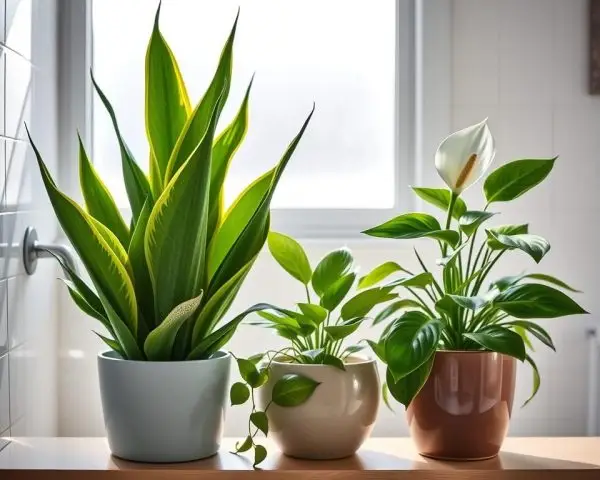
Water less often than normal
Most bathroom plants to reduce mold growth need less watering in humid rooms. Always test the soil first. If it feels damp, wait.
Clean leaves regularly
Bathrooms leave residue on leaves from steam, dust, and products. Wipe leaves with a damp cloth every few weeks so they can use available light properly.
Remove dead leaves quickly
Dead leaves in a damp bathroom can decay and attract fungus gnats. Remove yellow, brown, or fallen leaves as soon as you see them.
Refresh the soil surface
If you see fuzzy white mold on the soil, scrape away the top layer, improve airflow, water less, and check drainage. Do not ignore it.
Use a light potting mix
A dense mix stays wet too long. Add perlite or bark to improve airflow around roots. This is especially useful for Pothos, Philodendron, Peace Lily, and ferns.
Rotate plants
Rotate pots every time you water so growth stays even. If a plant starts leaning hard toward light, it likely needs a brighter spot.
Common Mistakes When Using Bathroom Plants for Mold
Thinking plants can replace ventilation
This is the biggest mistake. Even the best bathroom plants for mold cannot replace a working exhaust fan, open window, dehumidifier, or proper cleaning routine.
Overwatering in humid rooms
Wet soil plus damp air is a fast route to root rot and soil mold. Water less often than you would in a dry living room.
Using pots without drainage
Decorative pots look good, but drainage matters more. Use a nursery pot inside the decorative pot and empty trapped water.
Choosing the wrong plants
Succulents, cacti, and sun-loving herbs often struggle in humid bathrooms. Choose plants that thrive in mold-prone bathrooms and match the actual light level.
Letting plants crowd the room
Too many plants can reduce airflow and make cleaning harder. Start with two or three strong plants, then add more only if the room stays dry and fresh.
Plants and Other Mold Prevention Strategies
Plants work best when they are part of a wider bathroom routine. If your bathroom already has mold, clean the affected area properly and fix the source of moisture before relying on plants.
Run the exhaust fan
Use the fan during showers and keep it running afterward. If you do not have a fan, open a window or door to release steam.
Wipe wet surfaces
A squeegee or quick towel wipe after showers can reduce moisture on glass, tiles, and walls.
Wash towels and mats often
Damp towels and bath mats can hold moisture. Dry them properly and wash them regularly.
Fix leaks quickly
Leaks under sinks, around toilets, and near shower seals can create hidden mold problems. Plants cannot solve hidden leaks.
Use a hygrometer
A hygrometer helps you see whether the bathroom is drying after use. If humidity stays high, improve airflow before adding more plants.
Best Bathroom Plant Combinations
For low-light bathrooms
Use Snake Plant, ZZ Plant, Cast Iron Plant, and Pothos. These are some of the most forgiving indoor plants for mold prevention in dim spaces.
For bright humid bathrooms
Use Spider Plant, Peace Lily, Boston Fern, Bird’s Nest Fern, and Air Plants. They enjoy humidity but still need airflow and indirect light.
For tiny bathrooms
Use Air Plants, Pothos cuttings, small Snake Plants, or a compact Chinese Evergreen. Keep the floor clear and use wall shelves.
For windowless bathrooms
Use a grow light first. Then try Snake Plant, ZZ Plant, Pothos, Chinese Evergreen, or Cast Iron Plant. For a full setup, read plants for bathroom no light.
Helpful PATCH Guides for Bathroom Plants, Mold-Prone Rooms, and Plant Care
Use these related guides to strengthen the bathroom and indoor plant cluster while helping readers move naturally to the next useful article.
Bathroom and Low-Light Guides
- Best bathroom plants
- Plants for bathroom no light
- Low light house plants
- Low-light hanging plants
- Complete indoor light guide
- Best indoor plants for tiny apartments
- Best indoor plants for beginners
- Best indoor plants for first-time plant parents
- Low-maintenance plants
Indoor Plant Guides
- Indoor Plants hub
- Air-purifying indoor plants
- Blooming indoor plants
- Colorful foliage indoor plants
- Rare houseplants
- Unusual indoor plants
- Indoor plant with red flower
- Indoor plant with orange flowers
- Carnivorous plant terrarium setup guide
- Indoor plants that smell amazing
Core Plant Care Guides
- Plant Care hub
- Complete watering guide
- Worst times to water plants
- Signs you are overwatering
- Root rot guide
- How to revive a dying plant
- Leaf curl, browning, and droop
- Why plant leaves turn yellow
- How to clean plant leaves
- Best soil mix guide
- How to repot a plant
- Repotting mistakes to avoid
- Fertilizing indoor vs outdoor plants
- Pruning basics
- Humidity hacks
- DIY humidity tray
- Self-watering pots guide
Specific Plant Care Guides
- Snake Plant care guide
- ZZ Plant care guide
- Pothos plant care guide
- Spider Plant care guide
- Peace Lily care guide
- Boston Fern care guide
- Philodendron care guide
- Dracaena care guide
- Calathea care guide
- Rubber Plant care guide
- Fiddle Leaf Fig care guide
- Bird of Paradise care guide
- Monstera care guide
- Hoya care guide
- Anthurium care guide
- Orchid care guide
- African Violet care guide
- Succulent care guide
- Cactus care guide
- String of Pearls care
- Moss pole for plants
Indoor Styling Guides
- How to style indoor plants by room
- Decorate your bedroom with plants
- Create an indoor jungle
- Trailing plants for shelves
- Statement plants for minimalist interiors
- Scandi home with plants
- Feng Shui indoor plants
- Best office plants
- Improve home office with plants
- Office-friendly plants
- Oversized indoor plants
- Indoor gardening systems
Outdoor and Seasonal Guides Readers May Like
- Outdoor Plants hub
- Container gardening on patios
- Low-maintenance outdoor plants
- How to keep outdoor plants alive
- Shade-loving outdoor plants
- Garden calendar
- Seasonal plant care in autumn
- Festive plants for Christmas
- Edible flowers to grow outdoors
- Plants that keep bugs away
- Mosquito repellent plants
Frequently Asked Questions
Can bathroom plants for mold replace an exhaust fan?
No. Bathroom plants for mold can support a fresher bathroom, but they cannot replace an exhaust fan, open window, dehumidifier, leak repair, or cleaning routine.
What are the best bathroom plants for mold-prone spaces?
The best choices include Snake Plant, ZZ Plant, Pothos, Spider Plant, Peace Lily, Boston Fern, Bird’s Nest Fern, Air Plants, Heartleaf Philodendron, Chinese Evergreen, and Cast Iron Plant.
Do indoor plants prevent mold in bathrooms?
Not by themselves. Indoor plants that prevent mold in bathrooms is a common search phrase, but the realistic answer is that plants can support a healthier setup only when moisture, airflow, and cleaning are handled properly.
Which bathroom plants absorb moisture?
Boston Fern, Peace Lily, Spider Plant, Pothos, Bird’s Nest Fern, and Air Plants can enjoy humid air and may absorb small amounts of moisture. They are not a replacement for ventilation.
Can bathroom plants grow mold?
Yes. Bathroom plants can develop mold on soil, leaves, or pots if airflow is poor, soil stays wet, or dead plant material is left in the pot.
What are the easiest low maintenance plants for mold prevention?
Snake Plant, ZZ Plant, Pothos, Cast Iron Plant, Chinese Evergreen, and Spider Plant are the easiest low maintenance plants for mold prevention in bathroom settings.
Should I put plants near the shower?
Only if the plant is not sitting in standing water and has airflow. Do not place pots where water collects under them after every shower.
Do bathroom plants need drainage holes?
Yes. Drainage holes are very important. Without drainage, soil stays wet too long and root rot becomes more likely.
What should I do if there is mold on plant soil?
Remove the moldy top layer, improve airflow, water less often, check drainage, and move the plant to better light. If the soil smells sour or roots are soft, repot the plant.
Final Thoughts
Bathroom plants for mold work best when expectations are realistic. Choose plants that suit humidity, light, and airflow, but remember that mold control starts with moisture control. Snake Plant, ZZ Plant, Pothos, Spider Plant, Peace Lily, Boston Fern, Bird’s Nest Fern, Air Plants, Heartleaf Philodendron, Chinese Evergreen, and Cast Iron Plant are strong choices when cared for properly.
The EPA explains that the key to mold control is moisture control, including reducing humidity, using exhaust fans or open windows in bathrooms, drying damp surfaces quickly, and fixing water problems: EPA guide to mold and moisture control.
Use plants to make your bathroom feel calmer and fresher, but keep the room dry, clean, and ventilated. That combination is what makes the biggest difference.
Final Recap
The best bathroom plants for mold-prone spaces include Snake Plant, ZZ Plant, Pothos, Spider Plant, Peace Lily, Boston Fern, Bird’s Nest Fern, Air Plants, Heartleaf Philodendron, Chinese Evergreen, and Cast Iron Plant. Plants can support a fresh bathroom, but they cannot stop mold without proper airflow, cleaning, drainage, and moisture control. Use pots with drainage holes, water less often, keep vents clear, clean leaves regularly, and fix leaks quickly. This article should stay as a support post, not pillar content.