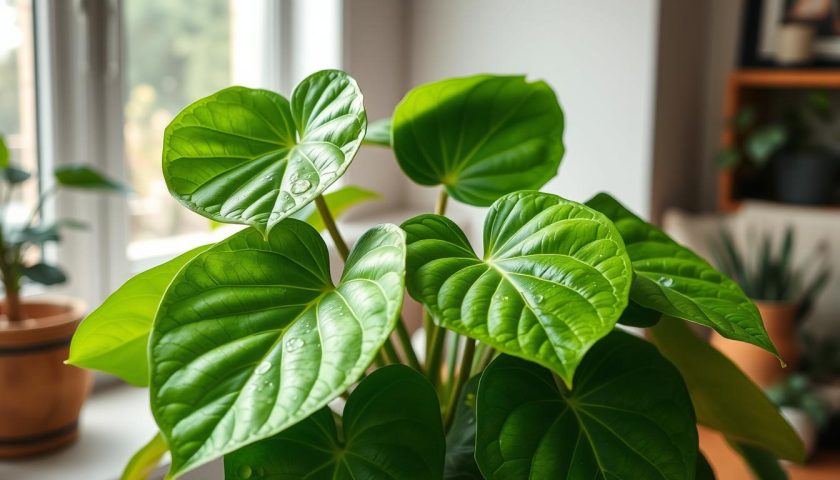
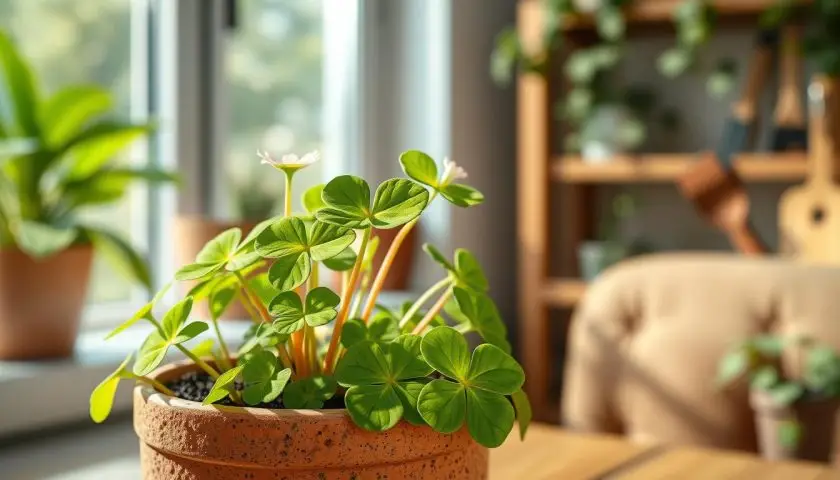
Shamrock plant care is simple once you know the plant’s rhythm: give it bright, indirect light, keep the soil barely moist while it is growing, and let it rest when the leaves die back. I am Sawera Shahid, a botanist at Patch Plants, and the most common worry I hear about this plant is that it has suddenly “died”. Usually it has not. Shamrock plants grow from small bulbs or tubers and go dormant from time to time, then regrow.
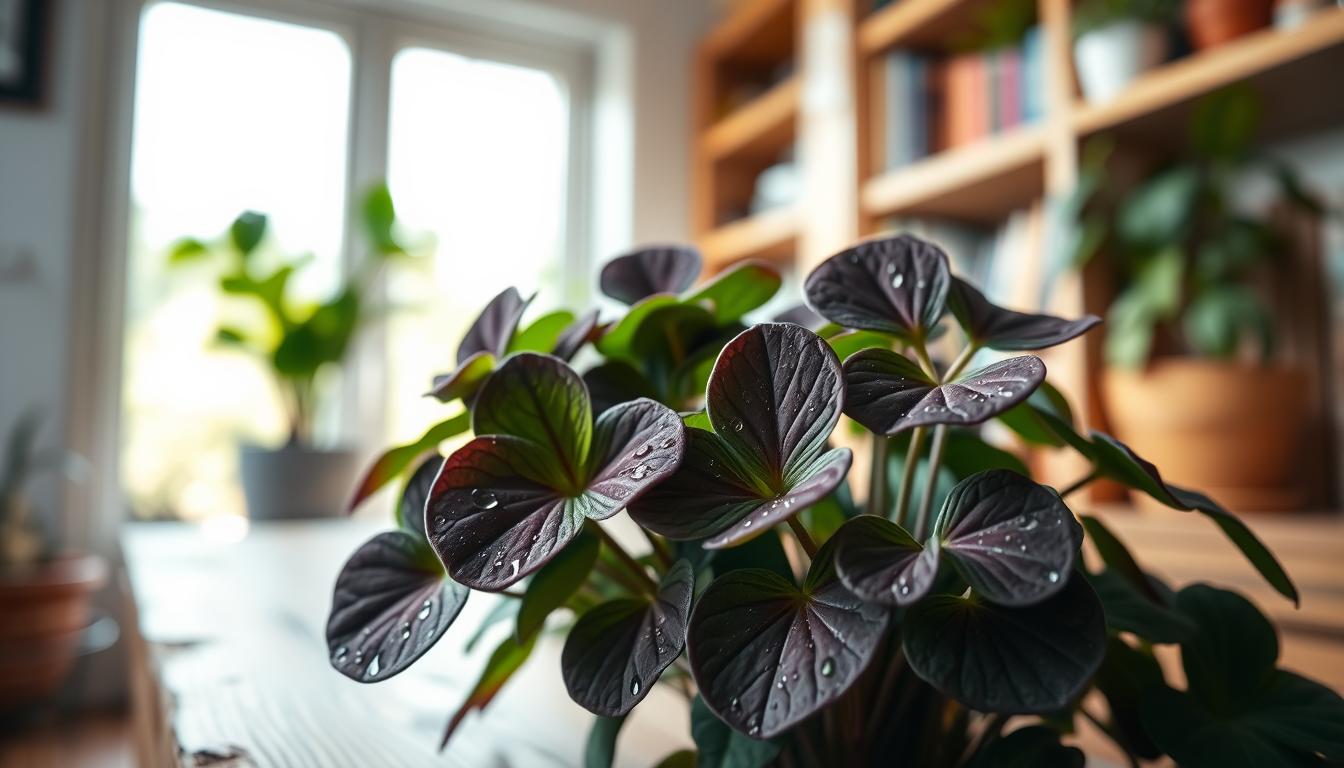
The plants sold as shamrocks are Oxalis, not true clover. The purple-leaved false shamrock, Oxalis triangularis, and the green or purple Oxalis regnellii are the ones most often grown indoors. This guide covers light, water, temperature, feeding, dormancy, repotting, division, pests and pet safety.
Shamrock Plant Care at a Glance
| Need | What Works |
|---|---|
| Light | Bright, indirect light, such as an east or west window |
| Water | Barely moist during growth; let the surface dry slightly between waterings |
| Temperature | About 60–75°F (16–24°C), with cooler nights |
| Soil | Well-drained, soilless potting mix |
| Feeding | Half-strength balanced feed every 3–4 weeks in active growth only |
| Dormancy | Normal; stop watering and rest the pot somewhere cool |
| Pets | Toxic to dogs, cats and horses (ASPCA) |
Why Shamrock Leaves Fold at Night
Shamrock leaves open in the morning and fold down in the evening or on dull days. This movement is called nyctinasty. University of Missouri Extension explains that specialised cells at the base of each leaf swell or shrink in response to light, which raises or lowers the leaflets. It is a normal daily movement, not a sign of thirst or illness. If the leaves stay folded during a bright day, check the soil and light before assuming anything is wrong.
Best Light for a Shamrock Plant
University of Missouri Extension recommends bright, indirect light, and says an east- or west-facing window suits the plant. Too little light leads to sparse, leggy growth and fewer flowers, while harsh direct sun can scorch the leaves. University of Wisconsin–Madison Extension also stresses that shamrocks need bright light to thrive indoors.
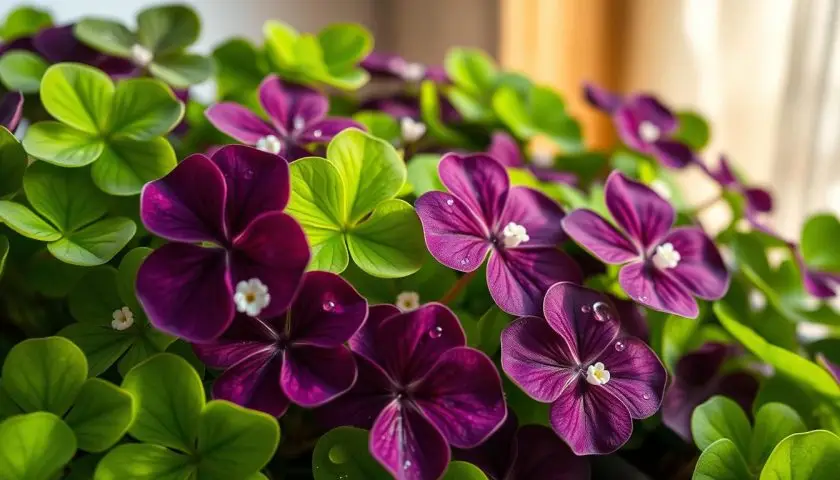
If your plant stretches toward the glass, move it closer to a bright window or add a plant light. Rotating the pot every week or two keeps growth even. For help reading the light in your rooms, see the complete guide to indoor light or our guide to grow lights for indoor plants.
How to Water a Shamrock Plant
Wisconsin Extension advises keeping the soil barely moist but not wet, and notes that most shamrocks tolerate slight drying between waterings. Missouri Extension adds that waterlogged soil can lead to root or tuber rot, so good drainage is essential.
- Check the top of the soil with your finger.
- Water when the surface has dried slightly, before the whole pot is dry.
- Water until it drains from the bottom, then empty the saucer.
- Reduce watering sharply when the plant starts to go dormant.
Yellow or drooping leaves with wet soil usually point to overwatering or poor drainage, according to Missouri Extension. Our guides to signs you are overwatering and the complete watering guide go into more detail.
Temperature, Humidity and Soil
Missouri Extension suggests average indoor temperatures of 60–75°F (about 16–24°C), cooler nights, and no prolonged heat. Wisconsin Extension recommends daytime temperatures no higher than 75°F, with nights 15–25 degrees cooler, especially while the plant is flowering. Normal household humidity is usually enough.
Use a well-drained potting mix in a pot with drainage holes. When replanting after dormancy, Wisconsin Extension suggests a well-drained soilless mix with the bulbs set just under the surface. For mixing your own, see the best soil mix guide.
Feeding a Shamrock Plant
Feed only while the plant is actively growing. Missouri Extension recommends a balanced, water-soluble fertiliser at half strength every three to four weeks, and no feeding during dormancy. Overfeeding will not make a resting plant wake up sooner. For more on fertiliser strength, read fertilizing indoor vs outdoor plants.
Shamrock Plant Dormancy: What to Do
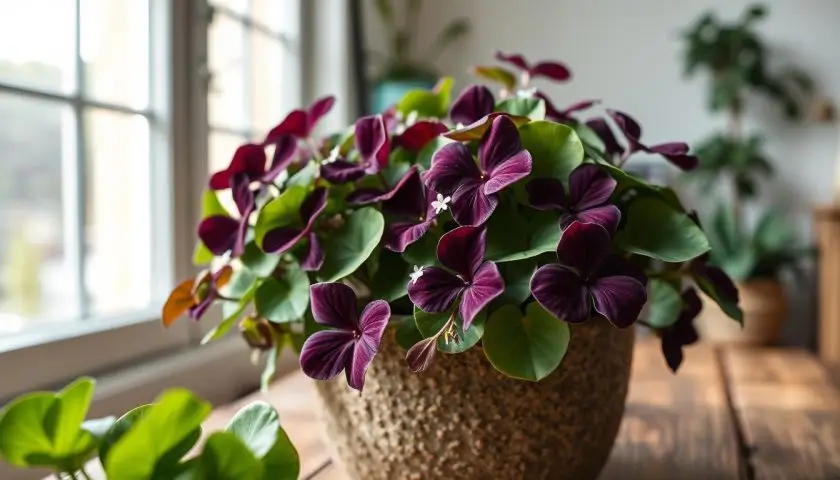
Dormancy is the part of shamrock plant care that surprises most people. Missouri Extension says shamrocks rest after flowering or under stress such as high heat or low light, and the leaves may yellow, droop or die back completely. Its advice is simple: do not throw the plant away.
How to rest the plant
- When the leaves start dying back, stop watering and let the foliage dry and brown.
- Remove the dead leaves.
- Move the pot to a cool, dark spot. Wisconsin Extension suggests 2–3 months for most shamrocks, but only about a month for purple-leaved types.
- Do not feed during this time.
How to wake it up
After the rest, return the pot to a bright window, start watering again and resume feeding once new shoots appear. This is also the best time to repot or divide. Wisconsin Extension notes that new growth should begin to emerge soon afterwards.
Repotting and Dividing
Wisconsin Extension recommends dividing shamrocks while they are dormant. The small bulbs separate easily and can be potted up in small groups. Set them just below the surface of fresh, well-drained mix, water lightly and place the pot in bright, indirect light. For general technique, see how to repot a plant and how to propagate houseplants.
Common Shamrock Plant Problems
| Problem | Likely Cause | Fix |
|---|---|---|
| Sudden leaf collapse | Usually dormancy, not disease | Stop watering and rest the plant |
| Yellow, drooping leaves with wet soil | Overwatering or poor drainage | Let the mix dry slightly; check drainage |
| Leggy growth, few flowers | Too little light | Move to a brighter spot, away from harsh midday sun |
| Wilting in warm weather | Heat stress, which can trigger dormancy | Move somewhere cooler |
| Sticky leaves, webbing or tiny insects | Aphids, whiteflies or spider mites | Rinse foliage or use insecticidal soap |
Wisconsin Extension mentions occasional aphids and whiteflies, and Missouri Extension lists aphids and spider mites. If you see fine webbing, our guide to spider mites on plants explains what to do next.
Is a Shamrock Plant Safe for Pets?
No. The ASPCA lists shamrock plant (Oxalis spp.) as toxic to dogs, cats and horses. Its toxic principle is soluble calcium oxalates, and listed signs include salivation, tremors and, rarely in dogs and cats, kidney failure. Keep the plant out of reach. If you think your pet has eaten part of one, contact your vet or the ASPCA Animal Poison Control Center at (888) 426-4435 (a consultation fee may apply). For safer choices, see how to make your plants cat-friendly.
Frequently Asked Questions
Why does my shamrock plant close at night?
Closing at night is a normal movement called nyctinasty. Cells at the base of each leaf respond to light, so the leaves fold down in the evening or on dull days and reopen in the morning.
Is my shamrock plant dead or dormant?
If the leaves die back but the bulbs or tubers in the pot are firm, it is most likely dormant. Stop watering, rest it somewhere cool and dark for about one to three months, then bring it back into bright light and water again.
How often should I water a shamrock plant?
There is no fixed schedule. Water when the surface of the soil has dried slightly, keep the mix barely moist during growth, and almost stop watering when the plant goes dormant.
Can a shamrock plant grow in low light?
It will survive for a while, but growth becomes sparse and leggy and it flowers less. Bright, indirect light from an east or west window gives the best results.
Is a shamrock plant toxic to cats and dogs?
Yes. The ASPCA lists Oxalis as toxic to cats, dogs and horses because it contains soluble calcium oxalates. Keep it out of reach of pets and call your vet if you suspect they have eaten it.
Final Thoughts
As a botanist, I find shamrocks rewarding because their behaviour makes sense once you know they grow from bulbs. They fold their leaves at night, rest when conditions turn hot or dim, and come back when you give them light and water again. Most failures happen because a dormant plant is thrown away or watered too much while it rests.
At Patch Plants, I write these guides to explain what a plant is doing, not just what to do, so you can respond with confidence. If you enjoy unusual leaf colour, you may also like our guide to colourful foliage plants or browse more indoor plant guides.
Sources: University of Wisconsin–Madison Extension, Shamrocks (Oxalis spp.); University of Missouri Extension, Shamrock plants; ASPCA, Shamrock Plant.

About the author
Sawera Shahid is a botanist with an MPhil in Botany and 5+ years of writing about plants. As founder and lead writer of Patch Plants, she writes practical, science-backed guides on indoor plants, outdoor gardens and plant problems, checked against RHS and university extension advice.