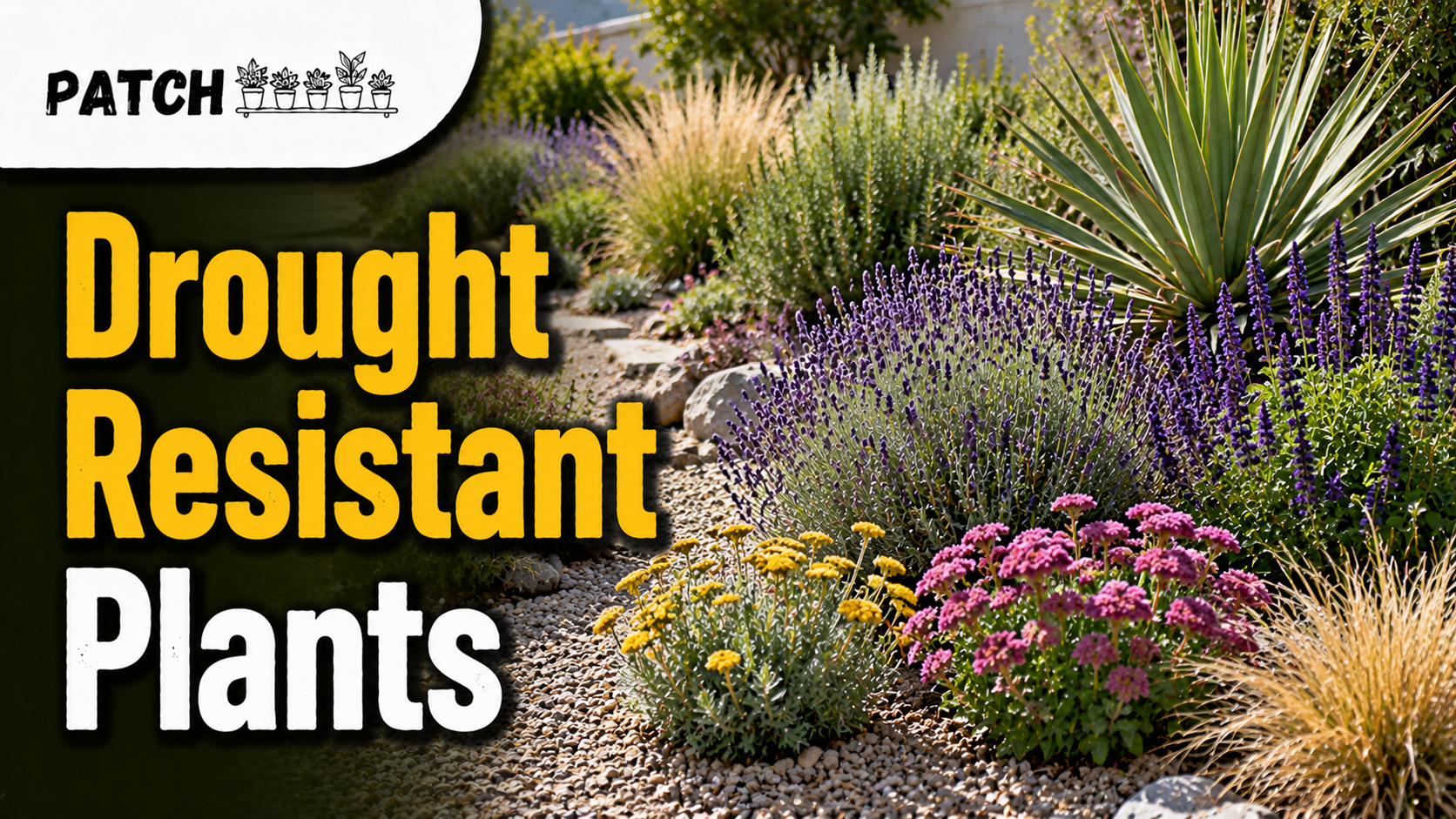
Key Takeaways Drought resistant plants help gardens stay colourful, structured, and healthy with less watering once the plants are established. The best drought resistant flowers include lavender, salvia, yarrow, verbena, California poppy, gazania, sea holly, and sedum. Reliable drought resistant shrubs include rosemary, santolina, artemisia, abelia, elaeagnus, bottlebrush, rock rose, and some drought tolerant evergreen bushes. Drought resistant container plants need free-draining compost, drainage holes, deep watering, and pots that do not trap water around roots. Waterwise gardening is not about never watering. It is about watering better, choosing the…
Category: Featured
Year-Round Balcony Plants That Handle Wind, Rain & Sun
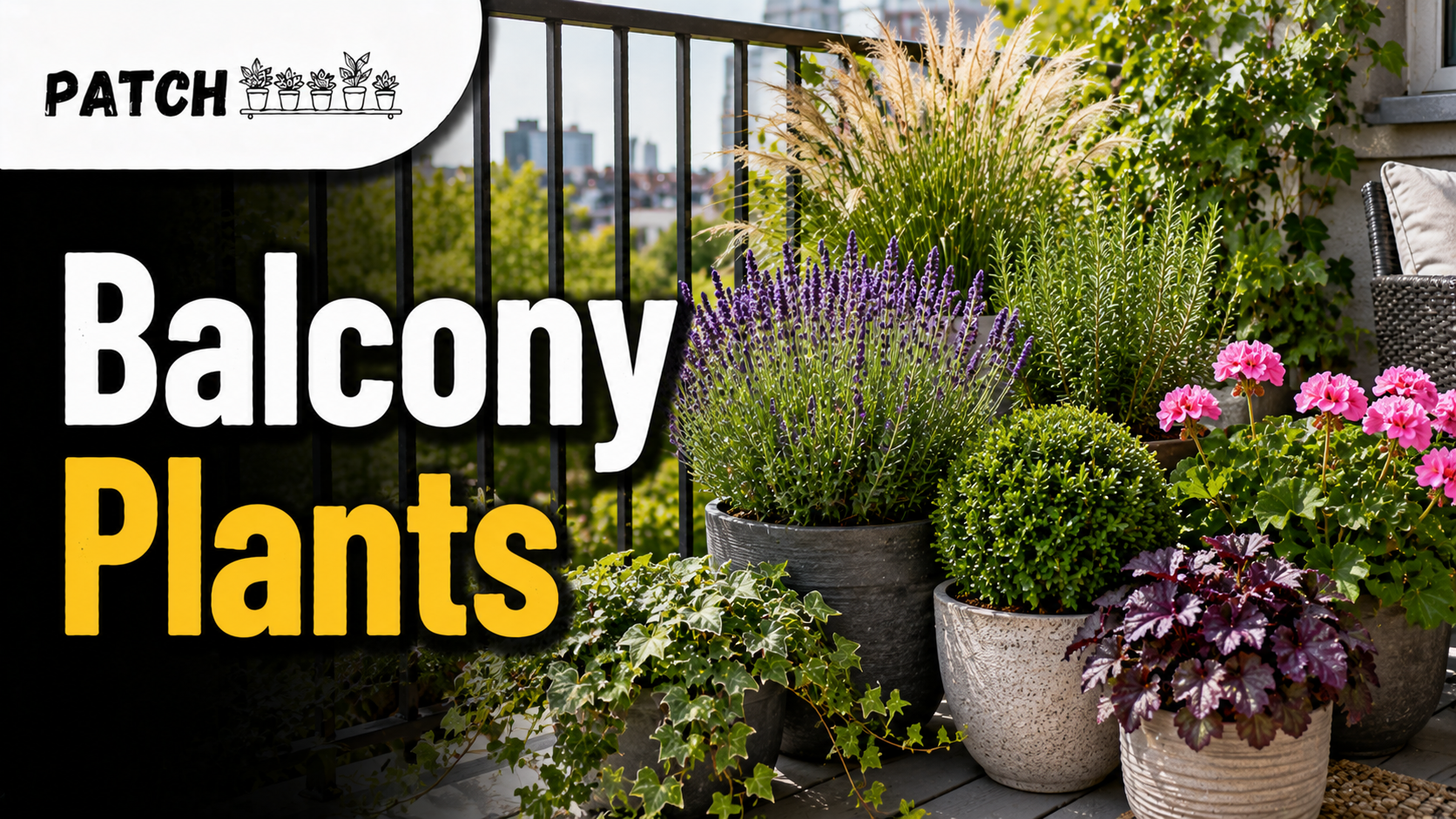
Key Takeaways Year round balcony plants need to handle more stress than ordinary garden plants because balconies face stronger wind, uneven rain, intense sun, and fast-drying pots. The best balcony plants include lavender, rosemary, boxwood, heuchera, ornamental grasses, sedum, dwarf conifers, ivy, geraniums, ferns, and hardy herbs. Balcony garden plants work best when you match them to exposure: full sun, shade, wind, rain, or sheltered corners. Balcony container plants need stable pots, drainage holes, good compost, and enough root space to survive changing weather. The best outdoor plants for balcony…
Best Low-Maintenance Outdoor Plants for Busy Gardeners
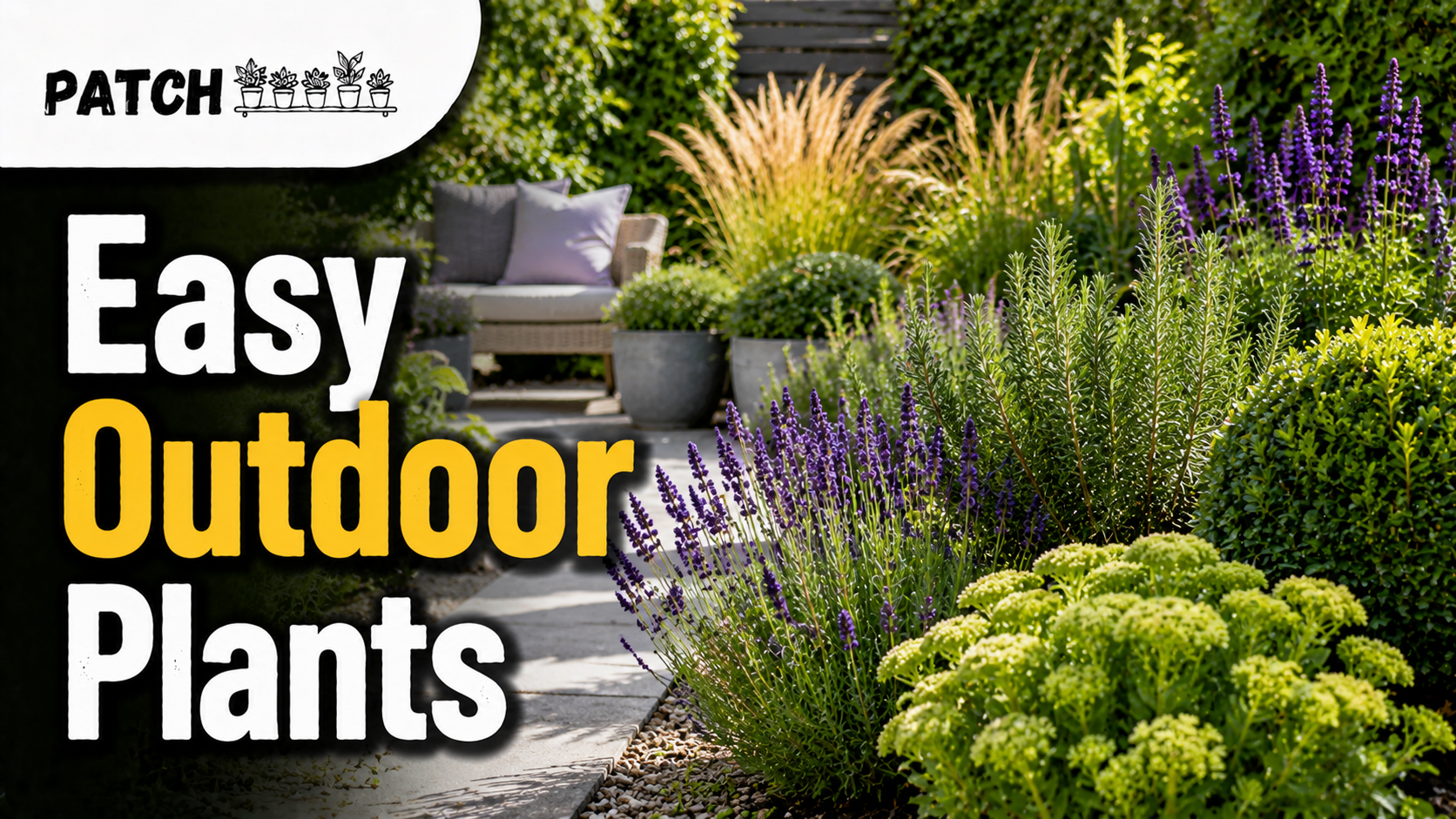
Key Takeaways Low maintenance outdoor plants are the best choice for busy gardeners who want a garden that looks good without constant watering, pruning, feeding, and replacing. The best easy care plants are usually hardy, drought-tolerant, pest-resistant, and suited to your actual light, soil, and weather. Reliable low maintenance shrubs include boxwood, skimmia, dwarf conifers, rosemary, lavender, euonymus, and pittosporum. Low maintenance perennials like sedum, yarrow, salvia, catmint, hardy geranium, and ornamental grasses return every year with very little fuss. Low maintenance patio plants need large pots, drainage holes, tough…
How to Keep Pests Away from Outdoor Plants
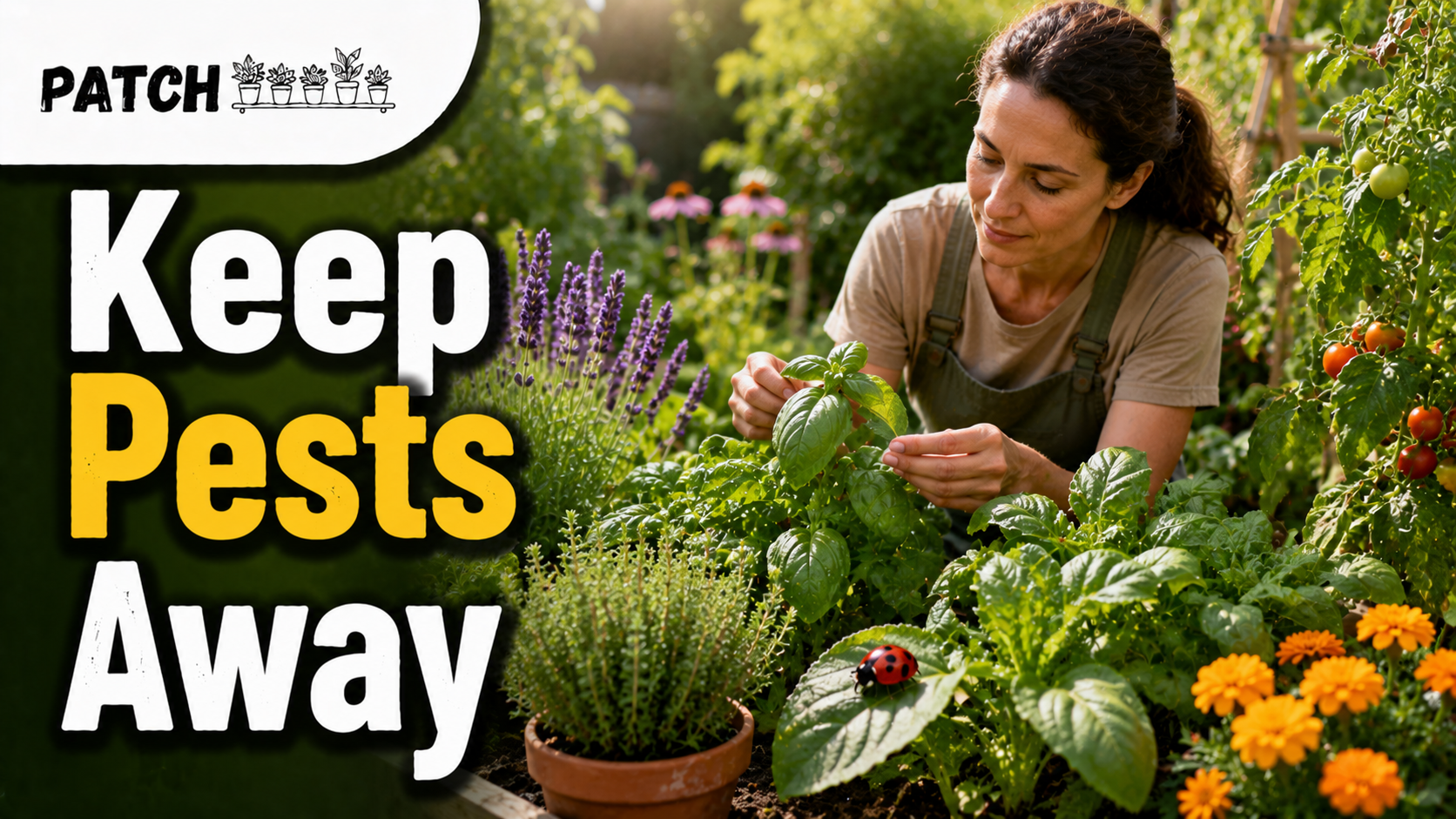
Key Takeaways Keep pests away by starting with prevention, not panic. Healthy soil, good airflow, correct watering, and clean pots reduce most outdoor pest problems. Garden pest prevention works best when you identify the pest first. Aphids, slugs, whiteflies, caterpillars, spider mites, and fungus gnats need different treatment. A natural bug spray for plants can help, but it should be tested on a small leaf area before spraying the whole plant. Natural bug repellent for garden use includes herbs, companion planting, barriers, beneficial insects, and gentle homemade sprays. Garden insect…
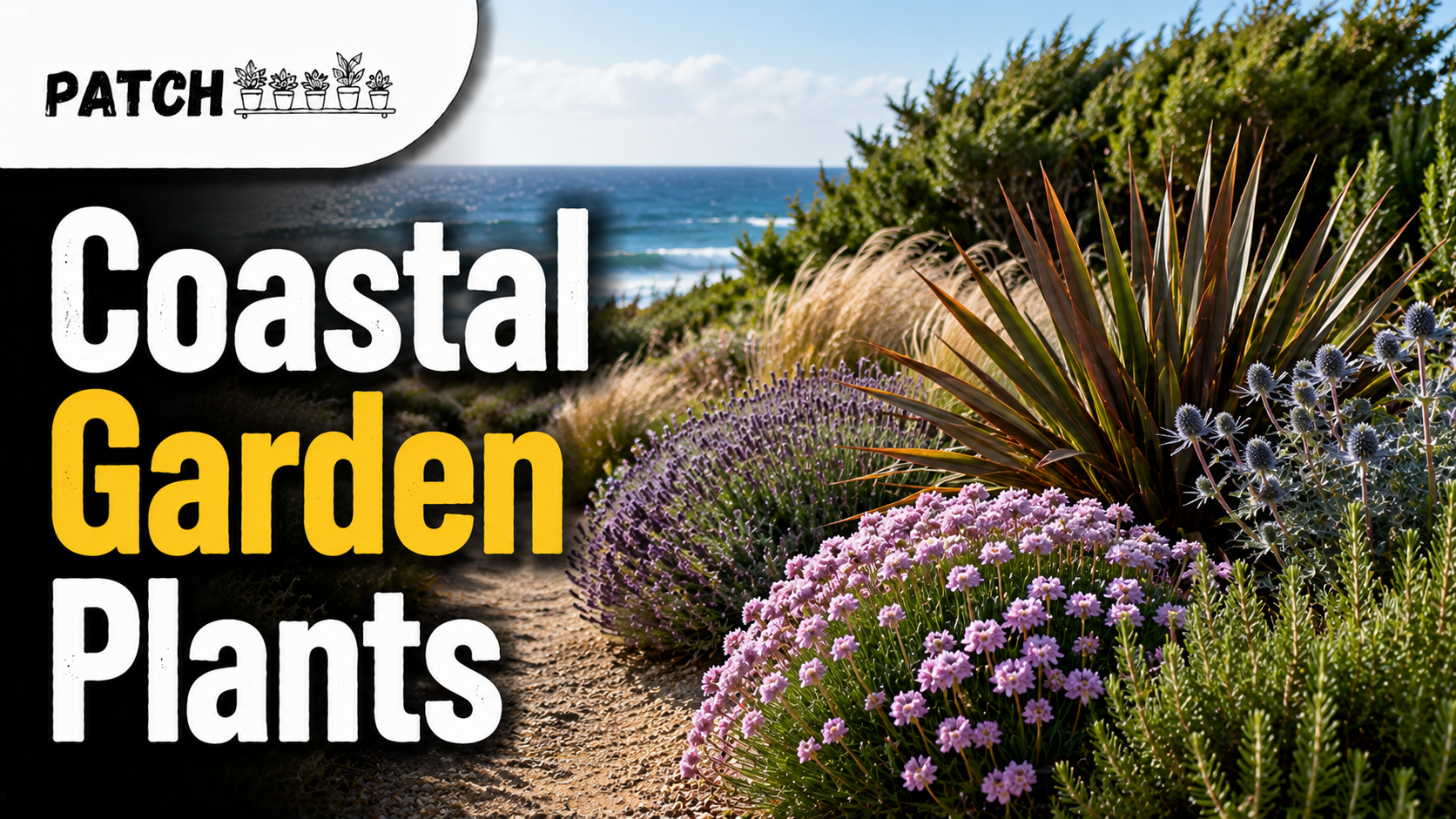
Best Outdoor Plants for Coastal and Windy Environments
Last Updated: October 1, 2026 The best coastal garden plants are species that can cope with strong wind, salt exposure, fast-draining soil, and periods of dryness. Good choices include sea thrift, sea holly, lavender, rosemary, New Zealand flax, Griselinia, Escallonia, Pittosporum, sea buckthorn, Tamarix, yarrow, Erigeron, yucca, selected ornamental grasses, and region-appropriate coastal shrubs. For the best results, combine tough plants for the beach with a permeable windbreak and choose each plant according to how exposed your garden actually is. Key Takeaways Coastal garden plants need to tolerate more than…
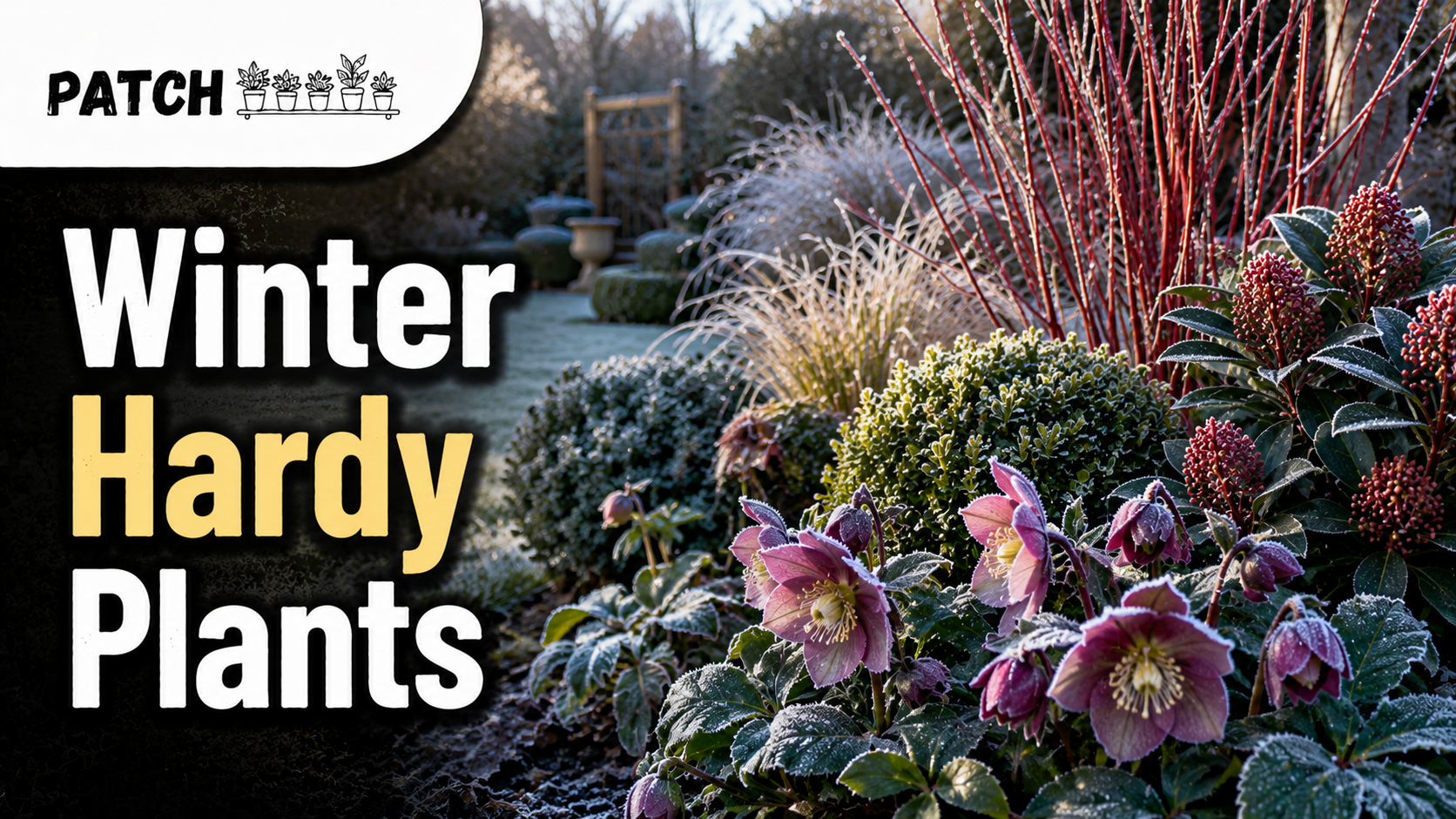
Outdoor Plants That Survive British Winters Without Fuss
Key Takeaways Outdoor plants that survive British winters need more than frost tolerance. They must cope with rain, wind, soggy soil, short days, and sudden temperature changes. The best plants that survive British winters include hellebores, boxwood, heuchera, winter jasmine, ornamental grasses, mahonia, dogwood, snowdrops, skimmia, and cyclamen coum. British winter plants work best when you combine evergreen structure, winter flowers, colourful stems, and cold hardy perennials. Hardy outdoor plants still need drainage. Many winter hardy plants fail in British gardens because their roots sit in wet soil for weeks.…
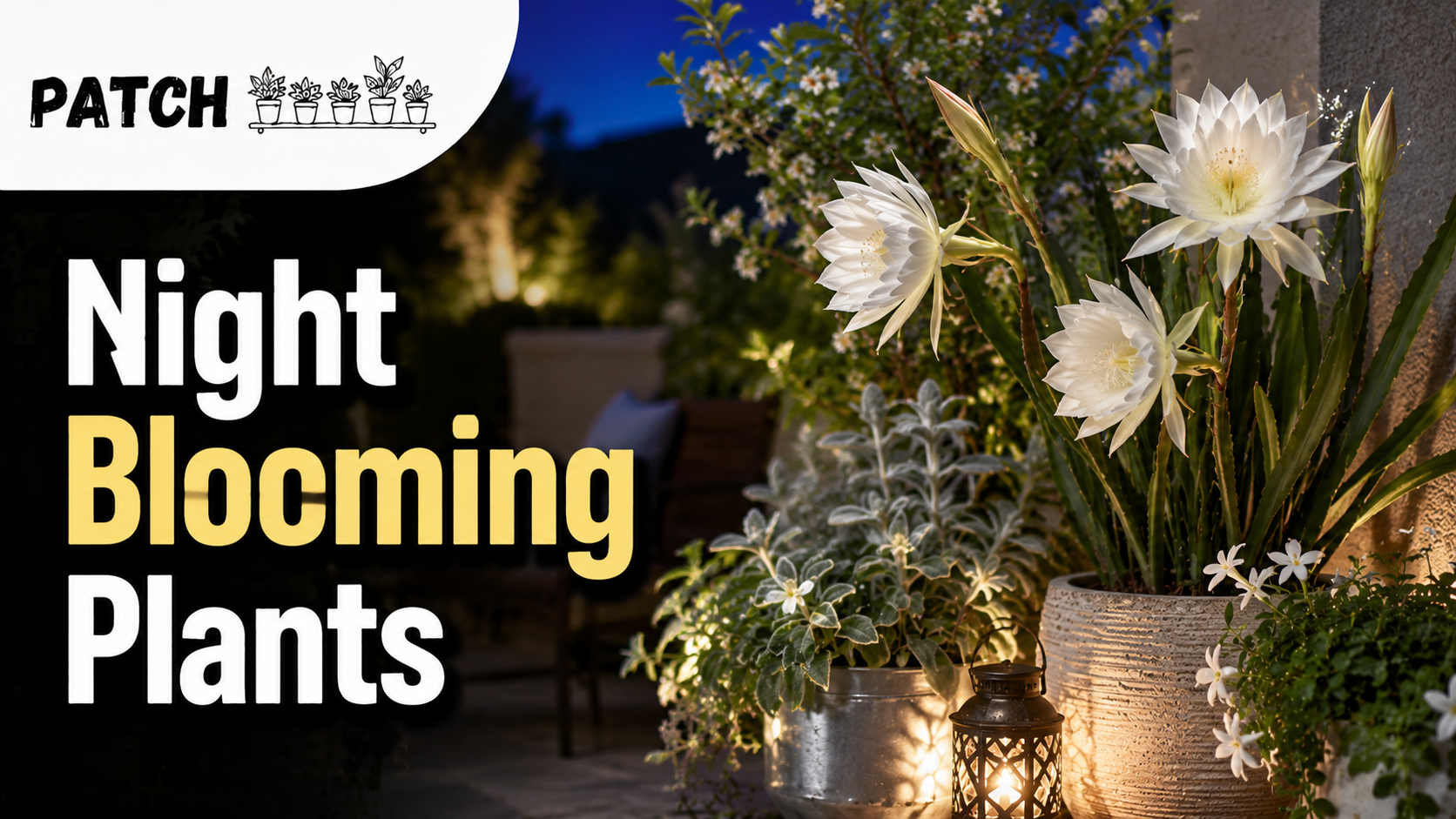
Plants That Bloom at Night: Create a Moon Garden
Key Takeaways Plants that bloom at night are ideal for moon gardens because their pale flowers, evening fragrance, and late-opening blooms make outdoor spaces feel alive after sunset. A moon garden works in a large garden, small patio, balcony, courtyard, or container display when you choose the right night blooming flowers and reflective details. Best moon garden plants include moonflower, night-blooming jasmine, evening primrose, tuberose, four o’clocks, night phlox, and nicotiana. White night flowering plants, yellow flowers that bloom at night, silver foliage, pale gravel, and soft warm lighting create…
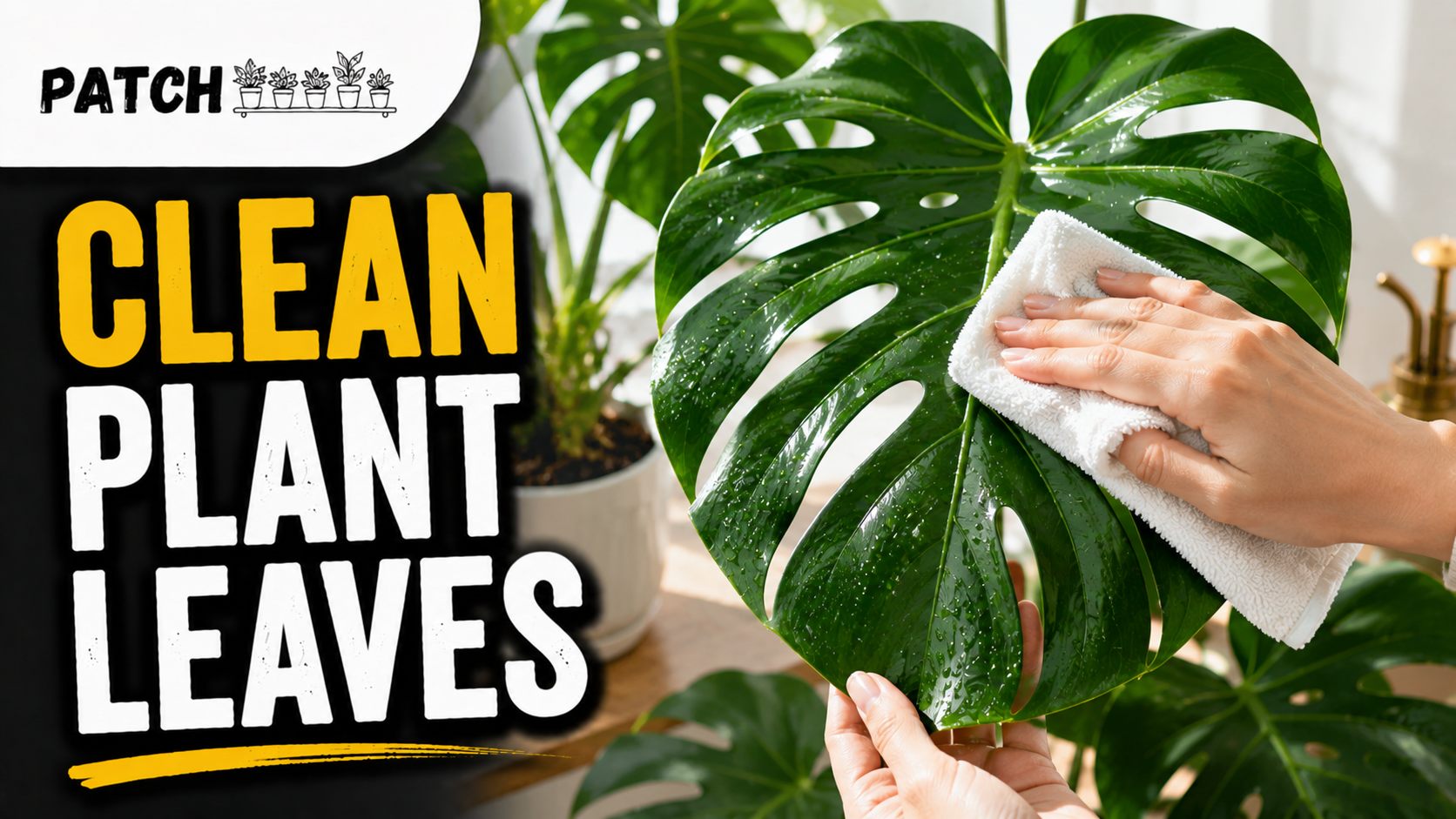
How to Clean Plant Leaves: The Complete Guide to Dust-Free, Shiny Foliage
Key Takeaways Cleaning plant leaves is not just cosmetic — dust blocks photosynthesis, clogs stomata, attracts pests, and slows plant growth significantly over time The best way to clean plant leaves is a soft damp microfiber cloth with lukewarm water — gentle, effective, and safe for almost all plant types Always support the leaf from underneath while wiping — never wipe without support as the weight of your hand can snap the leaf from the stem Clean both sides of every leaf — the underside is where dust, pest eggs,…
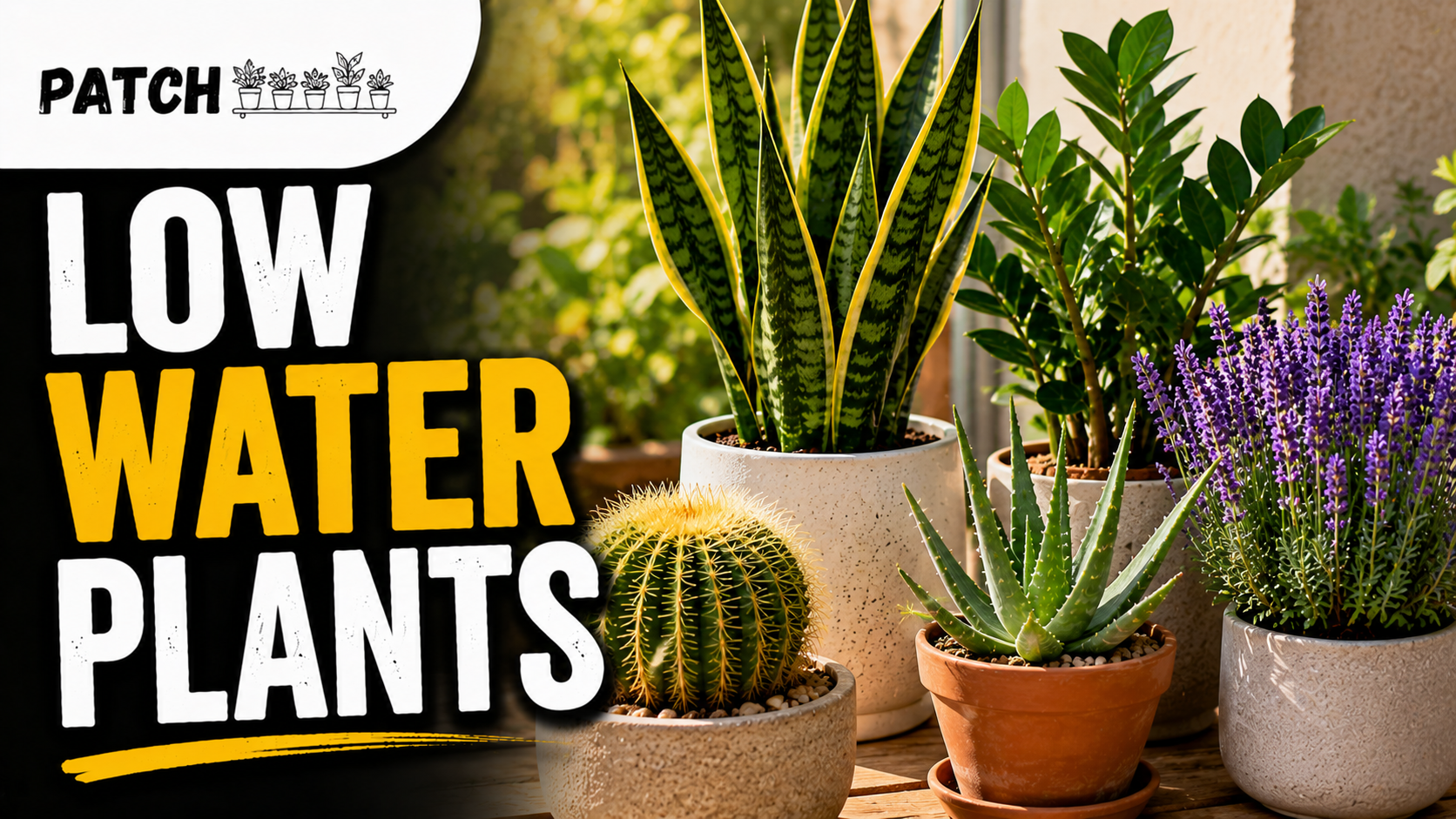
Hardy Plants That Survive on Minimal Watering: The Complete Guide
Key Takeaways Hardy drought-tolerant plants survive on minimal watering by storing water in leaves, stems, or roots — they are biologically designed for periods of drought The most drought-tolerant indoor plants include snake plant, ZZ plant, aloe vera, cacti, jade plant, pothos, and cast iron plant — all can go weeks to months between waterings The most drought-tolerant outdoor plants include lavender, rosemary, sedum, agave, yucca, ornamental grasses, Russian sage, and coneflower — all thrive with minimal supplementary watering once established Overwatering kills drought-tolerant plants more reliably than underwatering —…
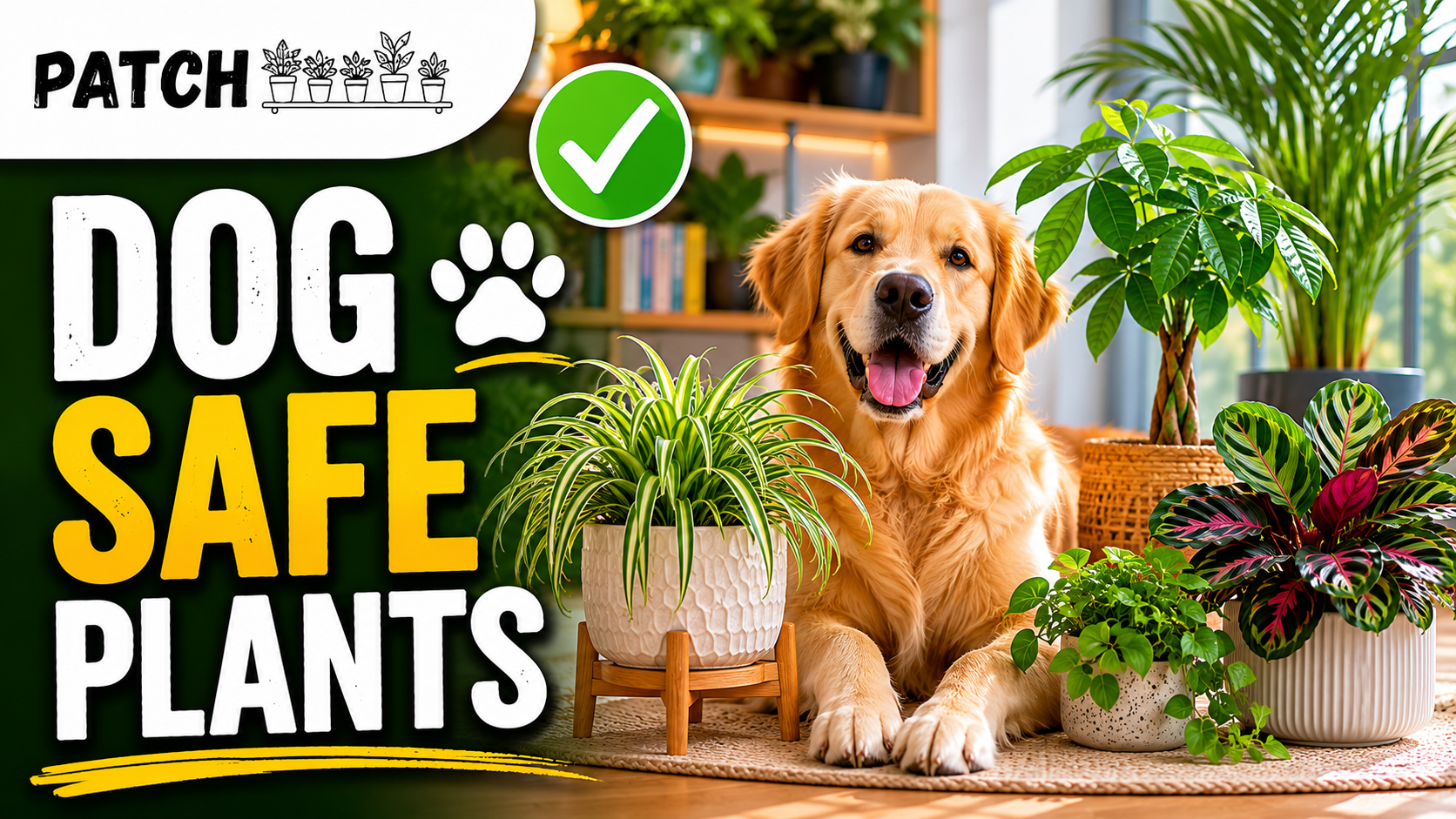
How to Make Your Plants Dog-Friendly: Safe Plants and Smart Strategies
Key Takeaways Many popular houseplants are toxic to dogs — pothos, philodendron, peace lily, aloe vera, monstera, and ZZ plant all cause symptoms ranging from mild stomach upset to serious illness The safest dog-friendly plants include spider plant, areca palm, calathea, Boston fern, money tree, Christmas cactus, parlour palm, and peperomia Dog-safe flowers include sunflowers, zinnias, roses (thorns removed), African violets, orchids, marigolds, and gerbera daisies Always verify plant safety against the ASPCA toxic plant database before bringing any new plant into a home with dogs Placement matters as much…