Shade-Loving Plants for Outdoor: Complete Guide to Plants That Thrive Without Full Sun

Shade-Loving Plants for Outdoor - Complete Guide to Plants That Thrive Without Full Sun
🌿 Key Takeaways Shade loving plants thrive in dappled, partial, or full shade — making them perfect for north-facing gardens, under trees, along walls, and in areas that receive less than 3 hours of direct sun daily Perennials shade loving plants are the most rewarding long-term investment for shaded gardens — hostas, astilbe, hellebores, and ferns return year after year with minimal care Shade loving plants for containers and potted shade loving plants include begonias, impatiens, fuchsias, and ferns — all delivering color and texture in shaded patio and balcony…

Monstera Plant Care Guide: Complete Indoor Care for Every Monstera Variety

Monstera Plant Care Guide: Complete Indoor Care for Every Monstera Variety

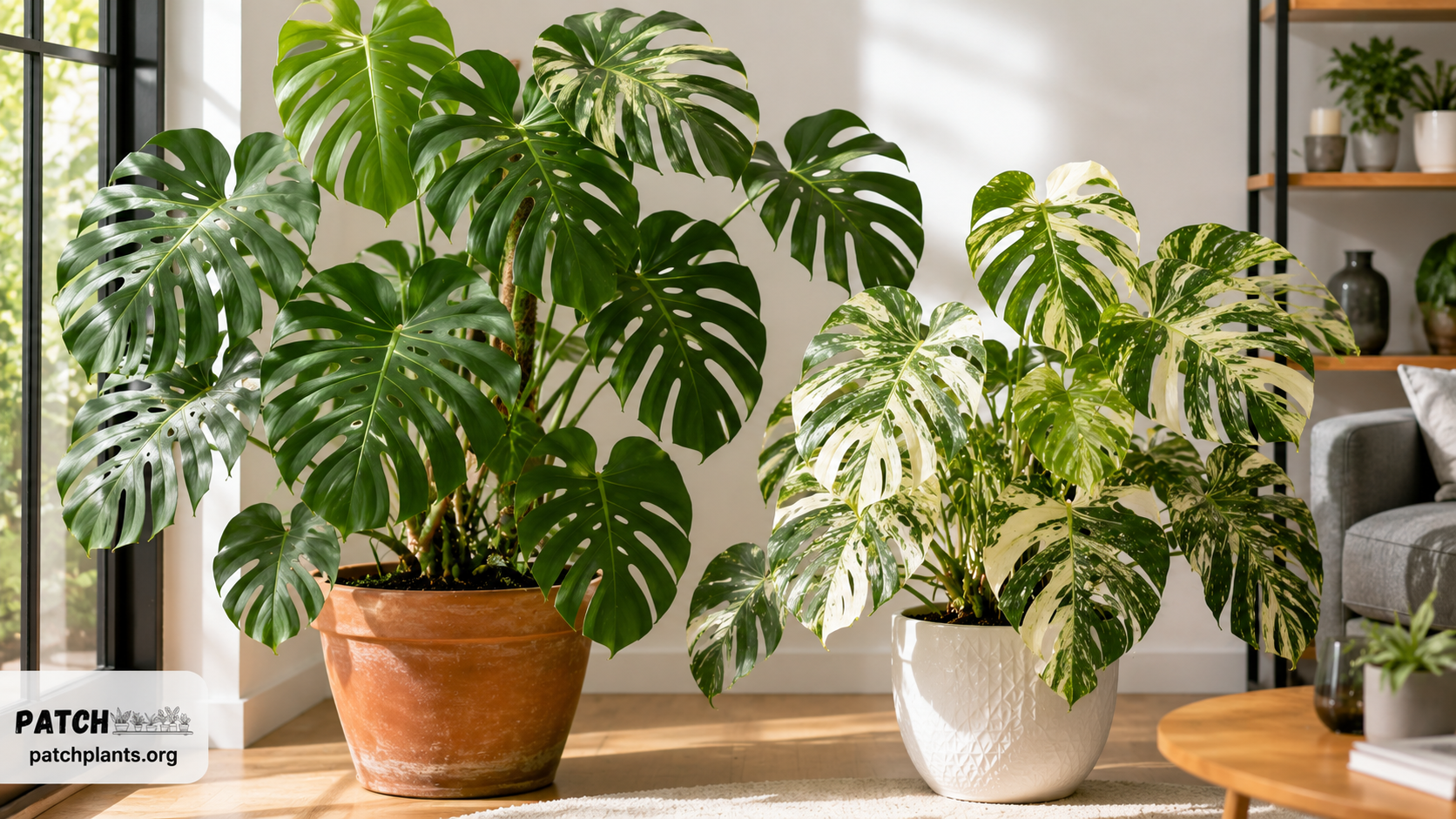
🌿 Key Takeaways Monstera plant care centers on three rules — bright indirect light, water only when top 2 inches dry, and well-draining potting mix with perlite Monstera care for beginners is genuinely accessible — Monstera deliciosa is one of the most forgiving large tropical plants available for indoor growing Monstera deliciosa care requires bright indirect light to develop the iconic fenestrations (natural leaf holes) that make this plant so visually dramatic Monstera adansonii care needs higher humidity than deliciosa — its smaller, hole-filled leaves lose moisture faster and benefit…

Complete Guide to Watering Plants: Tips for Healthy, Thriving Plants Year-Round

Complete Guide to Watering Plants - Tips for Healthy, Thriving Plants Year-Round

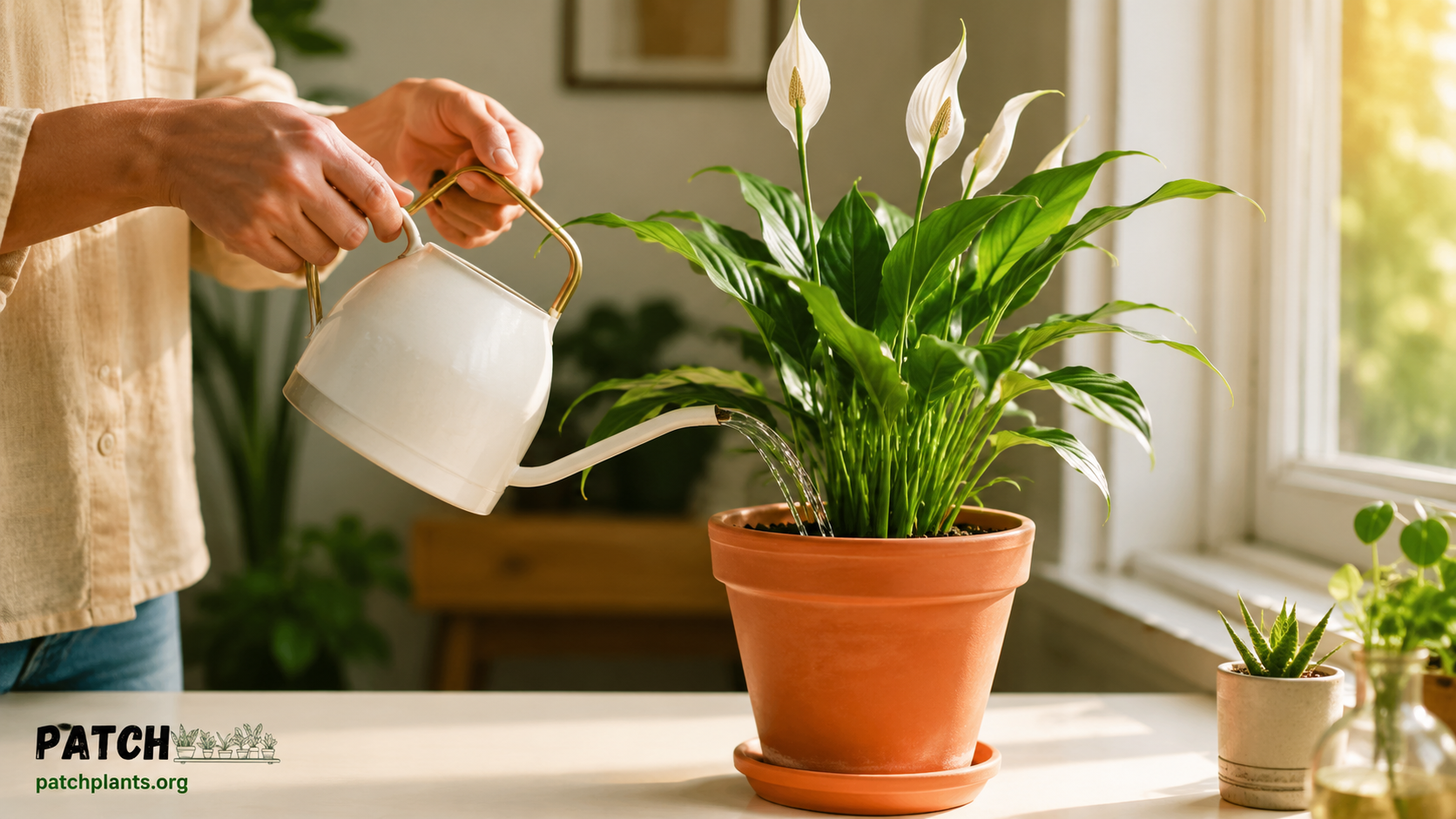
🌿 Key Takeaways How often to water plants depends on plant type, pot size, season, and humidity — never water on a fixed schedule without checking soil first Best times to water plants is always morning — cooler temperatures reduce evaporation and morning moisture dries before evening, preventing fungal disease Is it ok to water plants at night? No — evening watering leaves moisture on leaves and soil overnight, promoting fungal growth and root rot Watering plants on vacation requires planning — self-watering pots, wicking systems, or asking a plant-sitter…

ZZ Plant Care Guide: Complete Indoor Care for Every ZZ Plant Variety

ZZ Plant Care Guide: Complete Indoor Care for Every ZZ Plant Variety

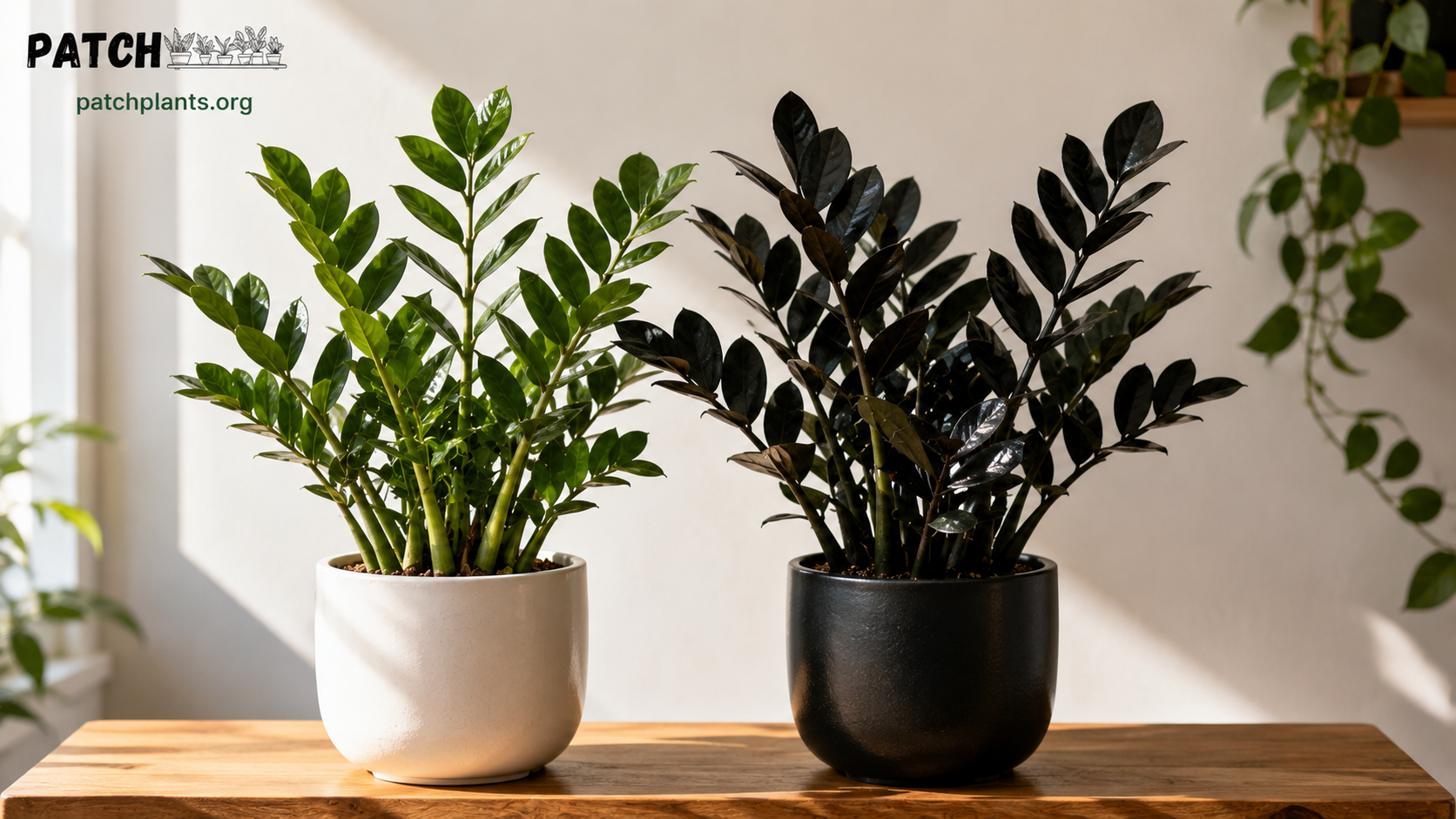
🌿 Key Takeaways ZZ plant care is genuinely beginner-friendly — Zamioculcas zamiifolia tolerates drought, low light, neglect, and inconsistent care better than almost any other houseplant available How to care for ZZ plant follows three simple rules — water only when the entire pot feels dry, provide low to bright indirect light, and never let roots sit in standing water ZZ plant care indoors centers on one critical principle: this plant stores water in underground rhizomes and will rot rapidly if overwatered — restraint is always the correct approach Raven…

12 Best Indoor Gardening Systems: Complete Guide to Growing Food Indoors Year-Round

12 Best Indoor Gardening Systems: Complete Guide to Growing Food Indoors Year-Round

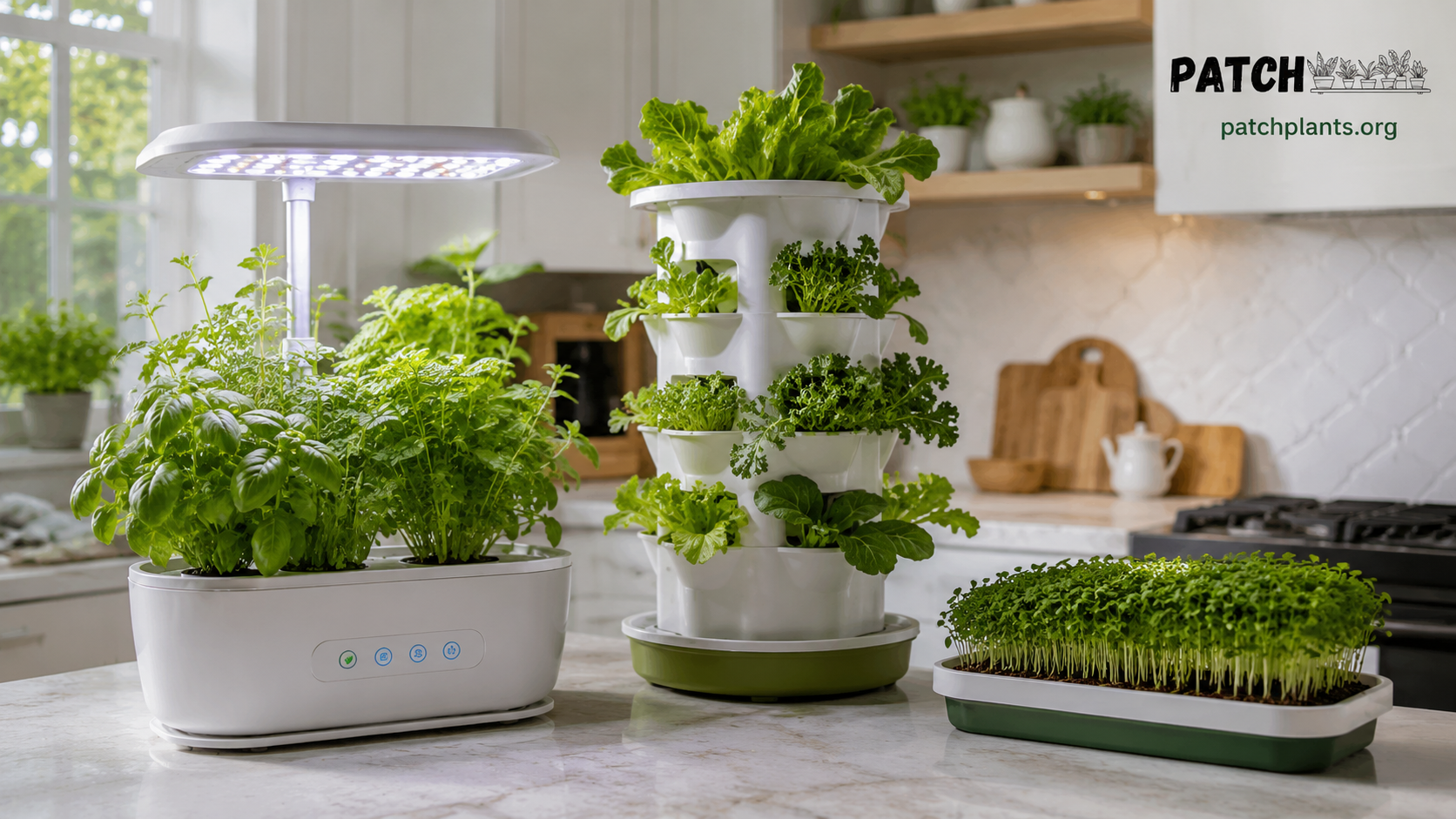
🌿 Key Takeaways Indoor gardening systems — from hydroponic kits to smart gardens — make it possible to grow fresh herbs, vegetables, and microgreens year-round regardless of outdoor space or season How to grow vegetables indoors successfully requires three elements — adequate light (LED grow lights), consistent moisture (automated or self-watering systems), and the right nutrients (hydroponic solution or quality soil) Growing herbs indoors is the easiest entry point for beginners — basil, mint, chives, and parsley all thrive in compact indoor herb garden systems with minimal maintenance Indoor vegetable…

Best Indoor Plants for Beginners: 25 Easiest Houseplants That Actually Thrive

Best Indoor Plants for Beginners: 25 Easiest Houseplants That Actually Thrive

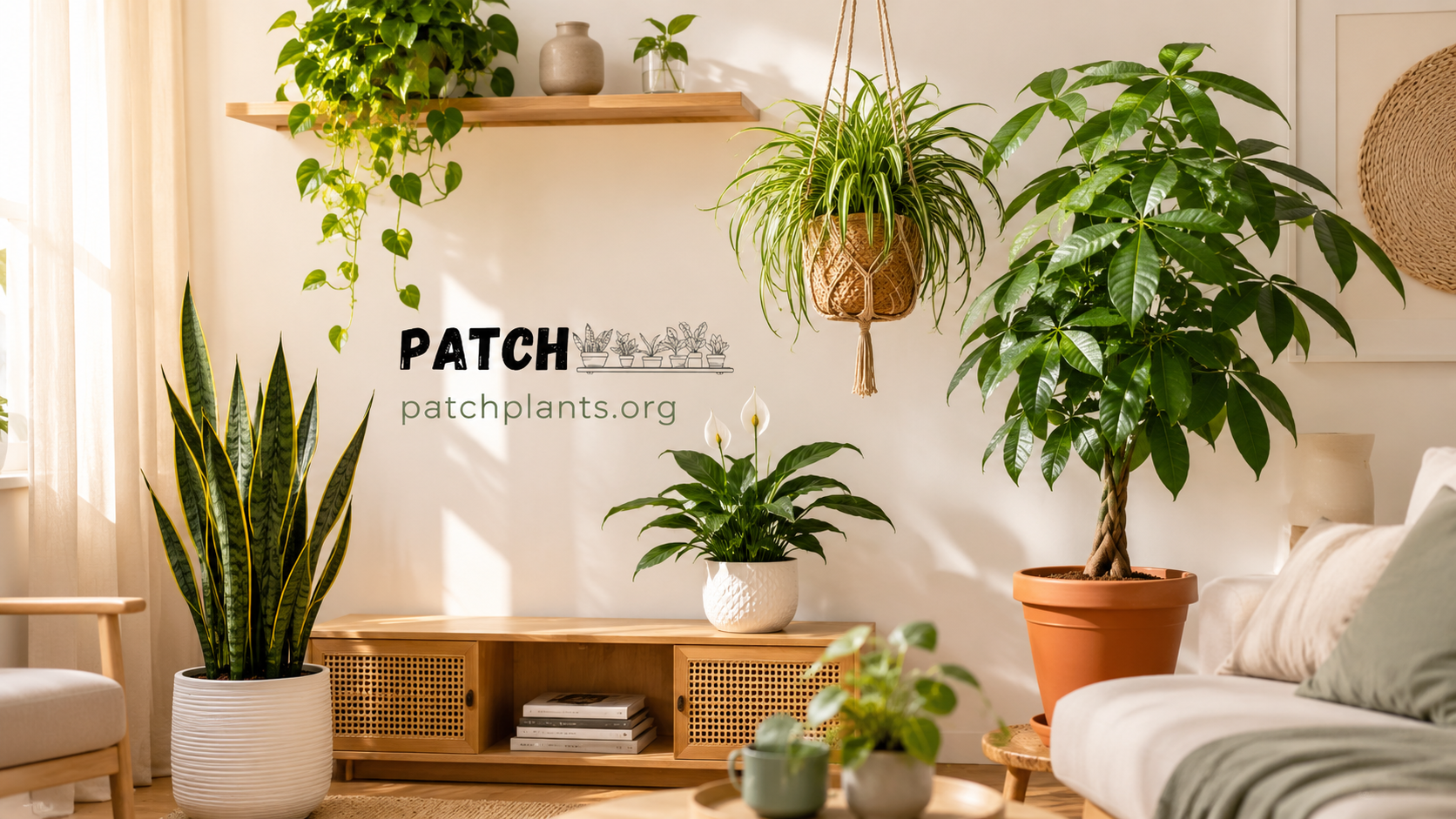
🌿 Key Takeaways Best indoor plants for beginners are those that tolerate irregular watering, low light, inconsistent humidity, and the occasional period of neglect — the top choices include snake plant, pothos, peace lily, ZZ plant, and spider plant Best indoor plants for beginners low light include snake plant, ZZ plant, pothos, and peace lily — all thrive in positions that would kill most other houseplants Best indoor plants for beginners with cats must be non-toxic — spider plant, calathea, Boston fern, and orchids are beautiful, easy to grow, and…

How to Design a Wildlife-Friendly Garden Even in Small Yards

How to Design a Wildlife-Friendly Garden Even in Small Yards

🌿 Key Takeaways A wildlife-friendly garden does not require large space — even a balcony, courtyard, or small front yard can support bees, butterflies, and birds with the right plant choices Native plants are the single most effective foundation of any wildlife-friendly garden — they provide food and shelter perfectly matched to local species without requiring chemical support Sustainable gardening and wildlife support are the same goal — reducing chemicals, composting, conserving water, and choosing native plants all benefit both the garden and the creatures that depend on it Pollinator…

Pothos Plant Care Guide: Complete Indoor Care for Every Pothos Variety

Pothos Plant Care Guide: Complete Indoor Care for Every Pothos Variety

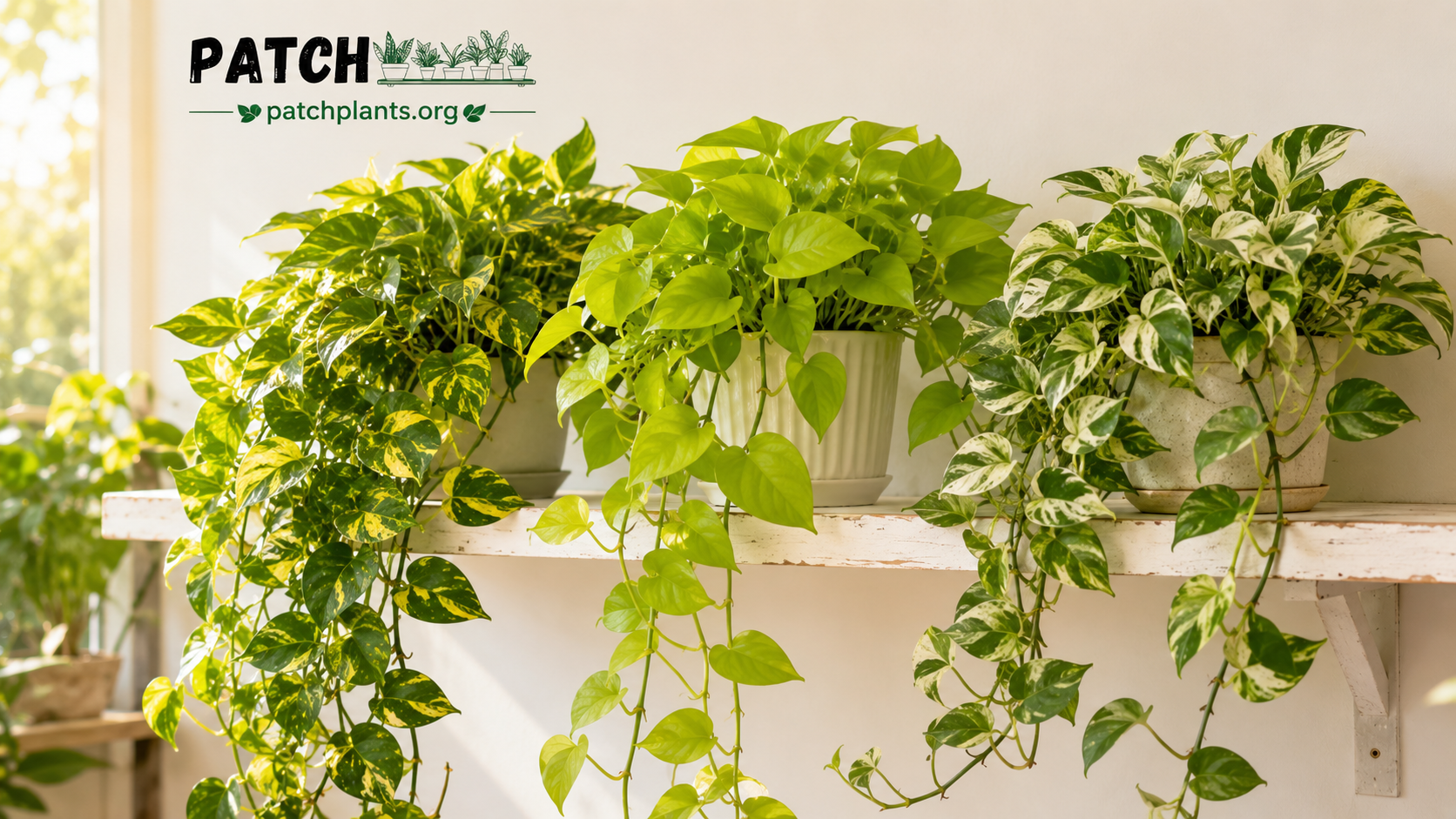
🌿 Key Takeaways Pothos plant care is genuinely beginner-friendly — this trailing vine tolerates low light, irregular watering, and neglect better than almost any other houseplant available Golden pothos care requires bright indirect light for the most vivid yellow-green variegation — in low light, leaves revert to solid green Neon pothos care needs brighter light than most varieties to maintain its electric lime-green coloration — the brightest indirect light available in your home Satin pothos care (Scindapsus pictus) differs from true pothos — it prefers slightly more humidity and less…

Should You Talk to Your Plants? The Science Behind It

should you talk to your plants

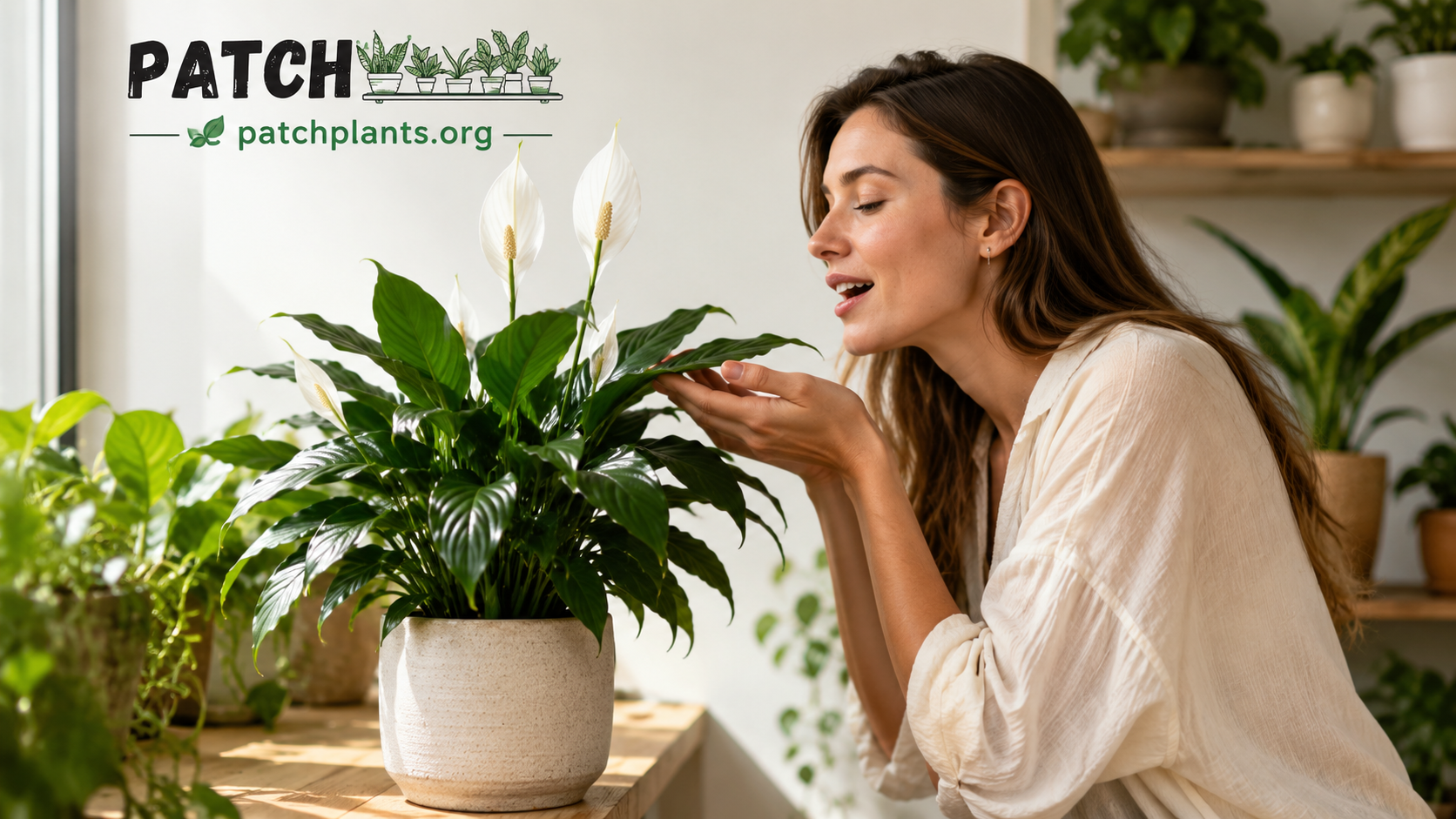
Last Updated: September 28, 2026 Quick Answer: Should you talk to your plants? You certainly can, but science does not show that plants understand human words or conversations. What researchers have found is more interesting: plants can respond to mechanical stimuli, including certain sound vibrations under controlled conditions. Talking to your plants may also have a practical benefit because it encourages you to look closely at leaves, soil, new growth, pests, and other signs of plant health. Key Takeaways Should you talk to your plants? Yes, if you enjoy it,…

How to Repot a Plant: Complete Step-by-Step Guide for Every Houseplant

How to Repot a Plant Complete Step-by-Step Guide for Every Houseplant

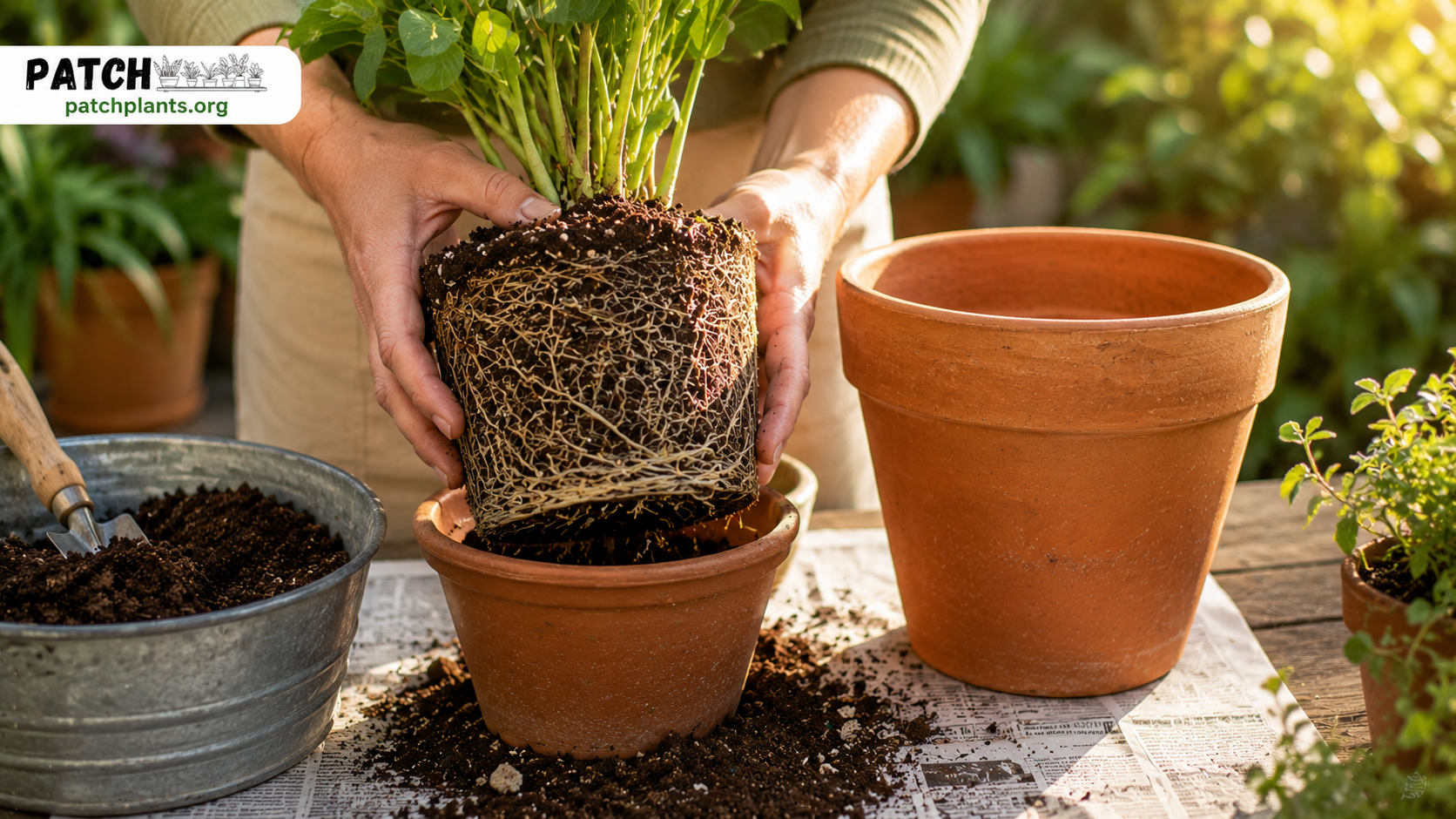
🌿 Key Takeaways How to repot a plant correctly — water 24 hours before, choose a pot 2–3cm wider, use fresh potting mix, inspect roots, and wait 48 hours before first post-repot watering Signs plant needs repotting include roots emerging from drainage holes, soil drying within 2 days of watering, stunted growth, and a plant that becomes unstable or top-heavy Root bound plant symptoms — circling roots, cracked pots, and water running straight through without absorbing — indicate immediate repotting is needed Best time to repot plants is early spring…