Repotting Mistakes to Avoid — And When NOT to Repot at All
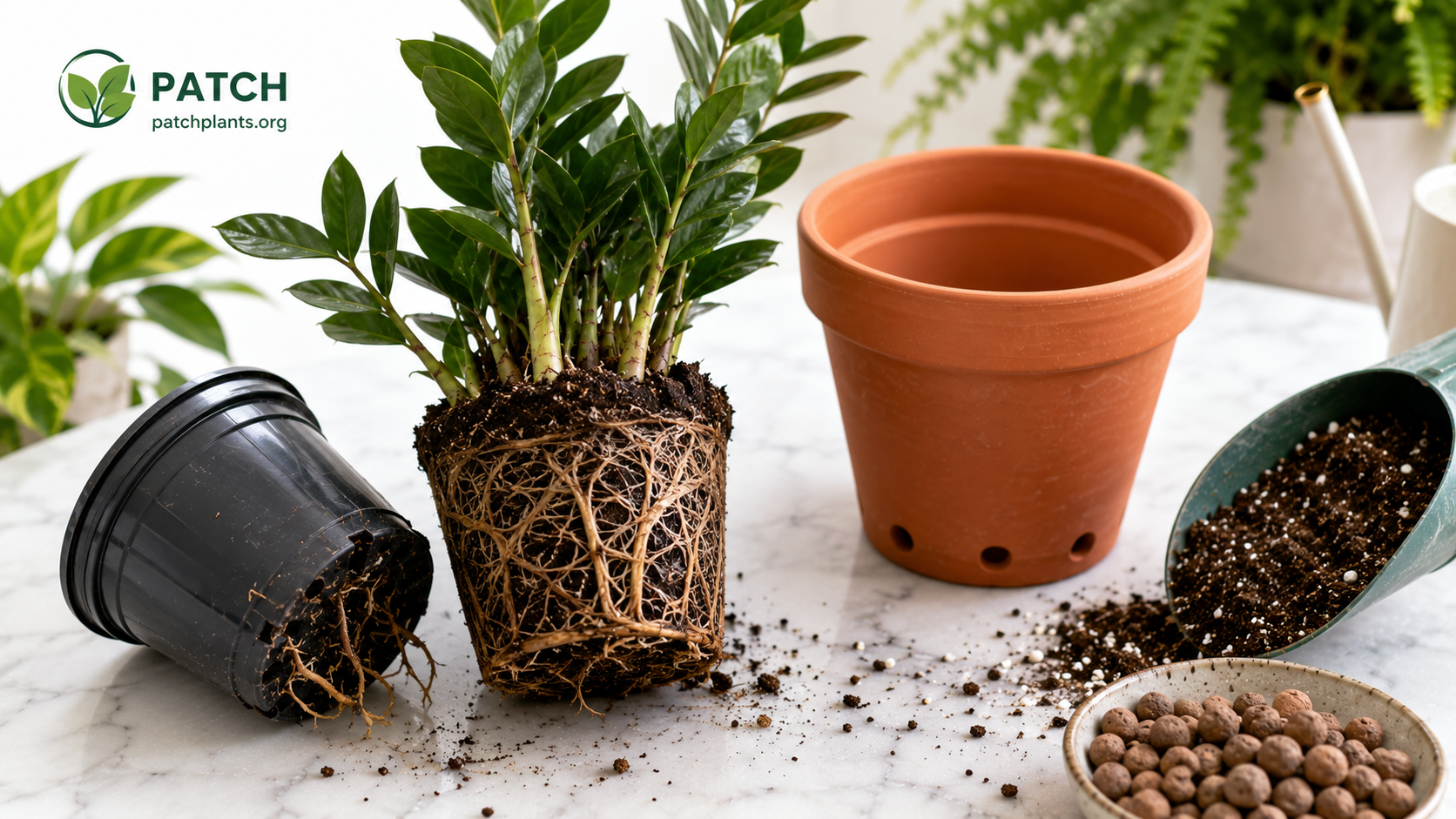
Repotting Mistakes to Avoid — And When NOT to Repot at All
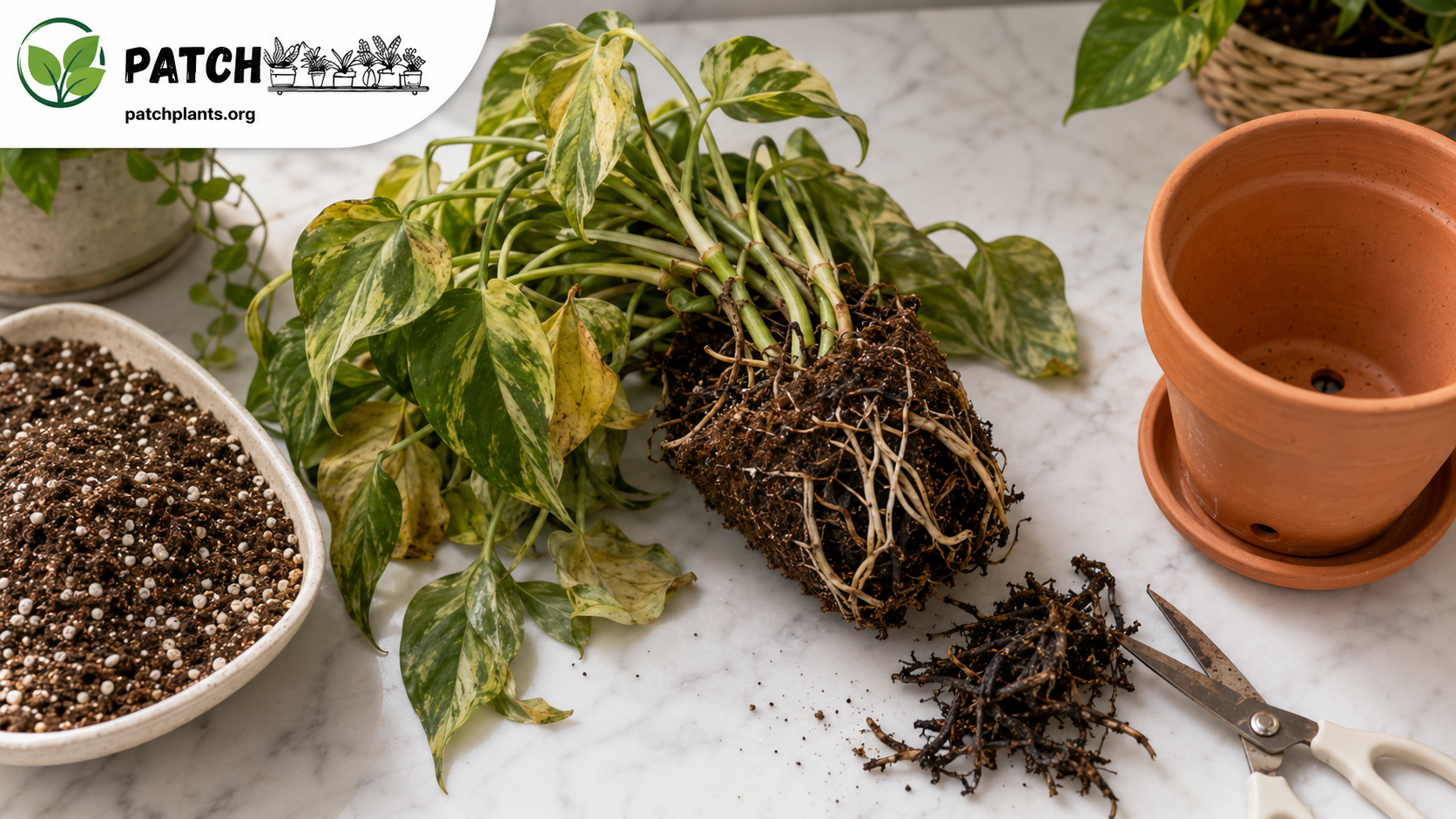
The most common repotting mistakes are choosing a pot that is far too big, repotting at the wrong time (winter or while the plant is flowering), using the wrong potting mix, damaging the roots, and repotting a plant that is already stressed or doesn’t need it. Most houseplants only need repotting when roots fill the pot, ideally in spring, into a pot just 2–5 cm (1–2 inches) wider, with fresh mix suited to the plant. Repotting should give a crowded plant fresh space and new soil. Done at the wrong…

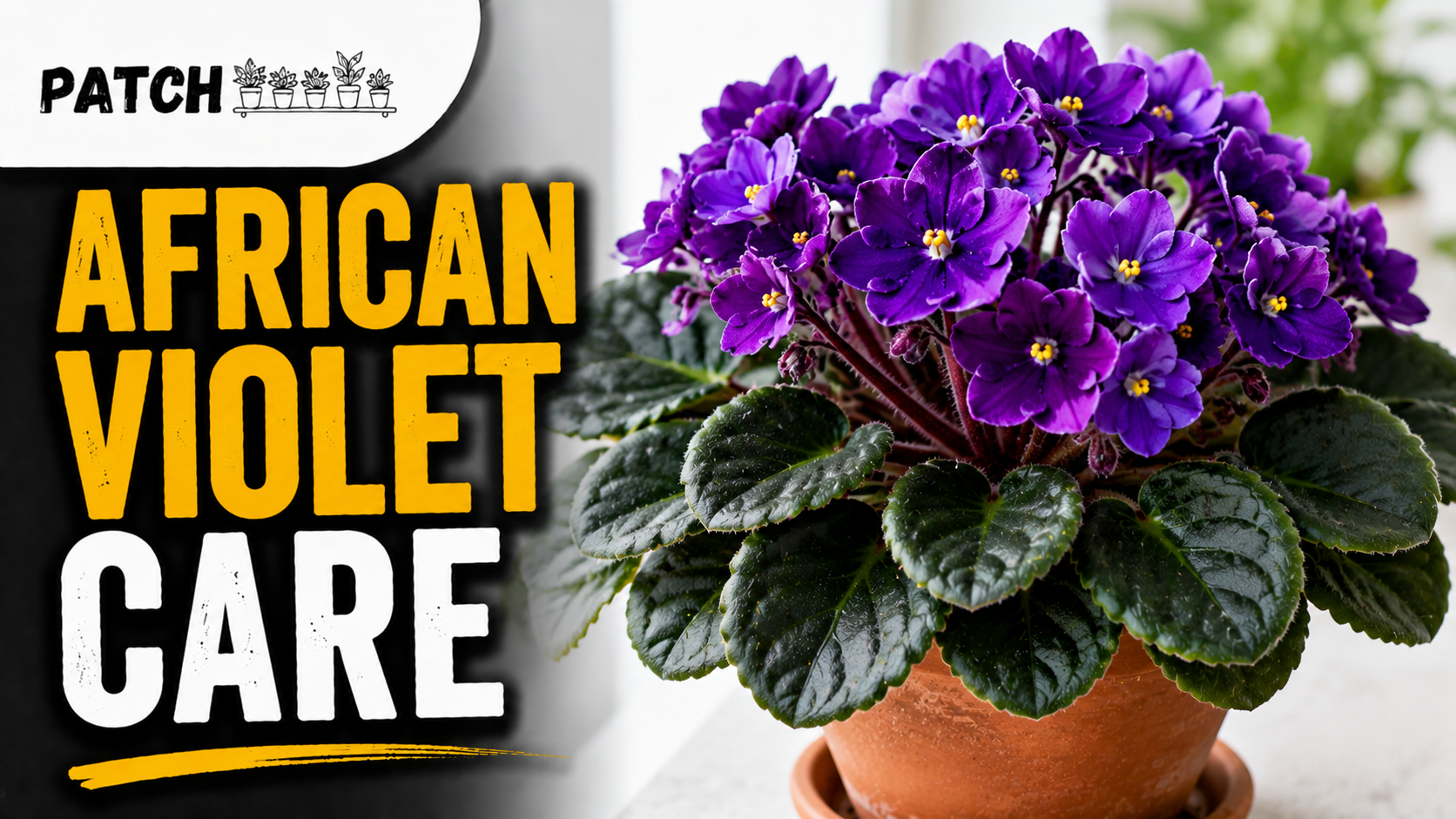
African Violet Care Guide: How to Grow Saintpaulia Indoors

African Violet Care Guide - Watering, Light, Soil & Problems

African violet care comes down to five things: bright, indirect light from an east- or north-facing window, watering with room-temperature water when the top 2–3cm of soil is dry, keeping water off the fuzzy leaves, steady warmth of about 18–27°C, and light, regular feeding. Get those right and African violets (Saintpaulia) can flower almost all year. This guide covers light, watering, soil, feeding, repotting, propagation and the most common African violet problems, from no flowers to leaf spots. Patch Plants guides are written by Sawera Shahid, a botanist with an…

Humidity Hacks: 10 Ways to Keep Your Plants Happy Without a Humidifier

Humidity Hacks: 10 Ways to Keep Your Plants Happy Without a Humidifier

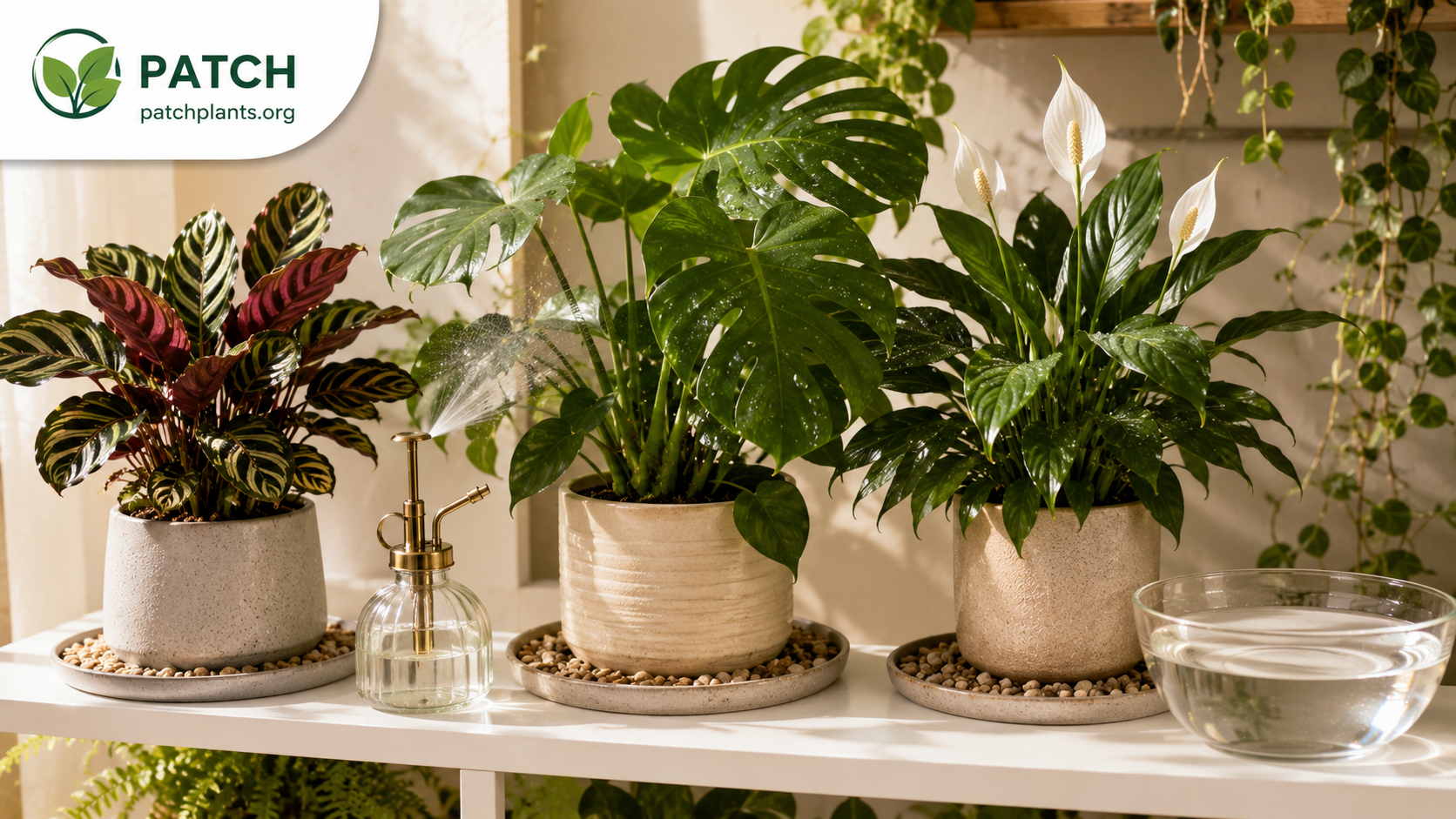
The best humidity hacks for plants without a humidifier are moving humidity lovers away from radiators and draughts, grouping plants together, placing them in a bright bathroom or kitchen, and growing the fussiest ones under glass in a terrarium, cabinet or cloche. Pebble trays, bowls of water, indoor laundry drying and misting add a little moisture too, but their effect is small and short-lived, so use them as extras, not your main fix. Many popular houseplants, including calatheas, ferns and many tropical aroids, come from humid forests, while heated homes…

Hoya Plant Care Guide: How to Grow, Water and Get Your Hoya to Bloom

Hoya Plant Care Guide - How to Grow, Water and Get Your Hoya to Bloom

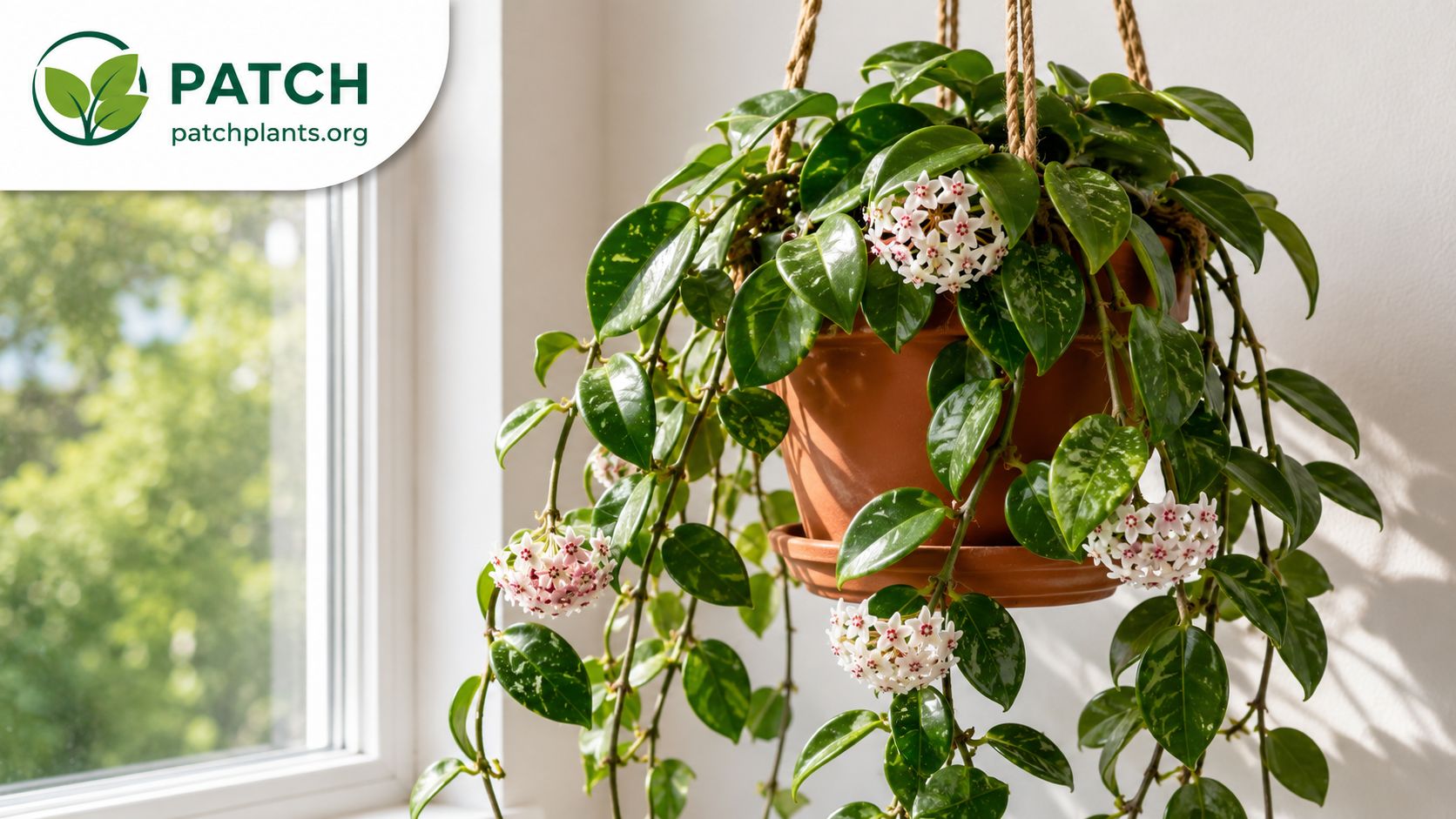
Hoya plant care is simple: give your hoya bright, indirect light, plant it in a loose, fast-draining mix, water thoroughly but let the top of the mix dry between waterings, and never cut off the old flower spurs. Hoyas, also called wax plants, have thick, waxy leaves, so they forgive the odd missed watering but suffer in soggy mix. With enough light and patience, a mature hoya blooms again and again from the same spurs. I am Sawera Shahid, a botanist at Patch Plants. This guide covers hoya plant care…

Signs of Overwatering Plants — And How to Water the Right Way

Signs of Overwatering Plants — And How to Water the Right Way

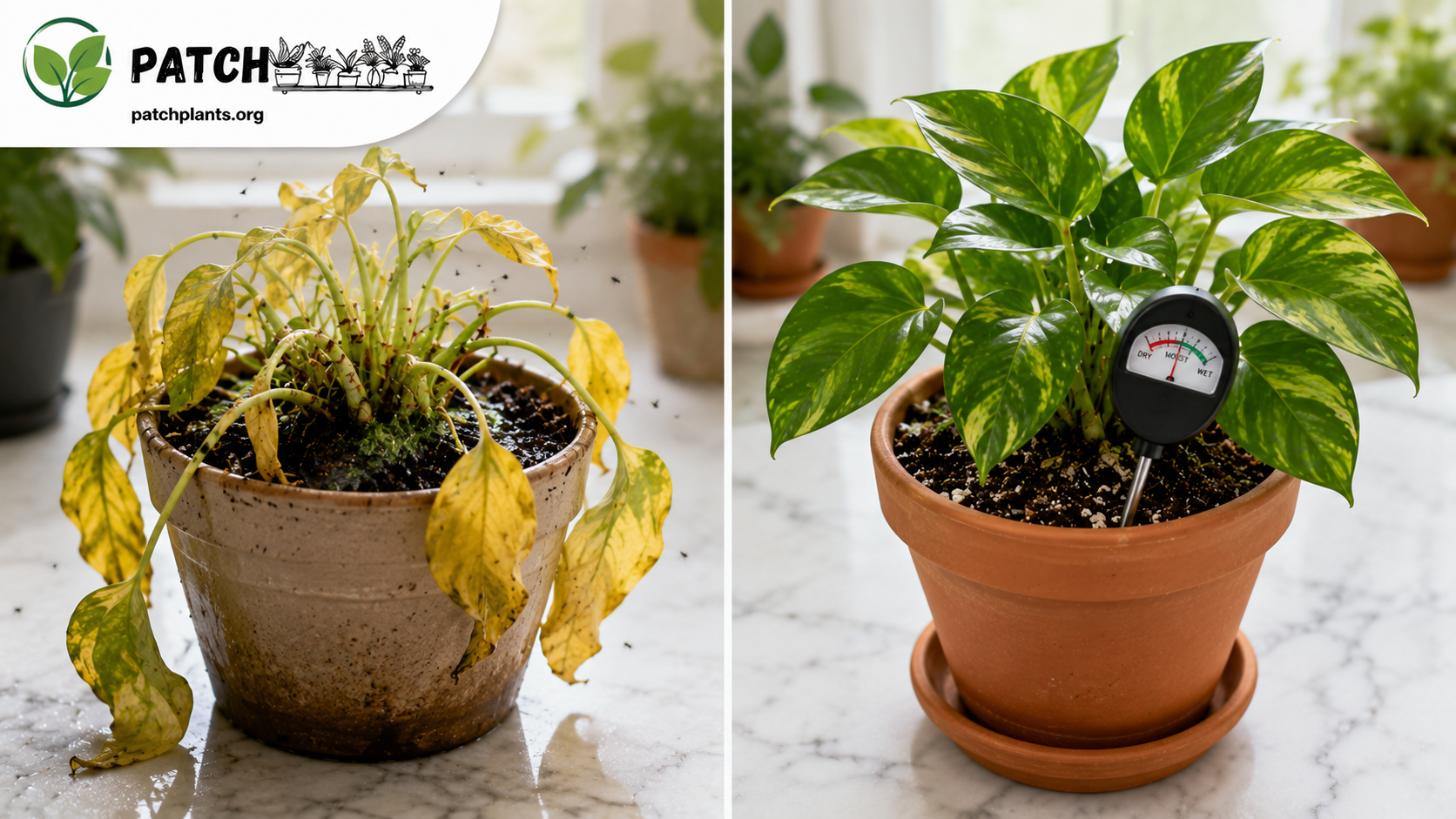
Key Takeaways The signs of overwatering plants are frequently misdiagnosed as underwatering — drooping leaves occur in both cases, which is why so many plant owners respond by adding more water and accelerating the very damage they’re trying to reverse. Overwatered plant symptoms to watch for include yellowing soft leaves (not dry and crispy), wilting despite wet soil, a sour or fermented smell from the pot, fungus gnats hovering around the soil surface, and stunted growth despite adequate light and feeding. Root rot from overwatering is the most serious consequence…

Orchid Care Guide: How to Grow and Rebloom Orchids Indoors

Orchid Care Guide: How to Grow and Rebloom Orchids Indoors

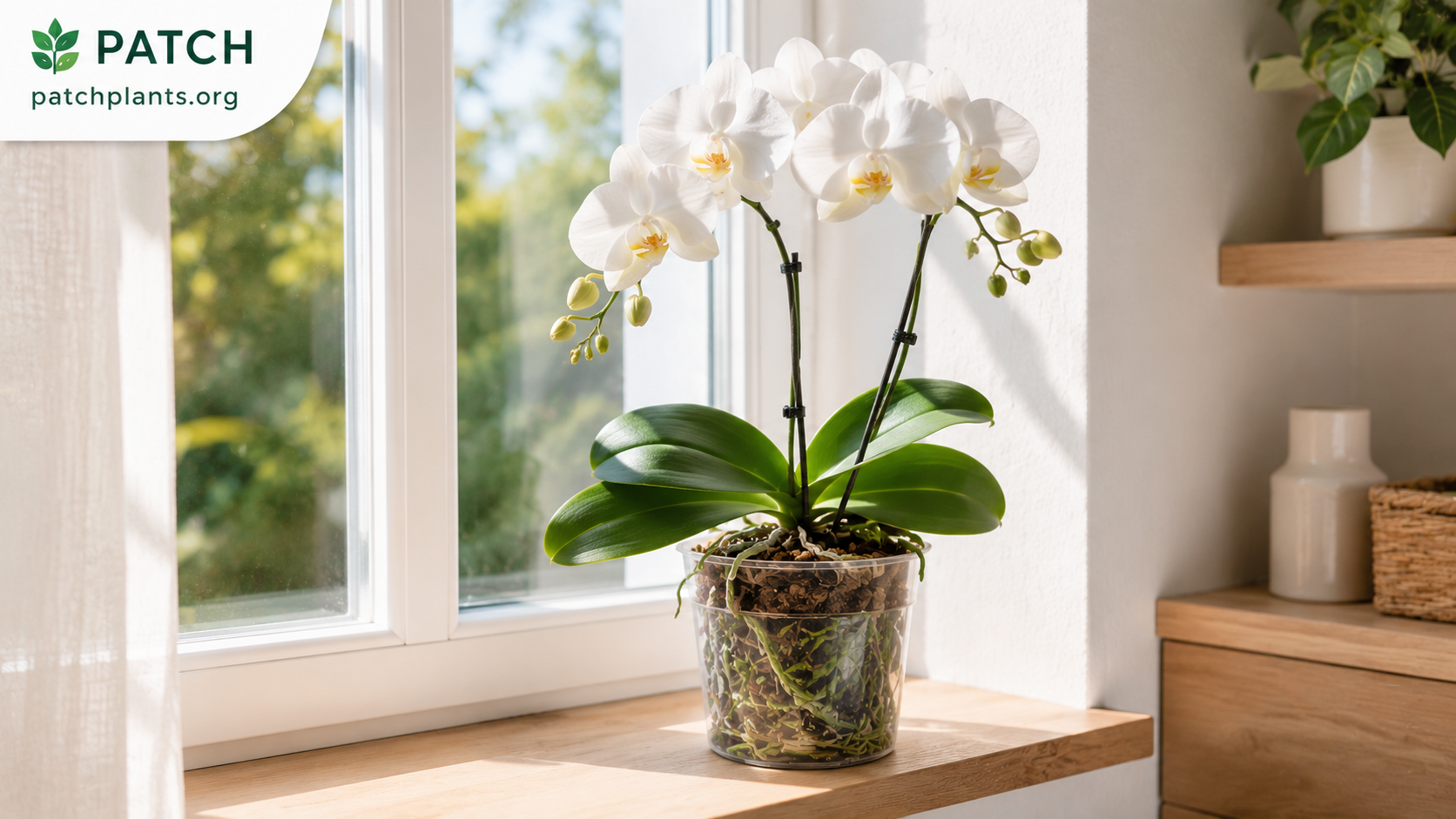
This orchid care guide comes down to five habits: give your orchid bright, indirect light; grow it in chunky orchid bark, not soil; water thoroughly about once a week and let it drain; feed it weakly and regularly; and give it cooler nights in autumn to trigger new flowers. Most orchids that fail indoors are overwatered or kept in the wrong light. Fix those two things and a supermarket moth orchid can rebloom for years. If you want to know how to care for an orchid without guesswork, this guide…

How to Revive a Dying Plant: A Step-by-Step Rescue Plan

How to Revive a Dying Plant

Here is how to revive a dying plant: first find the cause, then fix only that cause. Check the soil and roots: if the soil is wet and roots are brown and mushy, cut off the rotten roots and repot in fresh, free-draining mix; if the soil is bone dry, give the plant a thorough soak. Then move it to bright indirect light, trim dead leaves, stop feeding, and keep conditions steady for several weeks. If stems are still firm and some roots are white or pale, the plant can…

Cactus Care Guide: How to Grow a Healthy Cactus Indoors and Outdoors

Cactus Care Guide: How to Grow a Healthy Cactus Indoors and Outdoors

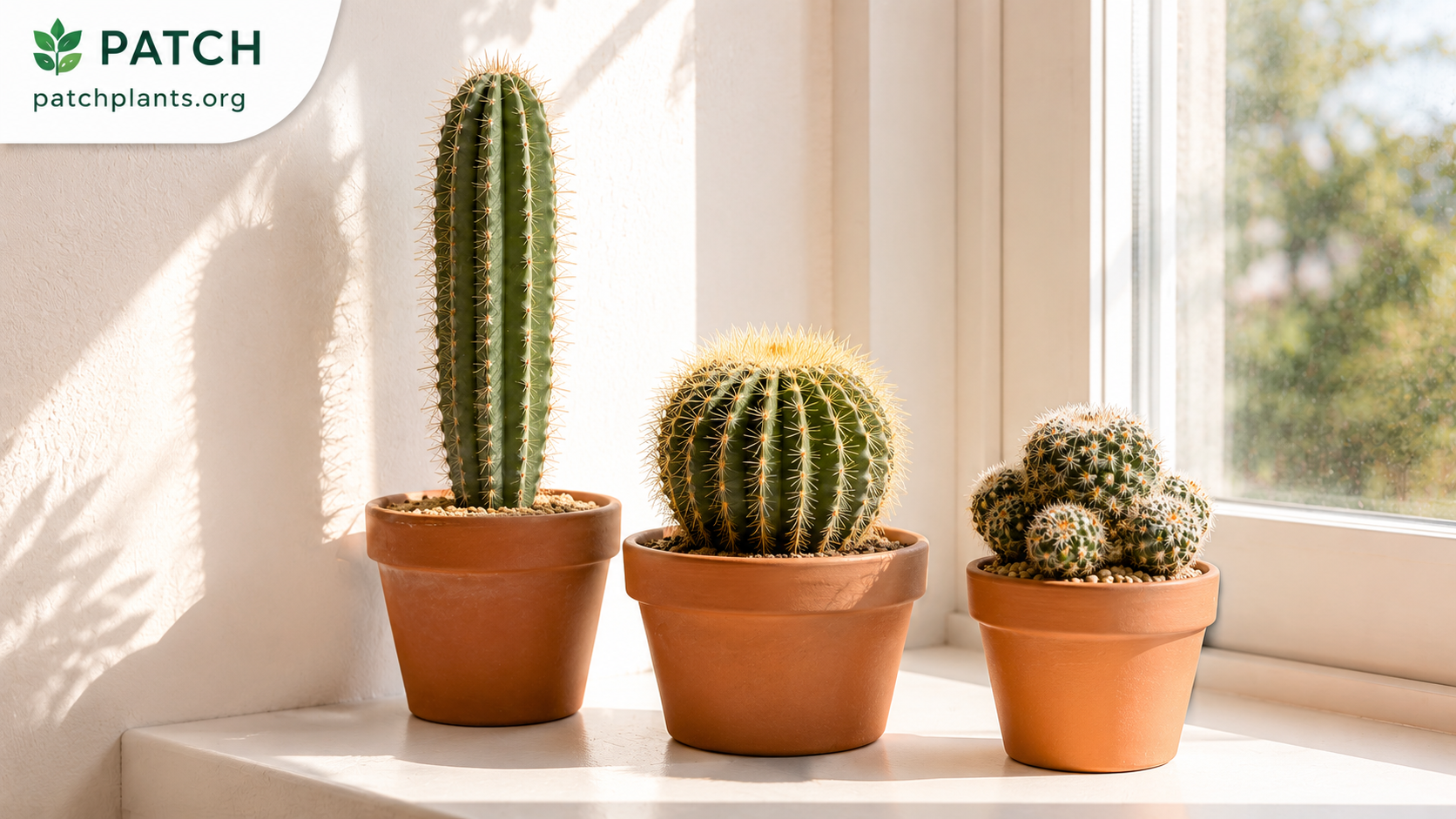
This cactus care guide covers the basics that keep most cacti healthy: bright light, free-draining gritty compost, thorough but infrequent watering, and a cool, almost dry winter rest. Overwatering is the most common way to lose a cactus, so most problems start below the soil. I am Sawera Shahid, a botanist at Patch Plants. In this cactus care guide I cover light, watering, soil, feeding, repotting and common problems, with advice checked against the Royal Horticultural Society (RHS), Clemson Cooperative Extension and University of Minnesota Extension. Cactus Care Guide at…

Succulent Care Guide: How to Grow Every Variety Indoors and Outdoors

Succulent Care Guide: How to Grow Every Variety Indoors and Outdoors

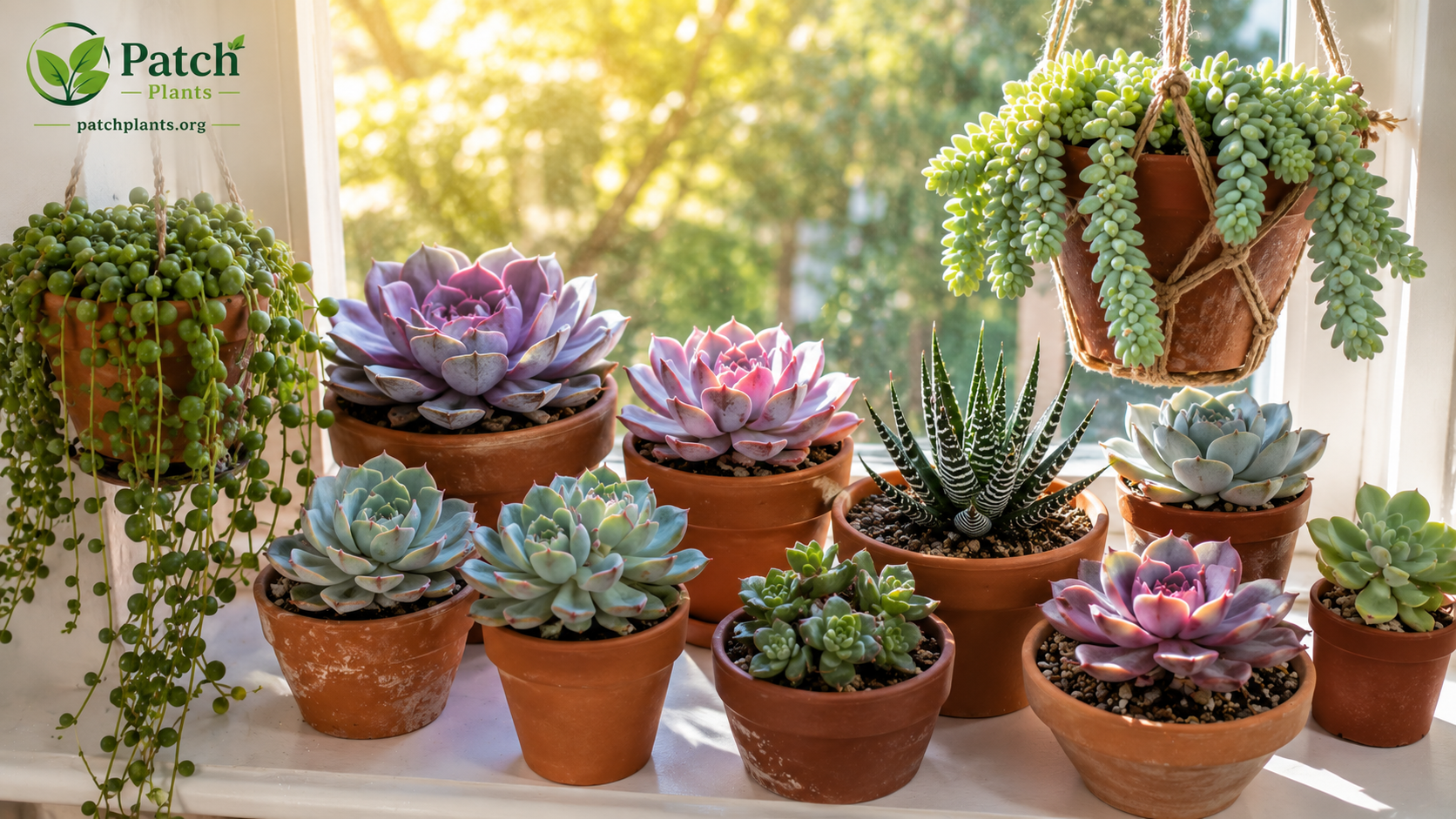
The short version of succulent care: give them bright light, a fast-draining gritty mix, and a deep soak only after the soil has dried out completely. Most succulents die from too much water, not too little, so when in doubt, wait another few days. Everything below builds on those three succulent care rules, then covers the specific needs of popular varieties, propagation, pet safety and the problems that trip people up. I am Sawera Shahid, a botanist at Patch Plants, and I have grown succulents on sunny sills and in…

How to Propagate Houseplants Easily at Home – Step-by-Step Guide

How to Propagate Houseplants Easily at Home – Step-by-Step Guide

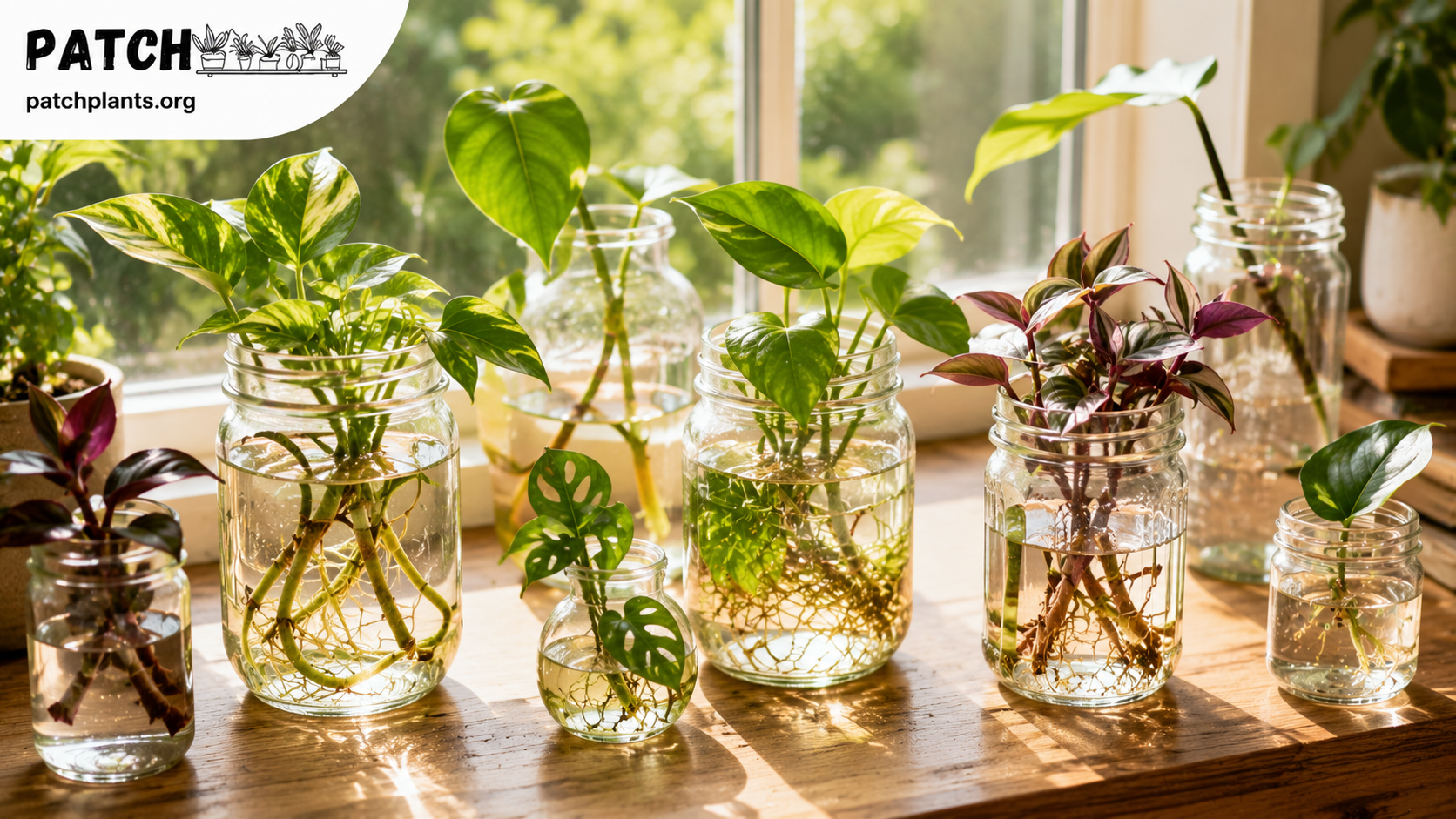
Key Takeaways How to propagate houseplants successfully comes down to five methods: stem cuttings in water, stem cuttings in soil, leaf cuttings, division, and offsets — each suited to specific plant types, and each achievable at home with minimal equipment beyond clean scissors and patience. Houseplant propagation is most reliable during spring and early summer when plants are in active growth — attempting propagation during winter produces significantly slower results or complete failure in most species, as plant biology is oriented toward rest rather than new growth during colder months.…