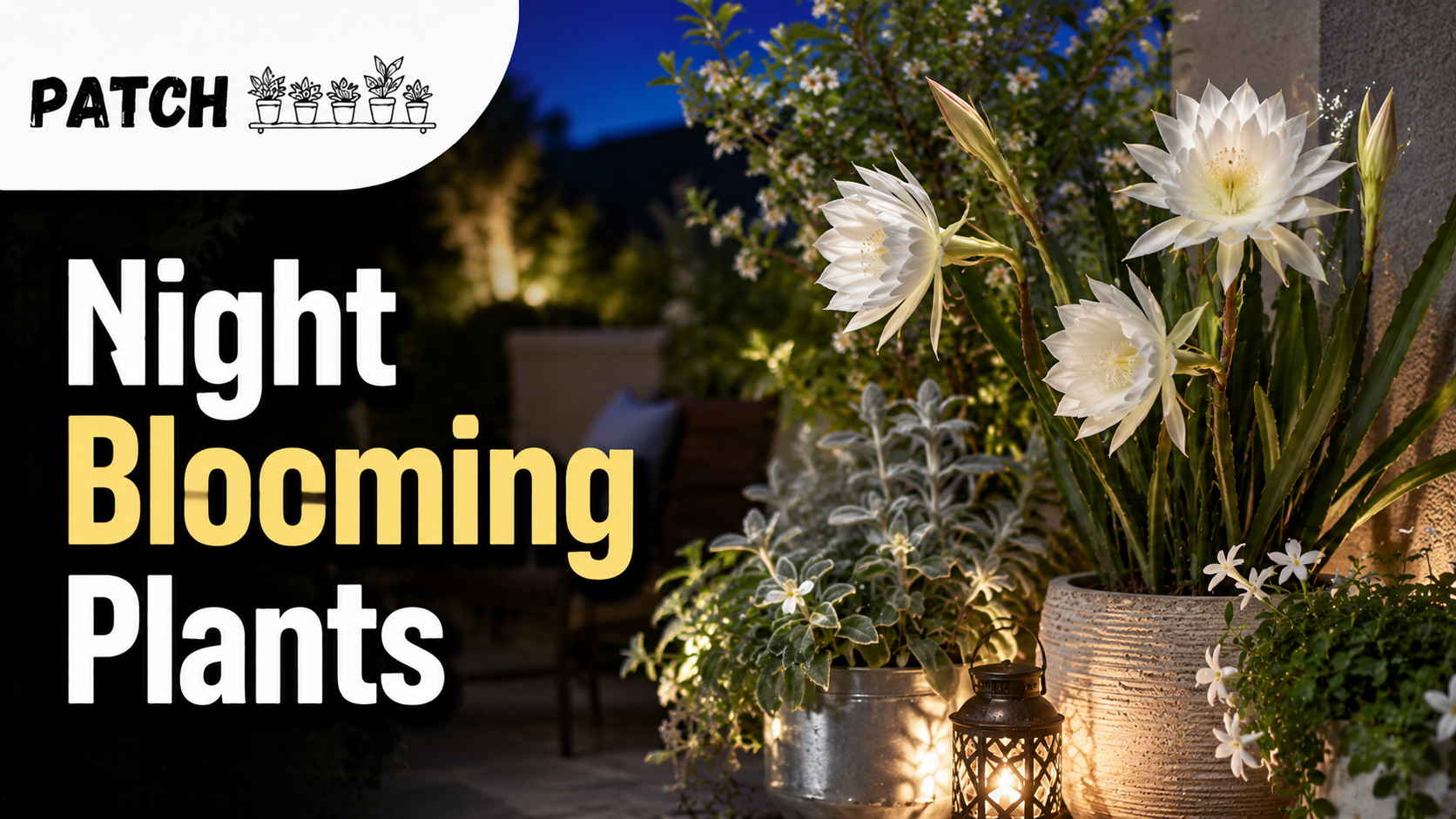
Plants that bloom at night include moonflower, evening primrose, night phlox, flowering tobacco (nicotiana), four o’clocks, tuberose and night-blooming jasmine. Their pale flowers stay visible in low light and many release their strongest scent after dusk, which makes them the backbone of a moon garden: a border, patio or balcony planted to look and smell its best in the evening. This guide covers the best plants that bloom at night, how to plan a moon garden in any size of space, and how to keep the plants healthy, including when…
Category: Featured
Hardy Plants That Survive on Minimal Watering: The Complete Guide
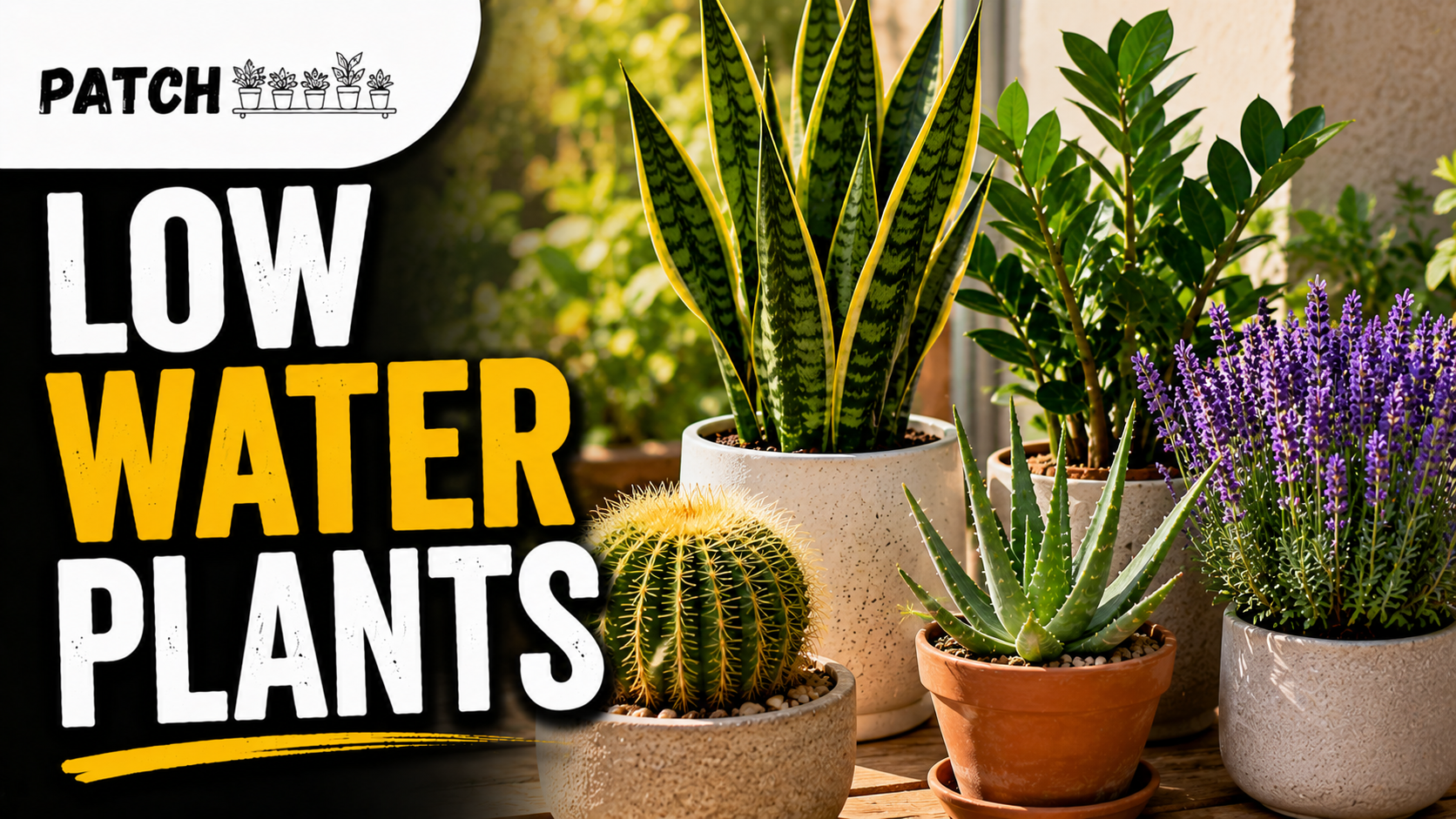
The best hardy plants that survive on minimal watering store water in thick leaves, stems or roots, or reach deep into the soil, so they can go weeks between drinks. Indoors, the toughest are snake plant, ZZ plant, aloe vera, cacti, jade plant and cast iron plant. Outdoors, once established, lavender, rosemary, sedum, agave, yucca, ornamental grasses, Russian sage and coneflower handle long dry spells with little help. This guide covers 17 drought-tolerant plants, nine for indoors and eight for the garden. For each one, it explains how the plant…
Dog-Friendly Plants: Safe Houseplants and Flowers for Dogs
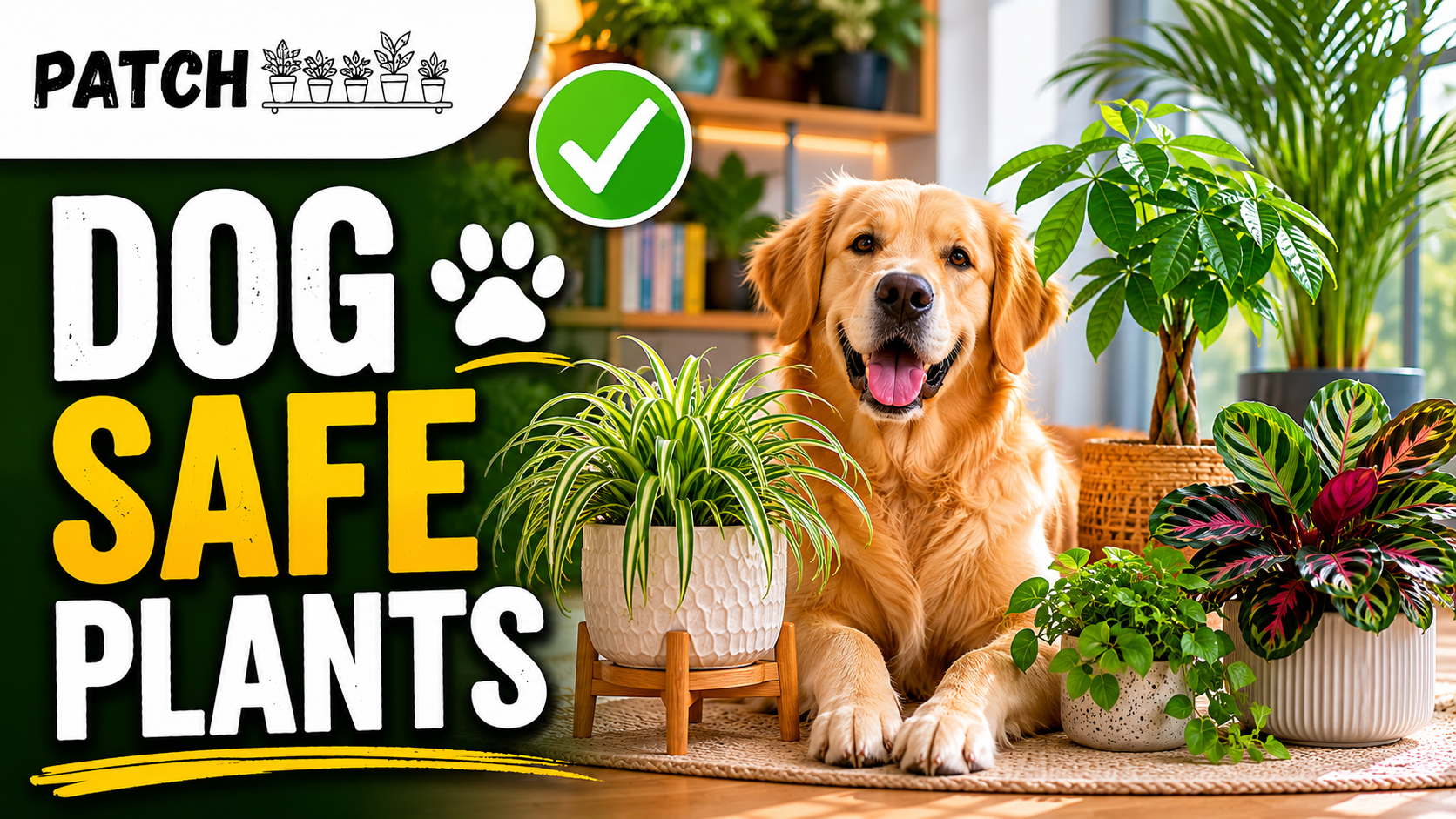
The safest dog-friendly plants include spider plant, parlor palm, areca palm, calathea, Boston fern, money tree, Christmas cactus, peperomia and African violet, all listed as non-toxic to dogs by the ASPCA. To make your plants dog-friendly, move or remove toxic plants such as sago palm, pothos, philodendron, peace lily, aloe vera and dieffenbachia, keep anything risky well out of reach, and cover pot soil so dogs are not tempted to dig. This guide lists the most common plants toxic to dogs, the best dog-safe houseplants and flowers, practical placement tips…
Pollinator-Friendly Plants for Urban Outdoor Spaces
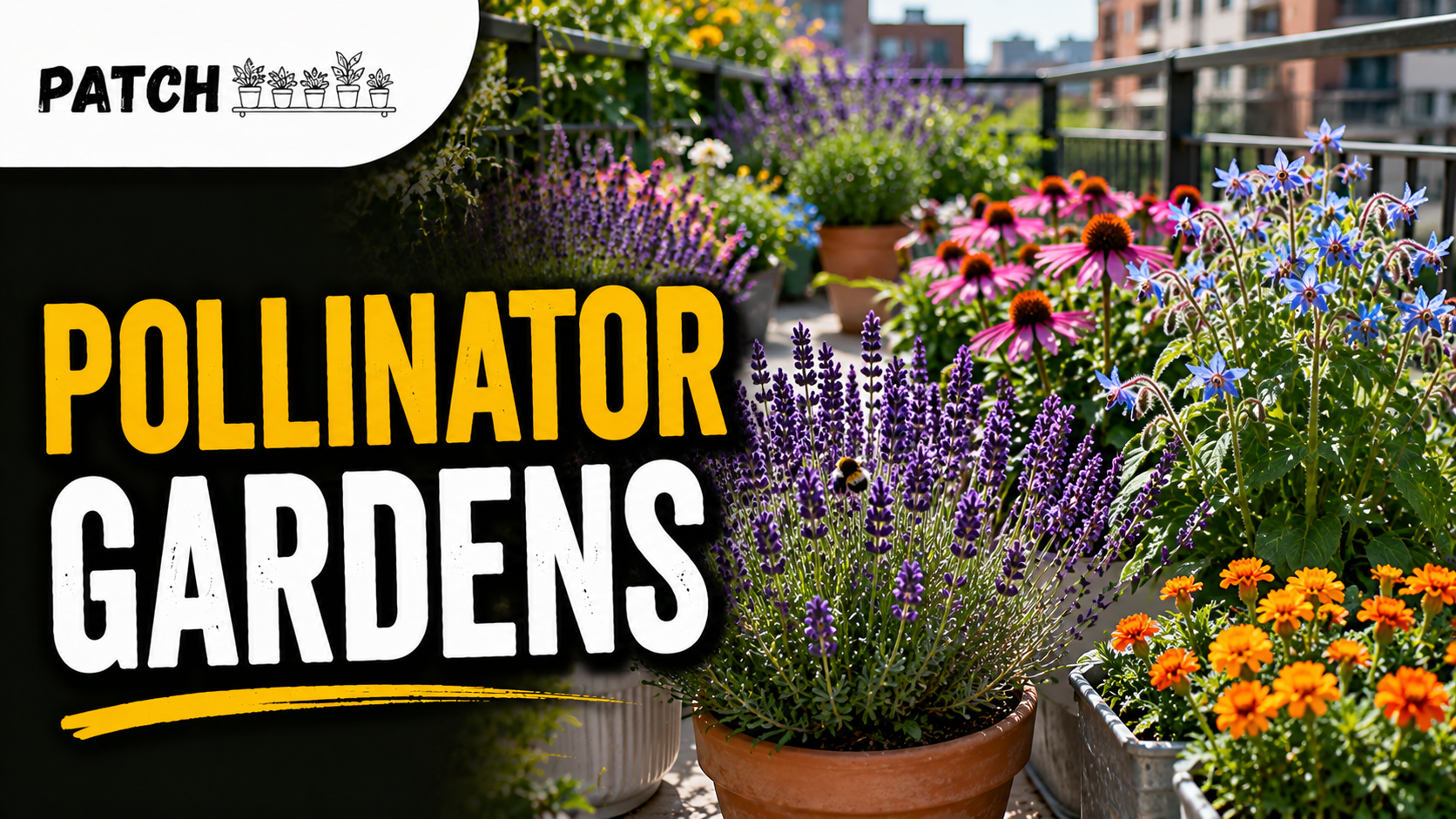
The best pollinator-friendly plants for urban outdoor spaces are lavender, salvia, catmint, borage, thyme, coneflower, sedum and alliums, with phacelia, nasturtium and sweet alyssum for quick summer colour. Most grow happily in pots on a balcony, patio or windowsill. Choose single, open flowers, plan for something in bloom from early spring to late autumn, skip pesticides, and even a few containers will feed bees, butterflies and hoverflies. This guide covers the planting principles that matter most, the best plants for containers, a seasonal bloom plan, and how to set up…
Best Plants for Small Outdoor Spaces: Balconies, Patios and More
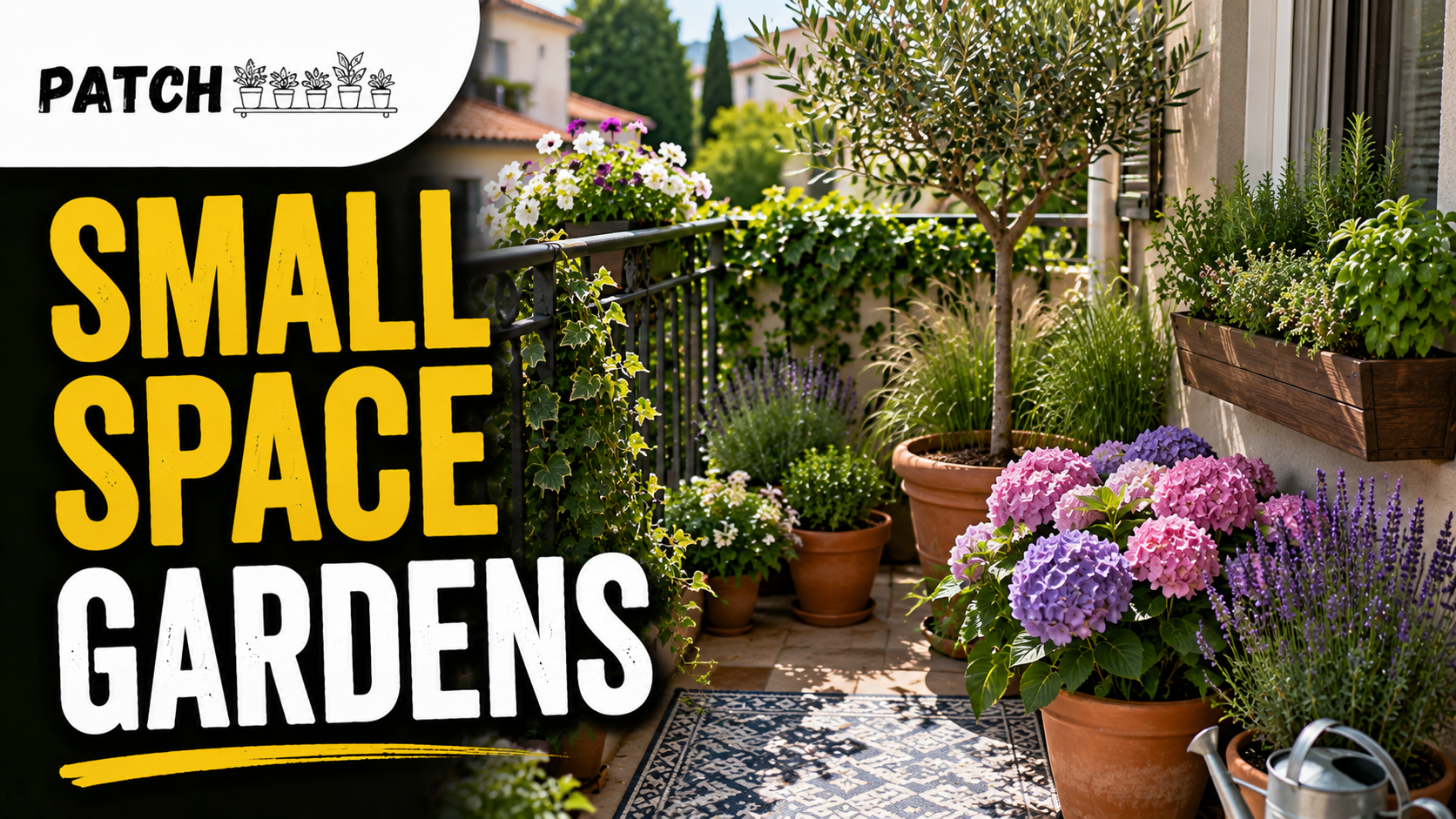
The best plants for small outdoor spaces are compact, happy in containers, and matched to your light and wind. Herbs, lavender, heuchera, climbers on a wall or railing, and one statement tree in a large pot give a balcony, patio or doorstep the most impact for the least floor space. I am Sawera Shahid, a botanist at Patch Plants. This guide covers plants for small outdoor spaces by situation, from window boxes to shaded courtyards, with care advice checked against the Royal Horticultural Society (RHS). Where my earlier advice did…
15 Hardy Outdoor Plants That Thrive All Year Round
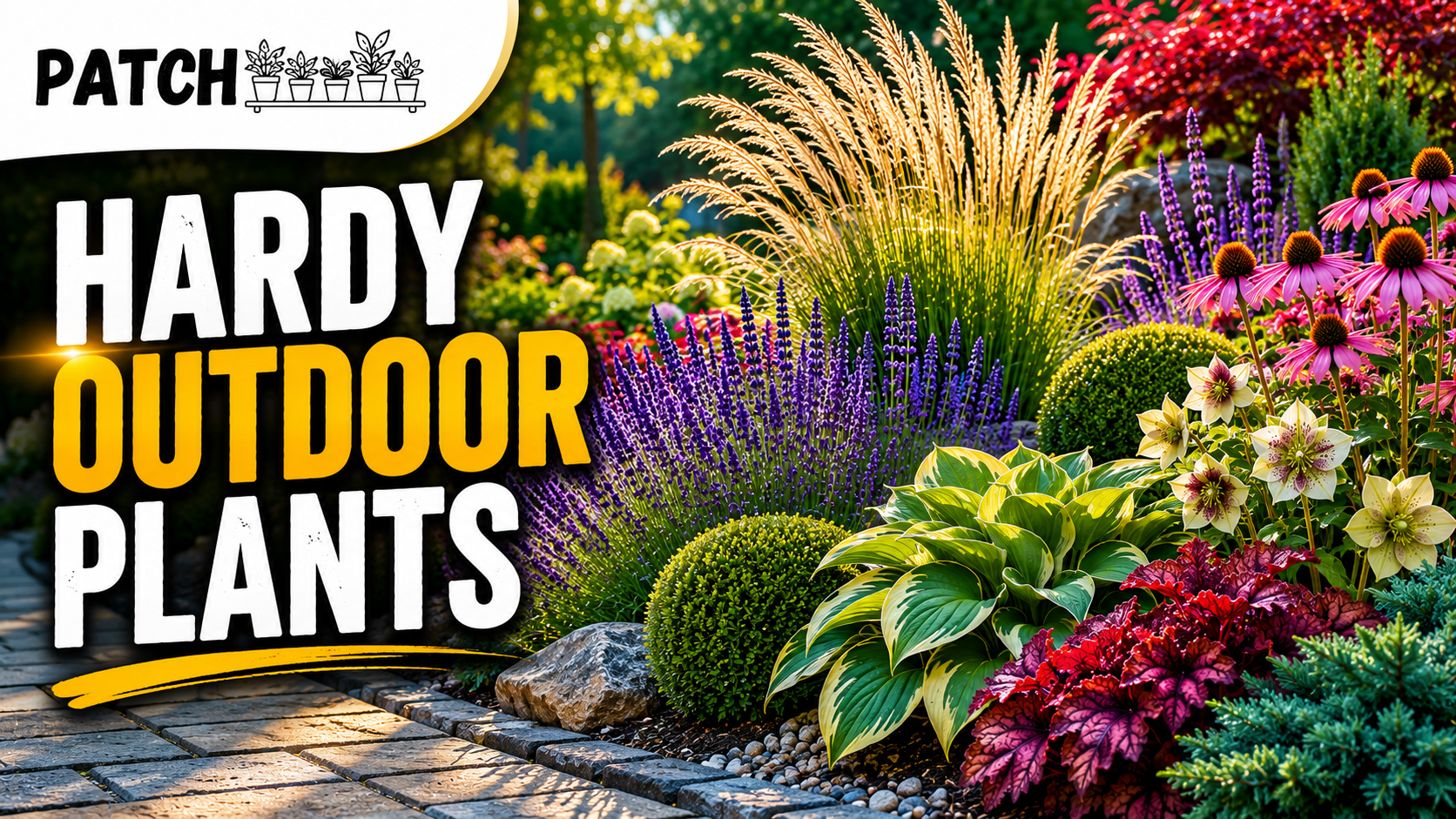
Hardy outdoor plants are the ones that survive frost, drought and neglect and come back year after year, which makes them the foundation of any low-maintenance garden. Whether you want shrubs, perennials or evergreen structure, the right hardy plants give you colour and shape in every season. I am Sawera Shahid, a botanist at Patch Plants. This guide covers 15 hardy outdoor plants for full sun, partial shade and deep shade, with care advice checked against Royal Horticultural Society (RHS) guidance. Hardiness ratings here follow the RHS system, so check…
The Truth About Self-Watering Pots: Do They Really Work?
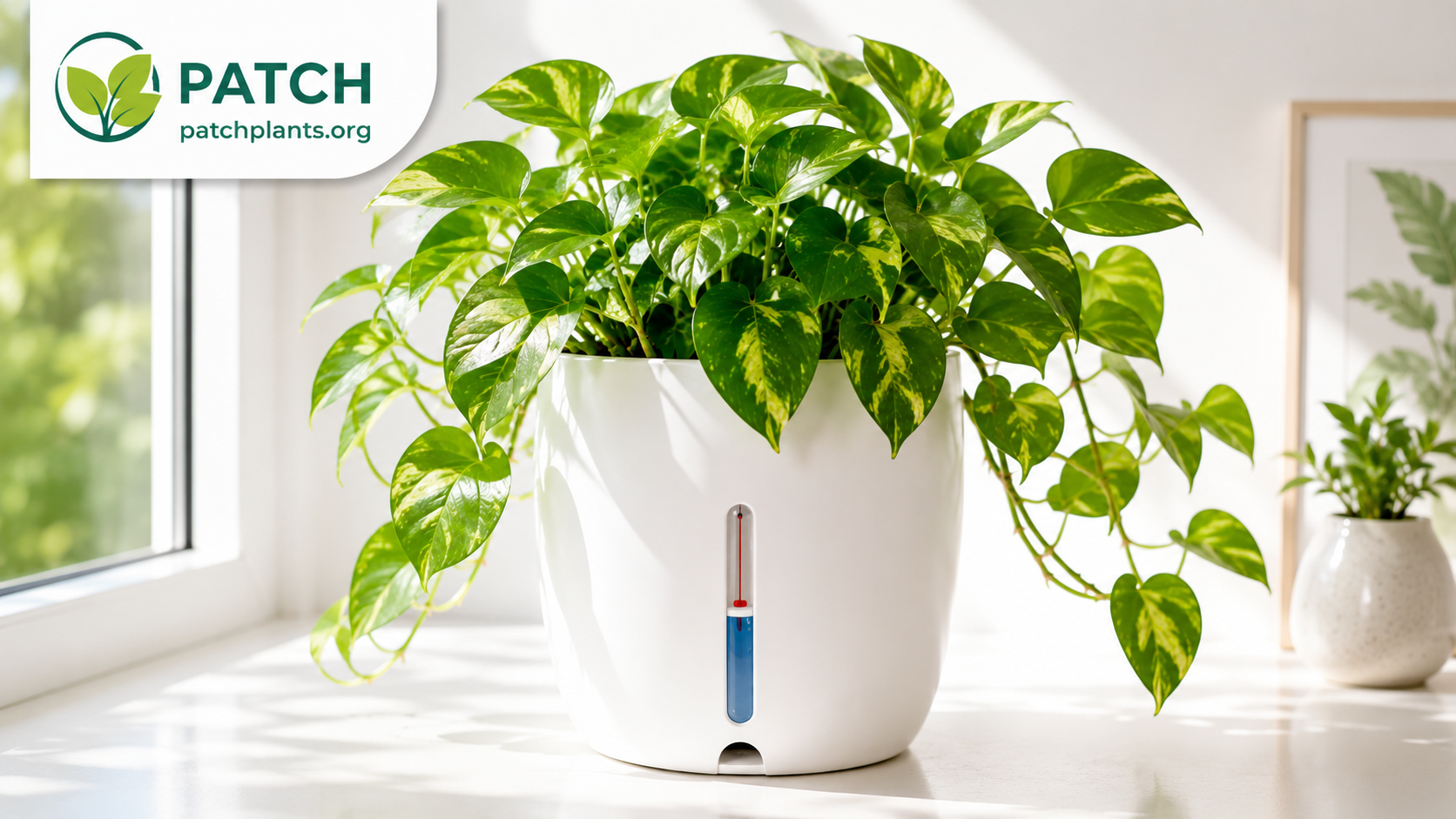
Self-watering pots really do work, but only for the right plants. A reservoir in the base feeds water up into the soil by capillary action, so moisture-loving plants such as peace lily, pothos, calathea, ferns, herbs and tomatoes stay evenly moist with far less watering. They are a poor choice for succulents, cacti, snake plants and ZZ plants, which need their soil to dry out. The trade-off is that you need to flush out salt build-up from time to time and keep an eye on the reservoir. This guide explains…
23 Blooming Indoor Plants to Brighten Your Home All Year
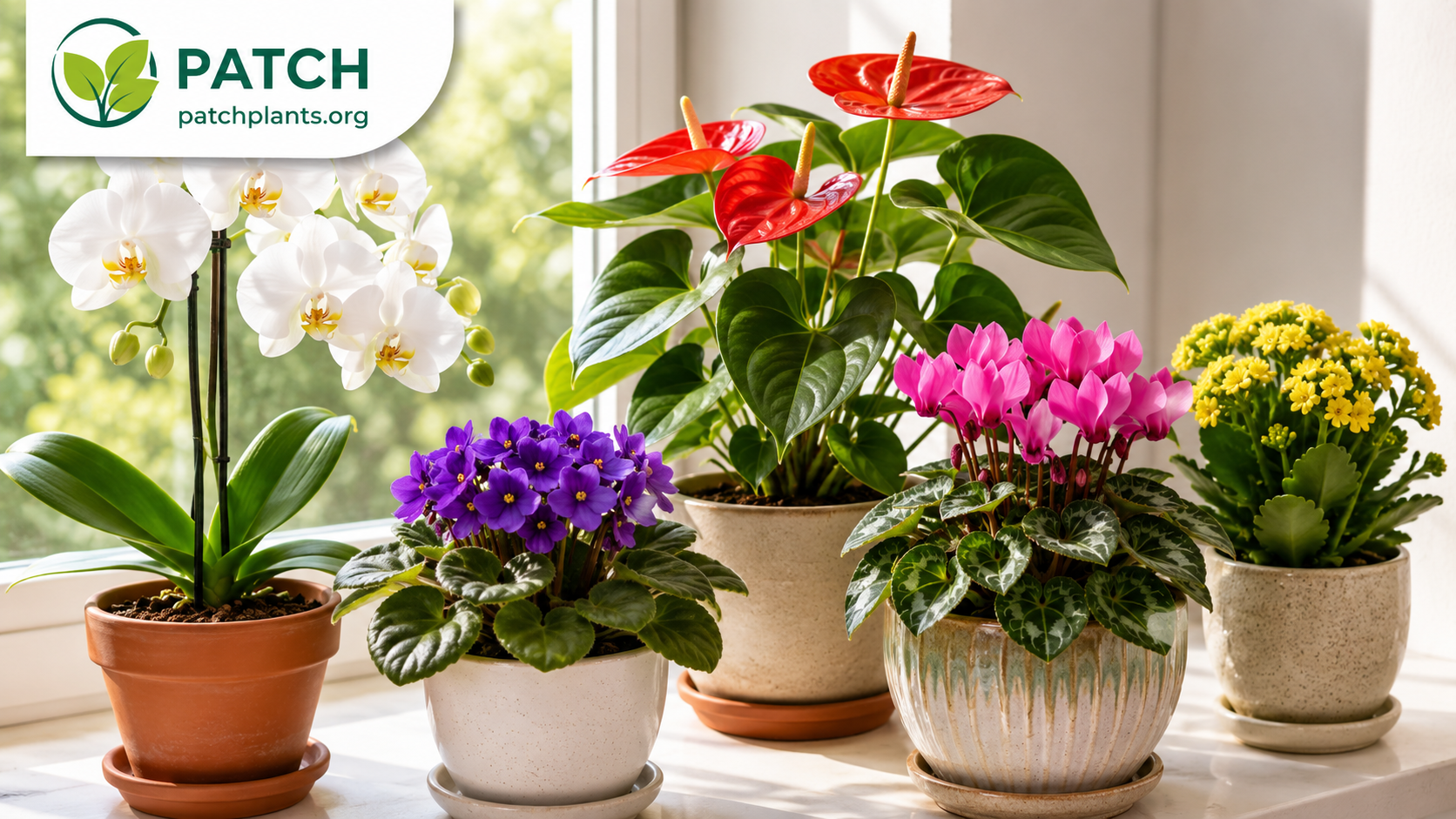
The best blooming indoor plants for most homes are moth orchids, African violets, peace lilies, anthuriums, Christmas cactus, kalanchoe and bromeliads, with cyclamen, amaryllis and jasmine adding color in winter. Most flowering houseplants need bright, indirect light to bloom, plus the right feeding and, for some, a cool or dry rest period. Below are 23 blooming indoor plants with light, watering, bloom time and pet safety for each. Flowering houseplants ask for a little more care than foliage plants, but they reward you with color and often fragrance, sometimes for…
How to Build a DIY Indoor Humidity Tray for Your Plants
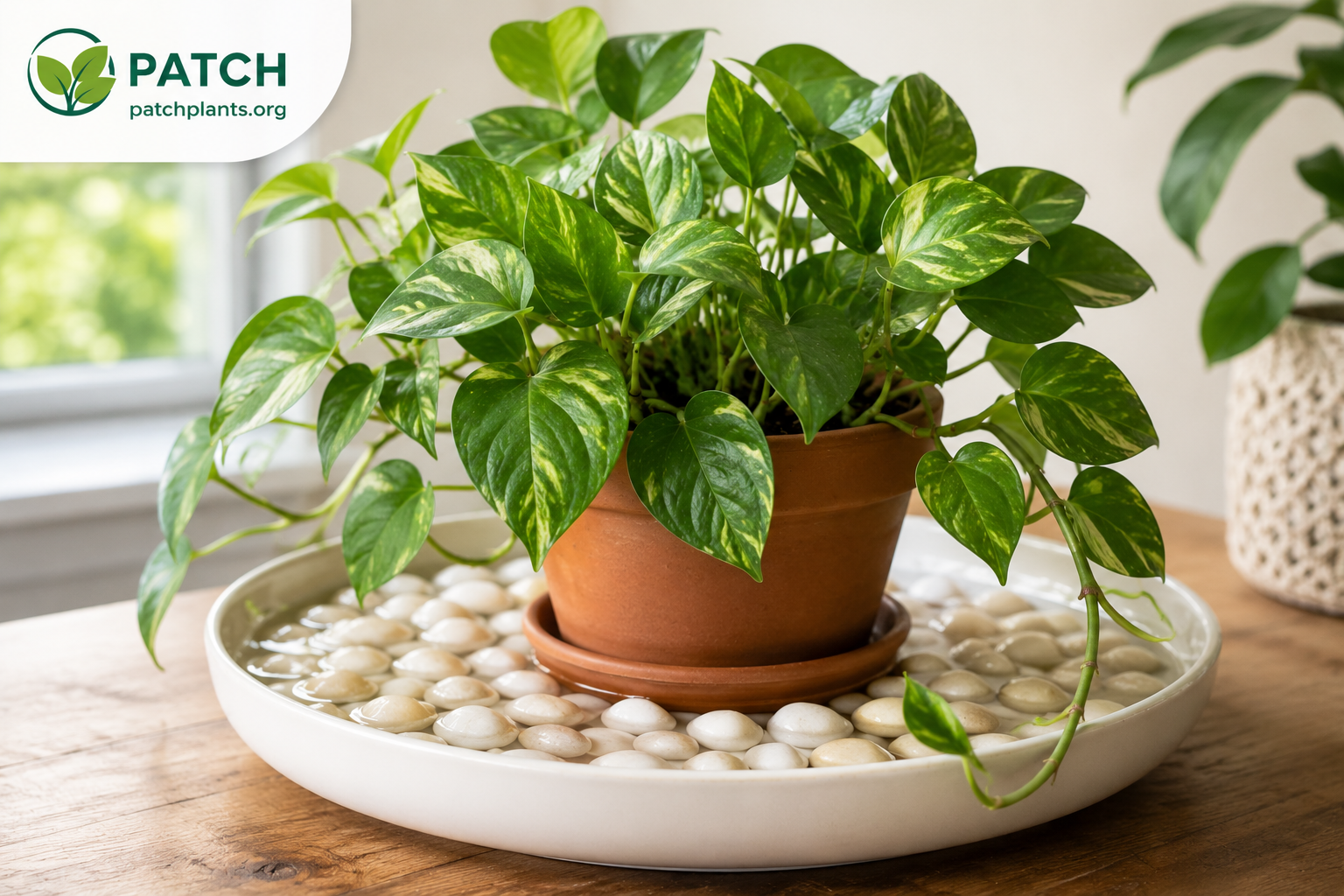
A DIY indoor humidity tray is a shallow dish filled with pebbles and water, with your potted plant resting on top of the stones so the pot sits above the waterline. As the water evaporates, it adds a little moisture to the air around the leaves. It takes about five minutes to build and costs almost nothing, but the boost is modest and local, so it works best as one part of a plan alongside grouping plants or a humidifier. This guide explains exactly how to build a DIY indoor…
What Is Root Rot? How to Identify, Prevent and Treat It
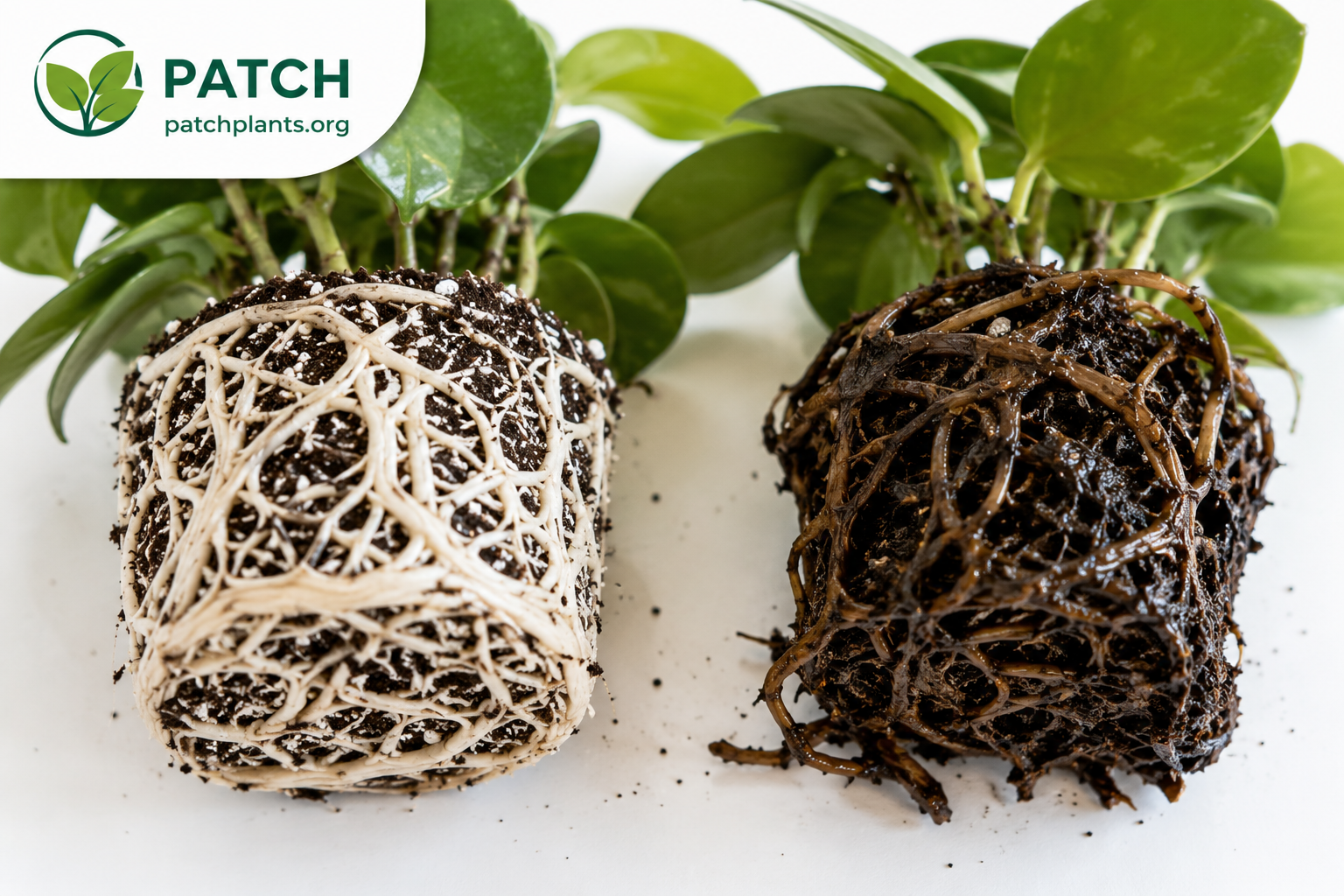
Root rot is the decay of a plant’s roots, usually caused by soil that stays wet for too long, which starves roots of oxygen and lets water moulds such as Pythium and Phytophthora attack them. Signs include yellowing leaves, wilting even though the soil is wet, a soft stem base and a sour smell. To treat it, remove the plant from its pot, cut away all brown, mushy roots, and repot in fresh, free-draining mix in a clean pot with drainage holes. Then water only when the top of the…