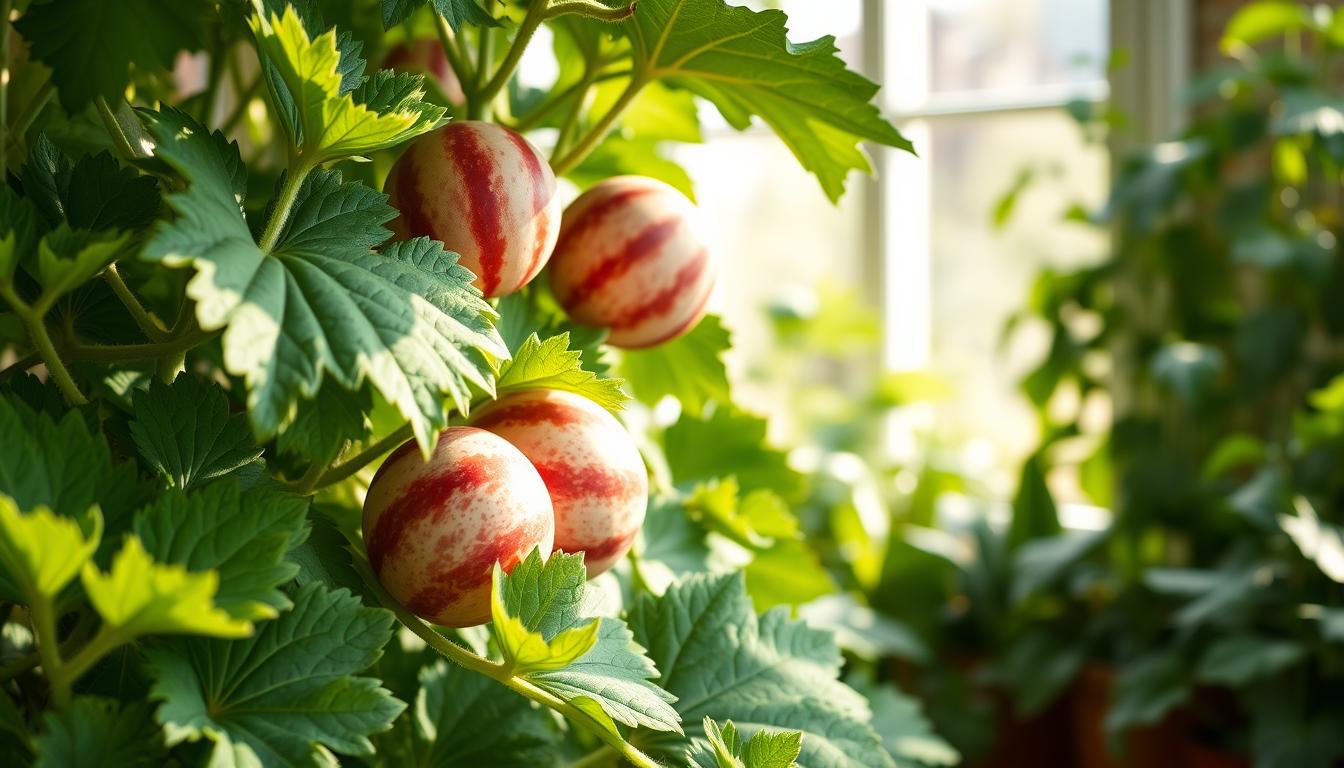
A Crimson Sweet watermelon plant grows best in warm weather, full sun, fertile well-drained soil, and enough open space for its long vines. For a successful crop, plant after frost danger has passed, keep moisture reasonably consistent as vines and fruit develop, protect pollination, watch for pests and disease, and use several maturity signs before harvesting. Crimson Sweet generally needs roughly 80 to 90 days to mature, although actual timing varies with growing conditions.
Key Takeaways
- Plant Crimson Sweet watermelon only after frost danger has passed and the soil has warmed.
- Choose a location with at least 6 to 8 hours of direct sunlight and enough room for spreading vines.
- Loose, fertile, well-drained soil provides a strong foundation for healthy growth.
- Water deeply at the root zone and adjust irrigation according to weather, soil, and plant growth.
- Avoid excessive nitrogen that encourages leaves and vines at the expense of fruit development.
- Healthy flowers and pollinator activity are essential for successful fruit set.
- Use multiple ripeness indicators, including the nearby tendril, ground spot, and rind appearance, before harvesting.
Crimson Sweet Watermelon Growing Requirements
| Growing Factor | Recommended Condition | Why It Matters |
|---|---|---|
| Sunlight | At least 6–8 hours of direct sun | Supports vigorous vines and fruit development |
| Soil | Fertile and well-drained | Supports roots without prolonged saturation |
| Soil Temperature | About 70°F or warmer for planting | Supports reliable germination and early growth |
| Moisture | Consistent but not waterlogged | Supports vines, flowers, and developing fruit |
| Space | Several feet for spreading vines | Reduces crowding and vine damage |
| Approximate Maturity | About 80–90 days | Helps with seasonal planning |
1. Plant Crimson Sweet Watermelon at the Right Time
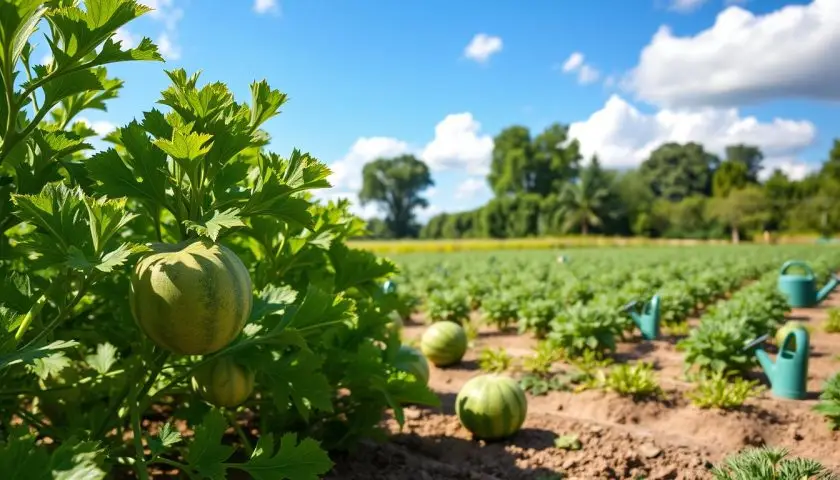
Timing is one of the most important parts of growing Crimson Sweet watermelon. Watermelon is a warm-season crop, so planting into cold soil can slow germination and early growth.
Wait Until Frost Danger Has Passed
Do not rush outdoor planting simply because daytime temperatures feel warm. Wait until the threat of frost has passed and growing conditions have become reliably warm.
Let the Soil Warm
The source draft recommends planting when soil temperature is around 70°F or warmer. Warm soil helps watermelon seeds germinate more reliably and supports stronger early growth.
Plan Around the Growing Season
Crimson Sweet watermelon generally needs approximately 80 to 90 days to reach maturity. Weather and growing conditions can shift the actual harvest date, so use this figure for planning rather than treating it as an exact countdown.
Gardeners in warm climates can direct sow once conditions are suitable. In shorter-season climates, starting seeds indoors may provide extra growing time.
2. Choose a Sunny, Well-Drained Growing Site
A productive Crimson Sweet watermelon plant needs abundant sunlight and room for its vines to spread.
Provide at Least 6 to 8 Hours of Direct Sun
Choose one of the sunniest suitable parts of your garden. Watermelon vines use this light to support vigorous growth and developing fruit.
If you are planning other crops around a sunny garden, explore our Outdoor Plants guides for additional growing ideas.
Avoid Areas Where Water Collects
Good drainage is important. Avoid low areas where water regularly pools around roots after rain or irrigation.
Leave Plenty of Growing Room
Crimson Sweet develops long vines. Consider the mature spread before planting so runners do not immediately interfere with paths or neighboring crops.
3. Prepare the Best Soil for Crimson Sweet Watermelon
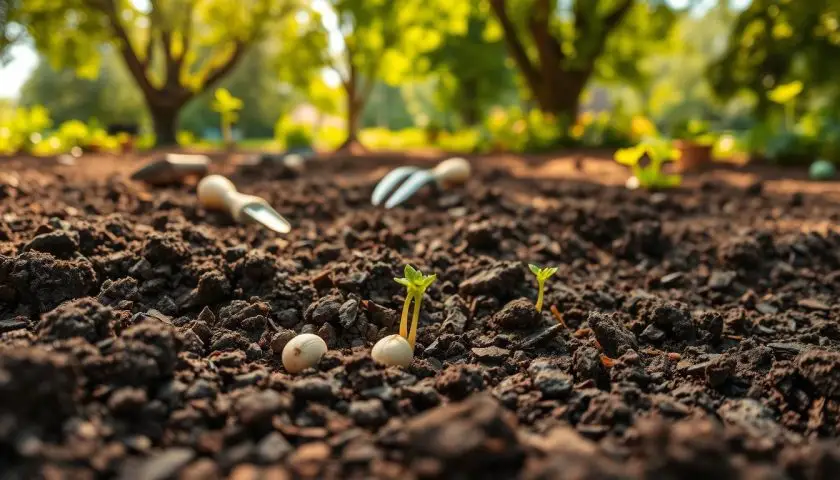
The best soil for watermelon plants should support root growth while allowing excess water to drain. The source draft recommends loose, fertile soil enriched with finished compost.
Improve Soil Before Planting
Finished compost can improve soil structure before planting. If the garden has compacted soil or drainage problems, raised beds or broad planting mounds may provide better growing conditions.
For a better understanding of drainage, moisture retention, and soil structure, read our guide to choosing soil mixes.
Check Soil pH and Fertility
The source recommends a mildly acidic soil range of approximately pH 6.0 to 6.8. A soil test can help determine existing conditions before you add lime or fertilizer.
Avoid Excessive Nitrogen
Heavy nitrogen applications can encourage vigorous leafy growth rather than the balance of vines, flowers, and fruit you want from a watermelon crop.
Use Mulch at the Appropriate Time
Once the soil is warm, mulch can help moderate moisture and suppress weeds. Keep mulch from piling directly against the plant’s crown or stem.
4. Plant Seeds or Transplants Carefully
Watermelon roots do not benefit from unnecessary disturbance, so handle young plants carefully.
Direct Sow in Warm Conditions
If your growing season is long enough, sow Crimson Sweet seeds directly after soil and weather conditions become suitable. Follow the planting depth and spacing information supplied with your seeds.
If several seeds are sown together, weaker seedlings can be removed after establishment so the strongest plants have adequate room.
Start Seeds Indoors for Shorter Seasons
Indoor starting can help where the warm season is relatively short. Use individual containers to reduce root disturbance and handle the root ball carefully when transplanting.
Harden Seedlings Before Planting Outdoors
Seedlings grown indoors should be gradually acclimated to outdoor sunlight, wind, and temperature conditions rather than being moved directly from a protected indoor environment into the garden.
Water After Transplanting
Water the root zone after planting to settle the surrounding soil. Monitor young plants carefully while roots become established.
5. Give Watermelon Vines Enough Space
Good Crimson Sweet watermelon plant spacing helps prevent vines from becoming unnecessarily tangled and makes it easier to inspect flowers, leaves, and developing fruit.
Follow the Seed Supplier’s Spacing Guidance
Exact spacing can depend on the growing method and seed selection, so use the recommendations supplied for your seed rather than applying one universal distance.
Guide Young Vines Gently
Flexible runners can be redirected while young if they begin growing across a walkway or toward another crop.
Avoid repeatedly moving older vines once they have settled into position.
Do Not Remove Healthy Leaves Just to Tidy the Plant
Healthy foliage supports photosynthesis and fruit development. Pruning should therefore be conservative rather than cosmetic.
Our pruning basics guide explains why understanding the purpose of a cut matters before removing healthy plant material.
Support Developing Fruit Where Needed
Crimson Sweet melons can become large and heavy, making ground culture practical for many home gardens.
The source draft suggests placing straw, a board, or another suitable dry barrier beneath developing fruit where needed to separate the rind from damp soil.
6. Water Crimson Sweet Watermelon Consistently
A rigid watering schedule for watermelon plant care is less useful than checking actual garden conditions. Temperature, rainfall, wind, soil type, growth stage, and root development all affect how quickly a watermelon patch needs water.
Water Deeply at the Root Zone
Thorough watering of the root zone is generally preferable to repeatedly sprinkling only the surface.
Keeping unnecessary moisture off foliage can also help reduce conditions favorable to some diseases. Drip irrigation or a soaker hose can make root-zone watering easier.
Keep Young Plants Appropriately Moist
Do not allow newly establishing seedlings to experience repeated severe drought stress. At the same time, avoid keeping poorly drained soil continuously saturated.
Maintain Moisture as Flowers and Fruit Develop
Monitor moisture carefully once vines begin flowering and developing fruit. Large fluctuations between very dry and very wet conditions can stress the plant.
Adjust Irrigation as Fruit Approaches Maturity
The source recommends reducing excessive irrigation as mature melons approach harvest without allowing vines to become severely wilted.
Before watering again, check conditions below the soil surface rather than judging moisture from appearance alone.
For more detail, see our complete guide to watering plants.
7. Fertilize According to Soil and Growth Stage
Fertilizing watermelon plants should begin with understanding existing soil fertility. Adding more fertilizer is not automatically better.
Use a Soil Test When Possible
A soil test can identify existing conditions and reduce unnecessary nutrient applications.
Use Compost or Fertilizer Appropriately
The source draft recommends finished compost or a balanced fertilizer applied according to product directions and soil conditions.
Keep fertilizer from directly contacting foliage or the plant crown when the product instructions require root-zone application.
Avoid Excess Nitrogen
Moderate nitrogen can support early vegetative growth, but excessive nitrogen may encourage abundant vines and leaves without improving fruit production.
Do Not Diagnose Every Yellow Leaf as a Fertilizer Problem
Yellowing can have several possible causes, including moisture and root problems. Check the plant’s overall growing conditions before automatically applying additional nutrients.
Our yellow leaves on plants guide can help you investigate the symptom more systematically.
8. Protect Flowers and Encourage Pollination
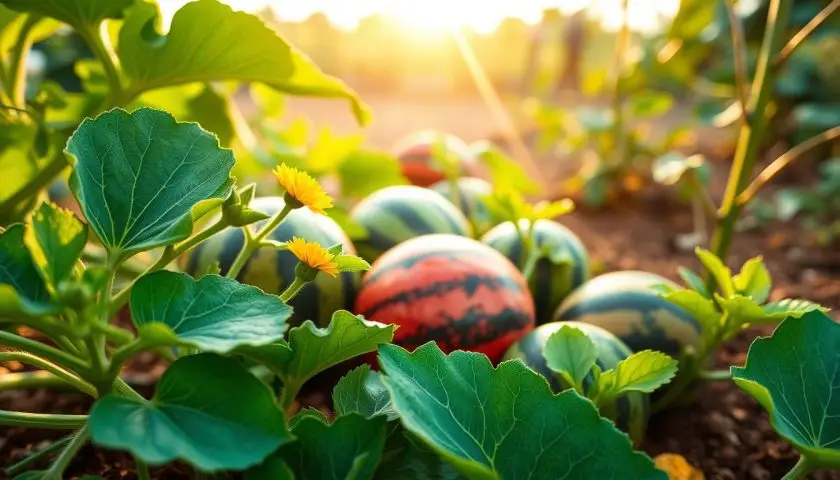
Healthy flowers are essential when growing Crimson Sweet watermelon because successful pollination allows fruit development to begin.
Learn to Recognize Male and Female Flowers
The source describes female flowers as having a small swelling behind the bloom that resembles a tiny developing watermelon. Male flowers grow without this developing fruit structure.
Protect Pollinator Activity
Bees and other visiting insects can play an important role in transferring pollen between watermelon flowers. Avoid unnecessary practices that interfere with pollinator activity while plants are blooming.
Hand-Pollinate if Necessary
If natural pollination is poor, the source suggests transferring pollen from a male flower to a female flower while the blooms are open.
Do Not Apply a Fixed Fruit-Thinning Rule
A vigorous vine may support a different fruit load from a stressed or undersized plant. If thinning becomes necessary, prioritize healthy, well-positioned fruit rather than automatically limiting every vine to the same number.
9. Manage Vines Without Excessive Pruning
Heavy pruning techniques for watermelon plant growth are not necessary simply to make vines look tidy.
Keep Healthy Leaves
Healthy leaves capture light and contribute to the energy used for fruit development. Remove foliage primarily when it is dead, severely damaged, or affected by a problem that warrants removal.
Control Weeds Around Vines
Weeds compete for water, nutrients, light, and space. Manage them early before watermelon runners cover the bed and make access difficult.
Keep Vines Away From Busy Paths
Direct young runners away from areas where they are likely to be stepped on or damaged.
Use Strong Support for Vertical Growing
If you attempt vertical culture, remember that mature Crimson Sweet fruit can be heavy. The source recommends a sturdy structure and individual fruit slings rather than expecting the vine itself to support mature fruit.
10. Watch for Watermelon Pests and Diseases
Managing pests and diseases in watermelon plants begins with regular observation. Early identification is more useful than treating every symptom with the same product.
Inspect Leaves, Stems, Flowers, and Fruit
Check both sides of leaves and inspect new growth regularly. The source identifies cucumber beetles, squash bugs, aphids, and spider mites among the pests gardeners may encounter.
Identify the Pest Before Treating
Look for physical evidence such as insects, feeding damage, sticky residue, or webbing before deciding what action is appropriate.
Reduce Disease Risk
Good spacing, crop rotation where practical, appropriate irrigation, and avoiding unnecessary work among wet vines can all form part of garden disease management.
Potential watermelon problems mentioned in the source include powdery mildew, downy mildew, wilt diseases, anthracnose, and blossom-end discoloration.
| Symptom | What to Check | First Step |
|---|---|---|
| Yellowing foliage | Water, roots, nutrients, and pests | Identify the cause before treatment |
| White dusty growth | Possible powdery mildew | Inspect foliage and improve growing conditions |
| Sudden wilting | Roots, stems, moisture, or disease | Inspect the entire plant promptly |
| Sticky leaves | Sap-feeding insects | Inspect leaf undersides |
| Cracked fruit | Moisture fluctuations | Review recent watering and rainfall |
Check Roots When the Whole Plant Declines
If vines decline while the soil remains wet, inspect drainage and root health rather than simply adding fertilizer.
Our guide to root rot identification and prevention explains what unhealthy roots can look like.
11. Harvest Crimson Sweet Watermelon at the Right Time
Knowing how to harvest Crimson Sweet watermelon is the final step. Do not rely on days-to-maturity or the traditional thumping test alone.
Check the Tendril Near the Fruit
One useful maturity clue is the tendril closest to the fruit becoming brown and dry.
Look at the Ground Spot
The part of the watermelon resting against the ground should develop a creamy yellow appearance as the fruit matures.
Look at the Rind
The source also recommends observing whether the rind has changed from a brighter, shinier appearance toward a duller finish.
| Maturity Sign | Less Mature | More Mature |
|---|---|---|
| Nearby Tendril | Green | Brown and dry |
| Ground Spot | Pale or whitish | Creamy yellow |
| Rind Appearance | Brighter and shinier | Duller finish |
Use Several Signs Together
No single visual clue needs to carry the entire decision. Combining the nearby tendril, ground spot, rind appearance, expected mature size, and approximate maturity period gives you more information than relying only on sound.
Cut Rather Than Pull the Fruit
Use clean pruners or a sharp knife to cut a mature watermelon from the vine. Handle the fruit carefully to avoid bruising or rind damage.
Wash the Rind Before Cutting
Clean the outside before slicing so material on the rind is less likely to be transferred to the edible flesh by the knife.
Crimson Sweet Watermelon Growing Timeline
| Stage | Main Priority |
|---|---|
| Before planting | Warm soil, site selection, soil preparation |
| Germination | Suitable warmth and moisture |
| Seedling establishment | Root protection and appropriate moisture |
| Vine growth | Space, sunlight, weed control, balanced nutrition |
| Flowering | Healthy flowers and pollination |
| Fruit enlargement | Consistent moisture and healthy foliage |
| Ripening | Monitor maturity indicators |
| Harvest | Confirm several ripeness signs and cut carefully |
Common Crimson Sweet Watermelon Growing Mistakes
Planting Too Early
Cold soil and late frost can interfere with this heat-loving crop. Wait for reliably warm planting conditions.
Crowding the Vines
Plan for the mature spread rather than the size of a young seedling.
Following a Rigid Watering Calendar
Water needs change with rainfall, temperature, wind, soil, plant size, and fruit development. Check actual soil conditions instead.
Using Too Much Nitrogen
More leafy growth does not automatically mean a better watermelon crop. Base fertilizer use on soil conditions and appropriate product guidance.
Removing Too Many Healthy Leaves
Watermelon foliage supports fruit development. Avoid heavy pruning solely for appearance.
Ignoring Pollination
A healthy vine can flower without producing satisfactory fruit if pollination is poor. Watch flower development and pollinator activity.
Harvesting by the Calendar Alone
The approximate 80- to 90-day period is useful for planning, but the source recommends confirming maturity using physical signs on the fruit and vine.
Frequently Asked Questions
How long does Crimson Sweet watermelon take to grow?
The source gives an approximate maturity period of 80 to 90 days. Actual timing can vary with weather, planting conditions, seed source, and plant performance, so check fruit maturity rather than harvesting solely according to the calendar.
How much sun does a Crimson Sweet watermelon plant need?
Choose a location receiving at least 6 to 8 hours of direct sunlight. Plenty of sunlight supports vigorous vine and fruit development.
When should I plant Crimson Sweet watermelon?
Plant after frost danger has passed and conditions are reliably warm. The source recommends soil around 70°F or warmer for planting and germination.
What is the best soil for Crimson Sweet watermelon?
Use fertile, well-drained soil that can hold useful moisture without remaining waterlogged. Finished compost can help improve soil structure, while raised beds or mounds can be useful where drainage is poor.
How often should I water Crimson Sweet watermelon?
Do not rely on a fixed number of days. Check soil moisture and adjust watering according to rainfall, heat, wind, soil type, plant size, and growth stage. Aim for appropriate moisture without prolonged saturation.
How much space does a Crimson Sweet watermelon plant need?
Crimson Sweet produces long, spreading vines and needs several feet of growing room. Follow the spacing guidance provided with your particular seed while also planning where mature runners will spread.
Should I prune Crimson Sweet watermelon vines?
Heavy pruning is not necessary simply for appearance. Healthy leaves support fruit development, so concentrate on dead, diseased, or severely damaged growth and gently redirect young runners when needed.
How do you know when a Crimson Sweet watermelon is ripe?
Use several maturity clues together. Look for a brown, drying tendril near the fruit, a creamy yellow ground spot, a duller rind, appropriate mature size, and the expected stage of the growing season.
Can Crimson Sweet watermelon grow on a trellis?
Vertical growing is possible only with a structure capable of supporting vigorous vines and heavy developing fruit. The source recommends sturdy trellising and individual fruit slings when this method is used.
Why is my Crimson Sweet watermelon plant turning yellow?
Yellow leaves can have several causes, including moisture problems, root stress, nutrient issues, or pests. Check the soil, roots, foliage, and recent care before choosing a treatment.
Final Thoughts
Growing a healthy Crimson Sweet watermelon plant starts with warm conditions, plenty of sunlight, suitable soil, and enough room for the vines to spread. From there, consistent observation matters more than following rigid schedules.
Plant when the soil has warmed, protect sensitive roots, maintain appropriate moisture, avoid excessive fertilizer, preserve healthy foliage, and encourage successful pollination. Regular inspection also makes it easier to notice pest or disease problems before they become severe.
As harvest approaches, resist the temptation to pick according to the calendar or a single thumping test. Look at the tendril near the fruit, the creamy yellow ground spot, rind appearance, mature size, and overall stage of development together.
Following these 11 planting and growing tips gives your Crimson Sweet watermelon vines a strong foundation from seed through harvest.