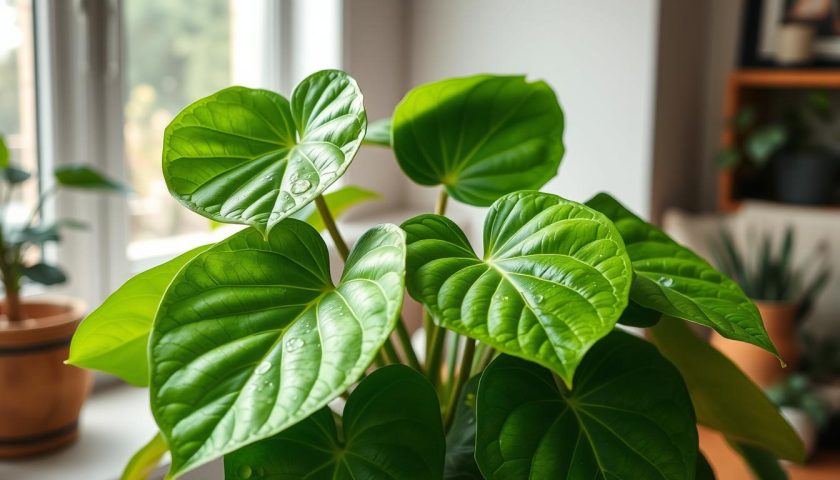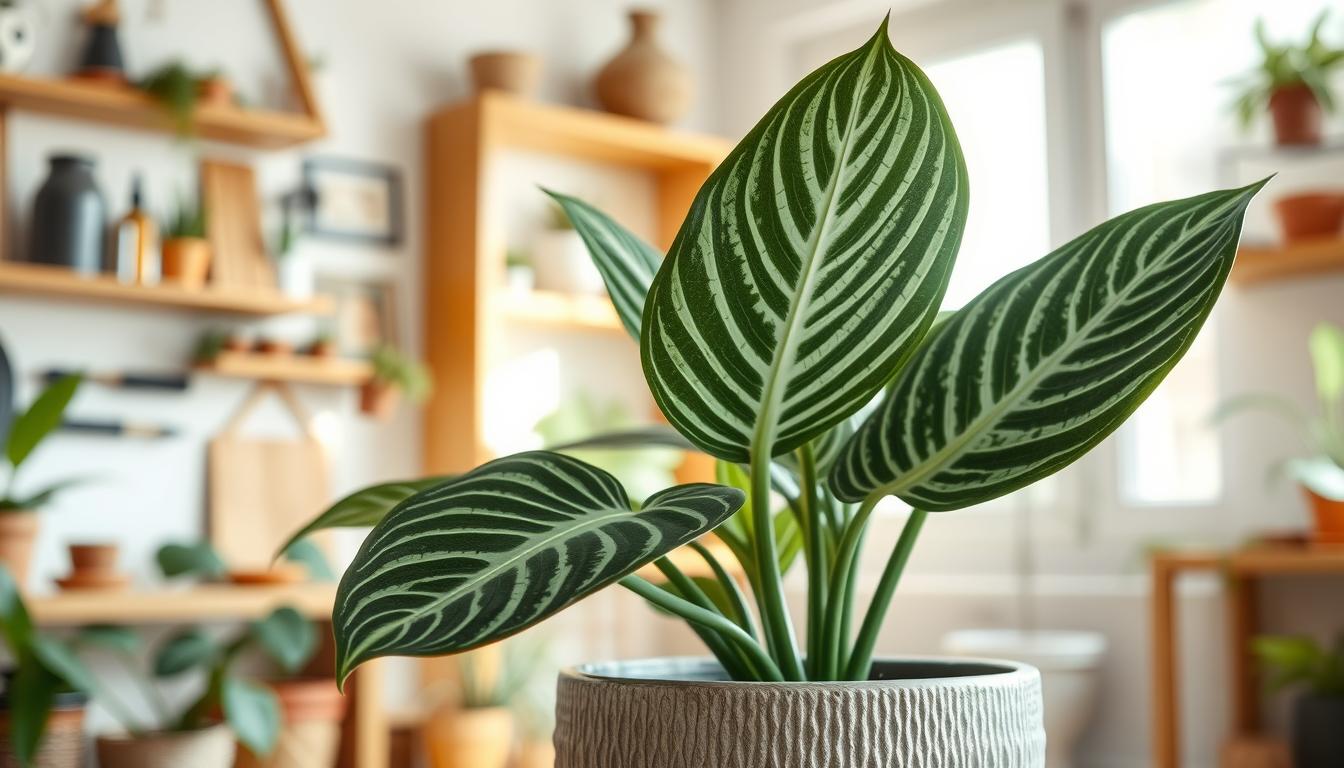
Alocasia Silver Dragon care comes down to bright, indirect light, warmth, medium to high humidity and compost that drains quickly, with less water in winter. I am Sawera Shahid, a botanist at Patch Plants. This jewel alocasia is loved for its thick, silvery leaves with dark green veins, but it is less forgiving than a pothos or a snake plant. Most problems come from cold, soggy compost or dry air, and all three are easy to prevent once you know what the plant expects.
Alocasia Silver Dragon is a cultivar of Alocasia baginda, a species formally described in 2011 by botanists Agung Kurniawan and Peter Boyce from eastern Kalimantan, Indonesian Borneo. It stays compact compared with the giant elephant’s ears, which makes it a good shelf or tabletop plant. Below are 9 simple tips that cover everything an Alocasia Silver Dragon needs indoors, followed by propagation, pet safety and common problems.
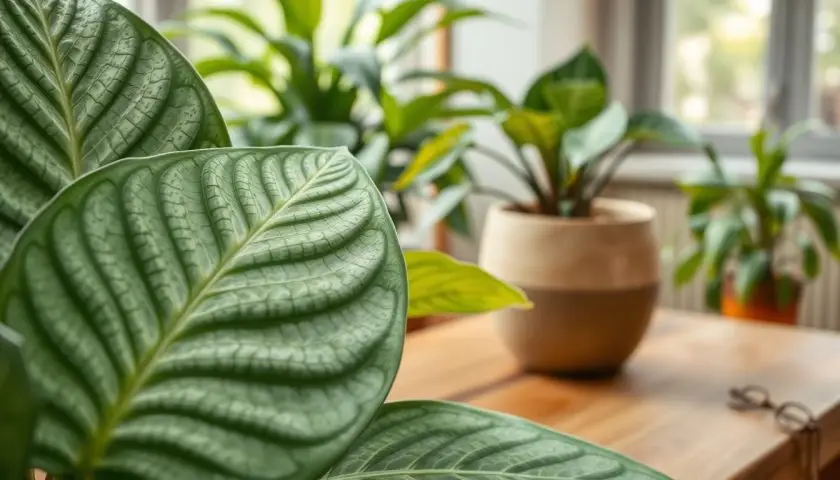
Alocasia Silver Dragon Care at a Glance
| Need | What Works |
|---|---|
| Light | Bright, indirect light; no strong direct sun |
| Water (April to October) | When the top 5cm (2in) of compost is dry |
| Water (winter) | Keep to a minimum |
| Temperature | Above 16°C (60°F) in growth; never below 10°C (50°F) |
| Humidity | Medium to high |
| Compost | Peat-free houseplant compost with added grit |
| Pets | Toxic to dogs, cats and horses (ASPCA) |
The light, water, temperature and compost guidance above comes from the RHS growing guide for alocasias, which applies to Alocasia Silver Dragon like the rest of the genus.
9 Simple Tips for Alocasia Silver Dragon Care
1. Give it bright, indirect light
The RHS recommends bright, indirect light for alocasias and warns that strong sunlight can scorch the foliage. Lower light is tolerated but slows growth. An east-facing window, or a spot a little back from a brighter window, suits Alocasia Silver Dragon well. Turn the pot slightly each time you water, which the RHS suggests to stop the plant leaning toward the light. For more on placement, see the complete guide to indoor light.
2. Water when the top 5cm is dry
From April to October, the RHS advises watering once the top 5cm (2in) of compost has dried. Water thoroughly, let the excess drain away and never leave the pot standing in water. Alocasia Silver Dragon has fleshy roots that rot quickly in wet, airless compost, so checking with a finger is better than watering on a fixed day. Our guide to signs you are overwatering shows what to watch for.
Learning what thirst looks like helps you avoid both extremes. An Alocasia Silver Dragon that needs water usually shows several of these signs together:
- The top few centimetres of compost feel dry, and the pot is noticeably lighter when lifted.
- Compost has started to shrink away from the inside edge of the pot.
- Leaves look slightly limp or less upright than usual, then recover within a day of watering.
If the leaves droop but the compost is still wet, do not water. That pattern points to roots that are struggling in soggy compost, and more water will make it worse. Let the pot dry further, improve drainage and check the roots if the plant does not recover.
3. Raise the humidity
Alocasias prefer medium to high humidity. The RHS suggests a tray of gravel or clay granules, a bathroom with good light, grouping plants together or a humidifier. It also warns that low humidity can cause brown leaf edges and attract red spider mites, which thrive in dry air. A simple DIY humidity tray is an easy place to start.
4. Keep it warm and out of draughts
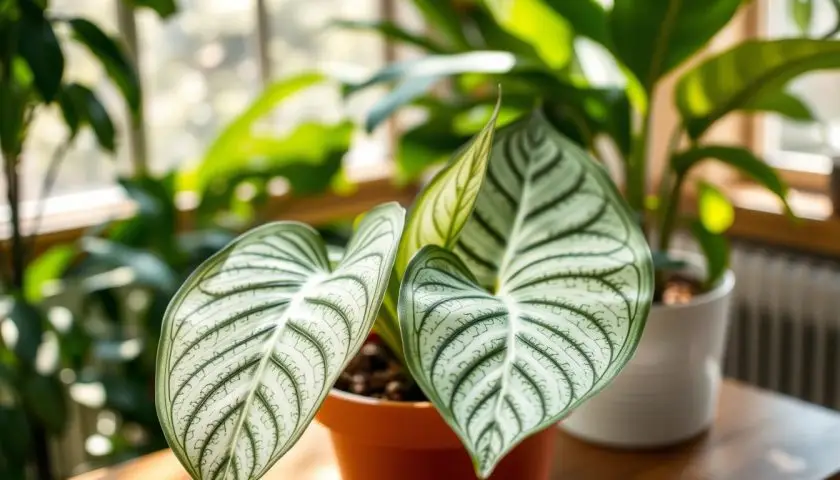
The RHS recommends keeping alocasias above 16°C (60°F) during the growing season and above 10°C (50°F) at all times in winter, away from cold draughts. Avoid placing your Alocasia Silver Dragon near a door that opens to the outside in winter, or directly beside a radiator, which dries the air.
5. Use a gritty, free-draining compost
For repotting, the RHS suggests peat-free houseplant compost, or peat-free multipurpose compost mixed with horticultural grit at about three parts compost to one part grit. The grit keeps air around the roots. Always use a pot with drainage holes. For more on mixes, read the best soil mix guide.
6. Feed only while it is growing
The RHS recommends a general liquid fertiliser from April to October, at the dose on the packaging. Stop feeding in winter, when growth slows. Extra fertiliser will not speed up a resting Alocasia Silver Dragon, and salt build-up can scorch the roots.
7. Expect a quieter winter
The RHS explains that keeping alocasias cooler and drier in winter allows them to go dormant, and that losing some leaves at this time is nothing to worry about. New leaves follow when growth resumes in spring. Reduce watering to a minimum during this rest, because the RHS notes that overwatering in winter is a common cause of root rot.
8. Repot every couple of years
The RHS suggests repotting every couple of years in spring, when the roots are overcrowded, and moving up only about 5cm (2in) in pot diameter at a time. An oversized pot holds extra wet compost around the roots. The RHS also advises wearing gloves when handling alocasias, because the sap can irritate skin. Step-by-step help is in how to repot a plant.
9. Check for pests and leaf problems early
Red spider mite is the pest to watch for, especially in dry, warm rooms. Look for fine speckling on the leaves and webbing underneath. Wiping the leaves and raising humidity both help. Our guide to spider mites on plants explains how to deal with an outbreak.
Alocasia Silver Dragon Care Through the Year
Alocasia Silver Dragon has a clear growing season and a quieter rest, so its care should change with the months. This calendar follows the timings in the RHS alocasia guide.
| Season | What to Do |
|---|---|
| Spring | Repot if roots are crowded, separate offsets, move to the brightest indirect light and start feeding from April. |
| Late spring to early summer | Divide the rhizome if you want more plants; keep divisions warm and bright. |
| Summer | Water when the top 5cm is dry, keep humidity up and check under leaves for spider mites. |
| Autumn | Feed until October, then stop; move away from cold windows as nights cool. |
| Winter | Water to a minimum, keep above 10°C (50°F) and accept some leaf loss as normal rest. |
Choosing the Right Pot for Alocasia Silver Dragon
Drainage matters more than the pot’s looks. Choose a container with holes in the base, and if you use a decorative outer pot, empty any water that collects in it after watering. The RHS notes that larger alocasias are best planted in a heavy terracotta pot for stability. Terracotta also lets the compost dry a little faster than plastic, which suits a plant that dislikes wet roots. Because the RHS advises moving up only about 5cm (2in) in diameter at each repotting, a compact Alocasia Silver Dragon can stay in a modest pot for a long time.
How to Choose a Healthy Alocasia Silver Dragon
A good start makes every other step easier. When buying, look for these signs of a healthy plant:
- Firm, upright stems with no soft or dark patches at the base.
- Leaves with clean silver colouring and no fine speckling, which can signal spider mites.
- No webbing on the undersides of the leaves or where the stems meet.
- Compost that is moist but not waterlogged or smelling sour.
- At least one new leaf emerging or unfurling, a sign the plant is actively growing.
Keep a new Alocasia Silver Dragon away from your other plants for a couple of weeks, so any hidden pests do not spread. Expect it to drop a leaf as it adjusts to your home; this is common after a move and is not a reason to change everything at once.
Common Alocasia Silver Dragon Problems
| Problem | Likely Cause | What to Do |
|---|---|---|
| Brown, crispy leaf edges | Low humidity (RHS) | Use a pebble tray, group plants or add a humidifier |
| Yellow lower leaves and soft stems | Overwatering, especially in winter | Let the top 5cm dry; check roots for rot |
| Leaves dropping in winter | Normal winter dormancy | Water sparingly and wait for spring growth |
| Pale, scorched patches | Strong direct sun | Move to bright, indirect light |
| Fine webbing and speckled leaves | Red spider mite | Wipe leaves, raise humidity and treat early |
| Leaf damage after a cold spell | Temperatures below 10°C or cold draughts | Move somewhere warmer and steadier |
If the stem base feels soft or the roots look brown and mushy, read our guide to identifying and treating root rot before the problem spreads.
How to Propagate Alocasia Silver Dragon
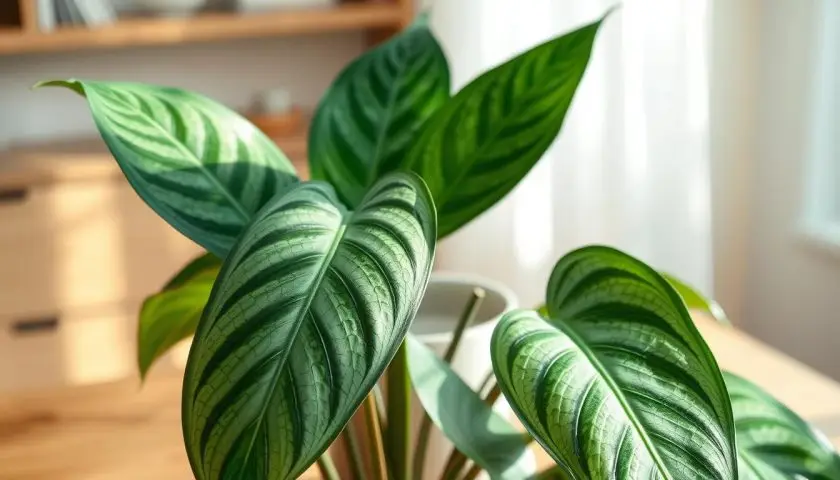
The RHS says the easiest way to propagate alocasias is to separate offsets in spring and pot them up in gritty, peat-free compost. You can also divide the fleshy rhizome in late spring or early summer and keep the pieces warm and bright while they establish. Small offsets grow slowly at first, so be patient and keep them in the same bright, humid conditions as the parent plant. For general technique, see how to propagate houseplants.
Alocasia Silver Dragon vs Dragon Scale
Alocasia Silver Dragon and ‘Dragon Scale’ are both selections of Alocasia baginda. NC State Extension describes ‘Dragon Scale’ as a compact variety with thick, textured, arrow-shaped, silvery-green leaves and dark green veins. Silver Dragon is the paler, more silvery form. Their care is the same, so everything in this guide applies to both. If you enjoy textured foliage, our list of tropical house plants includes more statement leaves, and the elephant ear care guide covers the wider group of large-leaved aroids.
Is Alocasia Silver Dragon Safe for Pets?
No. The ASPCA lists Alocasia as toxic to dogs, cats and horses. Its toxic principle is insoluble calcium oxalates, and listed signs include oral irritation, pain and swelling of the mouth, tongue and lips, excessive drooling, vomiting and difficulty swallowing. Keep Alocasia Silver Dragon out of reach, and contact your vet or the ASPCA Animal Poison Control Center at (888) 426-4435 (a consultation fee may apply) if you think a pet has chewed it. For safer choices, see how to make your plants cat-friendly.
Frequently Asked Questions
Is Alocasia Silver Dragon hard to care for?
It is moderately demanding. It needs warmth, medium to high humidity and free-draining compost, and it dislikes cold, wet roots. With those in place, it is a steady grower.
How often should I water Alocasia Silver Dragon?
From spring to autumn, water when the top 5cm (2in) of compost is dry, then let it drain fully. In winter, keep watering to a minimum while growth slows.
Why is my Alocasia Silver Dragon losing leaves in winter?
Some leaf loss in winter is normal dormancy. The RHS says it is nothing to worry about, and new leaves appear when the plant starts growing again in spring.
Does Alocasia Silver Dragon need high humidity?
It prefers medium to high humidity. Dry air can cause brown leaf edges and encourage red spider mites, so use a pebble tray, group plants or run a humidifier.
Is Alocasia Silver Dragon toxic to cats and dogs?
Yes. The ASPCA lists Alocasia as toxic to dogs, cats and horses because it contains insoluble calcium oxalates. Keep it out of reach of pets.
Final Thoughts
As a botanist, I think Alocasia Silver Dragon is a good step up for anyone who has kept easier houseplants alive and wants something more striking. Its needs are specific rather than difficult: steady warmth, humid air, gritty compost and a lighter hand with water in winter.
Patch Plants guides are written to explain why a plant behaves the way it does, so that a dropped leaf in December reads as a rest, not a crisis. If your collection is growing, our indoor plant guides cover many more tropical favourites.
Sources: RHS, How to grow alocasias; NC State Extension, Alocasia; ASPCA, Alocasia.

About the author
Sawera Shahid is a botanist with an MPhil in Botany and 5+ years of writing about plants. As founder and lead writer of Patch Plants, she writes practical, science-backed guides on indoor plants, outdoor gardens and plant problems, checked against RHS and university extension advice.