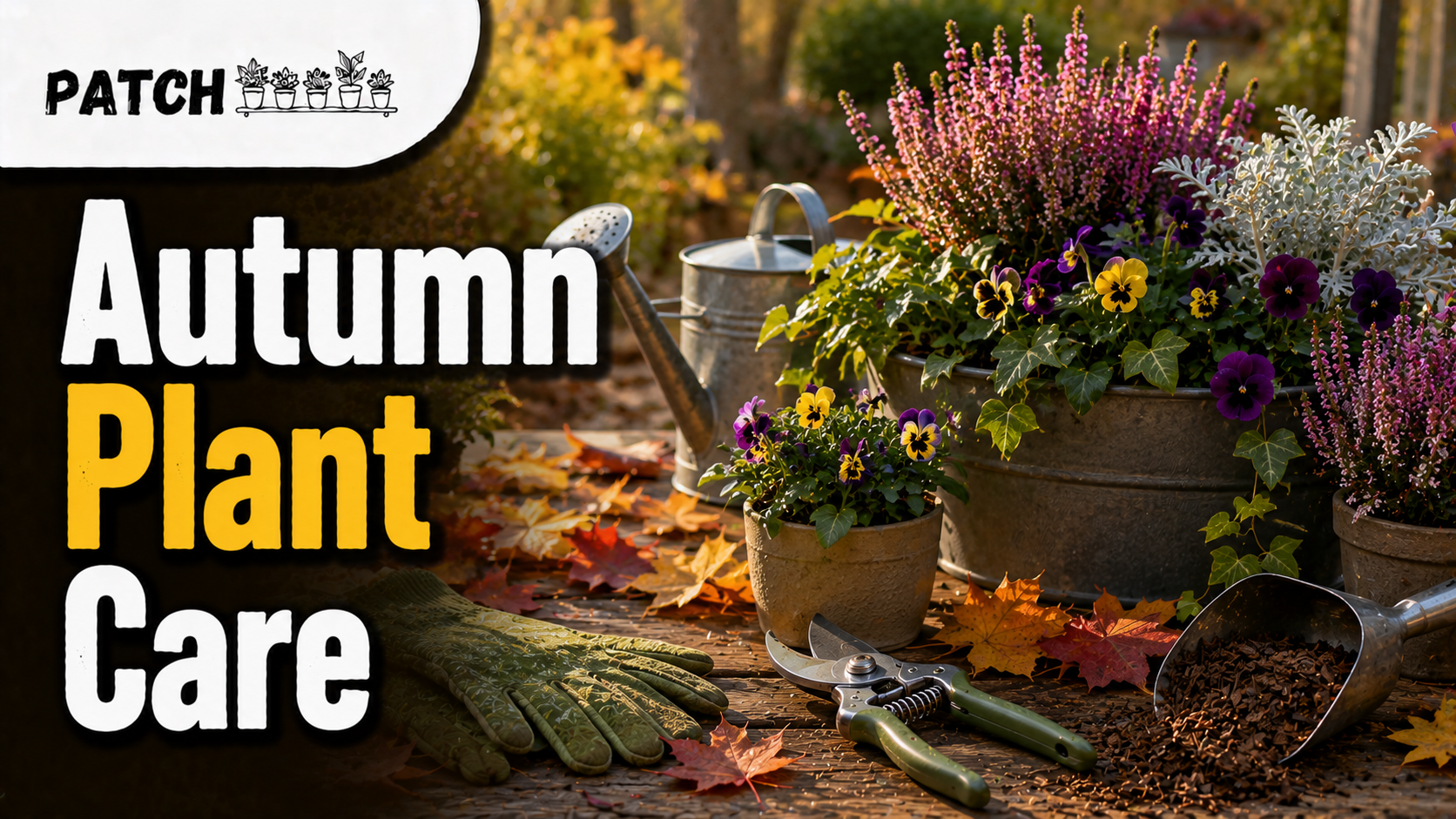
Seasonal plant care in autumn means helping plants slow down safely: water less often and only when the soil is dry, stop heavy feeding, tidy away diseased growth but leave healthy seed heads, plant hardy perennials, shrubs and bulbs while the soil is still warm, mulch beds, and move tender pots into shelter before the first frost. Indoors, give houseplants more light and keep them away from cold glass and radiators. As days shorten and soil cools, plants change what they do. Many slow their growth, some go dormant, and…
Category: Featured
Pruning Basics: 9 Easy Steps to Prune Plants Correctly
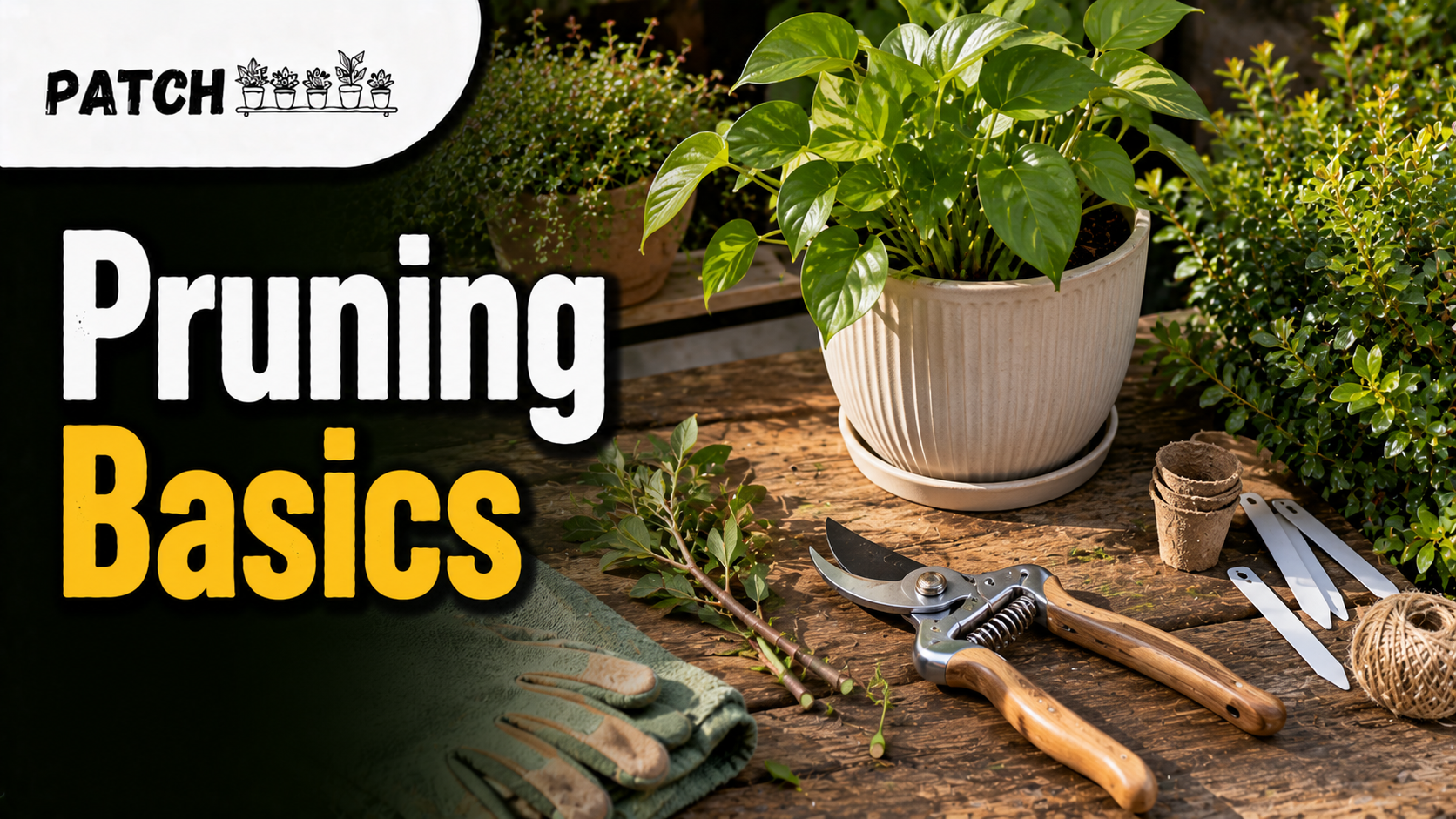
Pruning basics become easier when you understand why to cut, where to make each cut, and when a plant can recover. Whether you are trimming a leggy pothos, removing dead leaves from a houseplant, or shaping a flowering shrub, careful pruning can improve a plant’s structure, appearance, and long-term health. To prune plants correctly, first identify dead, damaged, diseased, or overcrowded growth. Choose sharp, clean tools, check the right season for your plant, and make precise cuts at a healthy node, bud, lateral branch, or branch collar. Start lightly rather…
Improve Home Office with Plants: 15 Best Proven Ideas
Key Takeaways Home office plants can make a work-from-home setup feel calmer, softer, and more focused without needing a full room makeover. The best plants for home office spaces depend on light, desk size, care routine, shelf space, and whether you want a small desk plant or a large statement plant. Office plants for productivity work best when they reduce visual stress instead of adding clutter. For beginners, start with low maintenance office plants like snake plant, ZZ plant, pothos, spider plant, and peace lily. Use home office decor with…
Native Plants: Why They Matter and How to Choose Them
Native plants are species that grow naturally in a region without being introduced by people, so they are already adapted to its soil, rainfall, seasons and wildlife. They matter because local insects, and the birds that eat those insects, depend on them: many caterpillars can feed on only a few native host plants. Once established, native plants also tend to need less watering, feeding and spraying than plants from very different climates. This guide explains what counts as a native plant, why native plants matter for wildlife, which types to…
Heat Tolerant Plants That Withstand Storms and Heatwaves
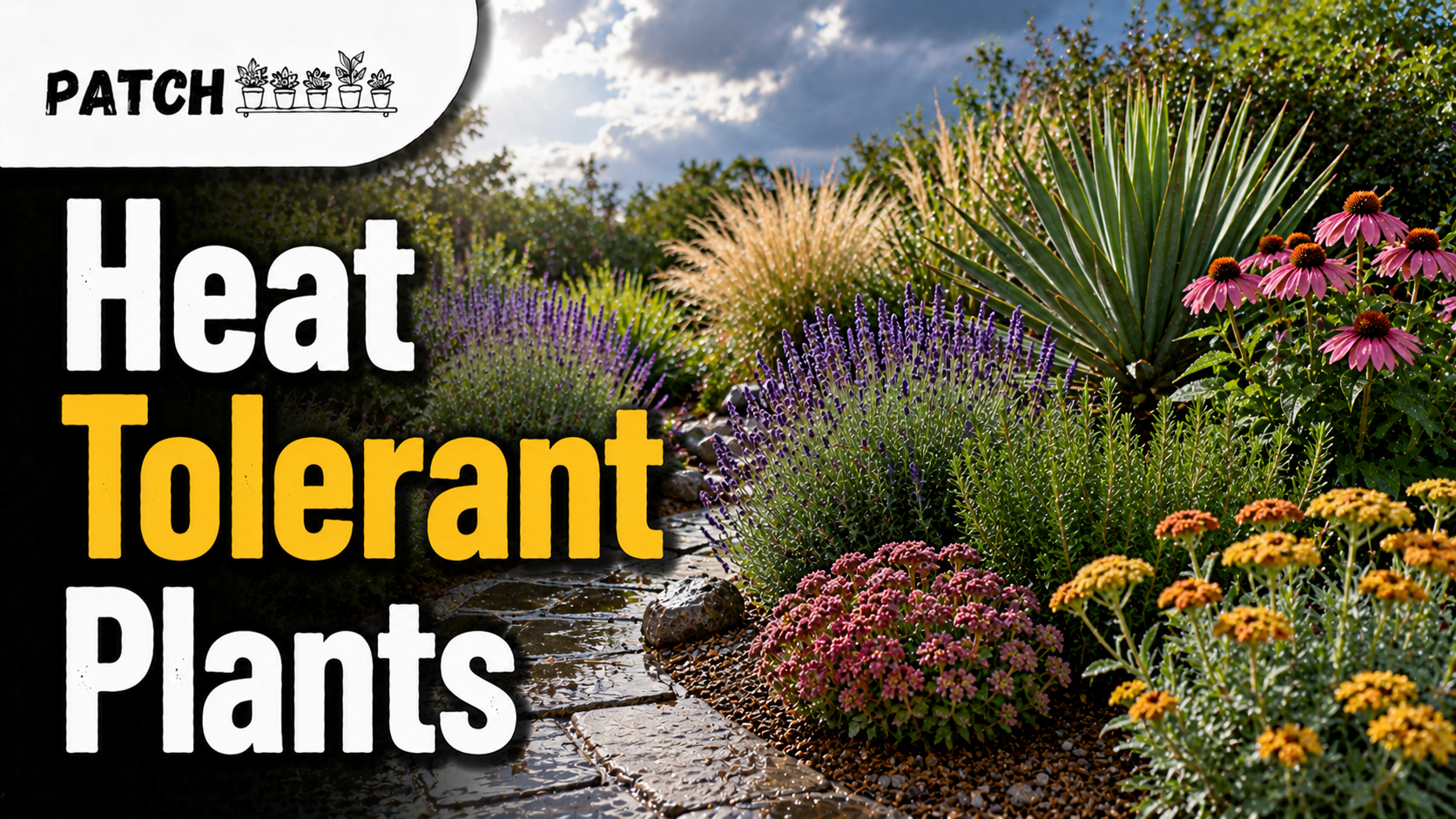
Key Takeaways Heat tolerant plants are essential for gardens that face strong sun, dry spells, sudden storms, and unpredictable summer weather. The best heat resistant flowers include salvia, yarrow, lavender, verbena, lantana, gazania, blanket flower, coreopsis, and coneflower. Heat tolerant perennials return year after year and often need less work than seasonal bedding plants once established. Full sun heat tolerant plants still need deep watering while they establish, especially during their first growing season. Heat tolerant outdoor plants that also handle storms usually have strong roots, flexible stems, compact growth,…
10 Best Drought Resistant Plants for a Waterwise Garden
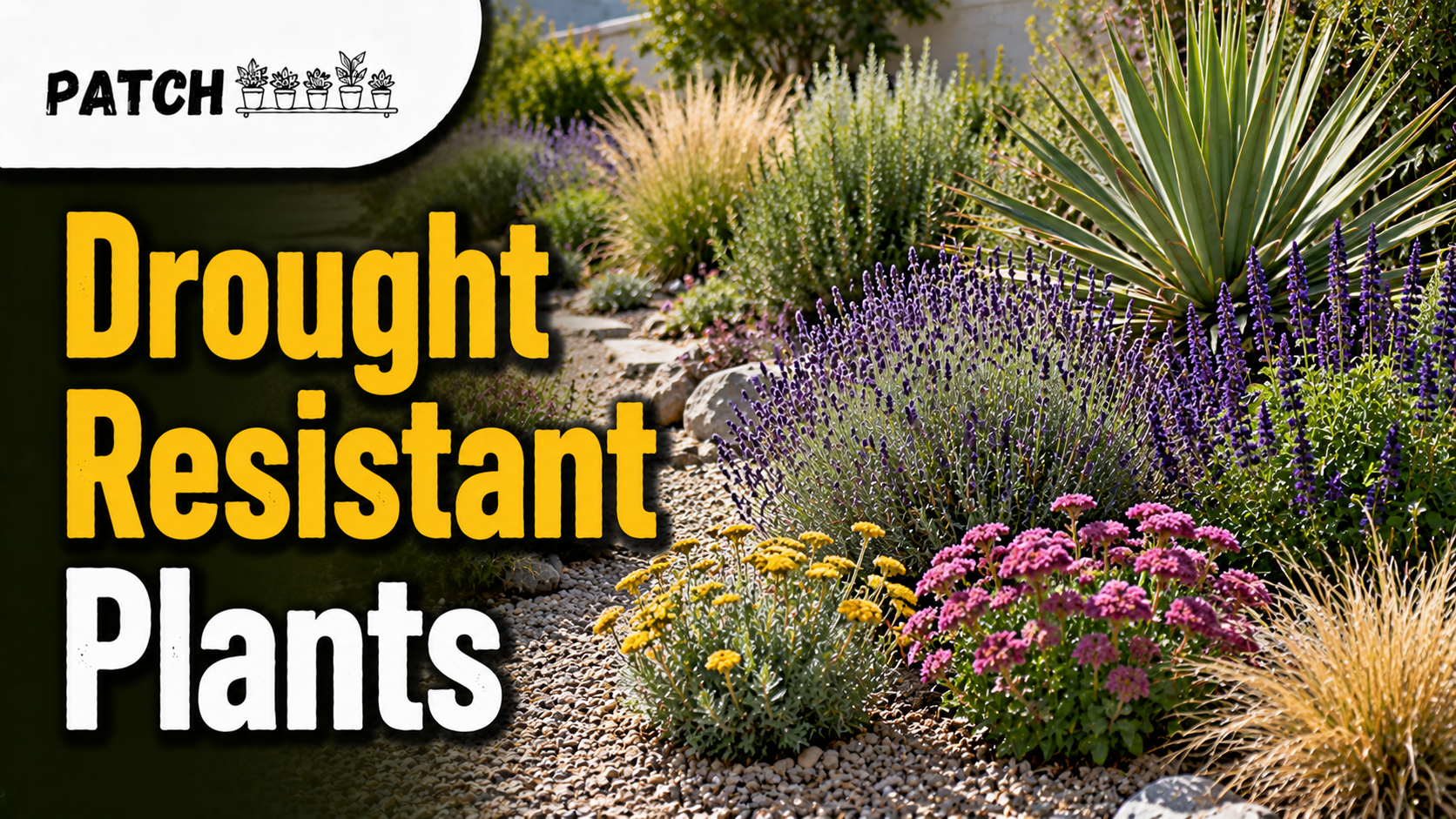
Drought resistant plants can transform a hot, dry garden into a colourful landscape that requires less irrigation once established. Whether you are dealing with summer dry spells, water restrictions, a sunny patio, or a garden that dries out quickly, the right plants can make outdoor gardening more manageable without sacrificing flowers, fragrance, or attractive foliage. However, drought tolerance does not mean a plant can survive indefinitely without water. Lavender may grow successfully in a sunny, well-drained border but struggle in wet clay. A drought-tolerant perennial may need regular watering during…
Year Round Balcony Plants That Handle Wind, Rain & Sun
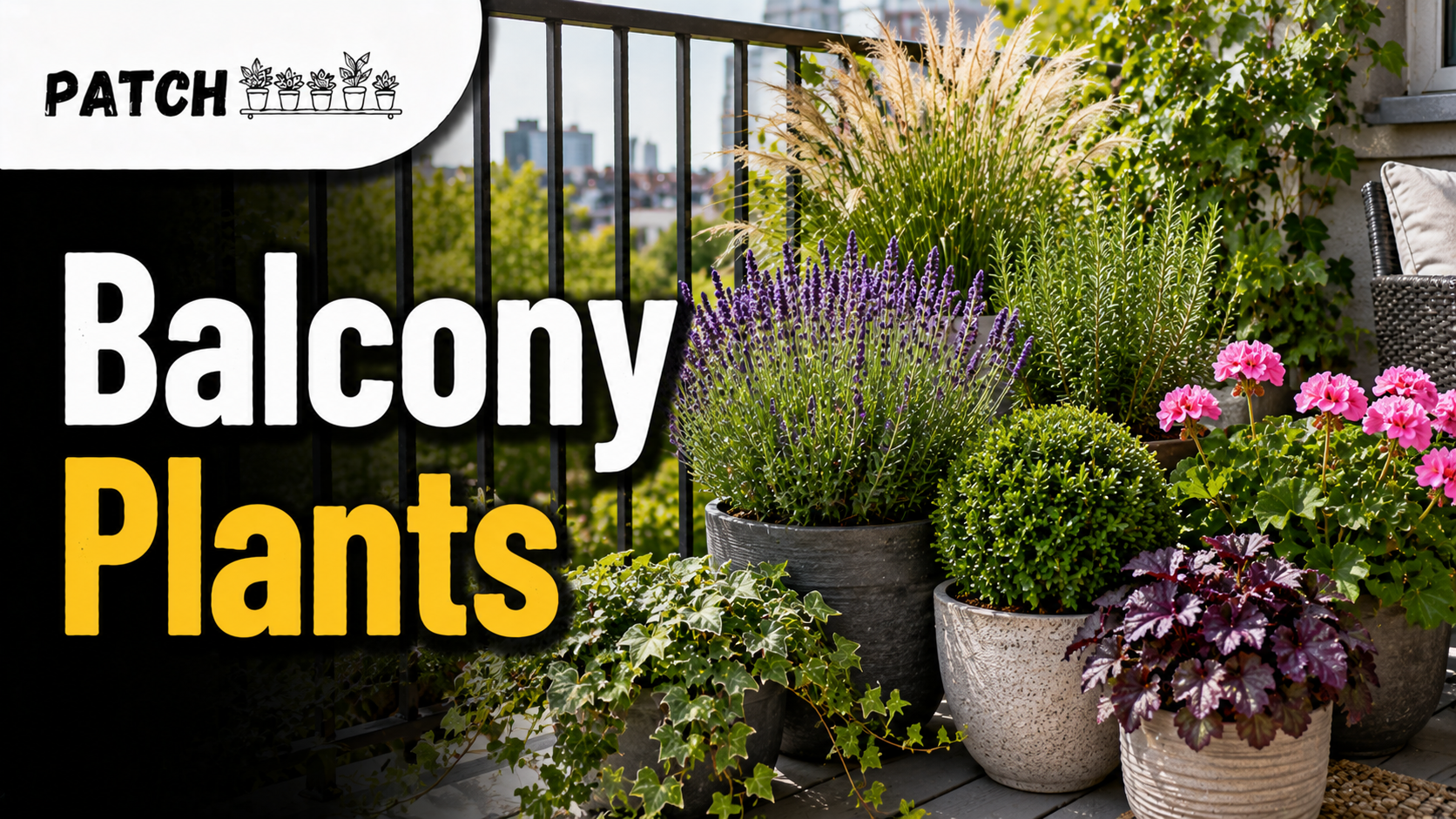
The best year round balcony plants are tough, container-friendly plants that cope with wind, uneven rain, reflected heat, and pots that dry out fast. Reliable choices include lavender, rosemary, ornamental grasses, sedum, houseleeks, dwarf conifers, Viburnum tinus, heuchera, and hardy ferns, with pelargoniums added for seasonal colour. Match each plant to your balcony’s sun, shade, and wind, and use large, stable pots with drainage holes. A balcony is a harsher place to garden than a ground-level bed. Wind is stronger, walls and glass bounce heat back onto plants, rain often…
How to Keep Pests Away from Outdoor Plants
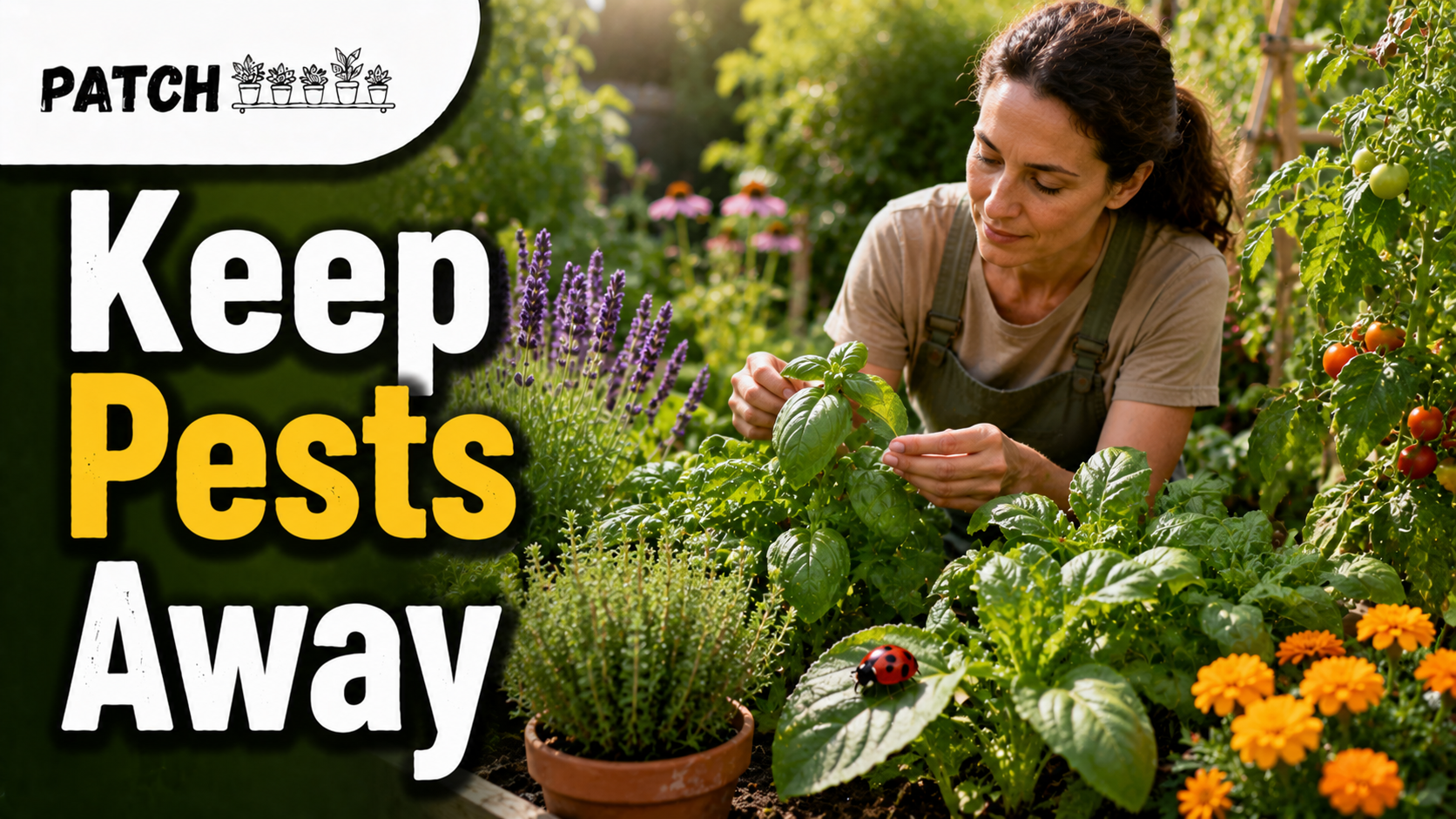
The best way to keep pests away from outdoor plants is prevention: grow healthy plants in the right spot, water at the soil, space them for airflow, clear diseased debris, and check under leaves every week. When pests do appear, identify them first, then use the gentlest fix that works: hosing aphids off, hand-picking slugs, covering crops with insect mesh, and encouraging natural predators. Save sprays for real outbreaks. Most garden pest problems start small: a few aphids on soft new shoots, a slug trail by a pot, or caterpillar…
Coastal Garden Plants: 15 Best Picks for Wind and Salt
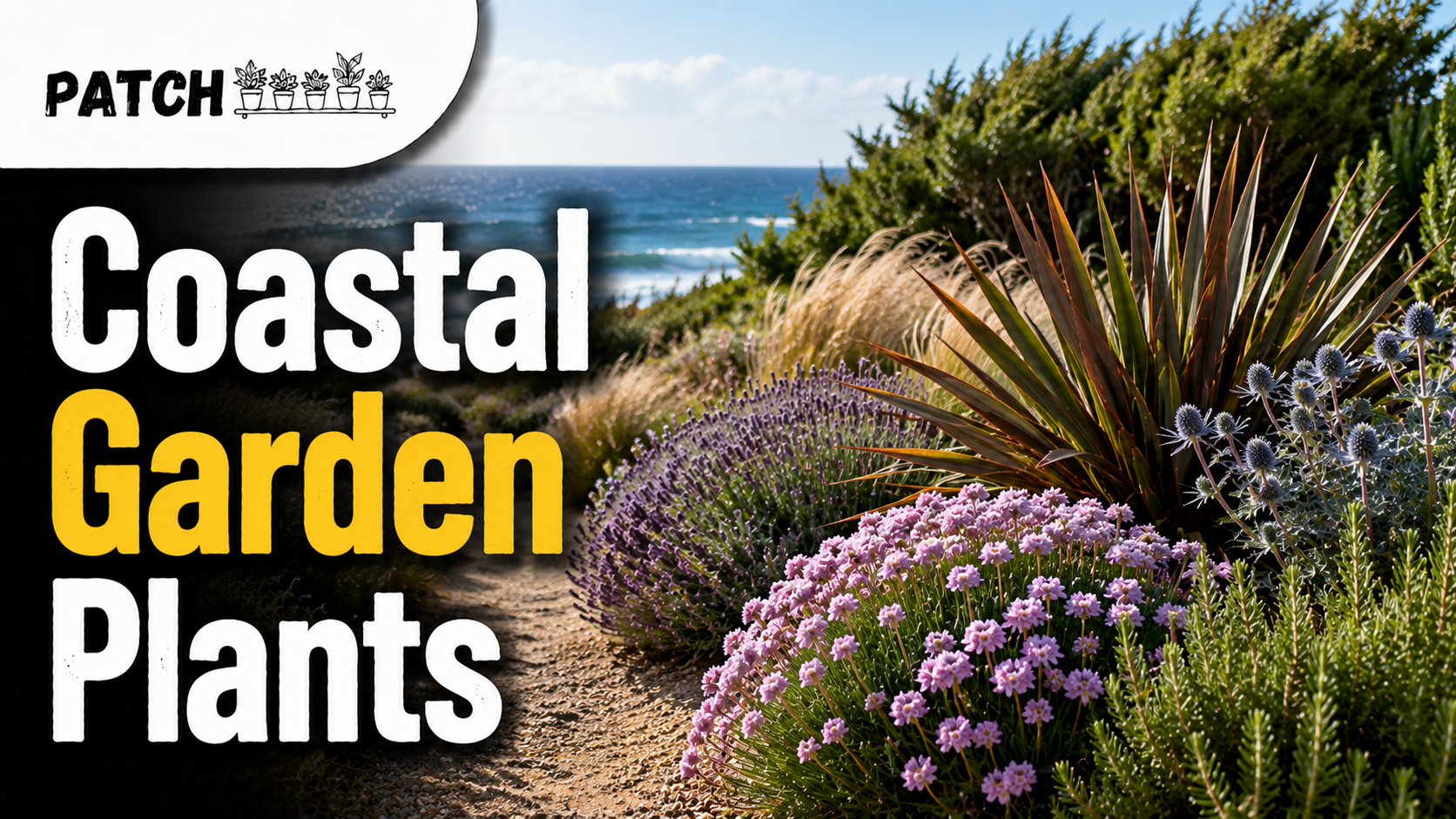
Coastal garden plants need to withstand more than an occasional sea breeze. Salt spray, drying winds, sandy soil, intense sunlight, and sometimes coastal flooding make seaside gardening different from planting a sheltered backyard. The best plants for coastal gardens depend on where you live and how exposed your property is. Sea thrift, sea holly, lavender, rosemary, yarrow, and suitable grasses work well in many temperate coastal designs. In warmer parts of the United States, native beach sunflower, wax myrtle, sea oats, and other locally adapted plants may be better choices.…
Outdoor Plants That Survive British Winters Without Fuss
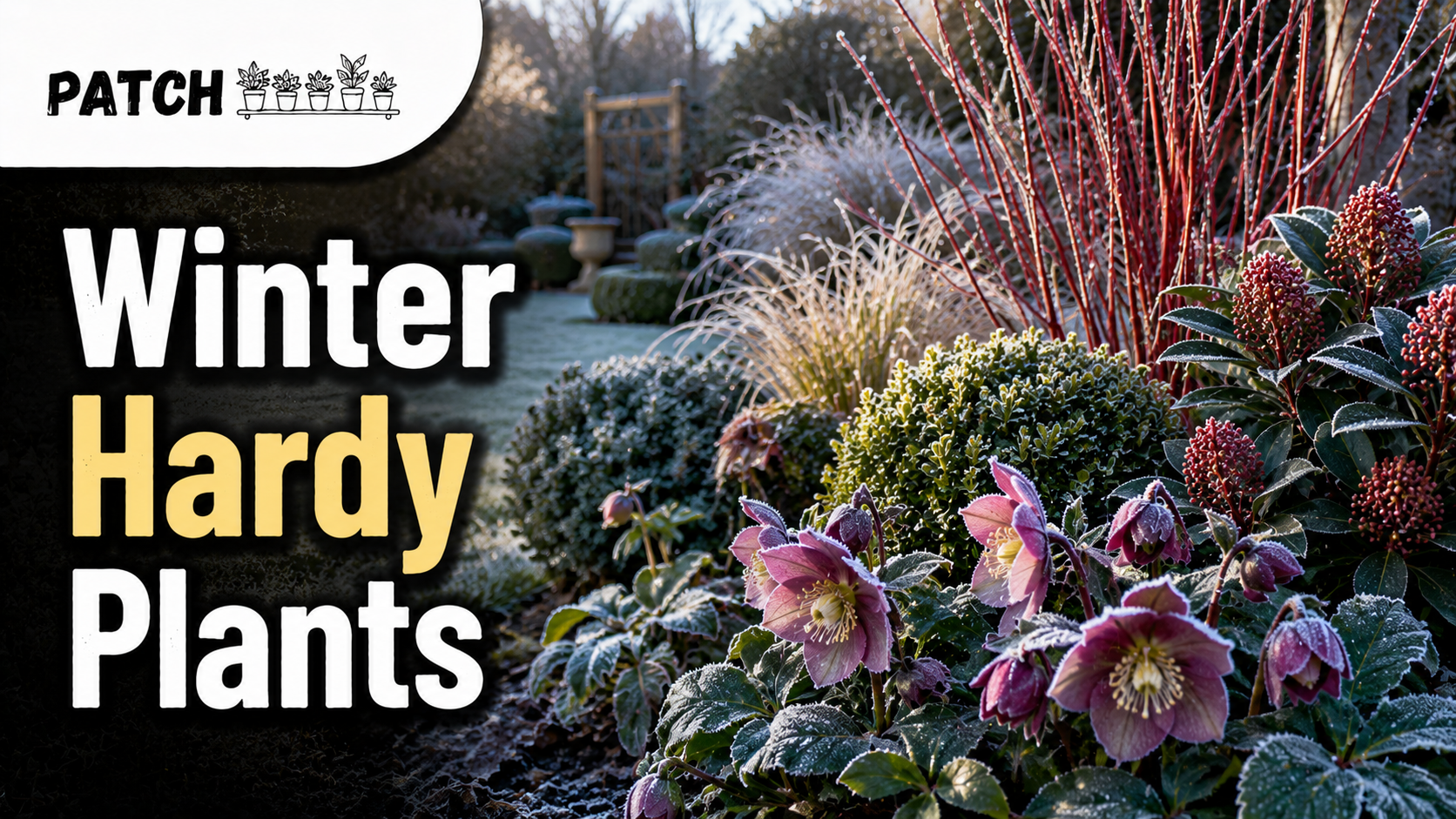
The outdoor plants that survive British winters best are hellebores, snowdrops, Cyclamen coum, heuchera, winter-flowering heather, skimmia, mahonia, sarcococca, yew, ivy, red-stemmed dogwood, winter jasmine, hardy ferns, ornamental grasses and box (or a box alternative). Look for an RHS hardiness rating of H5 or higher for cold or exposed gardens, plant in well-drained soil, and protect pots, because in a British winter wet roots kill more plants than frost does. British winters are rarely bitterly cold for long, but they are wet, windy and changeable, with mild spells followed by…