Bird of Paradise Plant Care Guide: How to Grow Strelitzia Indoors
Bird of Paradise Plant Care Guide: How to Grow Strelitzia Indoors
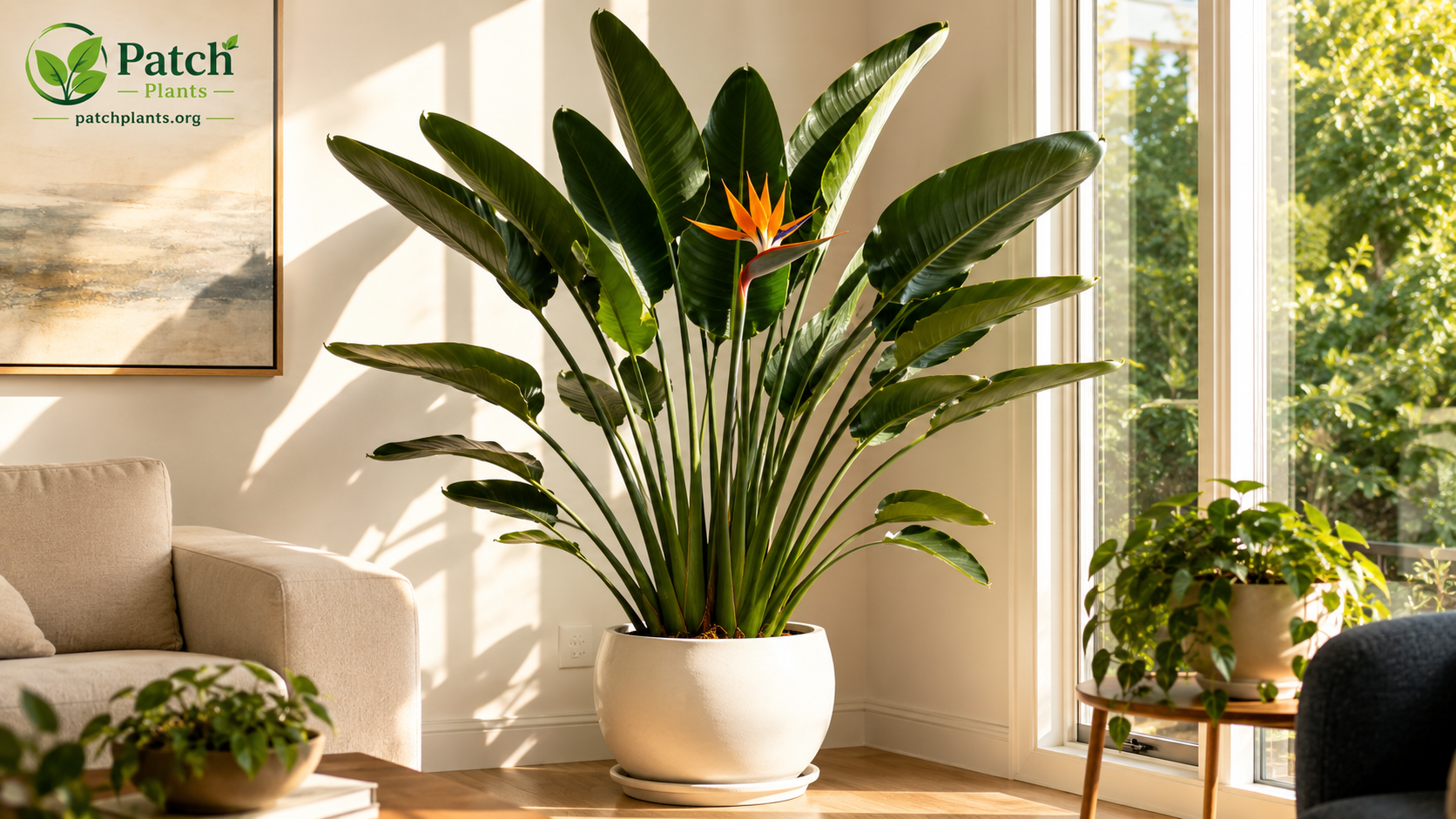
Bird of paradise plant care comes down to four things: lots of bright light, compost that stays moist in the growing season and drier in winter, warmth above 10 to 12°C, and patience. This tender South African evergreen rewards steady care with huge paddle-shaped leaves and, eventually, orange and blue flowers. I am Sawera Shahid, a botanist at Patch Plants. This guide covers Strelitzia reginae and the giant white Strelitzia nicolai, indoors and outdoors, with care advice checked against the Royal Horticultural Society (RHS) and pet safety from the ASPCA.…

Money Tree Care: 11 Essential Tips for Healthy Growth

money tree care

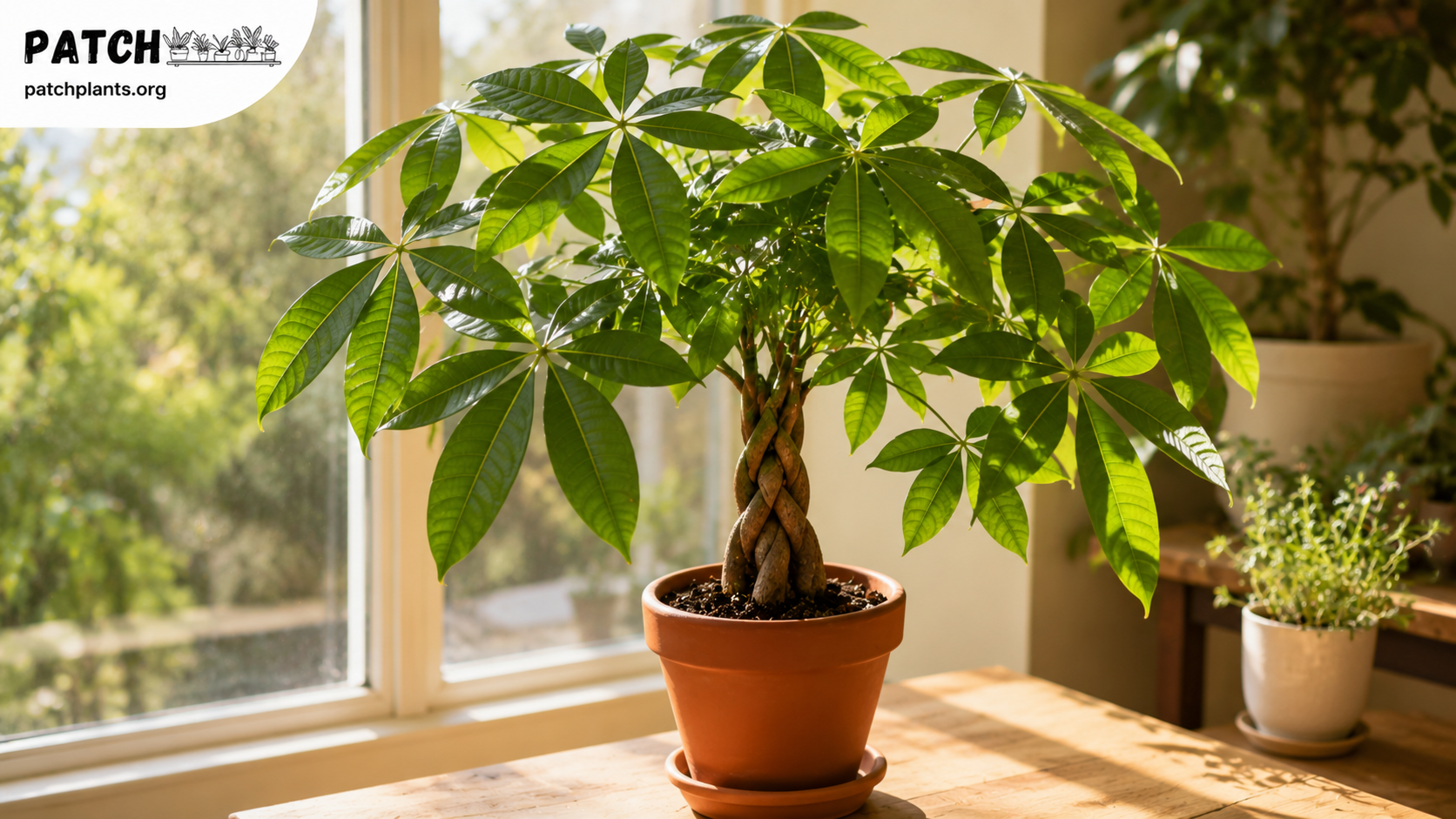
Money tree care comes down to three things: bright indirect light, thorough watering only when the top few centimetres of soil are dry, and a pot that drains freely. The money tree (Pachira aquatica) is a forgiving tropical plant, but it reacts quickly to soggy roots, cold drafts, and sudden moves, usually by yellowing or dropping leaves. Get those basics right and it will stay glossy and full for years. Money Tree Care at a Glance Care Need What It Needs Botanical name Pachira aquatica (many sold plants are the…

Boston Fern Care Guide: How to Grow Nephrolepis Exaltata

Boston Fern Care Guide: How to Grow Nephrolepis Exaltata

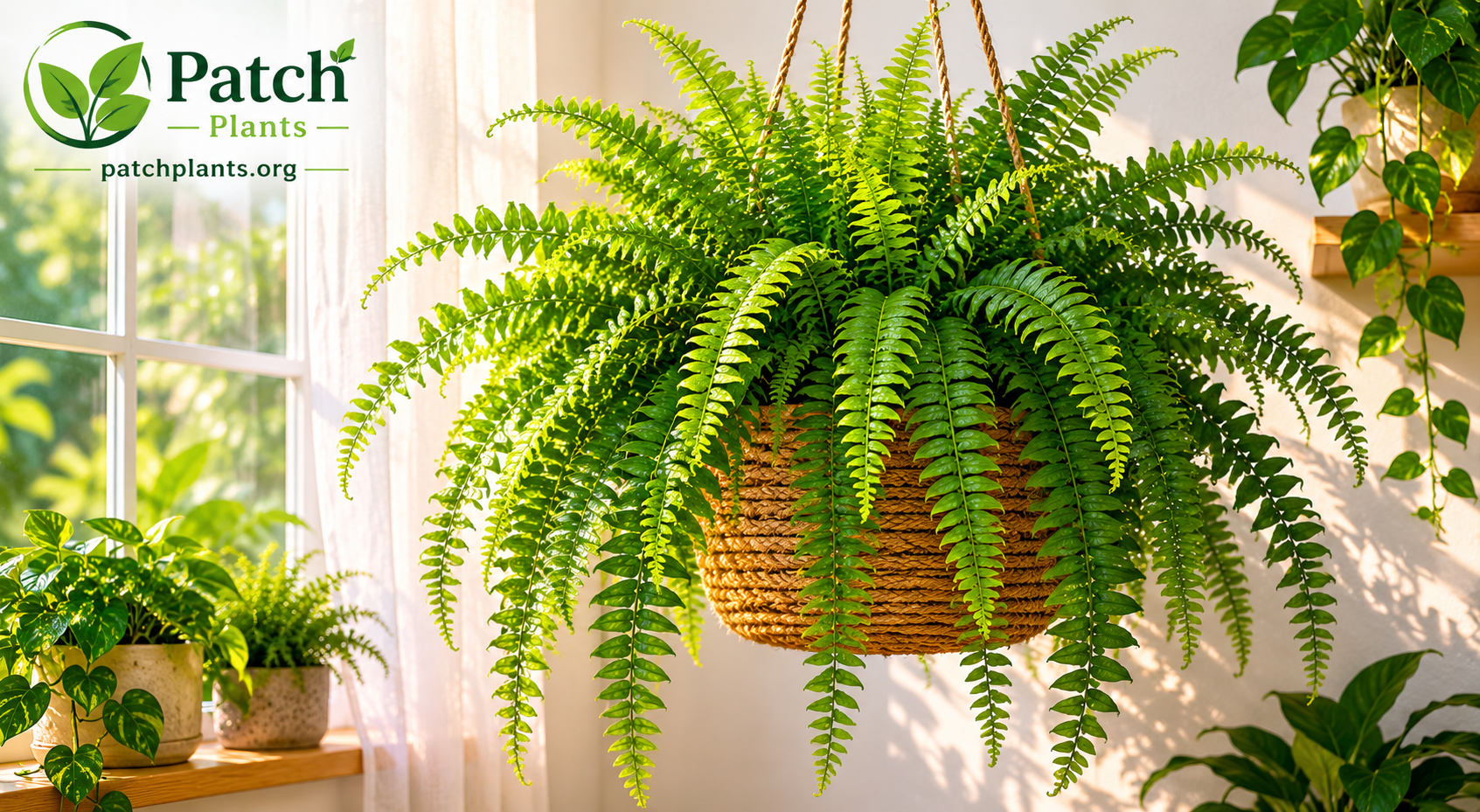
Boston fern care comes down to three things: bright indirect light, soil that stays evenly moist but never soggy, and humidity of around 50% or more. Keep it at about 16–24°C (60–75°F), away from radiators and cold draughts, and feed lightly only in spring and summer. Get the humidity right and the rest of Boston fern care is surprisingly simple. Boston fern (Nephrolepis exaltata ‘Bostoniensis’) is one of the most rewarding houseplants you can grow, with long, arching fronds that look spectacular in a hanging basket. It is also honest:…

Plants That Keep Bugs Away Without Chemical Repellents

Plants That Keep Bugs Away Without Chemical Repellents

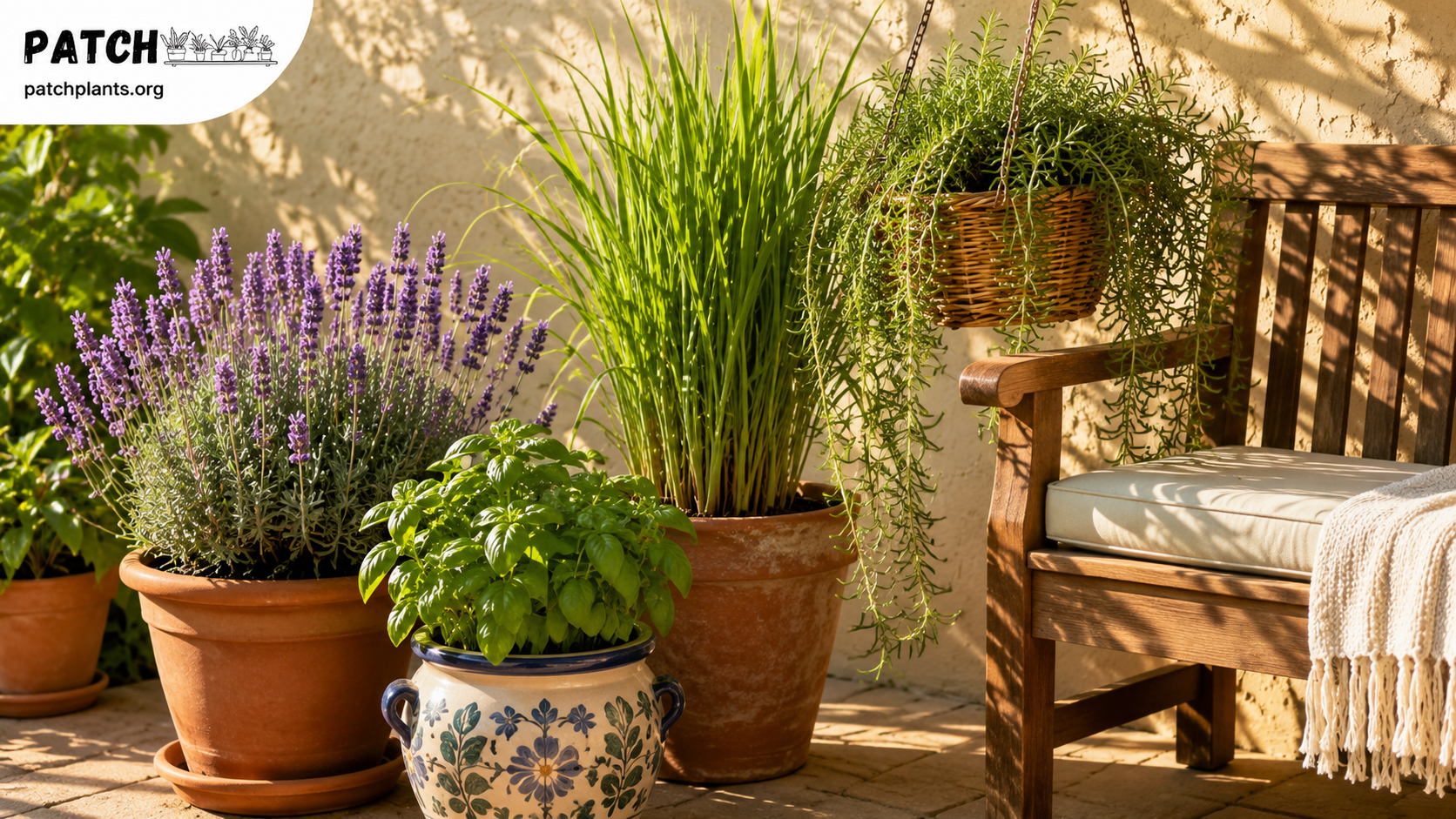
The plants that keep bugs away most reliably are lavender, basil, mint, citronella grass, rosemary, marigolds, catnip, lemon balm, pyrethrum daisy and lemongrass. Their leaves hold aromatic oils that many flies, mosquitoes and garden pests avoid. The honest catch is that a living plant only protects a small area around itself, and the oils are released most strongly when leaves are warm or brushed. So these plants work best as one layer of a natural pest plan, placed right next to where you sit, cook or grow food. This guide…

Dracaena Plant Care Guide: How to Grow Every Variety

Dracaena Plant Care Guide: How to Grow Every Variety

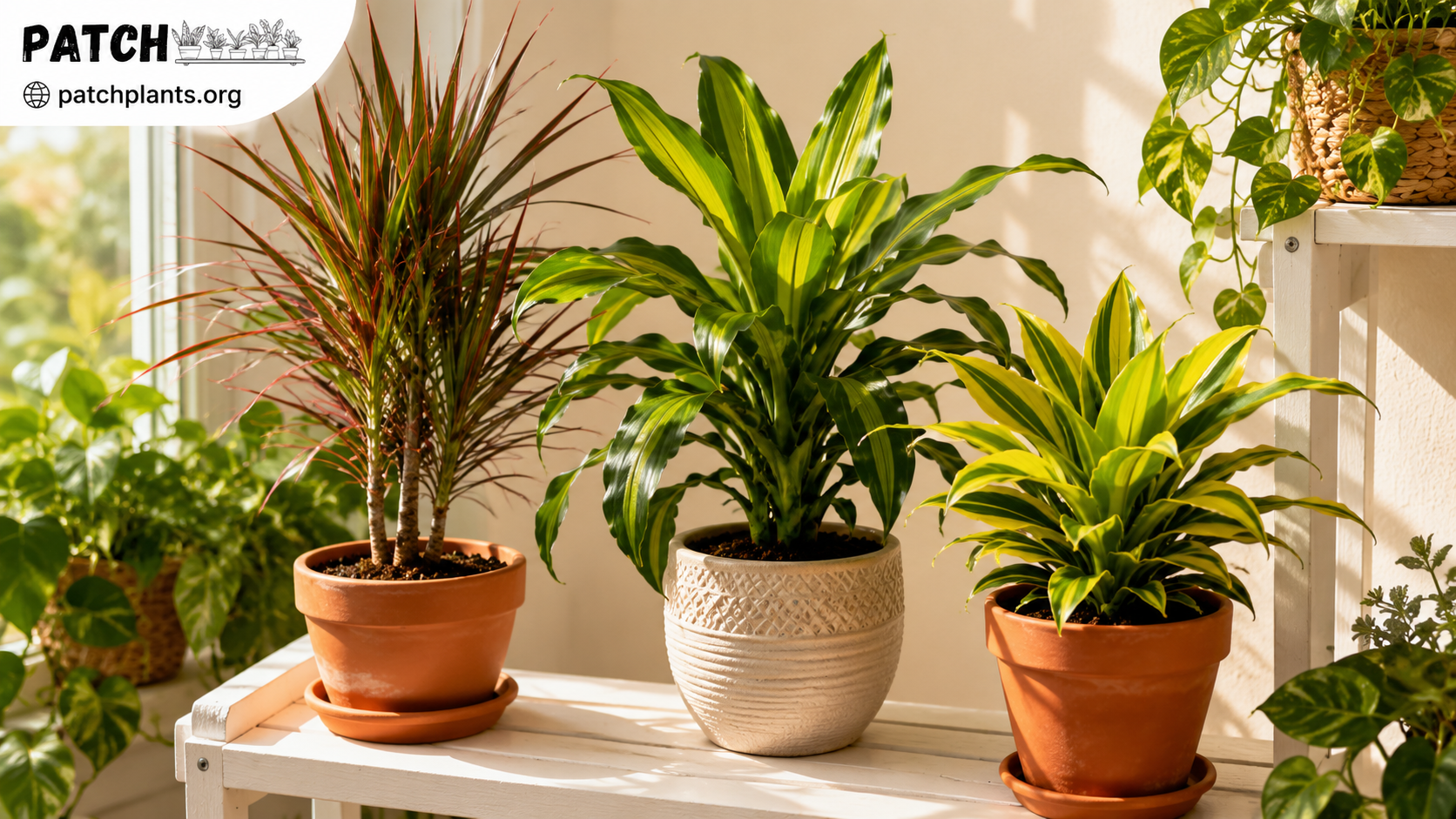
Dracaena plant care is simple: give it bright to medium indirect light, water only when the top half of the soil has dried, use rainwater or filtered water because dracaenas are sensitive to fluoride, and keep it warm, ideally 18–27°C. Most problems, especially brown leaf tips and yellow leaves, come from tap-water salts or overwatering rather than neglect. Dracaenas are some of the most forgiving houseplants you can grow, from compact desk plants to cane-stemmed floor plants that reach ceiling height. This guide covers the most popular varieties, including the…

Why Are My Plant Leaves Turning Yellow? 10 Causes and Fixes

Why Are My Plant Leaves Turning Yellow? 10 Causes and Fixes

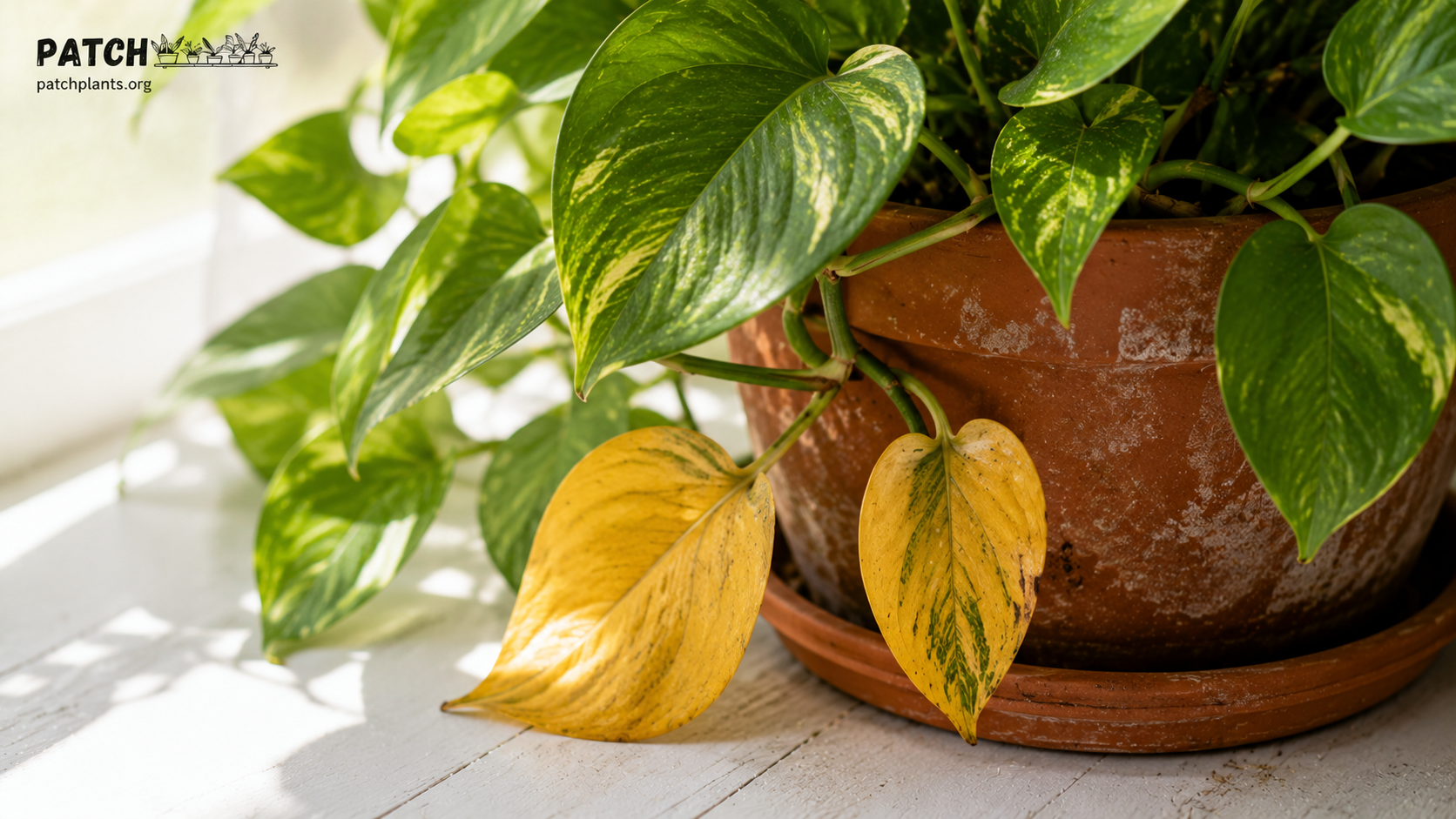
If you are asking “why are my plant leaves turning yellow?”, the most likely answer is overwatering, followed by underwatering, too little light, a lack of nutrients, cold draughts, a root-bound pot, pests, poor drainage or simple old age. The pattern tells you which: soft yellow lower leaves in wet soil point to overwatering, pale yellowing across the whole plant points to low light, and yellow leaves with green veins point to a nutrient problem. Yellow leaves will not turn green again, but fixing the cause stops new ones. This…

Jade Plant Care Guide: 11 Tips for Healthy Growth

Jade Plant Care Guide: How to Grow Crassula Ovata Indoors

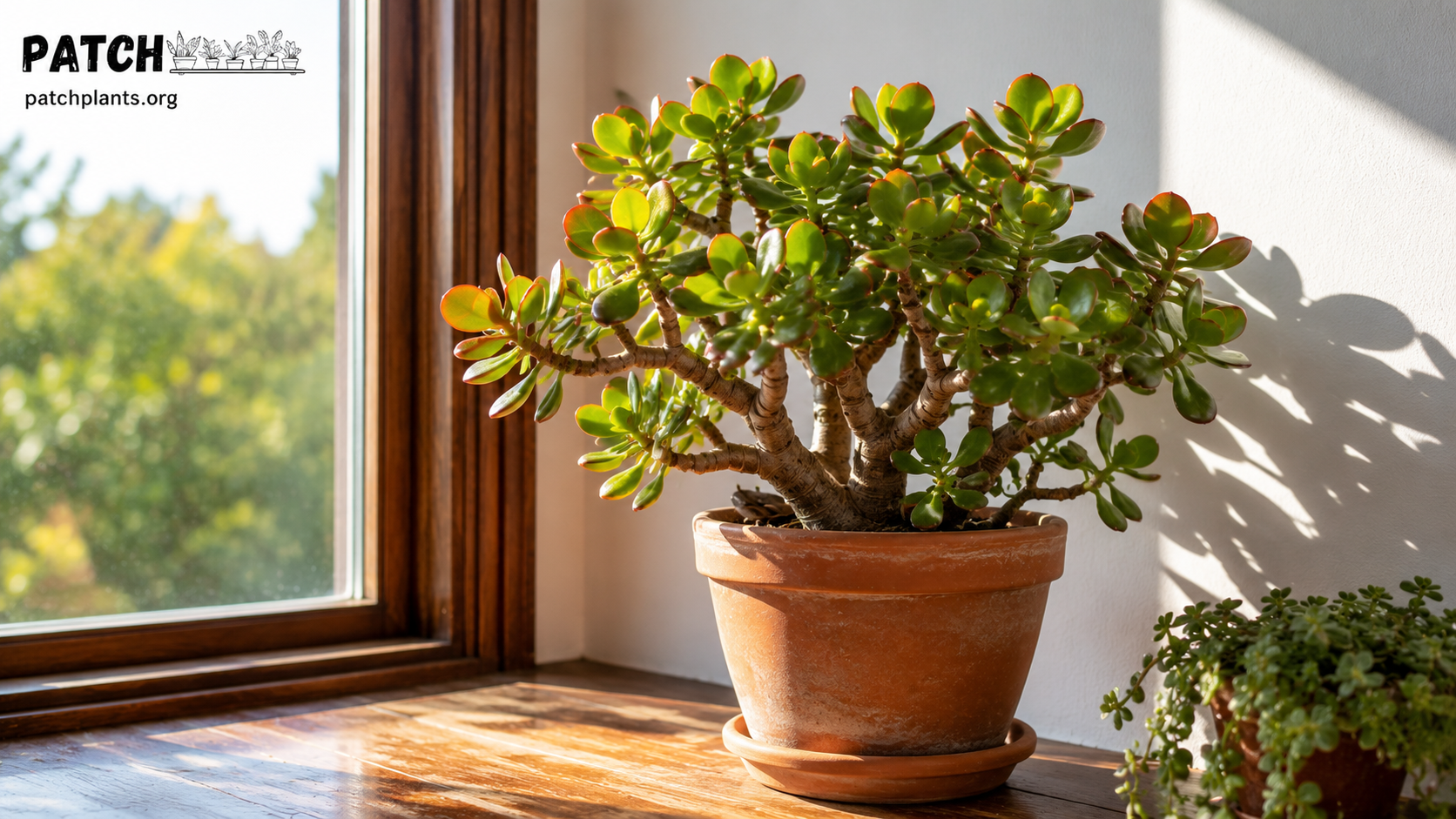
Wondering how to keep your jade plant healthy, compact, and thriving for years? Successful jade plant care starts with three essentials: bright sunlight, well-draining soil, and watering only when the growing medium has dried sufficiently. The jade plant (Crassula ovata) is a popular succulent known for its thick, glossy leaves, woody stems, and miniature tree-like appearance. Although it tolerates occasional neglect, improper watering and inadequate light can lead to yellow leaves, weak stems, leaf drop, and root rot. In this complete jade plant care guide, you’ll discover 11 practical tips…

Mosquito Repellent Plants: 10 Best Picks & Real Facts

10 Best Mosquito Repellent Plants to Reclaim Your Garden

Mosquito repellent plants are popular with gardeners who want a more comfortable patio, balcony, or backyard. Lavender, lemongrass, citronella grass, basil, mint, rosemary, and several other aromatic plants are regularly recommended for keeping mosquitoes away from outdoor spaces. But there is an important difference between a plant containing potentially repellent compounds and a living plant actually preventing mosquito bites. A fragrant pot beside your chair does not necessarily provide protection. Recent research has challenged some familiar gardening claims, so it is worth understanding what these plants can and cannot do.…

15 Rare Houseplants Worth Collecting: Care & Buying Guide

15 Rare Houseplants Worth Hunting (And How to Care for Them)

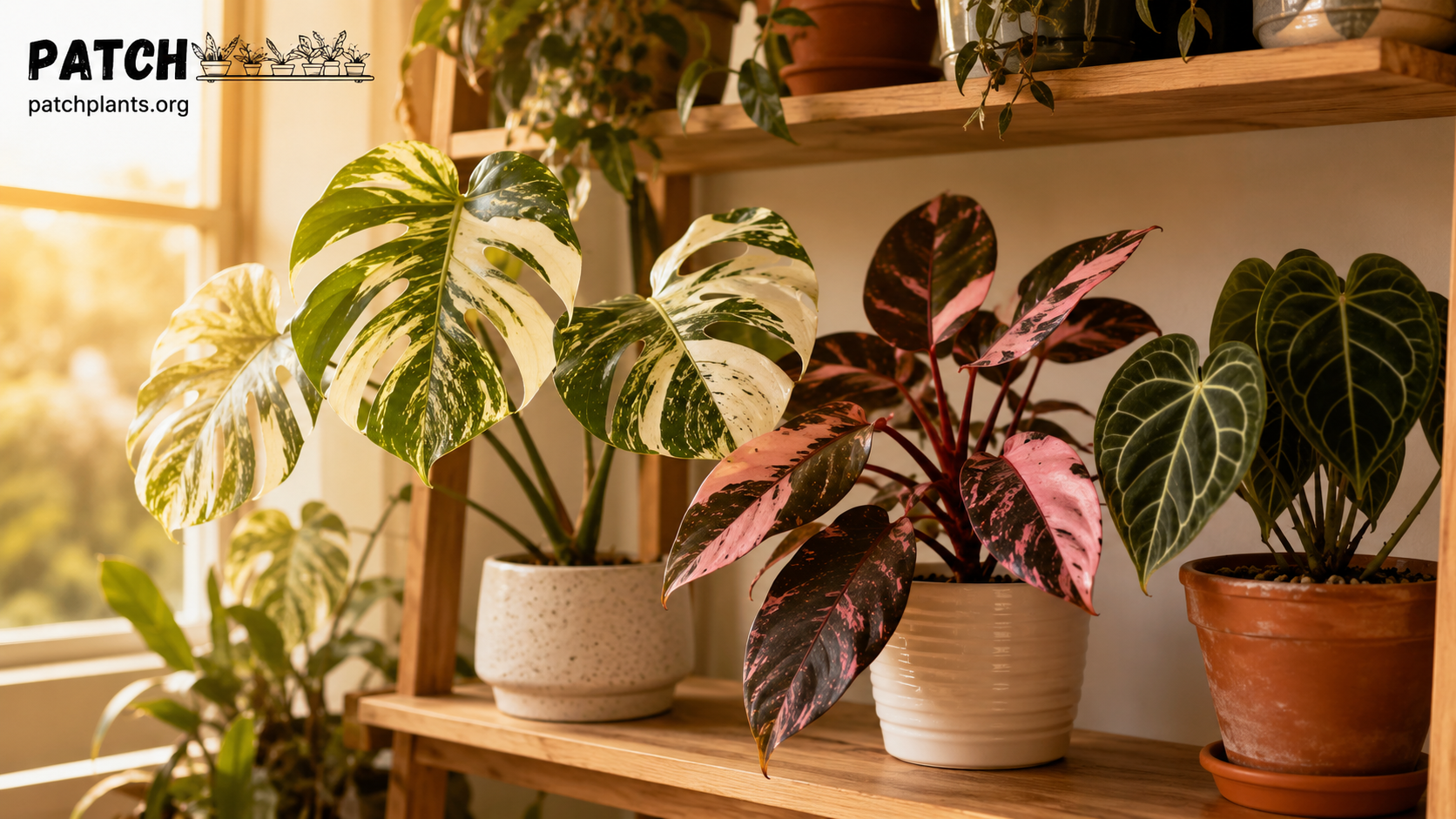
Rare houseplants bring something different to an indoor garden. From white-splashed Monstera leaves and pink Philodendrons to velvety Anthuriums, these unusual plants can turn an ordinary collection into something much more personal. But rare does not always mean expensive, difficult to grow, or even particularly hard to find. Some plants once sold for extraordinary prices are now produced commercially in much larger numbers. Others remain uncommon because they grow slowly, need specialist propagation, or are available only through small nurseries. This guide compares 15 beautiful rare houseplants, explains what makes…

How to Create an Indoor Jungle Without Overcrowding

How To Create An Indoor Jungle Without Overcrowding

How to create an indoor jungle without overcrowding: start with the light in each room, choose a few plants that suit it, group plants by their water needs, and grow upward with shelves, stands and hanging planters. Leave a little space around every pot so air and light reach each leaf, and add plants slowly rather than all at once. I am Sawera Shahid, a botanist at Patch Plants. A lush home should feel calm, not cramped, and the plants that crowd a room are usually the ones that struggle.…