The best plants for container gardening on patios are geraniums, petunias, lavender, herbs, ornamental grasses and compact evergreen shrubs, grown in pots with drainage holes and a good potting compost. Match each plant to your patio’s sun, choose a pot that suits its size, and combine tall, medium and trailing plants for a display that looks full all season. This guide covers the best plants for container gardening on patios by sun exposure and season, plus planting technique, plant combinations, watering and feeding, and what to do when plants struggle.…
Category: Featured
The Best Soil Mix for Every Type of Plant: Succulents to Ferns
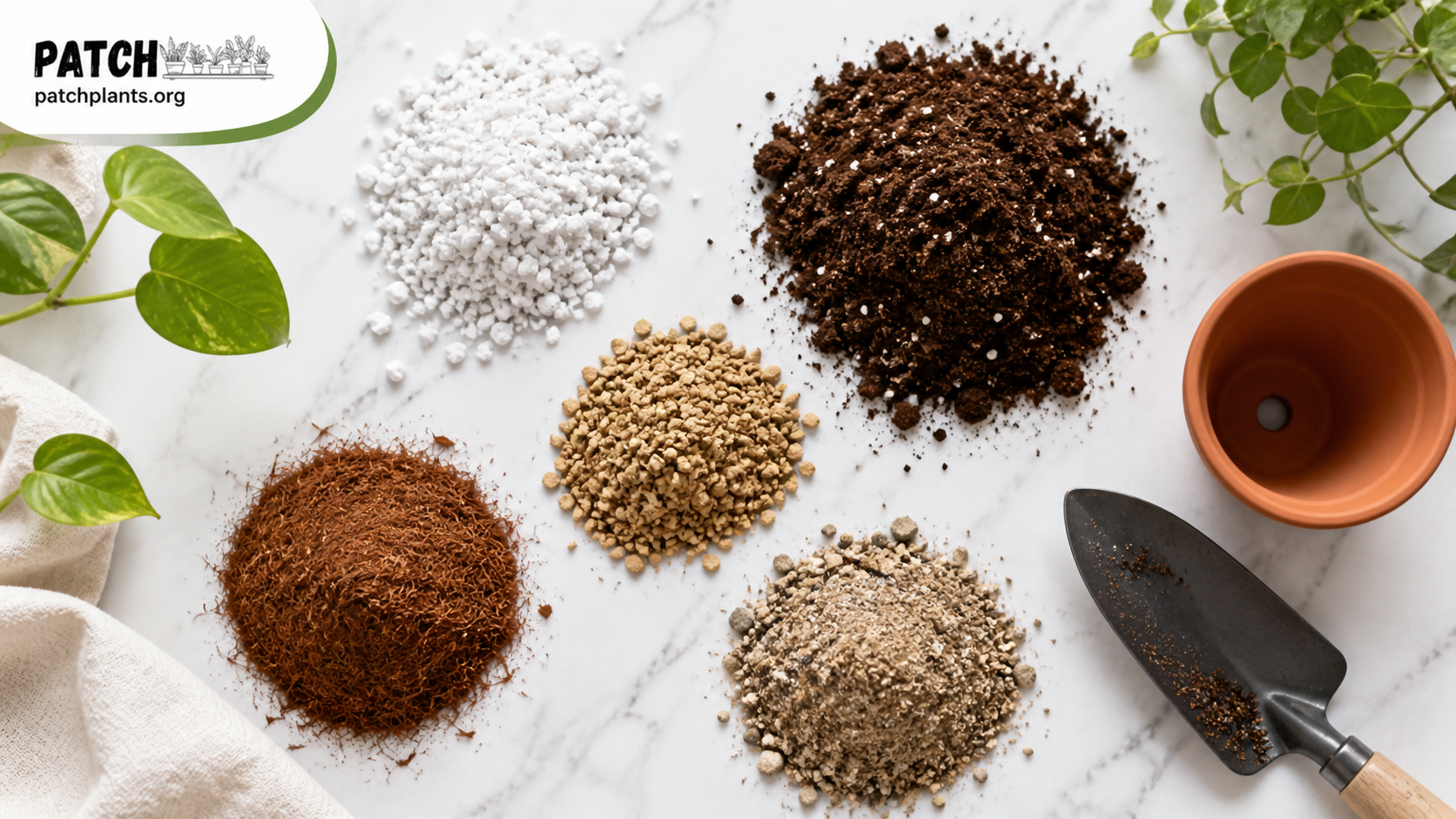
The best soil mix for every type of plant depends on how much moisture its roots like. Succulents and cacti need a gritty, fast-draining mix (about half potting mix and half perlite, pumice or grit). Tropical houseplants do best in a peat-free or peat-based potting mix lightened with 20–30% perlite or bark. Ferns and calatheas need a moisture-holding mix rich in coir or peat. Aroids and orchids like a chunky, bark-based mix. Never use garden soil or topsoil in pots, because it compacts and drains poorly. The right potting mix…
Create a Colorful Garden for All Seasons: Complete Flower Garden Design and Planning Guide
To create a colorful garden for all seasons, plan by bloom time rather than color alone: plant bulbs for spring, long-flowering perennials for summer, late perennials and grasses for autumn, and evergreen shrubs, winter-flowering plants and colorful stems for winter. Then fill any gaps with annuals and seasonal containers. Choose plants that suit your climate and light, and your garden will have something in flower or in shape every month of the year. This guide walks you through the planning steps, the best plants for each season, simple design rules,…
How to Make Your Plants Cat-Friendly: Complete Guide to Safe Indoor Plants for Cat Owners
🌿 Key Takeaways Cat safe plants include spider plant, areca palm, calathea, prayer plant, bamboo palm, and Boston fern — all non-toxic and beautiful Plants poisonous to cats include pothos, peace lily, snake plant, aloe vera, English ivy, philodendron, and ficus — common houseplants that cause real harm Are aloe plants toxic to cats? Yes — aloe plant cats interaction causes vomiting, diarrhoea, and lethargy if ingested Are air plants toxic to cats? No — Tillandsia (air plants) are non-toxic and one of the safest decorative plant options for cat…
Guide to Aloe Vera Care for Home: Complete Growing, Gel & Benefits Guide
Good aloe vera care at home comes down to four things: bright light with a few hours of direct sun, a gritty fast-draining succulent mix, a pot with drainage holes, and water only when the soil has dried out completely. Get those right and an aloe vera plant will grow slowly and steadily for years, sending up pups you can pot on and share. Most aloe problems indoors come from the opposite of neglect. Too much water, too little light, or a pot that holds moisture causes nearly every soft,…
Complete Guide to Indoor Light: Brighten Your Space and Grow Healthier Plants
Indoor light for plants depends on three things: how bright it is, how many hours it lasts each day, and what kind of light it is. Most houseplants want bright to medium indirect light for 12–14 hours a day. A south-facing window gives the most light, east and west windows give medium to bright light, and north windows give the least. Light falls off fast as you move away from the glass. When windows are not enough, a full-spectrum LED grow light can fill the gap. Light is the factor…
Why Is My Peace Lily Drooping? 8 Causes & Easy Fixes
A peace lily usually droops because of a water problem: either the soil has dried out, or the roots are sitting in soggy soil and can no longer take up water. Check the potting mix 3–5 cm (1–2 in) below the surface before you do anything. If it is dry, water thoroughly and the leaves often lift within a few hours. If it is wet, do not water again; check drainage and roots instead. When the soil feels right, look at the other usual suspects: too much direct sun, cold…
Snake Plant Care Guide: Complete Sansevieria Tips for a Thriving Indoor Plant
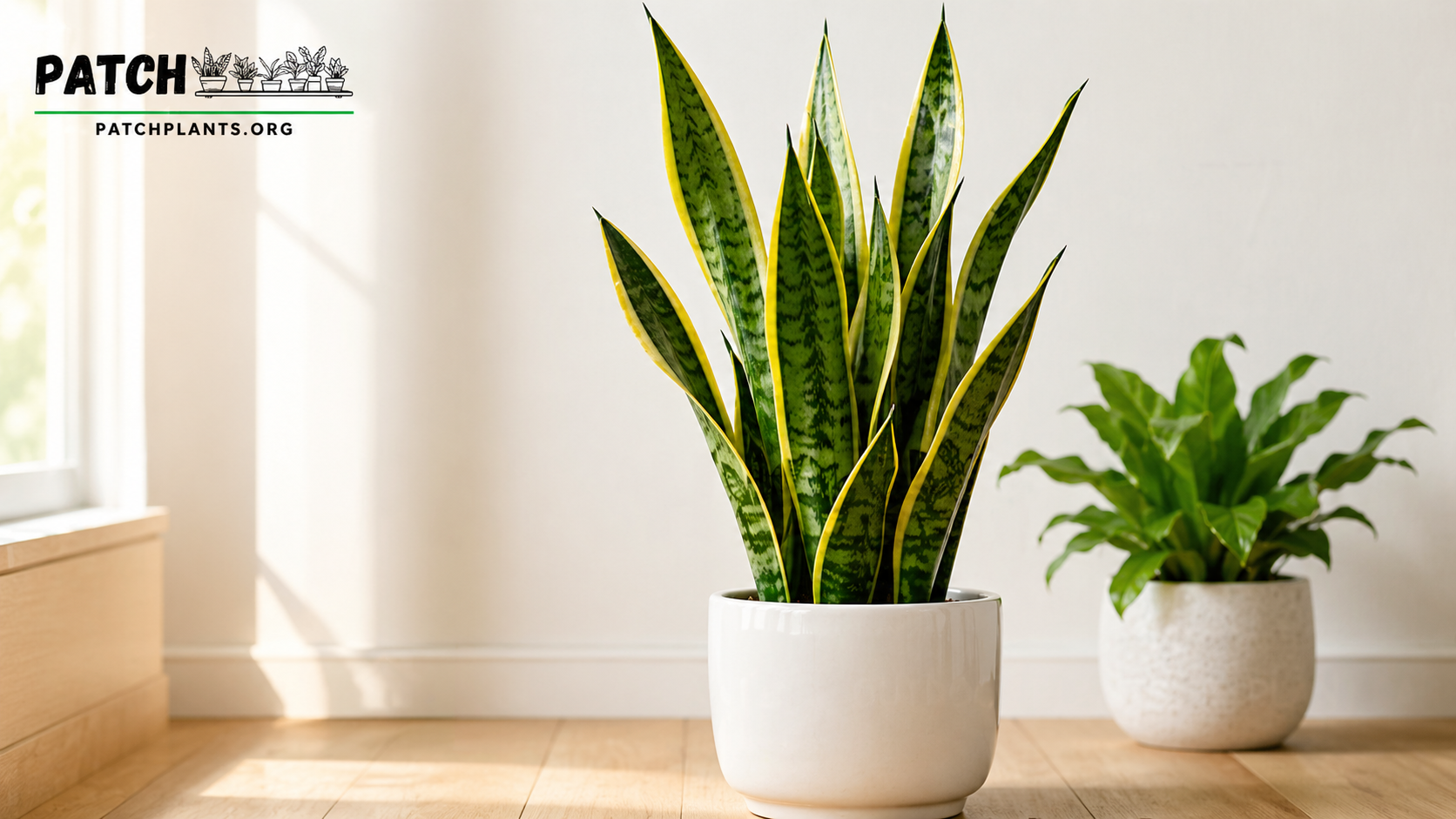
🌿 Key Takeaways Snake plant care is the easiest of any houseplant — water every 2–3 weeks, provide indirect light, and use well-draining soil Snake plant benefits include air purification, night-time oxygen production, and near-indestructible resilience Do snake plants need sunlight? They thrive in indirect light but tolerate low light better than almost any other houseplant Snake plant propagation is simple — leaf cuttings in water or soil both work reliably with minimal effort How tall can a snake plant grow? Indoors, most reach 60–120cm — large snake plant varieties…
USDA Plant Database: The Complete Guide to Finding, Identifying & Growing the Right Plants
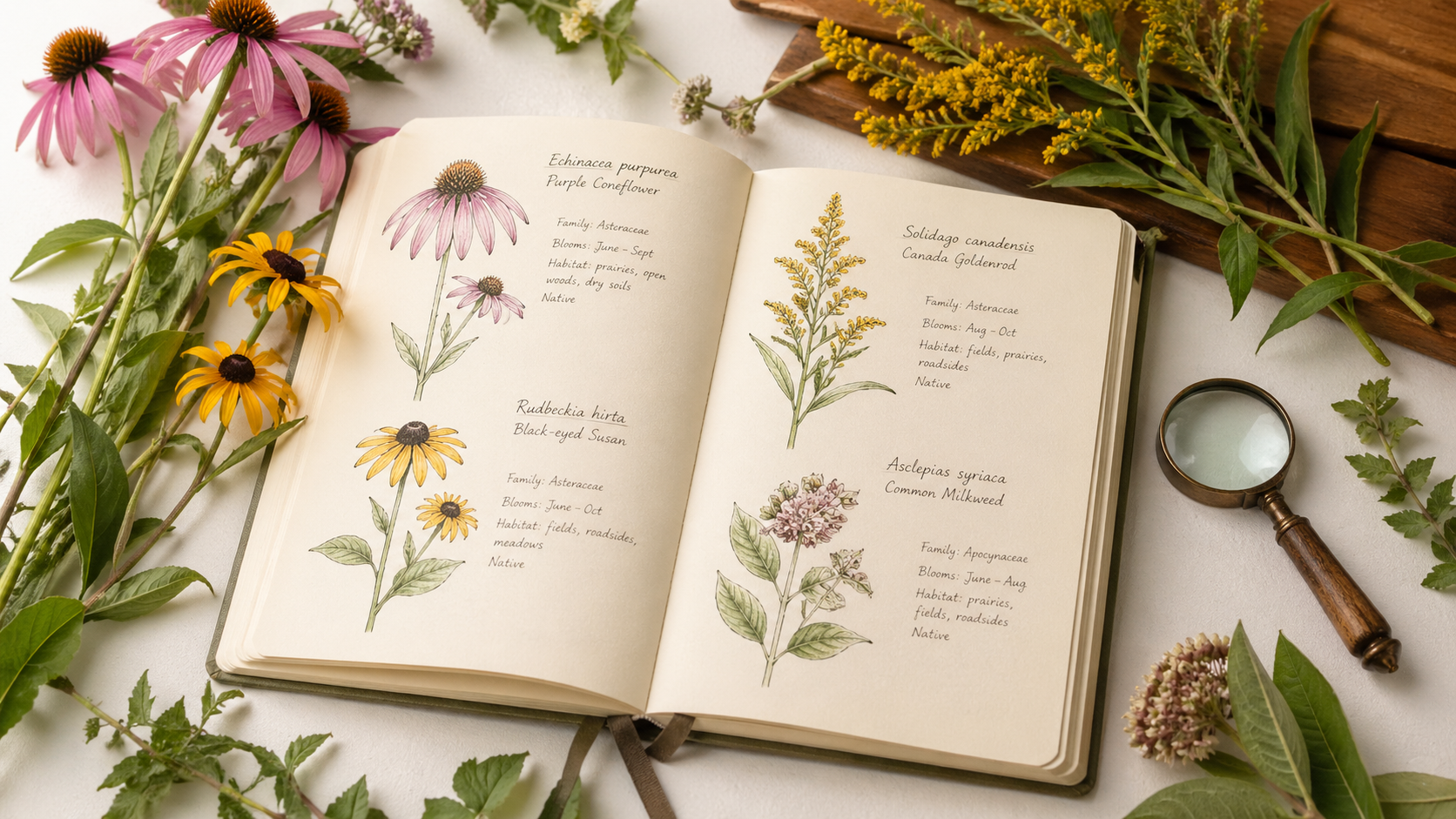
The USDA plant database is a free online reference, run by the Natural Resources Conservation Service (NRCS) at plants.usda.gov, that lists plants of North America and the US territories. Use it to confirm scientific names, check whether a plant is native to your state, and see where it grows. It is a reference tool, not a care guide, so pair it with a proper growing guide before you plant. I am Sawera Shahid, a botanist at Patch Plants. This guide explains what the USDA plant database covers, how to search…
Fancy Kitchen Plants: The Best Plants to Transform Your Kitchen Into a Green Space
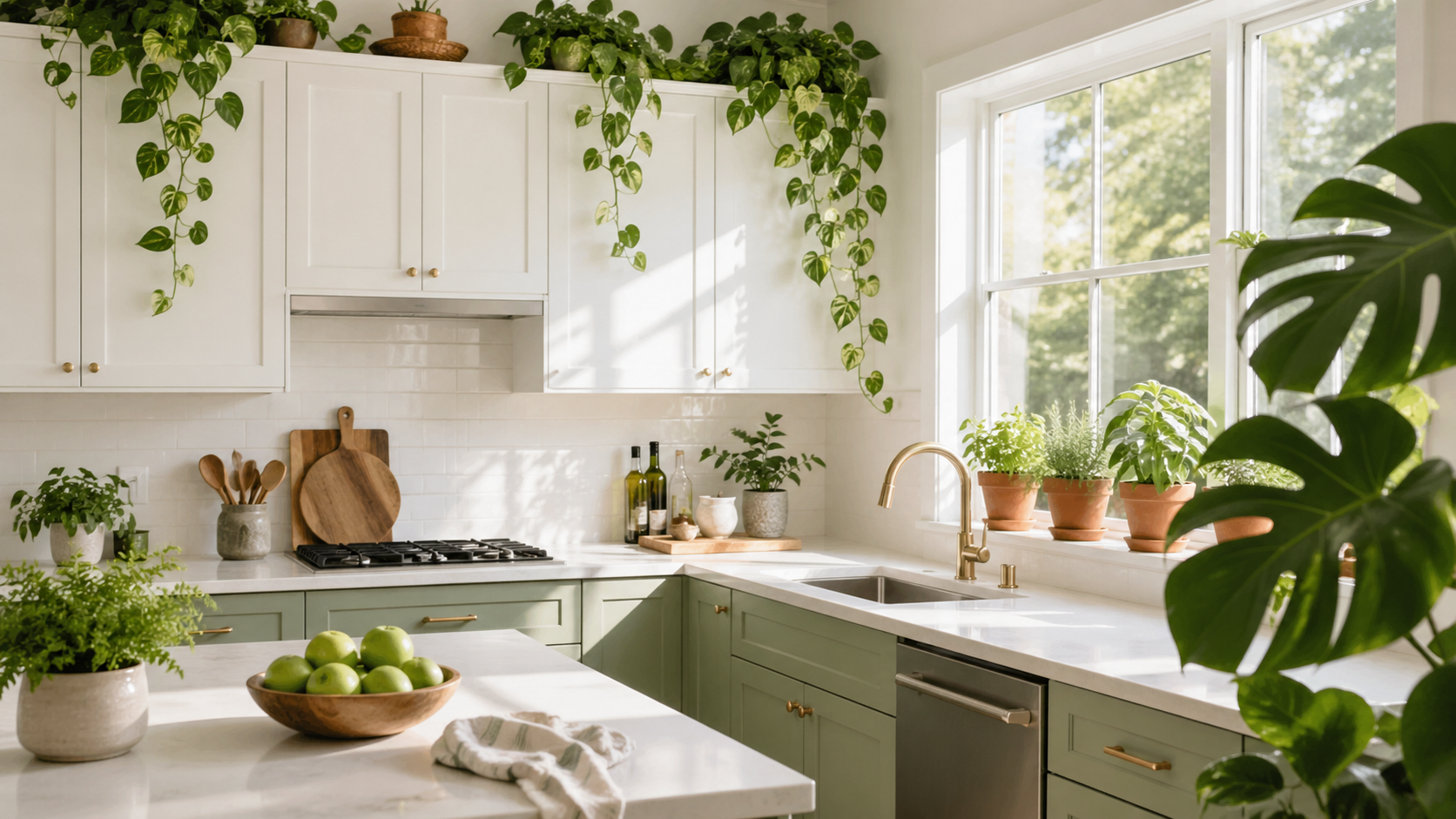
The best fancy kitchen plants are pothos, peace lily, monstera, a windowsill herb garden, snake plant, spider plant, ZZ plant, string of pearls, fiddle leaf fig and aloe vera. Each one looks stylish and copes with kitchen conditions. Match each plant to your light: herbs, aloe and string of pearls need your sunniest window, while ZZ plant, snake plant and pothos handle dimmer corners. Keep every plant at least 2 feet (60 cm) from the stove, and use pots with drainage holes. Kitchens are often overlooked for houseplants, yet many…