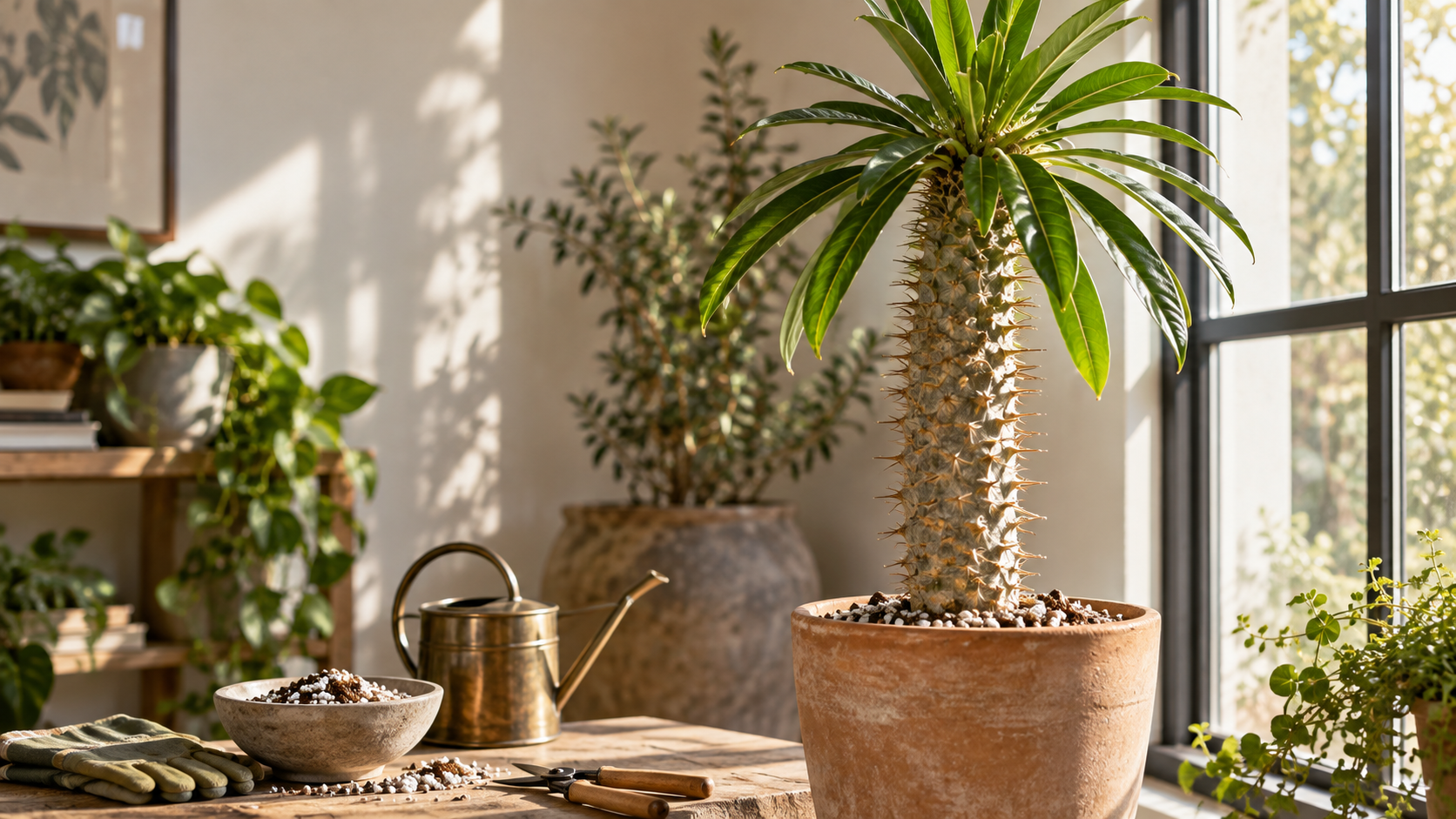
Learn 11 easy care tips for your madagascar palm plant, including watering, light, soil, and pruning advice to help it thrive indoors or on your balcony.
Madagascar Palm Plant: 11 Easy Growing & Care Tips

Indoor plant care starts with four basics: the right light, proper watering, suitable soil, and stable growing conditions. Choose houseplants that match the natural light and humidity in your home, water according to the plant and season rather than a fixed schedule, and use containers with good drainage.
At Patch Plants, our indoor plant guides make those decisions easier. Whether you are caring for your first houseplant, choosing plants for a low-light room, or learning how to manage tropical plants, this hub brings together practical growing advice for healthier indoor plants.
Most houseplants grow best in bright, indirect light, although the ideal position depends on the species. Before choosing an indoor plant, observe how much natural light the room receives and how that light changes throughout the day.
Be careful with harsh direct sunlight, especially for shade-tolerant foliage, because strong sun can scorch leaves. During winter, plants may benefit from being moved closer to a brighter window while remaining protected from cold drafts and sudden temperature changes.
If lighting is your main challenge, explore our complete guide to indoor plant light.
There is no single watering schedule that works for every indoor plant. The safest approach is to check the potting mix first. For many common houseplants, watering is needed when the upper layer of soil has begun to dry, while succulents and other drought-tolerant plants usually need the mix to dry more thoroughly.
Water the soil thoroughly when needed and allow excess water to drain from the container. Avoid leaving roots sitting in standing water for long periods, as consistently waterlogged soil can contribute to root problems.
Some of the easiest indoor plants for beginners are snake plants, ZZ plants, pothos, and other adaptable foliage plants. The best choice still depends on your available light, room temperature, humidity, space, and how frequently you want to water.
Healthy indoor plant growth begins below the soil surface. Use a well-draining potting mix suited to the type of plant you are growing. Succulents generally need a faster-draining mix, while many tropical houseplants prefer a mix that retains some moisture without remaining saturated.
Choose containers with adequate drainage whenever possible. Repot when roots have become crowded, the growing medium has deteriorated, or water is no longer moving through the pot normally. Avoid moving a plant into an unnecessarily large container, as excess wet soil around a small root system can make moisture management more difficult.
Indoor plants can add natural texture, color, and a calmer visual feel to living rooms, bedrooms, offices, kitchens, and other indoor spaces. They are also a flexible way to soften hard surfaces, fill empty corners, and bring greenery into rooms where outdoor gardening is not possible.
The practical benefit is often simple: houseplants help people bring nature into everyday indoor environments. Choose plants based on the conditions you can realistically provide rather than selecting a species only for its appearance.
Not every houseplant is suitable for a home with pets or young children. Plant toxicity varies by species, so check reliable plant-specific safety information before bringing a new plant into your home.
If a plant may be harmful when chewed or swallowed, keep it securely out of reach or choose a more suitable alternative. Plant identification matters here, particularly when different species share similar common names.
Use these guides to go deeper into indoor plant placement, styling, lighting, and specific growing situations:
Learn 11 easy care tips for your madagascar palm plant, including watering, light, soil, and pruning advice to help it thrive indoors or on your balcony.
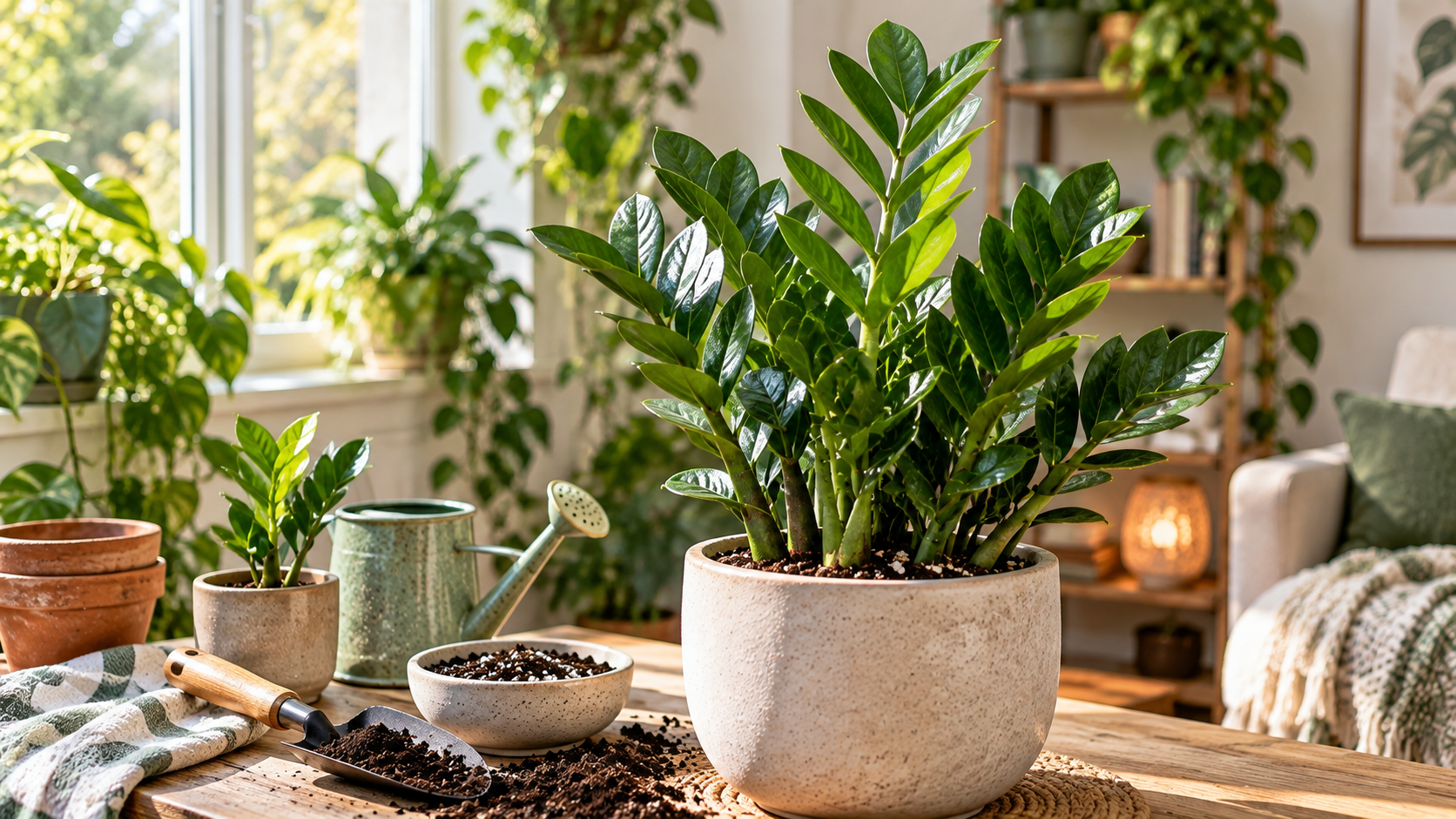
Learn zamioculcas zamiifolia plant care with 11 easy ZZ plant tips for light, watering, soil, repotting, and healthy growth indoors, even for beginners.

Master parlor palm care with simple tips for light, watering, soil, and humidity. Keep your indoor palm healthy, lush, and thriving indoors year-round.
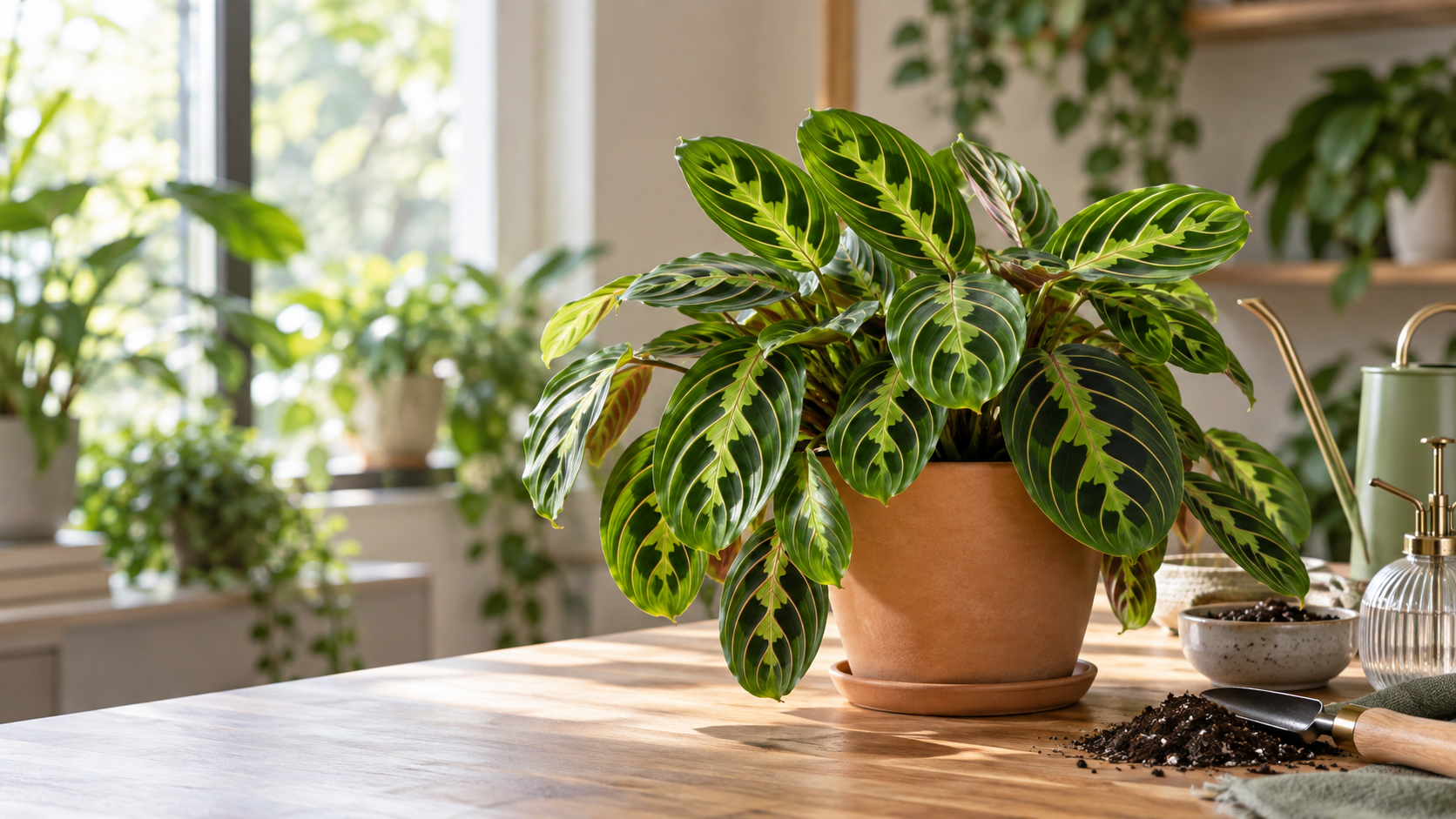
Use these 11 easy tips to care for your lemon lime prayer plant, covering light, watering, humidity, feeding, and healthy growth for beginners at home with ease.
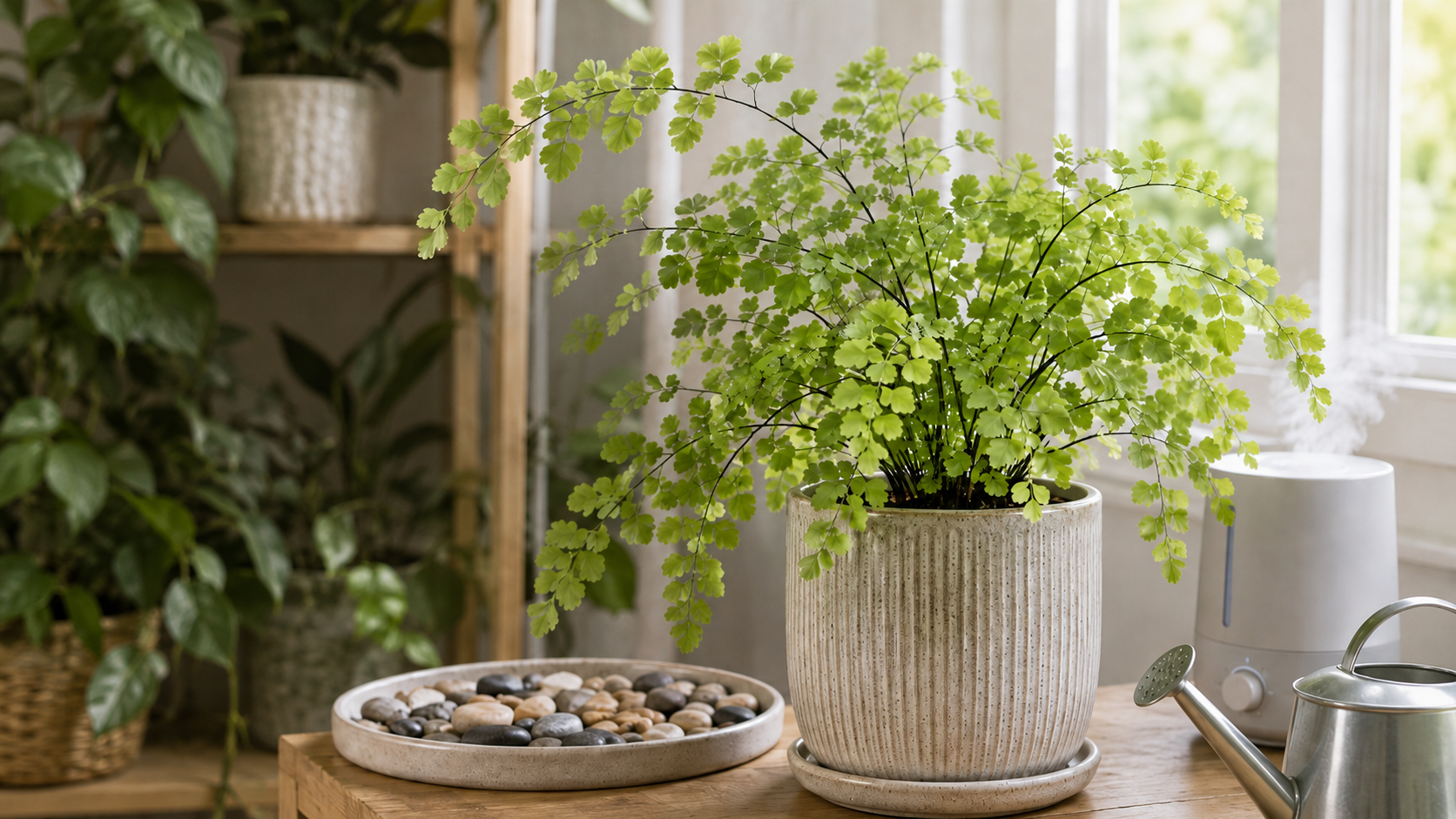
Learn maidenhair fern care with simple tips for humidity, watering, and light. Keep your fern healthy, lush, and thriving indoors with confidence every day.
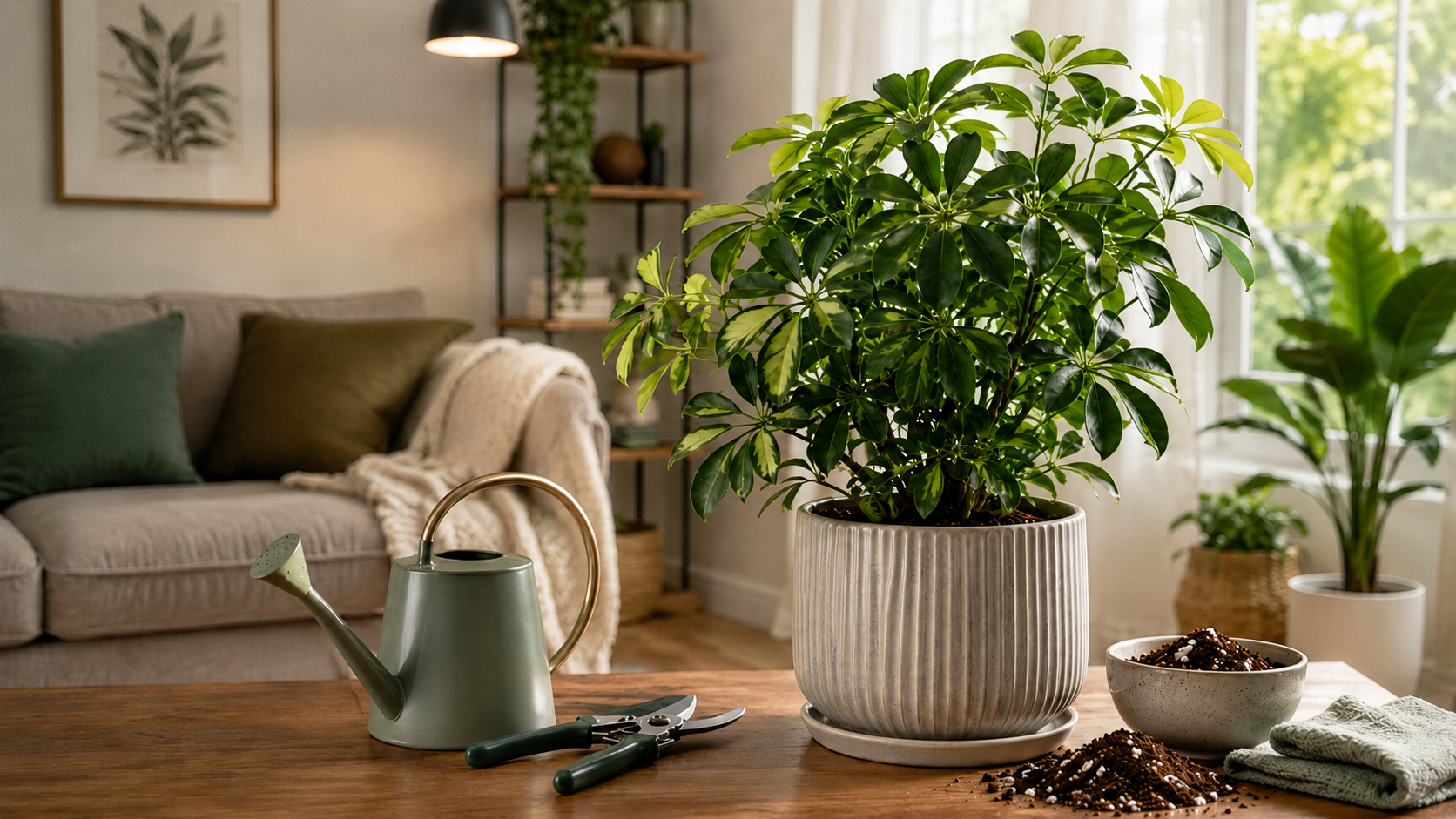
Learn schefflera plant care with simple tips for light, watering, pruning, and repotting. Help your indoor tree grow healthy, full, and beautiful indoors.
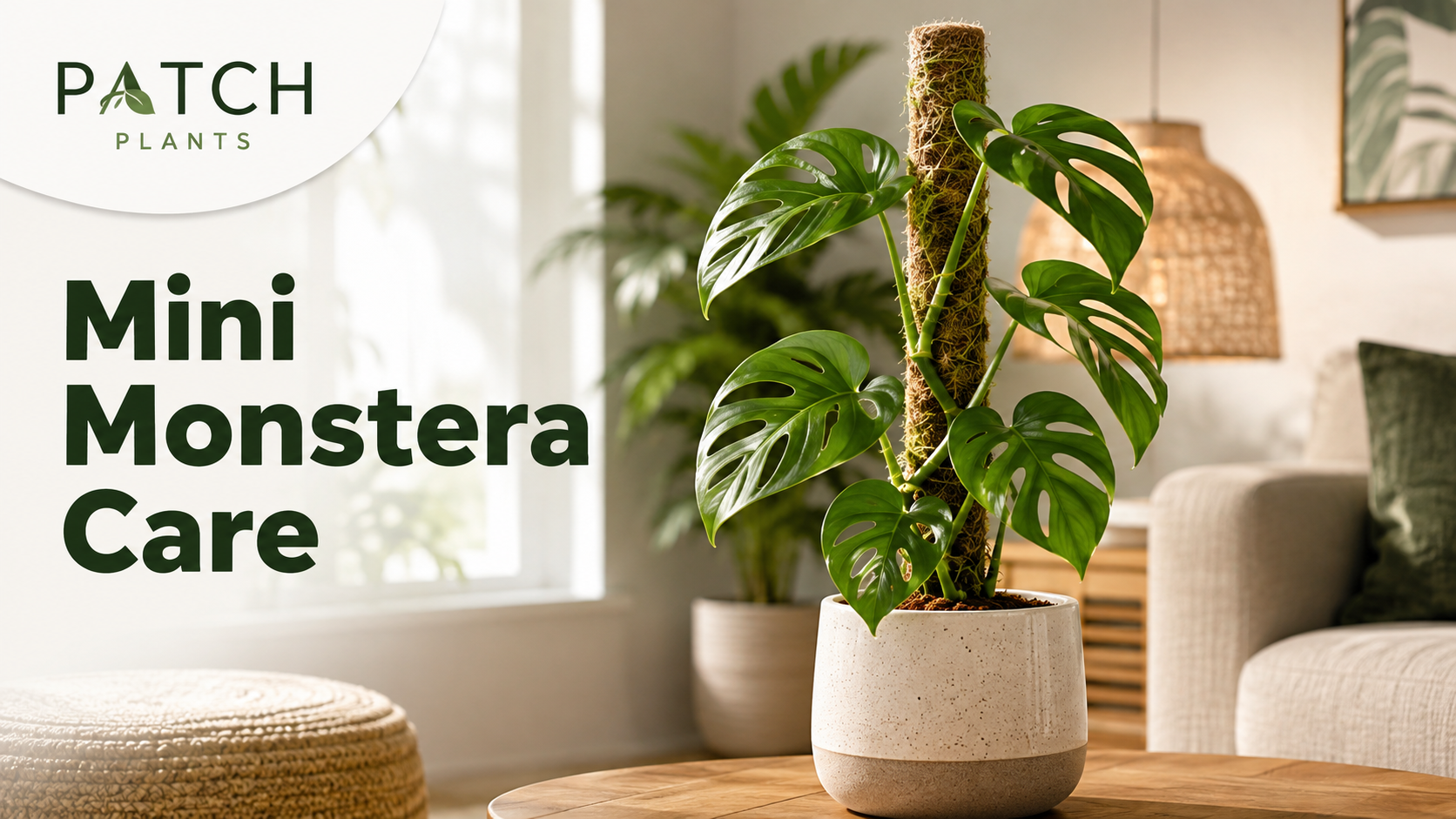
Learn how to care for your mini monstera plant with simple tips for light, watering, pruning, and support to keep it healthy and growing well indoors.
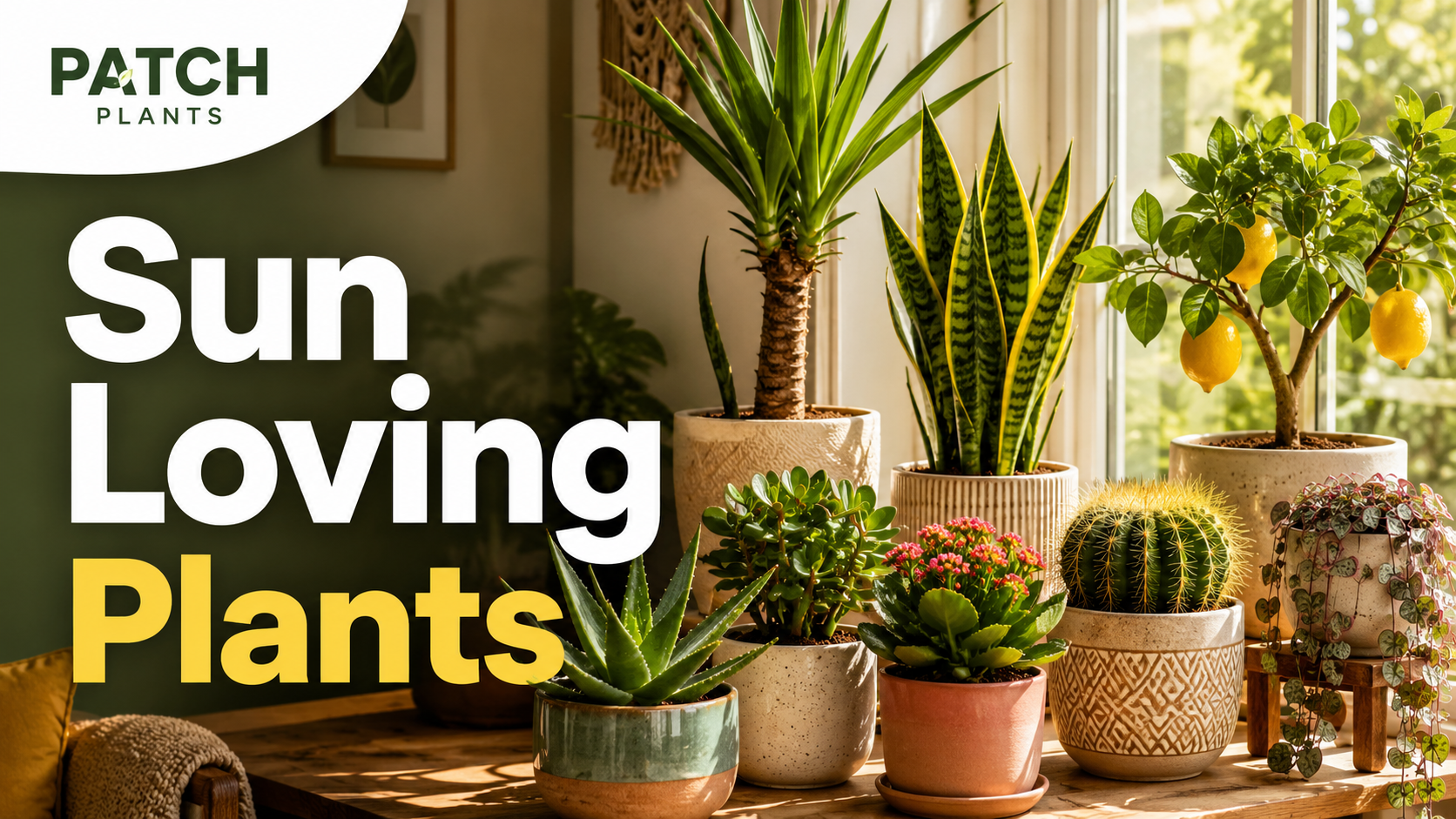
Discover 17 house plants that like direct sunlight, plus simple care tips to help bright, sunny plants thrive indoors or on your balcony with ease all year.
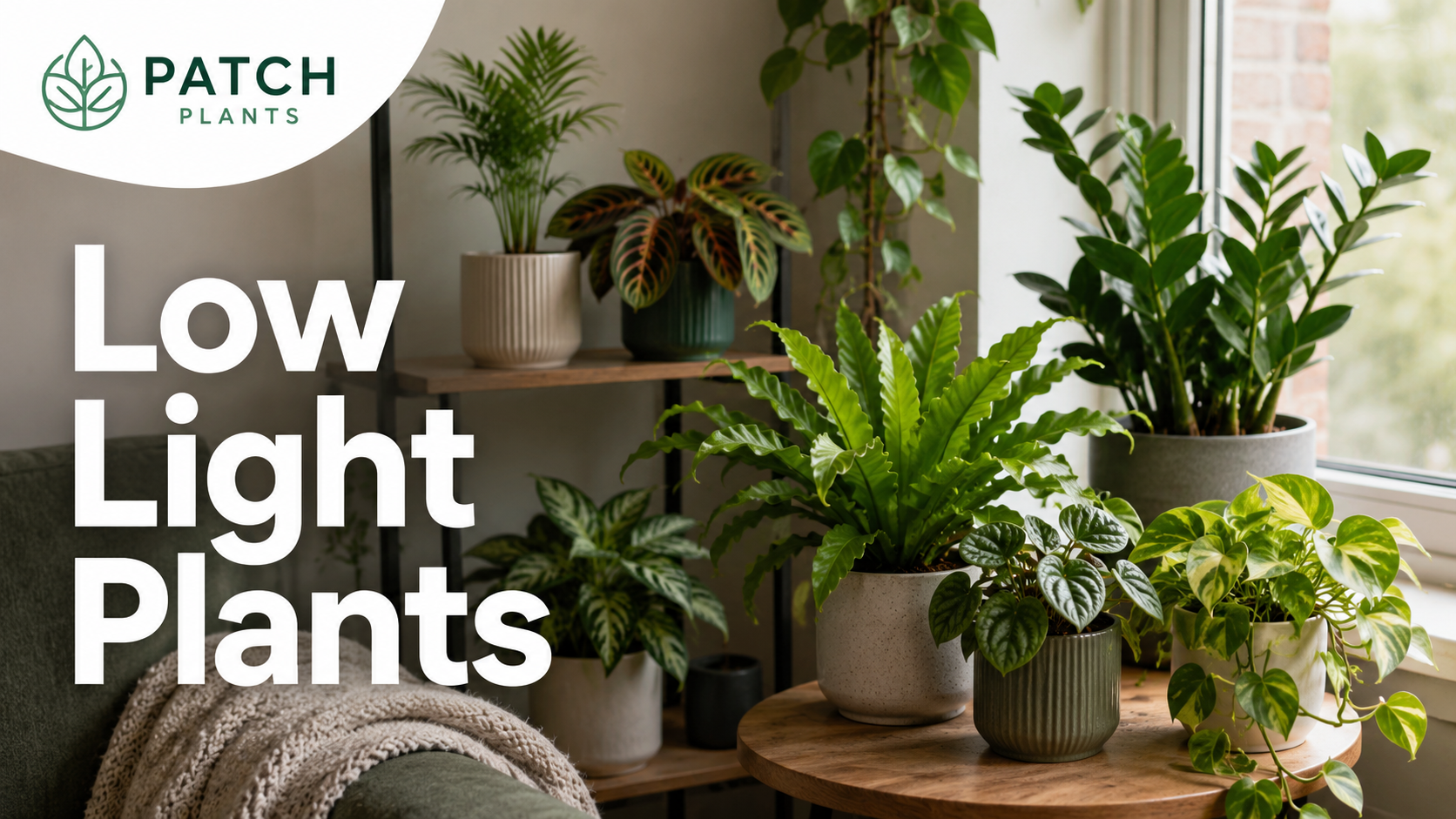
Discover 15 small low light indoor plants and learn simple care tips to help them thrive in cozy corners, apartments, and rooms with little sunlight indoors.
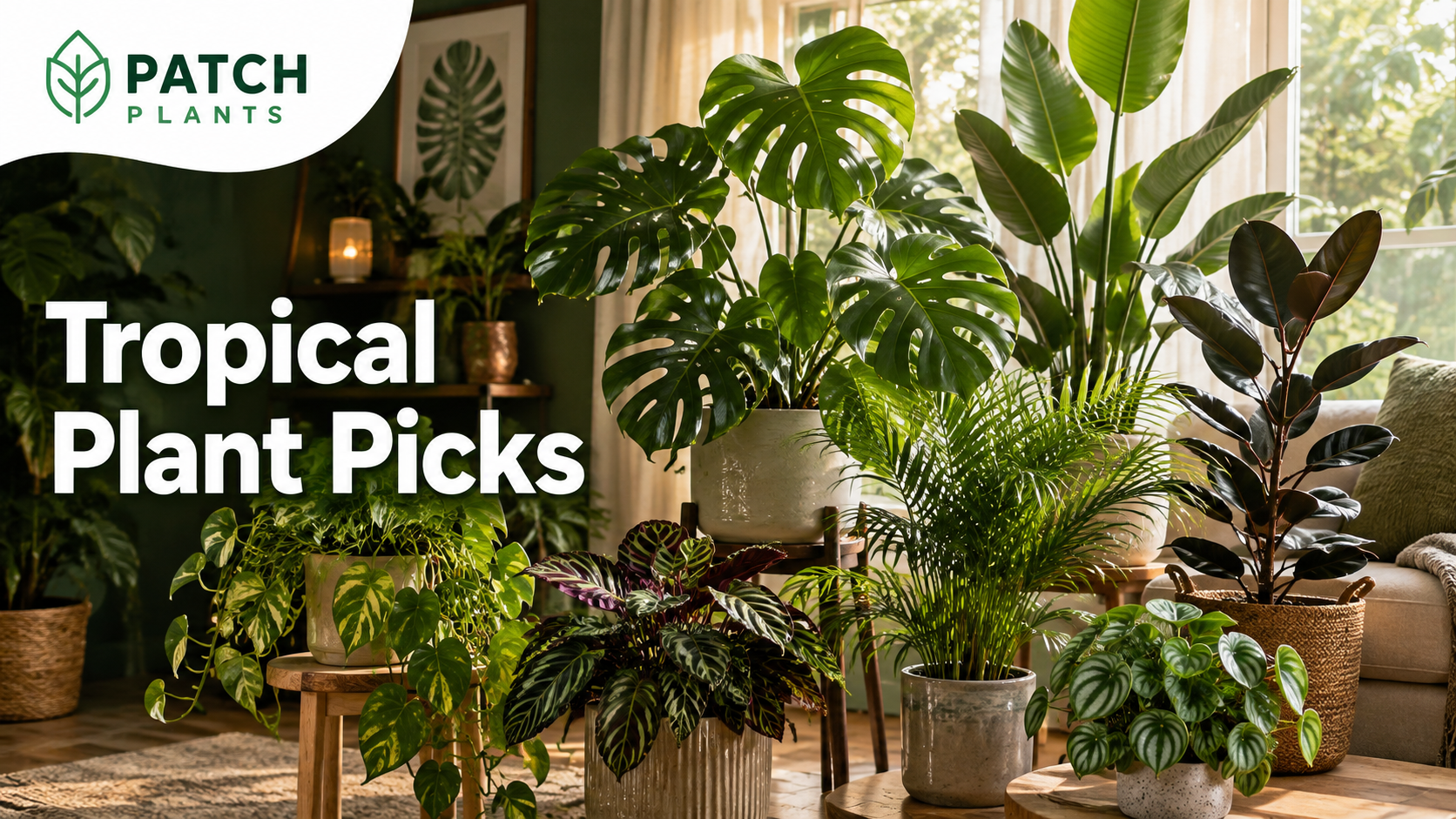
Discover 21 tropical house plants for a lush home, with simple care tips to help beginners choose, place, and grow healthy indoor plants with confidence.