Key Takeaways
- Low light house plants can grow in darker rooms, but they still need some natural or artificial light to stay healthy.
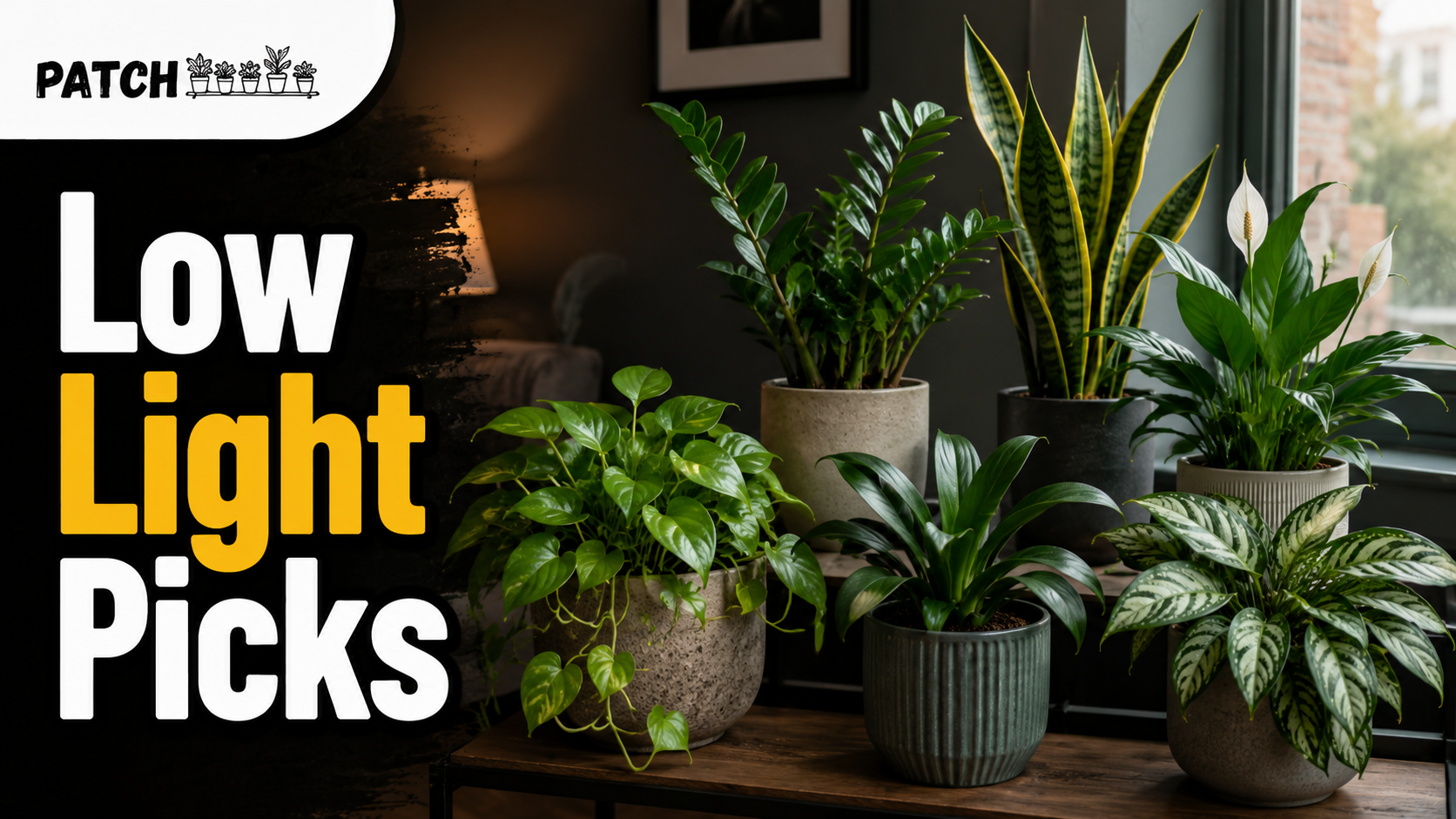
- The best low light indoor plants include snake plant, ZZ plant, pothos, heartleaf philodendron, peace lily, cast iron plant, Chinese evergreen, parlor palm, and Boston fern.
- Low light plant care is mostly about watering less often, avoiding soggy soil, giving plants enough airflow, and moving them closer to light when growth becomes weak.
- Shade loving indoor plants usually grow more slowly than plants in bright rooms, so they need patience and a lighter care routine.
- Most low light flowering plants will bloom less in darker rooms, but peace lily and African violet can still be good options with the right care.
- If a room is too dark to read in during the day, use a small grow light or choose very tough low light tolerant plants.
Introduction
Dark corners, north-facing rooms, hallways, bedrooms, and small apartments can still look fresh with the right low light house plants. You do not need a sunny window in every room to enjoy indoor greenery. You just need to choose plants that can handle lower light and adjust your care routine to match.
The mistake many people make is choosing bright-light plants for dark rooms, then watering them too often when they start to struggle. In low light, plants grow more slowly, use less water, and need a little more patience. This is why a good low light plant guide should cover both plant choice and care.
This guide includes 19 best low light house plants, plus simple placement tips, watering advice, common mistakes, low light houseplants care, low light plant recommendations, and realistic advice for apartments, bathrooms, bedrooms, offices, shelves, and rooms with small windows.
If you are new to plant care, start with the best indoor plants for beginners, the complete indoor light guide, and the complete watering guide. These will help you understand why low light plants need different care from plants sitting in bright sun.
What Does “Low Light” Mean for House Plants?
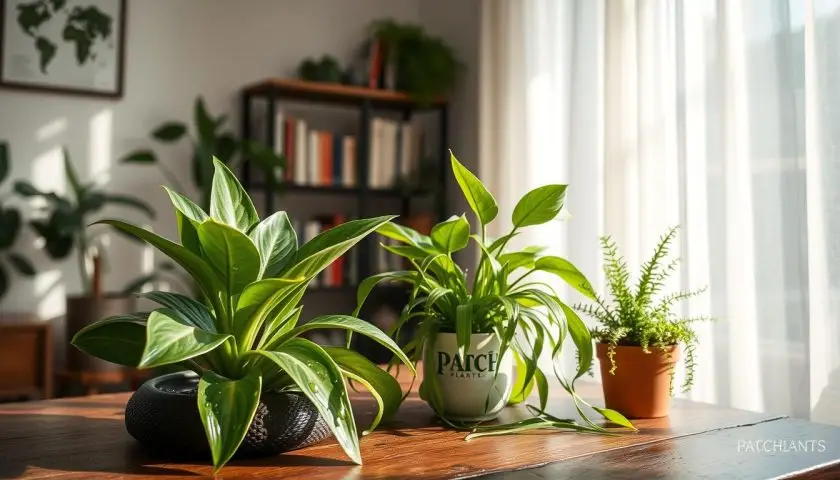
Low light does not mean no light. A plant still needs light for photosynthesis, even if it can tolerate shade. For most homes, a low light spot is a place away from direct sun, near a north-facing window, in a room with small windows, or in a corner that receives soft daylight for part of the day.
A simple test helps: if you can comfortably read a book in the room during the day without switching on a lamp, many low light indoor plants can probably survive there. If the space feels dark even at midday, it may need a grow light.
Low light rooms are common in apartments, bathrooms, offices, hallways, bedrooms, and homes with shaded windows. If your home also has small rooms, read the best indoor plants for tiny apartments and how to style indoor plants by room.
Quick Comparison: Best Low Light House Plants
| Plant | Best For | Care Level | Watering Need |
|---|---|---|---|
| Snake Plant | Beginners, bedrooms, offices | Very easy | Low |
| ZZ Plant | Dark corners, apartments, low care homes | Very easy | Low |
| Pothos | Shelves, hanging baskets, offices | Easy | Moderate |
| Heartleaf Philodendron | Trailing displays, shelves, bedrooms | Easy | Moderate |
| Peace Lily | Bathrooms, bedrooms, flowering interest | Easy to moderate | Moderate |
| Cast Iron Plant | Deep shade, hallways, neglected corners | Very easy | Low to moderate |
| Chinese Evergreen | Colourful foliage, low light living rooms | Easy | Moderate |
| Boston Fern | Bathrooms, humid corners, soft texture | Moderate | Higher |
| Calathea | Patterned leaves, humid rooms | Moderate | Moderate |
| African Violet | Small flowering displays | Moderate | Moderate |
19 Best Low Light House Plants for Dark Rooms
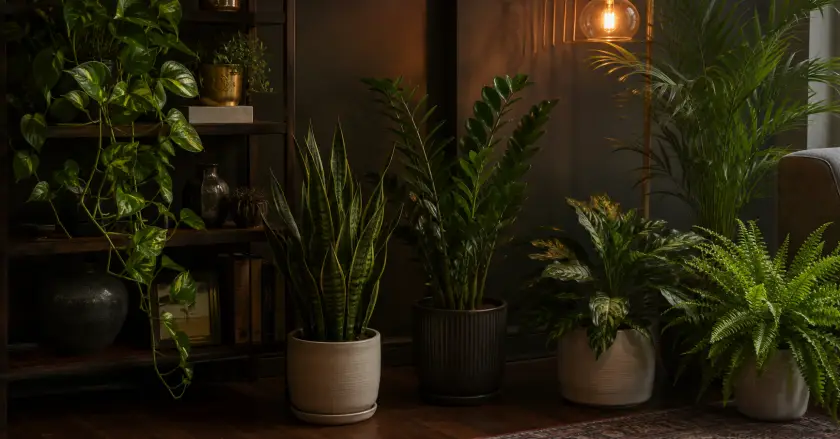
1. Snake Plant
Snake plant is one of the easiest low light house plants for beginners. It has upright leaves, strong structure, and a calm look that suits bedrooms, hallways, offices, and small apartments.
It can handle lower light better than many houseplants, but it still grows faster in bright indirect light. In a dark room, it will stay alive but grow slowly. The main risk is overwatering, especially in winter.
Use snake plant in a bedroom with simple styling, beside a desk, or in a hallway where other plants struggle. For detailed care, read the snake plant care guide. If you want more easy options, pair it with ZZ plant care and low-maintenance plants that thrive.
- Best spot: Bedroom, hallway, office, low-light living room.
- Watering: Let the soil dry well before watering.
- Care tip: Use a pot with drainage to avoid root rot.
2. ZZ Plant
ZZ plant is one of the most reliable low light tolerant plants. Its glossy leaves hold water in thick stems and rhizomes, so it can cope with missed watering and lower light better than many indoor plants.
This plant is ideal for people who want greenery without a complicated care routine. It is also one of the best low maintenance low light plants for offices, rentals, and rooms where you do not check plants daily.
If you often forget watering, read the ZZ plant care guide, then compare it with the signs you are overwatering and root rot guide. These three guides are useful because ZZ plants are more likely to suffer from too much water than too little.
- Best spot: Office, bedroom, shaded living room, apartment corner.
- Watering: Low. Let the soil dry before watering again.
- Care tip: Dust the leaves so they can catch more available light.
3. Pothos
Pothos is one of the best low light indoor plants for shelves, bookcases, wardrobes, and hanging planters. It trails beautifully and can also climb if you give it support.
Green varieties usually handle low light better than heavily variegated ones. Golden pothos can tolerate lower light, but its variegation may become less bright in dark spaces. If your pothos becomes leggy, move it closer to a window or add a grow light.
For full care, read the pothos plant care guide. If you want it to climb instead of trail, use the moss pole for plants guide. For styling, see trailing plants for shelves and low-light hanging plants.
- Best spot: Shelves, bookcases, offices, bedrooms.
- Watering: Moderate. Let the top layer dry first.
- Care tip: Trim long bare vines to encourage fuller growth.
4. Heartleaf Philodendron
Heartleaf philodendron is a soft, forgiving, trailing plant that works well in lower light. It has heart-shaped leaves and flexible stems, making it one of the best easy low light plants for shelves and hanging pots.
It prefers bright indirect light but can tolerate darker rooms better than many decorative houseplants. Like pothos, it may grow more slowly and produce smaller leaves in deep shade.
For care and training tips, read the complete philodendron care guide. If you are styling a bedroom or hallway, use bedroom plants for style and calm and indoor plants as room dividers for more placement ideas.
- Best spot: Bedroom shelf, hanging pot, low-light office.
- Watering: Moderate. Avoid soggy soil.
- Care tip: Rotate the pot so growth stays balanced.
5. Peace Lily
Peace lily is one of the most popular low light house plants because it brings glossy leaves and occasional white flowers into darker rooms. It is not a true no-light plant, but it can manage in lower light if you avoid overwatering.
In very low light, peace lily may produce fewer flowers. If you want blooms, give it bright indirect light. If you mainly want foliage, it can handle a shadier spot.
For full care, read the peace lily care guide. If your peace lily droops, yellows, or develops brown tips, check the yellow leaves guide, leaf curl, browning, and droop guide, and complete watering guide.
- Best spot: Bathroom, bedroom, shaded living room.
- Watering: Moderate. Keep lightly moist, not soggy.
- Care tip: Wipe leaves often so they can catch more light.
6. Cast Iron Plant
Cast iron plant is one of the toughest house plants for low light. It has deep green leaves and a slow, steady growth habit. It is ideal for people who want a plant that does not demand constant attention.
This plant is a strong choice for hallways, shaded corners, older homes with small windows, and offices where light is limited. It grows slowly, but that is part of its charm.
Pair cast iron plant with other tough plants from best indoor plants for beginners and best indoor plants for first-time plant parents. If you are creating a low-care plant corner, also read 35 low-maintenance plants.
- Best spot: Hallway, shaded corner, low-light office.
- Watering: Low to moderate. Let the top soil dry.
- Care tip: Avoid moving it too often. It likes stability.
7. Chinese Evergreen
Chinese evergreen is one of the best low light plant options if you want colour and pattern. Its leaves can be green, silver, cream, pink, or red depending on the variety.
Darker green varieties usually handle low light better than pale or heavily coloured ones. If your room is very dim, choose green and silver types first. Pink and red varieties often need more light to hold strong colour.
For more colourful foliage ideas, read colorful foliage indoor plants. If you want styling inspiration, use statement plants for minimalist interiors and Scandi home with plants.
- Best spot: Living room, bedroom, office, apartment corner.
- Watering: Moderate. Avoid cold, wet soil.
- Care tip: Keep away from cold drafts.
8. Parlor Palm
Parlor palm gives a soft, classic look and handles lower light better than many large tropical plants. It is one of the best low light plants for home if you want height without choosing a difficult plant.
It grows slowly indoors and does not need direct sun. Strong direct sunlight can scorch its leaves, while low to medium indirect light usually suits it well.
If you like palm-style plants, compare it with larger indoor options in 20 oversized indoor plants. For general placement, use how to style indoor plants by room and plants for tiny apartments.
- Best spot: Living room, office, bedroom corner.
- Watering: Moderate. Keep evenly moist but not wet.
- Care tip: Increase humidity if leaf tips brown.
9. Boston Fern
Boston fern is one of the best shade loving indoor plants for bathrooms and humid rooms. It likes soft light, consistent moisture, and humidity. It does not enjoy dry air or long periods without water.
This plant is beautiful but less forgiving than snake plant or ZZ plant. It suits people who enjoy regular plant care and have a bathroom, kitchen, or humid corner with indirect light.
For full care, read the Boston fern care guide. For bathroom placement, use best bathroom plants and humidity hacks for plants.
- Best spot: Bathroom, humid kitchen, shaded bright corner.
- Watering: Moderate to high. Do not let it dry completely.
- Care tip: Trim dry fronds to keep it tidy.
10. Spider Plant
Spider plant is an easy classic that handles medium to lower light, especially if it is not placed in a completely dark room. It produces arching leaves and small plantlets that hang from long stems.
It is one of the better low light hanging plants for bright bathrooms, kitchens, office shelves, and bedrooms. In darker spaces, growth slows and variegated types may lose some contrast.
For full care, read the spider plant care guide. If you want hanging displays, also read low-light hanging plants and trailing plants for shelves.
- Best spot: Hanging basket, shelf, bathroom, office.
- Watering: Moderate. Let the top soil dry slightly.
- Care tip: Use filtered water if brown tips become a problem.
11. Dracaena
Dracaena is a useful group of low light plant varieties because many types tolerate lower light and dry indoor air. They come in upright, architectural forms that work well in corners and beside furniture.
Dracaenas like indirect light and do not need constant watering. Too much water is a common problem, especially in darker rooms where the soil stays wet for longer.
For detailed advice, read the dracaena care guide. If you are dealing with brown tips or yellowing leaves, check why plant leaves turn yellow and how to clean plant leaves.
- Best spot: Living room corner, office, hallway with daylight.
- Watering: Low to moderate. Avoid soggy soil.
- Care tip: Keep away from cold drafts and overwatering.
12. Rubber Plant
Rubber plant prefers bright indirect light, but it can tolerate lower light better than many large-leaf houseplants. It is not the best choice for a very dark corner, but it can work in a room with soft natural light.
If you want bold, glossy leaves in a low to medium light room, rubber plant can be a strong option. It grows more slowly in lower light and needs careful watering.
For full care, read the rubber plant care guide. If you like large foliage plants, compare it with fiddle leaf fig care, bird of paradise care, and oversized indoor plants.
- Best spot: Bright low-light room, indirect light corner.
- Watering: Moderate. Let the top soil dry first.
- Care tip: Clean leaves often because dust blocks light.
13. Prayer Plant
Prayer plant is a beautiful choice for people who want patterned leaves in softer light. It likes bright indirect to medium light but can tolerate lower light if humidity and watering are steady.
This plant folds its leaves at night and adds movement to a room. It is not as low-maintenance as snake plant or ZZ plant, but it is worth trying if you enjoy more active care.
Prayer plant care overlaps with calathea care because both enjoy humidity, gentle light, and careful watering. For humidity support, use DIY indoor humidity tray and humidity hacks without a humidifier.
- Best spot: Bedroom, bathroom, warm shaded shelf.
- Watering: Moderate. Keep lightly moist.
- Care tip: Avoid harsh direct sun and cold drafts.
14. Calathea
Calathea is one of the prettiest indoor plants for low light conditions, especially if you want leaf pattern. It likes soft light and can scorch in direct sun, but it still needs enough brightness to keep its leaves strong.
This plant is more demanding than many on this list. It prefers humidity, even moisture, and stable temperatures. If the air is dry, leaf edges can crisp.
For full care, read the complete calathea plant care guide. If your calathea struggles, also read leaf curl, browning, and droop, best soil mix guide, and repotting mistakes to avoid.
- Best spot: Humid bedroom, bathroom, shaded bright room.
- Watering: Moderate. Keep consistent, not soggy.
- Care tip: Use gentle filtered light and stable warmth.
15. English Ivy
English ivy can work as a trailing or climbing plant in cooler rooms with lower light. It is useful for shelves, hanging pots, and shaded windowsills.
It does not like hot, dry air, so it may struggle near radiators or heating vents. Give it airflow, steady moisture, and occasional trimming to keep it tidy.
If you like trailing displays, pair ivy with trailing plants for shelves, low-light hanging plants, and how to create an indoor jungle.
- Best spot: Cool shelf, hanging basket, shaded window area.
- Watering: Moderate. Avoid letting it dry fully for too long.
- Care tip: Watch for pests on dense trailing growth.
16. Lucky Bamboo
Lucky bamboo is not a true bamboo, but it is one of the easiest low light plants for apartments. It can grow in water or soil and handles soft indoor light well.
It is often used on desks, shelves, and small tables because it takes up little space. Keep it away from harsh sun, which can yellow the leaves.
For small-space styling, read best indoor plants for tiny apartments, improve your home office with plants, and best office plants.
- Best spot: Desk, shelf, low-light apartment, office.
- Watering: Keep water fresh if grown in water.
- Care tip: Use filtered or distilled water if leaf tips brown.
17. Peperomia
Peperomia is compact, neat, and useful for small rooms. Some varieties can tolerate lower light, though they usually look best in bright indirect light.
Because peperomia stays small, it is a good choice for desks, shelves, bedside tables, and windowsills. Avoid overwatering because many types have thick leaves and shallow roots.
For small plant ideas, read tiny apartment plants, first-time plant parent plants, and beginner indoor plants.
- Best spot: Desk, shelf, bedside table, small apartment.
- Watering: Low to moderate. Let soil dry slightly.
- Care tip: Use a small pot with drainage.
18. Rhipsalis
Rhipsalis is a jungle cactus, not a desert cactus. This makes it one of the more unusual low light plant species. It prefers soft filtered light and can work well in hanging pots.
It is a good option if you want something different from common foliage plants. It has thin trailing stems and a relaxed shape that suits shelves and plant corners.
For more unusual plant ideas, read unusual indoor plants, rare houseplants, and cactus care guide.
- Best spot: Hanging pot, shelf, bright shade corner.
- Watering: Moderate. Do not treat it like a desert cactus.
- Care tip: Give soft light and avoid harsh sun.
19. African Violet
African violet is one of the better low light flowering plants, but it still needs enough brightness to bloom. It can grow in bright indirect light or under a small grow light.
If a room is very dim, African violet may survive but stop flowering. Place it where it receives gentle light and avoid getting water on the fuzzy leaves.
For full care, read the African violet care guide. If you want more flowers indoors, use blooming indoor plants, orchid care guide, and anthurium care guide.
- Best spot: Bright low-light shelf, east window, grow light setup.
- Watering: Moderate. Water from below if possible.
- Care tip: Remove spent flowers to encourage more blooms.
Best Low Light Plants by Room
Choosing low light house plants gets easier when you match the plant to the room. A bathroom, office, bedroom, and hallway all have different airflow, humidity, temperature, and space.
Best Low Light Plants for Bedrooms
For bedrooms, choose calm, low-maintenance plants. Snake plant, ZZ plant, pothos, peace lily, and parlor palm are good options. They look tidy and do not need daily care.
For more styling support, read how to decorate your bedroom with plants, Feng Shui indoor plants, and indoor plants that smell amazing.
Best Low Light Plants for Bathrooms
Bathrooms often have humidity but limited light. Peace lily, Boston fern, calathea, pothos, and spider plant can work if the room has a window or good artificial light.
Use the best bathroom plants guide for a deeper list. If your bathroom has no window, read indoor light guide before buying more plants.
Best Low Light Plants for Offices
Offices often have artificial light, dry air, and inconsistent care. ZZ plant, snake plant, pothos, lucky bamboo, dracaena, and Chinese evergreen are good choices.
For office-specific ideas, read best office plants, office-friendly plants for fluorescent lighting, and improve your home office with plants.
Best Low Light Plants for Apartments
For apartments, choose plants that fit small spaces and do not need bright windows. Pothos, ZZ plant, snake plant, peperomia, lucky bamboo, and heartleaf philodendron are strong options.
For smaller homes, read best indoor plants for tiny apartments, first-time plant parent plants, and indoor jungle without overcrowding.
Best Low Light Plants for Hallways
Hallways can be tricky because they often have weak light and poor airflow. Snake plant, ZZ plant, cast iron plant, and dracaena are the safest choices.
If your hallway feels dull, use structure from statement plants for minimalist interiors and room planning tips from style indoor plants by room.
How to Care for Low Light House Plants
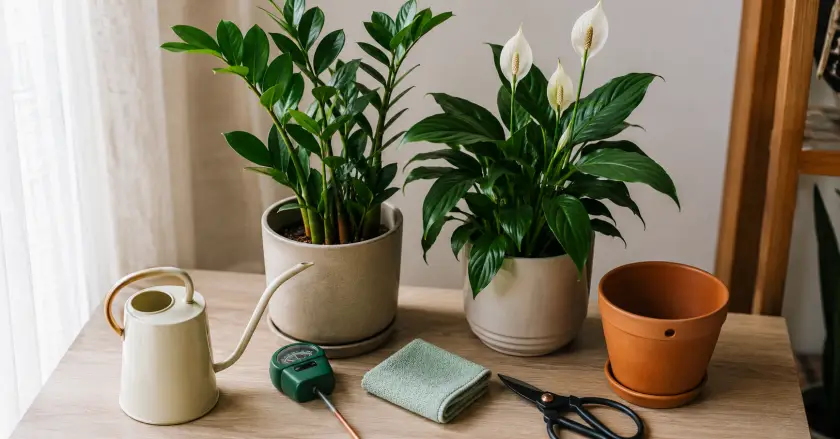
Low light houseplants care is not difficult, but it is different from caring for plants near sunny windows. The lower the light, the slower the growth. Slower growth means less water, less feeding, and less frequent repotting.
Water Less Often
The biggest mistake with indoor plants low light care is overwatering. Soil dries more slowly in darker rooms, so a weekly watering routine can become too much.
Check the soil first. For drought-tolerant plants like snake plant and ZZ plant, let the soil dry well. For ferns and calatheas, keep it lightly moist but never swampy.
Use the complete watering guide, worst times to water plants, and signs you are overwatering to build a better routine.
Use the Right Soil and Pot
Low light plants need soil that holds enough moisture without staying wet for days. A pot with drainage holes is important, especially for plants in darker rooms.
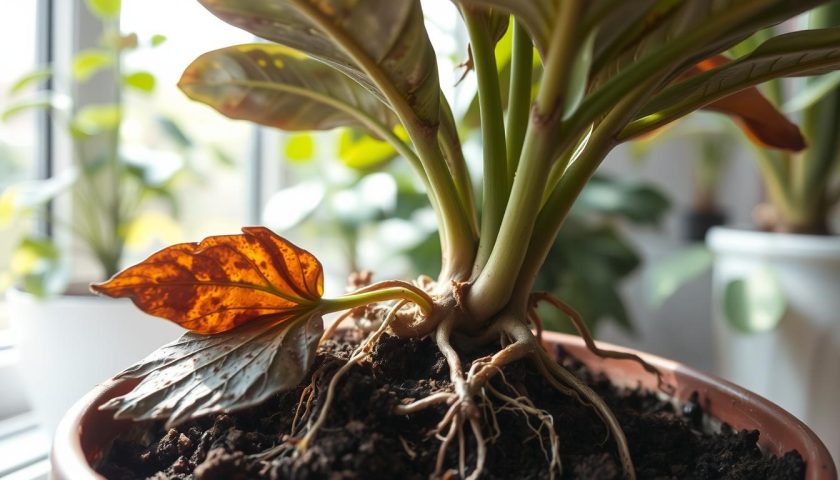
If soil stays wet too long, roots can suffocate. That leads to yellow leaves, drooping, soft stems, and root rot. Use the best soil mix guide, root rot guide, and how to repot a plant if you need to refresh a struggling plant.
Feed Lightly
Plants in low light do not need heavy feeding. They are not growing quickly, so too much fertilizer can stress roots and cause weak growth.
Feed lightly during active growth and avoid fertilizing when a plant is not growing. For more detail, read fertilizing indoor vs outdoor plants.
Clean the Leaves
Dust blocks light. In low-light rooms, every bit of available light matters, so clean leaves are more important than people think.
Wipe broad leaves gently with a damp cloth. For smaller leaves, use a soft shower or careful rinse. Read how to clean plant leaves for safe methods.
Rotate Plants
Plants in low light often lean toward the nearest window. Rotate pots every week or two so growth stays balanced.
If a plant becomes long, thin, pale, or stretched, it probably needs more light. Read leaf curl, browning, and droop and how to revive a dying plant if the problem gets worse.
Low Light Plant Problems and Fixes
Yellow Leaves
Yellow leaves on low light plants often come from too much water, poor drainage, or not enough light. Check the soil first before adding more water.
Use why plant leaves turn yellow, overwatering signs, and root rot treatment to identify the cause.
Leggy Growth
Leggy growth means the plant is stretching toward light. Move it closer to a window, rotate it more often, or add a grow light.
If you are setting up a plant corner, combine the indoor light guide with indoor jungle without overcrowding.
Brown Tips
Brown tips can come from dry air, inconsistent watering, mineral-heavy water, or stress. Ferns, calatheas, spider plants, and peace lilies are more prone to this.
For help, read humidity hacks, DIY humidity tray, and watering tips.
Slow Growth
Slow growth is normal for many low light house plants. Do not force growth with extra fertilizer or more water. More water in low light usually causes problems.
If you want faster growth, increase light gradually. A small grow light can help, especially in winter.
Pests
Low light rooms can have poor airflow, which sometimes helps pests spread unnoticed. Check under leaves and around stems when you water.
For pest support, use how to keep pests away from outdoor plants for general pest thinking, and plants that keep bugs away naturally for wider pest-control ideas.
Low Light House Plants and Air Purification
People often search for nasa approved low light plants and low light plants that purify the air. Some popular low-light plants have been studied in controlled settings, but it is better not to treat houseplants as a replacement for ventilation, cleaning, or air filters.
Choose plants because they make your home calmer, greener, and more enjoyable. If you are interested in plant benefits, read air-purifying indoor plants that actually work and indoor plants that smell amazing.
For low-light rooms, the best practical “air improvement” routine is simple: keep leaves clean, avoid moldy soil, do not overwater, and keep airflow gentle.
Low Light Plant Selection Guide
Use this low light plant selection checklist before buying new plants.
- For beginners: Choose snake plant, ZZ plant, pothos, or heartleaf philodendron.
- For bathrooms: Choose peace lily, Boston fern, calathea, or spider plant.
- For bedrooms: Choose snake plant, ZZ plant, parlor palm, or peace lily.
- For shelves: Choose pothos, philodendron, spider plant, ivy, or rhipsalis.
- For offices: Choose ZZ plant, snake plant, lucky bamboo, dracaena, or Chinese evergreen.
- For colour: Choose Chinese evergreen, calathea, prayer plant, Rex begonia, or African violet.
- For very dark spaces: Choose ZZ plant, snake plant, or cast iron plant, and consider a grow light.
If you want to plan by lifestyle, use best indoor plants for beginners, first-time plant parent plants, low-maintenance plants, and tiny apartment plants.
Expert Tips from Sawera Shahid
Do not place a new plant in the darkest corner on day one. Let it adjust in a brighter spot first, then move it gradually into lower light if the plant is suitable.
Watering should follow the plant and room, not the calendar. A snake plant in a shaded bedroom may need water far less often than the same plant beside a bright window.
Low light plants still need care. They are tolerant, not indestructible. Keep leaves clean, check the soil, rotate pots, and watch for slow warning signs like yellowing, leaning, or limp growth.
If you have pets, check safety before buying. Start with dog-friendly plants and cat-friendly plants.
Helpful PATCH Guides for Low-Light Plant Owners
Use these guides while building your low-light plant corner. They are grouped by the problem they solve, so you can choose what you need instead of guessing.
Indoor Care Basics
- Complete guide to indoor light
- Complete watering guide
- Best soil mix guide
- How to repot a plant
- Repotting mistakes to avoid
- Fertilizing indoor vs outdoor plants
- Pruning basics
- How to clean plant leaves
- Self-watering pots guide
- DIY indoor humidity tray
- Humidity hacks for plants
Plant Problem Guides
- Signs you are overwatering
- Worst times to water plants
- Root rot guide
- How to revive a dying plant
- Leaf curl, browning, and droop
- Why plant leaves turn yellow
Low-Light Friendly Plant Guides
- Snake plant care guide
- ZZ plant care guide
- Pothos plant care guide
- Philodendron care guide
- Peace lily care guide
- Boston fern care guide
- Spider plant care guide
- Dracaena care guide
- Rubber plant care guide
- Calathea care guide
- African violet care guide
- Orchid care guide
- Anthurium care guide
Indoor Plant Ideas and Styling
- Indoor Plants hub
- Plant Care hub
- Best indoor plants for beginners
- Best indoor plants for first-time plant parents
- Best indoor plants for tiny apartments
- Best bathroom plants
- 35 low-maintenance plants
- Air-purifying indoor plants
- Blooming indoor plants
- Colorful foliage indoor plants
- Rare houseplants
- Unusual indoor plants
- Indoor plants as room dividers
- How to style indoor plants by room
- Bedroom plants for style and calm
- Indoor jungle without overcrowding
- Trailing plants for shelves
- Low-light hanging plants
- Indoor plants that smell amazing
- Statement plants for minimalist interiors
- Scandi home with plants
- Feng Shui indoor plants
Office, Shelf, and Small-Space Guides
- Best office plants
- Office-friendly plants for fluorescent lighting
- Improve home office with plants
- Oversized indoor plants
- Indoor gardening systems
- Moss pole for plants
- Hoya plant care guide
- String of pearls care
- Cactus care guide
- Succulent care guide
- Jade plant care guide
- Money tree care guide
Outdoor and Shade Guides for Readers With Patios Too
- Outdoor Plants hub
- Shade-loving plants for outdoor spaces
- Best plants for small outdoor spaces
- Container gardening on patios
- Year-round balcony plants
- How to keep outdoor plants alive
- Low-maintenance outdoor plants
- Drought-resistant plants
- Outdoor plants that survive British winters
- Coastal and windy outdoor plants
- Mosquito repellent plants
- How to keep pests away from outdoor plants
Frequently Asked Questions
What are the best low light house plants?
The best low light house plants include snake plant, ZZ plant, pothos, heartleaf philodendron, peace lily, cast iron plant, Chinese evergreen, parlor palm, Boston fern, spider plant, dracaena, prayer plant, calathea, English ivy, lucky bamboo, peperomia, rhipsalis, and African violet.
Can low light house plants survive without sunlight?
No houseplant can survive long-term with no light at all. Low light plants can handle indirect, weaker, or filtered light, but they still need some natural light or artificial grow light to make energy.
What is the easiest low light plant for beginners?
Snake plant and ZZ plant are the easiest low light plants for beginners. They tolerate lower light, missed watering, and normal indoor conditions better than many other houseplants.
What are the best low light indoor plants for apartments?
The best low light indoor plants for apartments include ZZ plant, snake plant, pothos, heartleaf philodendron, peperomia, lucky bamboo, Chinese evergreen, and peace lily.
Are there low light flowering plants?
Yes. Peace lily and African violet are good low light flowering plant options. They may bloom less in darker rooms, so give them bright indirect light when possible.
How often should I water low light houseplants?
Water only when the soil needs it. Low light houseplants usually need less water because they grow slowly and dry out more slowly. Always check the soil before watering.
What are the best low light hanging plants?
The best low light hanging plants include pothos, heartleaf philodendron, spider plant, English ivy, and rhipsalis. They work well on shelves, bookcases, and hanging planters.
Can I keep low light plants in a bathroom?
Yes, if the bathroom has a window or enough artificial light. Peace lily, Boston fern, calathea, spider plant, and pothos are good bathroom options.
Why are my low light plants turning yellow?
Yellow leaves often mean overwatering, poor drainage, not enough light, or root stress. Check the soil first, then review watering, light, and pot drainage.
Should I fertilize low light house plants?
Use fertilizer lightly. Low light plants grow slowly, so they do not need heavy feeding. Avoid fertilizing during periods of weak growth or stress.
Final Thoughts
Low light house plants can make darker rooms feel softer, calmer, and more alive. The key is choosing plants that naturally tolerate shade, then adjusting care so you do not overwater or overfeed them.
Start with snake plant, ZZ plant, pothos, heartleaf philodendron, cast iron plant, or Chinese evergreen if you want the easiest options. Choose peace lily, Boston fern, calathea, or African violet if you enjoy a little more care and want flowers, texture, or patterned leaves.
The University of Minnesota Extension explains that low-light plants are suitable for north windows or fairly dark corners, and that plants in lower light grow more slowly and use less water, so overwatering should be avoided: University of Minnesota Extension guide to lighting for indoor plants.
Final Recap
The best low light house plants for most homes are snake plant, ZZ plant, pothos, heartleaf philodendron, peace lily, cast iron plant, Chinese evergreen, parlor palm, Boston fern, spider plant, dracaena, rubber plant, prayer plant, calathea, English ivy, lucky bamboo, peperomia, rhipsalis, and African violet. Low light does not mean no light, so place plants where they still receive some daylight or use a grow light. Water less often, keep leaves clean, avoid soggy soil, rotate pots, and choose plants that match your room instead of forcing bright-light plants into dark spaces.