Key Takeaways
- An indoor plant with orange flowers brings warm colour into rooms without needing outdoor garden space.
- The easiest orange flowering houseplant for beginners is usually kalanchoe because it stays compact, blooms in clusters, and handles normal indoor care well.
- Most indoor flowering plants need bright indirect light to bloom well. Low light may keep the plant alive, but it usually reduces flowers.
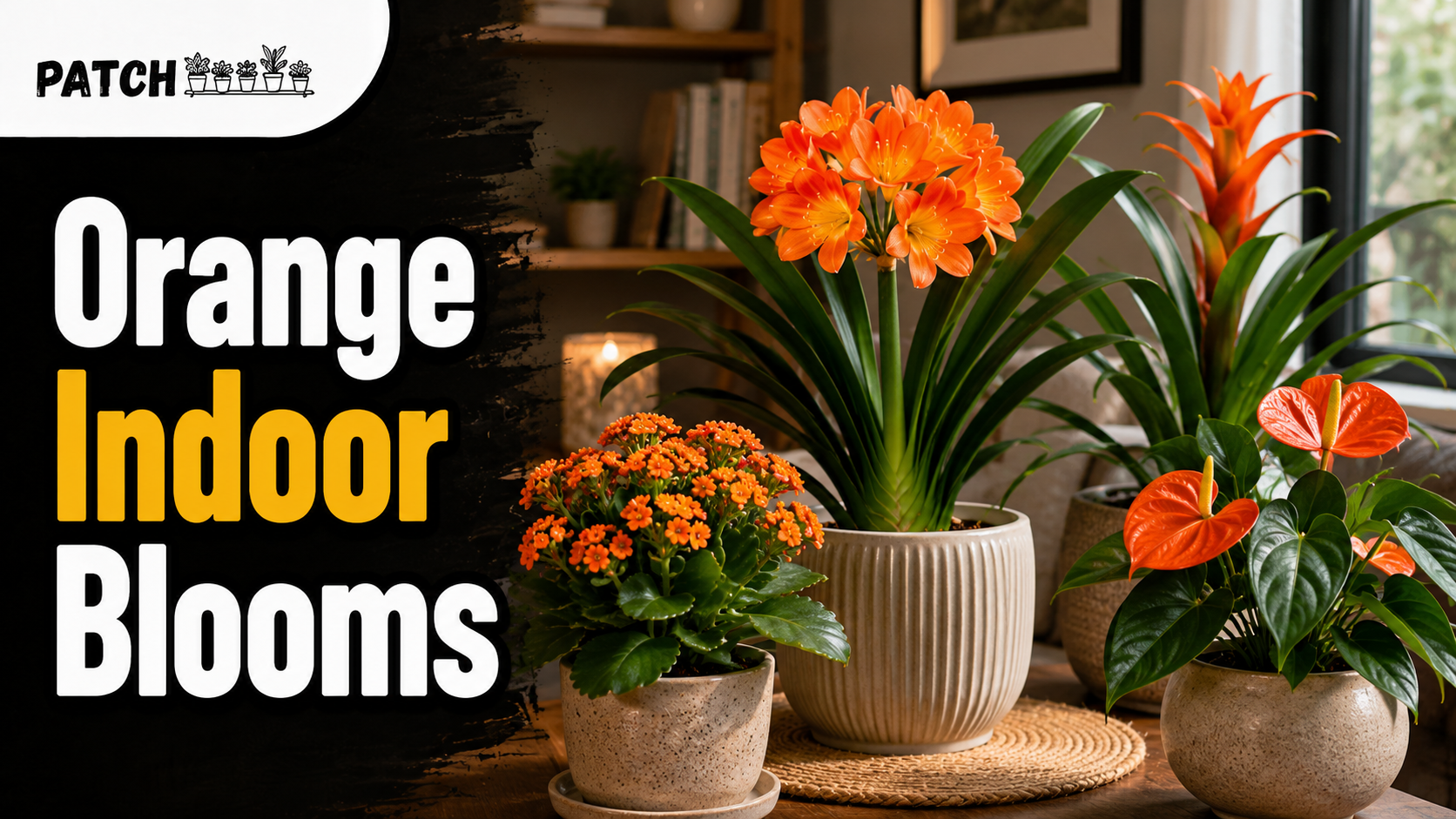
- Good orange flower plants for indoor spaces include kalanchoe, clivia, orange star plant, crossandra, flame violet, orange bromeliad, bird of paradise, orange anthurium, and orange begonia.
- Many houseplants with orange flowers are not pet-safe, so check placement carefully if you have cats or dogs.
- Orange blooms look best when paired with deep green foliage, neutral pots, and bright but filtered window light.
Introduction
An indoor plant with orange flowers is one of the easiest ways to add warmth, energy, and a cheerful focal point to your home. Orange blooms feel bright without being harsh, and they work beautifully in living rooms, kitchens, offices, bedrooms, and sunny windowsills.
The key is choosing the right orange flowering houseplant for your light, space, and care style. Some orange bloom indoor plant options, like kalanchoe, are compact and beginner-friendly. Others, like bird of paradise, need more room, stronger light, and patience before they flower indoors.
This guide covers the best indoor plants with orange blooms, how to choose them, how to keep them flowering, and which care mistakes to avoid. You’ll also find links to related PATCH guides so you can match each plant with the right light, watering, soil, humidity, and styling routine.
If you are still building confidence with plant care, start with our best indoor plants for beginners, complete indoor light guide, and complete watering guide. Flowering plants are easier to manage when these basics are clear.
Why Choose Indoor Plants With Orange Flowers?
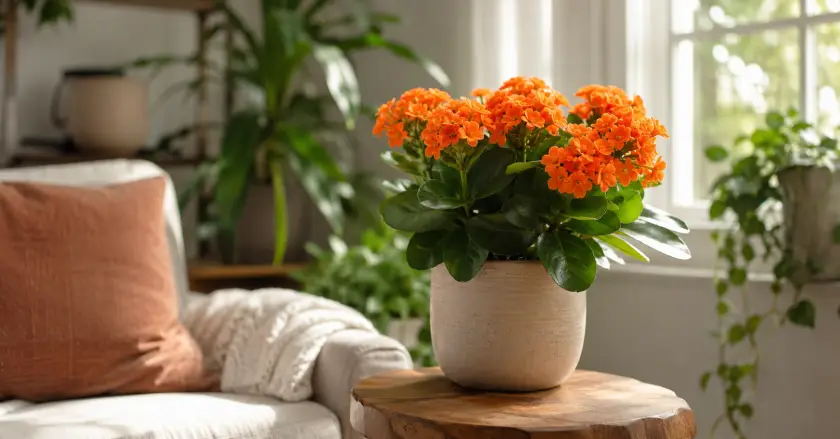
Orange flowers bring a different feeling from white, pink, or purple blooms. They feel warm, lively, and confident. A single vibrant orange indoor flower can brighten a plain shelf, soften a work desk, or make a quiet corner feel more intentional.
Orange also pairs well with many interiors. It looks good against white walls, terracotta pots, wooden furniture, black plant stands, and deep green foliage. This makes an orange flower house plant useful for both modern and cosy homes.
Flowering plants also give you something to look forward to. While foliage plants offer steady colour all year, a blooming indoor plant adds seasonal change. New buds, opening flowers, and fresh growth make indoor gardening feel more rewarding.
If you want more indoor colour ideas, read 23 blooming indoor plants, colorful foliage indoor plants, and indoor plants that smell amazing.
Quick Comparison: Best Indoor Plants With Orange Blooms
| Plant | Best For | Light | Care Level | Pet Caution |
|---|---|---|---|---|
| Kalanchoe | Beginners, desks, windowsills | Bright light | Easy | Yes |
| Clivia | Long-lived orange flowers | Bright indirect to moderate | Easy to moderate | Yes |
| Orange Star Plant | Small bright displays | Bright indirect light | Moderate | Yes |
| Crossandra | Tropical orange blooms | Bright indirect light | Moderate | Check variety |
| Flame Violet | Trailing orange flowers | Bright indirect light | Moderate | Check variety |
| Orange Bromeliad | Long-lasting colour | Bright indirect light | Easy to moderate | Usually safer, still check |
| Bird of Paradise | Large statement plant | Very bright light | Moderate | Yes |
| Orange Anthurium | Glossy tropical colour | Bright indirect light | Moderate | Yes |
| Orange Begonia | Compact flowering colour | Bright indirect light | Moderate | Yes |
| Lipstick Plant | Hanging baskets | Bright indirect light | Moderate | Generally safer, still check |
| Crown of Thorns | Sunny indoor spots | Bright light | Easy if sunny | Yes |
11 Best Indoor Plants With Orange Flowers
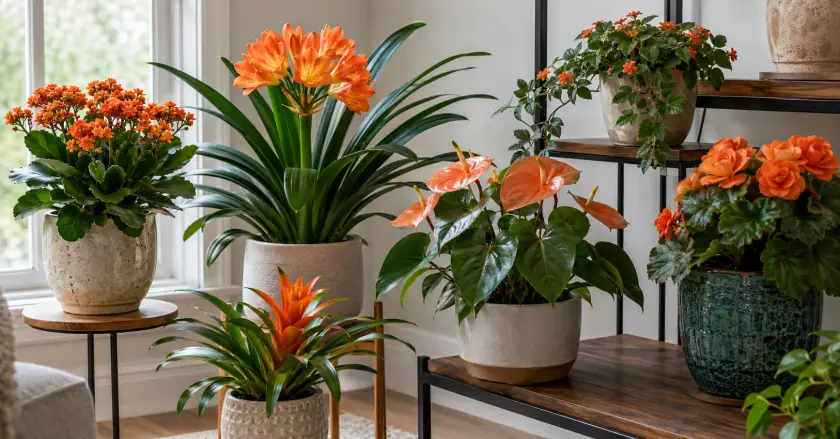
1. Kalanchoe
Kalanchoe is one of the best choices if you want an easy indoor plant with orange flowers. It produces clusters of small blooms in orange, red, yellow, pink, and other bright shades. Orange kalanchoe is especially cheerful on a windowsill, desk, coffee table, or kitchen shelf.
This plant is a succulent, so it does not like wet soil. It prefers bright light and a well-draining potting mix. Let the soil dry slightly between watering sessions, and avoid leaving the pot sitting in water.
Kalanchoe is a strong choice for beginners because it stays compact and gives a lot of colour without needing complicated care. It is also one of the best orange flowered houseplants for small indoor spaces.
For similar easy-care plants, use the succulent care guide, cactus care guide, and 35 low-maintenance plants. If your kalanchoe develops soft stems or yellow leaves, check signs you are overwatering and root rot guide.
- Best spot: Bright windowsill or sunny indoor shelf.
- Watering: Let soil dry slightly before watering.
- Best for: Beginners, desks, bright kitchens, and small apartments.
- Care tip: Remove faded flower clusters to keep the plant tidy.
2. Clivia
Clivia is a classic orange flowering houseplant with deep green strap-like leaves and clusters of trumpet-shaped orange flowers. It has an elegant, old-fashioned feel and can live for many years with steady care.
Unlike many flowering plants, clivia can tolerate moderate indoor light, though it still performs best with bright indirect light. It also appreciates a cooler, drier rest period before blooming. This makes it a good choice for people who want a long-term plant, not just a seasonal display.
Clivia works well in living rooms, bright hallways, bedrooms with indirect light, and plant corners where you want structure as well as flowers. It is a strong orange blossom indoor plant for patient growers.
If you like long-lived indoor plants, compare clivia with the peace lily care guide, bird of paradise care guide, and 20 oversized indoor plants.
- Best spot: Bright indirect light or moderate light.
- Watering: Water lightly and avoid soggy soil.
- Best for: Long-term houseplant owners and classic interiors.
- Care tip: Do not repot too often. Clivia often blooms better when slightly pot-bound.
3. Orange Star Plant
Orange star plant is a compact indoor flowering plant in orange hues with bright star-shaped blooms. It is often sold as a gift plant because its flowers are vivid, cheerful, and easy to display on a table or windowsill.
This plant needs bright indirect light to keep flowering well. It also likes careful watering. Keep the soil lightly moist while it is actively growing, but do not let it sit in water.
Orange star plant can be a little more temporary than some houseplants, but it is worth trying if you want a strong burst of orange colour indoors. It is a good orange flowered plant for indoor spaces when you want something small but striking.
For placement help, read complete indoor light guide and how to style indoor plants by room. For watering help, use the complete watering guide.
- Best spot: Bright table, windowsill, or sideboard.
- Watering: Keep lightly moist during active growth.
- Best for: Short-term colour and small spaces.
- Care tip: Avoid deep shade because flowers fade faster in weak light.
4. Crossandra
Crossandra, often called firecracker flower, is a tropical orange blooming indoor plant with soft green leaves and warm orange flowers. It gives a bright, summery look indoors when placed in the right conditions.
This plant likes warmth, humidity, and bright indirect light. It is not as drought-tolerant as kalanchoe, so it needs more regular care. Keep the soil lightly moist, but never soggy.
Crossandra is a good choice if you enjoy indoor gardening with orange flower plants and want something that feels tropical without becoming enormous. It works nicely in bright bathrooms, kitchens, and warm living rooms.
For humidity support, read how to build a DIY indoor humidity tray and humidity hacks for plants. If you like tropical foliage too, see calathea care guide and anthurium care guide.
- Best spot: Warm bright room with indirect light.
- Watering: Keep lightly moist, not waterlogged.
- Best for: Tropical indoor colour.
- Care tip: Avoid cold drafts and dry air.
5. Flame Violet
Flame violet is a compact trailing plant with velvety leaves and small orange, red, or coral flowers. It is one of the more charming orange floral indoor plants because it offers both foliage texture and bright blooms.
It likes bright indirect light, warmth, humidity, and gentle watering. Avoid harsh direct sun, which can scorch the leaves, and avoid cold water on the foliage.
This plant works well in hanging baskets, small shelves, and bright bathrooms. If you like houseplant with orange blossoms styles but do not want a large plant, flame violet is a lovely option.
For trailing plant inspiration, read trailing plants that look stunning on shelves, low-light hanging plants, and how to create an indoor jungle without overcrowding.
- Best spot: Hanging pot, shelf, warm bathroom, or bright nook.
- Watering: Keep evenly moist but not soggy.
- Best for: Small trailing displays.
- Care tip: Keep humidity steady for better foliage and flowers.
6. Orange Bromeliad
Orange bromeliads are excellent indoor plants with orange blossoms or orange-toned bracts. Many bromeliads hold their colour for weeks or even months, making them useful if you want long-lasting display value.
The orange part is often a bract rather than a true flower, but the effect is still bright and decorative. Bromeliads usually prefer bright indirect light, warm rooms, and careful watering around the central cup or soil depending on the type.
An orange bromeliad suits coffee tables, bright bathrooms, shelves, and modern interiors. It is one of the best orange flowered indoor plants if you want colour that lasts longer than delicate flowers.
For bathroom placement ideas, use 33 best plants for your bathroom. For styling, read statement plants for minimalist interiors and 6 ways to create a Scandi home with plants.
- Best spot: Bright bathroom, side table, shelf, or kitchen.
- Watering: Moderate, depending on bromeliad type.
- Best for: Long-lasting colour indoors.
- Care tip: Avoid deep shade if you want strong colour.
7. Bird of Paradise
Bird of paradise is a dramatic tropical indoor plant with orange flowers, though it needs the right conditions to bloom indoors. Its leaves alone make it a statement plant, but mature plants can produce striking orange and blue flowers in very bright conditions.
This is not a small windowsill plant. It needs space, light, warmth, and patience. Many people grow it indoors mainly for its large banana-like leaves, then treat flowers as a bonus.
If you want a large striking orange flowering plant for a bright room, bird of paradise can be worth the effort. Place it near the brightest suitable window and give it room to spread.
Read the full bird of paradise plant care guide before buying one. For large plant styling, see 20 oversized indoor plants and indoor plants as natural room dividers.
- Best spot: Very bright room with space.
- Watering: Moderate. Let the top soil dry slightly.
- Best for: Large statement interiors.
- Care tip: Do not expect quick flowers indoors. Strong light and maturity matter.
8. Orange Anthurium
Orange anthurium is a glossy flowering indoor plant with orange flowers, though the colourful part is technically a spathe rather than a true petal. It still gives the look of a bold orange bloom and can last for weeks.
Anthuriums prefer bright indirect light, humidity, warmth, and well-draining soil. They dislike soggy roots, cold drafts, and harsh direct sun.
This is a good indoor plant with orange petals look for modern rooms, desks, sideboards, and bright bathrooms. The shiny foliage and orange spathes make it feel polished and tropical.
For care, read the anthurium care guide. For humidity and soil support, use humidity hacks, best soil mix guide, and how to repot a plant.
- Best spot: Bright indirect light, warm bathroom, or living room.
- Watering: Moderate. Avoid soggy soil.
- Best for: Glossy tropical colour.
- Care tip: Clean leaves so the plant can use indoor light well.
9. Orange Begonia
Orange begonias are beautiful indoor plants with orange blooms when placed in bright indirect light. Rieger begonias and some tuberous begonias can offer warm orange flowers with soft, decorative foliage.
Begonias like consistent moisture but dislike waterlogged soil. They also need airflow. If the leaves stay wet or the plant sits in stale air, fungal problems can appear.
An orange begonia is a good indoor flower plant for bright spaces, especially on tables, shelves, and windowsills that get gentle light.
If you enjoy colourful foliage as well as flowers, read colorful foliage indoor plants. For plant problem support, use leaf curl, browning, and droop and why plant leaves turn yellow.
- Best spot: Bright indirect windowsill or side table.
- Watering: Keep lightly moist, not wet.
- Best for: Compact colour and soft texture.
- Care tip: Avoid wetting leaves repeatedly.
10. Lipstick Plant
Lipstick plant can produce orange-red tubular flowers and works well as a hanging or trailing indoor ornamental plant. It has glossy foliage and a relaxed shape that suits shelves, bookcases, and hanging baskets.
It prefers bright indirect light and a slightly snug pot. Too little light can reduce blooming, while too much direct sun can scorch leaves. Allow the soil to dry slightly between waterings.
If you want an orange-flowering houseplant that trails rather than stands upright, lipstick plant is a strong choice. It is especially useful for vertical space in apartments.
For more hanging ideas, read low-light hanging plants, trailing plants for shelves, and best indoor plants for tiny apartments.
- Best spot: Hanging pot near bright indirect light.
- Watering: Let the top soil dry slightly.
- Best for: Shelves, hanging baskets, and vertical styling.
- Care tip: Avoid moving it constantly once buds form.
11. Crown of Thorns
Crown of thorns can produce orange, red, pink, yellow, or cream bracts and flowers in bright indoor conditions. It is one of the tougher plants with orange blooms if you have a sunny windowsill.
This plant likes bright light, warm temperatures, and dry-leaning care. It is drought-tolerant once established and does not want heavy watering.
Crown of thorns is best for adults-only or pet-free homes because it has thorns and irritating sap. Place it somewhere safe, stable, and bright.
For similar dry-care plants, read the succulent care guide, cactus care guide, and jade plant care guide.
- Best spot: Sunny windowsill or very bright room.
- Watering: Low. Let soil dry well.
- Best for: Bright, dry indoor spaces.
- Care tip: Wear gloves when pruning and keep away from pets and children.
Best Indoor Plant With Orange Flowers by Room
Choosing the right orange flowered indoor plant gets easier when you match it to the room. Light, humidity, airflow, and available space all matter.
Best for Bright Windowsills
Kalanchoe, crown of thorns, orange star plant, and some orange begonias are good choices for bright windowsills. They need enough light to bloom, but avoid harsh afternoon sun if leaves start to scorch.
For light matching, read the complete indoor light guide. If your windowsill is small, use tiny apartment plant ideas.
Best for Living Rooms
Clivia, orange bromeliad, orange anthurium, bird of paradise, and crossandra can look beautiful in living rooms. These plants work best when the room has bright filtered light and stable temperatures.
For design ideas, read how to style indoor plants by room, statement plants for minimalist interiors, and indoor plants as room dividers.
Best for Bathrooms
Crossandra, flame violet, orange anthurium, and bromeliads can do well in bright bathrooms because they enjoy warmth and humidity. The bathroom still needs light, though. Humidity alone is not enough.
Use the best bathroom plants guide for more ideas, and check humidity hacks if the room feels dry.
Best for Offices
Kalanchoe, orange bromeliad, and orange anthurium can work in offices with bright indirect light. Kalanchoe is especially useful because it stays compact and does not need daily attention.
For more workspace options, read best office plants, office-friendly plants for fluorescent lighting, and improve your home office with plants.
Best for Bedrooms
Clivia, kalanchoe, orange bromeliad, and flame violet can work in bedrooms if there is enough natural light. Avoid plants with strong sap, thorns, or pet risks near beds and low tables.
For calmer bedroom styling, read how to decorate your bedroom with plants and Feng Shui indoor plants.
How to Keep Orange Flowering Houseplants Blooming
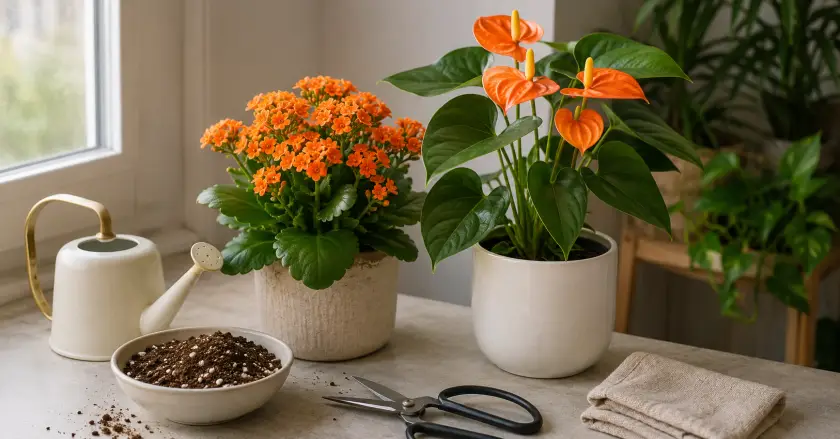
Buying a flowering plant is easy. Keeping it blooming is where care matters. Most orange flowering indoor plants need enough light, careful watering, and a proper rest period after flowering.
Give Bright Indirect Light
Flowers need energy. If your indoor flowering plant is not blooming, low light is often the first thing to check. Move it closer to a bright window, but protect soft leaves from harsh direct sun.
Use complete guide to indoor light to judge your room properly. If the room is too dark, the low light house plants guide may help you choose better options.
Water Based on the Plant Type
Not every orange bloom indoor plant wants the same water. Kalanchoe and crown of thorns prefer drier care. Crossandra, flame violet, and begonias need more consistent moisture.
Before watering, check the soil. If you struggle with this, use complete watering guide, worst times to water plants, and signs you are overwatering.
Use the Right Soil
Flowering plants need oxygen around the roots. If soil stays wet for too long, roots can rot and blooming stops.
Use a well-draining mix for succulents like kalanchoe and crown of thorns. Use a lighter houseplant mix for tropical plants like anthurium and crossandra. For help, read best soil mix for every type of plant and how to repot a plant.
Feed Lightly During Active Growth
Many flowering plants for indoor spaces benefit from light feeding during active growth, but more fertilizer does not always mean more flowers. Too much can cause weak growth or root stress.
Feed lightly and follow the plant’s season. For more detail, read fertilizing indoor vs outdoor plants.
Respect Rest Periods
Some plants need a rest period before flowering again. Clivia often blooms better after a cooler, drier rest. Kalanchoe can rebloom when light and darkness cycles are right. If a plant stops blooming after purchase, it may simply be resting.
Do not panic and overwater. Watch the leaves, light, and soil. If the whole plant declines, use how to revive a dying plant.
Common Problems With Orange Flowering Houseplants
No Flowers
If your houseplant with orange blooms is not blooming, the usual causes are low light, incorrect watering, lack of a rest period, or immature growth. Move the plant to brighter indirect light and avoid overwatering.
For light issues, check indoor light guide. For weak growth, read leaf curl, browning, and droop.
Yellow Leaves
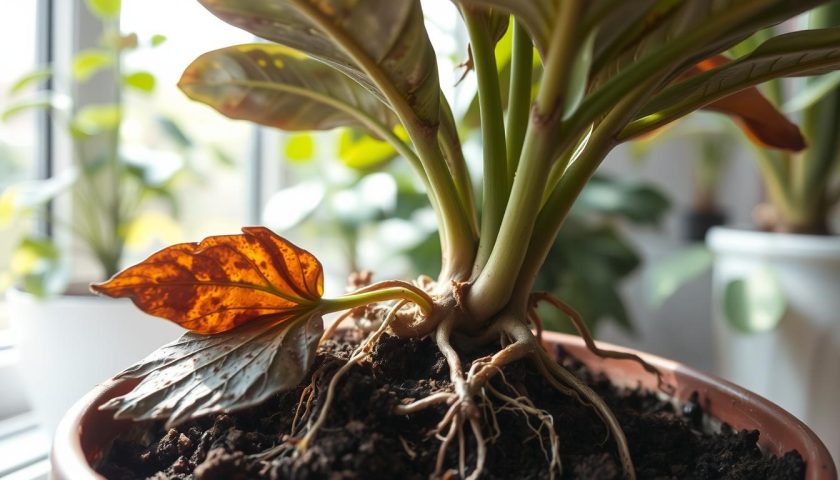
Yellow leaves can come from too much water, poor drainage, low light, cold drafts, or natural ageing. If the soil smells bad or stays wet, check the roots.
Use why your plant leaves are turning yellow, what is root rot, and repotting mistakes to avoid.
Flowers Fade Quickly
Flowers naturally fade, but they fade faster when the plant is stressed. Heat, dry air, low light, sudden moves, or inconsistent watering can shorten the display.
Keep your vibrant orange flower indoor plant away from heaters, cold drafts, and harsh direct sun. Keep care steady while it is blooming.
Brown Leaf Edges
Brown edges can come from dry air, inconsistent watering, fertilizer stress, or mineral-heavy water. Tropical orange bloomers such as crossandra and anthurium are more likely to show this.
For support, read humidity hacks for plants, DIY humidity tray, and how to clean plant leaves.
Pests
Flowering plants can attract pests if they are stressed or crowded. Check under leaves, around buds, and near stems when watering.
Good airflow, clean leaves, and healthy watering reduce many problems. For wider pest thinking, use how to keep pests away from outdoor plants and plants that keep bugs away naturally.
Pet Safety Before Buying Orange Flower Plants
Many orange flowered houseplants are not safe for pets. Kalanchoe, clivia, anthurium, crown of thorns, bird of paradise, and many begonias can cause problems if chewed or swallowed.
Pet safety can vary by species and cultivar, so always check the exact plant before buying. Place risky plants out of reach, especially if your pet chews leaves or digs in pots.
Use the cat-friendly plant guide and dog-friendly plant guide before placing any indoor plant with colorful blooms in a pet home.
How to Style an Indoor Plant With Orange Flowers
An indoor plant with orange blossoms already has strong visual energy, so styling should support the colour rather than compete with it.
Use Neutral Pots
White, cream, terracotta, soft grey, black, and natural clay pots all work well with orange blooms. Avoid using too many bright pot colours near the plant, or the flowers may feel lost.
Pair With Green Foliage Plants
Orange flowers look beautiful beside solid green plants. Try pairing kalanchoe with pothos, clivia with snake plant, or orange anthurium with ZZ plant.
For easy green partners, read pothos care guide, snake plant care guide, and ZZ plant care guide.
Create Warm Corners
Orange flowers work well with wooden shelves, warm lamps, woven baskets, and terracotta accents. Use them where you want energy: a work desk, dining shelf, kitchen window, or living room side table.
For room-based styling, use how to style indoor plants by room, bedroom plants for style and calm, and Scandi home with plants.
Expert Tips from Sawera Shahid
Choose the plant based on your light first. A beautiful orange flowering houseplant will not bloom well if it sits in the wrong room.
For beginners, start with kalanchoe. It is compact, colourful, and much easier than many tropical bloomers. Once you are confident, try clivia, orange bromeliad, crossandra, or orange anthurium.
Do not overwater just because a plant is flowering. Many people “love” a blooming plant to death by watering too often. Check the soil, watch the leaves, and keep the pot draining well.
Finally, do not judge a flowering houseplant when it is resting. Many plants bloom in cycles. A healthy plant with no flowers can still be doing exactly what it should.
Helpful PATCH Guides for Orange Flowering Indoor Plants
Use these guides to support your indoor gardening with orange flower plants. They cover light, watering, soil, humidity, plant choice, styling, and problem solving.
Best Guides for Flowering and Colourful Indoor Plants
- 23 blooming indoor plants
- Colorful foliage indoor plants
- Indoor plants that smell amazing
- Unusual indoor plants
- Rare houseplants worth the hunt
- Air-purifying indoor plants
- Best indoor plants for beginners
- Best indoor plants for first-time plant parents
- Best indoor plants for tiny apartments
- 35 low-maintenance plants
Plant Care Basics
- Plant Care hub
- Complete guide to indoor light
- Complete watering guide
- Worst times to water plants
- Signs you are overwatering
- What is root rot?
- How to revive a dying plant
- Leaf curl, browning, and droop
- Why your plant leaves are turning yellow
- How to clean plant leaves
- Best soil mix guide
- Repotting mistakes to avoid
- How to repot a plant
- Fertilizing indoor vs outdoor plants
- Self-watering pots guide
- DIY indoor humidity tray
- Humidity hacks for plants
- Pruning basics
Specific Indoor Plant Care Guides
- Anthurium care guide
- Bird of paradise care guide
- Peace lily care guide
- Orchid care guide
- African violet care guide
- Christmas cactus care guide
- Care tips for Christmas cactus
- Succulent care guide
- Cactus care guide
- Jade plant care guide
- Snake plant care guide
- ZZ plant care guide
- Pothos plant care guide
- Philodendron care guide
- Monstera plant care guide
- Hoya plant care guide
- Calathea care guide
- Boston fern care guide
- Spider plant care guide
- Dracaena care guide
- Rubber plant care guide
- Fiddle leaf fig care guide
- Money tree care guide
- String of pearls care
- Moss pole for plants
Room Styling and Indoor Plant Ideas
- Indoor Plants hub
- How to style indoor plants by room
- Bedroom plants for style and calm
- Indoor jungle without overcrowding
- Indoor plants as room dividers
- Statement plants for minimalist interiors
- Scandi home with plants
- Feng Shui indoor plants
- Trailing plants for shelves
- Low-light hanging plants
- 33 best plants for your bathroom
- 35 best office plants
- Office-friendly plants for fluorescent lighting
- Improve home office with plants
- 20 oversized indoor plants
- 12 best indoor gardening systems
- Low light house plants
- Tiny apartment plants
Pet Safety and Home-Friendly Plant Guides
- How to make your plants cat-friendly
- How to make your plants dog-friendly
- Air-purifying indoor plants that actually work
- Indoor plants that smell amazing
- Colorful foliage indoor plants
- Rare houseplants worth the hunt
- Unusual indoor plants
Outdoor and Seasonal Guides Readers May Also Like
- Outdoor Plants hub
- Garden calendar
- Seasonal plant care in autumn
- Edible flowers to grow outdoors
- Color themes for outdoor gardens
- How to keep outdoor plants alive
- Best low-maintenance outdoor plants
- Container gardening on patios
- Hardy outdoor plants
- Top drought-resistant plants
- Shade-loving plants for outdoor spaces
- Grow your own edible plants
- Plants that bloom at night
- Plants that keep bugs away naturally
- Mosquito repellent plants
Frequently Asked Questions
What is the best indoor plant with orange flowers?
Kalanchoe is one of the best choices for most beginners because it is compact, bright, and easier to care for than many tropical bloomers. Clivia, orange star plant, orange bromeliad, crossandra, and orange anthurium are also good options depending on your light and care style.
Which orange flowering houseplant is easiest to care for?
Kalanchoe is usually the easiest orange flowering houseplant. It likes bright light, well-drained soil, and careful watering. Let the soil dry slightly before watering again.
Can an indoor plant with orange flowers grow in low light?
Most orange flowering indoor plants need bright indirect light to bloom well. Clivia can tolerate moderate light better than many flowering plants, but even clivia blooms better when it receives enough brightness.
What indoor plants have orange blooms?
Good indoor plants with orange blooms include kalanchoe, clivia, orange star plant, crossandra, flame violet, orange bromeliad, bird of paradise, orange anthurium, orange begonia, lipstick plant, and crown of thorns.
Are orange flower house plants pet-safe?
Many are not pet-safe. Kalanchoe, clivia, anthurium, crown of thorns, bird of paradise, and many begonias can be risky for pets. Always check the exact plant before placing it near cats or dogs.
Why is my indoor flowering plant not blooming?
The most common reasons are low light, overwatering, no rest period, immature growth, or stress after repotting. Start by improving light and checking the soil before changing everything else.
How do I keep orange blooms bright indoors?
Give the plant bright indirect light, avoid overwatering, keep leaves clean, use suitable soil, and remove faded flowers when needed. For some plants, a rest period helps encourage reblooming.
What is the best orange flowering indoor plant for small spaces?
Kalanchoe, orange star plant, flame violet, orange begonia, and orange bromeliad are good choices for small spaces. They fit easily on shelves, desks, windowsills, and side tables.
What is the best large indoor plant with orange flowers?
Bird of paradise is the best large option, but it needs very bright light and patience. Many indoor bird of paradise plants are grown for foliage first and flowers second.
Should I deadhead orange flowering houseplants?
Yes, for many plants. Removing faded flowers helps the plant stay tidy and may encourage more blooms. Use clean scissors and avoid cutting healthy new buds.
Final Thoughts
An indoor plant with orange flowers can make a room feel brighter, warmer, and more alive. Kalanchoe is the easiest place to start, while clivia, orange bromeliad, orange anthurium, and crossandra give you more tropical colour once you are ready for slightly more care.
For kalanchoe specifically, Clemson Extension notes that it grows best in full sun and well-drained potting media, tolerates bright indoor light, and can be damaged by overwatering: Clemson Extension Kalanchoe guide.
Choose your plant based on light first, then match the watering and soil to the plant’s natural needs. With bright filtered light, careful watering, and the right placement, orange flowering houseplants can bring long-lasting colour into indoor spaces.
Final Recap
The best indoor plants with orange flowers include kalanchoe, clivia, orange star plant, crossandra, flame violet, orange bromeliad, bird of paradise, orange anthurium, orange begonia, lipstick plant, and crown of thorns. Kalanchoe is the easiest beginner option, clivia is best for long-term growers, bird of paradise is best for large bright rooms, and bromeliads are ideal for long-lasting colour. Most orange flowering houseplants need bright indirect light, well-drained soil, careful watering, and safe placement away from pets if the plant is toxic.