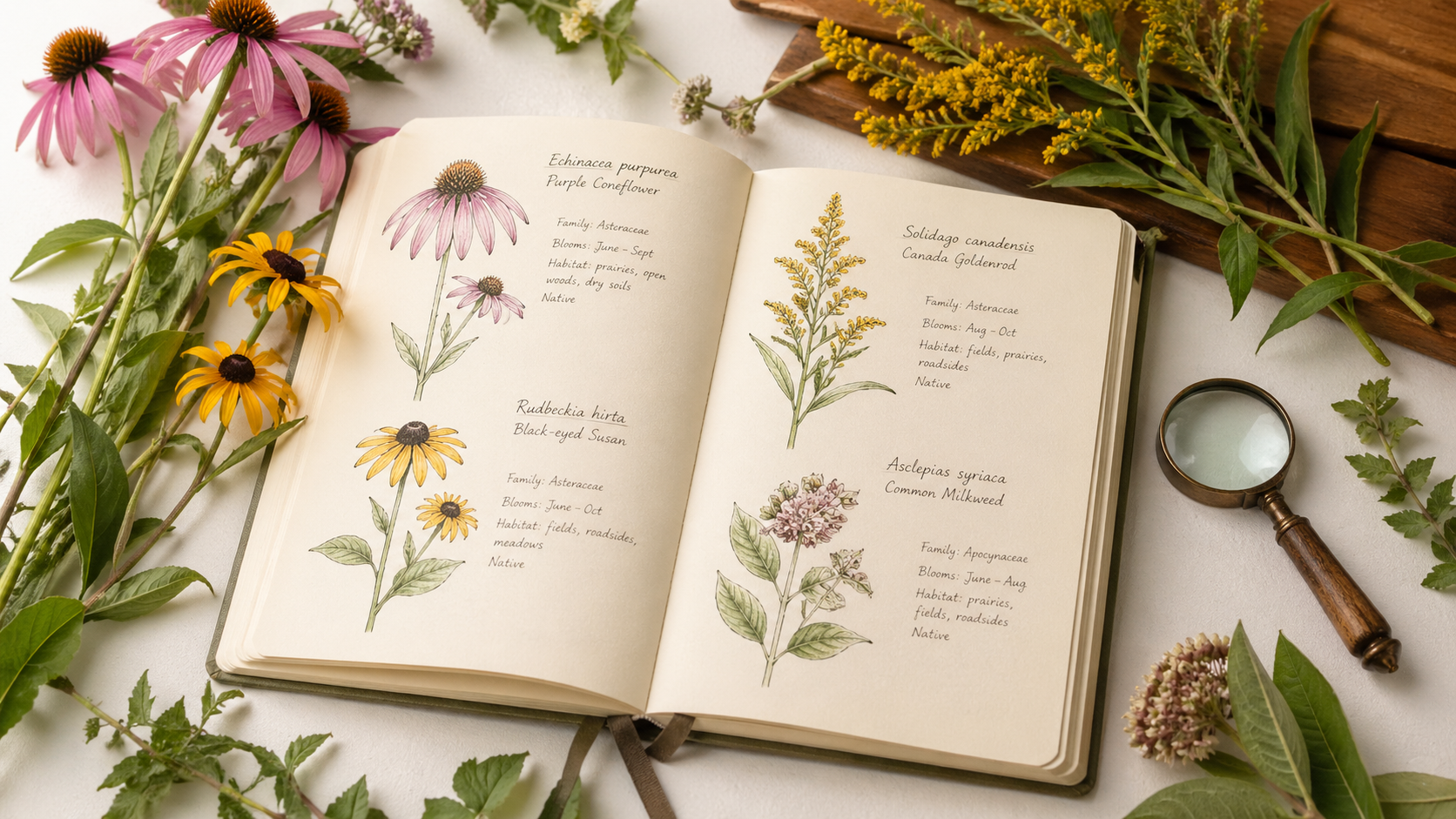
How to design a wildlife-friendly garden comes down to five habits: plant for pollinators across the seasons, add shelter, provide water, avoid pesticides, and leave a little wildness in the corners. You can do all five in a balcony, a courtyard or a small front yard. I am Sawera Shahid, a botanist at Patch Plants. This guide shows you how to design a wildlife-friendly garden step by step, with advice checked against the Royal Horticultural Society (RHS), the RSPB and Garden Organic. Most examples suit UK gardens, but the principles…
Outdoor Plant Care & Growing Guides
Outdoor plant care starts with matching plants to your climate, sunlight, soil, available space, and seasonal conditions. A plant that suits its location will usually be easier to water, maintain, and keep healthy than one constantly struggling against unsuitable conditions.
At Patch Plants, our outdoor plant guides cover container gardening, patios, balconies, garden beds, seasonal care, edible plants, flowering varieties, and practical growing techniques. Use this hub to choose suitable plants and build an outdoor space that works with the conditions you actually have.
Getting Started With Outdoor Plants
Outdoor gardening can be as simple or as layered as you want it to be. Containers can bring greenery to a small balcony, while shrubs, perennials, annual flowers, herbs, vegetables, vines, and small trees can create structure and seasonal interest in larger gardens.
Before choosing plants, consider four things: climate, sunlight, soil or potting mix, and available space. Plant size matters too. A compact patio plant has very different needs from a shrub or climbing vine that may eventually require much more room.
Know Your Climate & Growing Zone
A growing or hardiness zone helps you understand which perennial plants are likely to tolerate the typical winter temperatures in your area. It is useful when choosing shrubs, trees, bulbs, and other plants expected to remain outdoors through multiple seasons.
Zones are only one part of plant selection. Local rainfall, summer heat, wind exposure, humidity, frost dates, soil conditions, and small microclimates around buildings can also affect how well a plant grows.
- Cooler climates: Focus on plants suited to colder winters and pay attention to frost tolerance and seasonal dormancy.
- Mild climates: Longer growing seasons may support a wider range of herbs, flowering plants, vegetables, and shrubs.
- Warm or subtropical climates: Heat tolerance, humidity, rainfall, and intense sunlight can become more important than winter cold.
For more seasonal guidance, see our seasonal plant care guide for autumn and our guide to balcony plants that handle wind, rain, and sun.
Outdoor Plant Care Essentials
Healthy outdoor plants need the right balance of water, sunlight, soil conditions, drainage, and seasonal care. The exact requirements vary by species, so treat general gardening rules as a starting point rather than a fixed schedule.
Watering Outdoor Plants
Containers often dry faster than garden beds, particularly during warm, sunny, or windy weather. Check the soil before watering and give plants a thorough drink when needed rather than applying frequent shallow splashes.
Watering needs can change quickly with the weather. Plants in full sun may dry faster than those in shade, while rainfall and cooler temperatures can reduce the need for additional watering.
Sun, Wind & Weather
Match each plant to the amount of sunlight it can realistically receive. Plants described as full-sun varieties generally need a brighter position, while shade-tolerant foliage plants are better suited to areas protected from intense midday sun.
Wind exposure also matters, especially on balconies, rooftops, and open patios. Strong wind can dry containers quickly and damage tall or delicate growth, so sheltered placement or suitable wind-tolerant plants can make maintenance easier.
Soil, Drainage & Feeding
Use soil or potting mix suited to what you are growing. Containers should allow excess water to drain freely, while garden beds may benefit from organic matter where soil structure needs improvement.
Fertilizer needs vary by plant and growing conditions. Follow plant-specific guidance and product directions rather than assuming every outdoor plant needs regular feeding.
For more help, read how to keep outdoor plants alive and our guide to managing pests around outdoor plants.
Container, Patio & Hanging Basket Ideas
Container gardening makes it possible to grow outdoor plants on patios, balconies, porches, entrances, and other small spaces. Pots can also make watering, soil choice, and seasonal rearranging easier to manage.
- Sunny containers: Choose plants that tolerate the heat and faster drying associated with brighter locations.
- Shade containers: Use foliage and flowering plants adapted to lower-light outdoor positions.
- Hanging baskets: Combine trailing and upright growth while keeping watering needs in mind.
- Small patios and balconies: Choose compact plants that fit the available space without quickly becoming overcrowded.
Explore our guides to outdoor plants for small spaces and plants for coastal and windy environments.
Outdoor Plants for Different Garden Conditions
There is no single list of outdoor plants that works everywhere. The best choices depend on climate, sunlight, available space, soil conditions, and how much ongoing care you want to provide.
- Heuchera (coral bells): Known for colorful foliage and useful in containers, borders, and partly shaded positions depending on the variety.
- Hostas: Popular foliage plants for shaded or partly shaded garden areas.
- Boxwood: An evergreen shrub commonly used to provide structure, edging, and formal shapes where local growing conditions suit it.
- Lavender: Typically prefers bright sun and well-draining conditions.
- Roses: Available in many forms and varieties, with care requirements that differ by climate and type.
- Climbing plants: Vines such as clematis and jasmine can add vertical growth when suitable support and growing conditions are provided.
You can also explore our guides to pollinator-friendly plants for urban outdoor spaces and creating garden color across different seasons.
How to Plan an Outdoor Plant Display
Start with the largest or longest-lasting elements first. Trees, shrubs, larger containers, and structural plants can establish the shape of the space. Smaller flowering plants, herbs, vegetables, and seasonal color can then fill the gaps.
For a more coordinated look, repeat a few plant shapes, container materials, or colors rather than introducing something completely different in every position. Leave enough room for mature plant size, airflow, watering access, and future maintenance.
Outdoor spaces also change throughout the year. Note which areas become hotter, colder, wetter, shadier, or windier as the seasons change. Those observations can make future plant selection much easier.
Explore More Outdoor Plant & Gardening Guides
Continue with these practical outdoor growing guides:
The Best Plants for Container Gardening on Patios: Complete Guide
The best plants for container gardening on patios are geraniums, petunias, lavender, herbs, ornamental grasses and compact evergreen shrubs, grown in pots with drainage holes and a good potting compost. Match each plant to your patio’s sun, choose a pot that suits its size, and combine tall, medium and trailing plants for a display that looks full all season. This guide covers the best plants for container gardening on patios by sun exposure and season, plus planting technique, plant combinations, watering and feeding, and what to do when plants struggle.…
Create a Colorful Garden for All Seasons: Complete Flower Garden Design and Planning Guide
To create a colorful garden for all seasons, plan by bloom time rather than color alone: plant bulbs for spring, long-flowering perennials for summer, late perennials and grasses for autumn, and evergreen shrubs, winter-flowering plants and colorful stems for winter. Then fill any gaps with annuals and seasonal containers. Choose plants that suit your climate and light, and your garden will have something in flower or in shape every month of the year. This guide walks you through the planning steps, the best plants for each season, simple design rules,…
USDA Plant Database: The Complete Guide to Finding, Identifying & Growing the Right Plants
The USDA plant database is a free online reference, run by the Natural Resources Conservation Service (NRCS) at plants.usda.gov, that lists plants of North America and the US territories. Use it to confirm scientific names, check whether a plant is native to your state, and see where it grows. It is a reference tool, not a care guide, so pair it with a proper growing guide before you plant. I am Sawera Shahid, a botanist at Patch Plants. This guide explains what the USDA plant database covers, how to search…
Grow Your Own: Easiest Outdoor Edible Plants for Beginners
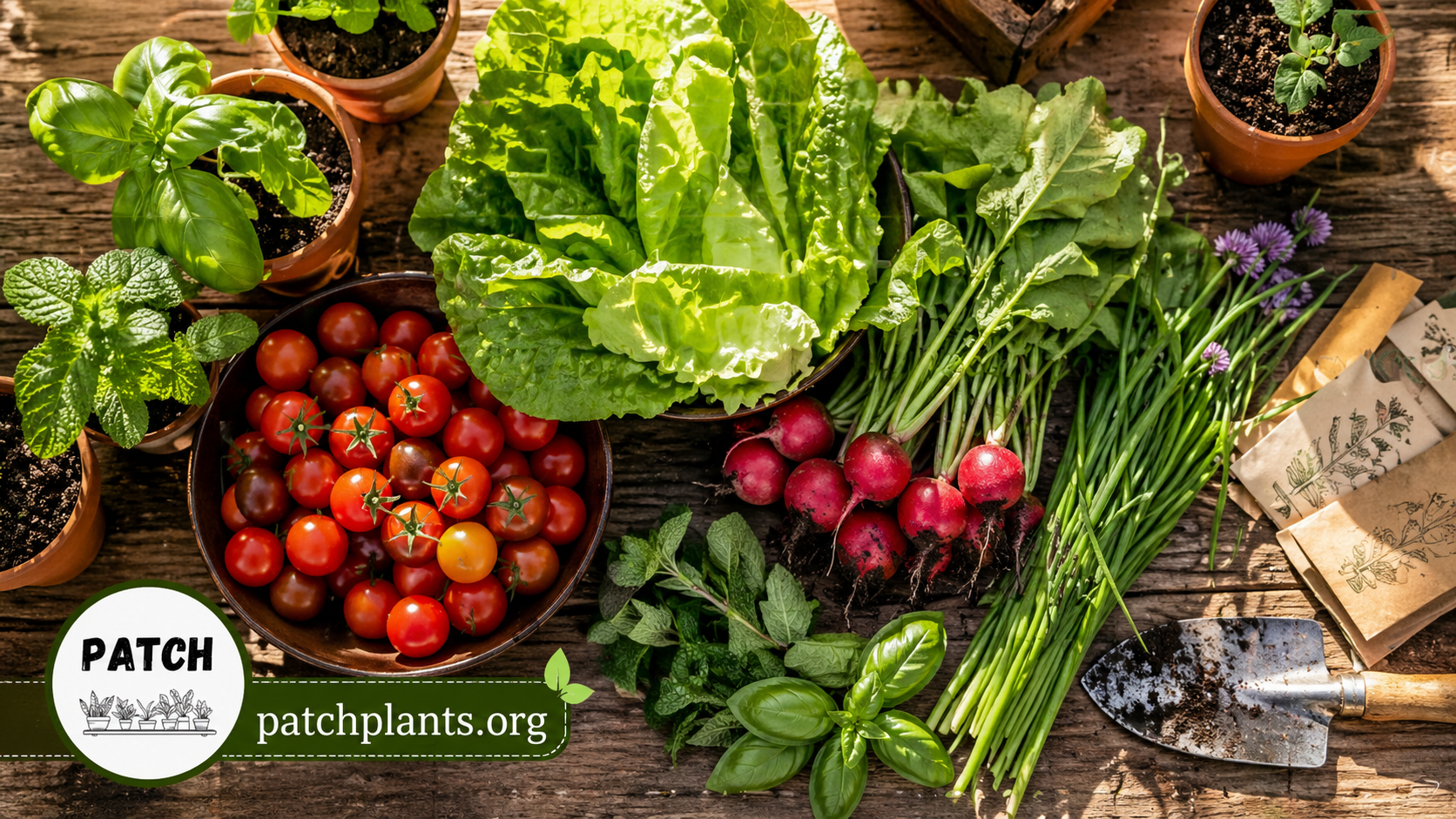
The easiest outdoor edible plants for beginners are lettuce, radishes, cherry tomatoes, basil, mint, chives, bush beans, spinach, strawberries and zucchini. They grow quickly, cope with small mistakes and do well in containers. Give most of them about six hours of sun, use pots with drainage holes and fresh potting mix (not garden soil), water whenever the top inch feels dry, and harvest often. You do not need a big plot to grow your own food. A sunny balcony, patio, doorstep or small raised bed is enough for salads, herbs,…